REVIEW · EAST VILLAGE NEW YORK CITY
NYC: East Village Rock n’ Roll Walking Tour
Book on GetYourGuide →Operated by Rock Junket Rock n' Roll Tours · Bookable on GetYourGuide
East Village rock lore in a compact walk. This 2-hour East Village rock n’ roll walking tour turns ordinary street corners into scenes from the rock, punk, and glam world, with famous album cover locations and Lower East Side legends folded into the route. I especially like how the stops come with a real narrative, not just dates and names, thanks to a hands-on guide.
I also like that you get sent into the Alphabet City and Bowery orbit instead of staying glued to one tiny pocket. One consideration: a couple of people wished the tour spent more time on the actual buildings where certain stars lived, since many landmarks have changed over the years.
In This Review
- Key Things That Make This Tour Worth Your Time
- East Village to the Bowery: What You’re Really Seeing
- Price and What $47 Buys in NYC Foot Traffic
- Meeting at East 9th Street and 3rd Avenue: Logistics That Matter
- How the Tour Flows: A Street-Level Rock Timeline
- East Village start: getting your bearings fast
- Alphabet City connections: punk attitude and scene energy
- Bowery direction: where the neighborhood leaned into performance
- Fillmore East: The Big-Stage Story You Can Still Picture
- CBGB’s: Punk, Style, and a Storefront That Still Knows Its Role
- Ramones, New York Dolls, and Iggy: Where Stories Meet Specific Places
- A note on expectations
- “Bobby Pinn” and First-Hand Storytelling That Makes the Walk Click
- Pacing and Comfort: Two Hours Means You’ll Move
- Who This Tour Is For (and Who Might Skip It)
- Should You Book This East Village Rock n’ Roll Walking Tour?
- FAQ
- FAQ
- How long is the NYC East Village Rock n’ Roll Walking Tour?
- What’s the price per person?
- Where is the meeting point?
- What’s included in the tour?
- Is hotel pickup or drop-off included?
- What language is the tour guide?
- What should I bring?
- Is there free cancellation?
Key Things That Make This Tour Worth Your Time
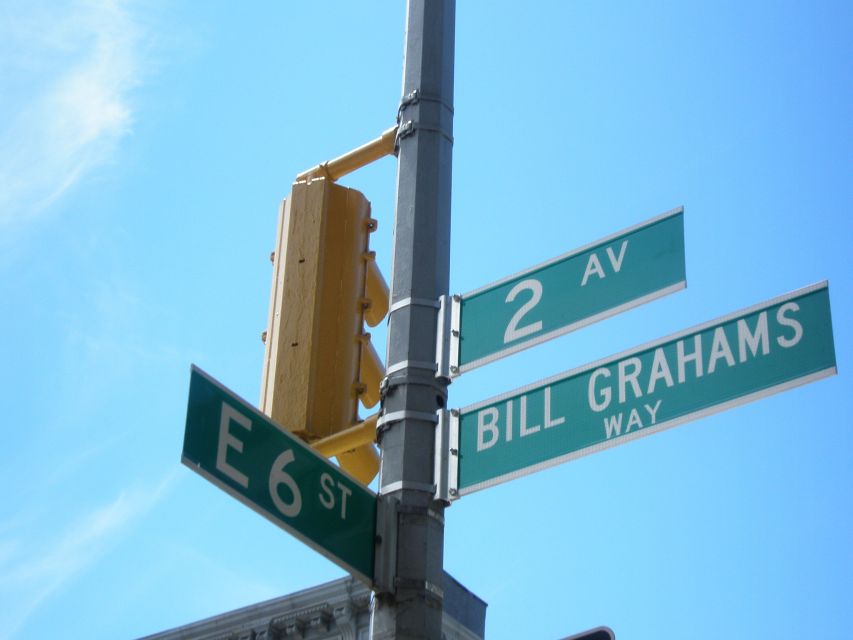
- Album cover locations you can spot on foot and connect to the stories
- Rock, punk, and glam explained through real NYC streets, not textbook theory
- Fillmore East, CBGB’s, Ramones, New York Dolls, Iggy and more packed into one walk
- Easy pacing that still feels like you cover a lot in two hours
- Live clothing and style stops, including a CBGB’s-era storefront experience
East Village to the Bowery: What You’re Really Seeing
This tour is built around a simple idea: great music scenes happen in specific neighborhoods, and you can still feel those scenes in the street layout, block-by-block changes, and the way the area was shaped by artists and fans. You start in the East Village, then the walk naturally fans out into Alphabet City and heads toward the Bowery side—exactly the kind of route that makes you realize how much rock culture was driven by everyday life: where people shopped, drank, hung out, and performed.
The tour covers the music arc from the 60s through more recent years, with three major lanes that shaped rock culture: Rock, Punk, and Glam. That mix matters. If you only care about one era—say, punk—you’ll still get the earlier threads that helped set the stage. If you’re into glam and style, you’ll see how fashion and attitude became part of the music identity, not an accessory.
Price and What $47 Buys in NYC Foot Traffic
At $47 per person for a 2-hour guided walk, you’re paying for three things: a guide who can connect names to places, time saved (you won’t be hunting down the right corners on your own), and a tighter “story route” than you’d usually build yourself.
In New York, $47 also buys you relief from decision fatigue. Instead of guessing which stops to prioritize—CBGB’s? Ramones? Fillmore East?—you follow a guided path that groups landmarks into a storyline. The value here is less about checking boxes and more about learning how the neighborhood functioned as a music machine.
That said, two-hour walking tours aren’t for everyone. If you’re the type who wants long pauses at each site or deep museum-style stops, this is more like a concentrated “street lecture” than a slow crawl.
Meeting at East 9th Street and 3rd Avenue: Logistics That Matter
You meet at the SW corner of East 9th Street and 3rd Avenue in the East Village. There’s no hotel pickup/drop-off, so you’ll want to be comfortable navigating the Lower East Side on your own.
I strongly recommend bringing bottled water and your camera—and yes, you’ll actually use both. The tour is designed to show you spots tied to album cover locations and landmark stories, so it’s the kind of outing where a quick photo helps you remember the connection later. Also, the route covers a handful of different streets; water keeps you focused when you’re walking more than you expected.
How the Tour Flows: A Street-Level Rock Timeline
The best way to think about this tour is like a playlist you hear while walking. You’re not just told who played where—you’re guided through a progression of what changed in the scene and what stayed familiar: the hunger to create, the style, and the DIY energy.
East Village start: getting your bearings fast
Starting in the East Village matters because it’s where the neighborhood’s creative momentum is easiest to sense. You’ll be guided through areas connected to famous scenes and artists, and the guide keeps snapping the story back to the street around you—why this block mattered, what kind of crowd showed up, and how the vibe shaped what got made.
Alphabet City connections: punk attitude and scene energy
As the walk moves toward Alphabet City, the stories tend to lean into a particular kind of rock lifestyle—clubs, style, and people looking for the next sound. If you’ve visited NYC before and thought of the East Village mainly as trendy now, this part helps you see why it became a magnet for musicians and fans in the first place.
Bowery direction: where the neighborhood leaned into performance
The walk also turns toward the Bowery, which fits the rock narrative because this is the kind of area where creative energy often shows up alongside gritty grit and older venues. You’ll hear how the music scene wasn’t just about big stages; it was also about the places people gathered between sets—where they could talk shop, shop for clothes, and keep the scene going.
Fillmore East: The Big-Stage Story You Can Still Picture
One of the most exciting parts is how the tour references Fillmore East. Even when you can’t see the original setup anymore, the guide’s job is to help you reconstruct the scene in your mind: the scale, the audience energy, and the feeling of a venue that became part of rock’s identity.
What makes this stop work for you is the way it links performance culture to neighborhood culture. You’re not just hearing that certain names were big. You’re hearing how the venue functioned as a “node” in a larger map of rock life—artists, fans, and the kind of buzz that spreads.
CBGB’s: Punk, Style, and a Storefront That Still Knows Its Role
The tour’s CBGB’s segment is the emotional high point for a lot of people, and for good reason. This is the name that basically stands for punk’s NYC street era. The guide takes you through the story so that CBGB’s feels less like a trivia answer and more like a turning point.
And yes, the building is now used differently. One review notes it’s a store stocking clothing, with interior touches that pay homage to the CBGB’s legacy. That matters. You’re seeing punk history living in the present tense—part memory, part modern retail space—so the story feels grounded instead of frozen in time.
If you love punk fashion, this is also where the tour’s “style” thread becomes practical: rock n roll clothing stores are part of what you’ll be shown, which helps explain how rock moved through everyday looks, not just music playback.
Ramones, New York Dolls, and Iggy: Where Stories Meet Specific Places
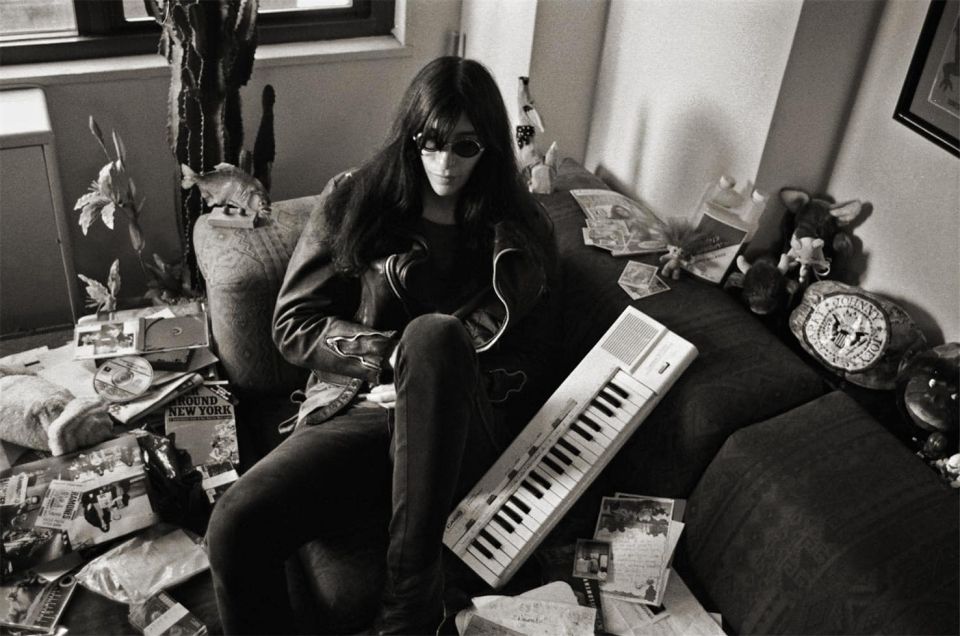
The tour isn’t limited to one band or one decade. It brings together a range of artists and scene markers, including the Ramones, New York Dolls, and Iggy Pop, plus broader mentions of people like Andy Warhol and The Velvet Underground. That mix is smart because it shows how NYC rock culture wasn’t one uniform thing—it was a cluster of adjacent worlds.
Here’s what you’re likely to find useful: the guide frames these legends through the practical human questions—where they lived, where they played, where they shopped, and where they drank. Even when the exact building has changed, the pattern of the story stays the same: artists built their work from real routines, real hangouts, and real neighborhoods.
A note on expectations
A couple people specifically wanted more time on the buildings tied to where artists lived. Keep that in mind as you decide. This tour does focus on multiple landmark types—album cover spots, venue references, and lifestyle locations—but it’s still a two-hour walk, so the guide has to choose a certain number of “anchor points.”
“Bobby Pinn” and First-Hand Storytelling That Makes the Walk Click
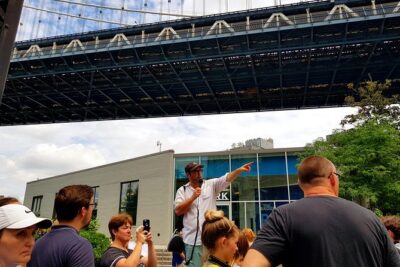
The standout across the reviews is the guide—often identified as Bobby Pinn—and the way he tells stories like someone who actually lived around these scenes. People described the experience as fun, fast-moving without feeling rushed, and packed with facts that come with personal context.
You can feel the difference between a guide who reads a list and a guide who can explain why a detail mattered in the moment. When the storytelling has that first-hand energy, the landmarks stop being random photos and start becoming scenes: who was there, what they were trying to prove, and how the neighborhood shaped the sound.
If you’re a music fan who cares about the why behind the who, this guide style is a big part of the value.
Pacing and Comfort: Two Hours Means You’ll Move
The tour runs for two hours, and the pace is typically described as easy and appropriately timed. That’s good news if you want your feet to keep up while your brain stays switched on.
Still, plan for a walking tour in NYC. You’re moving through multiple neighborhoods—East Village into Alphabet City, and then toward the Bowery area—so wear comfortable shoes and bring water. A camera helps because many stops are tied to very recognizable visuals like album cover locations.
Also, because many of the landmarks have changed, you’ll get the most out of the tour if you’re willing to think in “then versus now.” It’s not about seeing every building exactly as it was. It’s about understanding how the neighborhood’s rock era left recognizable fingerprints.
Who This Tour Is For (and Who Might Skip It)
This tour is a great fit if:
- You love rock, punk, or glam, or you want to understand how they connect
- You want a guided route that links famous artists to real Lower East Side places
- You enjoy city history when it’s practical—where people shopped, hung out, and performed
- You want music-story entertainment that still feels grounded in the neighborhood
You might consider skipping (or pairing it with something else) if:
- You want lots of detailed stops inside buildings like a museum visit (this is outdoors and on foot)
- You mainly want one band/one decade and you prefer deep, band-specific detail over a broader timeline
- You don’t like walking tours that involve noticing photos and storefront locations along the way
Should You Book This East Village Rock n’ Roll Walking Tour?
Book it if you want a fun, high-signal way to see the East Village and nearby blocks through the lens of rock culture—with a guide who can turn street corners into story beats. The $47 price makes sense when you factor in how much comes from the guide’s storytelling and the way the tour connects multiple iconic names to a compact route.
I’d also recommend booking sooner rather than later if you’re traveling during peak season, since the tour runs at scheduled starting times. And don’t forget water and your camera—you’ll want to capture the album cover spots and CBGB’s-era storefront moment.
FAQ
FAQ
How long is the NYC East Village Rock n’ Roll Walking Tour?
It lasts 2 hours.
What’s the price per person?
The price is $47 per person.
Where is the meeting point?
You meet at the SW corner of East 9th Street and 3rd Avenue in the East Village.
What’s included in the tour?
The tour includes a 2-hour walking tour and a professional guide.
Is hotel pickup or drop-off included?
No, hotel pickup and drop-off are not included.
What language is the tour guide?
The tour is available with a live guide in English.
What should I bring?
It’s recommended to bring bottled water and your camera.
Is there free cancellation?
Yes, you can cancel up to 24 hours in advance for a full refund.