REVIEW · WASHINGTON SQUARE PARK NYC
New York City: Gangsters and Ghosts 2-Hour Walking Tour
Book on GetYourGuide →Operated by Empire Tours & Productions (NYC) · Bookable on GetYourGuide
Mafia shadows walk beside real city views. On this Gangsters and Ghosts tour, you connect 1920s and 1930s vice districts to today’s streets, with stops built around mafia power, street fear, and real haunted lore. I love the way the guide turns names like John Gotti and Lucky Luciano into understandable stories, and I also love the mix of gangster crime scenes with truly eerie ghost-house style sightings.
The only real catch is the pace: it is a 2-hour walking tour with frequent stops, so if you need very limited walking, you may find it hard. The listing also says it is not recommended for limited mobility or infants, even while wheelchair access is mentioned, so you should plan to check fit for your specific needs before you go.
- Five Points at street level: where vice districts turned into the kind of place the city still remembers
- Chinatown’s Blood Alley stop: tied to old gang territory and fear built into the blocks
- Little Italy mafia scenes: restaurant locations connected to old murders and threats
- West Village haunted houses: ghost stories told right where people still live their lives
- Basilica of St Patrick entry: the Godfather connection you can actually stand inside
- Guide energy matters: names like Jackson, Jared, Seth, Ryen, and Joy show up in praise for humor and pacing
In This Review
- Starting at Worth and Mulberry: setting the tone for a 2-hour night-or-day story
- Five Points: the vice district that still haunts the map
- Chinatown and Blood Alley: tongs, power, and the streets that got a nickname
- Little Italy: gangster murder sites tied to restaurants and neighborhoods
- West Village haunted houses: ghost stories with real neighborhood stakes
- Getting inside Basilica of St Patrick: the Godfather stop you can stand in
- Views from famous districts: why the route feels like more than just crime talk
- Guide energy: why Jackson, Jared, Seth, Ryen, Joy, and others get praised
- Price and value: what $35 buys you in two hours
- Who should book, and who should skip this walking route
- Should you book Gangsters and Ghosts 2-Hour Walking Tour?
- FAQ
- How long is the Gangsters and Ghosts walking tour?
- How much does the tour cost?
- Where do I meet the guide?
- Which neighborhoods and stops will the tour cover?
- Is the Basilica of St Patrick stop included?
- Is this tour good for families?
- Is it wheelchair accessible?
Starting at Worth and Mulberry: setting the tone for a 2-hour night-or-day story
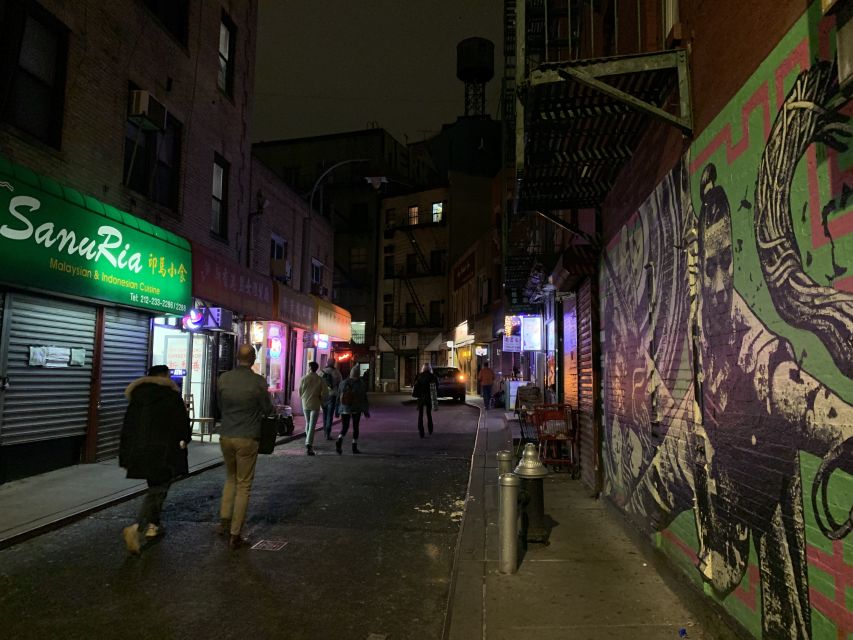
This tour starts at the corner of Worth and Mulberry Streets. Plan to arrive about 15 minutes early so you’re not doing last-minute group-spotting while the story starts without you. From there, you get a tight route through a handful of neighborhoods that shaped New York’s underworld in the 1920s and 1930s.
The best part is how the timing works for the amount of ground you cover. Two hours is long enough to build a full arc, but short enough that you’re not trapped in one topic for the entire walk. You’ll also get frequent stops, which keeps the experience from feeling like you’re being marched from one spooky corner to the next.
Five Points: the vice district that still haunts the map
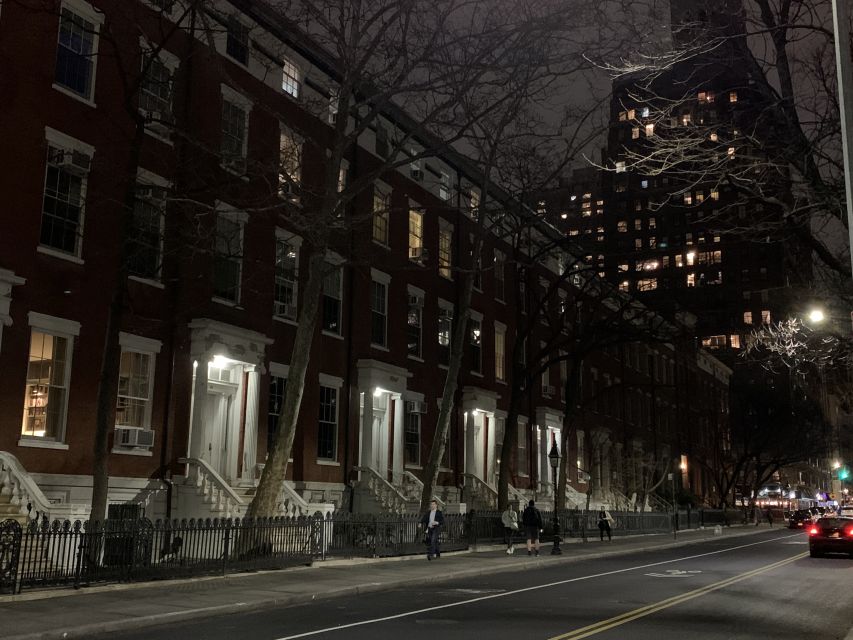
You hit The Five Points as a core stop, and it matters because the area became famous for the kind of chaos New York cities hate to admit. The tour frames Five Points as the magnet for gangs and criminal influence, tied to why some neighborhoods went from immigrant community life to crime control and fear.
What you’ll actually do here is less about museum-style facts and more about learning how to read a neighborhood from the street. The guide points out the kind of places where deals got made, power got enforced, and threats didn’t need speeches. If you like true crime and urban history, this is the moment when the stories stop being generic and start feeling location-specific.
One drawback to keep in mind: this area is tightly packed with real streets and lots of foot traffic depending on the time of day. The tour is designed for walking, but you should still expect normal city distractions along the route.
Chinatown and Blood Alley: tongs, power, and the streets that got a nickname
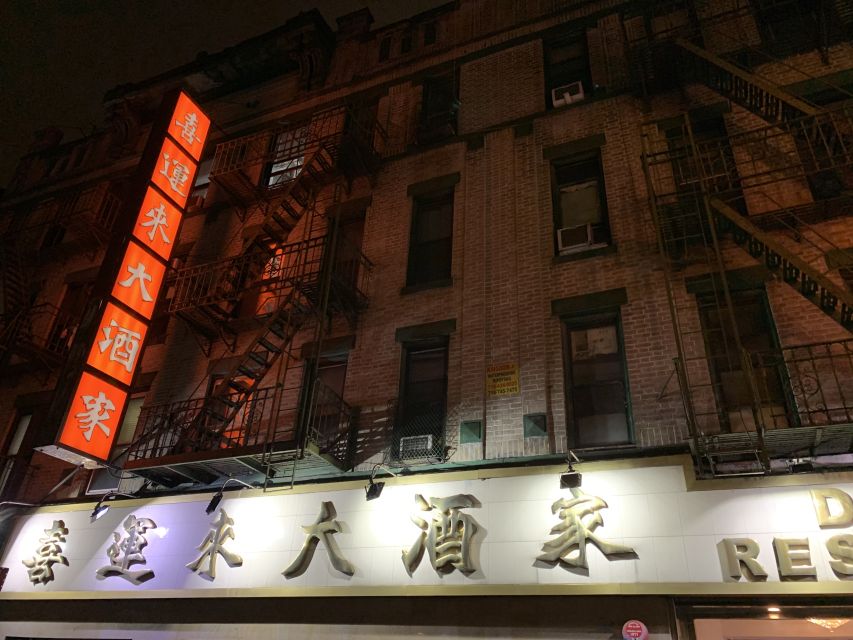
Next comes Chinatown, including a stop tied to Blood Alley. This is where the tour leans into organized crime in a different style than the Italian mafia stories. You learn how gangs and criminal groups operated, not just who they were, and how control could shift through intimidation, alliances, and ruthless enforcement.
The tour’s value here is the way it connects geography to behavior. When you walk through Chinatown blocks with the Blood Alley context in your head, the street-level “why here” questions start answering themselves. You also get a sense that fear wasn’t random. It was organized, and it was local.
If you’re the type of person who loves cultural context, you’ll probably appreciate the way the guide often threads in details about community life alongside the violence. In a few experiences on this tour, guides were specifically praised for giving historical depth to Chinatown beyond just names and dates.
Little Italy: gangster murder sites tied to restaurants and neighborhoods
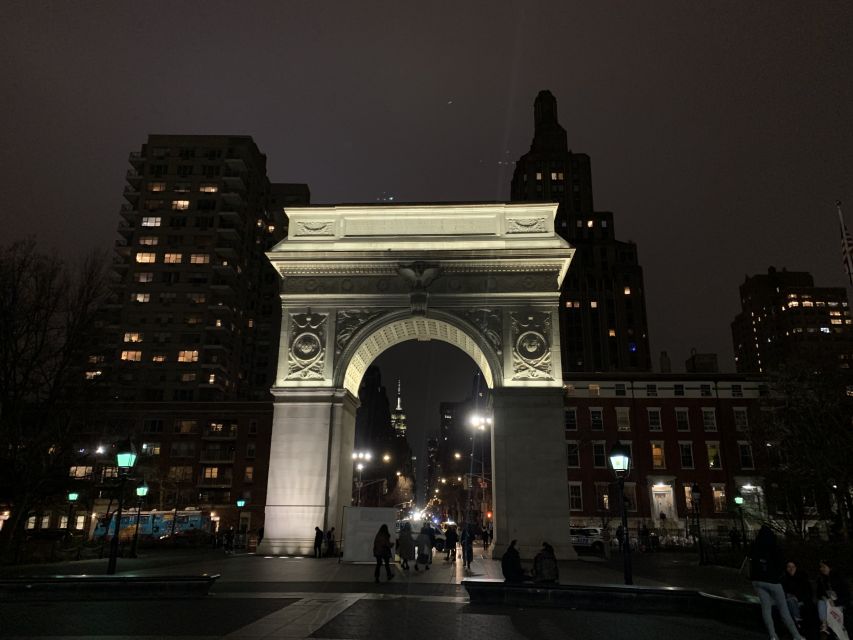
Then you shift into Little Italy, where the tour focuses on old mafia crime scenes, including the restaurants tied to murders. This part works well because it feels real in the best way: you’re not hearing crime stories floating in the abstract. You’re seeing them in a neighborhood people still visit, dine, and wander.
The tour also explains how the five mafia families of New York and other gangs ran criminal empires. That topic can sound broad, but on the street it turns practical. You start understanding how local control, protection, and profit could connect to bigger networks. You’ll also hear about how threats and punishment were part of daily enforcement, not just movie-style violence.
Two things to note. First, the stories can be dark, since they’re built around murders and intimidation. Second, this is not the kind of stop where you’ll want to tune out when you hear a name, because the guide usually connects that name to what happened and why it mattered where you’re standing.
West Village haunted houses: ghost stories with real neighborhood stakes
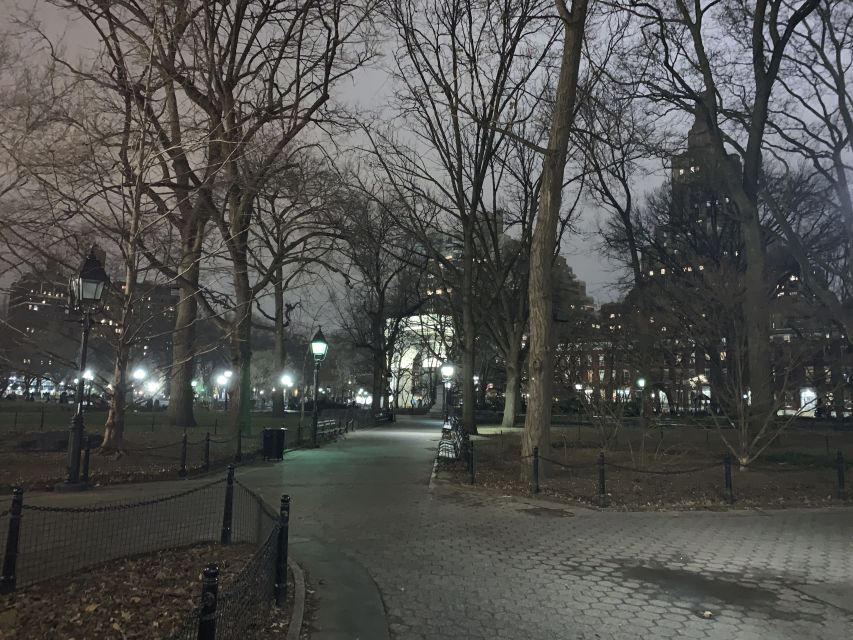
Now for the shift in tone: the tour heads toward the West Village and haunted houses. This is the segment where the word ghost becomes more than a theme. The guide treats the stories like local lore, with enough structure that you can track what’s supernatural, what’s legend, and what’s rooted in older accounts.
What I like about this part is that it doesn’t force cheap jump-scares. It leans into the idea that New York is old enough—and crowded enough—that fear can stick to buildings. The route also gives you the chance to appreciate famous West Village scenery while hearing the kind of tales that make you look up at windows differently.
A practical tip: if you’re traveling with kids, this is usually where families pay attention most—one daytime experience even highlighted how a guide kept children engaged while still covering both gangster and ghost parts. Still, if your group includes infants, the tour is not recommended for that age range, so plan accordingly.
Getting inside Basilica of St Patrick: the Godfather stop you can stand in
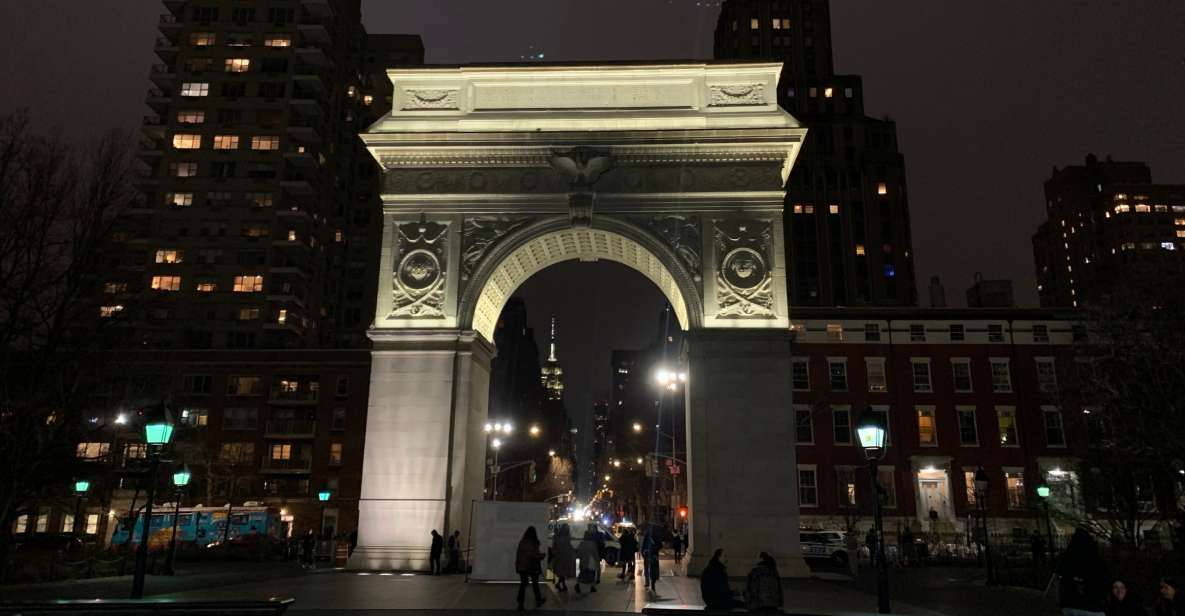
One of the biggest value points of the tour is entry to the Basilica of St Patrick on daytime tours only. It’s the site that gives the experience a pop of visual reality. You’re not only talking about crime; you’re stepping into a famous building that also shows up in pop culture.
This stop changes the feel of the tour in a smart way. After streets full of stories, you get a structured moment where you can take in the architecture and then come back out with a clearer sense of the route you just walked. It’s also a good reminder that the neighborhoods tied to vice and fear were still built around community institutions and daily life.
If you’re doing a daytime slot, this is the stop to look forward to. If you’re doing another time of day, you should be aware that the Basilica entry is listed as daytime only.
Views from famous districts: why the route feels like more than just crime talk
The tour promises amazing views from New York’s famous sightseeing districts, and you’ll feel it during the walking. Even when you’re focused on mafia and ghosts, you’re still moving through recognizable parts of the city. That matters because it keeps your brain oriented: you get story + location + skyline moments instead of story + street + repeat.
I also like that the tour uses the “vice district” framing across multiple neighborhoods. Five Points, Chinatown, Little Italy, and Greenwich Village (as part of the overall area focus) are treated as connected nodes. You’re not getting four isolated chapters. You’re getting a connected idea of how criminal enterprise and neighborhood identity overlapped.
Guide energy: why Jackson, Jared, Seth, Ryen, Joy, and others get praised
The biggest predictor of whether this tour feels fun or flat is your guide, and the praise in this experience keeps circling back to a few traits: strong storytelling, humor, and the ability to keep the group moving at a pace that still lets you absorb details.
Guides named in recent experiences include Jackson, Jared, Seth, Ryen, and Joy. Guests praised them for making the tour enjoyable, answering questions, and turning what could be grim topics into stories you remember. One guest even described the experience as like a two-hour college course, which is a nice way of saying the information landed with context instead of just facts dumped at you.
Another trend: guides were also praised for group handling and safety. On a hot day, one experience noted a guide actively checking on hydration. That’s a small thing, but it affects whether you feel looked after while you’re walking.
Price and value: what $35 buys you in two hours
At $35 per person for 2 hours, the value depends on what you want from a walking tour. If you just want photos and famous corners, you might find cheaper options. But if you want crime-story context tied to actual places, this price starts to make sense fast.
Here’s what you’re getting for your money:
- A professional guide and live storytelling (not audio only)
- A route that hits multiple neighborhoods tied to both gangsters and ghosts
- Basilica of St Patrick entry on daytime tours, which is a real add-on cost you don’t have to manage yourself
For many people, the “why it’s worth it” is simple: you pay to have someone connect the dots in a way you’d struggle to do on your own in a short stay. And with this route, you’re covering enough ground that doing it solo can feel like you’re piecing together facts from scattered sources.
Who should book, and who should skip this walking route
This tour is a good fit if you like street-level history, true crime themes, and ghost stories that stay rooted in real neighborhoods. It also helps if you enjoy hearing how criminal empires worked beyond the headline names. The tour doesn’t just say who was bad; it talks about how power operated.
It’s also family friendly in the sense that it includes frequent stops and children aged 6 and under can join for free. Still, it is not recommended for infants, and it also lists limited mobility concerns. On top of that, the info includes both wheelchair accessibility and a note that it’s not suitable for people with mobility impairments, so if mobility is a factor, don’t assume. Ask before you book.
Finally, wear real walking shoes. The tour is built around pavement, and New York weather can turn a pleasant walk into a draining one fast.
Should you book Gangsters and Ghosts 2-Hour Walking Tour?
I’d book it if you want a compact NYC experience that mixes Five Points gangster lore, Chinatown Blood Alley context, Little Italy crime-scene stories, and West Village haunted-house vibes, all in one coherent route. It’s also a strong choice if you’re traveling with a group that likes lively storytelling—multiple guides named in past experiences were praised for humor, pacing, and keeping questions flowing.
Skip it if your plan depends on very limited walking, or if you’re traveling with an infant. Also, if you dislike dark true-crime themes, you might find the murder-related parts heavier than you want.
If you do book, I’d treat this tour as your orientation shortcut. After two hours, you’ll look at these neighborhoods with new eyes and understand why New York’s underworld stories still stick to the streets.
FAQ
How long is the Gangsters and Ghosts walking tour?
It lasts 2 hours.
How much does the tour cost?
The price is $35 per person.
Where do I meet the guide?
Meet at the corner of Worth and Mulberry Streets, about 15 minutes before the tour starts.
Which neighborhoods and stops will the tour cover?
You’ll visit stops including The Five Points, Chinatown (including Blood Alley), Little Italy (including mafia crime-scene locations), and the West Village haunted houses. The tour also includes entry to Basilica of St Patrick on daytime tours.
Is the Basilica of St Patrick stop included?
Yes, entry to Basilica of St Patrick is included on daytime tours only.
Is this tour good for families?
It is described as family friendly with frequent stops, and children aged 6 and under can join for free. The tour is not recommended for infants.
Is it wheelchair accessible?
Wheelchair accessibility is listed, but the tour is also described as not recommended for people with limited mobility and not suitable for people with mobility impairments. If you use mobility aids, you should check fit with the operator before going.