REVIEW · BROOKLYN
Authentic Asian Cooking Class in NYC (Includes 4-Course Meal)
Book on Viator →Operated by Cozymeal Cooking Classes · Bookable on Viator
Want dinner plans with sharp knife skills? This Brooklyn class is a hands-on way to learn Asian cooking basics while you make a full 4-course meal. It’s small-group, chef-led, and focused on practical technique—not just watching.
I especially like the step-by-step coaching on knife skills and balancing bold ingredients, so you’re not guessing what to do next. You’ll cook spring roll pancakes, chicken teriyaki, garlic-sesame broccoli, and vegetable fried rice. One catch: with a maximum of 4 travelers and typical booking about 28 days ahead, popular dates can disappear fast.
In This Review
- Key Details Worth Knowing Before You Go
- Why This Brooklyn Asian Cooking Class Feels Different
- The Four-Course Menu: Exactly What You’ll Cook
- From Knife Skills to Flavor Balance: How the Chef Teaches
- Vegetable Spring Roll Pancakes with Sesame Scallion Sauce
- Chicken Teriyaki with Soy-Based Glaze, Sesame, and Scallions
- Garlic-Sesame Broccoli and the Timing That Keeps It Tender
- Vegetable Fried Rice with Eggs and Fresh Vegetables
- BYOB, Cozy Setting, and Why Small Groups Matter
- Price and Value: Is $159 a Good Deal for NYC?
- Who Should Book This Cooking Class in NYC
- Should You Book This Asian Cooking Class or Skip It?
- FAQ
- How long is the cooking class?
- Where does the class meet in Brooklyn?
- What dishes are included in the 4-course meal?
- Is this a BYOB experience?
- How many people are in the group?
- Can the class accommodate dietary needs?
- What is the cancellation policy?
Key Details Worth Knowing Before You Go
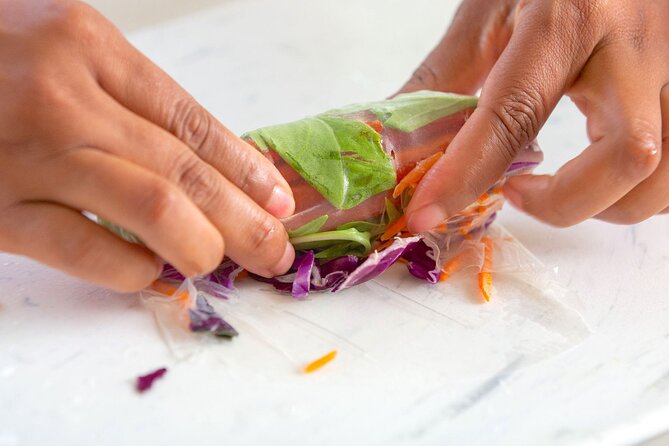
- Small group (max 4): You get real attention while you cook.
- Four dishes, four courses: Starter, main, and two sides, all included.
- Chef-led technique: Knife skills and flavor balancing are part of the lesson.
- BYOB option: Bring wine or beer to enjoy with your meal.
- Brooklyn meeting point: Start at 136 17th St, Brooklyn, NY 11215.
Why This Brooklyn Asian Cooking Class Feels Different
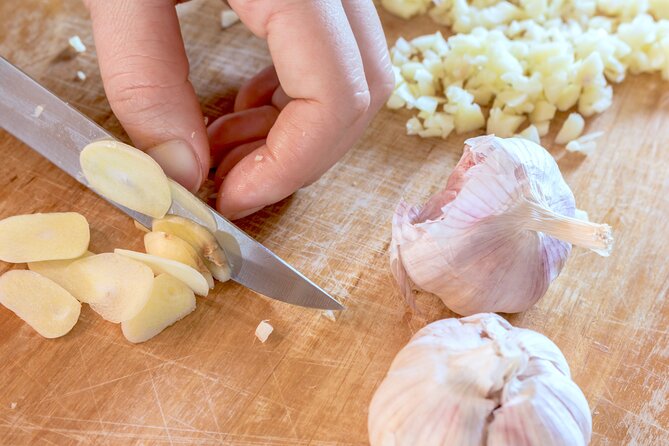
New York has plenty of food tours, but this is different because you’re doing the work. You’ll be chopping, cooking, and assembling while a chef guides you through what matters: timing, texture, and how flavors get along with each other.
The class is also set up to feel relaxed. The small-group size (up to 4) means the chef can slow down when someone needs help, and you’re not stuck waiting for the next station like a factory line. One of the most repeated strengths in the feedback is that the teaching style stays approachable and informative at the same time.
The practical part is the “why.” You’re not just making teriyaki and fried rice—you’re learning how to balance soy-based flavor, sesame notes, and fresh aromatics so the dish tastes right, even when you’re cooking at home later.
You can also read our reviews of more tours and experiences in Brooklyn.



The Four-Course Menu: Exactly What You’ll Cook
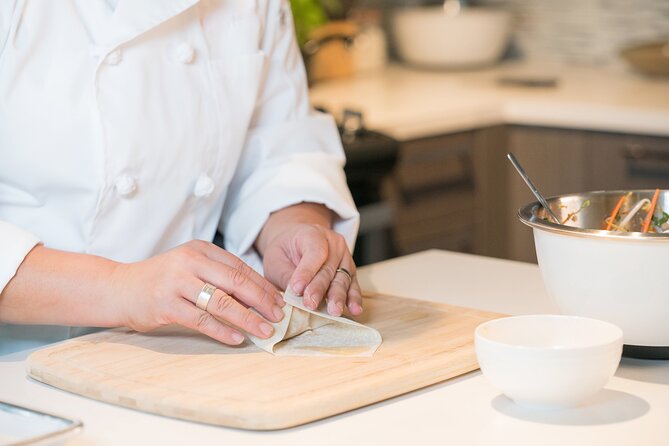
This class isn’t a sampler where you taste everything and call it a day. You make a full meal in four courses, all designed around common Asian pantry flavors and techniques.
Here’s what’s on the menu you’ll prepare:
- Starter: Vegetable spring roll pancakes with sesame scallion sauce
- Main: Chicken teriyaki with soy-based sauce, sesame, and scallions
- Side: Sautéed broccoli with garlic and sesame oil
- Side: Vegetable fried rice with eggs and fresh vegetables
That mix is smart because it covers multiple skill types. Pancake-style spring rolls teach handling and crisping. Teriyaki teaches glaze and seasoning balance. Broccoli teaches quick sauté timing. Fried rice teaches heat control and building flavor without getting soggy.
If you like meals that are comforting but not boring, this hits the sweet spot: savory, slightly sweet, garlicky, and bright from scallions and vegetables.
From Knife Skills to Flavor Balance: How the Chef Teaches
The cooking lesson is built around two core ideas: use your knife well and know how to balance ingredients. That’s more useful than it sounds.
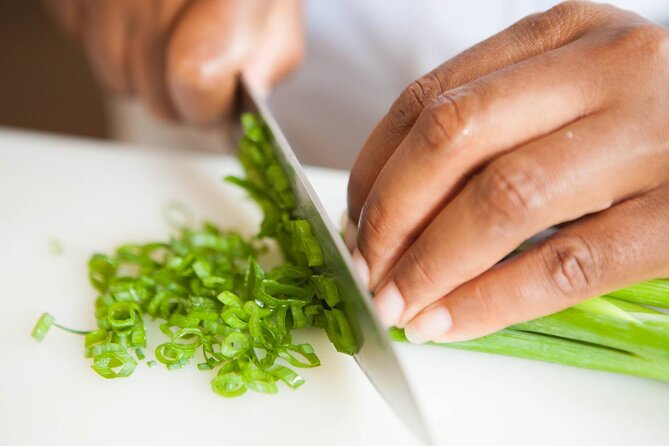
Knife skills matter because Asian cooking often relies on even cuts and fast cooking. If your vegetables are wildly different sizes, you’ll end up with undercooked bits and overcooked bits in the same pan. Even small improvements make the food taste better.
Flavor balance is the other big takeaway. You’ll work with soy-based sauces, sesame elements, garlic, and fresh scallions. The chef’s job is to help you understand the flow of flavor—what to add early, what to add for aroma, and how to avoid a dish that’s only salty or only sweet.
Some sessions may be led by chefs like Chef Jame, who has been specifically praised for making the experience easy to relax into while still learning real technique. Even if your chef isn’t named the same, the teaching approach is clearly about practical confidence.
Vegetable Spring Roll Pancakes with Sesame Scallion Sauce
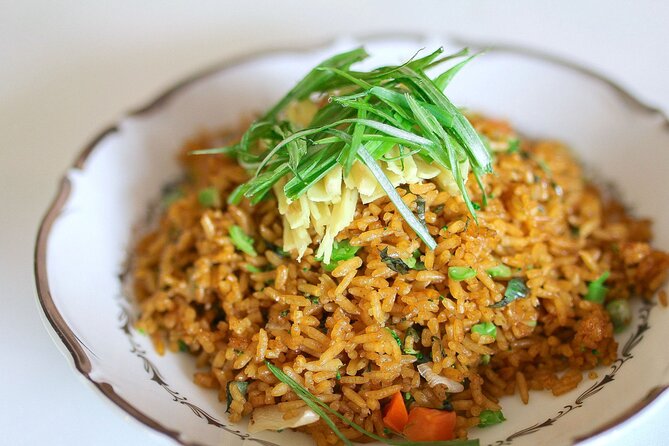
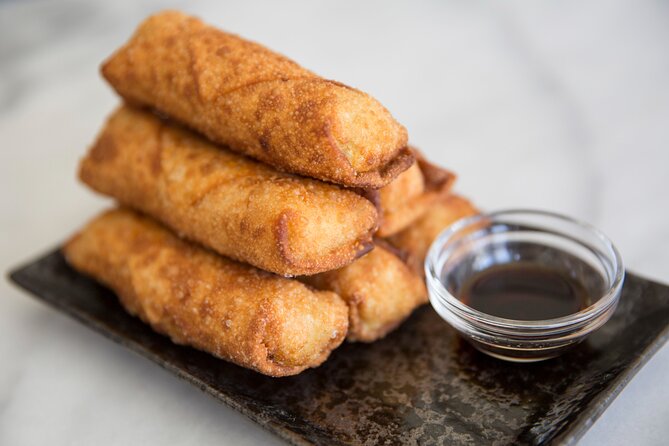
This is a great starter because it teaches you something you can actually reproduce later: how to get crisp edges and a properly cooked inside.
You’ll be working with a spring roll pancake format filled with cabbage, garlic, and carrots, then served with a sesame scallion dipping sauce. The cabbage-and-carrot combo is classic because it cooks quickly and stays flavorful without needing complicated ingredients.
What to pay attention to while you cook:
- How the pancake cooks until golden and crisp
- How the sauce tastes when you balance sesame and scallions
- The way the filling texture changes as it heats
If you’ve ever tried to make something “spring roll-ish” at home and ended up with soggy results, this is the course that can fix that. Crispness comes from heat control and timing, not magic.
Chicken Teriyaki with Soy-Based Glaze, Sesame, and Scallions
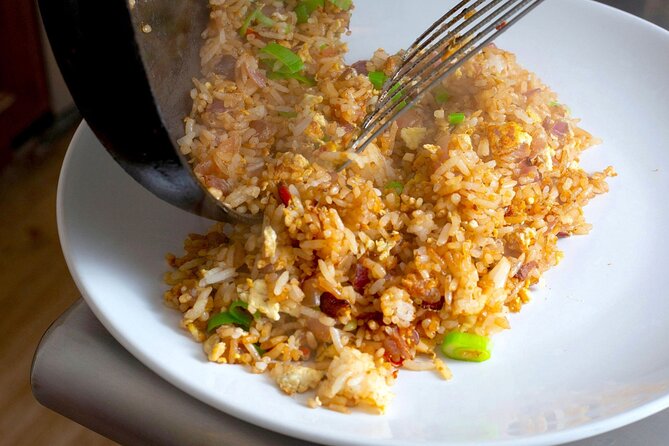
Teriyaki can be simple, but the best versions taste layered—not just sweet. In this class, you’ll make chicken teriyaki glazed with a soy-based sauce, then finished with sesame and fresh scallions.
This is where the cooking lesson becomes a flavor workshop. Soy-based teriyaki needs balance: sweetness, salt, and that savory umami hit. Sesame adds aroma and depth, while scallions bring freshness so it doesn’t taste heavy.
As you cook, you’ll likely learn to manage glaze thickness—too thin and it doesn’t cling, too thick and it can turn sticky or overpowering. That’s one of those kitchen skills that’s hard to get from recipes alone.
A nice detail: the course is paired with fried rice later, so you’ll see how flavors repeat across dishes. Chicken teriyaki isn’t isolated here; it’s part of an actual meal plan.
You can also read our reviews of more tours and experiences in Brooklyn
Garlic-Sesame Broccoli and the Timing That Keeps It Tender
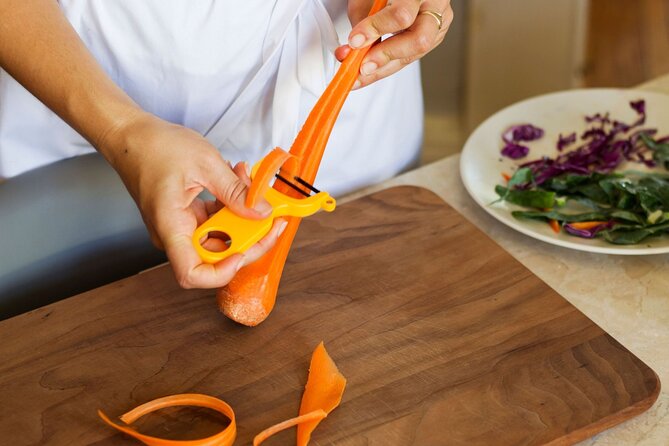
Sometimes sides get treated like filler. Here, the broccoli side is worth your attention because it teaches quick sauté technique.
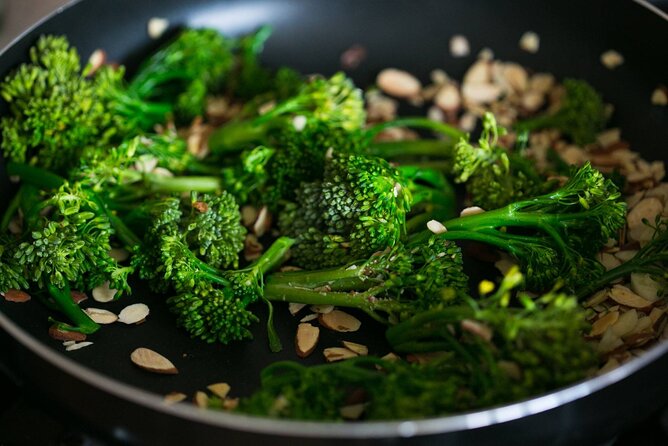
You’ll cook broccoli with garlic and sesame oil, keeping it tender rather than limp. Sesame oil is potent, so this dish can go from fragrant to overwhelming if timing and amount aren’t handled well. That makes it a useful lesson in restraint.
While you cook, focus on texture:
- Broccoli should turn tender but not dull
- Garlic should smell aromatic, not burned
- Sesame oil should add a rounded nutty finish
This side also helps you understand how to build flavor with a few ingredients. You’ll walk away thinking less about fancy shopping lists and more about how heat and timing affect taste.
Vegetable Fried Rice with Eggs and Fresh Vegetables
Fried rice is where your skills stack up. You’re working with rice plus eggs plus fresh vegetables, then seasoning so it tastes like a complete meal, not just leftovers reheated in a pan.
In this class, you’ll prepare vegetable fried rice with eggs and fresh vegetables. The value here is learning how to season and heat it so the dish stays flavorful and not greasy.
Practical things to watch for:
- How the rice behaves in the pan when it’s stirred
- When the eggs set (so they stay tender rather than rubbery)
- How the fresh vegetables keep flavor and color
This dish also shows why the earlier courses matter. The teriyaki glaze and scallion notes don’t just taste good by themselves—they help you understand how soy flavors can echo across a whole meal.
People often call this their favorite part, and it’s easy to see why. It’s comforting, it’s fast once you get the rhythm, and it turns classroom learning into dinner you can repeat at home.
BYOB, Cozy Setting, and Why Small Groups Matter
This is a BYOB class, meaning wine or beer isn’t included—you can bring it yourself. The upside is flexibility: you can pick what fits your taste and budget, then enjoy it with your own cooking. Just remember, you’re there to cook, so keep it light and plan to pace yourself.
The setting is described as cozy and chef-led in a small-group format. That matters in NYC, where cooking classes can feel overly scripted or crowded. Here, the format supports questions and real feedback as you work.
It’s also a solid choice for occasions. The experience has been described as a great date night and a fun family activity. That makes sense: you’re doing something together, learning something practical, and then eating what you made without needing restaurant reservations.
Price and Value: Is $159 a Good Deal for NYC?
At $159 per person for about 3 hours, you’re paying for a real, guided cooking session plus a full meal. In NYC terms, that’s not cheap—but it’s also not just paying for ingredients and a room.
You’re getting:
- A four-course meal you cook and eat during the session
- Step-by-step chef instruction (knife skills, balancing ingredients)
- A small-group setting limited to 4 travelers
The best value shows up if you’ll actually use what you learn. If you leave with technique you can repeat—like glazing teriyaki, managing sesame flavor, and getting broccoli tender-fast—then the class becomes more than a meal. It turns into future dinners.
If you mainly want to taste and move on, a tasting-only food tour might feel more aligned with your style. But if you want to leave with confidence in the kitchen, this is the kind of experience where the cost starts to make sense.
Who Should Book This Cooking Class in NYC
This class is a strong fit if you:
- Want a hands-on meal rather than a passive experience
- Care about practical cooking skills you can repeat at home
- Prefer small groups where the chef can actually help
- Like Asian flavors such as soy-based glaze, sesame, garlic, and scallions
It also works well for groups who enjoy learning together—date nights, families, and anyone who likes food that’s both comforting and specific.
If you’re very sensitive to certain ingredients, you’ll want to plan ahead. The experience says it can accommodate a variety of dietary needs, and you should let the team know in advance so they can tailor the experience to suit your preferences or restrictions.
Should You Book This Asian Cooking Class or Skip It?
Book it if you want real cooking instruction with a full meal attached—and you don’t mind showing up ready to work at the counter. The combination of four courses, small group size, and a teaching focus on knife skills and flavor balance is exactly what makes this class feel worth your time in NYC.
Consider a different option if you want a more casual food tasting with minimal cooking, or if you’re trying to book last-minute. With a max of 4 travelers and typical bookings happening about a month out, the schedule favors people who plan.
If you’re the type who loves recreating dishes later, this is the kind of class that can pay you back every time you make teriyaki or fried rice again.
FAQ
How long is the cooking class?
It’s about 3 hours.
Where does the class meet in Brooklyn?
The meeting point is 136 17th St, Brooklyn, NY 11215, USA.
What dishes are included in the 4-course meal?
You’ll cook and eat: vegetable spring roll pancakes with sesame scallion sauce, chicken teriyaki, sautéed broccoli with garlic and sesame oil, and vegetable fried rice with eggs and fresh vegetables.
Is this a BYOB experience?
Yes. It’s BYOB, so you can bring wine or beer to enjoy during the class.
How many people are in the group?
The maximum group size is 4 travelers.
Can the class accommodate dietary needs?
Yes. You can tell the team about your dietary needs in advance, and they will do their best to tailor the experience.
What is the cancellation policy?
Free cancellation is available up to 24 hours before the experience starts for a full refund. If you cancel less than 24 hours before, the amount paid is not refunded.