REVIEW · BROOKLYN
Brooklyn Heights: New York City’s First Suburb
Book on Viator →Operated by Boroughs & Bridges History Tours · Bookable on Viator
Brooklyn Heights explains the American story, street by street. This tour takes you through Brooklyn Heights, where revolutionary-era decisions, 19th-century wealth, and the neighborhood’s famous architecture all show up in the real world, not just in books. You’ll connect big themes like rebellion and freedom to specific corners and buildings you can actually see.
I especially love the way the guide keeps things moving with an easy, engaging tone. In one of the comments I saw, Andy was singled out as terrific, and that matches the vibe you’re looking for: clear storytelling without talking at you. I also like the focus on practical details—like the views over Lower Manhattan—so the history lands in your senses, not your memory alone.
One consideration: this experience needs good weather, and most of it is on foot for about 3 to 4 hours. If skies look iffy, plan on layers and comfy shoes, because you’ll be outdoors the whole time.
In This Review
- Key Things You’ll Notice on This Brooklyn Heights Tour
- Brooklyn Heights: Why This Neighborhood Feels Like a Time Machine
- Getting There and What 3–4 Hours on Foot Really Means
- Brooklyn’s First City Hall (1834–1848) and the Revolution-Era Context
- North vs. South Brooklyn Heights and the Dodgers Ticket Office Link
- Lower Manhattan Views From Brooklyn Heights: Why the District Became a Favorite
- Underground Railroad Church: Freedom Efforts on a Real Block
- Gilded Age Brooklyn: Opulent Homes, Industry, and a Fast-Fast Growth Story
- Walking a Historic District Built on Pre–Civil War Architecture
- Price, Group Size, and Why $75 Can Be Worth It
- Who Should Book This Brooklyn Heights Walk?
- Should You Book This Brooklyn Heights Tour?
- FAQ
- Where does the tour start?
- Where does the tour end?
- What time does the tour begin?
- How long is the tour?
- How much does the tour cost?
- How large is the group?
- Do I get a ticket on my phone?
- How soon will I receive confirmation?
- What’s the cancellation policy?
- What if the weather is bad?
Key Things You’ll Notice on This Brooklyn Heights Tour
- A small group (max 10) means you can ask questions and actually hear your guide
- Revolutionary and patriot-era sites show how local life and national events tangled together
- Brooklyn Dodgers history ties the neighborhood to baseball’s bigger story
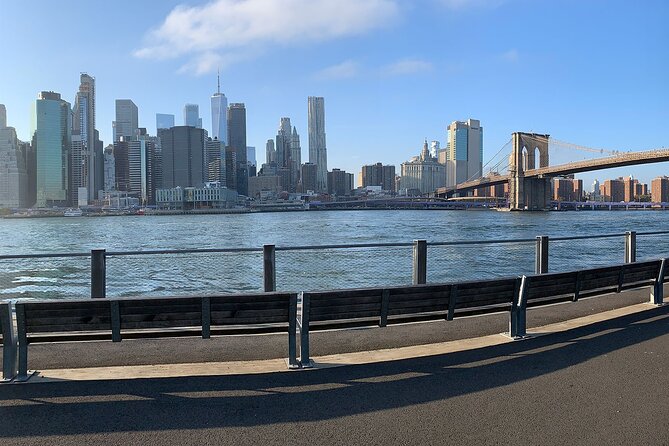
- Lower Manhattan viewpoints help you understand why Brooklyn Heights became a “must-see” district
- An Underground Railroad church connection highlights local action for people escaping slavery
- Over 600 pre–civil war buildings makes the architecture the star, not a background detail
Brooklyn Heights: Why This Neighborhood Feels Like a Time Machine
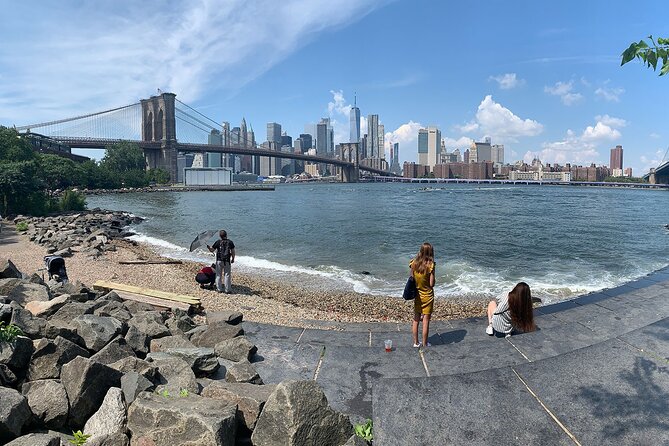
Brooklyn Heights has that rare quality: it’s not frozen. It’s still a working neighborhood, but it carries layers of the past in plain sight. That’s why a walking tour here works so well. You’re not just hearing dates. You’re looking at streets and structures that helped shape how Brooklyn grew—first as a distinct community, then as part of a bigger New York.
This tour leans into the idea that Brooklyn Heights was early, important, and slightly ahead of its time. You’ll hear about Brooklyn as a place where new ideas and tough choices mattered—during the American Revolution, later during waves of industry, and again during the struggle for freedom.
And because Brooklyn Heights is known for being home to over 600 pre–civil war buildings, your guide can point out patterns you might miss on your own. You start noticing how the neighborhood looks and how that look reflects the people who built it.
You can also read our reviews of more city tours in Brooklyn



Getting There and What 3–4 Hours on Foot Really Means
The tour meets at Borough Hall Station on Court St in Brooklyn (start time is 1:00 pm). It ends at 2 Pierrepont Pl. That start-to-finish flow matters because you’ll cover ground without needing to retrace your steps the whole time.
You should expect about 3 to 4 hours, and the pacing is designed for walking, not museum stops. That’s a plus if you like city tours where you can look up, slow down at key corners, and take photos when your guide directs your attention.
Price is $75 per person, and what you’re buying is structured storytelling plus a guide who keeps the group engaged. The group size is capped at 10 travelers, which usually means less waiting and more chance to hear details clearly.
You’ll also use a mobile ticket. That’s convenient—less paperwork, less fuss.
Brooklyn’s First City Hall (1834–1848) and the Revolution-Era Context
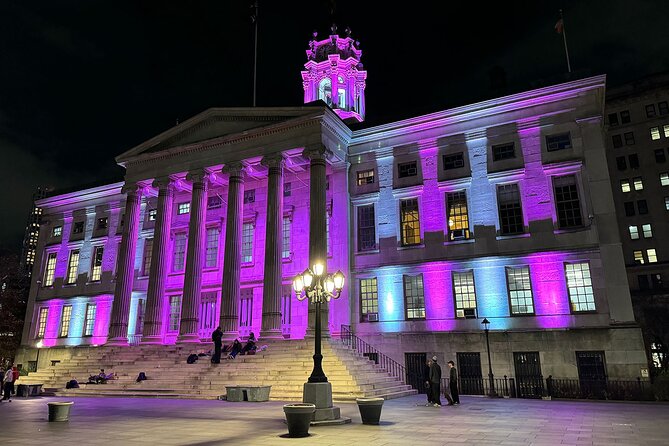
One of the earliest stops is Brooklyn’s first City Hall, built between 1834 and 1848. That date range alone is a clue: you’re stepping into a period when cities were organizing themselves like modern governments, with formal buildings and public systems that shaped daily life.
When your guide connects this kind of civic space to the American Revolution era, it helps you understand that the Revolution wasn’t only battles and speeches. It was also governance, local authority, and the public decisions that affected ordinary people.
As you stand there, you’ll likely pick up why civic buildings can feel like anchors in a city. They don’t just represent power. They represent how communities functioned—where people went to resolve disputes, make rules, and handle the paperwork of living in a growing society.
Practical tip: treat this stop like a perspective moment. Look at the surroundings, not just the building. The point is to see how an early civic landmark fit into the neighborhood’s flow.
North vs. South Brooklyn Heights and the Dodgers Ticket Office Link
Brooklyn Heights gets divided into North and South, and you’ll spend time in that conversation. It sounds like a simple neighborhood geography lesson, but it becomes more interesting once it connects to culture.
In this area, there was once a Brooklyn Dodgers ticket office—and your guide uses that link to talk about how baseball changed the game. This is one of those stops that works for history fans and sports fans at the same time, because the story isn’t only about the team. It’s about how big entertainment and public events grew right alongside Brooklyn itself.
What I like about this segment is that it doesn’t treat sports as a separate topic. It shows how Brooklyn’s rise created the audience, the infrastructure, and the energy for national pastimes to take off.
If you’re traveling with someone who thinks history tours are too serious, this is where you can get them back on board. It’s easy to connect baseball’s momentum to the neighborhood’s identity as a place where people gathered and things happened.
Lower Manhattan Views From Brooklyn Heights: Why the District Became a Favorite
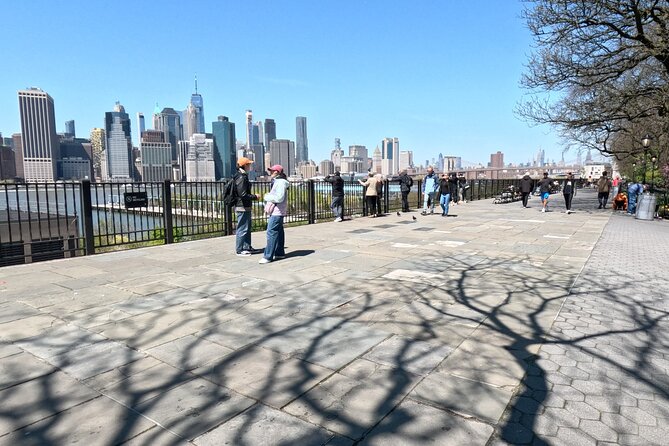
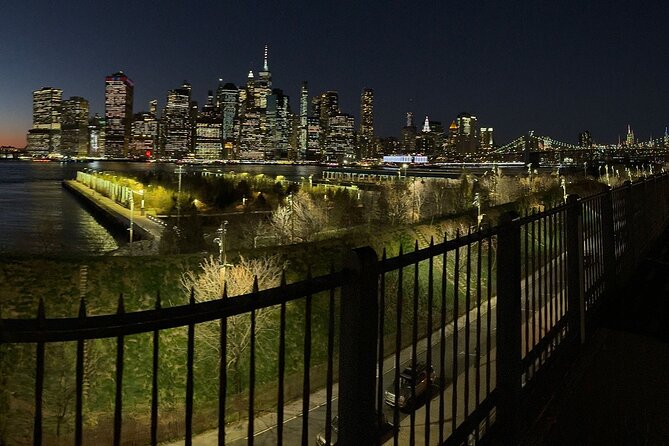
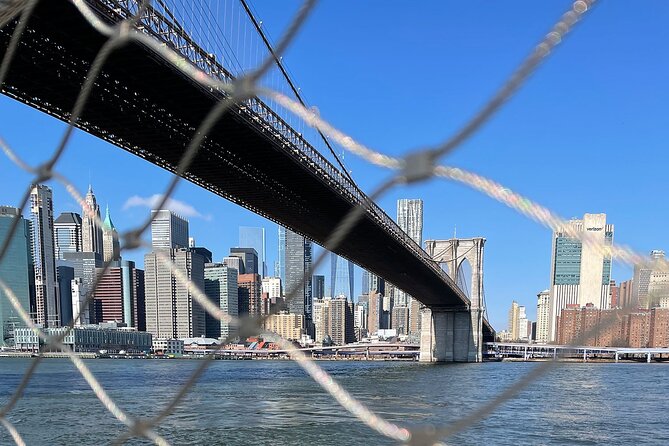
Then comes one of the main payoffs: unrivaled views of Lower Manhattan. Your guide frames these overlooks as part of New York’s first scenic district, which is a big idea for such a simple act as looking out across the water and skyline.
Here’s why this stop matters. When a neighborhood is known for views, you can often trace that into real estate value, street design, and even who wanted to live there. Views turn into a story about desirability—about how people imagined their future, not just their present.
For you as a traveler, this is also the “reset moment” in the tour. After civic buildings and storytelling, the view helps you build a mental map. You start understanding Brooklyn Heights as a vantage point, a lookout, and a bridge between communities.
Practical tip: bring your phone or camera early so you can capture a skyline shot before your attention shifts back to details. Also, if the wind is up, keep an eye on hats and sunglasses.






Underground Railroad Church: Freedom Efforts on a Real Block
One stop focuses on a church that’s considered the Grand Central of the Underground Railroad. Your guide emphasizes that it was instrumental in helping enslaved people escape to freedom.
This is the most emotionally serious part of the walk. The details you hear here matter, but what really makes it land is the setting. You’re not learning about an underground network in theory. You’re learning that people used their communities, including religious institutions, to help others reach safety.
If you want to understand how the Underground Railroad worked, pay attention to how your guide ties local action to larger outcomes. This wasn’t a fantasy rescue. It was hard, risky help carried out by real people in real places.
A good way to approach this stop: keep your pace slow and your questions ready. If the guide offers context, let it take the lead. This is one of those segments where your curiosity is most valuable when you show respect for the subject.
Gilded Age Brooklyn: Opulent Homes, Industry, and a Fast-Fast Growth Story

Brooklyn Heights also takes you into Gilded Age Brooklyn, the late 19th-century period when wealth, industry, and ambition moved quickly. You’ll see the kinds of landmarks and opulent homes that came with that boom, and you’ll hear about the industrialists and innovators who drove Brooklyn’s rapid growth.
This section is more than “look at the fancy houses.” It helps you connect wealth to systems—factories, transportation, and new ideas that changed how people lived. Your guide is working to show the cause-and-effect chain: new industries created money, money changed neighborhoods, and neighborhoods shaped who became powerful.
What I find useful here is that the tour doesn’t treat the Gilded Age as pure glamour. It puts you in the middle of a transformation. Brooklyn Heights wasn’t just getting prettier; it was becoming more important to the city’s future.
Practical tip: for photos, buildings like these often look best at a slight angle. Don’t stand straight on and freeze. Step a few feet to see different facades and street lines.
Walking a Historic District Built on Pre–Civil War Architecture
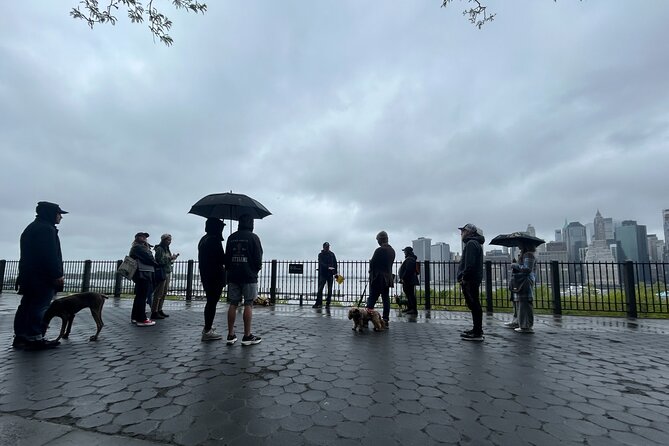
One of the headline claims you’ll experience is that Brooklyn Heights is home to over 600 pre–civil war buildings. That density changes everything. You stop thinking of history as a handful of monuments and start seeing it as an entire built environment.
As you walk, your guide points out architectural gems that helped Brooklyn Heights become NYC’s first Historical District. Even without memorizing styles or dates, you’ll start recognizing the logic behind the streets: form follows function, and prestige tends to cluster in specific ways.
This is where I get the most “value per minute.” You can’t replicate this feeling by reading reviews or scanning photos online. You need your feet and your eyes. A good guide helps you see what matters—so you don’t leave with only general impressions like pretty old buildings.
Try this approach: when your guide points out a feature, ask yourself why it might have been built this way. Who would want it? What problem might it solve? That’s how the architecture becomes meaning, not just appearance.
Price, Group Size, and Why $75 Can Be Worth It
At $75 per person for about 3 to 4 hours, this tour sits in a reasonable middle zone for a guided walking experience. You’re paying for three things:
- a guide who keeps the group engaged and friendly (the kind of tone people praised, including Andy)
- guided interpretation of multiple eras, not one narrow theme
- a structured route that saves you from trying to stitch together history from random stops
The small cap of 10 travelers matters. It usually means you spend more time learning and less time waiting. And because the tour uses a mobile ticket, it’s easy to manage day-of.
If you love places where the story is visible in the streets, you’ll likely feel the value immediately. If you only want museum-style stops with lots of indoor time, this might feel more like a focused walk than a deep gallery experience.
Who Should Book This Brooklyn Heights Walk?
I think this is a strong fit if you want a single outing that mixes several interests:
- American Revolution curiosity
- architecture and historic districts
- Underground Railroad stories that are grounded in place
- people-watch views of Lower Manhattan
- sports-adjacent history through the Brooklyn Dodgers connection
It’s also a good choice if you like tours where the guide chats with the group. The vibe you’re aiming for is friendly and engaging, not scripted lecture mode. That matches what people highlighted—especially the praise for Andy.
Also, most people can participate, and service animals are allowed, which makes it easier to plan with different needs.
Should You Book This Brooklyn Heights Tour?
Yes, if you want an efficient, small-group way to understand Brooklyn Heights as a real historical neighborhood. This tour connects the Revolution, the Underground Railroad, and the Gilded Age to visible places, and it gives you a major bonus: views that help you feel the geography of New York.
Skip it only if weather is poor and you’d rather avoid outdoor walking. Since the experience requires good weather, it’s worth checking skies and planning your day with a little flexibility.
If you’re in Brooklyn for a short stay, this is a smart way to get context fast and see why Brooklyn Heights has always mattered.
FAQ
Where does the tour start?
It starts at Borough Hall Station on Court St in Brooklyn, NY 11201, USA.
Where does the tour end?
The tour ends at 2 Pierrepont Pl, Brooklyn, NY 11201, USA.
What time does the tour begin?
The start time is 1:00 pm.
How long is the tour?
The duration is about 3 to 4 hours.
How much does the tour cost?
The price is $75.00 per person.
How large is the group?
The tour has a maximum of 10 travelers.
Do I get a ticket on my phone?
Yes, the tour uses a mobile ticket.
How soon will I receive confirmation?
You’ll receive confirmation within 48 hours of booking, subject to availability.
What’s the cancellation policy?
Free cancellation is available. You can cancel up to 24 hours in advance for a full refund.
What if the weather is bad?
This experience requires good weather. If it’s canceled due to poor weather, you’ll be offered a different date or a full refund.