REVIEW · QUEENS
New York City: Brooklyn, Queens and Bronx Tour in Spanish
Book on GetYourGuide →Operated by TOUR AMERICA · Bookable on GetYourGuide
This tour turns three NYC boroughs into a living language lesson. I love having a Spanish-speaking guide and the hands-on street-level stops like Fort Apache graffiti. One thing to consider: the route mixes quick sight drives with a small amount of walking, so you’ll want comfy shoes, especially in rain.
The best part is how the day ties neighborhoods together—Greek, Italian, Hispanic, Middle Eastern, Slavic, and more—without making it feel like a lecture. The guide quality really matters here, and some past guides were especially friendly and sharp on neighborhood history, like Joaquín Carvajal. If the weather is awful, you may feel the outdoor moments more than the indoor ones.
In This Review
- Key highlights at a glance
- Why this Spanish Bronx–Queens–Brooklyn route works
- Getting oriented: timing, transport, and how much walking to expect
- Bronx stops: Yankee Stadium and Fort Apache graffiti street art
- Crossing Whitestone Bridge into Queens: Malba and the feel of East River living
- Flushing Meadows Park photo break and Astoria’s Greek community
- Brooklyn’s Williamsburg and Bushwick: Hasidic community and murals
- Ending with Brooklyn Bridge views: what to watch for
- Price and value: is $49 for 5 hours a good deal?
- Who this tour suits best
- Should you book this Spanish borough tour?
- FAQ
- What language is the tour guide?
- How long is the tour?
- What’s included in the price?
- Are food and drinks included?
- Which neighborhoods and areas does the tour cover?
- Do I need to walk a lot?
- Does the tour run in bad weather?
- Are there different starting times?
- What’s the cancellation policy?
- Is pay later available?
Key highlights at a glance
- A Spanish-first tour that helps you follow what you’re seeing, not just where you’re going
- Bronx stops that go beyond stadium fame, with Fort Apache’s graffiti scene
- Queens viewpoints and culture shifts, including Malba and Astoria
- Flushing Meadows Park photo break to reset your eyes and camera
- Brooklyn variety from Williamsburg to Bushwick murals, ending with bridge views
Why this Spanish Bronx–Queens–Brooklyn route works
I like tours that teach you how to read a city, and this one does it by moving through communities that feel different block to block. You’ll see how New York’s immigration waves and daily life stack up across the Bronx, Queens, and Brooklyn. Instead of treating these areas like separate tourist zones, the guide links culture, language, and street identity into one coherent story.
A big strength is that the guide communicates in Spanish, so you’re not forced to translate everything in your head. That changes the whole vibe. When you understand the details—why a neighborhood looks a certain way, how people live, and what changed over time—you get more out of every stop, even the photo ones.
One practical bonus: the tour stays to the areas you can actually connect in one day. The Bronx brings the grittier energy, Queens adds a more polished feel in spots (without turning it into a stereotype), and Brooklyn gives you art and attitude. It’s a strong mix for first-timers, but also for anyone who already knows Manhattan and wants the rest of the city.
You can also read our reviews of more city tours in Queens


Getting oriented: timing, transport, and how much walking to expect
You’re in a 5-hour experience with round-trip transportation, which is a real value in New York. Getting from borough to borough quickly is part of the service. It also means you spend more time looking out the window and less time figuring out trains with a ticking clock.
Walking is described as small, so this isn’t a marathon. Still, you should assume a few stretches on sidewalks and at viewpoints, plus time at stops like parks and mural areas. If you plan to do a full day of other activities afterward, give yourself a little cushion—some stops are quick, but they can spark longer photo breaks.
The tour runs in all weather. That’s good news for planning, but it means you should dress like you’ll be outside, not like everything happens under shelter. Bring a light rain layer if you have one, and plan to accept that rainy days can reduce how much you enjoy outdoor viewpoints—especially the photo and mural moments.
Bronx stops: Yankee Stadium and Fort Apache graffiti street art
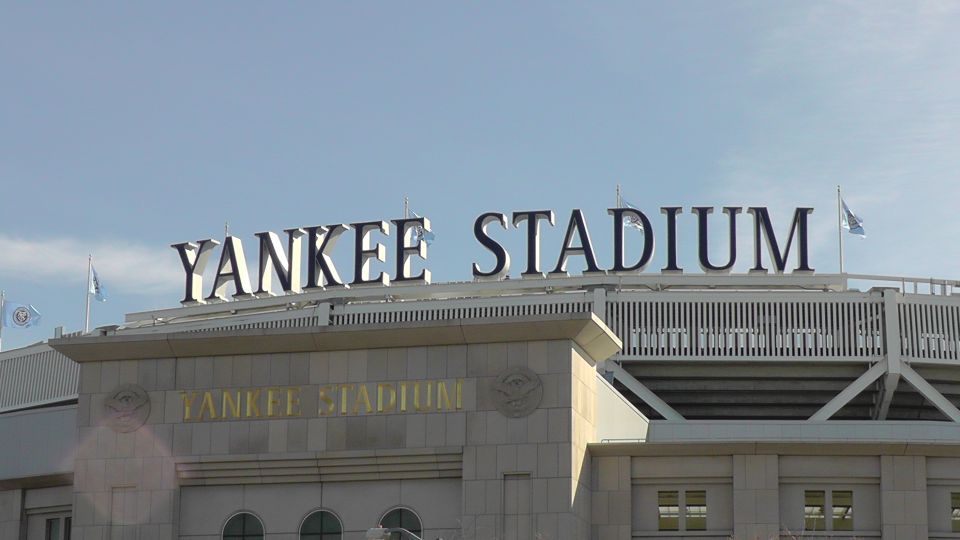
The day starts with a classic anchor in the Bronx: Yankee Stadium. Even if baseball isn’t your main obsession, the stadium works as a reference point. It’s instantly recognizable, and it helps you calibrate the scale of the area you’re in. Around places like this, you can often feel how sports, money, and local identity intersect, and the guide uses that to set context for what comes next.
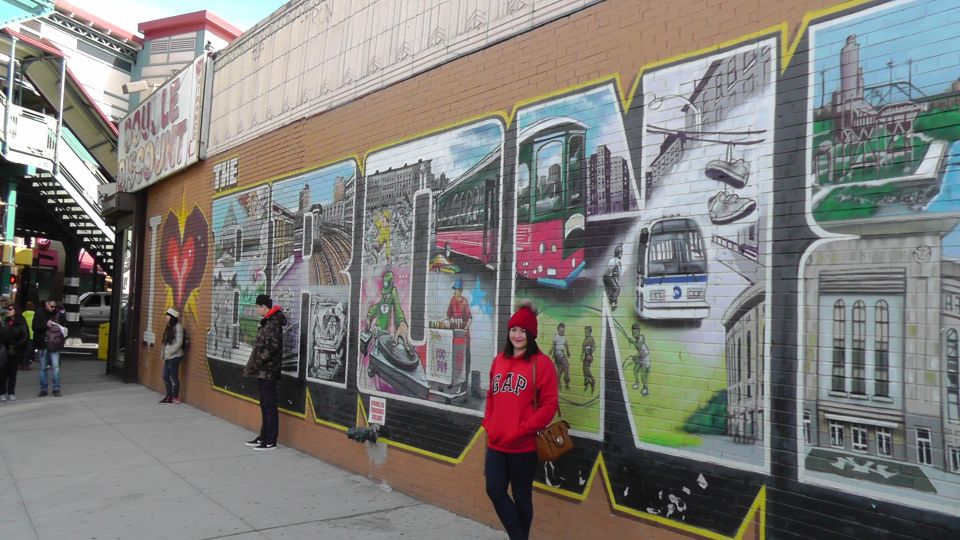
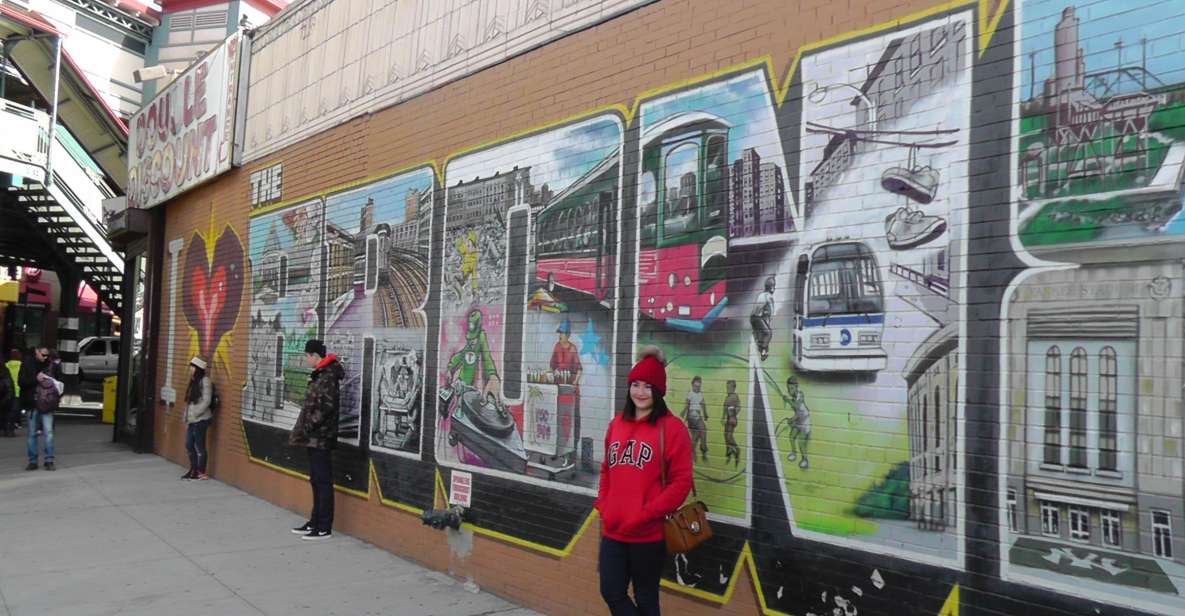
Then the tour shifts to Fort Apache, one of those names that sounds mythic until you see what’s real: a neighborhood shaped by its own voices. You’ll look at the work of local graffiti artists, and this is where the tone changes from landmark sightseeing to street-level observation. You’re not just hunting for “cool art.” You’re seeing how artists communicate—sometimes about pride, sometimes about protest, sometimes about simply claiming space.
The practical takeaway: treat this stop like a museum without walls. Look at placement, repetition, and how the murals interact with building surfaces. If the language of the signs or tags is part of what you’re curious about, the Spanish-speaking guide can help you connect meaning rather than just snapping pictures and moving on.
Crossing Whitestone Bridge into Queens: Malba and the feel of East River living
Leaving the Bronx, you’ll cross the Whitestone Bridge. It’s a transit moment, but it also gives you a moving skyline perspective. Bridge rides can feel like dead time on some tours. Here, it helps you “read” the city’s geography while transitioning into a different neighborhood vibe.
Once in Queens, the route highlights Malba, especially the upscale homes along the East River. This part is less about one landmark and more about atmosphere. You’ll notice how architecture, street width, and general upkeep contribute to the neighborhood feeling. The guide’s job is to prevent this from becoming surface-level “nice vs. not nice.” It’s really about how money, history, and community shape the visual tone of a place.
I like when a tour includes a stop like Malba because it reminds you that New York isn’t one uniform story. Even within one borough, there are major contrasts. Seeing the shift firsthand helps you understand why the next stops matter—Flushing Meadows and Astoria bring you to communities with strong cultural identities.
Flushing Meadows Park photo break and Astoria’s Greek community
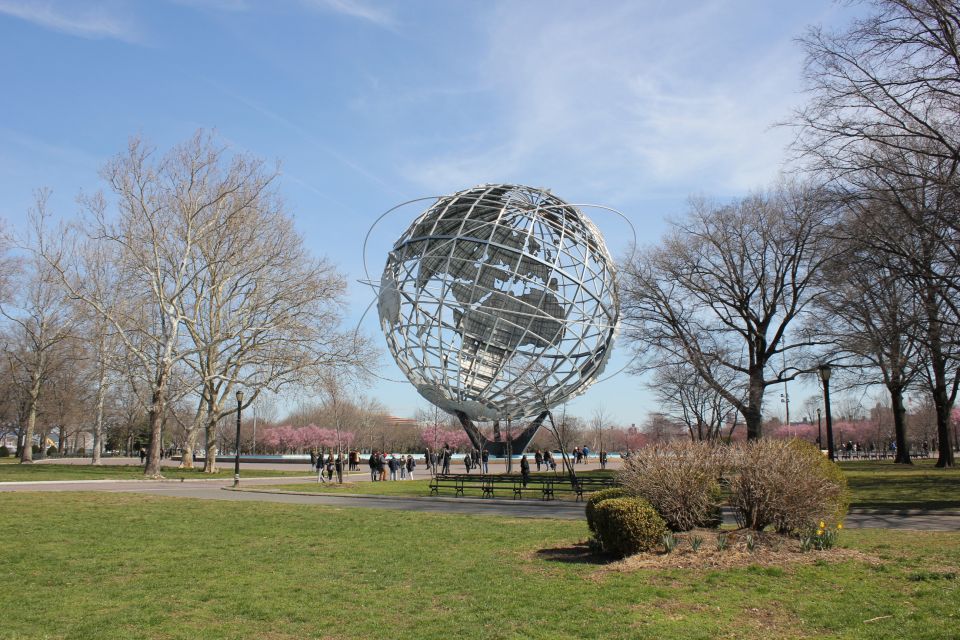
A highlight is the photo stop at Flushing Meadows Park. Parks are often overlooked on tours, but this one gets it right because it gives you a breather and a chance to reset your attention. After the bridge and neighborhood contrast, you’ll appreciate a stretch of space where you can step back, take pictures, and re-orient.
Then the tour continues to Astoria, known in this route for its Greek community. This is where the cultural focus becomes more personal. Astoria has a distinct day-to-day character—what people gather around, how the streets feel, and how small details reflect heritage.
What I find valuable is that you’re not just hearing random facts. The guide’s Spanish narration helps you connect community identity to the street scene you’re seeing. If you enjoy cultural walking conversations—how people live, shop, and socialize—Astoria is one of the stops most likely to make you want to wander on your own afterward.
If it’s raining, park and outdoor segments can lose some charm. Still, the Astoria portion can stay rewarding because the neighborhood feel isn’t completely dependent on the sky.



Brooklyn’s Williamsburg and Bushwick: Hasidic community and murals
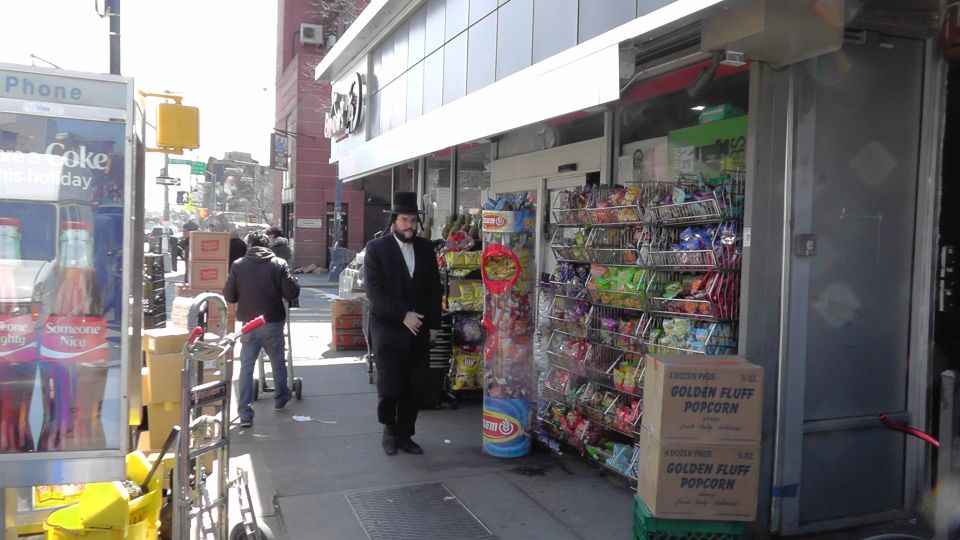
Brooklyn is where the energy ramps up. In Williamsburg, the tour focuses on a hip neighborhood vibe, but it also points you toward the home of one of the city’s Hasidic Jewish communities. That contrast matters. It challenges the common tourist shortcut of thinking neighborhoods are single-note.
This is also a reason the guide quality is so important. When you’re near communities with religious and cultural life, the tour can’t be just sightseeing. It has to be respectful, observational, and framed in a way that helps you understand what you’re seeing without turning people into a photo prop. A strong guide keeps the moment grounded in context—what shaped the neighborhood and why the community is there.
Next comes Bushwick and its graffiti murals. If Fort Apache is about discovering street art in a gritty Bronx setting, Bushwick adds a more art-forward edge. You’ll be looking at wall-to-wall murals and visual statements that can feel like living exhibitions.
My practical advice: spend your time watching, not only photographing. In mural-heavy areas, it’s easy to rush to the next wall. Slow down for a minute. Look for layers—how colors overlap, how artists share space, and how the murals sit within the neighborhood’s daily rhythm.
Ending with Brooklyn Bridge views: what to watch for
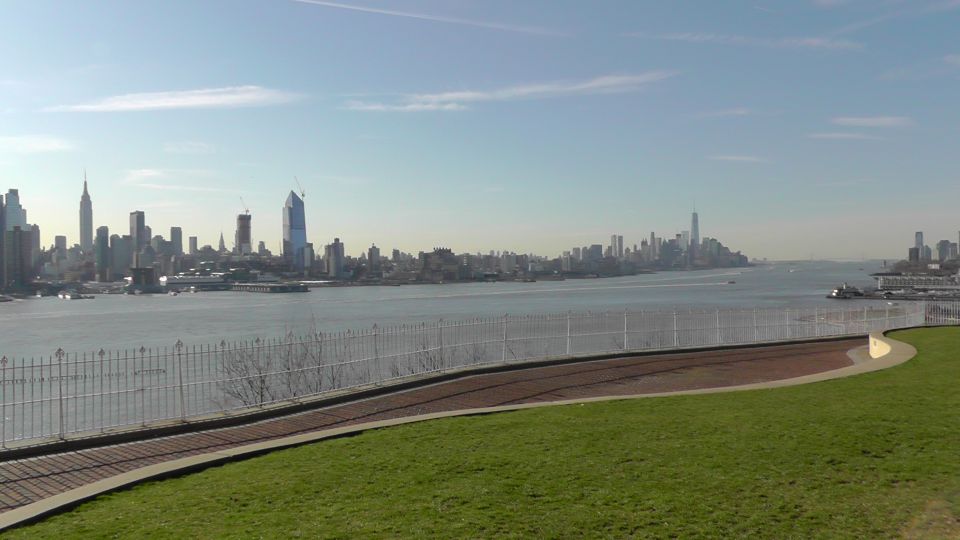
The tour finishes with a view of the Brooklyn bridges—a classic finale that helps you close the day with perspective. Bridge views are effective because they pull together your whole route in one visual cue. You’ve moved through borough identity, cultural differences, and street art. Now you get a big-city frame that reminds you you’re still in one interconnected system.
When you arrive at a viewpoint like this, try a simple approach: zoom out first, then pick one detail. Notice where the bridges connect and how the skyline lines up. Then zoom back in on street life or waterfront hints you can spot from your angle.
If you’re the type who likes to keep building your NYC map after a tour, this ending helps. You’ll leave with a mental picture of where you were and where you might return on your own—especially if your favorite moments were the Bronx street art or Bushwick murals.
Price and value: is $49 for 5 hours a good deal?
For $49 per person over 5 hours, this tour can be good value if you care about context and language. The inclusion of round-trip transportation does real work here. In New York, transport time and costs can eat half a day quickly when you’re bouncing between boroughs. Having a structured route with guided narration reduces friction.
It also matters that food and drinks are not included. That’s common for city tours, but it changes how you should plan your day. If you’re hungry, don’t assume the schedule will magically include a meal. Decide if you want to eat before you go, or plan to grab something after.
Where this price feels especially fair is the combination: multiple boroughs, a Spanish-speaking guide, several distinct neighborhood experiences, and photo/mural moments. It’s not trying to be a deep museum day. It’s designed to give you a clear overview with enough detail to make you want to explore further.
Who this tour suits best
This is a strong fit if:
- you want a Spanish-language guide and clearer understanding of neighborhood life
- you’d rather see Brooklyn, Queens, and the Bronx in one go than piece it together on your own
- you like street art and community culture more than only famous monuments
It’s also a good choice for first-time NYC visitors who already feel comfortable with basic transit, but don’t want to plan every switch between boroughs. And it works for repeat visitors who have done Manhattan and want the city’s other “main characters.”
If you hate any walking at all or you can’t stand being outside in bad weather, you might find the all-weather format less comfortable. The route can still be worth it, but you’ll enjoy the outdoor stops more when skies cooperate.
Should you book this Spanish borough tour?
I’d book this tour if your goal is to get oriented fast and understand how different communities shape the city you’re seeing. The Spanish-speaking guide adds a lot of value because it turns ordinary sightseeing into real conversation and better comprehension.
Do it especially if you’re excited by Fort Apache’s graffiti and Bushwick’s murals, or if you want a photo moment at Flushing Meadows Park plus a proper ending view near the Brooklyn bridges. And if weather is iffy, pack for it. You don’t have to love rain to enjoy the story, but you will enjoy it more when you can linger outdoors.
If you want a food-centered day, this isn’t that tour. If you want a culture-and-streets day across three boroughs with solid structure, it’s a smart use of time.
FAQ
What language is the tour guide?
The tour is in Spanish, and it may be operated by a multilingual guide.
How long is the tour?
The duration is 5 hours.
What’s included in the price?
The tour includes round-trip transportation and a live guide.
Are food and drinks included?
No, food and drinks are not included.
Which neighborhoods and areas does the tour cover?
It covers the Bronx, Queens, and Brooklyn, including stops around Yankee Stadium, Fort Apache, Malba, Flushing Meadows Park, Astoria, Williamsburg, a Hasidic Jewish community area, Bushwick, and finishes with Brooklyn bridge views.
Do I need to walk a lot?
Only a small amount of walking is involved.
Does the tour run in bad weather?
Yes, the tour operates in all weather conditions. Dress accordingly.
Are there different starting times?
Starting times can vary, so you should check availability to see the schedule.
What’s the cancellation policy?
You can cancel up to 24 hours in advance for a full refund.
Is pay later available?
Yes. You can reserve now and pay later, with no payment required today.