REVIEW · NEW YORK CITY
NYC: History of Slavery & Underground Railroad Walking Tour
Book on GetYourGuide →Operated by Inside Out Tours · Bookable on GetYourGuide
Slavery didn’t just happen in back rooms. It shaped the streets you walk today in New York City. This Underground Railroad walking tour takes you from the African Burial Ground memorial to key historic landmarks, connecting personal stories, forced labor, escape attempts, and the courage of people who helped others run for freedom.
I like two things most. First, the route is anchored by places you can actually stand on, starting at an archaeological site and memorial for enslaved Africans in colonial America. Second, the tour uses a guided walk to explain how the Underground Railroad worked in practice—clandestine routes, safe houses, and the very real risks like kidnappings and violent uprisings.
One thing to consider: the subject is heavy. You’re walking and listening for 150 minutes through slavery and its aftermath, so if you want light, purely sightseeing vibes, this one may feel too serious for your mood.
In This Review
- Key things that make this tour worth your time
- Entering the African Burial Ground: where the story starts
- How the Underground Railroad worked in real life
- Fraunces Tavern and Trinity Church: the same blocks, different truths
- Wall Street and the abolition-era undercurrent
- Stops that connect revolts, kidnapping, and escape planning
- The guide experience: empathy, clarity, and real storytelling
- Logistics: what 150 minutes of walking feels like
- Who should book this tour, and who might skip it
- Should you book the NYC History of Slavery & Underground Railroad walking tour?
- FAQ
- Where does the tour meet?
- How long is the walking tour?
- What is included in the price?
- What should I bring?
- Is the tour offered in English?
- Is hotel pickup available?
Key things that make this tour worth your time
- African Burial Ground first: you start at a memorial built to honor people who were enslaved and who perished.
- Underground Railroad mechanics, not just myths: you hear how escape networks functioned through routes and safe houses.
- Big-name NYC landmarks, with different meaning: Fraunces Tavern and Trinity Church get framed through slavery and abolition-era realities.
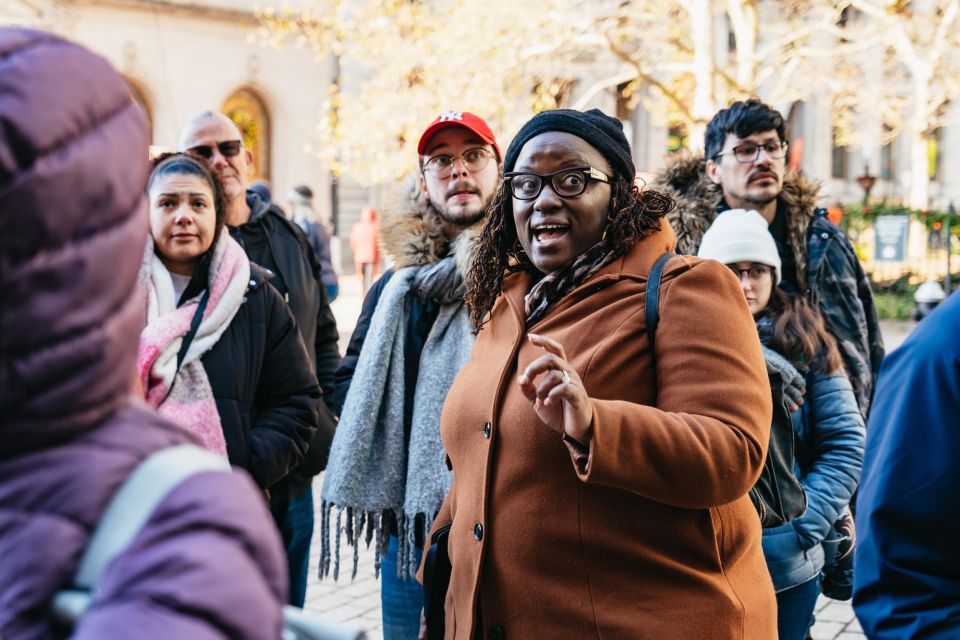
- Guides who keep the focus human: past guides like Ludie, Maia, Maya, Sean, Shaun, and Loudy have led groups with empathy and clear explanations.
- Mostly walking, but manageable: reviews note the walking is limited, making it easier to fit in on a busy day.
Entering the African Burial Ground: where the story starts
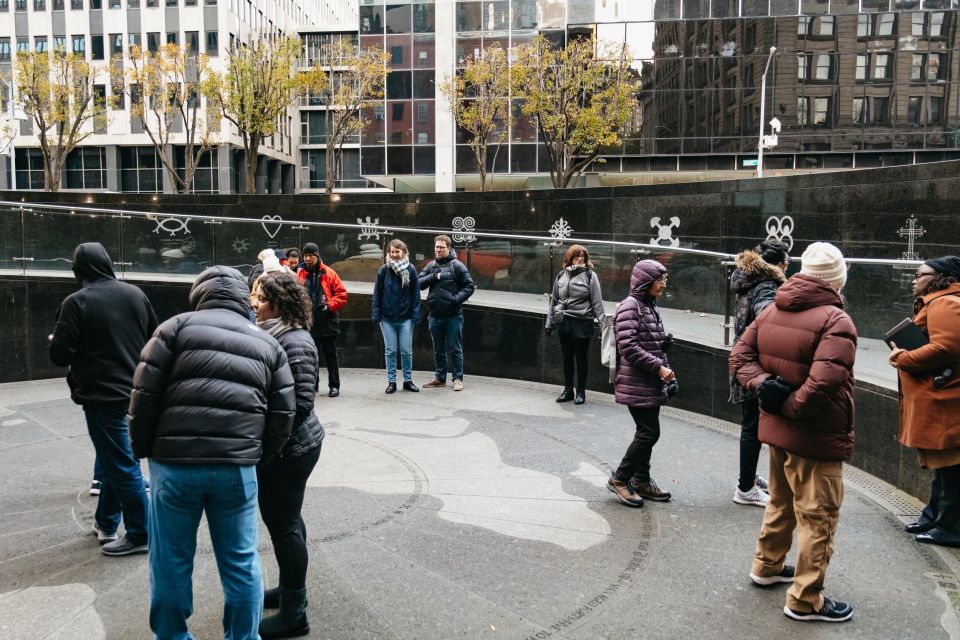
Most tours about the Underground Railroad start with the concept. This one starts with the people—at the African Burial Ground National Memorial. You’re at a site tied to enslaved Africans in colonial America, and that matters because it sets the emotional and historical tone right away. Before you hear about escape routes, you’re reminded that slavery was not an abstraction. It left a trail of deaths, families torn apart, and communities forced to survive.
I appreciate how the tour treats this stop as more than a photo stop. You’re not just looking at an attraction. You’re honoring those who were lost, and then carrying that understanding into the rest of the walk.
If you’re the type who likes context, you’ll also get a practical benefit here: it helps you interpret later landmarks. When you move from the memorial into the older parts of downtown, you start to notice how power and profit sat near places where people were controlled, traded, and resisted.
You can also read our reviews of more walking tours in New York City



How the Underground Railroad worked in real life
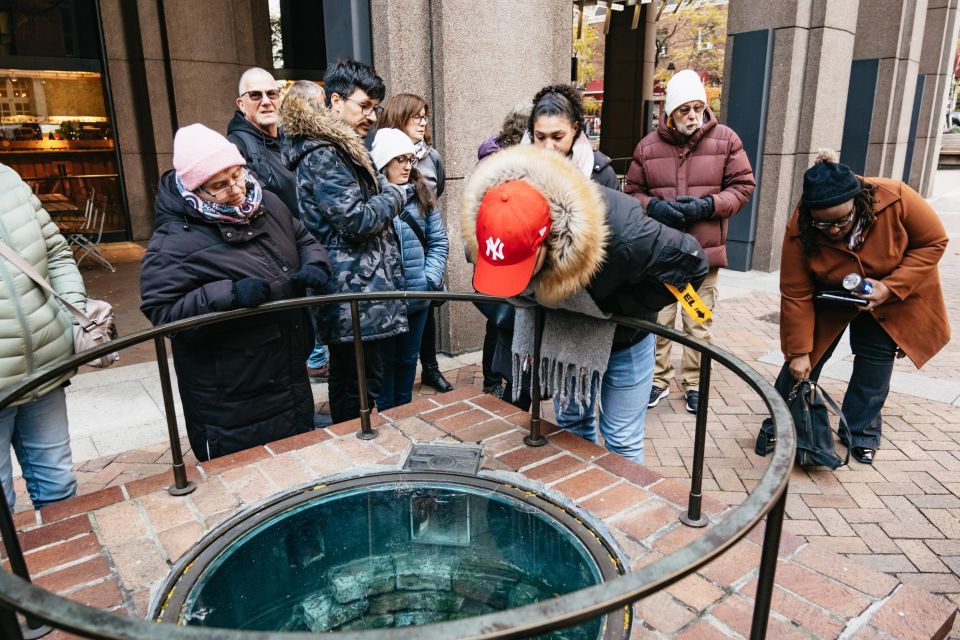
The Underground Railroad often gets described like a secret train line. On this tour, you get a more grounded picture: a network. The guide explains how clandestine routes and safe houses helped enslaved African Americans escape toward free states and Canada, and what could go wrong.
Here’s what I find especially useful for understanding: the tour doesn’t just talk about “help.” It talks about the dangers that made help necessary. You’ll learn about kidnappings, dramatic escapes, and revolts from the slavery era. That framing makes the story feel less like legend and more like a record of risk management—people trying to move others through a hostile system.
You’ll also hear about real New Yorkers who risked their lives and properties to aid escape. That’s a key point for anyone trying to connect history to today. This wasn’t only something happening far away. Local choices—helping someone, hiding someone, planning a safe transfer—could be life-changing for the person being saved and dangerous for the people offering help.
Fraunces Tavern and Trinity Church: the same blocks, different truths
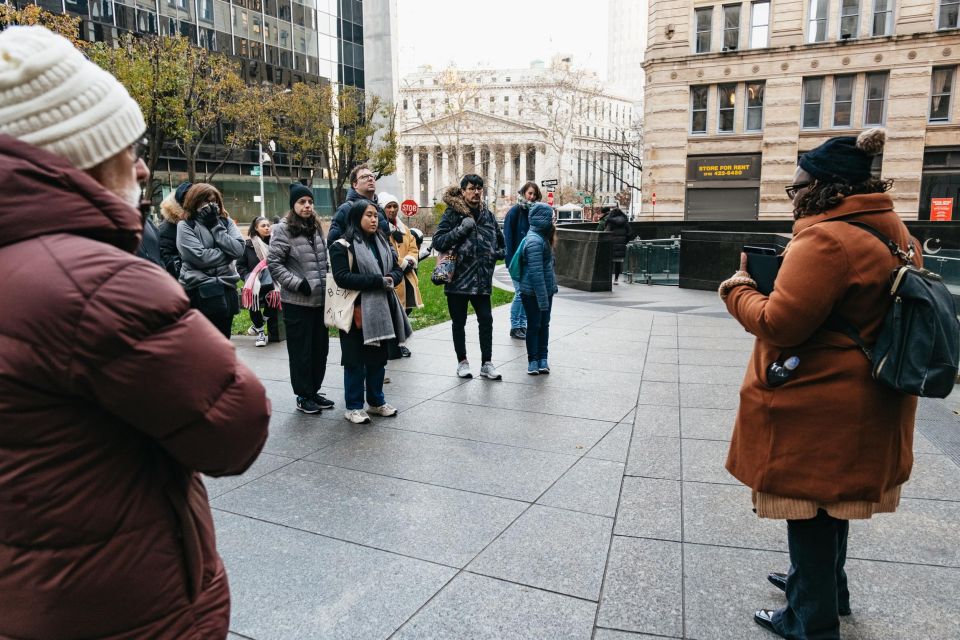
As you continue, you visit landmarks that most people associate with early America in a broad, general way. Fraunces Tavern and Trinity Church are both included, and the tour helps you see what those famous buildings meant in a city shaped by slavery.
Why those stops matter: these are public spaces tied to power, wealth, and official life. In a tour like this, those buildings become a mirror. You start asking different questions as you walk past them:
- Who had access to safety and stability?
- Who profited from the system?
- How did abolition and resistance show up in everyday decisions?
Fraunces Tavern is a great example of how this works. It’s easy to treat it like a historic address. On this tour, it turns into a prompt to connect civic life with the brutal realities underneath.
Trinity Church offers a similar effect. People often remember it for architecture or prominence. Here, it becomes part of a broader map of how slavery-era society functioned in New York.
If you’re someone who likes “street-level history,” this part can be a big payoff. You’ll look at familiar downtown geography and understand that it didn’t just develop around commerce. It developed alongside human bondage and the fight against it.
Wall Street and the abolition-era undercurrent
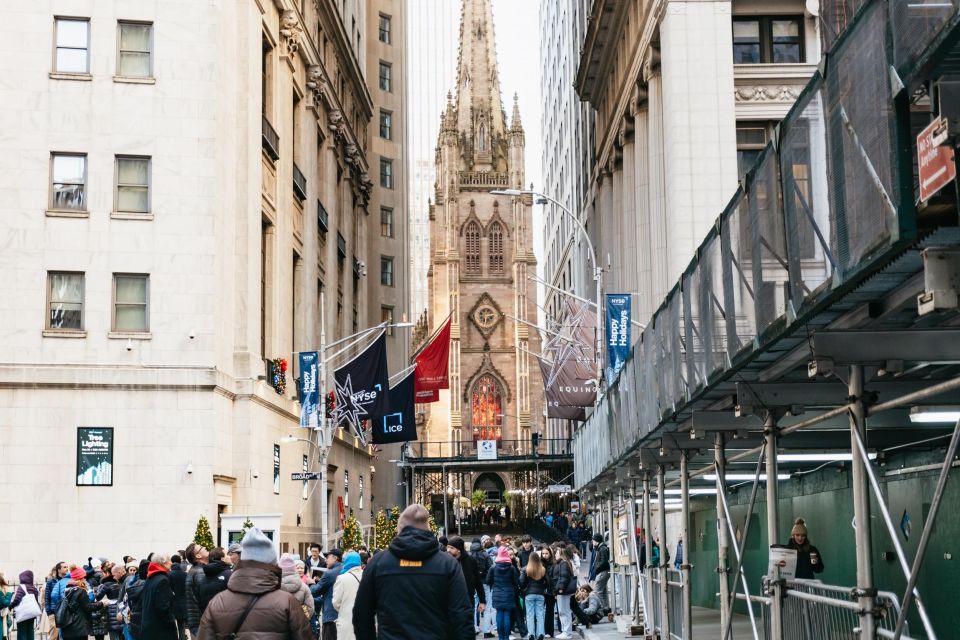
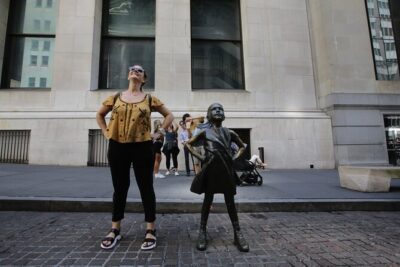
The tour includes Wall Street as one of the major sights. That’s not a random pick. Wall Street is a symbol of finance and influence, and finance was tightly linked to slavery through labor, trade, and wealth-building.
I like that the guide uses the stop to connect the dots without turning it into a lecture that’s disconnected from the ground you’re standing on. You’re walking, you’re looking around, and the guide’s story ties the economic machine back to the human consequences.
For me, that’s where the walking format shines. When you’re on a street corner, you get a sense of how close the powerful world was to the lives of people who had almost none of the choices we take for granted.
This section also works well for anyone who wants to understand the Underground Railroad as part of a bigger story rather than a single event. Resistance wasn’t just about escape; it was about challenging a system that was funded and sustained every day.
Stops that connect revolts, kidnapping, and escape planning
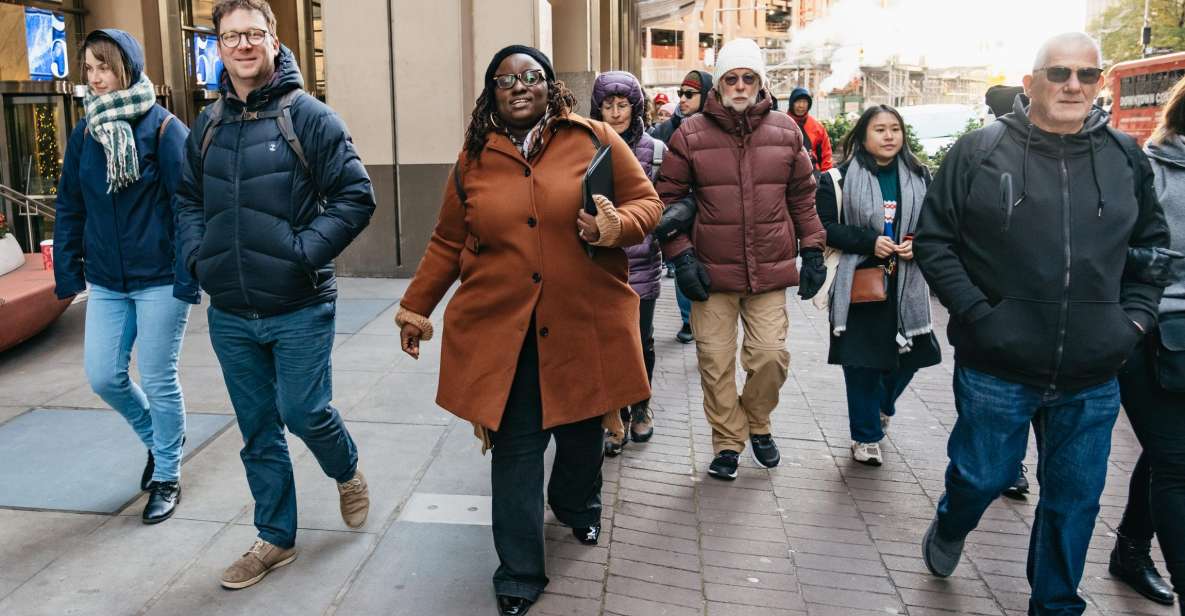
Some tours explain the Underground Railroad in a way that feels smooth and orderly. This one covers the friction.
You’ll hear about revolts and the violent realities enslaved people faced, along with the threat of kidnapping. That kind of detail can be uncomfortable, but it’s also clarifying. It helps you understand why escape required networks and why those networks needed secrecy.
It also reframes “courage” in a grounded way. Courage wasn’t only dramatic moments. It included the everyday decisions that made later freedom possible: timing movements, finding safe places, coordinating transfers, and trusting people who could be harmed if the system caught them.
Even if you’re already familiar with the Underground Railroad concept, this approach gives you a tighter sense of how escape actually worked inside a surveillance-heavy world.
You can also read our reviews of more historical tours in New York City






The guide experience: empathy, clarity, and real storytelling
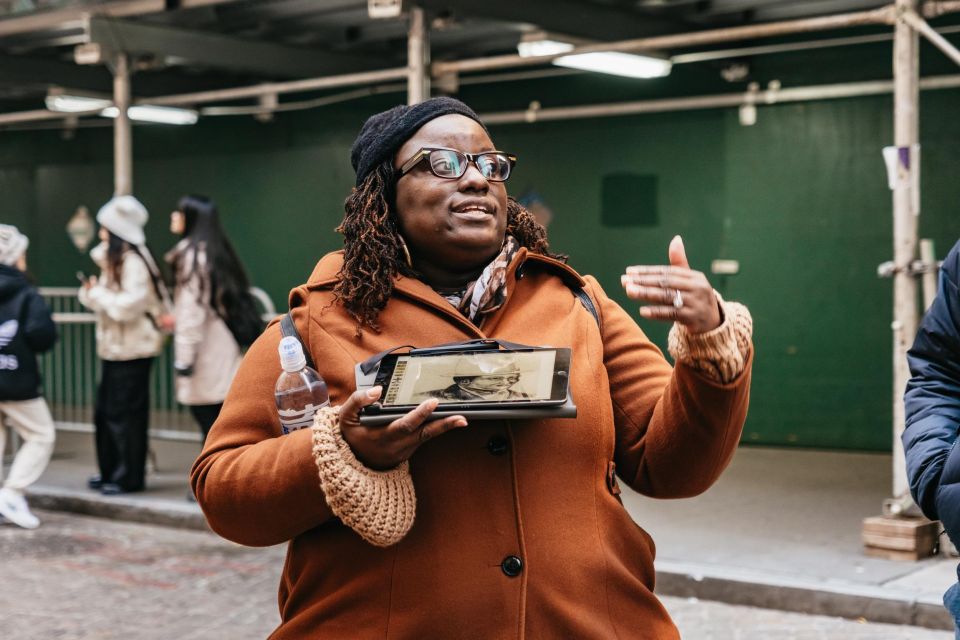
This tour is led by a licensed New York tour guide in English. Reviews highlight that guides like Ludie, Maia/Maya, Sean/Shaun, and Loudy/Ms Damaras have handled difficult material with care and clarity.
Two patterns show up in the feedback you provided:
- The guides answer awkward questions and keep the tone respectful.
- They connect early New Amsterdam–era storylines through to the African Burial Ground National Memorial, so you leave with a timeline that makes sense.
That matters for a topic like this. Slavery and its legacy can easily slide into either guilt without information or information without empathy. From the way guides are described, this tour tries to do both: explain what happened and also honor what it cost people.
One small note for your expectations: the tour will challenge your mindset. One review specifically mentioned leaving defensiveness at the start, and I think that’s fair advice. Go in with curiosity and empathy, and you’ll get more out of the walk.
Logistics: what 150 minutes of walking feels like
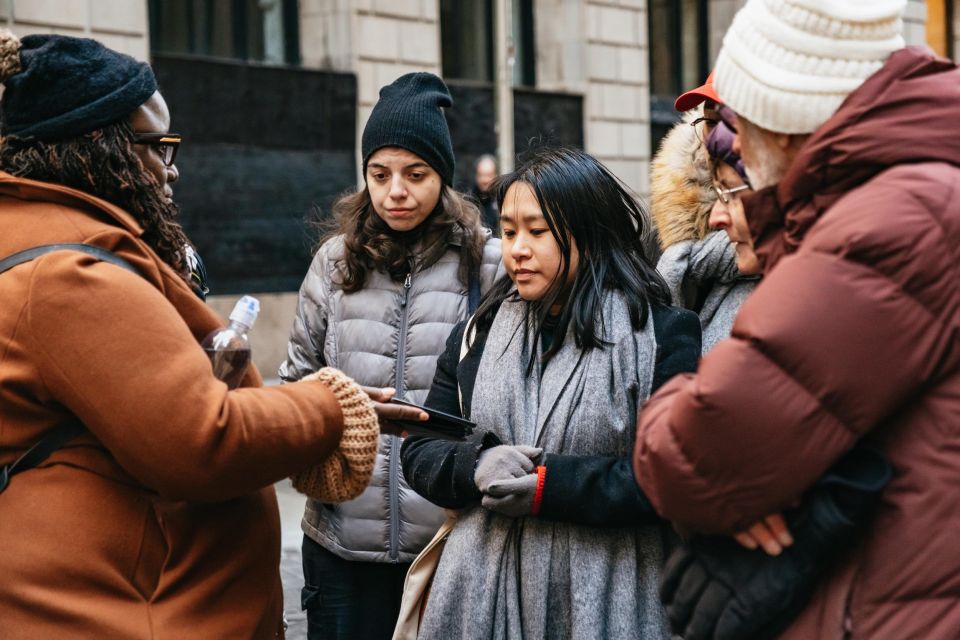
The tour runs for 150 minutes—about two and a half hours. It’s a walking tour, but the feedback you shared suggests it’s not an exhausting hike. One reviewer even said the walking wasn’t much.
Still, plan for your body. Wear comfortable shoes and dress for the weather. The tour is outdoors and you’ll be moving between major downtown landmarks.
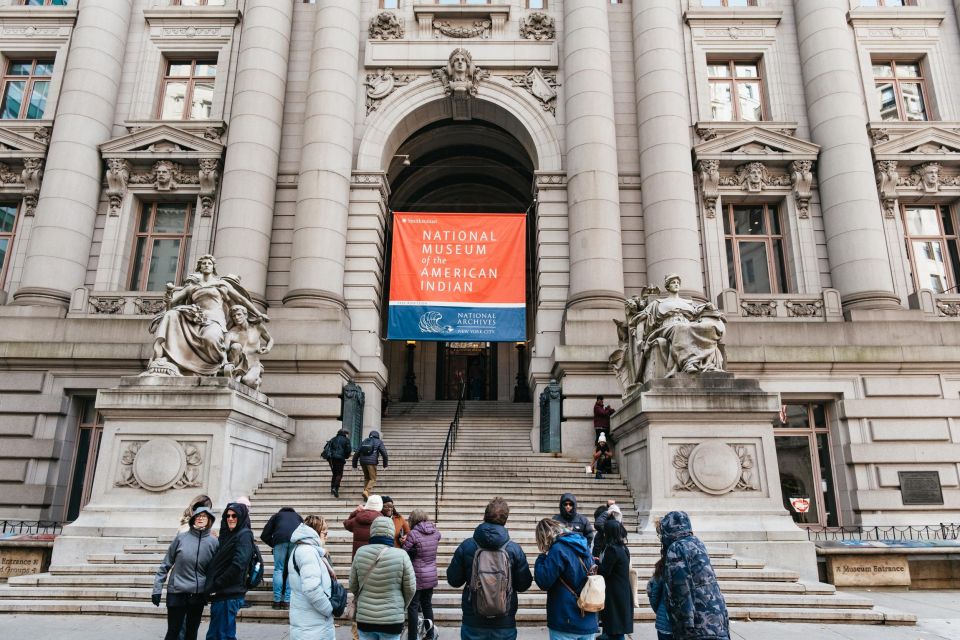
Meeting point is also straightforward: in front of the American Indian Museum. There’s no hotel pickup or drop-off, so you’ll want to build in time to get there on your own.
Price is $49 per person. For 150 minutes, that’s roughly $20 per hour, which is fairly typical for a licensed, guided historic walk in NYC. The value comes from the heavy lift the guide is doing—bringing the Underground Railroad to life while connecting it to major physical landmarks you’d otherwise just pass by.
If you’re deciding last minute, you’ll like the flexibility options: free cancellation up to 24 hours in advance and reserve now & pay later are available. That lets you keep plans flexible without losing the spot.
Who should book this tour, and who might skip it
This is a strong fit if you want:
- a practical way to learn NYC’s role in slavery and the Underground Railroad
- a guided walk that connects major landmarks like Fraunces Tavern, Trinity Church, and Wall Street to the human story beneath them
- a respectful but direct approach to a hard topic
You might consider skipping if:
- you want light entertainment or purely scenic sightseeing
- you’d struggle with listening to stories involving slavery, kidnapping, and violent resistance for a full 150 minutes
If you’re a history lover, an NYC first-timer, or someone who’s already spent time in museums and wants the streets to make sense, this tour is a great next step.
Should you book the NYC History of Slavery & Underground Railroad walking tour?
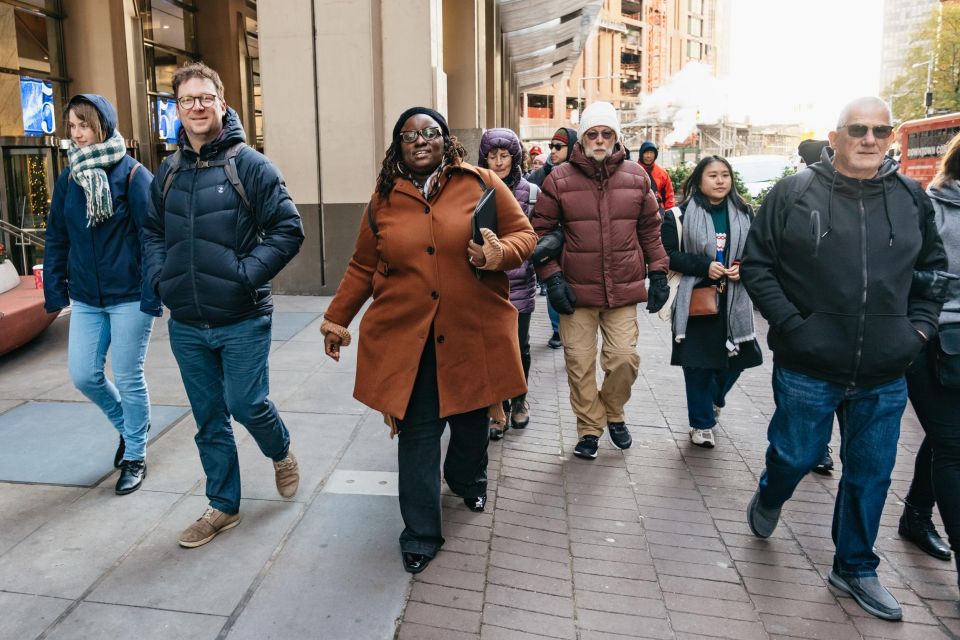
If your trip has room for one guided, meaning-heavy downtown walk, I’d book it. The reason is simple: it starts at the African Burial Ground memorial and then builds toward the Underground Railroad network through real NYC landmarks. You’ll come away with a clearer sense of how resistance and escape worked in the city, and how deeply slavery shaped the environment you’re standing in.
Just go prepared for a serious topic, wear good shoes, and bring your questions. Done that way, this tour doesn’t just add facts. It changes how you see the block.
FAQ
Where does the tour meet?
Meet in front of the American Indian Museum.
How long is the walking tour?
The duration is 150 minutes.
What is included in the price?
The tour includes a walking tour and a licensed New York tour guide.
What should I bring?
Bring comfortable shoes and weather-appropriate clothing.
Is the tour offered in English?
Yes, the tour guide provides the tour in English.
Is hotel pickup available?
No, hotel pickup and drop-off are not included.