REVIEW · 911 MEMORIAL POOLS
NYC: 9/11 Memorial & Museum Timed-Entry Ticket
Book on GetYourGuide →Operated by National September 11 Memorial & Museum · Bookable on GetYourGuide
Two pools, 3,000 names, and real artifacts. This timed-entry, contactless ticket is a smart way to do the 9/11 Memorial Museum without burning time in line, and it includes free time at the Memorial grounds afterward.
I especially like how the museum turns headlines into something human—through artifacts and survivor/responder accounts that are heavy, but carefully handled. The overall setup feels organized and respectful, which matters when the subject matter is this intense.
The main drawback is simple: this is emotionally weighty, and you’ll want breathing room; go in with time to slow down, not a rushed mindset.
In This Review
- Key things that make this ticket worth it
- Timed, contactless entry: getting in without wasting your day
- Museum flow that helps your brain sort the tragedy
- The Historical Exhibition: before, during, and after
- In Memoriam: people first, names honored
- Foundation Hall: the last column and the slurry wall
- Artifacts that turn TV memory into something you can stand beside
- The 9/11 Memorial itself: twin reflecting pools, bronze names, and huge waterfalls
- Survivor Tree and Memorial Glades: one living thing, and why it matters
- How long to plan, and how to pace it without rushing
- Price and value: what $25 gets you (and what you’re really paying for)
- Practical details that affect your comfort and flow
- Who this ticket suits best (and who may want a different plan)
- Should you book this timed-entry 9/11 Memorial Museum ticket?
- FAQ
- Do I get access to both the museum and the outdoor Memorial?
- Is the entry contactless?
- How many exhibitions does the museum have?
- Is an audio guide included?
- How long should I plan for?
- What should I expect at security?
- Are there any restrictions for minors?
- What if my plans change?
Key things that make this ticket worth it
- Contactless timed entry helps you get started fast, then take your time inside.
- Over 10,000 artifacts give you a concrete sense of what happened, not just dates.
- Three permanent exhibition sections move you through before, during, and after.
- In Memoriam keeps the focus on the people who died, not only the event.
- Free access to the Memorial means you can leave the museum and pay your respects outside too.
- Survivor Tree + Memorial Glades add an extra layer of meaning beyond the museum rooms.
Timed, contactless entry: getting in without wasting your day
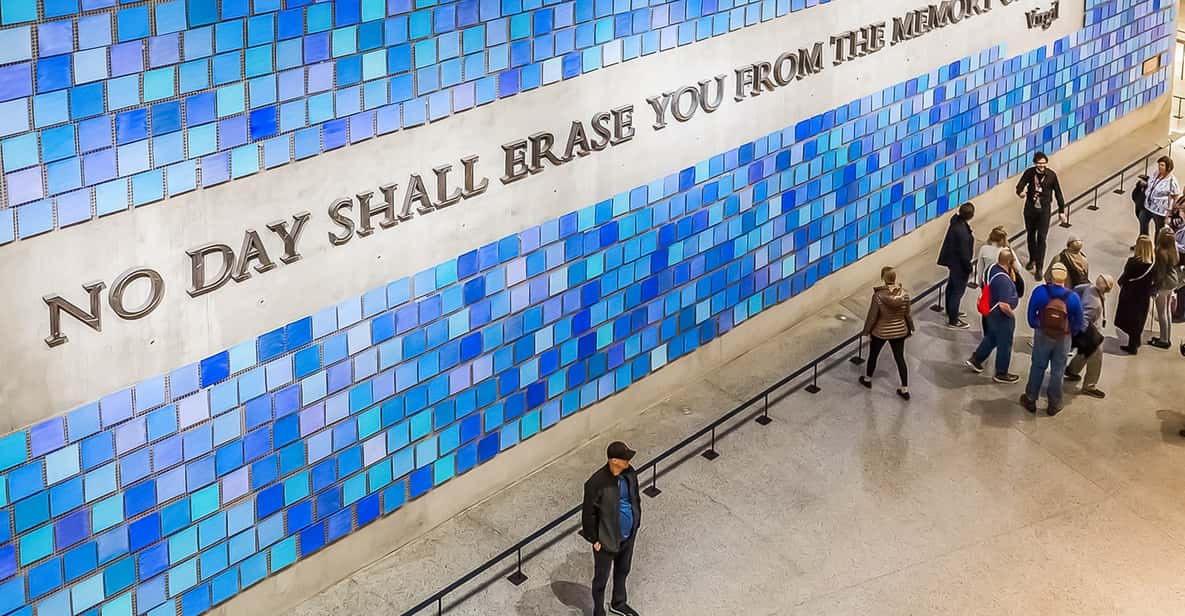
In New York, “timed-entry” can sound like marketing. Here, it’s practical. You show up with your pre-booked time and use contactless entry to get through the site process and into the museum. That reduces the stress of trying to line up your day around unpredictable queues.
Then there’s the second big value: the ticket doesn’t trap you indoors. You get museum access now, and you also get free access to the Memorial itself later (including the Survivor Tree and Memorial Glades). So you can set your own pace—museum first if you want the full context, or memorial time first if you need a quiet reset before the exhibitions.
One note that you’ll feel right away: all visitors go through airport-style security. That’s normal here, but it’s a real reason to plan to arrive a little early for your ticket window, especially if you’re pairing this with other Lower Manhattan stops.
You can also read our reviews of more tours and experiences in 911 Memorial Pools

Museum flow that helps your brain sort the tragedy
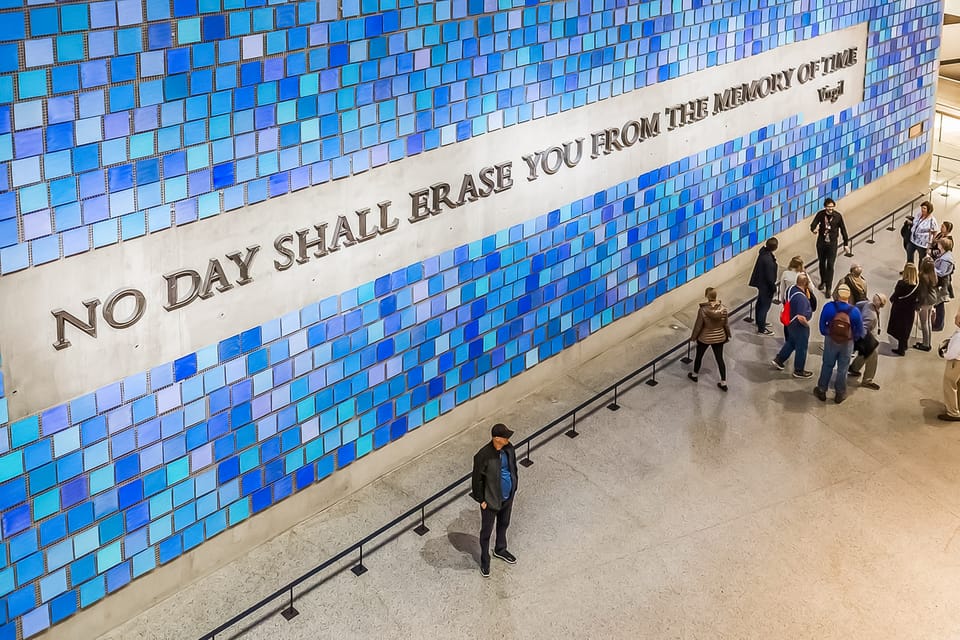
The museum is set up in three permanent exhibition sections, and that structure is one of the best design choices you’ll notice. It gives your thoughts a path instead of letting you get lost in information overload.
The Historical Exhibition: before, during, and after
The Historical Exhibition is built in three parts: Day of 9/11, Before 9/11, and After 9/11. You’re guided through what led up to the attack, what unfolded at the World Trade Center and the Pentagon, and what happened with Flight 93. Even if you already know the broad story, this layout makes it easier to follow the sequence and understand the “why” behind the museum’s focus.
What I like about this section is the way it gives you context without turning the event into a lecture. It’s still sobering. But it helps you connect details rather than just absorbing facts.
In Memoriam: people first, names honored
“In Memoriam” (the museum’s memorial exhibition section) centers on the men, women, and children who died on September 11, 2001, and those who were killed in the February 26, 1993 attack. It’s designed to help you learn about the people behind the numbers—so when you reach the memorial outside later, the bronze names won’t be abstract.
This is where you may feel the emotion most strongly. The museum doesn’t rush past grief, and it doesn’t treat it like an exhibit theme. It’s also one reason many people say the museum is educational and heartbreaking at the same time.
Foundation Hall: the last column and the slurry wall
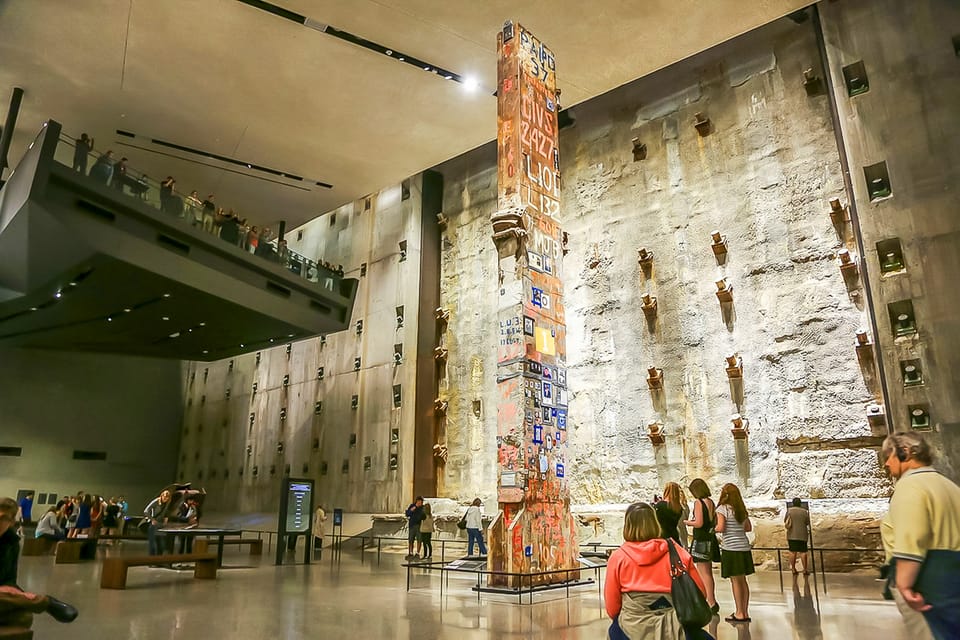
Foundation Hall is the large-scale room that houses both the last column and the slurry wall. Those objects carry a physical weight that you can’t replicate with photos. You’re not looking at a recreated model—you’re standing with material tied directly to what was damaged.
If you’re the type who wants proof, this part delivers. If you’re the type who needs a moment before continuing, plan it. It’s not a “quick look” area.
Artifacts that turn TV memory into something you can stand beside
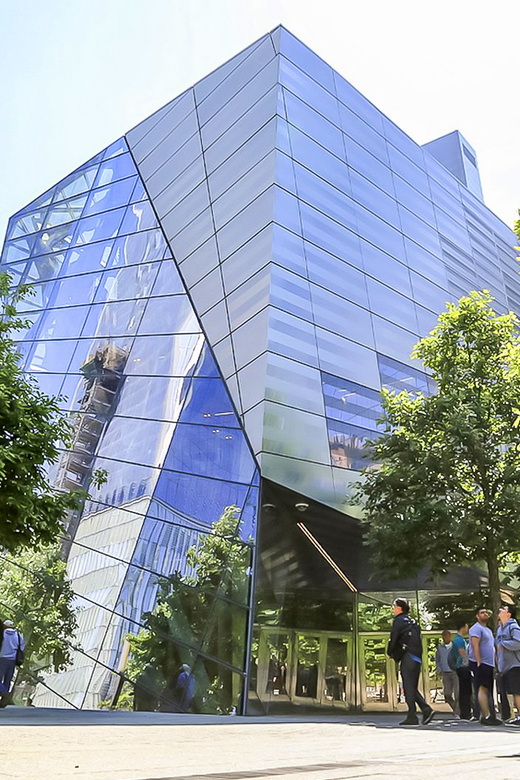
You’ll see over 10,000 monumental artifacts linked to the events of 9/11. That number can sound abstract, but the experience is the opposite: many displays feel close up, like they’re asking you to notice small things—material, condition, location, and context.
This matters because 9/11 is something many people remember from watching it unfold on a screen. The museum helps you shift from “I remember” to “I understand.” The artifacts do that by making the story less distant and less simplified.
I also appreciate how the museum handles the “courage and resilience” angle without turning it into forced inspiration. The emphasis on rescue efforts and surviving stories is there, but it’s presented as part of what happened—not as a marketing message. When people talk about being overwhelmed but thankful they came, it’s usually because the museum makes room for both grief and the human will to keep going.
The 9/11 Memorial itself: twin reflecting pools, bronze names, and huge waterfalls
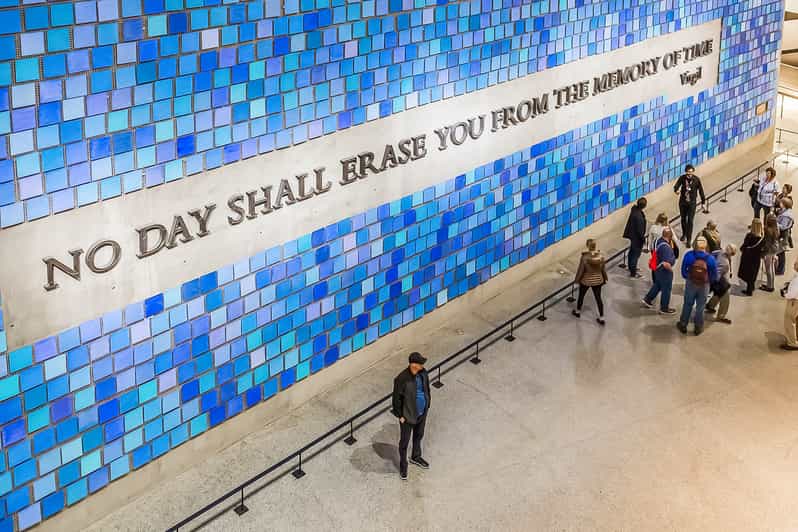
After the museum, you step into the open-air Memorial. And it hits differently than the museum rooms—because you can hear the site and the city around it at the same time.
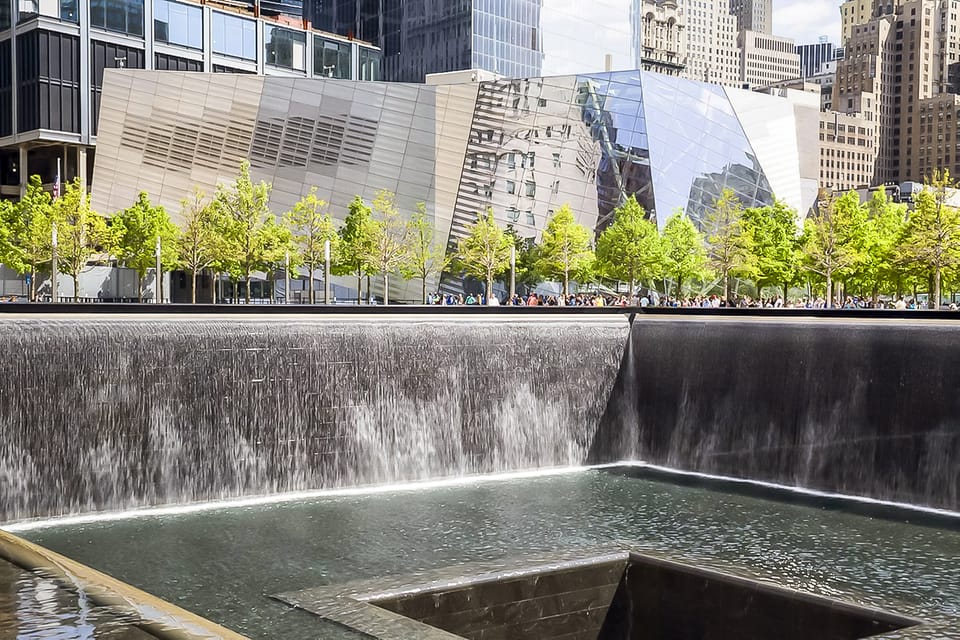
The twin reflecting pools sit in the footprints where the Twin Towers once stood. Each pool is nearly an acre in size, and the waterfalls are the largest manmade waterfalls in North America. That size is hard to picture until you’re there, standing close and realizing how much water movement is part of the quiet.
Along the edges of the pools, the names of everyone who died in the 2001 and 1993 attacks are inscribed into bronze panels. You don’t need a guide to understand what you’re seeing. The memorial works on plain human terms: read, pause, and take your respect seriously.
A practical tip: if you want to slow down and actually read, plan for more than a quick glance. This is one of those places where a ten-second stop turns into fifteen minutes without you noticing.
Survivor Tree and Memorial Glades: one living thing, and why it matters
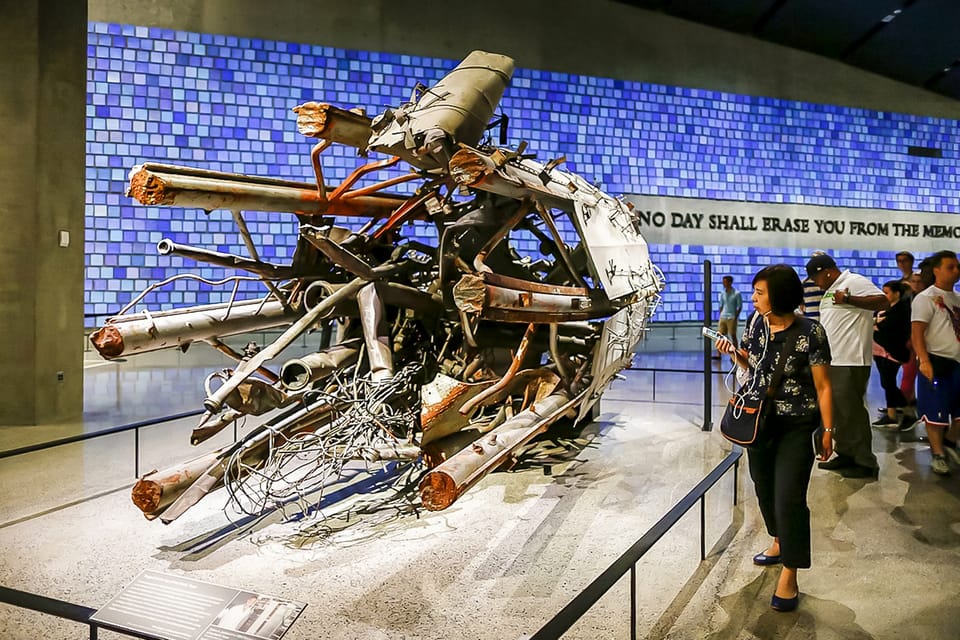
The ticket includes access to the Survivor Tree and the Memorial Glades. These areas don’t try to replace the museum’s history with a “lighter” vibe. Instead, they give you a different kind of meaning: the idea that life can persist even after catastrophic loss.
The Survivor Tree is famous for having survived the attack, and that simple fact becomes powerful when you’re surrounded by remembrance. It’s not about ignoring what happened. It’s about seeing that aftermath doesn’t erase everything—people and communities rebuild, plant again, and protect what can live.
The Memorial Glades extend that feeling. Think of them as a space to be outside longer, to reset your thoughts after the museum’s heavy indoor rooms, and to take the time to walk at your own speed.
How long to plan, and how to pace it without rushing
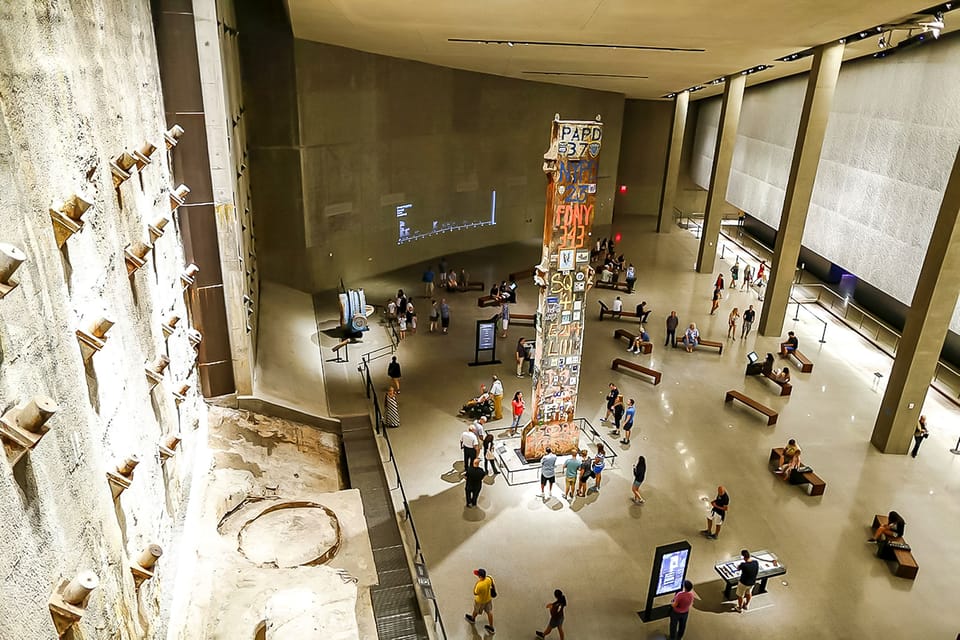
This isn’t a museum you “speed-run.” Reviews tied to this experience often point to spending around 2 hours minimum, with many people staying 3 to 4 hours (or more) when they read carefully and want time at the pools.
Here’s the pacing approach I’d use if I were advising a friend:
- Start with the museum exhibitions, especially if you want the timeline and context first.
- Then move outside for the reflecting pools and names.
- Finish with the Survivor Tree and Memorial Glades if you want a final period of calm and walking.
If you’re going with family, you’ll want extra patience for reading and absorbing. Even when exhibits are well organized, the subject matter asks more from your brain than a typical museum does.
Also, audio support is optional. An audio guide is available for purchase, and if you tend to process better with narration, it can help you slow down. If you prefer reading and your own rhythm, you can skip it and still get a complete experience.
Price and value: what $25 gets you (and what you’re really paying for)
At around $25 per person, this ticket feels like a strong deal compared to many timed museum admissions in New York. The reason is the mix: you pay for timed entry into the museum, and the price also unlocks free access to key outdoor components—the Memorial, Survivor Tree, and Memorial Glades.
So you’re not buying one building. You’re buying a full “story-to-remembrance” arc:
1) Learn the events and context inside the museum
2) Pay respect outside where the names are physically present
3) Take meaning from the Survivor Tree and gardens
You’re also not paying extra for Wi‑Fi and comfort basics. The site offers free Wi‑Fi, and there’s a coat-check facility and access to a cafe (useful if your day is long and you don’t want to hunt for food elsewhere).
What you’re not getting is a guided tour included with the ticket, and the audio guide costs extra if you want it. If you think you’ll want guided interpretation, you may consider pairing this with an outside guide separately.
Practical details that affect your comfort and flow
There are a few on-the-ground realities to know before you go.
First: security. All visitors must pass through airport-style security. That’s a reason to arrive a bit ahead of your timed entry.
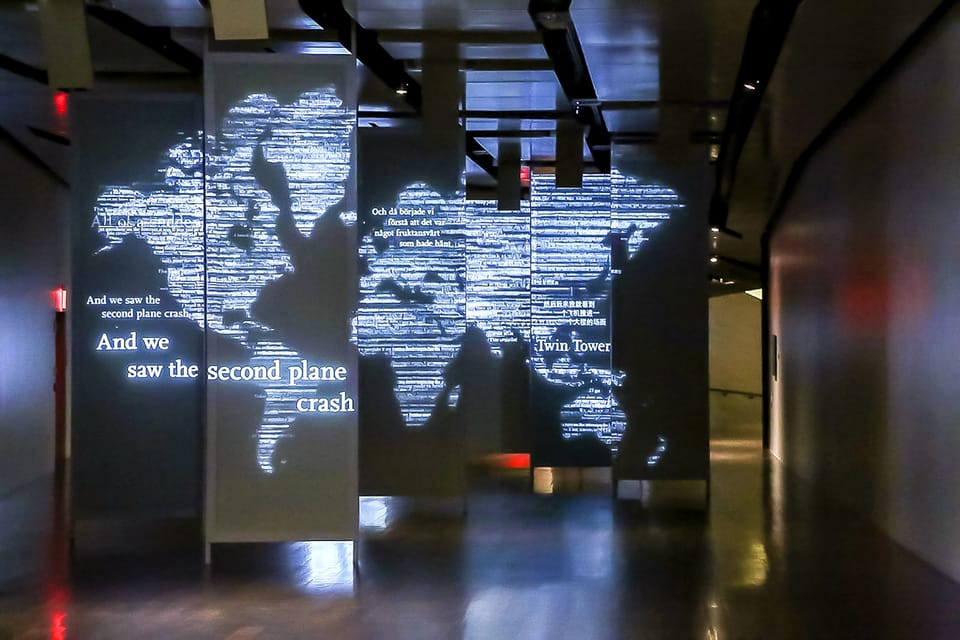
Second: what’s on-site. Coat-check facilities are available, and there’s an on-site cafe. Interactive exhibit components are also available, plus short documentary options in areas where you may choose to watch them (time will be up to you).
Third: you’re in a place with strict human sensitivities. This is a serious memorial. Many visitors keep a quiet, respectful tone, and that helps the experience feel more like remembrance than sightseeing.
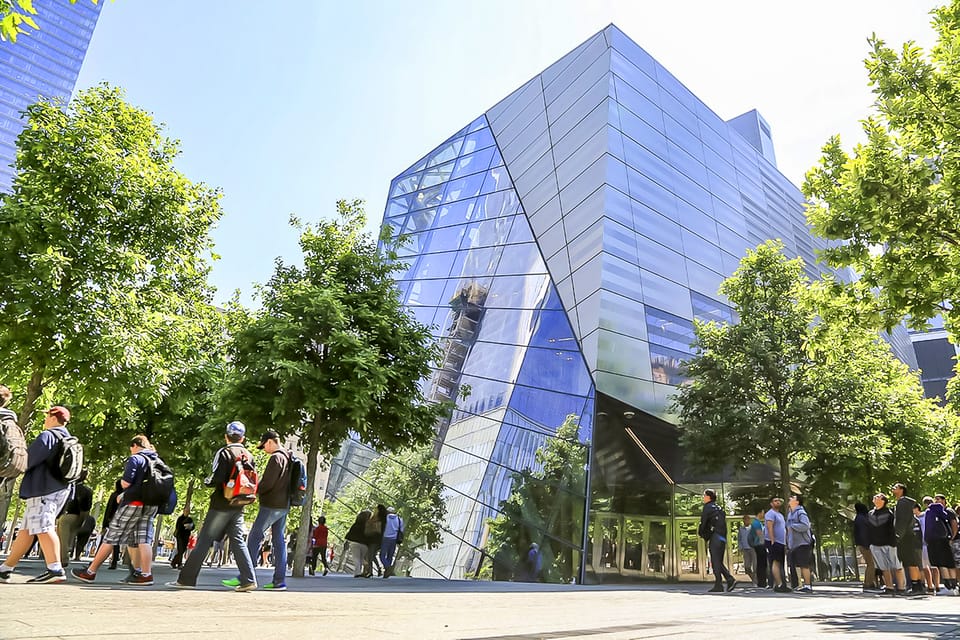
Lastly: group size. This option is described as a small group experience, which often means you can find your own pace without feeling stuck in a large crowd flow.
Who this ticket suits best (and who may want a different plan)
This ticket fits best if you want:
- A clear, museum-style timeline of what happened on 9/11 and afterward
- A chance to honor victims at the reflecting pools afterward
- Time outside for the Survivor Tree and Memorial Glades
- A well organized experience where you can pause, read, and process
You may want to rethink if:
- You’re looking for something light or quick
- You don’t handle emotionally heavy museums well
- You’re traveling with minors who would be unaccompanied (unaccompanied minors are not allowed)
For teens and older kids, it can be a meaningful learning experience, especially if they’re prepared for solemn content. The museum is detailed, and many people find that the exhibits work for people who can focus on reading and watching short videos.
Should you book this timed-entry 9/11 Memorial Museum ticket?
Yes, if you want the most value out of your time in Lower Manhattan and you’re willing to go slowly through an emotionally heavy experience. The biggest reasons to book are the timed, contactless entry and the built-in access to the Memorial grounds afterward—especially the pools, the Survivor Tree, and the Memorial Glades.
Skip the “quick stop” mentality. Come with time for at least a couple of hours in the museum plus more time outdoors for reading names and taking in the setting. If you do that, you’ll leave with the kind of understanding that doesn’t fade after a photo op.
FAQ
Do I get access to both the museum and the outdoor Memorial?
Yes. Your timed-entry ticket includes access to the 9/11 Memorial Museum, plus complimentary access to the 9/11 Memorial, the Survivor Tree, and the Memorial Glades.
Is the entry contactless?
The experience includes contactless entry with your pre-purchased timed ticket.
How many exhibitions does the museum have?
The museum has three permanent exhibition sections: the Historical Exhibition (Before 9/11, Day of 9/11, After 9/11), the Memorial Exhibition In Memoriam, and Foundation Hall.
Is an audio guide included?
No. An audio guide is available for purchase.
How long should I plan for?
The experience is valid for 1 day, and many visitors typically allow at least 2 hours for the museum, with longer visits often happening when you read and take your time.
What should I expect at security?
All visitors must pass through airport-style security.
Are there any restrictions for minors?
Unaccompanied minors are not allowed.
What if my plans change?
Free cancellation is available up to 24 hours in advance for a full refund.