REVIEW · NEW YORK CITY
New York City: American Museum of Natural History Ticket
Book on GetYourGuide →Operated by American Museum of Natural History · Bookable on GetYourGuide
Dinosaurs, stars, and science in one huge day. The American Museum of Natural History turns a single ticket into a full-on walk through Earth, oceans, space, and cultures around the world—plus some big-name ticketed shows if you choose them. With all-day entry and over 40 museum halls, it’s the kind of place where your plan can survive reality.
Two things I really like: first, the museum’s sheer range—from the world-famous dinosaur fossil halls to ocean life and science education—so you’re not stuck in one theme all day. Second, the new Richard Gilder Center makes the science feel current and hands-on, from biodiversity to what’s happening in space. I also like that you can use the onsite Explorer App and WiFi to keep your route from turning into guesswork.
One drawback to plan for: you can easily underestimate the scale. If you add multiple ticketed exhibitions, you’ll be moving between theaters and halls all day, and crowds can make timing feel tight.
In This Review
- Key highlights to look forward to
- American Museum of Natural History in One Day: what your ticket really buys
- What’s included in this museum ticket (and what costs extra)
- Richard Gilder Center: where the museum feels modern
- Dinosaurs, diamonds, and the iconic photo moments you shouldn’t skip
- Rose Center for Space and Earth: a good match for both kids and adults
- Ticketed exhibitions: choose the right 1 (or go for all)
- The Explorer App and WiFi: how to keep your day from unraveling
- Planning your walk: pacing 40+ halls without burning out
- Comfort and logistics inside the museum (small things that matter)
- Who this ticket is best for (and who should be cautious)
- Should you book this AMNH ticket?
- FAQ
- How long is the American Museum of Natural History ticket valid?
- What’s included with general admission?
- Do I get access to the Gilder Center and Rose Center with this ticket?
- Are special exhibitions included with the general admission ticket?
- What ticketed exhibitions are available?
- Is there WiFi and an app at the museum?
- What languages is the Explorer App available in?
- Are lockers available on-site?
- Is the museum wheelchair accessible?
Key highlights to look forward to
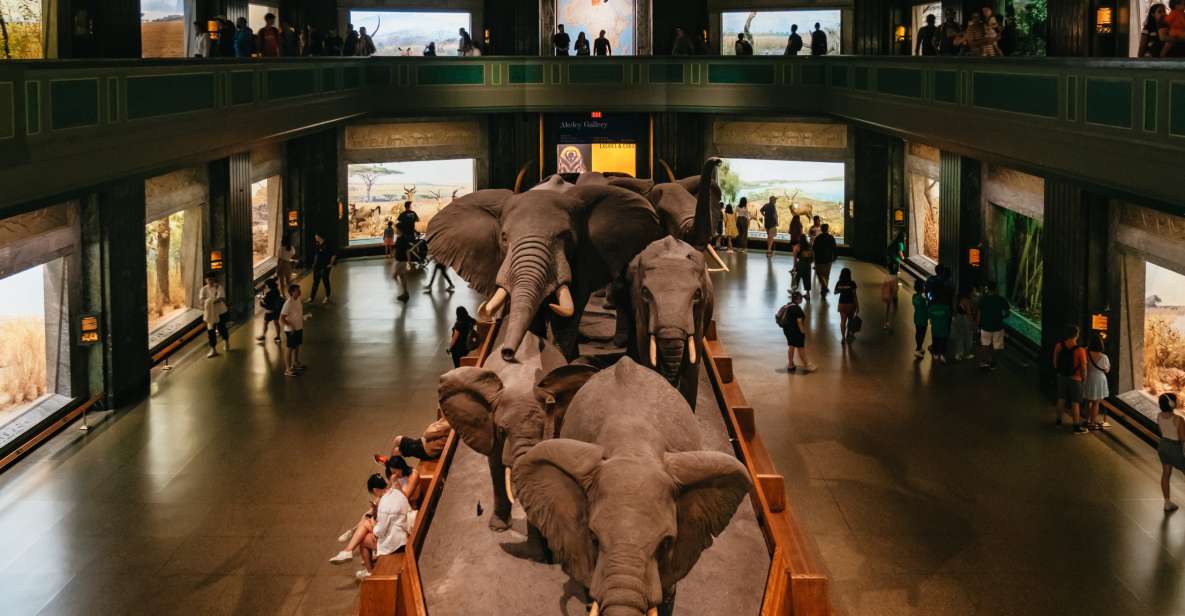
- 40+ halls with permanent exhibits that cover everything from dinosaurs to diamonds
- Rose Center for Space and Earth included with general admission
- Richard Gilder Center for Science, Education, and Innovation, with planetarium + big creature halls
- Iconic Tyrannosaurus Rex and the Easter Island head connection to Night at the Museum
- Optional ticketed exhibitions like LeFrak giant-screen films and the butterfly vivarium
- Explorer App + WiFi to get turn-by-turn help and self-guided routes
American Museum of Natural History in One Day: what your ticket really buys
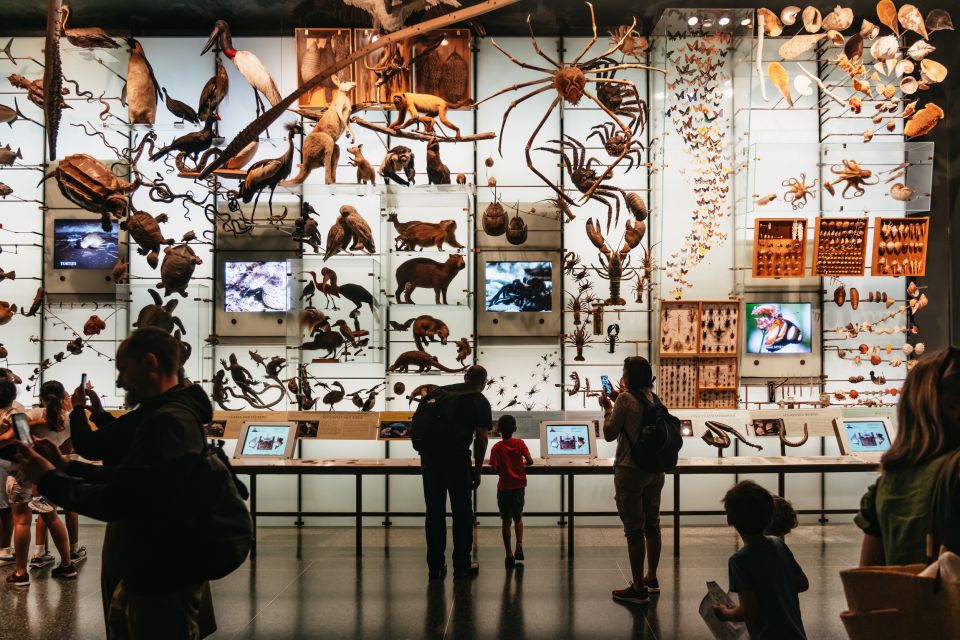
The American Museum of Natural History sits just across from Central Park, and that location matters. If your day needs flexibility—rain, cold, or just a “we need something indoors” moment—this museum delivers. You’re also dealing with a building that’s built for wandering: it holds over 30 million objects and spreads them across a lot of exhibit space.
Your ticket is for one day with all-day entry, which is how you should treat it: not as a “quick hit,” but as a full visit. Families tend to like that freedom, and adults do too, because you can slow down when a hall grabs your attention.
And yes, it’s famous for dinosaurs. But it’s also about the way museums connect science to daily life—through Earth systems, ocean life, and how cultures around the globe show up in exhibits.
You can also read our reviews of more tours and experiences in New York City



What’s included in this museum ticket (and what costs extra)
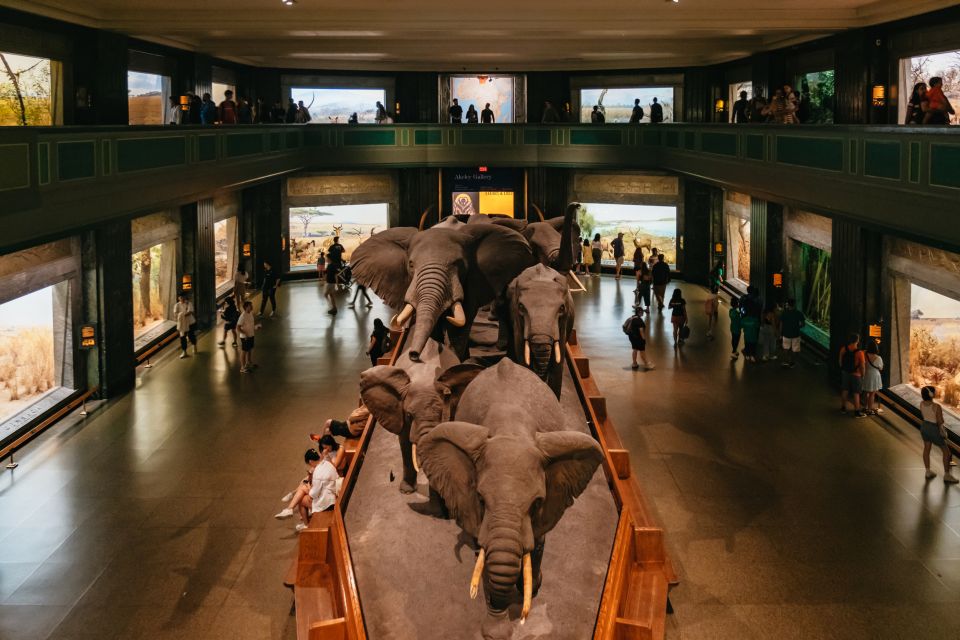
This ticket gives you access to the museum’s permanent exhibitions and the core science hubs: Rose Center for Space and Earth and the Richard Gilder Center. You can roam the 40+ halls at your own pace, and you’re not limited to just one section.
Here’s the catch: the museum also runs ticketed exhibitions (special experiences) that are not included with general entry alone. Depending on what option you select, you can add timed entry for 1 ticketed exhibition or all of them. If you don’t add them, you can still enjoy a lot of the museum—but you’ll miss the special ticketed add-ons like the 360-degree show and the butterfly vivarium.
So, the value question is simple: if you’re the type who wants just the big museum highlights, general admission can be enough. If you know you want shows (planetary theater, giant-screen film, butterflies), picking the option that includes them can feel like the smarter spend.
Richard Gilder Center: where the museum feels modern
The Richard Gilder Center for Science, Education, and Innovation is one of the best reasons to come on a day when you want more than old-school glass cases. It’s set up for today’s learning style: bright spaces, clear explanations, and hands-on or immersive-style experiences around big questions.
Inside, you’ll find the Hall of Biodiversity, where you can look at life through the lens of variety and change over time. If your group includes kids, this is often where questions start flying—because it’s organized in a way that feels more like discovery than memorizing.
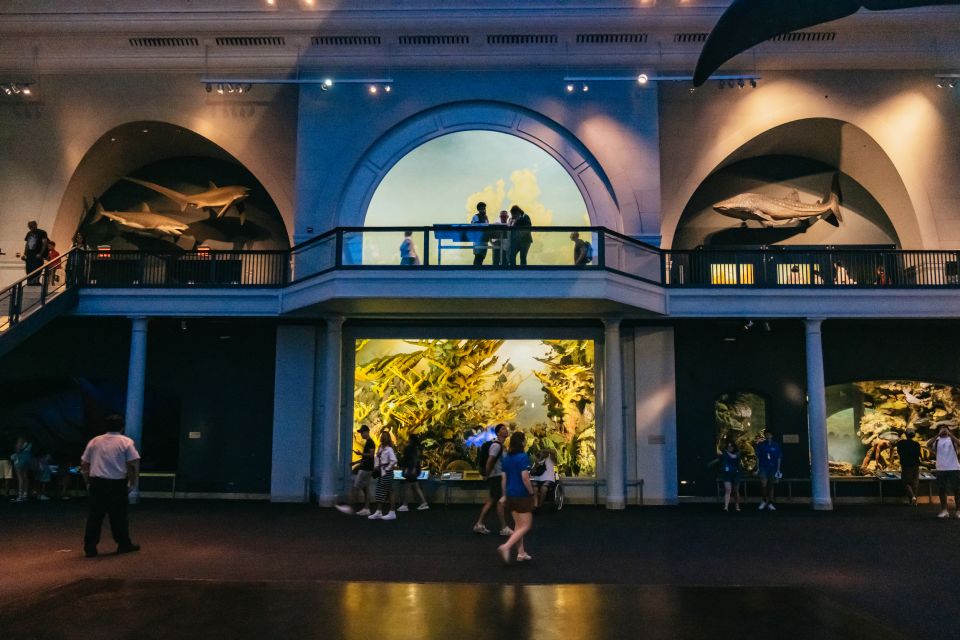
You’ll also want to make time for the planetarium experience in the center, since it’s part of how the museum turns space from a concept into something you can visualize. And if your crowd is animal-minded, the Milstein Hall of Ocean Life is the kind of space where “wow” is the default reaction, especially when you’re face-to-face with large creatures and ocean themes.
Practical tip: don’t treat the Gilder Center like a quick stop. Give it enough time so you can actually read what you’re looking at and not just speed through the highlights.
Dinosaurs, diamonds, and the iconic photo moments you shouldn’t skip
Yes, the American Museum of Natural History is a dinosaur magnet. But what I like about the dinosaur experience here is the way it sits inside a much bigger collection of Earth and science topics. You can jump from dinosaur fossils to other Earth themes without your day feeling like it’s stuck on one subject.
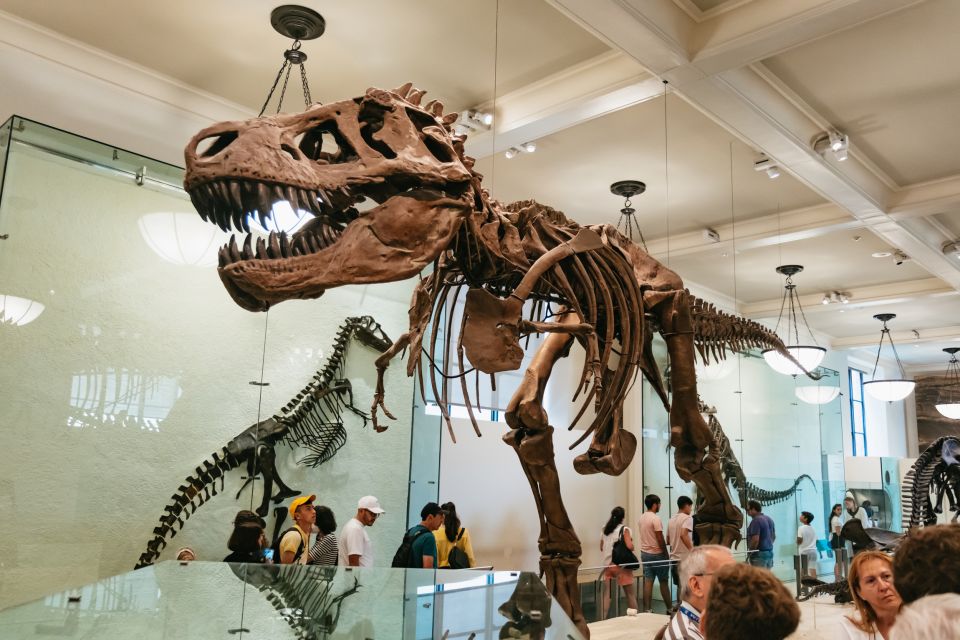
Plan around the museum’s famous Tyrannosaurus Rex skeleton. Even if you don’t do anything else, this is one of those anchor sights that makes the whole visit feel real. If you’ve seen Night at the Museum, you’ll likely recognize the Easter Island head that inspired characters in the film, too. And since parts of Night at the Museum were filmed at this museum, you’re walking through a place that has pop-culture DNA.
Now for the all-day strategy: you have 40+ halls, and not all of them will pull you equally. Build in “win moments.” For example, commit to seeing the dinosaur anchor plus a couple of other categories that interest your group—like ocean life or Earth-space exhibits—then let the rest fill in around them.
A lot of people get overwhelmed here. The antidote is focus. Pick a few “musts,” then enjoy the pleasant surprises between them.
Rose Center for Space and Earth: a good match for both kids and adults
The Rose Center for Space and Earth is included, so you shouldn’t leave without seeing it. This is where the museum shifts gears from Earth and life to the larger story of the planet, the solar system, and the universe.
I like this portion because it helps you connect museum science to real scale. Museums can be great for information, but space topics can feel abstract—until you see the physical displays and learn how the museum frames the ideas.
If your group has mixed ages, the Rose Center usually plays well. Kids get the wonder side, while adults get enough explanation to feel like they learned something without turning it into a lecture.
You can also read our reviews of more city tours in New York City





Ticketed exhibitions: choose the right 1 (or go for all)

This is where your ticket can turn into a bigger day—but it’s also where you should be selective.
If you’re choosing only one ticketed exhibition, I’d base it on what your group wants most: dinosaurs, hidden nature, space stories, extremes of life, or a full sensory film/show. Here are the main options you can add with timed entry:
- Impact: The End of the Age of Dinosaurs
You’ll see the before-and-after story of the asteroid collision that happened about 66 million years ago, and how it changed life on Earth. If your group is dinosaur-first, this one is the obvious pick.
- Invisible Worlds
This is a 360-degree theater experience that brings you into nature’s hidden realms—from ocean depths to DNA strands in living things. If you like science that feels visual and surprising, this can be a standout.
- Encounters in the Milky Way
This new space show is narrated by Pedro Pascal and frames cosmic movement in a time-travel style journey about our galaxy neighborhood. If space storytelling is your thing, this is a strong option.
- Life at the Limits: Nature’s Superheroes
This show focuses on how organisms survive extreme conditions. It’s a good choice if you like survival stories and want something that connects to real-world adaptations.
- Giant-Screen Film at LeFrak Theater
The theater has a huge 40-foot-high, 66-foot-wide screen with state-of-the-art digital sound. Captioning devices and audio description devices are available, and it’s wheelchair accessible. If you want a break from walking but still want a major experience, this can work well.
- Davis Family Butterfly Vivarium
A year-round exhibit with up to 1,000 free-flying butterflies. The idea that a butterfly might land on you is part of the appeal, and it’s usually a hit with kids.
One important reality check: general admission does not automatically include these. If you want any of them, plan to add the ticketed option during booking.
The Explorer App and WiFi: how to keep your day from unraveling
One underrated advantage is the museum’s onsite WiFi and the Explorer App. This matters because you’re dealing with a massive building, and getting lost here is easy—even with signage.
The app offers turn-by-turn navigation, plus behind-the-scenes stories, quizzes, and other tools that can keep kids engaged while you’re moving between halls. It also helps you find self-guided routes so you’re not stuck bouncing between random sections.
The app is available in English, Spanish, French, and Portuguese, which is useful if your group includes non-native English speakers. And since it’s self-guided, you can still be flexible if someone suddenly decides they need to see the same display twice.
Practical tip: download the app and get oriented early. Once you’re deep into the museum, even a small detour can cost you a big chunk of your day.
Planning your walk: pacing 40+ halls without burning out
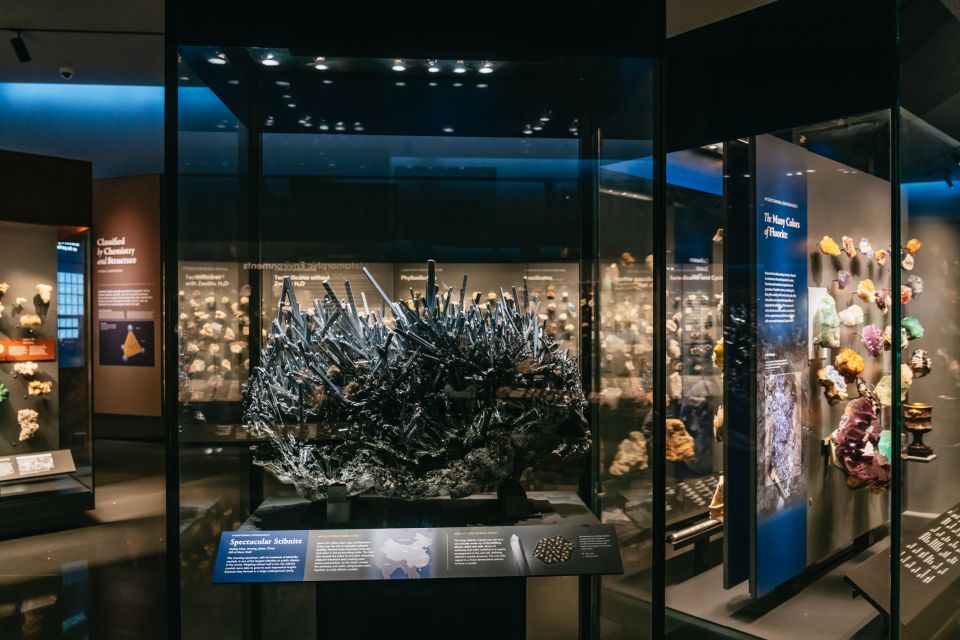
The museum is huge, and you should treat time like a resource. A helpful rule is simple: expect to spend at least 4 to 5 hours if you want to see a good amount. If you want the ticketed shows and multiple anchors, you’ll likely need more time.
I also like the strategy of starting on a higher floor and working down. It helps you keep moving in one direction instead of zigzagging endlessly, which is a common way people lose hours.
Where you’ll feel the strain most is between must-sees. If you have one child who can’t stop at fossils and another who wants ocean life, build in a couple of “switch moments” so the group doesn’t fracture.
Crowds can also change your experience. On busy weeks, it can feel packed, so it’s smarter to arrive ready to wander slowly rather than chasing a strict minute-by-minute plan.
Comfort and logistics inside the museum (small things that matter)
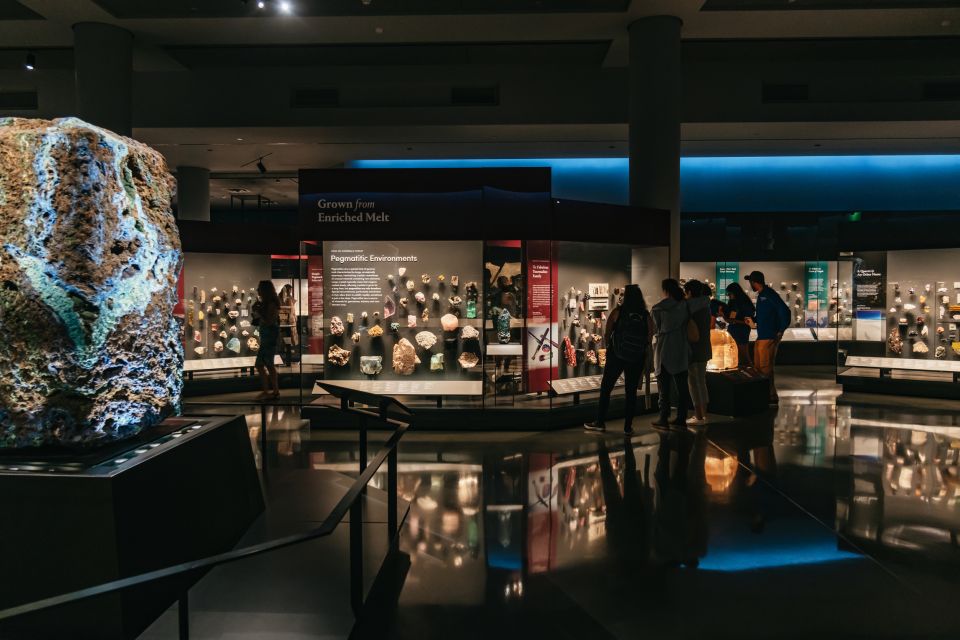
First, pack light. Oversize luggage and large bags aren’t allowed, so think about what you’re bringing before you get to the entrance. If you need storage, there are lockers onsite for an additional charge.
Second, plan for breaks. The museum has cafeterias, so you can regroup without leaving the building. That’s especially helpful when you’re with kids who need food and a reset more often than adults admit.
Third, use the museum’s support if you need it. The layout can be confusing at first, and having help from staff can save time when you’re trying to find the right hall quickly.
Wheelchair access is available, and the giant-screen theater is wheelchair accessible too, so mobility needs can be handled better than at many older venues.
Who this ticket is best for (and who should be cautious)
This museum ticket is ideal for families who want a full-day experience with something for every age. It’s also great for anyone who loves natural history, science learning, and “big wow” displays like major dinosaur fossils and major ocean-life exhibits.
You’ll especially appreciate it if:
- you want all-day time to roam rather than rushing through highlights
- your group enjoys science themes like biodiversity, oceans, and space
- you like choosing optional add-ons based on your interests
A caution for some groups: if you hate crowds or you’re trying to fit too much into a limited schedule, the museum can feel like a lot. Also remember that some of the most talked-about experiences (butterflies, giant-screen film, the 360-degree theater show) require selecting the ticketed exhibition option.
Should you book this AMNH ticket?
I think you should book it if you want a one-day plan that doesn’t feel one-note. For the price, the standout value is that you get a huge base museum experience—40+ halls, the Rose Center, and the Gilder Center—so you’re not paying only for one attraction.
Book the ticketed exhibitions too if you know you’ll want at least one of the big shows. If you’re unsure, start with the permanent halls first; at minimum, you’ll still get a full day of natural history, space science, and Earth-life connections.
If your group is sensitive to crowds or you’re short on time, keep your expectations realistic. Pick a couple of anchors, use the Explorer App to stay pointed, and let the museum do what it does best: keep you curious.
FAQ
How long is the American Museum of Natural History ticket valid?
It’s valid for one day, with all-day entry (check availability for the starting time you can use).
What’s included with general admission?
General admission includes access to the museum’s permanent exhibitions, plus entry to the Rose Center for Space and Earth and the Richard Gilder Center.
Do I get access to the Gilder Center and Rose Center with this ticket?
Yes. Both the Gilder Center and the Rose Center for Space and Earth are included.
Are special exhibitions included with the general admission ticket?
No. General entry does not include ticketed exhibitions. You’ll need to select the option that includes timed entry to 1 or all special exhibitions.
What ticketed exhibitions are available?
Ticketed options include Impact: The End of the Age of Dinosaurs, Invisible Worlds (360-degree theater), Encounters in the Milky Way (narrated by Pedro Pascal), Life at the Limits: Nature’s Superheroes, a Giant-Screen Film at LeFrak Theater, and the Davis Family Butterfly Vivarium.
Is there WiFi and an app at the museum?
Yes. You can connect to the museum WiFi and download the free Explorer App, which offers turn-by-turn navigation, stories, and quizzes.
What languages is the Explorer App available in?
The Explorer App is available in English, Spanish, French, and Portuguese.
Are lockers available on-site?
Yes. Lockers are available on-site for an additional charge.
Is the museum wheelchair accessible?
Yes. The overall museum is wheelchair accessible, and the giant-screen theater (LeFrak Theater) is also wheelchair accessible.