REVIEW · BROOKLYN
NYC: Brownstone Brooklyn History, Culture and Food Tour
Book on GetYourGuide →Operated by Intrepid Urban Adventures · Bookable on GetYourGuide
Brooklyn tastes better on foot. This 3-hour brownstone tour strings together Brooklyn food culture with real neighborhood context, walking through the Smith Street area and nearby blocks with a local guide. In the mix, you’ll hear how today’s food scene grew from older storefronts and newer arrivals, with guides like Sara and Angelo making the route feel personal.
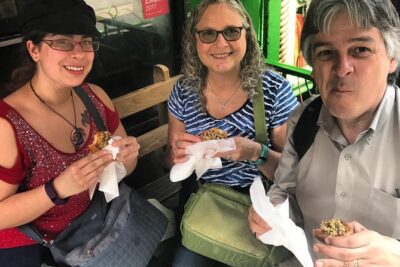
I like the mix of 7 tastings across New American, Middle Eastern, and Italian spots, so you don’t leave with just one flavor memory. I also like the small group vibe (up to 12 people), which makes it easier to ask questions and actually get the story behind the counter. One drawback: this is a sampler format, not a sit-down feast, so if you’re the type who needs a full lunch, plan to eat afterward.
In This Review
- Key things I’d circle before you go
- Walking Through Brooklyn’s Food Map on Brownstone Streets
- Where You Meet (and Why 61 Bergen St Works)
- Smith Street Stop: Where New American and Old-World Flavors Share Air
- Carroll Gardens: Brownstone Charm With a Community Story
- Cobble Hill for Real Food Variety: Cheese, Bread, Pastries, Coffee
- Brooklyn Heights: Short Stop, Big Picture Connections
- Ending at Brooklyn Farmacy & Soda Fountain: The Soda Fountain Finale
- How Much Food Is Actually in This 7-Stop Sampler?
- Price and Value: Why $76 Can Make Sense for Brooklyn
- Dietary Needs, Accessibility, and What to Tell the Guide
- The Tour’s Carbon-Neutral Angle (and Why I Find It Worth Mentioning)
- Who Should Book This Brownstone Brooklyn History, Culture and Food Tour?
- Should You Book It?
- FAQ
- How long is the NYC Brownstone Brooklyn History, Culture and Food Tour?
- Where does the tour start?
- How far will we walk?
- What’s included in the price?
- Can the tour accommodate vegetarian, vegan, or gluten-free diets?
- Is there a private group option?
- Is the tour carbon neutral?
Key things I’d circle before you go
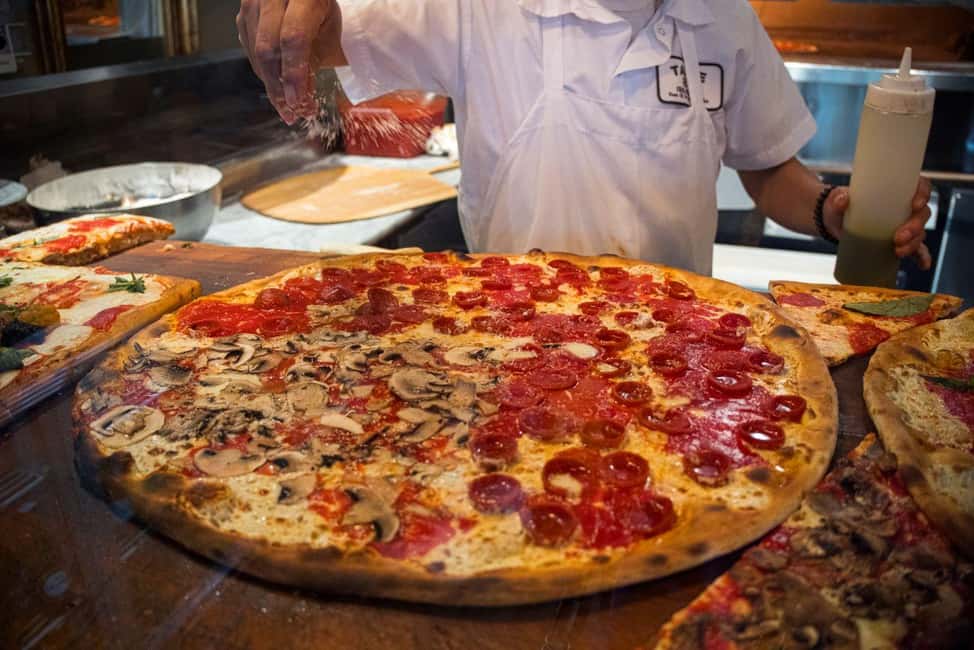
- Smith Street and Court Street focus: you’ll walk the blocks where the food scene has thickened fast
- 7 tastings in 3 hours: enough to feel like lunch, without turning it into a food coma
- Local guide connections: you get the history AND why these shops still matter
- Italian + Middle Eastern staples: expect bread, pastries, and bakery culture tied to Brooklyn’s everyday life
- Finish at a soda fountain: you end with a classic Brooklyn-style treat at Brooklyn Farmacy & Soda Fountain
Walking Through Brooklyn’s Food Map on Brownstone Streets
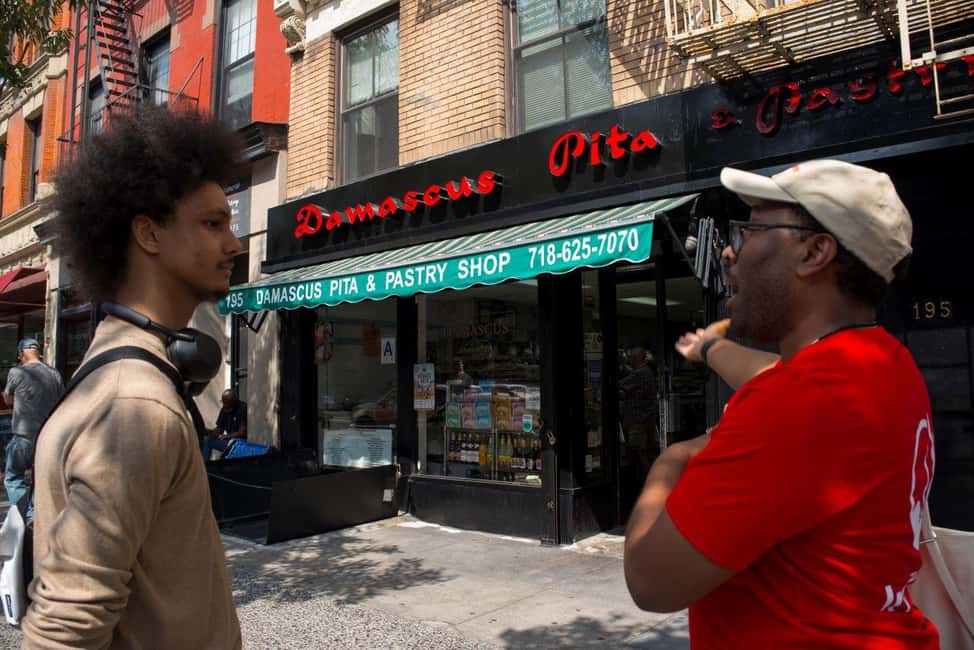
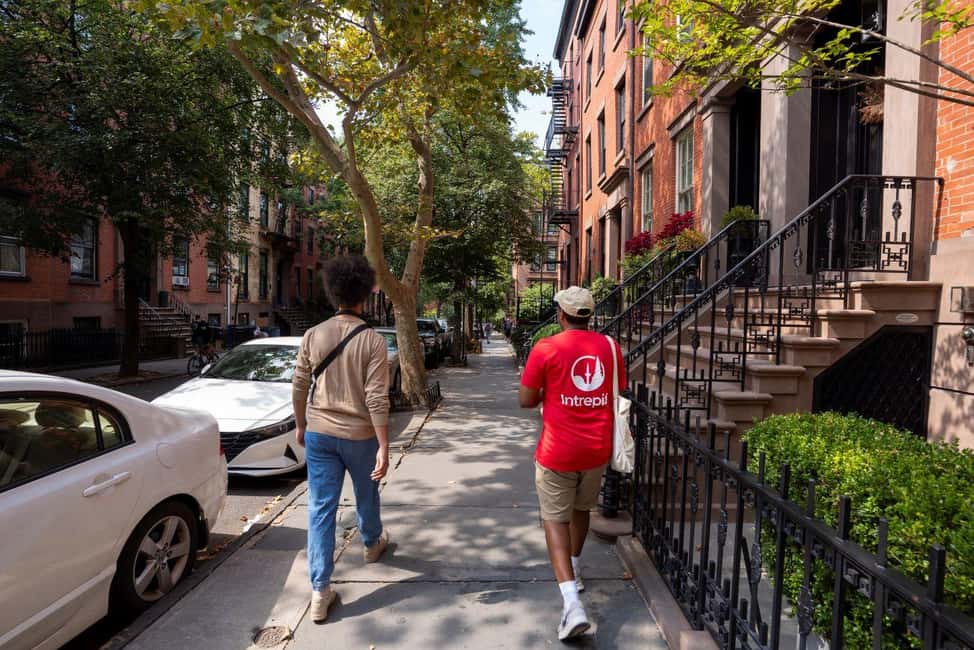
This tour is built around one idea: the best way to understand a neighborhood is to follow what people buy. You start on Bergen Street and then head into the Smith Street / Court Street zone, where brownstones, small retail, and longtime food spots sit right next to newer cafés. That mix is the whole point. Brooklyn isn’t just changing because someone opened a trendy place. It’s changing because older communities, zoning pressure, and the constant flow of new residents keep shaping what shows up on menus and shelves.
What makes this tour feel different from a generic food run is the walking rhythm. You’re not rushing from one grab-and-go spot to another with no context. Instead, your guide keeps stitching the story together: how these storefronts developed, why certain cuisines took root, and how New American food gained momentum as Brooklyn’s dining became more experimental.
You’ll cover about 1 mile (1.6 km) total, so it’s very doable. The tradeoff is pace: you’ll stay moving, and your time in each shop is short. If you prefer long hangs in one café, this won’t be your style—but if you want variety plus context, it’s spot on.
You can also read our reviews of more food & drink experiences in Brooklyn


Where You Meet (and Why 61 Bergen St Works)
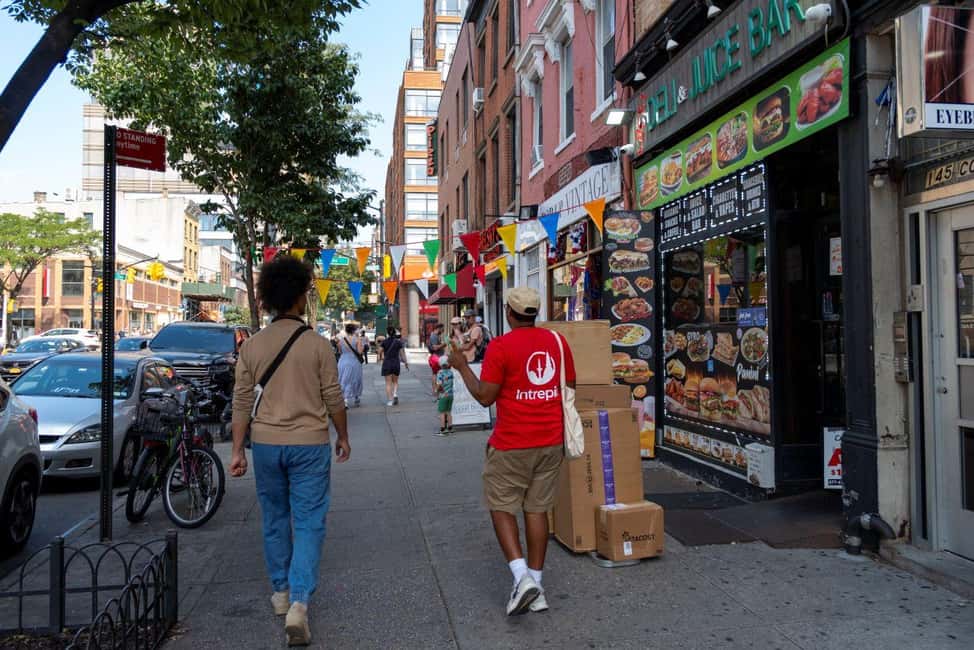
You’ll meet outside 61 Bergen Street, near the F/G subway entrance. That’s a practical choice: it’s easy to reach, and you’re starting in the borough’s real-world grid instead of a distant landmark. If you arrive early, use that time to get oriented. Once the group forms, you’ll start working down the blocks toward the food stops.
Expect the guide to set expectations quickly—how the tastings will work, what areas you’ll hit, and how the route connects historically and culturally. Several guides on this kind of route tend to keep communication clear and fun; the common thread from guides like Alex, Brian, and AJ is that they speak loudly enough for the group, stay organized, and keep the conversation moving so you don’t feel stuck waiting.
Also, bring comfortable shoes. This isn’t marathon walking, but you’ll be on your feet for the full 3 hours.
Smith Street Stop: Where New American and Old-World Flavors Share Air
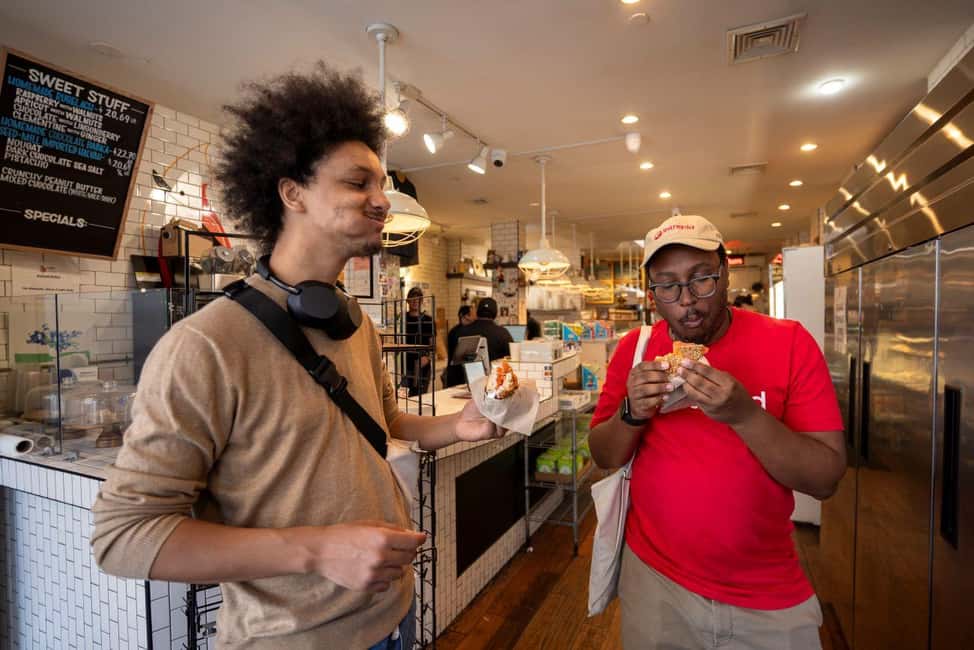
Your first neighborhood stretch lands on Smith Street, and this is where the tour starts doing its real job: showing how cuisines overlap on the same streets. You’ll get guided context right alongside tastings, so you’re not just eating your way through Brooklyn—you’re learning why those places fit together.
Based on the food categories highlighted for this route, you should expect a blend that often includes New American items alongside Middle Eastern favorites. That matters because these aren’t food categories that normally share a plate in a lot of places. Here, they coexist. You can taste how Brooklyn keeps stacking different immigrant food traditions, then layers in newer American cooking styles that respond to local tastes.
A practical tip: go into this stop ready for small-but-meaningful portions. The goal is to let each location speak for itself—bread texture, cheese profile, pastry sweetness, or coffee aroma—rather than loading you up with a single heavy item.
Carroll Gardens: Brownstone Charm With a Community Story
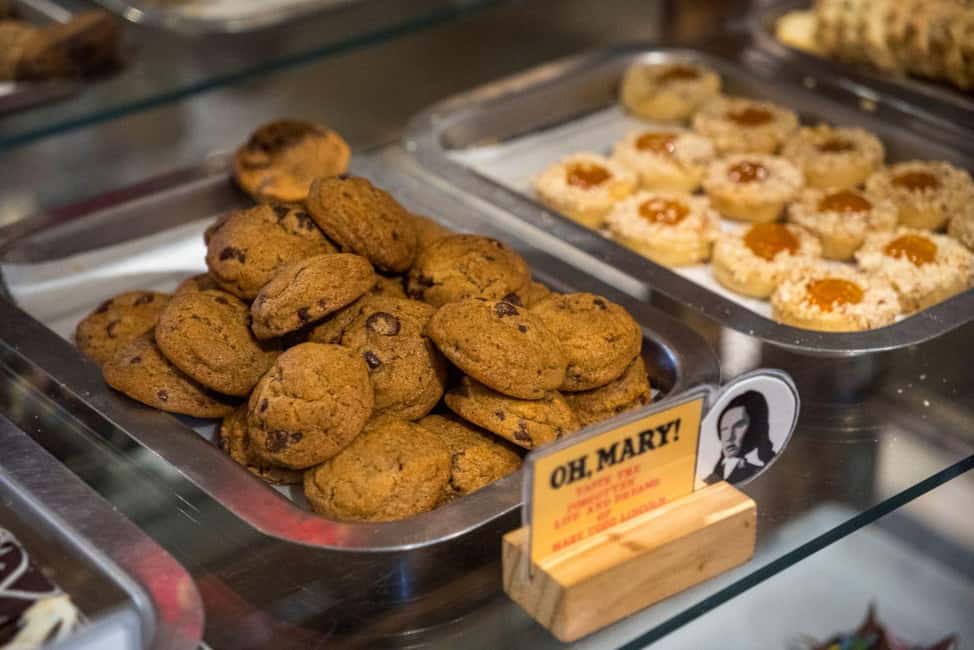
Next up is Carroll Gardens, and this part of the walk is less about big, famous sights and more about what daily life looks like in Brooklyn. The tour’s tone shifts slightly here: you’ll get more neighborhood character, and you’ll start hearing how local businesses and residents shape what the area becomes.
This is one of those routes where the guide’s approach really matters. Guides like Jessie and Mary Hannah are the type who make the storytelling feel human—talking about the mix of long-term shops and newer culinary additions. You also get the sense that this isn’t just a sightseeing crawl. It’s a look at how food acts like infrastructure for a neighborhood ecosystem.
You may find yourself thinking about sustainability and local support, too. Some guides on this route talk about sustainability of local businesses as part of the history thread, not as a separate lecture. That’s the difference between just eating and actually understanding what you’re eating.
Cobble Hill for Real Food Variety: Cheese, Bread, Pastries, Coffee
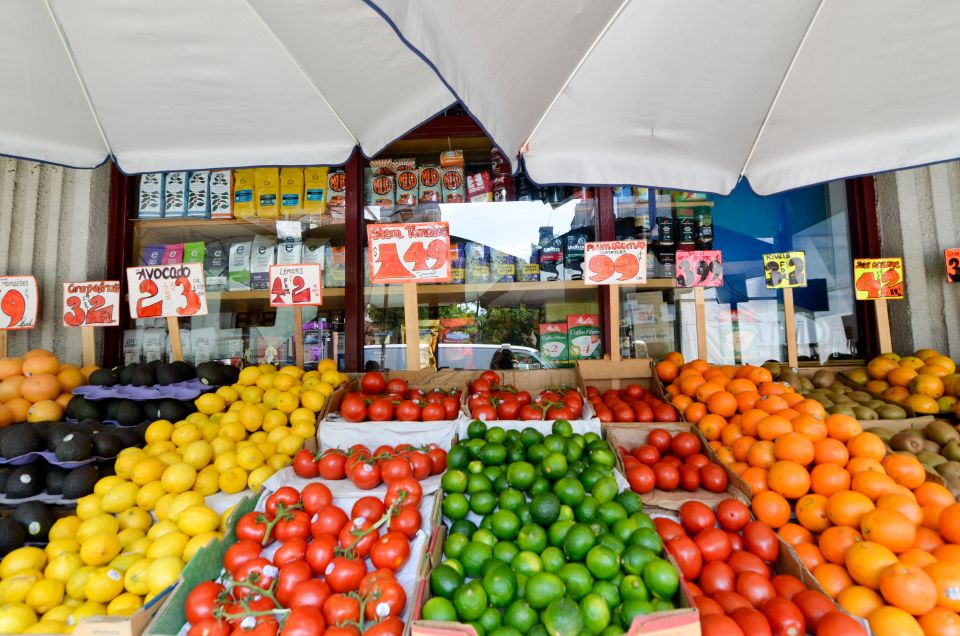
The biggest time slice is Cobble Hill, and it’s also where the tour leans hard into variety. You’ll spend about 1.5 hours there, which signals what the route wants to accomplish: give you enough time to taste multiple styles without feeling rushed.
Here’s what this stop is set up to deliver from the tour’s food focus:
- artisan cheeses
- bread
- Italian pastries
- coffee roasters
- and enough in-between bites to keep the flavor curve interesting
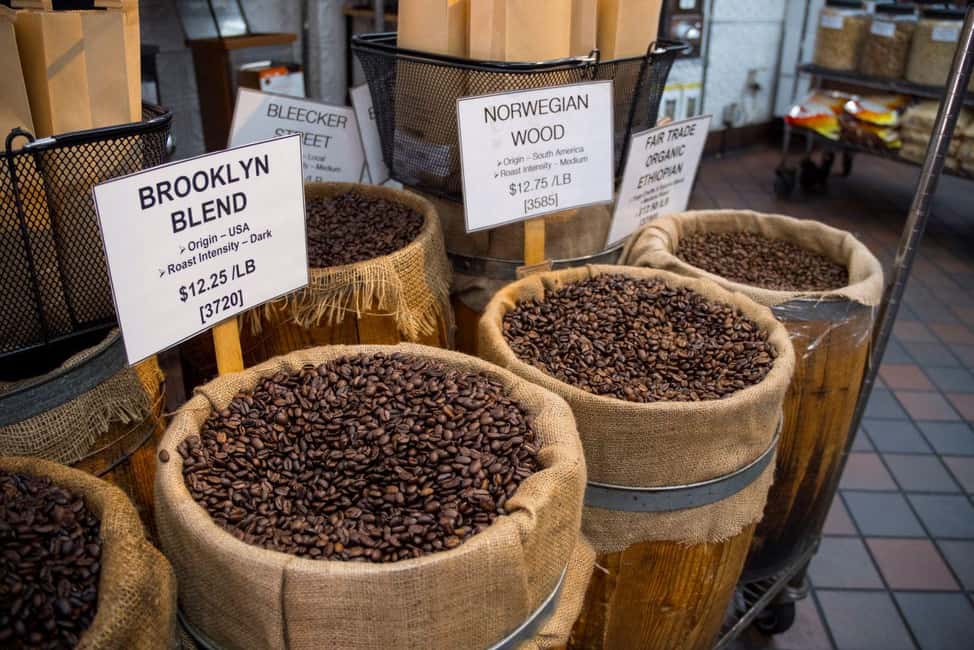
This is also a great place to pay attention to comparisons. For example, bread and cheese are easy to dismiss as simple tasting items—but when you compare types from different storefronts, you start noticing differences in salt level, texture, and richness. That kind of detail is why tasting tours are worth it when they’re done well.
If you’re a coffee person, keep your senses open. Notes about roasting and flavor don’t require a chemistry degree. A good guide can turn a small coffee sample into a way to read menus later.
You can also read our reviews of more tours and experiences in Brooklyn





Brooklyn Heights: Short Stop, Big Picture Connections
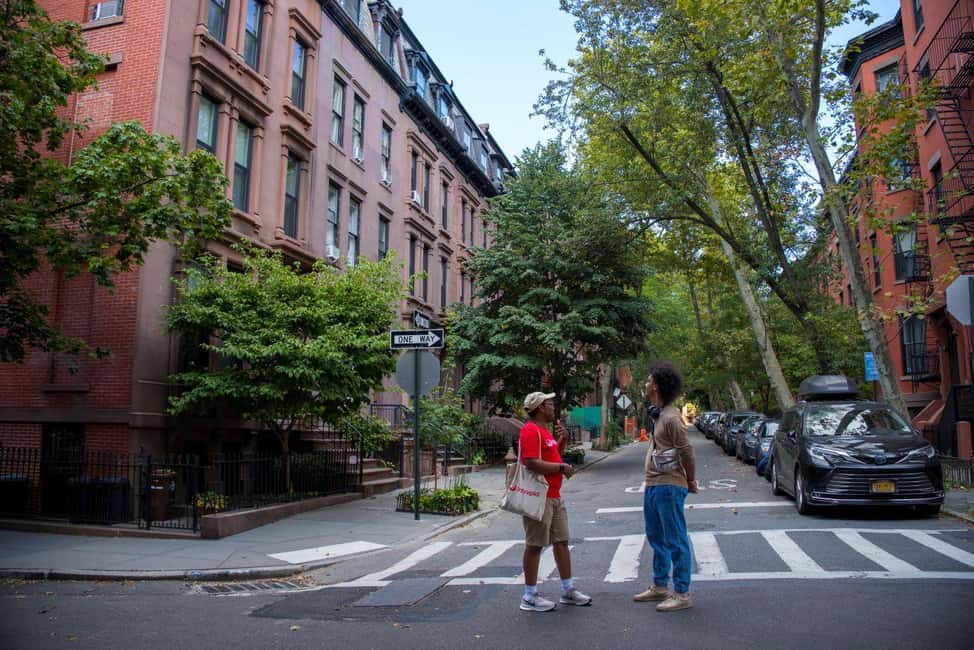
You’ll also pass through Brooklyn Heights for a shorter tasting segment (about 20 minutes). This works because it connects the route’s earlier food story to the broader idea of Brooklyn as a place where communities keep evolving.
Think of this stop as the “wrap the theme” moment. You’re given just enough time to reset your palate, then your guide ties the route together: how neighborhood character changes, how new dining fits into what was already there, and why these food blocks became a destination instead of just a local secret.
Because this segment is shorter, don’t get mentally stuck comparing it to the longer Cobble Hill time. Treat it as a final chapter that helps you interpret what you’ve already tasted.
Ending at Brooklyn Farmacy & Soda Fountain: The Soda Fountain Finale
The tour finishes back at its starting area area, with the final stop at Brooklyn Farmacy & Soda Fountain. This matters because it’s not just another quick bite—it’s a recognizable Brooklyn-style ending. The tour description calls out a modern soda fountain, which makes the finale feel like a reward rather than a last sample tossed in at the end.
If you’ve been doing tastings back to back, this stop is useful for slowing down a bit. Even if you’re not ordering something huge, you get a classic Brooklyn ritual vibe: something sweet and fizzy, a place that feels like a local hangout, and a moment to talk with your guide about where to go next.
Also, you’ll likely leave with a list of follow-up recommendations. The tour includes a map you can use to find more foodie hotspots, and your guide is encouraged to share local suggestions.
How Much Food Is Actually in This 7-Stop Sampler?
Let’s talk expectations, because this is where people get surprised.
This tour includes 7 food stops and tastings, but it’s still a walking tour with short time windows. Many people describe it as enough to feel like lunch, with several guides earning high marks for food portion sizes and variety. At the same time, you should plan it as a sampler experience, not a full restaurant meal.
So here’s my practical rule for you:
- If you’re hungry, you’ll likely be satisfied by the end.
- If you’re the type who needs a full plate of food in one sitting, plan to snack or eat a real meal after.
If you’re thinking about drinks beyond tastings, keep it in mind that additional food and drinks aren’t included. You can still treat the soda fountain finale as part of your plan, but don’t assume it replaces an actual meal.
Price and Value: Why $76 Can Make Sense for Brooklyn
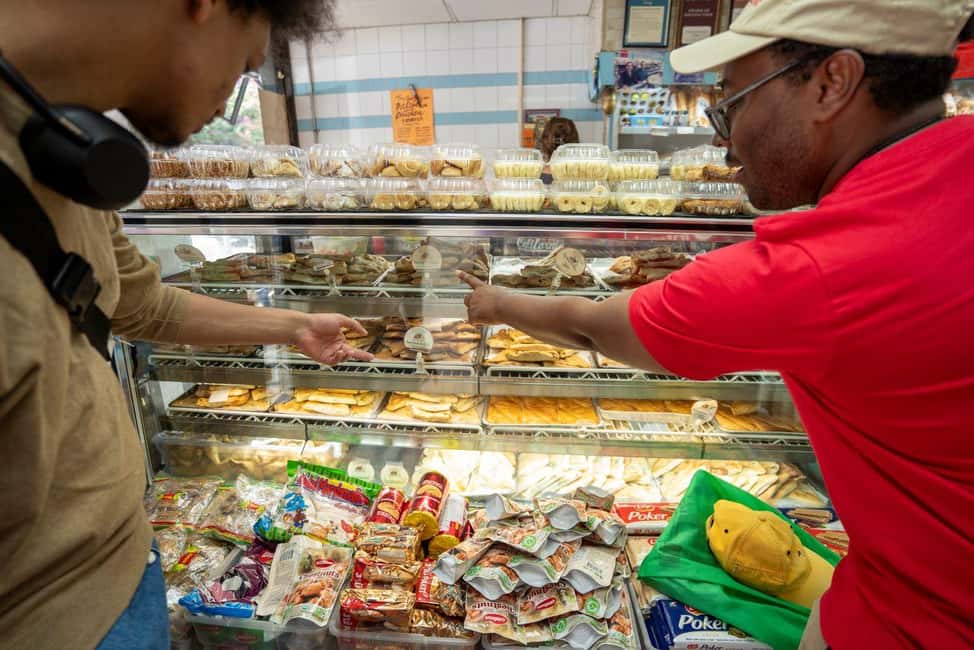
At $76 per person for about 3 hours, this tour doesn’t try to be the cheapest way to eat. It’s priced more like a curated neighborhood experience: you’re paying for a local guide plus 7 tasting stops rather than just walking into shops on your own.
That value works best if you’ll actually use the guide’s context. The strongest part of these routes is the translation layer: where cuisines came from, how storefronts fit into the neighborhood story, and why the current food scene took shape. If you love eating while learning, $76 is easier to justify.
If you’re strictly budget-shopping, you could recreate parts of the route on your own. But you’d be trading away the guided history, the organized pacing, and the fact that tastings are built into the plan.
Small group size also helps here. Up to 12 people means you’re less likely to get lost in the crowd, and that can directly affect how good the tour feels.
Dietary Needs, Accessibility, and What to Tell the Guide
The tour can cater to vegetarians, vegans, and gluten free customers, as long as you share specific needs 24 hours before the start time. That’s an important detail. Tastings work best when the tour can swap items in advance instead of hoping a shop can adjust last minute.
You’ll still want to confirm what you’re getting when you arrive at each stop. Even with dietary options, tasting programs can mean small portion differences across items.
Fitness-wise, you’re looking at 1 mile of walking total, suitable for all ages and fitness levels. The practical requirement is simple: wear comfortable shoes and dress for the weather.
The Tour’s Carbon-Neutral Angle (and Why I Find It Worth Mentioning)
This tour is described as carbon neutral and run by a B Corp certified company committed to using travel as a force for good. I don’t treat eco-labels like magic. I treat them like a signal about business priorities.
If you care about how tourism affects neighborhoods, it’s reassuring to see that the operator is measuring social and environmental impacts and making responsible tourism claims tied to certification. On a food tour, the “local support” angle also matters. You’re spending your money inside small businesses, not just buying souvenirs on the way out.
Who Should Book This Brownstone Brooklyn History, Culture and Food Tour?
This tour is for you if:
- you want a food-and-history walk rather than a list of restaurants
- you like neighborhoods where old storefronts and newer cafés sit side by side
- you want a guided way to understand Smith Street / Court Street food culture
- you’re happy with a sampler style meal
It’s also a good fit for locals with curiosity. One of the fun surprises from guides on this route is how the storytelling can touch current conversations like neighborhood planning and zoning alongside the food scene. That can make it feel more like learning than just eating.
If you hate walking, crave lots of free time in one place, or want a full meal replacement with no planning afterward, you may feel a little impatient. For most people, though, the short tastings and steady pace are exactly the right rhythm.
Should You Book It?
I’d book this tour if you want a high-quality way to understand Brooklyn through what people actually eat and sell—right down to bakeries, coffee, bread, pastries, and cheese. The combination of 7 tastings, focused neighborhoods, and guides such as Sara, Alex, AJ, and Angelo (who are repeatedly praised for keeping the tour fun and informative) makes it a smart use of a few hours.
You should skip it (or pair it with a later meal) if you need a big sit-down lunch or you dislike moving between places every few minutes. Otherwise, this is a solid pick for first-time visitors and curious locals who want Brooklyn to make sense fast.
FAQ
How long is the NYC Brownstone Brooklyn History, Culture and Food Tour?
The tour lasts about 3 hours. Starting times vary, so you’ll want to check availability.
Where does the tour start?
Meet outside 61 Bergen Street, near the F/G subway entrance.
How far will we walk?
The tour covers about 1.6 km (1 mile) of walking.
What’s included in the price?
You get a local guide and 7 food stops with tastings. Additional food and drinks are not included.
Can the tour accommodate vegetarian, vegan, or gluten-free diets?
Yes. The tour can cater to vegetarians, vegans, and gluten free customers, but you need to provide specific dietary requests at least 24 hours before the tour starts.
Is there a private group option?
Yes. Private group tours are available, and the maximum group size is 12 passengers.
Is the tour carbon neutral?
The tour is described as carbon neutral and run by a B Corp certified company committed to responsible tourism practices.