REVIEW · MANHATTAN
NYC | French guided tour Greenwich Village through Chinatown
Book on GetYourGuide →Operated by New York Off Road · Bookable on GetYourGuide
Four neighborhoods, one tight walking plan. This French-led route strings together Greenwich Village, SoHo, Little Italy, and Chinatown with real street-level context. You’ll see corners that show up on screen, plus the immigrant-and-art-life shifts that made Lower Manhattan what it is.
I especially love the small group size (limited to 10). It makes it easier to hear your guide, ask questions, and actually stop when something is worth a closer look. The second thing I like: you get practical takeaways beyond the walk—group photos sent by email and a list of best addresses in each neighborhood.
One thing to factor in: the tour runs rain or shine, and it’s about 3.5 hours of walking. If your feet don’t love sidewalk time, plan for breaks and wear shoes you’d trust for a long day.
In This Review
- Key highlights worth showing up for
- Why This Greenwich Village Through Chinatown Route Feels Efficient
- Meeting Under the Washington Square Arch and Keeping the Pace Comfortable
- Greenwich Village: Tree-Lined Streets, Bohemians, and Movie-Ready Corners
- SoHo’s Cast-Iron District: Cobblestones, Architecture, and Luxury Streets
- Little Italy: Old New York Atmosphere and Mafia-Era Clues
- Chinatown Finish: The City-Within-a-City Feeling, Plus Smart Food Suggestions
- What You Really Get for $79: Guide Value and Useful Extras
- Best For Who: The Right Fit for This French-Led Lower Manhattan Walk
- Practical Tips So You Enjoy Every Neighborhood Stop
- Should You Book This Greenwich Village to Chinatown Tour?
- FAQ
- What neighborhoods are included in this guided tour?
- How long is the tour?
- Where does the tour start?
- Does the tour end back where we started?
- What language is the tour guide speaking?
- How large is the group?
- Is the tour wheelchair accessible?
- Does the tour run in bad weather?
- Are food and drinks included?
- What should I bring?
Key highlights worth showing up for
- Film and TV filming locations around Lower Manhattan, explained as you walk
- Greenwich Village stories about Bohemians and the sounds that helped shape rock
- SoHo cast-iron street scenes tied to the SoHo-Cast Iron Historic District
- Little Italy and Mafia-era locations, plus where to find cannoli and gelato
- Chinatown food and exploration recommendations as your tour ends there
Why This Greenwich Village Through Chinatown Route Feels Efficient

I like tours that don’t just recite names of streets. This one moves through four distinct areas in about 3.5 hours, so you get a sense of how the blocks change as the city’s eras shift. Starting in Greenwich Village and finishing in Chinatown also gives you a natural flow: artistic streets first, then shopping architecture, then old-school Italian neighborhoods, and finally the “city within a city” feel of Chinatown.
The value here is that the guide connects what you see to why it matters. You’re not just walking from landmark to landmark—you’re getting stories that explain why these neighborhoods look the way they do today. And because it’s a small group capped at 10, the pace stays human. It’s the kind of walk where you’ll notice details you’d miss wandering alone.
If you want a low-effort way to get your bearings in Lower Manhattan, this is a strong fit. It’s also a good choice if you plan to keep exploring afterward, because the guide’s address list helps you decide where to go next.
You can also read our reviews of more tours and experiences in Manhattan.



Meeting Under the Washington Square Arch and Keeping the Pace Comfortable
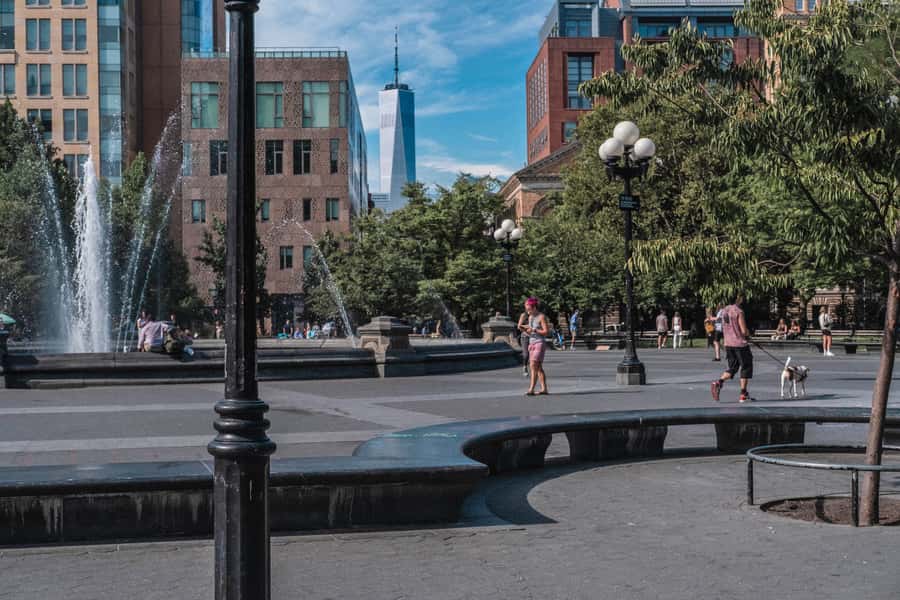
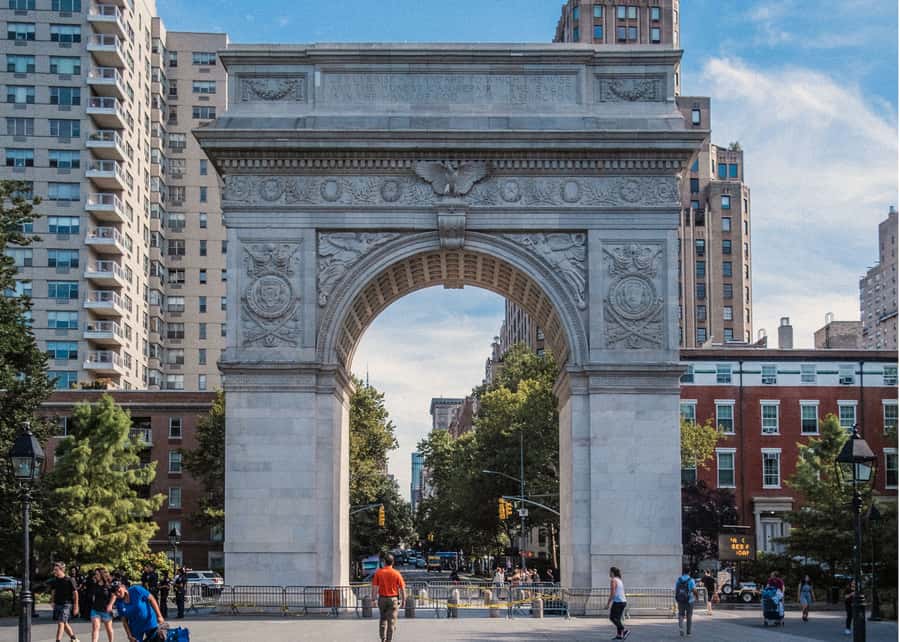
The tour starts with a clear meeting point: under the Washington Square Arch. That’s helpful because it’s easy to find, and it anchors you right at the start of Greenwich Village. Your walk then ends back at the meeting point, so you’re not left wondering how to retrace your steps.
In terms of logistics, here’s the practical side: you should come ready to walk for the full 3.5 hours, because this isn’t a sit-and-watch experience. You’ll be moving through a few neighborhoods on sidewalks, with stops built in to see specific corners and learn their stories. The tour includes group photos sent by email afterward, so you don’t need to worry about catching the perfect shot yourself.
One more detail I think matters: there’s often a mid-visit pause in a chosen spot. That’s not just comfort—it’s smart pacing. After a bit of walking, you reset, refocus, and then continue with better attention for the next neighborhood’s details.
Greenwich Village: Tree-Lined Streets, Bohemians, and Movie-Ready Corners

Your tour kicks off in Greenwich Village, and that’s a smart move. The neighborhood has long been associated with artists and alternative culture, and your guide uses that context as you walk. Expect tree-lined streets and a feel for why this area is both historic and still fashionable today.
One of the strongest parts is how the guide ties street views to screen locations. You’ll learn about spots where numerous films and television series were filmed. Even if you don’t recognize every shot from memory, you’ll start noticing the cinematic quality of the blocks—the way certain angles, stoops, and storefronts lend themselves to storytelling.
You’ll also hear why the Village is often described as tied to the birthplace of rock and major artists. That doesn’t mean the tour turns into a music lecture. It’s more like: your guide points out how culture formed here, and then you connect it to what the neighborhood still offers today—like where you might go to catch a live show or gig.
Here’s the consideration: Greenwich Village is popular, and you’ll be walking through active streets. Bring your patience and assume you’ll do a bit of weaving around foot traffic. The upside is that the neighborhood’s energy makes the stories feel real, not staged.
SoHo’s Cast-Iron District: Cobblestones, Architecture, and Luxury Streets
After the Village, you head to SoHo, where the vibe shifts fast. Cobblestone streets and the look of the historic buildings take over, and your guide focuses on the SoHo-Cast Iron Historic District. This is where the walk becomes visually satisfying in a different way than Greenwich Village.
SoHo is known for its dramatic building facades, and it’s easy to get distracted by shop windows. The guide helps you look past the browsing instinct and notice the architecture details that made the area famous. You’re basically learning how to “read” the streets. Once you see what you’re looking for—especially around the cast-iron style—it changes how you experience the neighborhood.
Another thing I appreciate here: the story doesn’t feel like it’s floating above the sidewalks. The guide keeps bringing it back to what you can actually observe in front of you. That means your photos don’t just look nice; they become evidence of something you understood on the spot.
Potential drawback: SoHo’s trendy reputation can make the atmosphere feel more commercial than residential. If you’re expecting the Village’s lived-in feel, you may notice the difference. Still, for architecture lovers and shopping-street people, this part of the tour delivers.
Little Italy: Old New York Atmosphere and Mafia-Era Clues
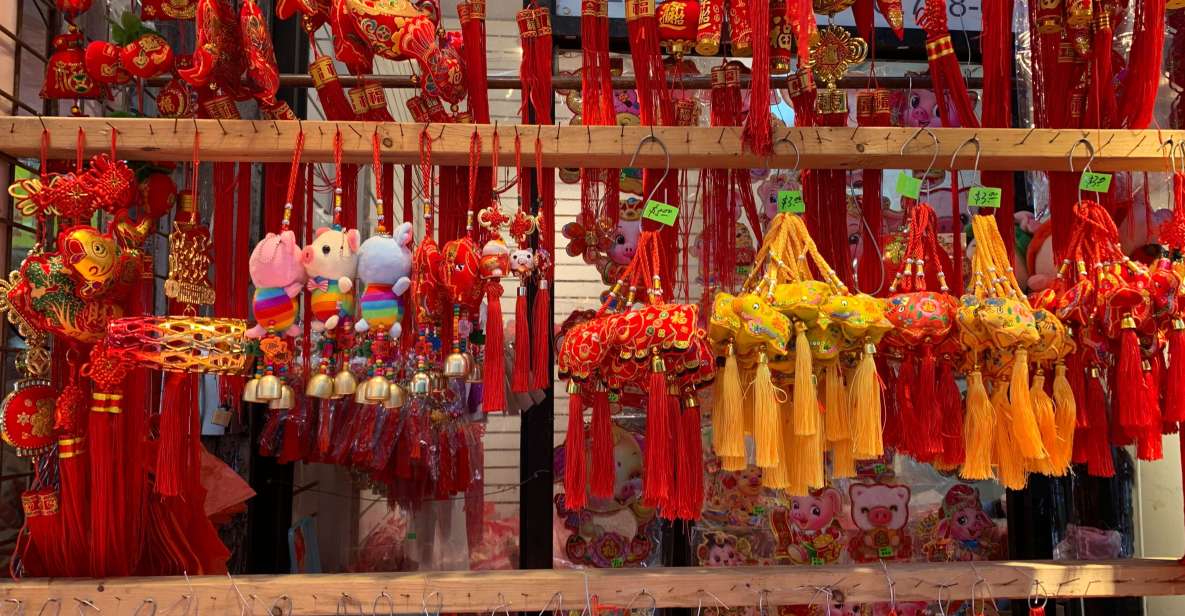
Next comes what remains of Little Italy, and this section leans into the “old New York” mood. Your guide shows you where the neighborhood’s character comes from and references where the Mafia used to reign, giving you a darker edge to the sweet pastries you’ll eventually be thinking about.
You’ll get romantic-styled old-school energy as you walk. The guide doesn’t just toss out history as trivia; it points you toward how the neighborhood evolved and how its identity overlaps with the rise of Chinatown. That matters because it explains why certain parts feel like they have two stories at once.
And yes, the food part is part of the point. You’ll learn where you can sample some of the best cannoli and gelato. The key is that the guide gives recommendations, not a random suggestion you’ll forget five minutes later. If you’re craving dessert after walking, this is the moment to start thinking about it.
One thing to keep in mind: “Little Italy” today isn’t the same as it was decades ago. But that’s not a reason to skip it. Instead, it’s exactly why a guided walk helps—you’re not just seeing what’s left. You’re understanding how and why it changed.
Chinatown Finish: The City-Within-a-City Feeling, Plus Smart Food Suggestions
Your tour ends in Chinatown, originally created by Chinese immigrants and later expanded as different communities shifted over time. Your guide frames Chinatown as a kind of self-contained world—people often describe it as a city within a city, and you’ll feel that quickly as you approach the neighborhood’s core streets.
This is a great ending because it’s where you can convert stories into immediate plans. Since the walk ends there, your guide can point you toward Asian food options and what to explore next. That’s a big advantage when you’re hungry and want to move from sightseeing mode into eating mode without wasting time.
Chinatown is also where the overlaps with earlier stops become clearer. When you’ve just come from Little Italy and SoHo, you’ll notice how the neighborhood identities differ in language, signage, and street rhythms. The guide helps connect those visual clues to the neighborhoods’ history, which makes the area feel less like a “place to visit” and more like a neighborhood you can navigate.
Because the tour is only 3.5 hours, Chinatown isn’t a full deep dive. Instead, it’s a launch point. You finish with direction, so you can keep exploring with less guesswork.
What You Really Get for $79: Guide Value and Useful Extras
At $79 per person for a 3.5-hour guided walk, you’re paying for more than someone holding a group together. You’re buying context: the guide’s local perspective, plus specific stories tied to what you’re seeing in real time. If you walked this route on your own, you might cover the streets. But you’d miss the connections—film locations, cultural references, and neighborhood evolution cues.
The extras are not flashy, but they’re genuinely useful:
- Group photos sent by email
- A list of the best addresses in each neighborhood
- A licensed local French guide for live, on-the-spot explanations
- A small group capped at 10, which keeps the experience from turning into a loud shuffle
There’s also something worth noting from the reviews: guides were praised for relationship quality and for being careful with the group, including a well-chosen mid-visit pause. That kind of attention matters in a walk like this, because it reduces the feeling of rushing and helps you absorb the neighborhood stories instead of tripping over them.
Food and drinks are not included. That’s normal for walking tours, but it also means you stay flexible. If you want a quick snack, you can grab one when you feel ready rather than forcing the schedule.
Best For Who: The Right Fit for This French-Led Lower Manhattan Walk
This tour suits you if you:
- Want a structured orientation through Lower Manhattan neighborhoods
- Prefer walking with explanations instead of museum-style wandering
- Like film-related local stories and cultural context while you see streets
- Plan to keep exploring after the tour, especially around Chinatown
It’s also a good match if you’re traveling in a small group or as a couple, since the cap of 10 helps keep the tone personal. And if you care about having recommendations in hand, the address list plus in-person suggestions at the end of the walk are a practical bonus.
If you hate walking in the rain, though, don’t pretend. This tour takes place rain or shine, so plan accordingly. Bring layers or a light rain shell, and treat comfortable shoes like a requirement, not advice.
Practical Tips So You Enjoy Every Neighborhood Stop
A few things will make your experience smoother from the first minute:
- Wear comfortable shoes you can trust for sidewalk walking.
- Bring cash since the tour explicitly calls it out.
- Expect about 3.5 hours of walking plus stops, so pace yourself.
- Use the guide recommendations as a starting point, not a final answer—then choose based on what looks good to you when you arrive.
Also, since the tour is French, it helps to feel comfortable with French listening—or at least understand that the guide’s explanations will be in French. If you’re not fluent, you might still catch plenty through body language and the visual cues, but this is best if you’re comfortable with the language.
Wheelchair accessibility is listed, with a circuit adapted for wheelchair users. If you use a wheelchair, it’s still smart to ask in advance about the route details before you go, but the tour does include wheelchair access as part of its setup.
Should You Book This Greenwich Village to Chinatown Tour?
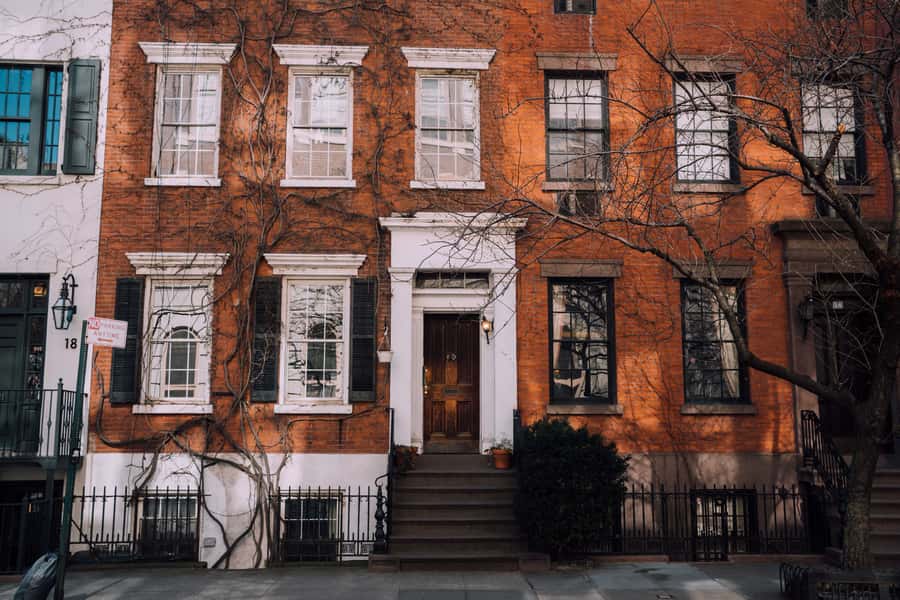
I’d book it if you want a well-paced Lower Manhattan walk with a guide who connects neighborhoods to real stories. The combination of four distinct districts, the film and cultural references, and the practical extras like the address list makes the experience easy to justify. Add in the small group size, and it’s the kind of tour where you’re not just passing through—you’re understanding what you’re looking at.
I’d hesitate if you’re sensitive to rain, dislike sustained walking, or want a more food-centered tour. Since food and drinks aren’t included, you’ll have to work around your own schedule once you’re out there. But if you’re happy to explore and snack on your own terms, this is a strong way to get genuine orientation fast.
If you’re deciding late, the booking flexibility is a nice safety net, and the guide delivers live explanations and recommendations in each neighborhood. For $79, you’re paying for direction, storytelling, and guidance you can use immediately after the tour ends in Chinatown.
FAQ
What neighborhoods are included in this guided tour?
You’ll visit Greenwich Village, SoHo, Little Italy, and Chinatown.
How long is the tour?
The tour lasts 3.5 hours.
Where does the tour start?
You meet your guide under the Washington Square Arch.
Does the tour end back where we started?
Yes, the activity ends back at the meeting point.
What language is the tour guide speaking?
The live guide speaks French.
How large is the group?
The tour is a small group limited to up to 10 participants.
Is the tour wheelchair accessible?
Yes, the tour is listed as wheelchair accessible, with a circuit adapted for wheelchair users.
Does the tour run in bad weather?
Yes. The tour takes place rain or shine.
Are food and drinks included?
No. Food and drinks are not included, but they are available for purchase.
What should I bring?
Bring comfortable shoes and cash.