REVIEW · NEW YORK CITY
Asia in Queens: Exploring NYC’s Largest Chinatown
Book on Viator →Operated by Culinary Backstreets Walks · Bookable on Viator
Flushing’s food scene feels like a whole different country. This Asia in Queens walk takes you through NYC’s biggest Chinatown while mixing street-level eats with stop-by-stop local history. I love the small group size (just seven) and the way the day keeps feeding you tastings, not just showing you storefronts. One heads-up: expect plenty of walking and standing, so comfortable shoes matter.
I also like that the tour is built around real neighborhood places—mall food courts, historic sites, and local stops—so you leave with a practical sense of where people actually eat. Guides like Sierra, Carly, and Snyder show up with both passion and structure, which makes the whole route easier to follow. The trade-off is simple: it’s weather-dependent, so plan for a day that can include outdoor time and quick stops.
In This Review
- Key points you’ll care about
- Flushing’s Chinatown is bigger than you think
- Price and value: what $175 buys you
- Logistics that actually affect your day
- New World Mall: where the food choices get real
- Free Synagogue of Flushing: views, bite, and a pause in the route
- Bowne House: history you can walk past, then taste alongside
- Flushing Town Hall: special bites with real neighborhood context
- Flushing Friends Quaker Meeting House: another past layer, another taste
- The food strategy: tastings that keep you from wasting a day
- How guides like Sierra and Carly make it click
- Who should book this Flushing food walk
- Should you book Asia in Queens for your trip?
- FAQ
- How much does the Asia in Queens tour cost?
- How long is the tour?
- Where does the tour start?
- What time does the tour begin?
- How many people are in the group?
- What food and drinks are included?
- Is the tour offered in English?
- What happens if the weather is poor?
- Can I cancel for a full refund?
Key points you’ll care about
- Max 7 people keeps the pace friendly and questions easy.
- Multiple tastings plus soft drinks, coffee, and tea mean you’ll eat well.
- History stops across Flushing make the food context make sense.
- New World Mall is the big food hub where locals point for variety.
- Small streets + food courts create a fun mix of real-world, not staged, experiences.
- Good weather required—bring shoes you can stand in, and consider an umbrella.
Flushing’s Chinatown is bigger than you think
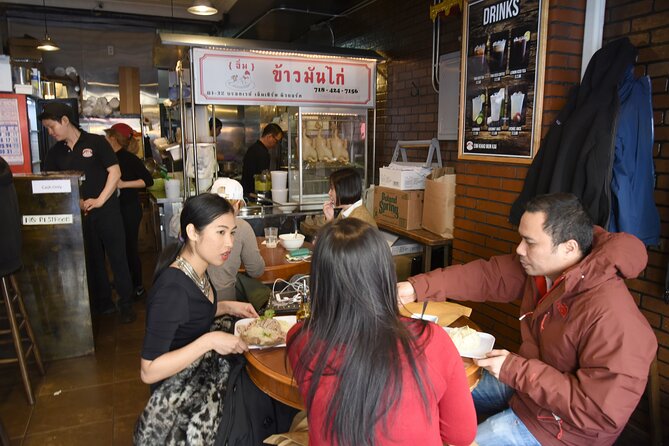
When people say Chinatown, they often picture a single street. Flushing is different. It’s one of those places where you can go from a mall food court vibe to historic landmarks without leaving the same neighborhood world.
This tour leans into that truth. You’re not just eating “Chinese food in Queens.” You’re learning how culture, immigration, and community life overlap—then you’re tasting food that fits right into that story. It’s the kind of sightseeing where the “point” is how people live, not how to take photos.
You can also read our reviews of more tours and experiences in New York City.



Price and value: what $175 buys you
At $175 per person, you’re paying for three things: guidance, access to multiple food stops, and a structured tasting plan that saves you guesswork.
A lot of food tours fail when they become too light on food or too heavy on talking. This one is built around tastings at several locations, and it includes soft drinks, coffee, and tea. That matters because it turns the day into one long meal—so you’re not constantly pulling out your wallet for snacks and drinks.
Also, the 5.5-hour length is a sweet spot. You get enough time to sample variety without the experience feeling dragged out or rushed. And with only seven people, it’s easier for your guide to steer the group, explain what you’re eating, and help you decide what to try next.
Logistics that actually affect your day
This starts at 10:30 am at 136-02 Roosevelt Ave in Flushing. It ends back at the meeting point. That “back to where you started” detail sounds small, but it makes planning simpler—no awkward end-of-tour detours.
Two practical notes based on what you’ll experience:
- You’ll do more standing than you might on a museum tour. Reviews mention it’s more standing than some other food walks.
- Bring gear for real weather. You might want an umbrella and you should wear comfortable shoes.
Finally, confirmation is sent within 48 hours of booking (subject to availability). If you’re trying to lock in your timing, booking earlier helps—this tour is often booked about 60 days in advance.
New World Mall: where the food choices get real
Your first stop is New World Mall, and it’s a smart opener. Malls can sound generic, but in Flushing they become a food engine. You’ll visit vendors, outdoor stands, and mall-based food courts—exactly the mix locals point to when they talk about the area’s best eating.
What I like about starting here is variety. You don’t have to commit to one restaurant style right away. You can sample, compare, and build a sense of flavor trends as the tour continues.
Possible drawback: mall food courts can mean tighter pacing. If you’re sensitive to crowded lanes or you hate standing in lines, go in with the right mindset. This is a “walk-and-taste” start, not a slow sit-down meal.
Free Synagogue of Flushing: views, bite, and a pause in the route
Next up is the Free Synagogue of Flushing. This stop adds breathing room and context. You’ll take in views and find another bite, which helps break up the day so your brain can catch up with your stomach.
Why this matters: the tour isn’t only about food as entertainment. It uses landmarks like this to remind you that Flushing is layered—different communities, different eras, and different kinds of public life.
This is also a good moment if you want a change of scenery. You’ll get a visual break from streets and food counters before heading back into the tasting rhythm.




Bowne House: history you can walk past, then taste alongside
Bowne House is where the tour shifts from present-day eating to older Flushing stories. You’ll discuss the history here and have something to eat.
I like this pairing because it avoids the usual “facts and photos” trap. When you’re tasting while learning, the food stops feeling random. You start noticing how communities shape what gets cooked, sold, and passed down.
Practical angle: since this is a historic stop, expect a quieter tempo than the mall segment. It’s a good time to ask questions about how the neighborhood’s cultural mix connects to what you’re eating.
Flushing Town Hall: special bites with real neighborhood context
At Flushing Town Hall, you’ll take in history and enjoy special bites. This stop is useful because it helps you connect the dots between Flushing as a community and Flushing as a food destination.
Food tours often stay stuck at the “what to eat” level. This one keeps pulling you back to the “why it exists.” Town Hall-type landmarks help you understand Flushing as a place where people gather and build community life.
Drawback consideration: if you’re hoping for a purely culinary crawl with minimal walking between stops, this one still gives you enough history to feel like a tour. If you’re not into that, you might need to mentally switch modes—food first, but with context attached.
Flushing Friends Quaker Meeting House: another past layer, another taste
The last stop in the sequence is Flushing Friends Quaker Meeting House, where you’ll take in history and have something good to eat.
This is one more reminder that Flushing isn’t a single cultural lane. Your guide uses these historic stops to show how different groups built and shaped the neighborhood. Then the tasting continues—so you end the walk with both a full stomach and a clearer sense of place.
If you enjoy food that comes with explanation—why a dish works, what ingredients signal, how communities adapt—this finale style makes sense. It’s not just “last bite, goodbye.”
The food strategy: tastings that keep you from wasting a day
This experience is built around tastings at multiple points. The big advantage is that you’re not making one giant decision and hoping it’s right. You can try different styles, then notice patterns.
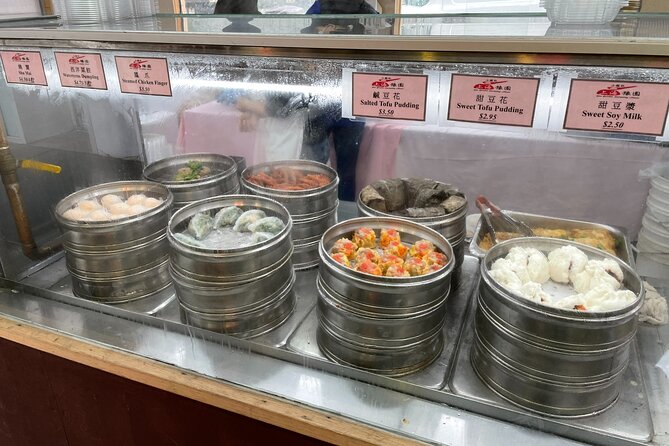
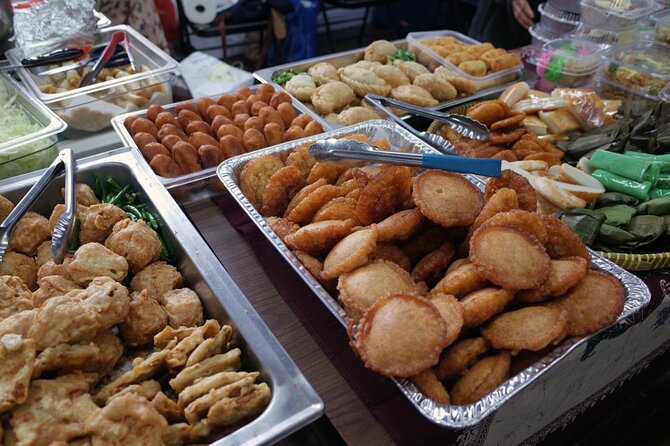
From the food options described in past experiences, you might encounter a mix that can include dumplings, rice noodle dishes, veggie-focused items, spicy rice cakes, and sweet items like Portuguese egg tarts. Coffee, tea, boba-type drinks, and water are part of the included drink plan. That’s a strong range: savory to sweet, hot to cold, familiar to new.
How this helps you as a visitor:
- You get variety without committing to one heavy meal.
- You can pace yourself with smaller portions that still feel satisfying.
- You’ll learn what to look for later if you want to return on your own.
One caution: it’s a lot of food. Even if you usually handle big meals, take it slow. Use the sitting breaks when they come, and don’t race ahead just because you’re curious.
How guides like Sierra and Carly make it click
A huge part of the success here is guidance quality. Reviews highlight guides such as Sierra and Carly for being informative, enthusiastic, and genuinely invested in the neighborhood. Other guides named in feedback include Snyder and Esneider—also praised for being fun and food-smart.
What you’ll feel during the tour is a blend: history that stays tied to your day, plus food explanations that help you understand what you’re tasting. That combination is why the tour often lands as more than a snack run. It becomes a route you can remember.
Also, small-group format makes a difference. With up to seven people, you’re more likely to get quick answers rather than waiting your turn.
Who should book this Flushing food walk
This fits well if:
- You want a real Flushing experience, not a generic “tour of Chinatown.”
- You love learning through food—history and culture attached to what you eat.
- You’re comfortable walking and standing for several hours.
- You like guided variety, especially if you don’t know the area’s food scene yet.
It can also work for families. One review mentioned a family of five with three kids ages 9 to 14 having a great time, with a pace that included enough waking and sitting balance.
You might want to think twice if:
- You hate standing and long walking segments.
- You’re looking for a mostly sit-down, slow, museum-style pace.
- You dislike any weather uncertainty. This experience requires good weather.
Should you book Asia in Queens for your trip?
If your goal is to eat your way through Flushing’s biggest Chinatown with history threaded through the day, this is a strong pick. The best reasons to book are the same ones that repeatedly show up in high ratings: small group size, lots of tastings, and guides who connect food to the neighborhood instead of treating the meal as an afterthought.
I’d book it toward the middle or later part of your trip if you want the day’s info to change how you explore after. But if you’re only in NYC for a short time and you really want a guided plan, you can also treat this as a “get oriented fast” experience—because once you learn the neighborhood rhythm here, the rest of your eating gets easier.
FAQ
How much does the Asia in Queens tour cost?
It costs $175.00 per person.
How long is the tour?
The tour runs for about 5 hours 30 minutes.
Where does the tour start?
It starts at 136-02 Roosevelt Ave, Flushing, NY 11354, USA.
What time does the tour begin?
The start time is 10:30 am.
How many people are in the group?
The group is limited to a maximum of 7 travelers.
What food and drinks are included?
The tour includes tastings at multiple stops, plus soft drinks, coffee, and tea.
Is the tour offered in English?
Yes, it is offered in English.
What happens if the weather is poor?
This experience requires good weather. If canceled due to poor weather, you’ll be offered a different date or a full refund.
Can I cancel for a full refund?
Yes. Free cancellation is available if you cancel at least 24 hours before the experience start time for a full refund. If you cancel less than 24 hours before, the amount paid is not refunded.