REVIEW · NEW YORK CITY
Dutch Lower Manhattan Private Walking Tour
Book on Viator →Operated by Ann McDermott · Bookable on Viator
Dutch history in Lower Manhattan feels personal fast. This private walk connects the city’s waterfront origins to today’s streets, with stops that line up history with what you can still see. I like that it stays on foot and keeps the pace relaxed, yet still moves between major landmarks.
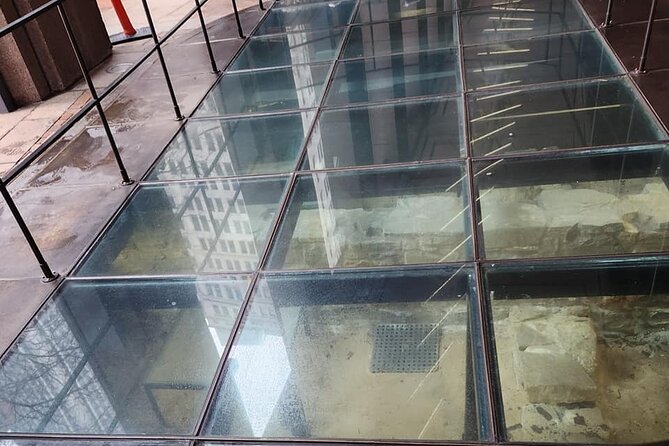
I also like the guide style: Ann McDermott brings Dutch history right into the buildings and signage you pass, and the tour can turn into a real conversation (including Dutch language help). One thing to consider is that New York hasn’t preserved many intact traces of the earliest Dutch era, so some “ruins” may be limited behind protective surfaces or maintenance issues.
In This Review
- Key things to know before you go
- Dutch Lower Manhattan on foot: why this private tour works
- Meeting at South Ferry Terminal: getting oriented before the stories
- Staten Island Ferry orientation: Dutch NYC context without the fuss
- Battery history you can picture: the Dutch connection at the waterfront
- Bowling Green: Dutch marketplace themes and Fort Amsterdam
- Wall Street: why the wall was built and Stuyvesant’s drinking request
- Federal Reserve Bank stop: Roosevelt families, food, and what you pass every day
- Ending near Maiden Lane: the Roosevelt site near Pearl Street
- Pricing and value: what $40 buys in a private tour
- What the guide style adds (and why Ann McDermott matters)
- Practical tips to get the most out of your 2-hour walk
- Should you book this Dutch Lower Manhattan private walking tour?
- FAQ
- How long is the Dutch Lower Manhattan private walking tour?
- What does the tour cost?
- Where does the tour start and end?
- Is the tour private?
- What language is the tour offered in?
- Do I need to worry about weather?
- Are service animals allowed?
Key things to know before you go
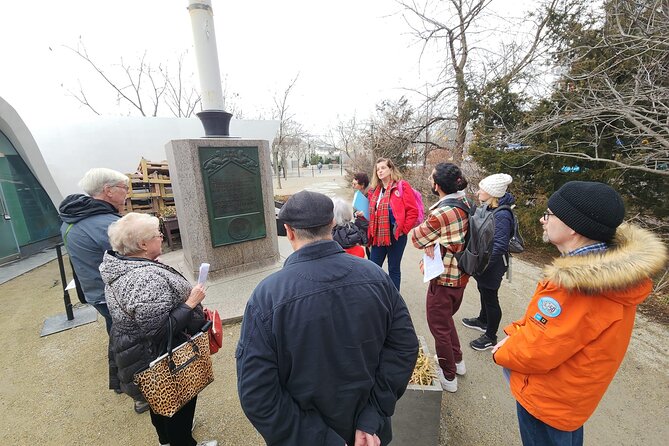
- A private group walk with flexible attention, so questions don’t get lost
- Dutch Lower Manhattan in two hours, focused on the key origin points
- Staten Island Ferry orientation at no cost for admission, to set context quickly
- Fort Amsterdam and the first church story via Bowling Green area landmarks
- Wall Street vs. Peter Stuyvesant’s priorities, including the drinking angle
- A Roosevelt-focused ending near Maiden Lane, closing the loop to how Dutch roots echo today
Dutch Lower Manhattan on foot: why this private tour works
Lower Manhattan can feel like you’re walking through decades of reinvention at speed. This tour slows you down on purpose. You’ll move from the Battery area story into the street grid, using Dutch-era themes to make sense of why certain places matter.
The biggest value is that you don’t just hear dates. You get explanations tied to real locations: why the Battery matters, why the Wall went up, and why “Maiden Lane” is more than a street name. If you like history you can point to, this format fits.
Another plus is the private setup. You’re not competing with strangers for the guide’s attention, and you can ask what you’re actually curious about in the moment. If you’re traveling with friends or family, that personal pacing can turn a standard walking tour into something more memorable.
You can also read our reviews of more walking tours in New York City



Meeting at South Ferry Terminal: getting oriented before the stories
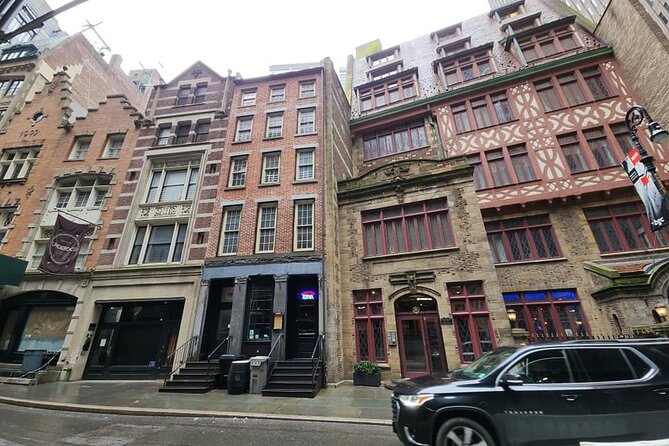
Your tour starts at South Ferry Terminal, and it makes sense to begin here. The first connection is location-based: the water and the harbor are the natural gateway to the earliest Dutch presence. Before you hit the dense streets, you get the orientation that keeps the rest from feeling like random stops.
The tour runs about two hours and starts at 3:00 pm. That timing can be a good fit if you want an afternoon activity that doesn’t chew up your whole day, and if you plan to keep dinner later nearby. Since the route is largely walk-and-listen, moderate physical fitness is a smart expectation—comfortable shoes are the real requirement.
One planning detail worth noting: this kind of tour tends to book out fairly far in advance on average (about 47 days). If you’re set on a specific date, it’s smart to lock it in early instead of waiting for a last-minute window.
Staten Island Ferry orientation: Dutch NYC context without the fuss
The first major stop is the Staten Island Ferry, and the admission is free for this part. You’ll start with an orientation that frames Dutch history as more than a chapter in a textbook. The guide explains why Dutch influence still shapes how people in New York think and talk about the world.
This is a practical choice. A ferry segment gives your brain a clean mental reset. You look out, you get the “why” behind the route, and then you can walk the streets afterward with a stronger sense of origin and movement.
The ferry also helps with group energy. Even if you don’t care about boats, you’re likely to enjoy the simple change of pace and the chance to take photos while you get your bearings. It’s history with a view, not just history with curb edges.
Battery history you can picture: the Dutch connection at the waterfront
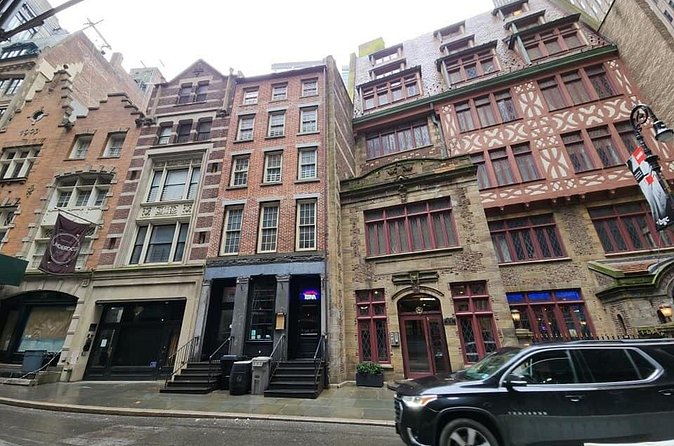
After the ferry orientation, you come back into Lower Manhattan’s historical logic. The tour includes a discussion of the Battery and why it matters to Dutch history. The goal isn’t to memorize a timeline. It’s to understand why this area sits at the edge of so many origin stories.
The Battery angle is a strong “setup stop.” It tells you how the Dutch presence connected to trade, settlement patterns, and the early shape of the city. Once you understand that, later stops like Bowling Green and Wall Street land with more meaning.
If you’re the type who likes seeing how geography drives politics, trade, and religion, this is where the tour starts paying off. You get a framework before the guide points out smaller details across the route.
Bowling Green: Dutch marketplace themes and Fort Amsterdam
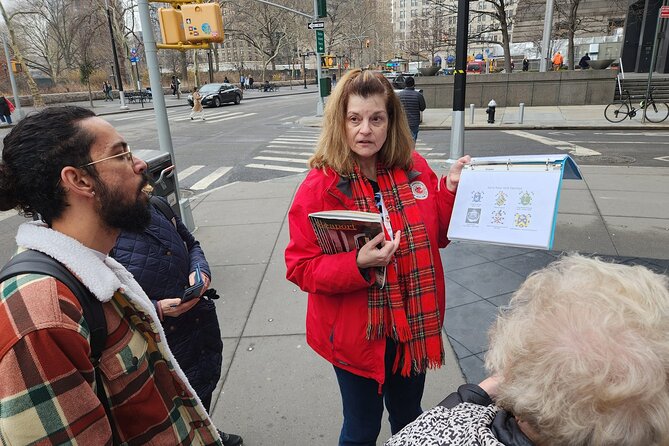
Next up is Bowling Green, a stop designed for story stacking. You’ll learn about the Dutch marketplace and Fort Amsterdam, and you’ll hear about the first church in NYC tied to that early period.
This is a good place for a walking tour because the area naturally invites questions like: what was people’s daily life like, and how did religion and commerce show up in the same neighborhood? The guide’s approach turns these into real city concepts, not distant trivia.
Still, here’s the honest consideration: New York doesn’t preserve everything from the first arrivals. So you may find that some evidence feels indirect—more explained than dramatically visible. That’s not a failure of the tour. It’s just the reality of a city that kept rebuilding.
If you want big, intact “original Dutch structures” you can physically tour like a museum, you might end up wishing for more visible remnants. But if you’re happy using explanation to visualize what used to be there, this stop is one of the more satisfying in the whole route.
You can also read our reviews of more private tours in New York City






Wall Street: why the wall was built and Stuyvesant’s drinking request
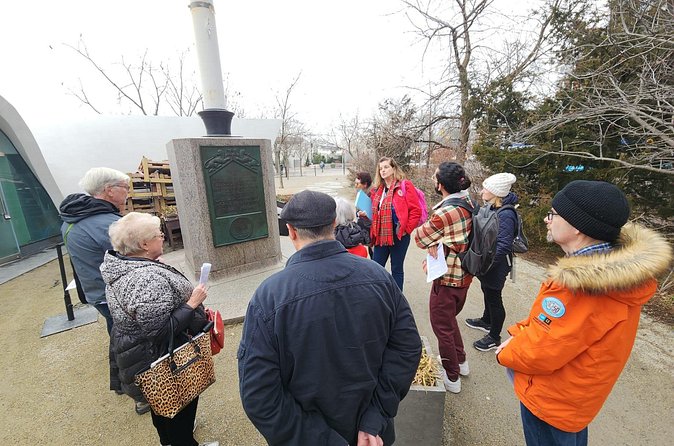
Then you get to Wall Street, and the tour focuses on a specific question: why was the wall built? You’ll also hear about Peter Stuyvesant and a surprising detail—he wanted everyone to stop drinking.
That combination is exactly why this tour can feel fun. Walls are easy to understand as defense and control. The Stuyvesant drinking angle makes the story human, and it keeps you from treating history as a list of battles and laws. You’re learning motives, personality, and social expectations.
One more subtle benefit: Wall Street is so visually familiar that it can become “background.” The guide reframes it so you don’t just see modern finance. You see the logic behind boundaries and the early attempt to regulate civic life.
If you like to connect the dots between past rules and present-day behavior, this stop gives you plenty of material to think about on the walk.
Federal Reserve Bank stop: Roosevelt families, food, and what you pass every day
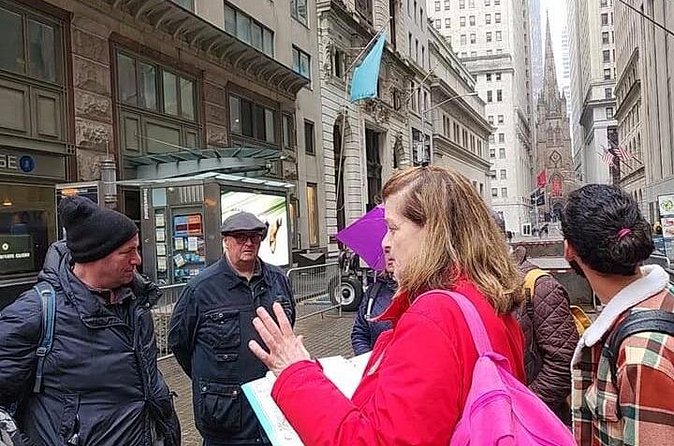
As you head onward, you’ll pass by the Federal Reserve Bank of New York on the way toward Maiden Lane. This isn’t a “sit down and read a plaque” moment. It’s part of the walking narrative that links Dutch influence to later families and civic development.
The guide’s theme at this stage includes the Roosevelt families impact on your lives, plus a Dutch impact on your food. That may sound playful, but it’s also a smart teaching strategy. When you connect history to everyday tastes—what’s in your kitchen, what’s on your menu—it makes the past feel less abstract.
Here’s how I’d approach this stop if you want the most out of it: keep your eyes up while you walk. Modern buildings are your canvas, and the guide is using them like waypoints. Ask questions about what changed, what stayed similar, and why certain names endured.
Ending near Maiden Lane: the Roosevelt site near Pearl Street
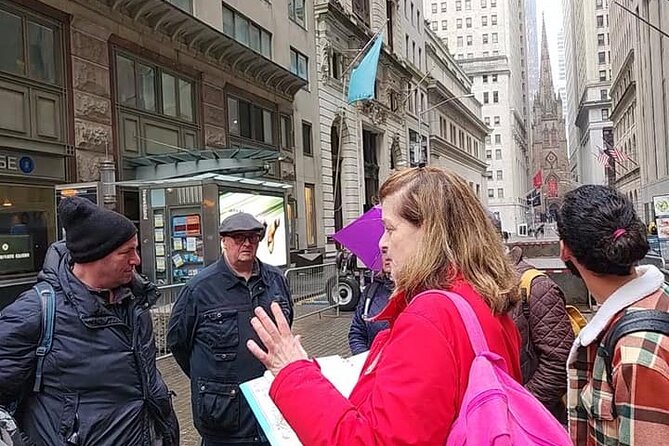
The tour ends at 94 Maiden Ln, near Pearl Street, at the former business site of the Roosevelt Family. Closing at a specific named place matters. It gives you a final “anchor” and helps the route feel like one complete story rather than separate snapshots.
This ending also fits the theme shift. Earlier stops are about early Dutch arrival patterns and foundational civic decisions. The finale brings in later influence and shows how those earlier roots feed into what became normal.
If you’re the kind of person who likes to keep walking after tours (for photos or for a drink), you’ll also appreciate being dropped near central Lower Manhattan streets. It’s easy to transition to sightseeing nearby without crisscrossing the city.
Pricing and value: what $40 buys in a private tour
The price is $40 per person for about two hours, and that’s where the value question comes in. With private walking tours, your money mostly goes toward the guide’s time and attention, plus the curated route design that prevents you from guessing what matters.
At $40, you’re not paying for a bus or a museum ticket. You’re paying for interpretation: a real person tying Dutch history to locations you can actually stand next to. For me, that’s the right kind of payment in a city where the history is scattered across streets, not always packaged as one clean attraction.
The private angle is key. If you’re traveling with at least one other person and want answers tailored to your interests, private formats can feel like better value than a cheaper group tour that moves on without stopping for your questions.
In short: if you enjoy learning while you walk and you like history that connects to the street-level present, this price can feel fair.
What the guide style adds (and why Ann McDermott matters)
The strongest praise for this tour centers on Ann McDermott’s friendly, well-prepared way of teaching. She’s comfortable talking not only about Dutch history, but also about interesting details in buildings and signs you pass along the way. That small “extra noticing” effect is what makes a walking tour feel alive instead of scripted.
There’s also a conversational tone. On one group, the tour felt like a back-and-forth learning session as much as a list of stops. Even Dutch language help was part of the experience, which is a nice bonus if you like cultural texture, not just facts.
And for situations where the city can be frustrating—when you expect ruins or plaques and find protective surfaces or missing maintenance—the guide’s professionalism keeps the tour moving. You’ll still come away with clear stories and context even when the physical evidence is limited.
Practical tips to get the most out of your 2-hour walk
This tour is on foot, with a moderate fitness level expected. You’ll do best with shoes that handle city sidewalks without complaint.
It also helps to go in with a flexible mindset. Lower Manhattan doesn’t preserve the earliest Dutch era the way some older cities preserve entire districts. So you’ll rely on the guide’s explanations to “reconstruct” what used to be there. If you’re good with that trade, you’ll enjoy it more.
If you like photos, bring a phone camera you trust. The ferry orientation and the Wall Street area can give you quick visual anchors to remember what you learned. Timing also helps: starting at 3:00 pm means you may catch decent light for pictures, depending on the day.
Should you book this Dutch Lower Manhattan private walking tour?
Book it if you want Dutch history tied directly to what you see: Battery, Bowling Green, Wall Street, and a Roosevelt-linked ending near Maiden Lane. You’ll likely enjoy the private format and the guide’s friendly, conversational delivery, especially if you’re the type who asks questions and enjoys learning at street level.
Skip it if your main goal is to see major preserved Dutch structures with minimal explanation needed. The city’s early traces can be limited, and you might find that evidence is subtle or protected. That doesn’t make the stories less interesting—it just changes how satisfying the visuals will feel.
If you want a short, focused walk that turns Lower Manhattan into a coherent origin story, this is a strong pick.
FAQ
How long is the Dutch Lower Manhattan private walking tour?
It runs about 2 hours.
What does the tour cost?
The price is $40.00 per person.
Where does the tour start and end?
It starts at South Ferry Terminal/South Ferry Terminal, New York, NY 10004, and ends at 94 Maiden Ln, New York, NY 10038 near Pearl Street.
Is the tour private?
Yes. It’s a private tour/activity, and only your group participates.
What language is the tour offered in?
The tour is offered in English.
Do I need to worry about weather?
Yes. The experience requires good weather. If it’s canceled due to poor weather, you’ll be offered a different date or a full refund.
Are service animals allowed?
Service animals are allowed.
If you tell me your travel dates and who’s going with you, I can help you decide whether the 3:00 pm timing and 2-hour length fit your plan.