REVIEW · NEW YORK CITY
New York: Louis Armstrong Private Walking Tour with Concert
Book on GetYourGuide →Operated by Rosotravel US · Bookable on GetYourGuide
Armstrong’s NYC story is a street-level walk. This private tour turns famous Manhattan addresses into a clear picture of jazz—and how Louis “Satchmo” Armstrong shaped what came next. You’ll meet at Jazz at Lincoln Center, then head along classic jazz-related blocks toward landmarks that still feel tied to live music.
I especially like two things. First, the route is built around real places you can stand in front of: Jazz at Lincoln Center, Carnegie Hall area sights, Broadway stops, Hudson Theatre, and the Birdland Jazz Club area. Second, the jazz expert commentary connects the dots—so you’re not just sightseeing. You’ll hear stories about Armstrong’s life (including the Queens angle), his most famous songs, and how key moments in early jazz helped set the stage.
One possible drawback to plan for: the guide style may lean on reading notes. If you want totally conversational, from-memory storytelling, you might find parts more scripted than spontaneous.
In This Review
- Key things to know before you go
- Entering the rhythm: what this Louis Armstrong tour really feels like
- Meeting at Jazz at Lincoln Center (and what you should expect)
- Seventh Avenue to Carnegie Hall: listening with your eyes
- The 1912 Europe connection: James Reese Europe and the Clef Club Orchestra
- Times Square and Broadway: how audiences shaped jazz culture
- Hudson Theatre and Hot Chocolates (1929): Armstrong on stage in the theater district
- Birdland and the day-tour finish: wrapping up the walking story
- The 3-hour option: how the concert ticket changes the value
- Price and value: is $193 per person worth it?
- How guide quality can shape your experience
- Getting the day right: practical tips that help
- Who should book this Louis Armstrong tour
- Should you book it?
- FAQ
- Where is the meeting point for the tour?
- Do we enter Jazz at Lincoln Center during the tour?
- How long is the walking tour?
- What’s included in the 2-hour option versus the 3-hour option?
- Where does the tour end?
- What languages are available for the licensed guide?
- Do you get tickets for a jazz concert?
- When do the evening concerts typically start?
- Will the guide attend the concert with you?
- Is free cancellation and pay later available?
Key things to know before you go
- Jazz at Lincoln Center is your starting point (just a meeting point, not an entry)
- Seventh Avenue gives an easy sightline to Carnegie Hall
- James Reese Europe’s 1912 Concert of Negro Music shows how early jazz gained momentum
- Times Square and Broadway help explain how big audiences shaped the jazz scene
- Hudson Theatre and Hot Chocolates (1929) bring Armstrong’s performance history into focus
- 3-hour option includes an evening jazz concert ticket (separate from the guide)
Entering the rhythm: what this Louis Armstrong tour really feels like
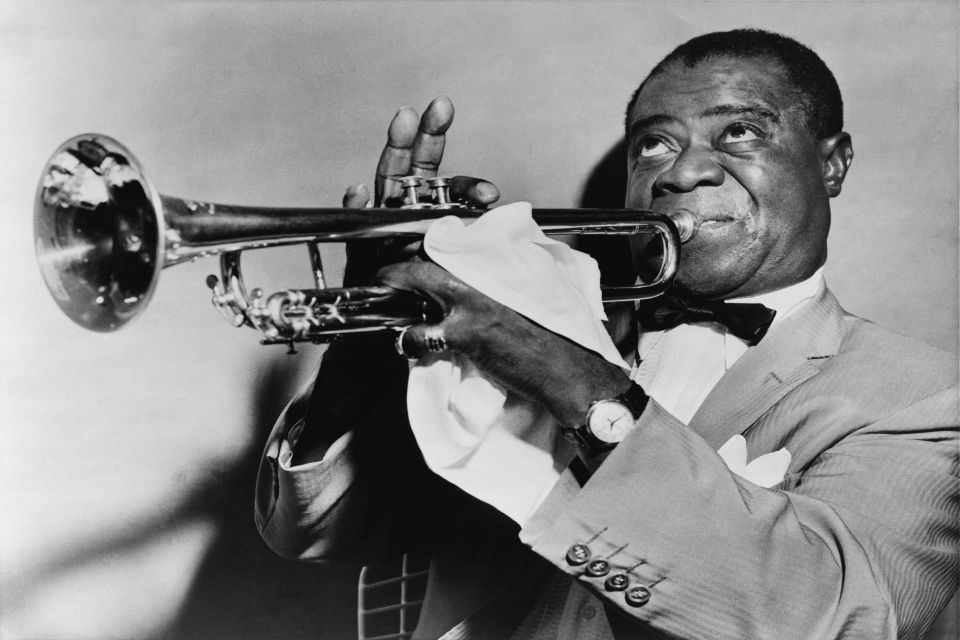
If you’ve ever wished jazz history could be seen, not just read, this is that kind of outing. You’re walking through Manhattan blocks where music culture wasn’t an abstract idea—it was an everyday force. And because it’s private, you get to ask questions as you move, not after the fact.
The best part is how the guide keeps flipping the switch between music and place. You might be looking at a famous theater one minute, then switching to the bigger story: how early jazz spread, why venues mattered, and how Armstrong’s life and work fed the sound people came to expect.
You can also read our reviews of more walking tours in New York City



Meeting at Jazz at Lincoln Center (and what you should expect)

You start at the front of Jazz at Lincoln Center, 10 Columbus Cir. Important detail: they tell you not to enter the venue. Think of it as a clean meetup point so everyone finds the same location fast.
From there, the tour moves on foot. This is a practical route for getting your bearings: lots of famous sights sit close enough together to connect without long transit breaks. If you like your tours with a natural flow—walk, look, hear the story, walk again—this format fits.
Also, you’ll have a licensed guide fluent in your chosen language (English, German, French, Italian, or Spanish). That matters more than it sounds. With jazz, small details—names, dates, relationships between musicians—are what make it click.
Seventh Avenue to Carnegie Hall: listening with your eyes

The tour’s first major connection after Lincoln Center is along Seventh Avenue toward the Carnegie Hall area. Even when you’re only seeing a landmark from the outside, Carnegie Hall carries weight. It’s one of those places where you can almost feel the legacy in the architecture.
What the guide does well here is connect the venue idea to Armstrong’s world. You’re not just being told Carnegie Hall is important—you’re hearing why major halls helped musicians gain audiences and credibility, especially as jazz moved from local scenes into broader cultural attention.
If you’re a music person, this stop is a good moment to slow down and pay attention to what the guide emphasizes: how famous rooms became part of jazz’s growth, not just places where concerts happened.
The 1912 Europe connection: James Reese Europe and the Clef Club Orchestra

One of the strongest story beats in the walk is the mention of the 1912 Concert of Negro Music by James Reese Europe and his Clef Club Orchestra. This is the kind of jazz-history anchor that helps you understand that Armstrong’s rise didn’t happen in a vacuum.
Here’s why that matters for your visit: you’ll see how earlier pioneers built routes into mainstream attention, and how jazz culture was shaped by performers, organizations, and concert moments long before the sound became widely recognized.
When the guide brings up this thread, it also helps explain why Manhattan’s stages and audiences mattered. The tour isn’t only about Armstrong’s biography—it’s about the social machine behind jazz.
Times Square and Broadway: how audiences shaped jazz culture
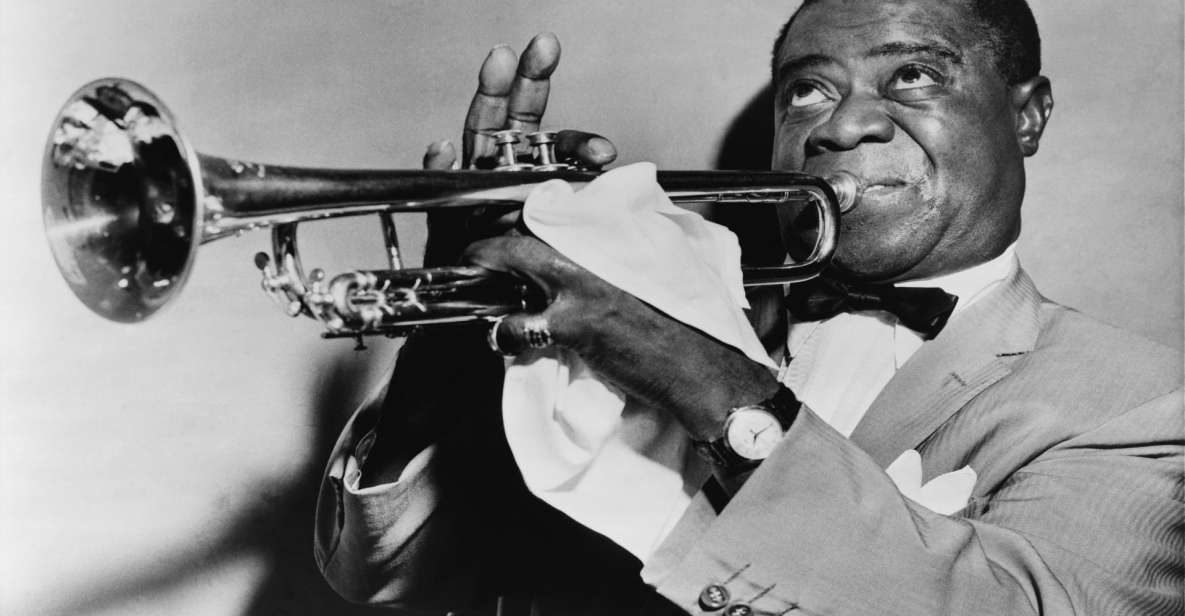
As you keep moving, you’ll pass the bright energy of Times Square and the theater world around Broadway, including the Winter Garden Theatre. These aren’t just postcard stops. In the guide’s telling, they’re part of the setting where music competed for attention and where crowd demand helped determine what got heard.
This section is useful if you’re the type of traveler who likes context. You get the sense of how jazz traveled through entertainment districts—how songs and performers reached people who might not have otherwise found them.
Practical tip: this is the moment to keep your eyes up and your schedule flexible. Times Square and Broadway can be crowded, so don’t fight the flow. Let the guide lead you through calmer edges when possible.
You can also read our reviews of more private tours in New York City





Hudson Theatre and Hot Chocolates (1929): Armstrong on stage in the theater district

Then the tour shifts to a memorable performance-history detail: an exterior view of Hudson Theatre, where Armstrong performed in Hot Chocolates in 1929. That kind of specific year and show title gives you something concrete to hold onto.
This stop works because it connects jazz to New York’s bigger entertainment scene, not only to smoky clubs. Jazz was moving across formats—concerts, theater spaces, and stages that reached new audiences. Seeing this part of the story makes Armstrong feel less like a distant legend and more like a working performer in a real city.
Also, if you’re into “why” questions, this is a good section. The guide’s job is to explain how performances like these fit into Armstrong’s career trajectory and why they mattered in the broader development of jazz culture.
Birdland and the day-tour finish: wrapping up the walking story
The walk ends at the Birdland Jazz Club area, and the activity is set to finish back at the original meeting point. So you’re not stuck navigating on your own at the end—you get that built-in structure.
Birdland is a fitting finish because it feels like a continuation. Even if you’re not going inside, the name signals the kind of place jazz fans chase. It helps your brain connect the day’s landmarks into one idea: jazz is a chain of rooms, neighborhoods, and people.
If you’re deciding whether to add the concert option, this is a good time to mentally switch from “history walk” to “live music night.” That connection is the real payoff.
The 3-hour option: how the concert ticket changes the value
The tour comes with a key fork in the road. The 3-hour option includes tickets to an evening jazz concert, but they’re separate from your day walk.
A few important details:
- The concert usually starts between 5:30 and 8 PM.
- The venue and program can vary based on availability.
- Your ticket info (exact time and location) is attached to an email you’ll get.
Also, your guide does not accompany you to the concert. That’s not a flaw, just a planning reality. You’re responsible for getting to the venue at the right time.
If you choose the 3-hour option, this is how I’d think about the value: you’re paying for two experiences—one daytime, guided walking story, and one night performance. If you only care about the walking portion, the 2-hour option is simpler.
Price and value: is $193 per person worth it?
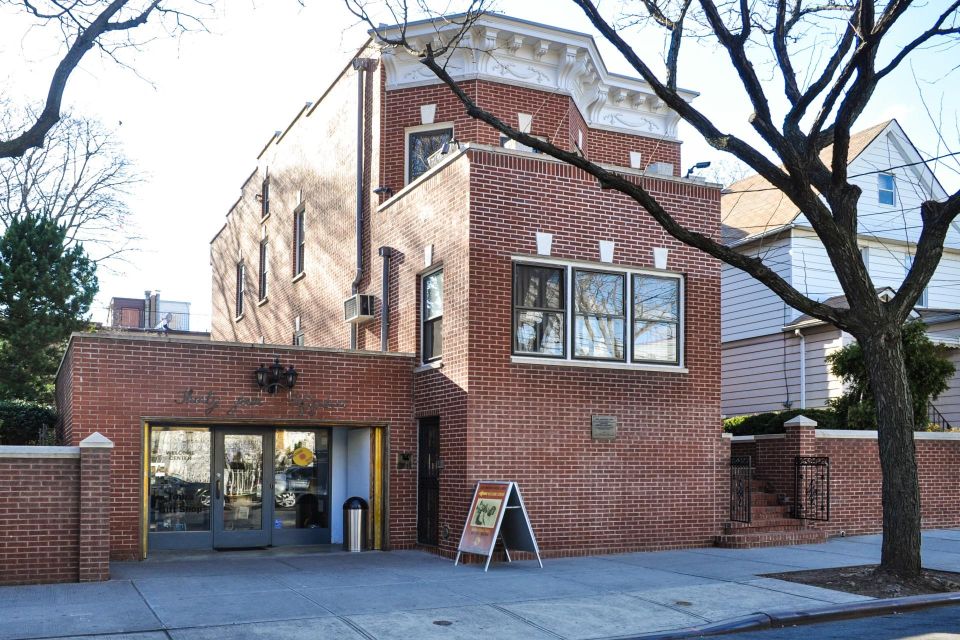
At $193 per person, this is not a budget stroll. The value comes from what’s bundled into that price.
In the 3-hour option, you’re effectively buying:
- a private walking tour with a licensed guide,
- expert jazz commentary and storytelling through major landmarks, and
- a concert ticket for that evening.
If you pick the 2-hour option, the price still includes the private guided walk with jazz history and Armstrong anecdotes, but you won’t have the concert included. So for many people, the best “bang for the buck” is choosing the option that matches your actual interest in live jazz that same night.
Also, because the tour is private, you’re not sharing your guide experience with a random mass of people. They even plan for listening comfort with a ratio: 1 guide per 25 guests, and 2 guides if the group is larger (26–50). That’s a quiet but real quality marker for how the tour works in practice.
How guide quality can shape your experience
A private guide can make a big difference, and jazz tours are extra sensitive to that. One common concern you might want to consider is that a guide may rely on reading notes for parts of the jazz story. If you’re okay with that style—especially if it means accuracy and named details—it’s fine.
What you should expect is a guide who knows how to connect Armstrong’s life with the scenes you’re walking through. Even when the delivery is more structured, the payoff tends to be in the specifics: dates, names, and the way the guide keeps turning landmarks into meaning.
Getting the day right: practical tips that help
Here are a few smart moves that make this tour feel smooth instead of rushed:
- Check your email the day before the tour. You’re told to look for important details from Rosotravel.
- Wear shoes built for city walking. You’re moving between Manhattan landmarks on foot.
- Plan your schedule so you’re not sprinting back from dinner. The concert in the 3-hour option has a typical 5:30–8 PM window.
- If you’re taking photos, do it at the edges. Times Square and Broadway crowds can slow you down if you stop suddenly in the flow.
For families or anyone with mobility needs, they say they’re happy to assist when possible—so if you have requirements, contact customer support in advance.
Who should book this Louis Armstrong tour
This tour is a strong fit if you:
- want Manhattan jazz landmarks tied to specific stories (not just vague “jazz happened here”)
- like Armstrong’s life and music, and you want the connecting threads to early jazz history
- would enjoy ending the day with a live concert, using the 3-hour option
It may feel less ideal if you:
- want a super casual, no-script storytelling vibe every minute (some guides may read along)
- only want one hour’s worth of facts and then free time (this is guided and story-led)
Should you book it?
I’d book this if you want a guided walking route that turns jazz into something you can see—carrying names and dates along the way—and you’re at least somewhat serious about going to a live concert later. The 3-hour option is especially compelling because it turns the day’s stories into an actual performance night.
I’d think twice if you’re mainly hunting for self-paced sightseeing. This experience earns its keep through expert commentary and the way it links Armstrong’s story to specific Manhattan venues.
If you do book, your best move is simple: pick the option that matches your night plans—then show up ready to walk, listen, and watch Manhattan become a jazz timeline.
FAQ
Where is the meeting point for the tour?
Meet your guide in front of Jazz at Lincoln Center, 10 Columbus Cir, New York, NY 10023.
Do we enter Jazz at Lincoln Center during the tour?
No. They ask you not to enter the venue; it’s only used as the meeting point.
How long is the walking tour?
The duration is listed as 2 to 3 hours, depending on the option you choose. Check availability for starting times.
What’s included in the 2-hour option versus the 3-hour option?
The 2-hour option is the private walking tour focused on Louis Armstrong and jazz history, without concert tickets. The 3-hour option adds tickets for an evening jazz concert.
Where does the tour end?
The activity ends back at the meeting point.
What languages are available for the licensed guide?
The tour offers English, German, French, Italian, and Spanish.
Do you get tickets for a jazz concert?
Yes, but only with the 3-hour option. The concert ticket is included there, and not included in the 2-hour option.
When do the evening concerts typically start?
Concerts typically start between 5:30 PM and 8 PM.
Will the guide attend the concert with you?
No. The concert is a separate attraction, and your guide will not accompany you.
Is free cancellation and pay later available?
You can cancel up to 24 hours in advance for a full refund. You can also reserve now and pay later (pay nothing today), based on the booking terms shown for this activity.