REVIEW · NEW YORK CITY
Before Stonewall Secret Gay History of New York City
Book on Viator →Operated by Top Dog Tours Inc. · Bookable on Viator
Stonewall starts long before the famous night. This 2-hour LGBTQ history walk threads together the before stories and the after landmarks, starting at 640 Broadway and finishing at Julius’ Bar. I especially like the focus on how the Sip-Ins helped change bar and restaurant service rules for LGBTQ patrons, and the way the Stonewall Inn riots site is treated with real context, not just legend. The main drawback is that it’s an outdoor walking tour, so cold weather can slow your enjoyment unless you dress for it.
The pace is built for people who want history without feeling rushed. You’ll get story pauses and chances to catch your breath, which matters when you’re moving through a neighborhood where the past is layered right on top of the present. I also like that it’s a small group, capped at 25, which usually keeps questions from getting lost.
If you’re traveling with a weak phone battery, plan ahead. One cold departure saw the tour tablet lose power, and the guide still pulled photos and details from a phone, so it worked, but it’s a reminder to bring a charged device and warm layers.
In This Review
- Key points to know before you go
- Where the tour begins on 640 Broadway and ends at Julius’ Bar
- Before Stonewall: the bar where the Sip-Ins changed service laws
- Stonewall’s 1969 riots site: National Landmark status and the Mob connection
- Christopher Park: a central gathering place for LGBTQ community life
- The main LGBTQ thoroughfare: where visibility is part of the street map
- Secret speakeasies and tearooms to comedy clubs and quick bites
- The walking pace, story pauses, and cold-weather reality
- Price and value: is $39 fair for a 2-hour history walk?
- Who this tour fits best
- Should you book this Stonewall-before-the-riots LGBTQ walking tour?
- FAQ
- How long is the tour?
- How much does the tour cost?
- Where do I start and where does it end?
- What language is the tour offered in?
- What’s included in the ticket price?
- Is there a mobile ticket?
- What accessibility info is provided?
Key points to know before you go
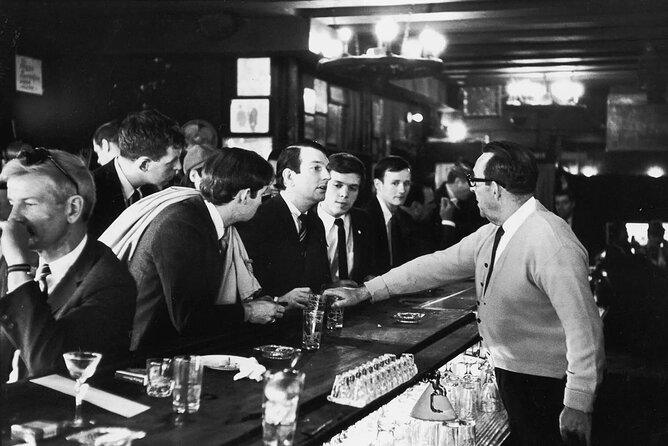
- Sip-Ins before Stonewall: Learn how LGBTQ-led pressure at bars shifted service laws.
- Stonewall Inn area, explained: Hear the riot story tied to the site’s status today, including the fact the Mob owned it.
- Breaks built into the walking: The tour includes moments to pause for stories and regroup.
- Real neighborhood change over time: You’ll see how spaces once used for secret tearooms and speakeasies now host comedy clubs, cafes, music venues, and quick bites.
- Ends with snacks nearby: You finish around Julius’ Bar, with an easy nearby stop for gelato or ice cream.
- Licensed guide + small cap: Expert licensed guiding and a maximum of 25 people keeps the experience personal.
Where the tour begins on 640 Broadway and ends at Julius’ Bar

This tour is priced at $39 per person and runs about 2 hours total. It’s offered in English and uses a mobile ticket, so you’ll want your phone ready at check-in. The group size stays under 25, which helps keep the tone conversational rather than lecture-style.
You start at 640 Broadway, New York, NY 10012. The tour ends at 159 W 10th St, New York, NY 10014, at Julius’ Bar. That end point is a smart design choice for practical life after the walk: you’re dropped in a place where you can keep going, grab a bite, or build your own extension plan.
The walking is described as manageable, not excessive. In practice, that means you can enjoy the stops without feeling like you’re burning through the whole tour on pavement. Still, you should treat it as a city walk: comfortable shoes, layers, and a plan for cold or heat will pay off fast.
You can also read our reviews of more city tours in New York City



Before Stonewall: the bar where the Sip-Ins changed service laws
The first stop takes you to a popular LGBTQ bar tied to the Sip-Ins, an event that predates Stonewall. This is the part I appreciate most because it breaks the common shortcut people take: thinking LGBTQ history starts only with the 1969 riots.
Instead, you’ll hear how these early actions pushed against unfair treatment in bars and restaurants. The big value here is cause-and-effect. You’re not just learning what happened. You’re seeing how people used organized pressure to change how LGBTQ patrons were treated in everyday spaces, like places where you’d normally go to socialize.
At this stop, expect storytelling that connects the neighborhood to the legal and social pressure points of the era. The tour’s structure also helps you understand why the later Stonewall moment was possible at all: activism and resistance were already in motion.
One tip: if you’re a first-timer, keep an eye out for details the guide points out during pauses. This isn’t a photo-only stop. It’s a learn-then-look stop, where your perspective shifts as you stand in a place that’s still functioning as a bar today.
Stonewall’s 1969 riots site: National Landmark status and the Mob connection
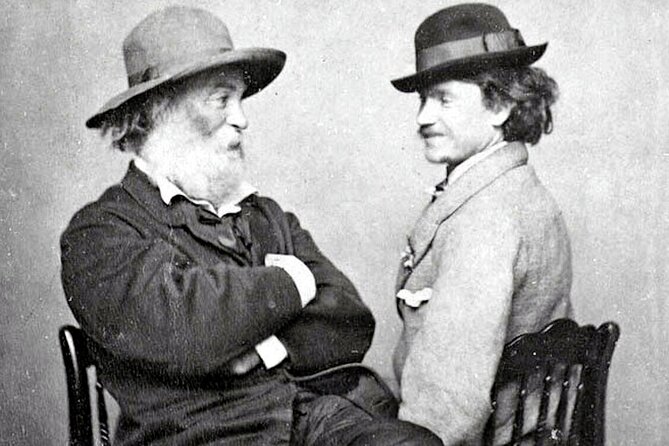
Next comes the location tied to the 1969 Stonewall Riots. Today it’s a well-known LGBTQ bar and a National Landmark, but the tour doesn’t let it become only a must-see marker.
A standout detail is the note that the Mob owned it. That piece matters because it adds friction to the story. It’s not “everything was simple and pure”; it’s “this was happening inside the real power structures of the time,” including who controlled venues and profits. When you get that, the riots feel less like a myth and more like a clash between communities and the systems that constrained them.
You’ll also likely hear about how the site’s public meaning evolved. The tour helps you hold two truths at once: this was a breaking point born from harassment and resistance, and it’s also now a place people visit to honor LGBTQ identity and progress.
If you plan to spend extra time here, I recommend you do. One smart add-on is the Stonewall Inn Visitor Center, which is described as gorgeous and with apparel you can buy. Even if your tour time is tight, the value of seeing that center on your own schedule is high.
Christopher Park: a central gathering place for LGBTQ community life
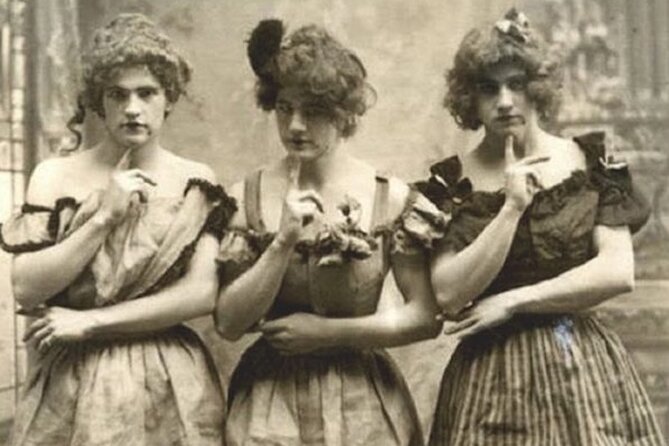
From there, the tour shifts to one of NYC’s well-known parks and treats it as more than scenery. The message is clear: parks like this have often served as informal meeting points, social space, and community pulse—especially in cities where people needed a “where we gather” spot.
I like how the guide connects the park to community life rather than making it just a landmark photo stop. That context helps you imagine the flow of the neighborhood in different eras. You start thinking in terms of routes people walked, places they lingered, and where visibility gathered.
Practical note: parks can be windy and cold. If you’re going in winter, bring something for your hands and ears. During one cold departure, the tour tablet died, and the guide used a phone to keep sharing photos and info. The stories still landed, but warm clothing makes the experience feel smoother.
This stop also gives your body a reset. Even when the tour isn’t long, you’ll want those few minutes standing or walking slower.
The main LGBTQ thoroughfare: where visibility is part of the street map
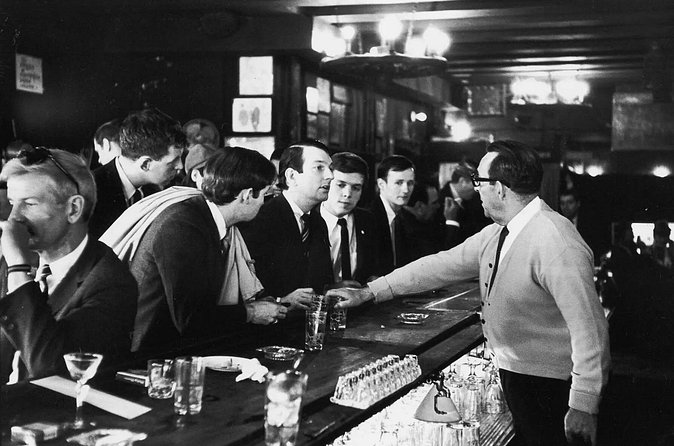
Another stop focuses on the main thoroughfare of LGBTQ visibility in New York City. Walking this stretch is a different kind of learning than history-at-a-plaque. Here, the street itself becomes the curriculum.
You’ll get a sense of how visibility works in daily life. In other words, the story isn’t only about riots and activism meetings. It’s also about how people found ways to be seen, build community, and create social spaces that signaled identity without hiding.
What makes this part valuable is that it helps you understand the present through the past. You’ll see how the neighborhood’s public face is shaped by earlier struggles, and how that visibility is now a normal part of city life.
If you like taking photos, do it quickly and thoughtfully. I prefer capturing a wide view first, then one or two detail shots only if the guide pauses and gives you time. It keeps you from walking ahead and missing the context.
You can also read our reviews of more historical tours in New York City





Secret speakeasies and tearooms to comedy clubs and quick bites
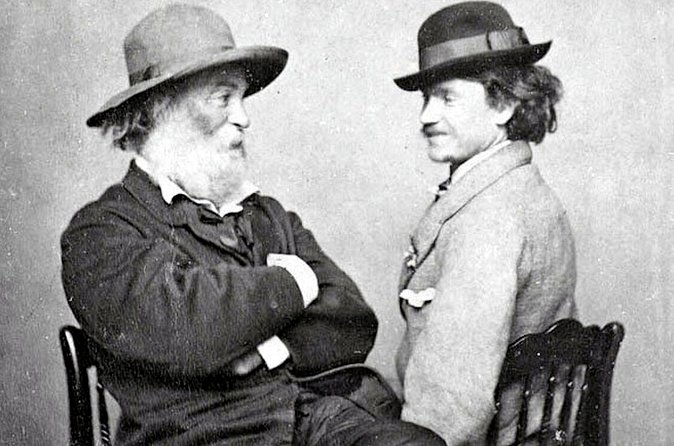
The final main stop covers a street that once held secret speakeasies and tearooms catering to the LGBTQ community. Now it’s known for comedy clubs, cafes, music venues, and quick bites—places you might pop into without realizing how much history sits under the storefronts.
This is where the tour feels especially meaningful. It shows change without pretending it was linear or easy. You’re looking at a street that moved from coded spaces to open ones. That shift is huge, but the guide’s tone makes it feel earned, not handed down.
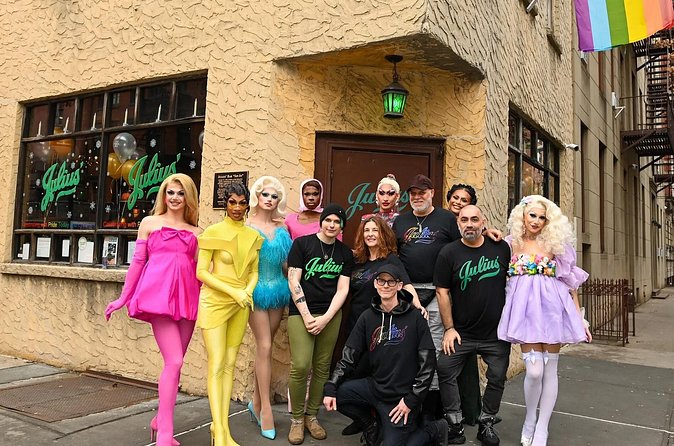
A nice touch here is the tour’s ending rhythm. You end at Julius’ Bar, and there’s an easy chance to grab something afterward. One review notes the route passes an area that used to be a gay bookstore, though it’s not there anymore. The tour ends close to a small LGBT section in a current bookstore setting, and there’s also a gelato or ice cream option right there if you need a snack.
That snack-friendly finish is more than convenience. It encourages you to keep your brain in “you’re in the neighborhood” mode instead of “I’m done with the tour, goodbye city.”
The walking pace, story pauses, and cold-weather reality
This is not a sprint tour. The style is story-forward: the guide shares moments of history and interpretation, then you walk to the next location. You’ll probably notice breaks where the group can pause and the guide can explain connections that don’t fit neatly into a timeline.
One interesting detail from the tour’s storytelling approach is how it handles non-chronological history. For example, the guide may talk about the Gay Liberation era before earlier groups like the Mattachine Society, because the neighborhood layout makes sense that way. That might sound odd at first, but it actually helps you understand why history isn’t always “cleanly ordered” in real space.
There’s also room for personality. In one cold-departure description, the guide was patient with questions even when the layout doesn’t follow a tidy sequence. There was even a humorous moment involving a meat rack—the kind of “serious and whimsical” detail that makes the past feel human instead of museum-flat.
Cold weather can still be a factor. If the tablet loses power in freezing temps, the guide can switch to a phone, but your hands will still feel it. Dress warm, keep your phone warm in an inside pocket if it gets too cold, and plan for a couple of slower moments.
Price and value: is $39 fair for a 2-hour history walk?
For $39, you’re paying for three things: a licensed guide, a structured route through major sites, and a way to interpret what you’re seeing.
A self-guided stroll could be cheaper, sure. But the real value here is interpretation. The tour doesn’t only point out where events happened. It explains how the Sip-Ins helped change service laws, why Stonewall mattered in a context of earlier resistance, and how today’s landmarks relate to that shift.
The small group size also helps justify the price. With a cap of 25, you’re more likely to get your questions answered rather than waiting until the end. And because it lasts about 2 hours, the cost per hour stays reasonable for what you actually get.
I also like that the tour ends in a practical, livable spot. You’re not dumped far from transit or stuck in a dead-end alley. Julius’ Bar and nearby food options mean you can turn your learning into a real afternoon.
Who this tour fits best
This experience is a strong match if you want LGBTQ history with a clear walking route and explanations that connect eras. It’s also a good first stop if Stonewall is on your to-do list but you feel like you only know the headline story.
You’ll likely enjoy it if:
- You want context for Stonewall that starts earlier than 1969
- You like short breaks and a paced group experience
- You’re okay with a walking tour that’s flexible with the storytelling sequence
It may be less ideal if you’re hoping for a lot of indoor time at each stop or if you want a purely chronological museum-style presentation. The guide’s approach is shaped by neighborhood geography, not a textbook order.
Should you book this Stonewall-before-the-riots LGBTQ walking tour?
I’d book it if you want a focused, guided way to understand how LGBTQ resistance and community life built up to Stonewall—and how the neighborhood you’re walking through reflects that history today. The price is fair for the licensed guide, the small group size, and the fact that you cover multiple meaningful stops in just 2 hours.
Before you go, do two things. First, dress for the weather; this tour is out in the open. Second, plan a little extra time if you can to visit the Stonewall Inn Visitor Center, since that’s a high-value add-on beyond what fits in the walk.
If your goal is to see more than a marker and get why these places matter, this is a solid choice.
FAQ
How long is the tour?
It runs about 2 hours (approx.).
How much does the tour cost?
The price is $39.00 per person.
Where do I start and where does it end?
You start at 640 Broadway, New York, NY 10012, and end at 159 W 10th St, New York, NY 10014 at Julius’ Bar.
What language is the tour offered in?
It is offered in English.
What’s included in the ticket price?
An expert licensed tour guide is included.
Is there a mobile ticket?
Yes, the tour uses a mobile ticket.
What accessibility info is provided?
Service animals are allowed, it’s near public transportation, and most travelers can participate. The experience also has a maximum of 25 travelers.