REVIEW · NEW YORK CITY
From New York City: Washington DC Sightseeing Tour
Book on GetYourGuide →Operated by NYC visitors · Bookable on GetYourGuide
Washington to DC in a day beats guessing.
This sightseeing trip is built for comfort and quick wins: you’re in a small group (up to 6), with a live English guide and flexible stops based on what you ask for. I like the clean pace—big landmarks, good photo moments, and time to swap in museum interest—without feeling like you’re stuck in a cookie-cutter checklist. One drawback to plan for: it’s an early start (6:00 AM), so you’ll want decent sleep the night before.
I also like that the tour gives you a logical “DC by landmarks” route, starting at the White House backyard and working through the Capitol, National Mall, Lincoln Memorial, and the Jefferson Memorial. If you’re lucky enough to get guide Doolotaaly, there’s at least one strong datapoint of a guide who explains a lot and makes the day click. Just note the rules: food isn’t allowed in the vehicle, and museum entry tickets are not included.
In This Review
- Key things to know before you go
- What You’re Actually Getting: A Guided DC Landmark Circuit
- NYC Pickup at 7th Ave & W 39th: Early Start, Clear Meeting Point
- Your Guide and the Power of a Small Group (Up to 6 People)
- Backyard of the White House: Photos First, Context Second
- United States Capitol: The Symbol Behind the Stairs
- National Mall: Your “DC Orientation Walk”
- Lincoln Memorial: A Place That Changes the Mood
- Thomas Jefferson Memorial: Neoclassical Details and Founding-Father Energy
- Museums You Can Add: Smithsonian, National Gallery, or Holocaust Memorial
- Flexible Visiting Points: How to Get Your Priorities Built In
- Transportation Reality: The Vehicle Changes with Group Size
- Price and Value: Is $185 Worth It for a Fast DC Day?
- Rules and Safety: The Stuff That Impacts Your Day
- Who Should Skip This Tour (Age and Accessibility Limits)
- Should You Book This NYC to Washington DC Sightseeing Tour?
- FAQ
- Where do I meet in New York City, and what time does the tour start?
- How many people are in the group?
- What’s included in the price?
- What costs extra during the tour?
- Can the route change based on my interests?
- Are food and alcohol allowed?
- Who is this tour not suitable for?
Key things to know before you go
- Small group size (up to 6) means you can ask questions and adjust stops without feeling lost in a crowd.
- 6:00 AM departure from NYC is early, but it helps you see major sites before the day gets crowded.
- Flexible visiting points work best if you name your top priority (views, photos, or a specific museum).
- Museum tickets cost extra if you choose Smithsonian, National Gallery of Art, or the Holocaust Memorial Museum.
- Vehicle choice changes by group size, so you should expect either a Toyota RAV4 or larger vans/SUVs for bigger groups.
- There are clear safety and comfort rules (no alcohol, no drugs, and no food in the vehicle).
What You’re Actually Getting: A Guided DC Landmark Circuit
This isn’t a long, multi-day deep dive. It’s a day-focused sightseeing run from New York City to Washington, DC, centered on the landmarks most people come for. You’ll move through the official-photo zone and the “you’re standing here for a reason” stops: the White House area, the United States Capitol, the National Mall, then Lincoln and Jefferson.
Why I think this works for most people: the route has a natural flow. You start with the executive branch vibe, pivot to the legislature at the Capitol, then take the ceremonial walkway (National Mall). After that, you slow your brain down with the Lincoln Memorial and then shift tone with the Jefferson Memorial.
Value also comes from what’s included. You get round-trip transportation plus water and drinks, and you travel with a live English guide. That’s a big deal on a trip this short because it reduces the amount of organizing you’d otherwise have to do yourself.
You can also read our reviews of more city tours in New York City



NYC Pickup at 7th Ave & W 39th: Early Start, Clear Meeting Point
The departure point is at 7th Ave & W 39th Street in New York City, with a 6:00 AM departure time. If you want the best chance of enjoying the day instead of surviving it, treat that morning like a mini expedition: set alarms, plan your commute to the meeting spot, and skip late-night plans.
If you booked as part of a group package, pickup is from that location. If you booked separately, you’ll meet at Circle of Columbia, and you may have to wait a bit until everyone reaches the proper group volume for the vehicle.
Why this matters: with a limited-size tour (up to 6), timing is everything. Waiting is normal if they’re trying to load the right number of passengers efficiently. So build in a little patience, especially if you’re joining at Circle of Columbia.
Your Guide and the Power of a Small Group (Up to 6 People)
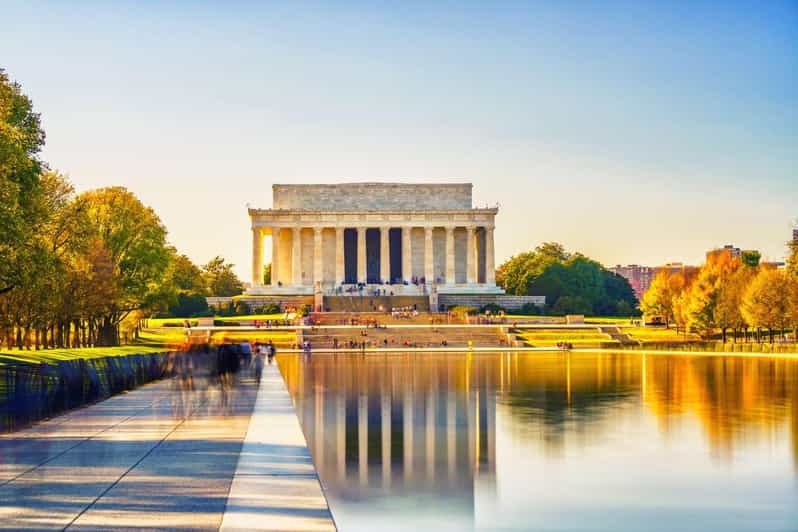
This is a small group tour limited to 6 participants, and you’ll have a live tour guide who speaks English. In a small group, you get two practical benefits: you can ask questions when you’re standing at a place, not after you’ve walked away, and you can more realistically get photos without constant body-checking.
There’s one specific guide name you may hear—Doolotaaly—who received standout praise for sharing plenty of information and making the day feel great. I can’t guarantee who you’ll get, but it’s a good sign that at least some guides are strong at explanation, not just logistics.
If you’re the type who likes context (why a monument was built, what a building represents), a live guide matters more than you’d expect on a fast-paced day.
Backyard of the White House: Photos First, Context Second

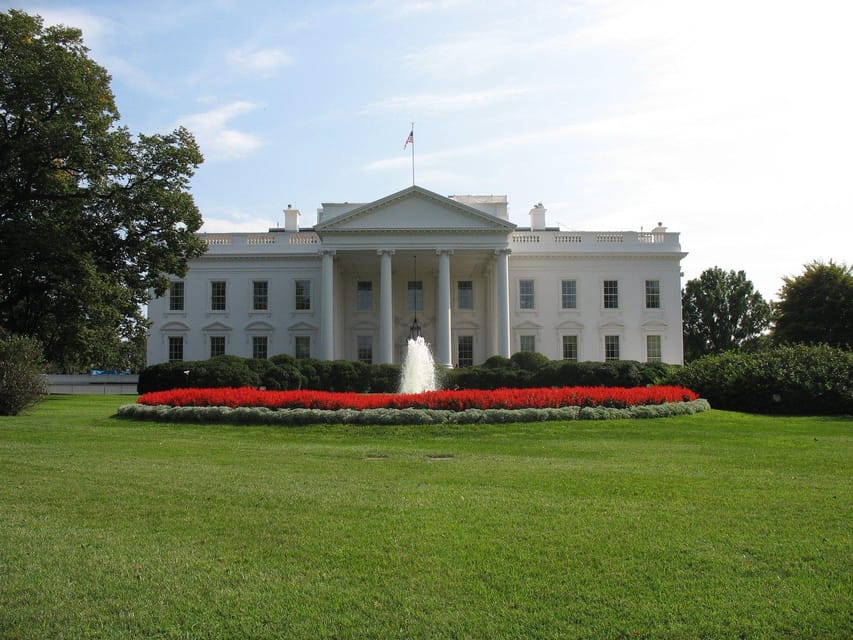
Your first big stop is the Backyard of the White House. That’s one of those locations where the photo is obvious, but the meaning is the payoff. You’re seeing the most recognizable residence in the U.S., and the idea here is simple: get up close and personal enough for great pictures, then let your guide fill in the context.
Practical advice: treat this stop as your warm-up. Your energy level will be lower in the morning, but this is where you build momentum. Ask your guide what to look for and what details people usually miss. That way, you’re not just snapping a few shots—you’re collecting usable memories you’ll actually understand later.
Also, because photography is a stated highlight, expect to spend enough time to get photos rather than doing a “blink-and-you-miss-it” photo stop.
United States Capitol: The Symbol Behind the Stairs
Next up is the United States Capitol, described as the home of United States Congress and a major democracy symbol. Even without getting into any “inside the building” claims, standing at the Capitol is powerful because it’s built to be seen from the right angles, in the right light, with the right alignment of your expectations.
Here’s how to make the most of it: don’t just look for the building. Look for the idea. Your guide can connect what you see to how the country’s government is structured. That’s where a guided format helps. If you go DIY, you might see a landmark; with a guide, you get a story you can place.
One consideration: Capitol area walking can feel busy and photo-heavy. If you’re sensitive to crowds, you’ll be grateful the tour starts early.



National Mall: Your “DC Orientation Walk”
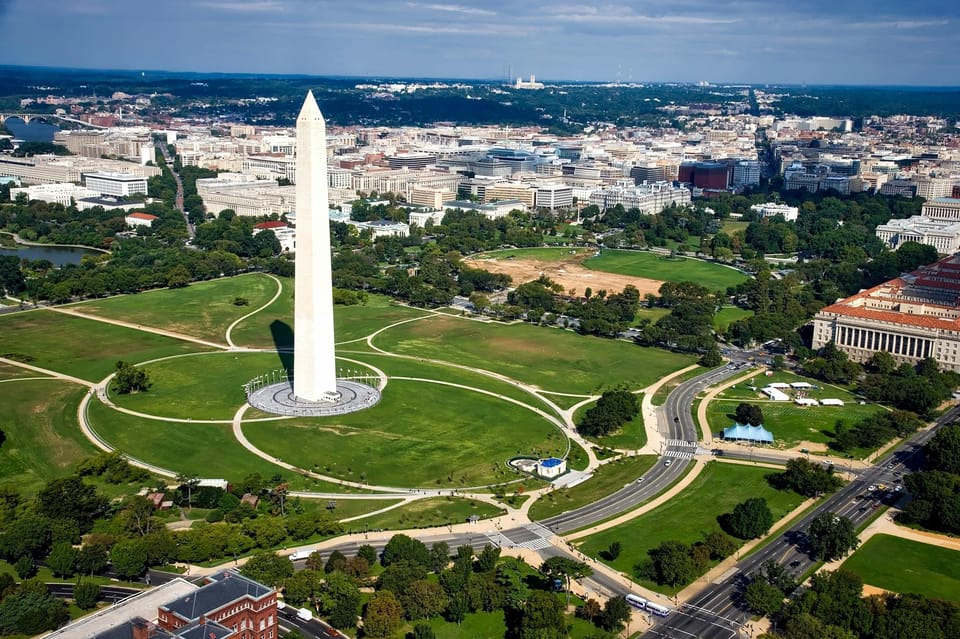
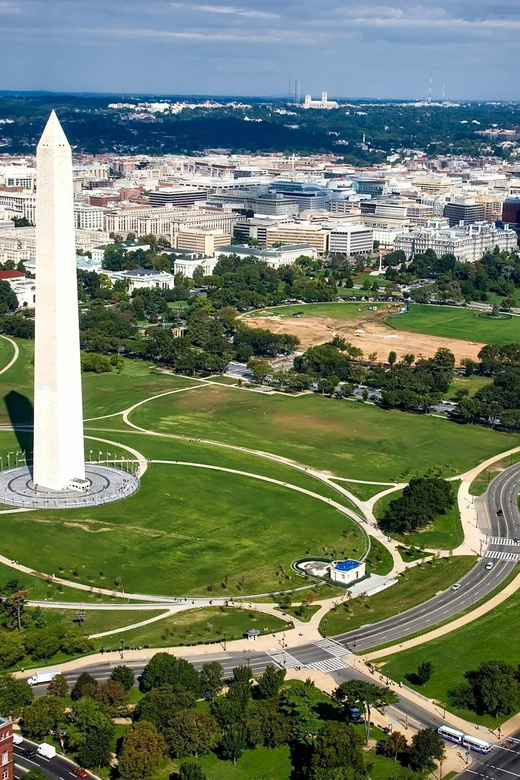
Then you hit the National Mall, the long grand avenue flanked by museums and monuments. Think of it as DC’s main stage. Walking it gives you scale and straight-line direction—suddenly the city makes sense.
Why this stop is worth it even if you’ve seen photos online: the Mall is designed to connect many points of national memory. Once you walk it with a guide’s pacing, you can understand how museums and memorials relate to each other, not as isolated attractions but as a single layout.
What you should do during this portion:
- Plan to look both left and right, not just forward.
- Use the guide to pick out what you should pay attention to.
- If you’re a museum person, this is where you’ll start deciding which museum stop matters most later.
Lincoln Memorial: A Place That Changes the Mood
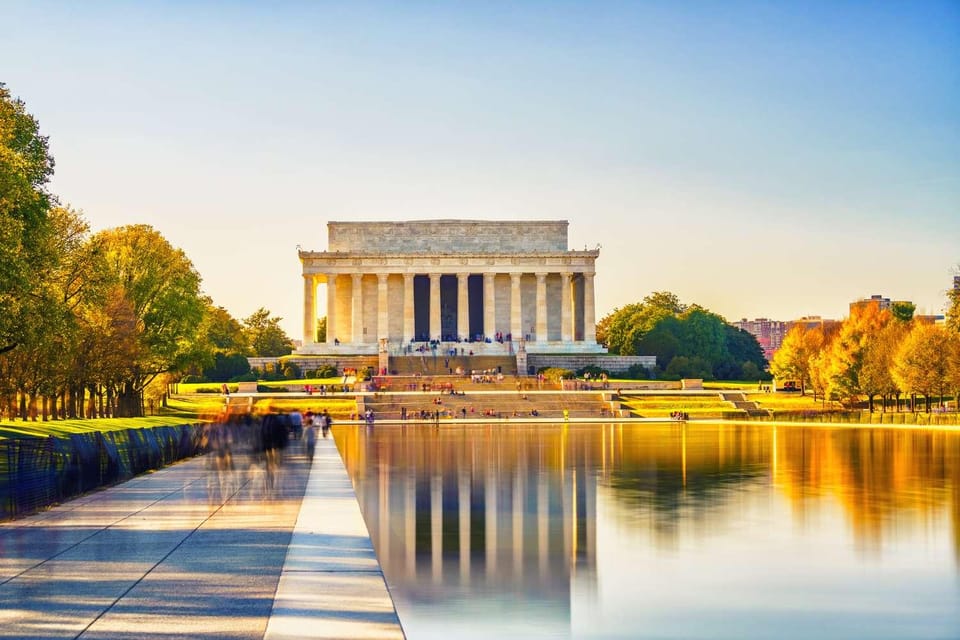
The Lincoln Memorial stop is built for a different kind of attention. It’s not just sightseeing. It’s a pause. Standing before a monument dedicated to Abraham Lincoln pushes you into reflection mode, and the guide’s job is to connect what you’re seeing to why it’s remembered.
Practical tip: keep your phone camera handy, but don’t treat this as only a photo moment. Give yourself a couple minutes to slow down. It’s the stop where you’ll get the most value from being present.
If you prefer quieter, more thoughtful stops, Lincoln is often the moment where a day trip feels worth it, even if you didn’t have time for a museum ticket.
Thomas Jefferson Memorial: Neoclassical Details and Founding-Father Energy
After Lincoln, you’ll go to the Thomas Jefferson Memorial, which focuses on neoclassical design and one of the Founding Fathers. This stop tends to feel different from the Lincoln Memorial, mostly because the visual style and symbolism steer your attention in another direction.
How to enjoy it: pay attention to the framing and symmetry. Neoclassical memorials are designed to be read visually, like architecture with an argument. With a guide, you’ll likely get the meaning behind what’s emphasized.
If you like architecture or how buildings communicate ideas, Jefferson is a satisfying “last major landmark” stop. It’s the kind of location where the background matters for your photos too.
Museums You Can Add: Smithsonian, National Gallery, or Holocaust Memorial
You also have flexibility for museums, and you can choose from major institutions like:
- Smithsonian Museums
- National Gallery of Art
- Holocaust Memorial Museum
Here’s the key budgeting point: museum entry tickets are not included. You’ll need to cover them yourself.
What this flexibility really means for you:
- If you’re a first-time visitor, you might skip tickets and focus on the big outdoor monuments.
- If you’re a museum-focused traveler, you should decide early which museum best fits your interests, because tickets and time can affect the day.
Also, the tour’s rules say food isn’t allowed in the vehicle and alcohol/drugs aren’t allowed. That’s mostly about comfort and safety, but it’s a reminder to plan your day around stops where you can handle meals on your terms rather than on the ride.
Flexible Visiting Points: How to Get Your Priorities Built In
This tour is designed so the visiting points can change based on tourists requests. That doesn’t mean the schedule becomes totally free-form, but it does mean your guide can steer the day toward what you care about most.
To get good results, do two things:
- Pick one priority category: photos, history context, or a specific museum.
- Mention it early, not at the last minute.
This is where the small group size matters. With up to 6 people, it’s easier to adjust without holding everyone hostage. If you’re traveling with a clear plan, you’ll likely get a version of the route that feels customized rather than random.
Transportation Reality: The Vehicle Changes with Group Size
The tour notes that if there are 3 or 4 people, they recommend a Toyota RAV4. If the group is 5 or 7, you may get a Chevrolet Suburban or Toyota Sienna. The exact vehicle can vary based on how many people are in your group package.
Why you should care: ride comfort isn’t just a luxury thing. On a long round trip from NYC to DC, being comfortable in the vehicle affects how much energy you have for walking and photos once you arrive.
If you’re sensitive to cramped seating, arrive early enough for a smooth pickup. And remember: food isn’t allowed in the vehicle, so avoid bringing lunch meant for the ride.
Price and Value: Is $185 Worth It for a Fast DC Day?
At $185 per person, you’re paying for round-trip transport, a live English guide, small-group handling (up to 6 people), and water and drinks. You’re also paying for the “someone else figures it out” part—especially helpful when you’re leaving from NYC very early and want a structured route.
Where costs can grow: tickets are not included, and if you choose a museum stop, you’ll need to budget for admission. That doesn’t make the tour a bad value. It just means you should decide ahead of time whether you want monuments-only or monuments plus museums.
One more value factor: flexibility. If you tailor the stops to your interests, you can get more satisfaction from the day than you would with a rigid tour.
Given the rating of 1.7 from 3 reviews, I’d treat it like a “small-group structure with guide-dependent quality” situation. Still, the one clear positive highlight for a guide named Doolotaaly suggests the guiding can be a strong point.
Rules and Safety: The Stuff That Impacts Your Day
The tour’s rules are straightforward and mostly about comfort and safety:
- No food in the vehicle
- No alcohol or drugs
- No fireworks or explosive substances
- No alcoholic drinks in the vehicle
- Electric wheelchairs are not allowed
That’s not just legal fluff. It affects what you pack, how you handle snacks, and how you plan your comfort during the ride.
If you’re the kind of traveler who always brings snacks “just in case,” adapt your plan. Bring what’s allowed for outside time, not for the vehicle.
Who Should Skip This Tour (Age and Accessibility Limits)
This tour isn’t suitable for:
- Children under 2 years
- Babies under 1 year
- Wheelchair users
- Visually impaired people
- People over 80 years
That’s a pretty direct list. If you’re in any of those categories, you’ll want a different sightseeing option designed for your needs. Even if you’re able to do some walking, the stated limits suggest the tour format and vehicle setup won’t match certain accessibility requirements.
Should You Book This NYC to Washington DC Sightseeing Tour?
Book it if you want a structured, guided day that hits the major outdoor icons: White House area, United States Capitol, National Mall, Lincoln Memorial, and Thomas Jefferson Memorial. The small group size, the live English guide, and the flexibility to steer the day toward museums are the main reasons to choose it.
Consider skipping or switching options if you need wheelchair access, have limited vision, fall outside the age guidelines, or you strongly prefer museum-only time with included tickets.
And if you book, do this to set yourself up for a smooth day:
- Sleep early for the 6:00 AM departure.
- Decide whether you’ll want a museum ticket and which one matters most.
- Bring zero alcohol and plan around no food in the vehicle.
- If you get a chance to ask your guide questions, use it early to shape your route.
If that sounds like your style of travel, this tour is a solid way to get DC’s “greatest hits” without juggling schedules on your own.
FAQ
Where do I meet in New York City, and what time does the tour start?
You’re picked up at 7th Ave & W 39th Street in New York City, with a 6:00 AM departure time. If you booked separately, you meet at Circle of Columbia instead.
How many people are in the group?
The tour runs as a small group with a limit of 6 participants.
What’s included in the price?
The price includes round trip transportation and water and drinks.
What costs extra during the tour?
Tickets are not included. If you choose to visit museums like the Smithsonian Museums, National Gallery of Art, or the Holocaust Memorial Museum, you’ll need to cover museum entry tickets yourself.
Can the route change based on my interests?
Yes. Visiting points are flexible and can depend on the requests from your group.
Are food and alcohol allowed?
No. Food and alcoholic drinks are not allowed in the vehicle, and alcohol and drugs are also not allowed.
Who is this tour not suitable for?
It’s not suitable for children under 2, babies under 1, wheelchair users, visually impaired people, and people over 80.