REVIEW · NEW YORK CITY
Explore the Ruins of a Forgotten City in the Middle of Manhattan
Book on Viator →Operated by Manhattan Unlocked Historical and Architectural Walking Tours · Bookable on Viator
Manhattan hides whole cities in plain sight. This 2–3 hour walking tour makes that idea real as you move from Madison Square Park to the Fifth Avenue “how-it-grew” story of late-1800s New York. I especially love the way the route reads like a timeline you can see with your own eyes, and how the guide explains what kind of people built, bought, and lived here. One consideration: you’re on your feet most of the time, so bring moderate fitness expectations (and good walking shoes).
The best part is the teaching style. I like that the tour is limited to a small group (max 5 travelers), so your guide can slow down when questions pop up. And Rob (a name you’ll hear in the reviews for good reason) is praised for big-picture context plus tight, friendly detail, including historical photos you can use to picture what used to be there.
In This Review
- Key highlights
- Walking Tour Route: Why This Part of Manhattan Feels Like a Time Machine
- Start at the Flatiron Building: The Gilded Age Meets the City’s Biggest Personality
- Madison Square Park: More Than a Landmark, a Social Turning Point
- Fifth Avenue Between 23rd and 18th: How to Read Buildings Like Street Signs
- ABC Carpet & Home and Ladies’ Mile: Carriage-Trade Shopping on a Quiet Broadway Block
- Sixth Avenue Between 18th and 23rd: Department Stores and the Middle-Class Megaphone
- Crossing Into the Tenderloin on Sixth Avenue: Respectable Activities, Scandalous Streets
- Tin Pan Alley: Sheet Music, Plugging, and How Songs Got Sold
- Hotel Wolcott and the Upper-Class Shift: Why One Block Can Change Everything
- Between the Empire State and Flatiron: The Rosetta Stone Blocks of Midtown
- Price and Value: Is $59 a Good Use of Your Midtown Time?
- Best Fit: Who Should Book This Tour (and Who Might Skip It)
- Practical Tips Before You Go
- Should You Book This Midtown Architecture and History Walk?
- FAQ
- FAQ
- How long is the tour?
- How much does it cost?
- What’s the group size?
- Where does the tour start and end?
- What language is the tour offered in?
- Do I need to print a ticket?
- Is the tour suitable for everyone physically?
- What’s the cancellation policy?
Key highlights
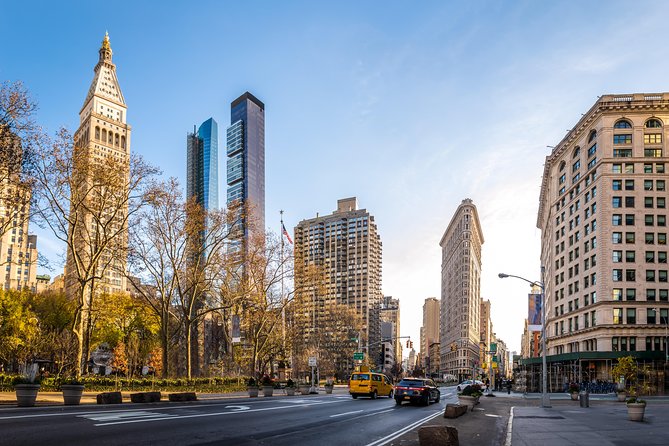
- Madison Square Park as a Gilded Age crossroads, not just a scenic stop
- Fifth Avenue’s building “decoder ring” for steel-frame lofts and office growth
- Ladies’ Mile shopping architecture along Broadway near ABC Carpet & Home
- Sixth Avenue’s two faces, department stores on one side and the Tenderloin on the other
- Tin Pan Alley on foot, where sheet music and promotion helped shape pop music
Walking Tour Route: Why This Part of Manhattan Feels Like a Time Machine
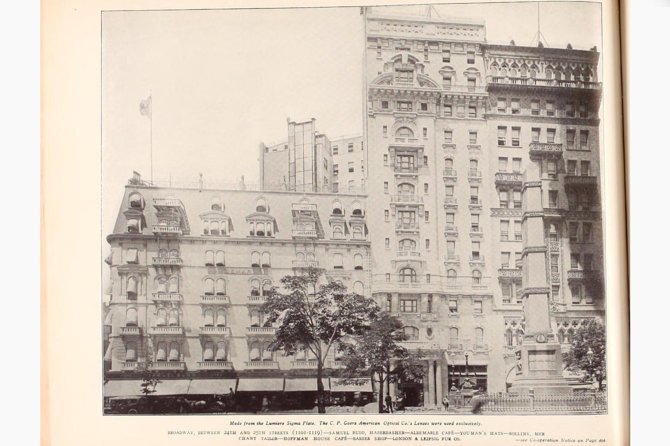
This tour focuses on a tight slice of Manhattan that many people speed through. You’ll start near the Flatiron Building and stay in the Midtown core where neighborhoods shifted quickly—socially, commercially, and architecturally. That matters because New York doesn’t grow in a straight line. It layers.
What you’re really buying with the $59 price tag is interpretation. You’re not just touring landmarks; you’re learning how the city’s purpose changes street by street. In a few blocks you can move from old-world wealth to industrial-era ambition, from shopping streets to entertainment corridors, and from early music-industry marketing to the rise of skyscrapers.
The small-group format helps a lot. With up to five travelers, you’re more likely to get real back-and-forth rather than rushing past stops while your group stares at the sidewalk. The vibe stays intimate, and the pacing stays human.
You can also read our reviews of more city tours in New York City



Start at the Flatiron Building: The Gilded Age Meets the City’s Biggest Personality
Meeting at 175 5th Ave puts you right where Midtown starts to look dramatic. The Flatiron Building is an instant photo moment, sure. But on this walk, it’s also your entry into the Gilded Age—the fashionable, world-class city-center energy that flourished roughly from the 1860s into the early 1900s.
The guide gives quick context first. That’s not filler. It helps you understand why Madison Square mattered and how the surrounding streets became a place where status, money, and cultural influence clustered. You’ll get a clear sense of the “why now” behind the architecture around you.
A practical note: this stop is short (about 15 minutes), so don’t expect a long lecture before you start walking. Think of it as orientation—like getting your map focus right before you head into the city’s maze.
Madison Square Park: More Than a Landmark, a Social Turning Point
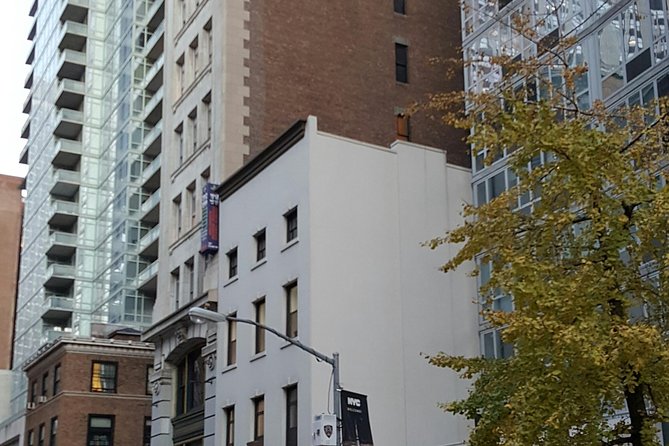
The tour’s Madison Square moment isn’t about fountains and photos. It’s about convergence. Fifth Avenue, Broadway, and 23rd Street meet here—so this was a natural stage for social life, politics, and culture.
You’ll hear how the park functioned as a center during the Gilded Age, then how the Industrial Age pushed new wealth into the spotlight. The point is simple: old power didn’t vanish overnight. It got outspent, outcompeted, and replaced in stages. Standing in the park, you can understand the “logic” of what later buildings took over.
This stop is also fairly brief (around 10 minutes). The value is the framing: you’ll walk away seeing the area as a hinge between eras, not just a green patch in Manhattan.
Fifth Avenue Between 23rd and 18th: How to Read Buildings Like Street Signs
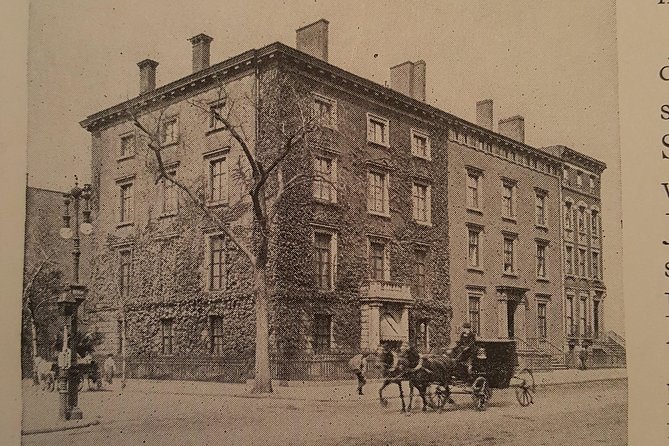
This is where the tour really earns its keep. On Fifth Avenue, you’re taught to decode what you see: what got built when, for whom, and how the buildings changed the street’s role over time.
You’ll focus on late 19th-century construction, including steel-frame loft buildings and their architectural styles (often Beaux Arts). It’s the kind of detail that makes a city feel less random. When you learn the pattern, Midtown starts to snap into focus.
Another highlight is the street-level business story. You’ll learn about a publishing-centered corridor often associated with what’s been called Paternoster Row—mission office buildings, publishers, textile manufacturers, and even places selling pianos. The names aren’t just trivia; they explain why those buildings looked the way they did and why the street felt like a business engine rather than just a fancy corridor.
Expect about 10 minutes on this stretch. You won’t get every building’s history, but you’ll leave with a method for noticing what matters.
ABC Carpet & Home and Ladies’ Mile: Carriage-Trade Shopping on a Quiet Broadway Block
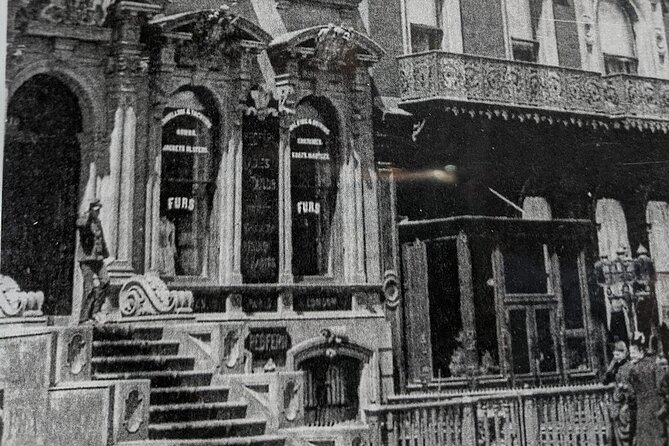
From Fifth Avenue’s grandeur, the tour shifts to Broadway’s shopping history. Near ABC Carpet & Home, the streetscape gets unusual: Broadway runs for only six blocks in this area, and it’s described as a quiet heart—an out-of-the-way pocket compared to the usual Broadway roar.
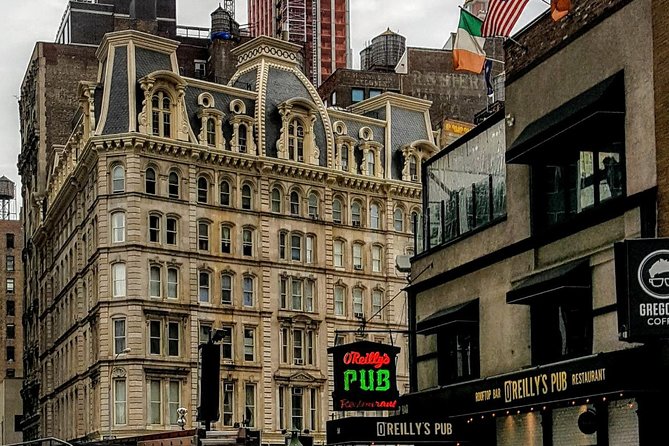
Here you’ll connect architecture and social class. The buildings along this “Ladies’ Mile” stretch show layered styles from the Gilded Age shopping boom, including French Second Empire, Beaux Arts, and Neo-Classical forms. The key idea: these were carriage-trade buildings for wealthy shoppers, and the street layout reflects that. Women stepped from carriages to shop along a narrow, calmer stretch, with no nearby elevated-train disruption and no horse-car rails.
This stop is about 15 minutes. It’s enough time to understand the architectural clues and the shopping-culture context without turning it into a museum lecture. If you like fashion history, retail history, or just the psychology of shopping districts, this part will feel especially rewarding.




Sixth Avenue Between 18th and 23rd: Department Stores and the Middle-Class Megaphone
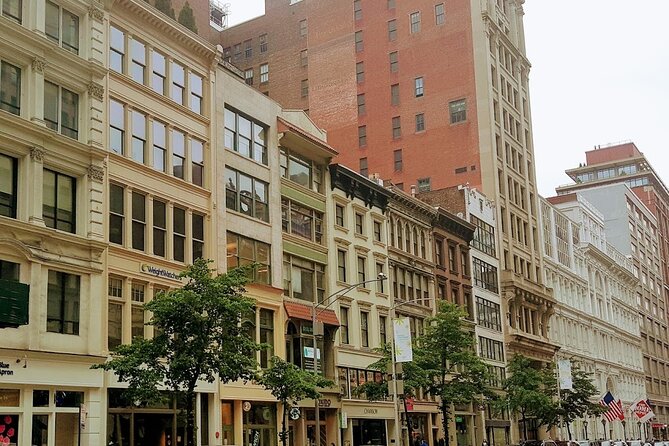
Next comes Sixth Avenue (Avenue of the Americas), where you’ll see old department stores and shopping “emporia” that helped drive everyday commerce. The tour frames this as more middle-class energy than the carriage trade of nearby shopping streets—though even here, some institutions were still worthy of upscale attention.
You’ll learn how these stores changed the street’s identity. Department stores weren’t just places to buy things. They were designed to pull people in, manage crowds, and create a kind of shopping experience that felt modern for its time.
This segment is short (around 10 minutes), and that’s fine. You’re not trying to memorize every facade. You’re learning the historical role of the blocks so you can recognize similar patterns elsewhere in Manhattan.
Crossing Into the Tenderloin on Sixth Avenue: Respectable Activities, Scandalous Streets
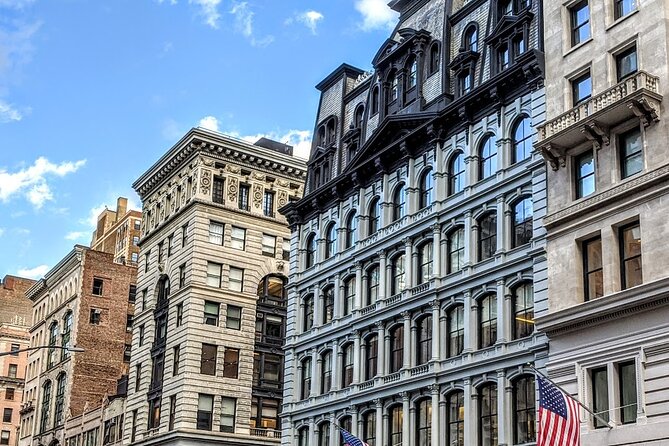
After crossing 23rd Street, the mood flips. The tour enters the area known as the Tenderloin—an adult entertainment district in an era before radio and TV. The point isn’t shock for shock’s sake. It’s proximity: saloons, brothels, and gambling halls sat close to venues attracting respectable citizens.
The guide also makes a practical historical point. Red-light districts often leave fewer surviving buildings, since they’re less likely to be preserved. What remains helps you picture the neighborhood’s everyday mix—middle and lower-middle-class housing, plus large African American and Jewish communities—alongside the more scandalous stories that made the district notorious.
This stop runs about 15 minutes. It’s one of the more emotionally intense sections of the walk, so it helps that the group stays small and the guide can calibrate tone. If you prefer a strictly “beautiful buildings only” tour, you might feel this part more than the others.
Tin Pan Alley: Sheet Music, Plugging, and How Songs Got Sold
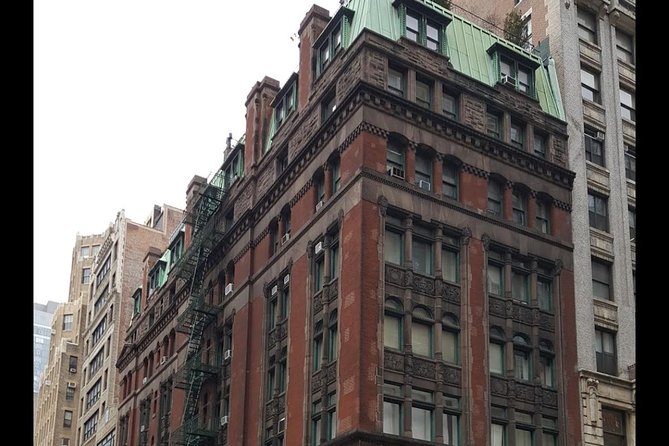
Then comes music history—on foot. The tour heads to the Tin Pan Alley area around 28th Street between Fifth and Sixth Avenue, where a short period of time condensed major parts of the American music industry into a few buildings.
You’ll hear how sheet music spread and how popular music followed. The tour also explains early marketing methods for music promoters, including the many forms of plugging—ways songs got pushed into attention before today’s streaming algorithms existed.
This stop is quick (about 5 minutes). Think of it as a taste. The win is that you leave with a new understanding of what this corner of Manhattan contributed to how American entertainment became a business.
Hotel Wolcott and the Upper-Class Shift: Why One Block Can Change Everything
One moment you’re walking through Midtown’s older commercial streets; the next, the streetwall signals a different crowd. The tour’s next stop is the area around the former Hotel Wolcott, reached after crossing Broadway.
You’ll learn why this matters: the Wolcott Hotel was one of over a dozen fine Gilded Age hotels nearby. Many of those hotels have since been converted into SROs and city housing. That detail connects architecture to living patterns across generations, showing how prestige spaces can later serve different needs.
This stop is about 10 minutes. It works well because it’s right at that transition point between street identities. You can feel the “upper class” pull as you walk, then you get the historical explanation for why.
The tour also points to sites connected to major changes in Midtown. You’ll hear about the original Waldorf-Astoria site and residences associated with the Astor brothers. And there’s a mention of the Empire State Building’s era when it was the tallest building in the world for about 40 years.
Between the Empire State and Flatiron: The Rosetta Stone Blocks of Midtown
The final leg ties everything together. The blocks between the Empire State Building and the Flatiron Building are described as a kind of Rosetta Stone for New York history, because you see buildings from multiple eras as the city moved uptown.
This is where the tour’s “how it grew” method pays off. If you’ve been paying attention, you’ll start to notice patterns: when big construction jumps happen, when commercial needs shift, and how architectural styles often match business realities.
The tour ends back at the meeting area, though you can end at any point in Madison Square that’s convenient for you. Translation: you’re not forced to complete every last block if you’d rather wrap up near a landmark.
Price and Value: Is $59 a Good Use of Your Midtown Time?
At $59 per person for roughly 2 to 3 hours, this isn’t a bargain-by-accident type tour. It’s priced for a guided, high-context experience, and you should compare it to other walking tours based on what you’ll get out of it.
For me, the value comes from three things you can actually feel during the walk:
- Small group size (max 5) for better pacing and attention
- A guide who connects buildings to people and street purpose
- A route that mixes architecture with real business and cultural storylines (shopping, publishing, music promotion, entertainment districts)
Also, you get a professional guide and a mobile ticket—simple basics that remove friction when you’re trying to start on time.
One more value signal: the reviews emphasize Rob’s depth and flexibility. People describe him as a walking reference and a researcher who doesn’t just point at facades. He adds human context and practical geography so the city stops feeling like random blocks.
Best Fit: Who Should Book This Tour (and Who Might Skip It)
This tour fits you if you like architecture but also want the “why” behind it. You’ll enjoy it more if you can tolerate Midtown walking and like learning how neighborhoods change function over time. It also works well if you’ve been to New York before and want something more specific than the usual must-see circuit.
It might feel like overkill if you only want quick landmark photos with minimal walking and minimal context. The route covers a lot of ground and layers. You’ll want to be ready to pay attention.
If you’re traveling with family or friends, the small group helps keep the tour lively. And since service animals are allowed, the format supports many travelers who need that accommodation.
Practical Tips Before You Go
Keep these in mind so you get the most out of the 2–3 hours:
- Wear comfortable shoes. This is a walking tour with multiple street segments.
- Expect good weather to be part of the plan. The experience requires decent conditions.
- Bring your curiosity. The guide spends time on what buildings were built for, and that rewards attention.
- If you’re a photo person, consider letting the guide’s historical framing shape what you shoot. The photos and old street views mentioned in reviews can help you spot differences quickly.
And if you’re sensitive to the Tenderloin section’s subject matter, it helps to know that it’s part of the historical story. The tone is guided, but it’s still a shift.
Should You Book This Midtown Architecture and History Walk?
Yes, if you want Manhattan in layers—Gilded Age fashion and office growth, Ladies’ Mile shopping architecture, department stores, Tin Pan Alley music marketing, and the Tenderloin’s uncomfortable proximity to respectability. The route is tight, the group stays small, and the guide style is built around clarity, context, and real street understanding.
Skip it if you want a purely casual stroll with minimal historical framing. This tour is for people who like their landmarks explained like they’re clues in a city mystery.
FAQ
FAQ
How long is the tour?
It runs about 2 to 3 hours.
How much does it cost?
The price is $59.00 per person.
What’s the group size?
The tour is limited to a maximum of 5 travelers.
Where does the tour start and end?
It starts at the Flatiron Building, 175 5th Ave, New York, NY 10010, USA. It ends back at the meeting point, with the option to end at any point in Madison Square that is convenient for you.
What language is the tour offered in?
It is offered in English.
Do I need to print a ticket?
You get a mobile ticket.
Is the tour suitable for everyone physically?
It’s listed for travelers with a moderate physical fitness level.
What’s the cancellation policy?
Free cancellation is available. You can cancel up to 24 hours in advance for a full refund. If you cancel less than 24 hours before the start time, the amount paid is not refunded.