REVIEW · NEW YORK CITY
NYC: Museum of Modern Art (MoMA) Entry Ticket
Book on GetYourGuide →Operated by The Museum of Modern Art · Bookable on GetYourGuide
MoMA can swallow a whole day fast. With a pre-booked ticket, you get skip-the-line entry to a world-class mix of modern and contemporary art plus a free phone audio guide.
I especially love seeing famous works in person without feeling chained to a tour schedule, and the museum’s six-floor layout makes it easy to follow your own interests. My other favorite: the free mobile audio guide lets you slow down and actually read what you’re looking at.
One drawback to plan for: MoMA is big and can get crowded, so you’ll want a loose route—or you’ll end up zig-zagging through the same packed rooms.
In This Review
- Key Things That Make This MoMA Ticket Worth It
- MoMA Midtown: What Your One-Day Ticket Really Buys
- Entering MoMA at 11 West 53rd Street Without Ticket-Desk Hassle
- The Audio Guide on Your Phone: Best Tool, One Small Trap
- How to Plan Your Six Floors Without Getting Overwhelmed
- Iconic Works You’ll Likely Want on Your Route
- Current and Upcoming Exhibitions: How They Fit Into the Day
- Daily Film Screenings and Art-Making Labs (Included)
- Food, Shopping, and Where to Take a Breather
- What the Best Reviews Teach You About Timing and Strategy
- Who This MoMA Ticket Suits Best
- Practical Details That Can Make or Break Your Visit
- Should You Book This MoMA Ticket?
Key Things That Make This MoMA Ticket Worth It
- Skip the ticket desk: present your barcoded voucher at entry points, not at the counter
- Free multilingual audio guide on your phone with downloadable guides (bring headphones)
- Six floors of modern art spanning European painting/sculpture to film, design, and performance
- Big-name highlights on the route, from Monet and Matisse to Warhol and more
- Daily film screenings and art-making labs included with admission
- Free Wi‑Fi in the museum so you can keep your phone ready and working
MoMA Midtown: What Your One-Day Ticket Really Buys

MoMA is not a small “quick hit” museum. This one-day ticket is a serious pass into modern art history and the way it evolved into today’s film, design, and performance culture. The value is that you’re not paying for just one wing or one highlight—you’re buying access to permanent collections plus special exhibitions, and you can spend your time at the pace that fits you.
The setting matters too. You’re in Midtown Manhattan, inside a building that feels like part museum, part design statement. If you like your art with context—how ideas change over time—MoMA is built for that.
Price check: at $30 per person, this ticket often feels like a deal because entry gets you the full museum experience for the day. You’re also getting Wi‑Fi and an audio guide included, which is not a side perk here. It’s how you turn “I saw the painting” into “I get why it matters.”
You can also read our reviews of more tours and experiences in New York City



Entering MoMA at 11 West 53rd Street Without Ticket-Desk Hassle
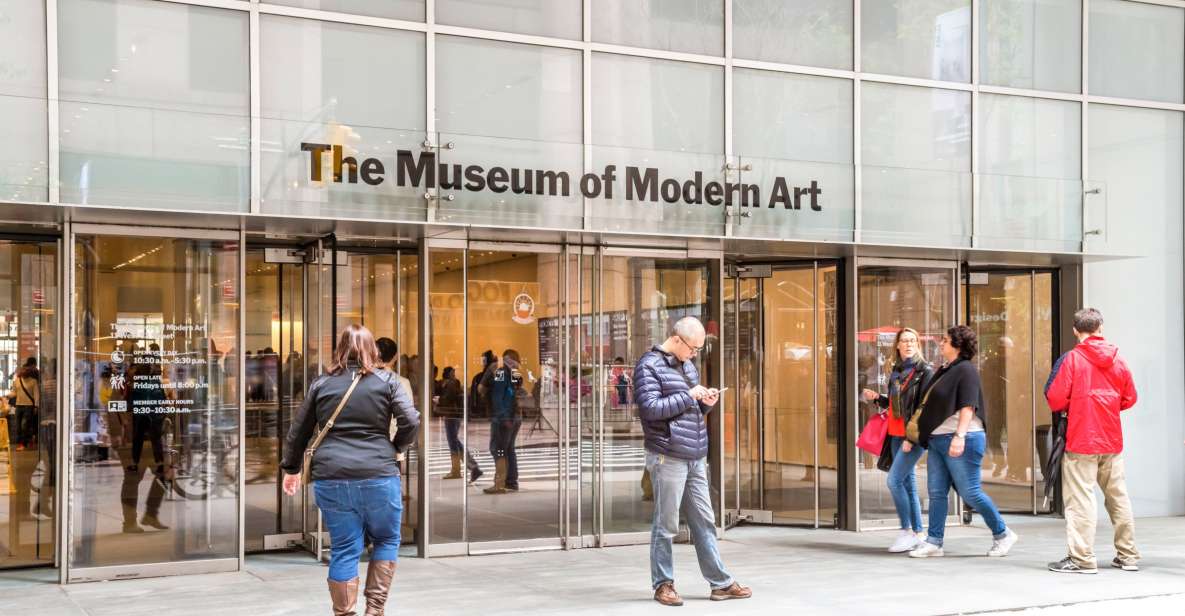
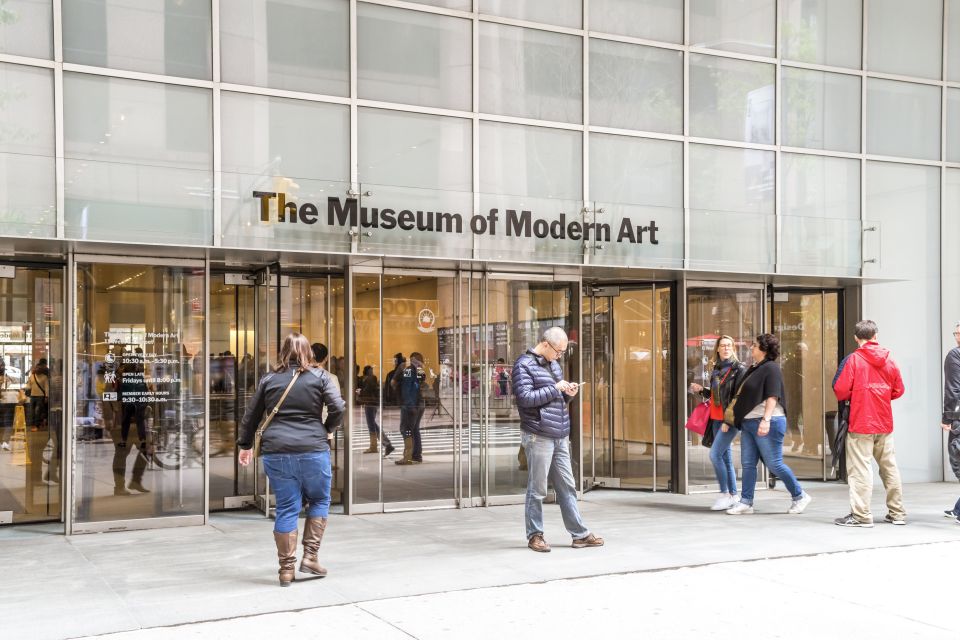
Your meeting point is simple: enter MoMA at 11 West 53rd Street. Once inside, you show your barcoded voucher to museum staff at any entry points to the galleries. You do not need to check in at the ticket desk.
That one detail saves time and stress. In a museum this popular, the difference between a smooth entry and a standstill line can decide how enjoyable the first hour feels. Your goal on arrival is basic: get inside, find your bearings, then start seeing.
A practical tip: MoMA moves people through like a system. If you try to “start wherever,” you can waste energy doubling back. Pick a direction early and let the museum do the walking for you.
The Audio Guide on Your Phone: Best Tool, One Small Trap
The ticket includes a downloadable multilingual audio guide for your personal mobile device, with languages including Spanish, Chinese, English, French, German, Italian, Japanese, and Portuguese. You’ll want to bring headphones and have your smartphone charged before you enter.
The museum also offers free Wi‑Fi throughout, which helps if you need to get the app working or refresh audio before you head into crowded galleries.
Now, the only “watch out” part: I’ve seen firsthand that QR code systems can be hit-or-miss when you’re on the move. If you notice that happening, try using the MoMA app or mobile site route, or switch to another available audio access method if offered. The museum experience is too good to lose to one flaky screen.
How to Plan Your Six Floors Without Getting Overwhelmed

MoMA covers a lot of ground. Six floors means you can absolutely see your must-sees—but only if you plan at least a basic route. The museum covers everything from innovative European painting and sculpture in the late 1800s through today’s film, design, and performance.
A smart way to use your day is to think in layers:
- Your anchors: a few “must-see” artworks
- Your movement pattern: a route that reduces backtracking
- Your time buffer: a little slack for crowds and slow looking
Many people love starting higher and working down. A common approach is to begin on Floor 6 and move downward, or to start on Floor 5 for an easier chronological flow and strong hits early. If you’re the type who gets decision fatigue, “start at the top and work down” is a simple plan that keeps you moving.
You’ll also want a closing ritual. MoMA’s outdoor sculpture garden is a great way to cool down after indoor art overload. If you do the route right, you finish the day feeling like you actually experienced the museum—not just crossed it.
Iconic Works You’ll Likely Want on Your Route
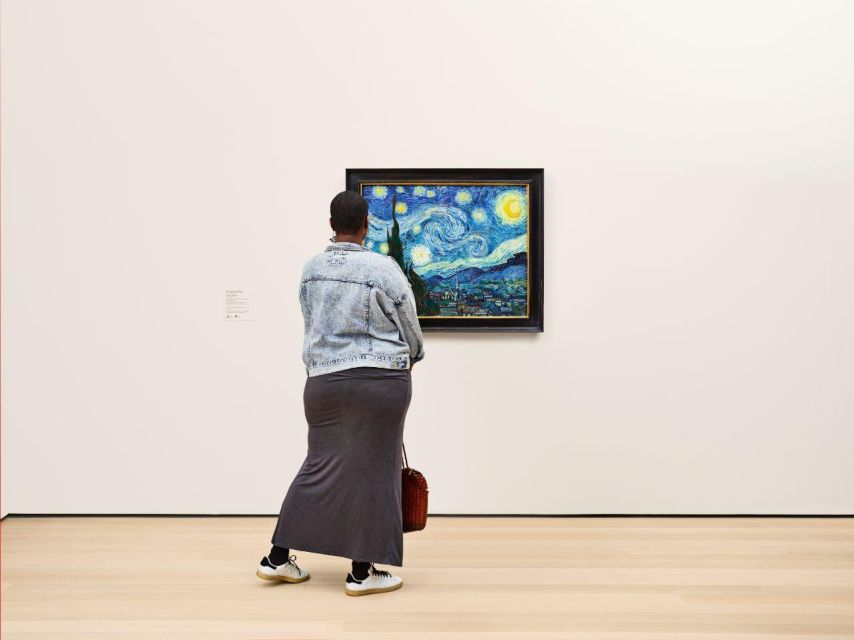
MoMA’s reputation is real because its collection has famous names and famous pieces. Here are the highlights you should aim for when you’re building your route:
- Monet’s Water Lilies: a chance to see how color, light, and reflection can work as a full environment, not just a subject
- Warhol’s Campbell’s Soup Cans: where pop art hits you in the face—simple idea, huge cultural impact
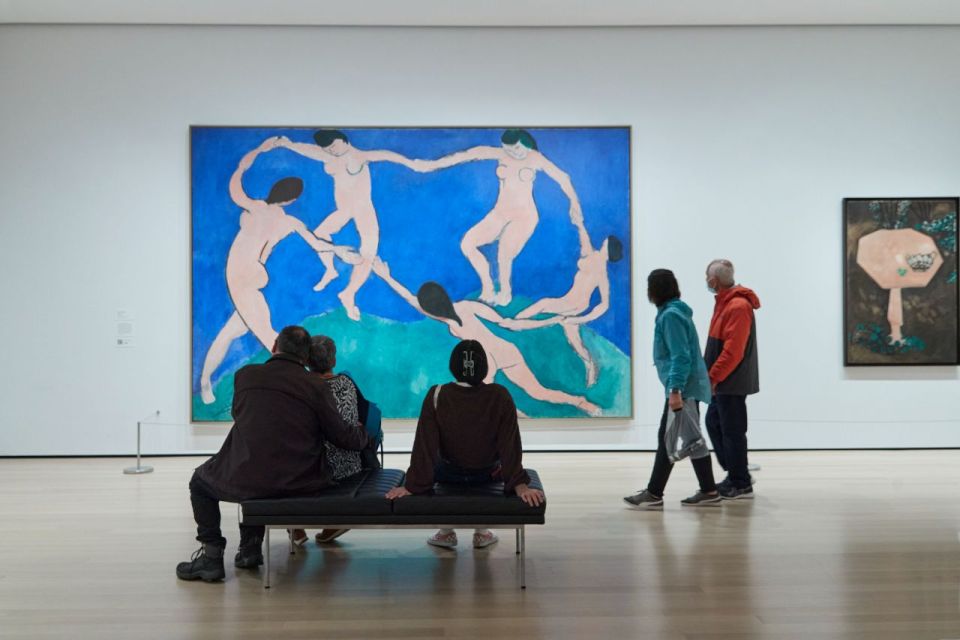
- Matisse’s The Dance (I): energy and color that still feels modern, even if you’ve seen it in books
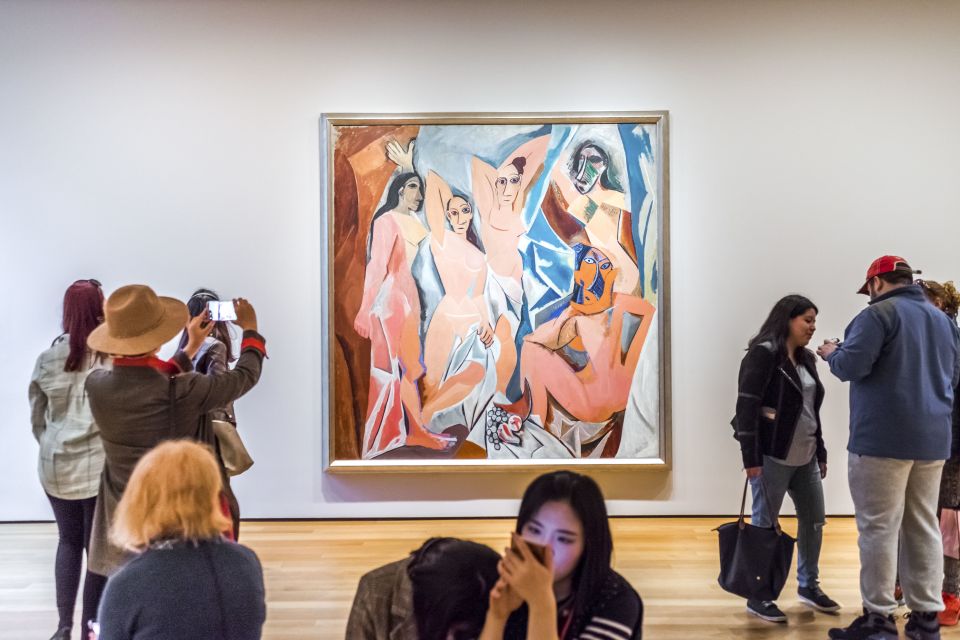
- Picasso’s Les Demoiselles d’Avignon: a pivotal work that helps you understand why “modern art” isn’t just style—it’s a break in thinking
- Gauguin, Dalí, and Jackson Pollock: multiple movements in one museum, so you can compare approaches without hopping cities
You may not catch every single masterpiece in one day, and that’s okay. MoMA works best when you stop trying to “do it all” and instead aim for a few big conversations with yourself: What changed? What stayed? What felt radical then, and what still feels radical now?
You can also read our reviews of more museum experiences in New York City




Current and Upcoming Exhibitions: How They Fit Into the Day
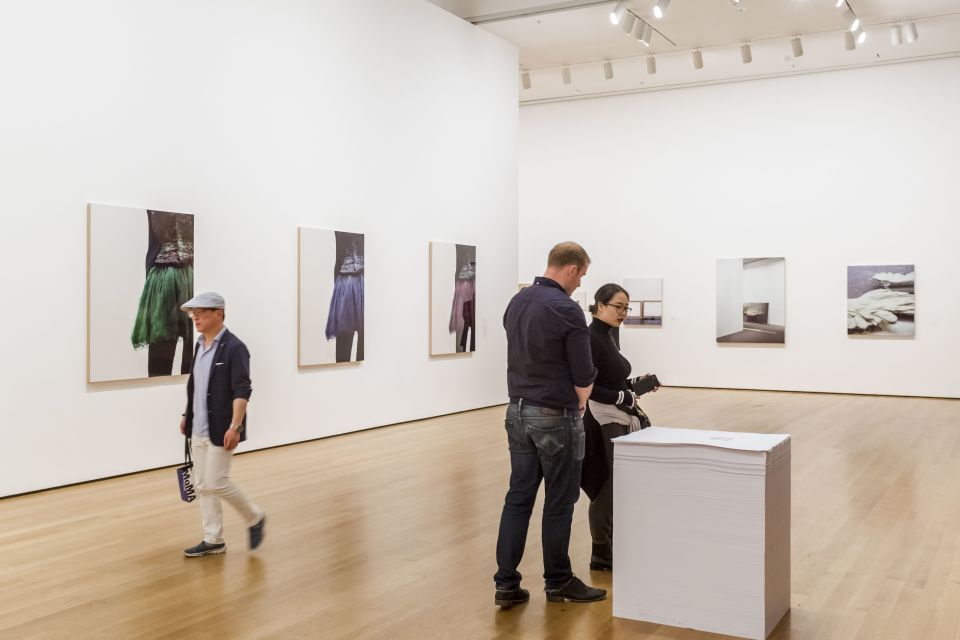
Right now, MoMA is running special exhibitions that add depth beyond the “greatest hits” circuit. For your visit, two current exhibitions are:
- Crafting Modernity: Design in Latin America 1940–1980, running through September 22
- Joan Jonas: Good Night Good Morning, running through July 6
These are a nice match for MoMA’s broader identity. This is a museum where design and art movements talk to each other, not just sit in separate worlds.
Looking ahead, upcoming exhibitions include:
- Kathe Kollwitz, on view March 31 through July 20
- LaToya Ruby Frazier, on view May 12 through September 7
If you’re someone who likes to “build meaning” instead of just collecting impressions, these exhibitions are worth time. They help connect MoMA’s painting-and-sculpture fame with its design, media, and cultural themes.
Daily Film Screenings and Art-Making Labs (Included)

Admission includes daily film screenings and art-making labs. This is a big deal because it turns a museum ticket into an all-around art day, not only a gallery walk.
Even if you’re not sure you’ll love every film or activity, it’s a relief that the museum gives you options. If you need a break from crowd-heavy rooms, a screening or lab can reset your energy while still staying “inside the MoMA universe.”
Food, Shopping, and Where to Take a Breather
MoMA isn’t just galleries. You’ve got three restaurants, including The Modern, which has two Michelin Stars. If you don’t want a full sit-down, you still have places to refuel and keep your day moving.
Then there’s shopping. The MoMA Design Store is known for design-related books and objects, plus jewelry, furniture, and clothing. It’s a good place to buy one “I actually liked this museum” souvenir instead of a generic postcard.
One practical note: food and drinks aren’t allowed inside the museum galleries, so plan meals accordingly. If you take snacks in with you, expect issues. Better to save your hunger break for the café/restaurant areas.
What the Best Reviews Teach You About Timing and Strategy
The most praised pattern is simple: people love MoMA’s scale and its iconic collection, and they rate the experience higher when they use a plan.
A few useful lessons show up repeatedly:
- Starting on a higher floor and working downward reduces backtracking and helps with flow
- The audio guide is helpful, but you should be ready to switch methods if a QR code doesn’t behave
- Spending around 2.5 to 3 hours is common for a focused visit, but if you’re a slower, careful viewer, you may want more
- MoMA gets busy. If you’re trying to get the “popular” pieces photographed without stress, you’ll want patience or you’ll need to accept that some rooms are more crowded than others
There’s also a consistent theme around staff and setup. Many visitors report friendly, helpful staff and a museum that feels well organized once you’re inside.
Who This MoMA Ticket Suits Best
This ticket fits best if you:
- Want modern art and design in one stop
- Like famous works but also want access to special exhibitions
- Prefer self-guided flexibility with an audio guide instead of joining a full guided tour
- Have a smartphone and are willing to bring headphones
If you’re traveling with kids, the museum can work well because you get access to included activities like the art-making labs, and the museum welcomes children. Even adults can appreciate the kid-friendly explanations and the general “learning by looking” vibe that shows up in how MoMA presents some rooms.
If you’re short on time or easily overwhelmed by crowds, consider a “minimum viable MoMA” strategy: pick your anchors, choose one or two floors, and don’t try to win the museum.
Practical Details That Can Make or Break Your Visit
A few facts to keep you from tripping over logistics:
- MoMA operates daily 10:30 AM–5:30 PM and Fridays 10:30 AM–8:30 PM
- Last entry is 1 hour before closing
- You’ll want a charged smartphone and headphones for the audio guide
- Free Wi‑Fi is available
- Not allowed: food and drinks, luggage or large bags, and video recording
- Wheelchair accessible
Also, one extra value point: entry to MoMA PS1 is included for up to 14 days after your MoMA visit. If you’re staying in New York for more than a day (or you’re already planning a museum day), this can stretch your ticket further.
Should You Book This MoMA Ticket?
Yes, I’d book it if you want the classic MoMA experience with less friction. The biggest reason is the skip-the-line entry plus included audio guides. For a museum this busy, that combo protects your time and makes the visit feel smoother.
Book it if:
- You care about modern art and design (not only one artist)
- You want a self-paced day with built-in context
- You’re okay with a bit of crowding and you’ll follow a simple route
Consider skipping or adjusting if:
- You only want one or two artworks and hate crowds
- You know you’ll struggle with phone audio and don’t want to troubleshoot your device
If you’re planning one “major museum day” in Midtown, this MoMA ticket is a strong choice because it’s not just entry—it’s tools for understanding what you’re seeing, plus extra included programming that can turn a normal visit into a memorable art day.