REVIEW · NEW YORK CITY
Go City: New York Explorer Pass: 100+ Things to Do Including Edge
Book on Viator →Operated by Go City · Bookable on Viator
NYC is better when you can breathe. The Go City New York Explorer Pass lets you pick must-see sights across Manhattan (plus a few great escapes) without cramming everything into one exhausting day.
I like the freedom most: you choose 2 to 6 attractions from a list of 90-plus, then spread them out for up to 30 days after first use. I also like how simple the scan-in setup feels once the pass is synced in the app.
One thing to watch: several top picks need time slots or advance reservations, so you’ll want to plan your skyline and popular museums early.
In This Review
- Quick hits before you go
- How the Explorer Pass lets you control your NYC days
- Empire State Building and The Edge: peak views with practical timing
- Top of the Rock and One World Observatory: two skyline angles, two vibes
- Liberty Island, 9/11 Memorial, and Circle Line: NYC from sea level
- Museums that work with your pace: MoMA, AMNH, Intrepid, Guggenheim
- Neighborhood walks and Broadway-style culture: tickets plus street energy
- Parks, gardens, and breezy day trips: Central Park and beyond
- Offbeat, fun, and photo-friendly: VR, spy games, LEGO, and more
- Value and decision guide: when $89 makes sense
- Should you book the New York Explorer Pass?
- FAQ
- How long is the New York Explorer Pass valid once I start using it?
- What do I get with the pass?
- Do I need reservations for certain attractions?
- Is Crown or Pedestal access included for the Statue of Liberty?
- Can I visit an attraction more than once?
- What should I keep in mind when using the pass at attractions?
Quick hits before you go
- Pick-your-own pace: choose exactly how many attractions you want, then use the pass over 30 days.
- Big skyline payoff: options like Edge, Empire State Building, Top of the Rock, and One World Observatory cover different view styles.
- Water and bus are included: Circle Line cruises and the Big Bus tour are great for low-effort sightseeing.
- Some tickets require extra steps: you may need to reserve a time slot at a kiosk or get a timed pass at the ticket desk.
- Not all Statue of Liberty access is included: the Crown and Pedestal typically require separate reservations.
How the Explorer Pass lets you control your NYC days
This pass is designed for real-life travel. You don’t have to play a daily schedule game where everything starts at 9:00 sharp. Instead, you create a mini itinerary and redeem your attractions when it works for you.
Here’s the key idea: your pass covers your selected attractions once each, and then your “30 days” clock starts from your first attraction visit. So if you’re starting midweek, you get a full buffer to finish up before it runs out. That makes a big difference in New York, where weather and crowds can turn a tight plan into chaos.
I also like that the pass is mobile. After you activate and sync it in the Go City app, you can show your pass on your phone at entrance points for scanning. That keeps lines moving at attractions that would otherwise be stuck with paper tickets and desk arguments.
Possible snag? The pass doesn’t remove the basic NYC reality that some popular places have timed entry. The pass is flexible with when you go, but it still expects you to follow each venue’s timing rules once you arrive.
You can also read our reviews of more city tours in New York City



Empire State Building and The Edge: peak views with practical timing

Two of the most dramatic NYC experiences sit inside this pass: Empire State Building and Edge NYC. They’re both skyline-first, but they feel totally different.
Empire State Building is classic New York energy. You get the “whole experience” feel, including a renovated art-deco style lobby, historical and sustainability exhibits, and a free self-guided multimedia tour. For views, you can use the surrounding open-air promenade (weather permitting) or the climate-controlled galleries.
The practical catch: reservations are required for this stop. Also, you can’t reserve a sunset time slot using the pass. My advice is simple: aim for a daytime slot if you’re visiting in busy season, or go after sunset if you’re hoping for night views. Either way, don’t show up late assuming the pass will save you.
Then there’s The Edge at Hudson Yards, which feels like a sci-fi skyline platform. You ride up 100 stories, then step out onto an open-air viewing space with Manhattan right there. If you’re chasing that “wow, I can’t believe I’m this high” moment, this is often the one.
The pass adds a real-world step here: you’ll need to reserve your entry time at a kiosk outside the Edge entrance for the next available time slot. Translation: build in a little patience at Hudson Yards, and don’t schedule it as your last stop before dinner plans.
One tip I especially value from people who’ve done it: if you can snag an early slot, sunrise views are a big highlight from The Edge. Even if you don’t chase sunrise, morning and early afternoon tend to be the calmer times for photos.
Top of the Rock and One World Observatory: two skyline angles, two vibes
If you’re trying to choose between the big observation decks, you don’t need to. With this pass, you can do both, and they each bring a distinct angle.
At Top of the Rock, you go up in a glass elevator to multiple decks (indoor and outdoor). The space is built for wide, clean views—Central Park, the Hudson River, and on clear days you can even reach into nearby states. You’ll wait in line to receive a time slot, so treat it like an attraction with a small queue, not like a walk-right-in deal.
One World Observatory is all about the scale. From the top of the tallest Western Hemisphere building, you get 360° views over Manhattan and beyond, including landmarks like the Statue of Liberty and the Empire State Building. This stop also requires waiting in line to receive a time slot.
My honest take: if your trip has limited time, pick the deck that matches your photo style. If you want a softer “park and river” frame, Top of the Rock often delivers. If you want the most extreme “top of Manhattan” experience, One World Observatory is the ticket.
Either way, plan these as anchor moments in your day. Skyline views are the kind of thing you’ll rush less when you don’t also have five other timed stops fighting for your attention.
Liberty Island, 9/11 Memorial, and Circle Line: NYC from sea level
New York looks different from boats and ferries. That’s why this pass works so well when you mix high viewpoints with water-level perspective.
Statue of Liberty is included with ferry access to Liberty Island and then onward to Ellis Island for the Immigration Museum. The big warning is that reservations are required for this activity. Also, Crown and Pedestal access aren’t included. If you want to go up those parts, you’ll need separate Crown Reserve and/or Pedestal Reserve tickets, and space can be tight.
For many first-timers, this is still an excellent use of the pass, because the ferry ride + island viewpoints are the heart of the experience even without pedestal or crown access. Just make sure you treat the reservation step seriously, and don’t plan this when you’re running on fumes.
Then there’s the National 9/11 Memorial & Museum, which is powerful and unavoidably important. You’ll walk to the twin reflecting pools that mark the footprints of the former Twin Towers, and the museum portion adds context and stories about the victims and the people who risked their lives. This stop has timed entry, and you’ll need to wait in line to get a time slot.
If you want something lighter afterward, Circle Line Sightseeing Cruises are a smart pairing. Midtown cruises give classic skyline views and commentary. With the pass, you choose a time and date when you present it, and you should allow about 45 minutes for ticketing and boarding. This buffer matters because boats are unforgiving: if you’re late, you don’t get the next boarding just because you have a pass.
I love doing one serious stop (9/11) plus one scenic cruising moment in the same general area of the city. It keeps your day emotionally balanced while still feeling like you saw the real NYC.
Museums that work with your pace: MoMA, AMNH, Intrepid, Guggenheim

NYC museums come in all tempos—fast hits and deep dives. This pass gives you a mix, and that’s where it shines.
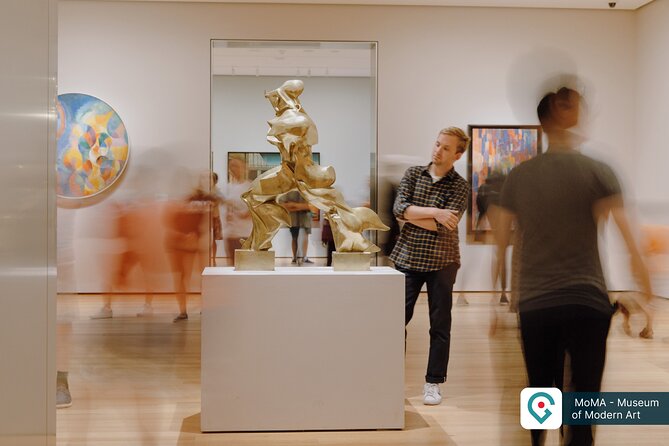
MoMA (Museum of Modern Art) is one of those places that can soak up hours without you noticing. The pass works through the ticket desk process for the next available time slot. Expect a line for that slot, but the benefit is you aren’t buying separate tickets on top of everything else.
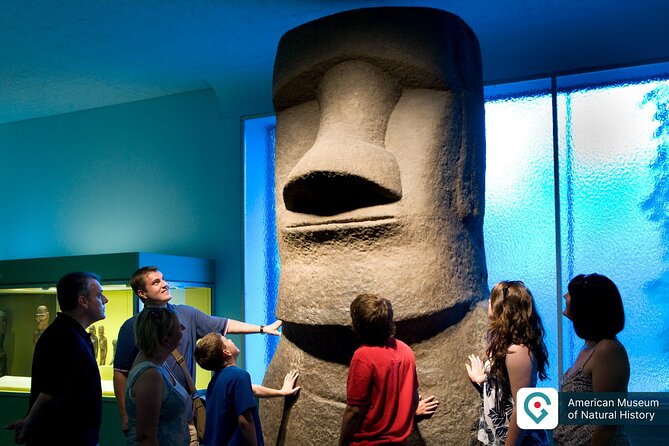
American Museum of Natural History is enormous and famously popular. This stop requires advanced reservations, so make it a priority if it’s on your list. If you’re the type who loves big galleries—dinosaurs, deep-world science, and the kind of museum that can swallow half a day—AMNH is the payoff.
Intrepid Museum adds a different kind of learning: American military and maritime history through multiple historic vessels (including an aircraft carrier and a space shuttle). This also uses a time-slot process where you’ll wait in line.
The Solomon R. Guggenheim Museum brings Frank Lloyd Wright architecture into your museum walk. Even if you end up spending more time appreciating the building than the exhibits, it’s a stop that feels designed to slow you down.
I also think Fotografiska New York deserves a special mention. It’s photography-focused, in a historic landmark setting in the Flatiron District, and it tends to feel more modern in tone than the traditional museum museum experience.
The key planning advice: museums are easiest to enjoy when you give them breathing room. With timed entry, you can still have a calm day—just don’t stack four museums with only ten minutes between them.





Neighborhood walks and Broadway-style culture: tickets plus street energy

This pass isn’t only about big-ticket landmarks. It also supports the kinds of experiences you feel in your shoes: walking tours and live-culture stops.
For skyline-adjacent culture, there’s Museum of Broadway, with interactive exhibits and backstage-style storytelling about iconic performances and the production process.
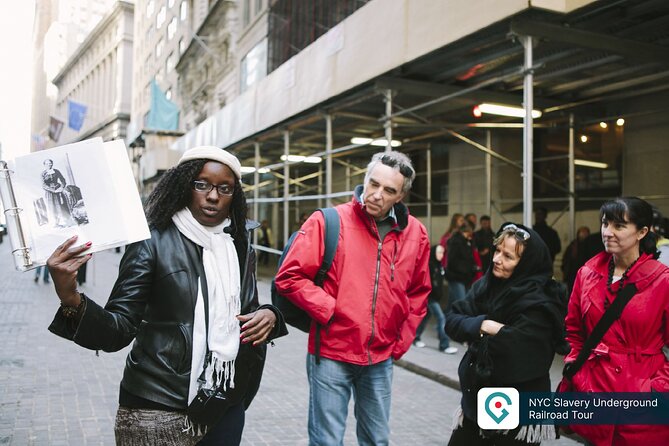
Wall Street: How Money Was Made is a guided walking tour that mixes financial and political importance with live commentary. It runs longer than a casual stroll (plan for a time commitment), and it needs advanced reservations.
For classic NYC storytelling, you’ve got Chinatown and Little Italy official walking tours. They’re both reservation-based, and they’re the kind of “follow the guide, then wander the area afterward” activity that helps you learn the streets fast.
Harlem options add variety too—there’s a Harlem jazz series and a Harlem one-stop cultural tour with different walking themes across the week. These also require advance booking.
And then there’s Broadway itself—well, the Broadway experience in this case is a Broadway & Times Square walking tour led by a professional insider. It’s reservation-based, and it’s built to give you context beyond what you see from the sidewalk.
One more smart tip: if you’re doing walking tours in busy areas, build in time to buy snacks or use restrooms before you start. It sounds basic, but it keeps the rest of your day from turning into a frantic chase.
Parks, gardens, and breezy day trips: Central Park and beyond
City views get a lot of credit, but NYC parks are how you reset. This pass includes a few choices that let you get outside without locking yourself into a full-day production.
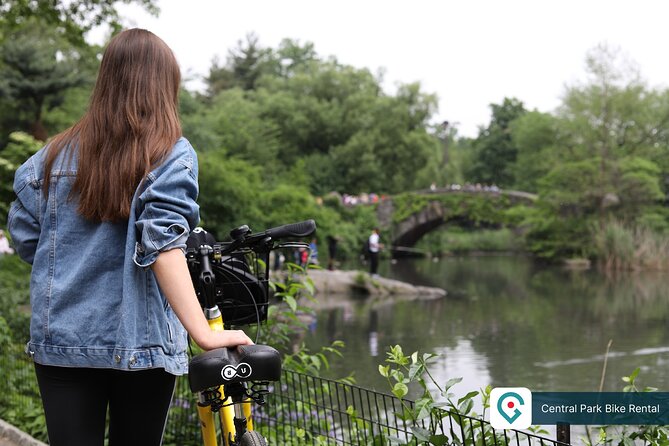
For Central Park, you can use the Central Park Bike Rental by Unlimited Biking option. It’s a great way to cover big park highlights quickly—think major sights and nearby landmarks without walking every mile. The pass for this is listed as free in the included options, but it’s still a time chunk on your schedule.
There’s also a High Line – Chelsea – Meatpacking District neighborhood walking tour, which pairs a classic linear park experience with an exploration of trendy food-and-street energy nearby.
If you want a true break from Manhattan bustle, Governors Island is a strong pick. You get Surrey bike rental for exploring the island’s car-free paths and green space with views back toward the city.
For plant lovers, New York Botanical Garden and Brooklyn Botanic Garden fit well if you like long wandering time and want something calmer than the museum circuit. These are listed as included options and give you that “picnic and stroll” feel.
My favorite way to use these park options is to place them on the day you don’t want heavy lines. Parks are often the easiest attractions to stay flexible with—especially if your morning skyline plan needs reshuffling.
Offbeat, fun, and photo-friendly: VR, spy games, LEGO, and more
If your group includes teens, you need a few non-museum anchors. This pass has them.
SPYSCAPE is a multi-sensory spy museum where you test skills and try interactive activities tied to espionage scenarios. It’s built for hands-on fun, which means less “standing and reading” time and more doing.
Escape Virtuality offers a VR experience—driving in a jungle, walking the plank, or other realistic scenarios. This is a good hedge if weather is bad, because the payoff is inside and the pacing is controlled.
For pop-culture and tech art, Rise New York pairs an evolution of NYC pop culture timeline with a skyward bird’s-eye view. ARTECHOUSE NYC is digital art where you can experience exhibits mixing art, science, and technology.
If you want something silly and iconic, Madame Tussauds New York gives interactive themed areas and photo-ready moments.
And for families, there’s LEGOLAND Discovery Center Westchester, an indoor LEGO playground.
Even if you’re not a kid-at-heart, Fotografiska New York and these pop culture/interactive picks are the ones that keep your trip from feeling like nonstop lines and timed entry.
Value and decision guide: when $89 makes sense
At $89 per person, this pass is all about whether you’ll realistically use multiple included attractions. The pass works best when you commit to several high-value stops—especially skyline views, major museums, and one or two tours.
Here’s a practical way to think about it:
- If you’re only aiming for one skyline observatory, you might be better off buying a single ticket.
- If you’re planning 3+ big-ticket activities (views + museum + cruise or neighborhood tour), the pass tends to turn into a budget win fast.
- If you love planning but want fewer headaches on ticket buying, this pass is a shortcut. Scan, go, enjoy.
The other big value point is time flexibility. You can spread stops across your 30-day activation window, which helps you avoid wasting a whole day on one overbooked itinerary.
One more value note from real trip patterns: people do better when they treat timed attractions as anchors and keep flexible activities (parks, walking, food stops, wandering) around them.
Should you book the New York Explorer Pass?
Book it if you want structure without stress. This pass is strongest when you plan a mix: one or two skyline experiences, one major museum, and a tour or cruise that helps you see neighborhoods efficiently. It’s also great for groups where interests vary, because you can choose options that fit different moods.
Skip it (or choose fewer attractions) if your plan is mostly just one or two big items, or if you hate timed entry and line-ups. The pass doesn’t eliminate that part of NYC; it just gives you a better deal across many stops.
If you do book it, my best advice is boring but effective: pick your must-do attractions first, check which ones require reservations or timed slots, and then build around those.
FAQ
How long is the New York Explorer Pass valid once I start using it?
Your pass is activated when you use it for your first attraction. After that, it remains valid for 30 days. It also says the pass is valid for 1 year from the date of purchase.
What do I get with the pass?
You get a digital pass used for entry at your chosen attractions, and access to 2 to 6 attractions selected from the Go City app list. You can visit those included attractions up to 30 days from first use.
Do I need reservations for certain attractions?
Yes. The information clearly notes that some attractions require advance reservations and others require you to wait in line to receive a time slot or reserve entry at a kiosk. Examples shown include the Empire State Building and the Statue of Liberty, plus several tours and museums.
Is Crown or Pedestal access included for the Statue of Liberty?
No. The pass includes access to Liberty Island and related experiences, but Pedestal and Crown access are not included. Those require separate Crown Reserve and/or Pedestal Reserve reservations.
Can I visit an attraction more than once?
No. The details say each included attraction can only be visited once.
What should I keep in mind when using the pass at attractions?
Bring your phone and use the Go City app for your digital ticket. Some venues require you to select a time and date, allow extra time for ticketing and boarding, or pick up your timed entry at a ticket desk or kiosk.