REVIEW · NEW YORK CITY
New York City Greenwich Village 3 Hour Private Walking Tour
Book on Viator →Operated by WeVenture New York City · Bookable on Viator
A walk through Greenwich Village history can feel like a movie scene. This 3-hour private tour ties together icons like Bob Dylan and Andy Warhol with the neighborhood’s lesser-known Native American roots and its modern fight to keep its character. You start at Washington Square Park and finish at the Stonewall Inn, with stops that connect comedy and music legends to the streets they once worked on.
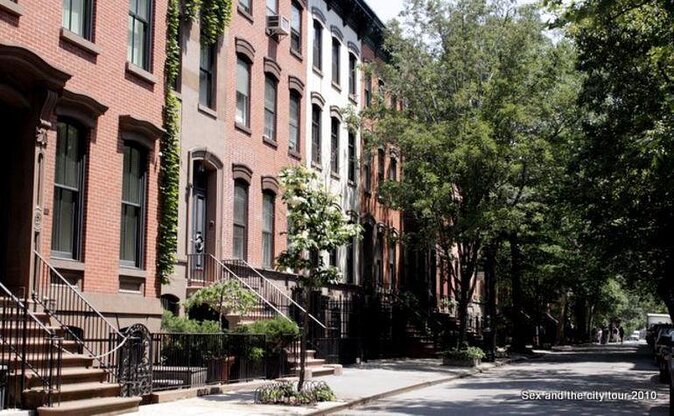
I especially like how the tour uses real neighborhood texture, not just name-dropping—think tree-lined blocks, brick townhouses, and the “you never know” moments with street buskers. I also love that the guide steers you toward practical next steps, including food and drink recommendations after the walk (and a reason to support Stonewall as a safe gathering place).
One thing to consider: this is a walking tour focused on history and storytelling, and food and drinks aren’t included. If you want a tour that includes meals or a big bar crawl built in, you’ll need to plan that part yourself.
In This Review
- Key highlights you’ll feel fast
- Walking the Village starts with Washington Square Park, not just the arch
- From Little Africa to art and counterculture, the guide keeps it human
- Why NYU and gentrification change the story you see on the street
- The Stonewall Inn finish: 1959 riots and the LGBTQ fight for visibility
- Pass-by venues: comedy and music history in the Village air
- The comedy club connection
- The music club connection
- What a 3-hour private pace really feels like
- Price and value for a group up to 12
- Who should book this Greenwich Village private walk
- Should you book this tour
- FAQ
- How long is the Greenwich Village private walking tour?
- Where does the tour start and what time does it begin?
- Where does the tour end?
- Is this tour private?
- How many people are included in a group?
- What’s included in the price?
- What’s not included?
- Will I need a printed ticket?
- Is it easy to reach the meeting point?
- Are service animals allowed?
- What’s the cancellation rule?
Key highlights you’ll feel fast
- Washington Square Park’s layers: the Memorial Arch is just the starting point, including earlier Native American settlement and later designation as Little Africa
- Counterculture by the sidewalk: stories of buskers, painters, writers, and how the Village’s creative scene formed
- Real-world change: gentrification and the expanding role of NYU come up as part of what you’re seeing today
- Stonewall Inn with context: you’ll walk through the events leading up to the 1959 riots and how they fueled LGBTQ rights
- Comedy and music origins: you pass major venues linked to comedians like Jon Stewart and Robin Williams, and musicians like Bob Dylan and Jimi Hendrix
- Private format: up to 12 people, so your group can ask questions and keep a comfortable pace
Walking the Village starts with Washington Square Park, not just the arch
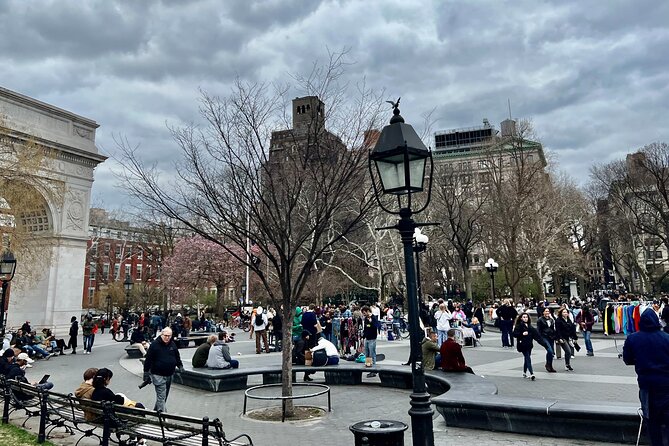
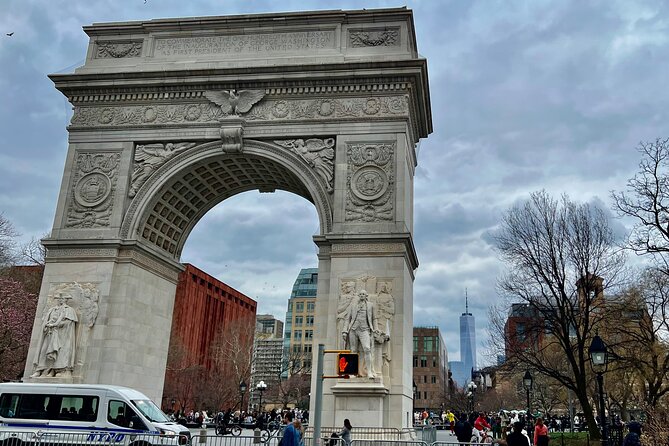
Washington Square Park is the kind of place where a lot of visitors only notice the Memorial Arch and move on. On this tour, you slow down and see why the park matters beyond the photo spot. You’ll begin at 29 Washington Square W, in the heart of the neighborhood, and your guide frames the area as a layered crossroads rather than a single story.
The tour’s first payoff is how it connects geography to time. The park isn’t only a city green space; it has older roots, including early Native American settlement, followed by later designation as Little Africa. That’s the trick of a good Village walk: you start noticing the “why” behind the layout, not just what’s there now.
You should expect a mix of bigger-picture narration and street-level details. The streets here are small enough that you can actually picture the people being discussed—writers cutting across blocks, artists working nearby, and performers taking advantage of the foot traffic. If you like history that sticks because it’s tied to where you’re standing, this starting point delivers.
You can also read our reviews of more walking tours in New York City



From Little Africa to art and counterculture, the guide keeps it human
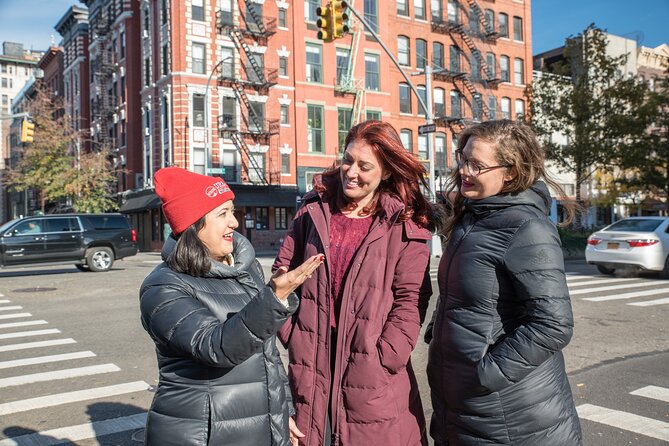
Greenwich Village has always been described with a string of famous names. This tour does that, but it also spends time on the less famous creative energy—the everyday people who helped build the scene.
As you head out from Washington Square, your guide explains the neighborhood’s cultural importance as a place where art and counterculture could flourish. You’ll hear stories that range from well-known residents to fringe history: street buskers, painters, and writers who may not be household names but were part of the same creative engine. The tour doesn’t treat them like footnotes. It gives you a sense of how “scene” forms—by repetition, by community, and by the willingness to try things in public.
This is where the private format matters. In the reviews, the guide—often Jessie Fahey—comes up repeatedly for being warm, funny, and packed with detail. That shows up in how the tour feels: not like a lecture, but like a conversation you can follow while walking. And when you want recommendations, she’s the type to point you toward what to try next.
One practical note: you might catch a live street performer. The tour description hints that you could see a local busker mid-walk. If that happens, keep some cash handy, or be ready for the option to follow them online if you want.
Why NYU and gentrification change the story you see on the street
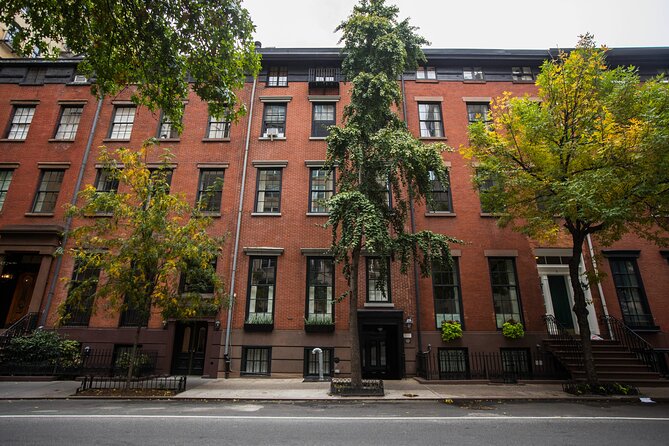
A neighborhood walk becomes real when it tackles change. This tour doesn’t avoid the modern forces shaping the Village—especially the influence of New York University and the pressures that come with gentrification.
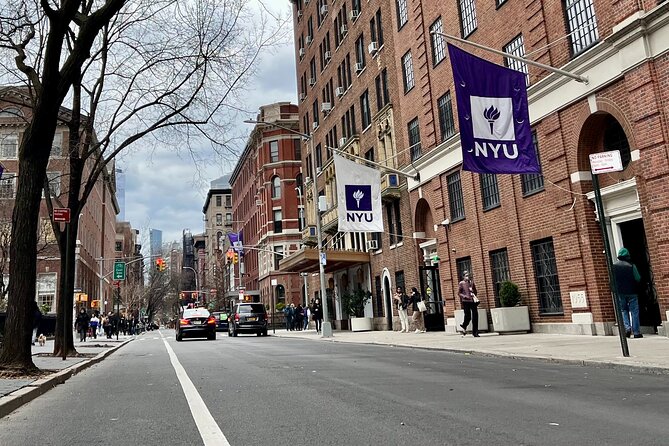
You’ll hear how the area transformed over time and what that means for preserving the neighborhood’s history. That’s not just abstract. It’s tied directly to what you’re walking through: blocks that feel charming today, but also carry the tension of old identities getting reshaped by new institutions and rising costs.
This segment is worth your attention if you care about cities as living things, not frozen postcards. You’ll come away with a clearer lens for understanding why the Village attracts visitors in the first place—and why it’s also hard for some of the original character to survive unchanged.
There’s a subtle bonus here too: it helps you interpret the neighborhood as you keep exploring after the tour. You’ll spot buildings, street corners, and institutions with more context, instead of treating them like scenery.
The Stonewall Inn finish: 1959 riots and the LGBTQ fight for visibility
The tour ends at one of the neighborhood’s most significant landmarks: the Stonewall Inn. This isn’t a random stop at a famous address. The tour guide leads you through the events leading up to the 1959 riots and explains the impact those riots had on the gay liberation movement.
If you only know Stonewall as a headline, you’ll likely leave with better sequencing and clearer cause-and-effect. The most valuable part of this kind of stop is that you’re not just standing in front of a symbol. You’re building a story with steps, pressures, and outcomes—right there in the place where people fought for safety and visibility.
And the tour encourages a thoughtful next move. After the walk, you can stop in for a drink and support the location as a safe place for the LGBTQ community. Food and drinks aren’t included in the tour price, but this is the one moment where the “what to do next” advice feels especially aligned with the theme.
Pass-by venues: comedy and music history in the Village air
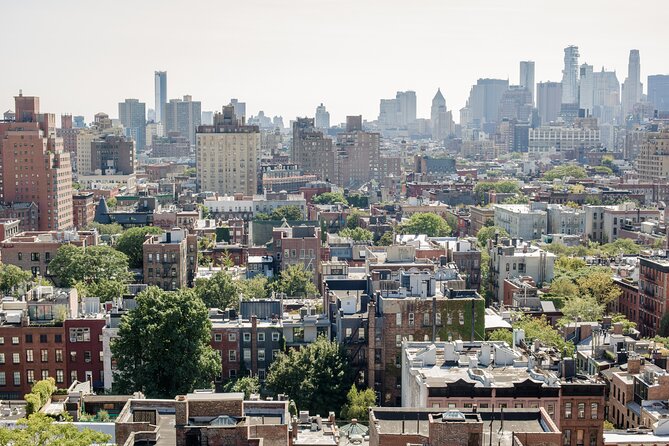
Even though the walk is only about three hours, it squeezes in several major cultural corridors. Two of the most fun parts are the pass-by stops tied to comedy and music careers.
You can also read our reviews of more city tours in New York City






The comedy club connection
You’ll pass a legendary Manhattan comedy club where many top comedians got their start, including Jon Stewart, Robin Williams, and Patton Oswalt. You don’t need a background in stand-up to enjoy this. It’s more about seeing how the Village acted as an early training ground—where people sharpened timing, tested material, and built an audience.
If comedy is your thing, this part adds a “wait, I’ve been here before” feeling when you recognize the building type and the sidewalk culture. And if comedy isn’t your thing, it still gives the tour another angle: creative output isn’t only visual art or songwriting. It’s performance, trial, and community.
The music club connection
You’ll also pass a historic Greenwich Village music club where musicians like Bob Dylan, Jimi Hendrix, and Joan Rivers performed early. This helps tie the Village’s artistic legacy together across genres, which is exactly what makes the whole tour feel like one coherent story.
The best practical way to use these pass-by stops is to remember: you’re walking through infrastructure. Venues don’t just host talent; they shape careers by giving people a place to start. You’ll leave understanding the Village as a network, not a single street.
What a 3-hour private pace really feels like
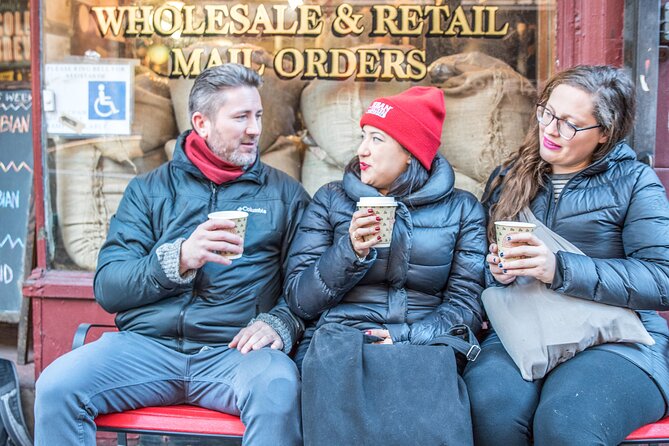
This tour lasts about 3 hours and starts at 11:00 am. It’s private, with your group only—up to 12 people. That group size matters more than you might think. In a place like Greenwich Village, crowds can make a short walk feel long. A smaller private group keeps the storytelling intact and gives the guide space to stop, point, and explain.
Also, you’ll likely appreciate the pacing. The reviews highlight that the walk doesn’t feel like nonstop trudging, and that you see a lot without a punishing route. This tour is built for people who want history plus comfort—tree-lined blocks, interesting corners, and time to absorb what you’re hearing.
Transportation is another simple win: the meeting area is near public transportation, and the guide is local English speaking. Service animals are allowed too, and most travelers can participate.
What you should plan for: comfy shoes. You’re in a walking tour, and the whole point is street-level context. If you’re arriving from a long day of subway hopping, give yourself a moment to stretch before the start time.
Price and value for a group up to 12
The price is $320 per group (up to 12). That can sound steep until you do the math the way you’d do it for a private guide in a major city.
If you’re traveling as a couple or small group, you’ll feel the cost more. But if you’re splitting among several people, the price becomes easier to justify—especially because you’re getting a private guide experience with a clear route, specific landmark stops, and high-quality storytelling.
There’s also good value baked in with what’s included:
- A local English speaking guide
- Admission ticket listed as free for the tour portion
- Mobile ticket
And what’s not included is straightforward: food and drink, souvenirs, and tips/gratuities for the guide. Since the tour itself isn’t trying to package meals, you get flexibility to pick your own vibe after the walk—whether you want something casual near Washington Square or a more focused stop near Stonewall.
My practical take: this is a good buy if you want an informed guide to connect dots—Native American settlement to Little Africa, creative counterculture to present-day pressures, and then Stonewall’s activism to today’s LGBTQ community.
Who should book this Greenwich Village private walk
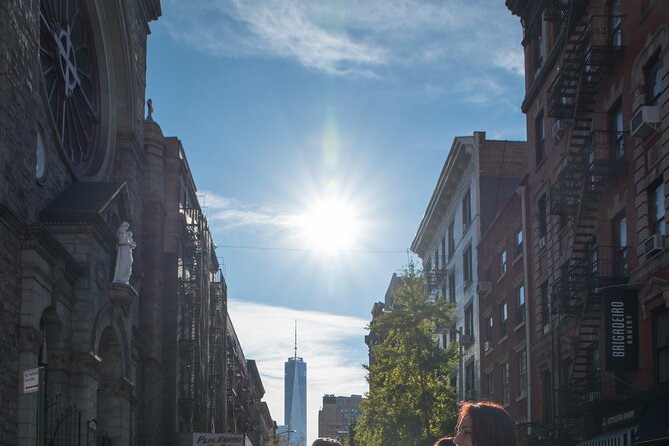
This tour fits best if you want:
- a story-driven neighborhood walk (not just a checklist)
- strong guide energy and lots of context
- landmark stops that matter, like Stonewall Inn
- extra cultural stops connected to comedy and music careers
It also works well for people who already know New York but want sharper detail. The guide’s style is repeatedly described as warm, witty, energetic, and deeply informed, and that kind of guiding can turn familiar streets into something new again.
If you’re traveling with a group—friends, a networking outing, or family members who appreciate different aspects of culture—you’ll likely enjoy the private format. Everyone can ask questions without being lost in a big crowd.
Should you book this tour
Yes, if you want a three-hour Greenwich Village experience with real stops and strong interpretation. Starting at Washington Square Park gives you context fast. Ending at Stonewall Inn gives the walk meaning. And the comedy and music pass-by venues keep it fun, especially if you’re into how early stages shape big careers.
I’d pass only if you’re searching for a food-focused tour, a ticketed attraction route with lots of indoor stops, or something that includes drinks as part of the package. This is a walking history experience, with recommendations woven in—then you choose what to do next.
FAQ
How long is the Greenwich Village private walking tour?
The tour lasts about 3 hours.
Where does the tour start and what time does it begin?
It starts at 29 Washington Square W, New York, NY 10011, USA, at 11:00 am.
Where does the tour end?
The tour ends back at the meeting point.
Is this tour private?
Yes. It’s a private tour/activity, and only your group participates.
How many people are included in a group?
The price is per group for up to 12 people.
What’s included in the price?
A local English speaking guide is included. Admission ticket is listed as free for the tour.
What’s not included?
Food and drink, souvenirs, and tips/gratuities for the guide are not included.
Will I need a printed ticket?
No. You’ll receive a mobile ticket.
Is it easy to reach the meeting point?
The meeting point is near public transportation.
Are service animals allowed?
Yes, service animals are allowed.
What’s the cancellation rule?
You can cancel for free up to 24 hours in advance for a full refund. If you cancel less than 24 hours before the start time, the amount paid is not refunded.