REVIEW · NEW YORK CITY
Journey Park NYC
Book on Viator →Operated by Journey Park Nyc · Bookable on Viator
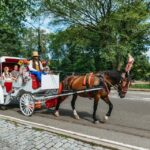
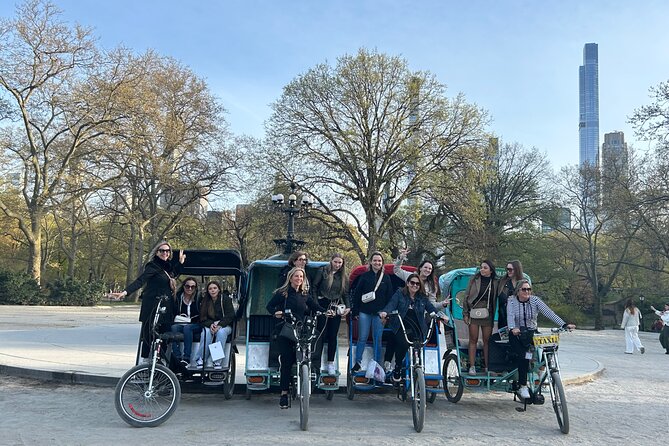
Pedicabs turn Central Park into a quick highlight reel. This private ride brings you to the park’s big-name landmarks, plus lots of movie filming spots, with an expert guide who keeps things moving without the usual walking grind. I like that you cover real ground fast, yet still get time to step out, take photos, and regroup; I also like how guides help you connect what you see to the stories behind it (and yes, movie scenes come up a lot). The only drawback: many stops are short, so you’ll want extra time in Central Park if you love lingering.
The price is modest for a guided private pedicab, and the setup is easy to plan around: you start at 57 W 57th St and the tour ends back there. In colder months, warm blankets help you stay comfortable, and a mobile ticket keeps things simple. You’ll likely get a friendly, safe ride too—guides such as Jafar and Mirzotohir are specifically praised for clear English and upbeat energy.
In This Review
- Key points before you go
- Private pedicab comfort: seeing Central Park without the slog
- Price and value for $32 per person
- Where you’ll start on 57 W 57th St
- The expert guide factor: safety, English, and real stories
- Central Park Carousel and Chess & Checkers House: classic stops that kids (and adults) love
- Wollman Rink and Gapstow Bridge: movie frames meet real views
- Central Park Zoo, Balto Statue, and the kind of wildlife photos you can plan for
- The Mall and Rumsey Playfield: strolling space and live-event energy
- Conservatory Water and Central Park Boathouse: calm water breaks in the middle of it all
- Bethesda Terrace, Cherry Hill, and the Lake: the postcard core of Central Park
- Bow Bridge and Strawberry Fields: iconic angles plus a peace-themed memorial
- The Dakota, Sheep Meadow, Tavern on the Green, and Heckscher Playground
- Alice in Wonderland Statue, Pinebank Arch, and Cleopatra’s Needle: whimsy meets monumental
- The Met and Jacqueline Kennedy Onassis Reservoir: culture and skyline views
- Belvedere Castle: a strong finish with views and a weather-station twist
- Should you book Journey Park NYC?
- FAQ
- How long is the Central Park pedicab tour?
- Is this a private tour?
- What language is the tour offered in?
- What’s included in the price?
- Is pickup or drop-off included?
- Where do we meet, and where does it end?
- Do I get a mobile ticket?
- Is the tour okay with service animals?
- Does this tour run in any weather?
- Can I cancel and get a refund?
Key points before you go
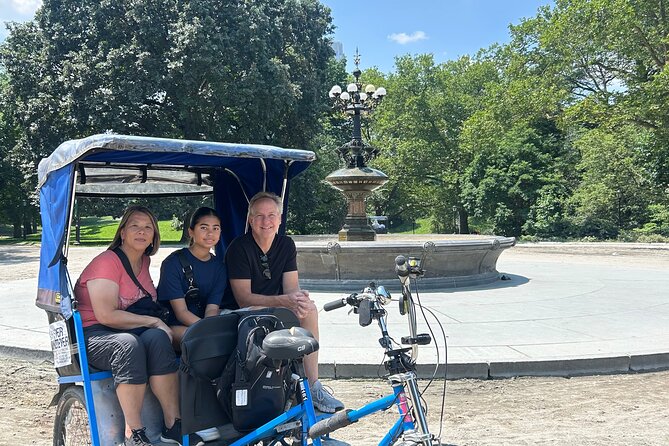
- Private pedicab speed: you get more Central Park in less time than walking.
- Movie-location context: expect stories that connect landmarks to what you’ve seen on screen.
- Iconic classics, not random stops: think Bethesda Terrace, Bow Bridge, Strawberry Fields, and more.
- Photo-friendly pacing: multiple chances to step out, look around, and take pictures.
- Winter comfort: warm blankets are included.
Private pedicab comfort: seeing Central Park without the slog
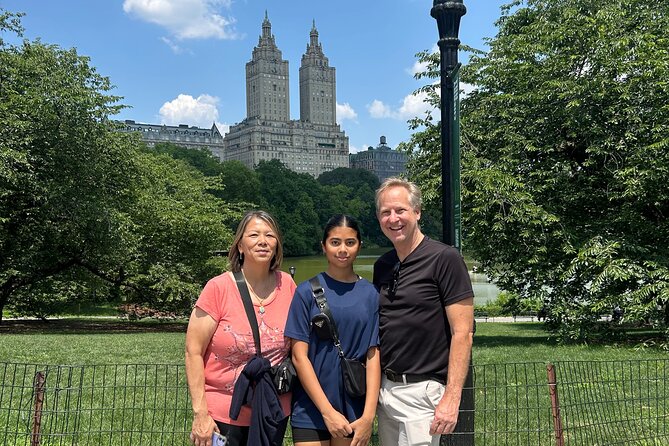
Central Park is huge, and even “just the highlights” can mean a lot of legs. This tour’s main idea is simple: use a pedicab so you’re not burning your energy climbing hills, crossing crowds, or getting stuck in slow-moving walking routes. You still get breaks—so it doesn’t feel like you’re trapped on a vehicle the whole time.
Because it’s private, the pace can feel tailored to your group. That matters for families with strollers (if you’re traveling that way), couples who want a calm rhythm, and anyone who just doesn’t want to turn Central Park into a gym session.
You can also read our reviews of more tours and experiences in New York City.



Price and value for $32 per person
At $32 per person, the value comes from what you’re buying: a guided plan plus efficient transportation inside the park. If you were to do the same stops on your own, you’d spend extra time figuring out routing, negotiating “where do we meet,” and walking between far-apart sights.
Duration runs about 1 to 3 hours, which is a big deal for a first-time New Yorker-style day. You can use it as a fast orientation (great on day one) or as a “second pass” if you’ve already walked parts of the park and want the remaining highlights with stories attached.
Where you’ll start on 57 W 57th St
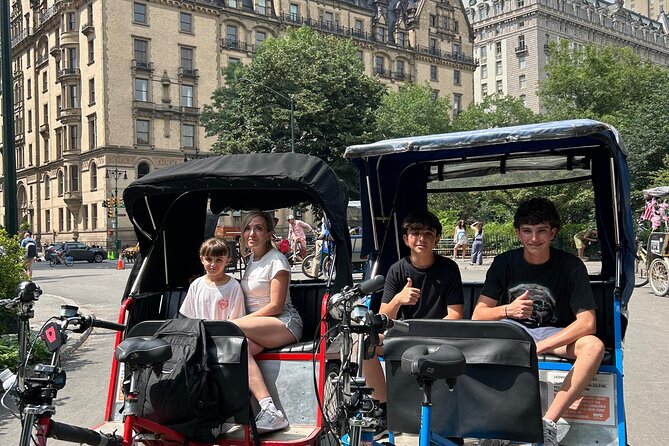
Your tour meets at 57 W 57th St, New York, NY 10019, and it ends back at the same spot. That makes planning easier, especially if you’re staying near Midtown or you want to pair the tour with museums, shopping, or an early dinner nearby.
One practical note from real-world experiences: the exact meeting spot can be a little confusing because the address sits near large buildings. If the area looks quiet or no one is waving a flag, don’t panic—connect with the operator so your guide can locate you. A smooth start usually depends on you confirming you’re in the right spot before you get hungry.
The expert guide factor: safety, English, and real stories
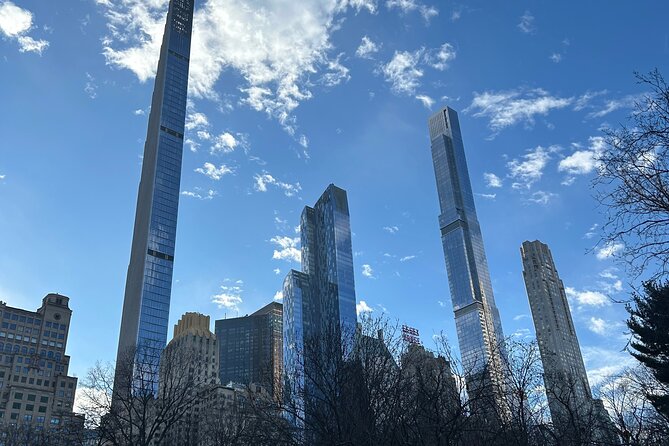
A big reason this tour earns top marks is the guide experience. Recent tours highlight guides who drive confidently, speak clear English, and answer questions in a way that actually helps you understand what you’re seeing.
Guides like Jafar are praised for being friendly, safe, and great at picking strong photo viewpoints. Another guide, Mirzotohir, gets kudos for making good use of rainy conditions by still pointing out key sites and taking time for exploration. That’s the kind of flexibility you want in Central Park, because weather and crowds can change the vibe fast.
Central Park Carousel and Chess & Checkers House: classic stops that kids (and adults) love

You start with family-friendly landmarks that have real character. The Central Park Carousel (built in 1908) is one of the park’s best-known historic attractions, with 57 hand-carved horses and two chariots. Even if you don’t ride, it’s a fun moment to spot the craftsmanship and feel the park’s older, slower rhythm.
Next is the Chess & Checkers House, built in 1952, where you can take a breather and see how Central Park supports everyday community life. It’s set up around 24 game tables and shaded by a wooden trellis, so it’s a practical “pause button” in the middle of a busy sightseeing route.
If you want a tour that feels more like a guided stroll through places locals actually stop, these two stops do that well.



Wollman Rink and Gapstow Bridge: movie frames meet real views
From there, the tour leans into Central Park’s film-friendly angles. Wollman Rink is a public ice rink that runs from late October to early April, and it’s been featured in movies like Serendipity and Home Alone 2. If you’re visiting outside rink season, you can still enjoy the setting and the way the area photos well.
Then comes Gapstow Bridge, a stone bridge known for its vine-covered, rustic look. It’s been used in Home Alone 2 and Gossip Girl, so your guide can point out why it shows up on screen—because the composition works even when you’re standing still.
Best practical move: treat these stops as quick “look and learn” moments. Walk a little, snap photos, then re-board so you don’t lose your momentum for the big centerpieces.
Central Park Zoo, Balto Statue, and the kind of wildlife photos you can plan for
The Central Park Zoo is included as a stop area, and it’s a manageable size at about 6.5 acres. The tour route highlights animals such as penguins, sea lions, and snow leopards, and it’s also connected to movies like Madagascar and Mr. Popper’s Penguins.
Near the zoo you’ll also see the Balto Statue, honoring the sled dog Balto and the 1925 diphtheria serum delivery to Nome, Alaska. It’s one of those stops that makes Central Park feel less like a park and more like a timeline of American stories.
Photo tip: if you’re hunting for clear pictures, look for moments when families are clustering inside the zoo entrances or when people move past the statue. Your guide can often help you time those quick stops without turning it into a stress test.
The Mall and Rumsey Playfield: strolling space and live-event energy
The Mall is a long, tree-lined promenade designed by Frederick Law Olmsted and Calvert Vaux. Rows of American elm trees create a classic “walkway cathedral” feeling, and the area is known for strolling, people-watching, and street performances. It’s also featured in Made in Manhattan, so this is another stop where the guide can connect the visual style to what you’ve seen before.
Rumsey Playfield adds contrast. It was originally designed as a restaurant in the 1920s, but it now serves as an outdoor recreation area with a playground and SummerStage performances through the year. Even if you don’t catch a show, it’s a good “breather” part of the route because the space reads as fun and open.
Conservatory Water and Central Park Boathouse: calm water breaks in the middle of it all
Conservatory Water—often called the Model Boat Pond—is one of Central Park’s quieter stretches. It’s known for miniature sailboats, and it’s also close to statues of Alice in Wonderland and Hans Christian Andersen. In winter, the pond freezes and becomes a popular ice skating area, so the same spot changes personality across seasons.
A short ride later, you reach the Central Park Boathouse. The current boathouse opened in 1956 (with the original opening dating back to 1874), and it’s a restaurant and event venue with beautiful views over the water. It’s also a filming location, which helps explain why it looks so “movie-set perfect” in photos.
If you like water views, this is a great part of the tour to slow your breathing and put your phone down for a second. You’ll get that rare Central Park feeling of space and quiet—without walking across half the park.
Bethesda Terrace, Cherry Hill, and the Lake: the postcard core of Central Park
This is where the tour starts stacking up the most recognizable images.
Bethesda Terrace is tied to Bethesda Fountain and the Angel of the Waters statue, a symbol of healing and renewal. The terrace itself sits as a two-level platform overlooking the fountain, and it’s one of those spots where you’ll instantly see why Central Park became a magnet for artists and filmmakers.
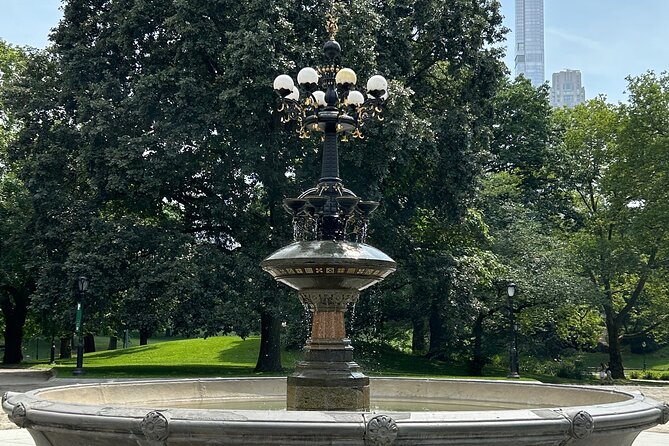
Then you’ll head to Cherry Hill, just west of Bethesda Fountain. The fountain there began as a watering trough for horses in the 1860s and later became a scenic circular plaza. It’s a small stop, but it gives you a break from the biggest flows of the park.
The Lake in Central Park connects the experience too. It’s about 20 acres and often described as a central focus point of the park’s layout. Depending on the season, you’ll also see how rowboats are part of the experience via the Loeb Boathouse area.
Bow Bridge and Strawberry Fields: iconic angles plus a peace-themed memorial
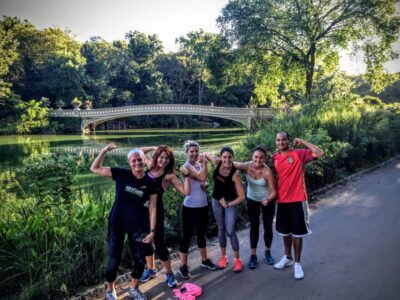
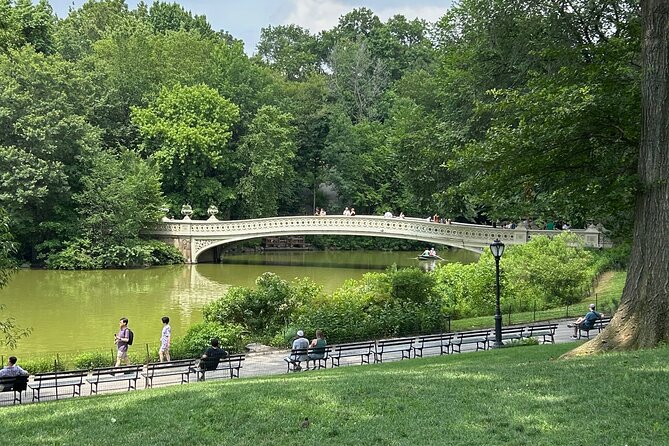
Bow Bridge is one of the park’s signature sights: a cast-iron bridge completed in 1862, spanning across the lake. If you like classic city-meets-nature visuals, this is one of your easiest photo hits.
Next is Strawberry Fields, a 2.5-acre section dedicated to John Lennon. It’s named for the Beatles song and features a memorial with flowers and trees plus the iconic Imagine mosaic. This stop works well even if you aren’t a hardcore Beatles fan, because it’s peaceful and visually clear.
If your group includes music fans or anyone who loves meaningful public art, this is usually a favorite portion of the ride.
The Dakota, Sheep Meadow, Tavern on the Green, and Heckscher Playground
Not every stop is inside the park proper. Along the way, you’ll see buildings and edges that define the surrounding neighborhoods.
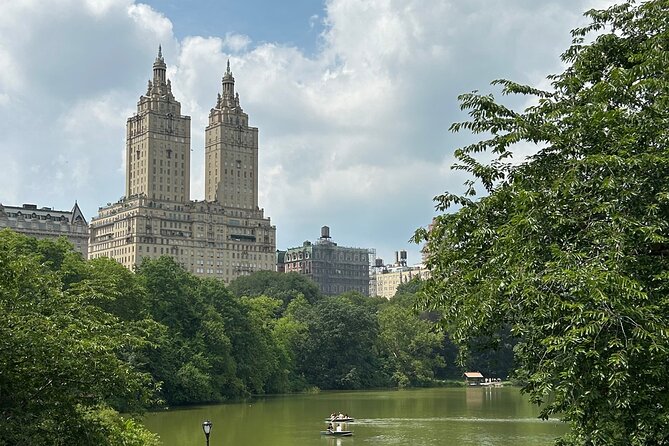
The Dakota is a standout—famous as John Lennon’s residence and tied to the 1980 tragedy outside its entrance. The building is built between 1880 and 1884 and designed in Victorian Gothic style, which helps explain its “straight from a history book” look.
Sheep Meadow is the big open-sky break in the southern part of the park. It’s known for picnicking and sunbathing, plus skyline views that feel extra cinematic in the right light.
Tavern on the Green is also part of this route. The building started as a sheepfold in 1870, became a restaurant in 1934, and reopened in 2014 after renovations. It’s often chosen for its atmosphere and outdoor seating facing the park.
Heckscher Playground rounds out the family-friendly energy. Opened in 1926, it’s the oldest and largest playground in Central Park and includes swings, slides, and climbing structures. It’s named after August Heckscher, who funded its construction.
Alice in Wonderland Statue, Pinebank Arch, and Cleopatra’s Needle: whimsy meets monumental
As the tour moves through more sights, you’ll notice Central Park’s unusual mix—whimsical sculptures next to big historical monuments.
You’ll see the Alice in Wonderland Statue, a bronze sculpture from 1959 gifted by George Delacorte and designed by Jose de Creeft. It shows Alice sitting on a mushroom with characters like the Cheshire Cat and the White Rabbit.
Pinebank Arch is more “quiet photo moment.” It’s a stone arch built to blend into the natural surroundings and is an easy place to step out, frame a shot, and reset.
Then comes Cleopatra’s Needle, a 69-foot red granite obelisk originally from Heliopolis, Egypt, and placed in Central Park after it was gifted to the U.S. in 1881. It’s one of three similar obelisks still standing today (with counterparts in London and Paris), and it helps you feel the scale of Central Park in a city context.
The Met and Jacqueline Kennedy Onassis Reservoir: culture and skyline views
The route also includes the Metropolitan Museum of Art area, often called the Met. It’s one of the largest art museums in the world, with collections spanning more than 5,000 years. The museum’s grand architecture and the steps in front are iconic and frequently used in filming, so this stop often feels like a “big New York” moment.
Next is the Jacqueline Kennedy Onassis Reservoir, a large 106-acre water body originally built between 1858 and 1862 as part of the city’s water supply system. Today, it’s a calm place for walking and jogging with great views of the park and Manhattan skyline. The name connects to Jacqueline Kennedy Onassis, who helped raise funds for restoration in the 1990s.
Belvedere Castle: a strong finish with views and a weather-station twist
The ride closes with Belvedere Castle, designed by Calvert Vaux and Jacob Wrey Mould in 1867. It was originally conceived as a folly, but it later became more functional with an observation deck and exhibit rooms. Since 1919, it has also served as an official weather station for Central Park.
This ending is smart because it gives you height and perspective. After all the bridges and statues, you get a clear “what I just saw” bird’s-eye feeling.
Should you book Journey Park NYC?
Book it if you want a fast, guided way to hit Central Park highlights with stories and photo breaks. It’s especially worth it if your time is tight, you don’t love long walking days, or your group includes people who want variety—classic landmarks, family stops, and movie-location context.
Skip it (or plan extra time) if you want long, uninterrupted time at just a few places, or if your group prefers self-paced wandering. Because the tour is built around comfort and coverage, it’s not designed to turn every stop into an hour-long adventure.
If you’re visiting for the first time, this is a practical way to get your bearings fast, see the park’s best-known icons, and leave with a clearer mental map of Central Park’s layout.
FAQ
How long is the Central Park pedicab tour?
It runs about 1 to 3 hours, depending on the pace and how long you spend at each stop.
Is this a private tour?
Yes. It’s private, so only your group participates.
What language is the tour offered in?
The experience is offered in English.
What’s included in the price?
You get a fully guided experience, a private and comfortable pedicab, multiple scenic stops with photo chances, and warm blankets in winter.
Is pickup or drop-off included?
No. Pickup and drop-off are not included.
Where do we meet, and where does it end?
You meet at 57 W 57th St, New York, NY 10019. The tour ends back at the same meeting point.
Do I get a mobile ticket?
Yes. You’ll have a mobile ticket, and confirmation is received at the time of booking.
Is the tour okay with service animals?
Service animals are allowed.
Does this tour run in any weather?
It requires good weather. If it’s canceled due to poor weather, you’ll be offered a different date or a full refund.
Can I cancel and get a refund?
Yes. Free cancellation is available up to 24 hours in advance for a full refund.