REVIEW · NEW YORK CITY
Radical & Weird History Bike Tour of New York City
Book on Viator →Operated by Freewheelin' Bike Tours · Bookable on Viator
Manhattan reads like a weird history comic. This 4 to 5 hour bike tour of New York City strings together iconic sights with the unexpected stories behind them, from Ghostbusters to Central Park. I love how the guide handles the logistics so you can just pedal and take in the no-navigation Manhattan view.
Two other things I really like: the tour is customized to your group’s interests, and the stops mix lighter moments with more serious ones so it never feels like a single-note lecture. One consideration: you’ll want moderate fitness, since you’re riding for several hours and moving between neighborhoods.
In This Review
- Key highlights at a glance
- A ride that flips between comedy, grief, and clean water
- Getting rolling: 79 Chambers St and a small-group pace
- How the guide handles Manhattan so you don’t have to
- Stop-by-stop: the stories behind each ride break
- Ghostbusters HQ, 1984 vibes—and a real fire station
- National 9/11 Memorial & Museum area: fountains and rebuilding context
- Lower East Side: immigrant tenements and quick food options
- Streecha: a volunteer-run Ukrainian cantina in a basement
- NYC AIDS Memorial: queer liberation and the medical stigma that slowed cures
- A one-block strip of karaoke, street food, and boba
- Garment District: clothing manufacturing and the darker side of fashion
- The most colourfully named neighborhood and NYC’s most popular bike lane
- Strawberry Fields, John Lennon Memorial: across from the Dakota
- Bethesda Terrace: a monument about clean water access for all
- Value and timing: what you’re really paying for
- Who should book this bike tour (and who might not)
- Should you book Radical & Weird History Bike Tour of New York City?
- FAQ
- How long is the Radical & Weird History Bike Tour of New York City?
- Where does the tour start and end?
- What’s the group size limit?
- What kind of fitness level do I need?
- Are admissions included for the stops listed?
- What topics does the tour cover?
- Is the tour language English?
- What happens if weather is bad?
Key highlights at a glance
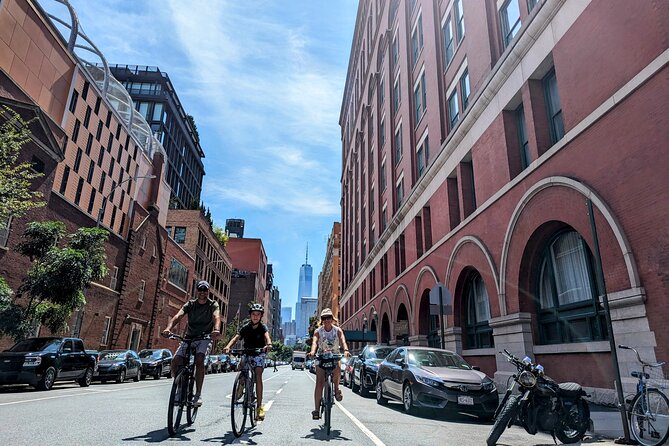
- Ghostbusters HQ + an active fire station, right in the middle of real neighborhood life
- 9/11 Memorial & Museum area focus, including what the fountains mean and how the new World Trade Center came together
- Lower East Side immigrant stories, with quick options like a historic bagel bakery or Chinese dumplings
- Streecha Ukrainian cantina in an apartment basement, volunteer-run and delightfully specific
- Gay liberation and AIDS memorial context in Greenwich Village, handled with care
- Small group size (up to 8) means the guide can actually steer to what you care about
A ride that flips between comedy, grief, and clean water
This is not your standard big-bus sightseeing loop. The whole idea is “radical and weird history” in motion: one part pop-culture (Ghostbusters), one part civic memory (9/11), and one part community history (queer liberation and AIDS research). Then you end in Central Park at Strawberry Fields and Bethesda Terrace, where the tone shifts from urban edge to reflective calm.
That tonal swing is a feature, not a bug. You get laughs and pop references, but you also get the why behind the places. And the tour doesn’t treat you like a passive audience. The guide adjusts stop choices based on what the group wants to lean into—so if your crew prefers food stops, you’ll likely get more attention there; if you want more politics or culture, you can steer it.
Also, the tour mentions time travel as part of the experience length. That’s a fun way to say the guide connects past and present as you ride. You’re not just looking at buildings; you’re learning how the neighborhood became what it is now.
You can also read our reviews of more cycling tours in New York City



Getting rolling: 79 Chambers St and a small-group pace
The meeting point is 79 Chambers St, New York, NY 10007, and the tour is set up to end back there. The start time listed is 11:30 am, and you’ll find plenty of other start times offered as well, which helps if you’re juggling other NYC plans.
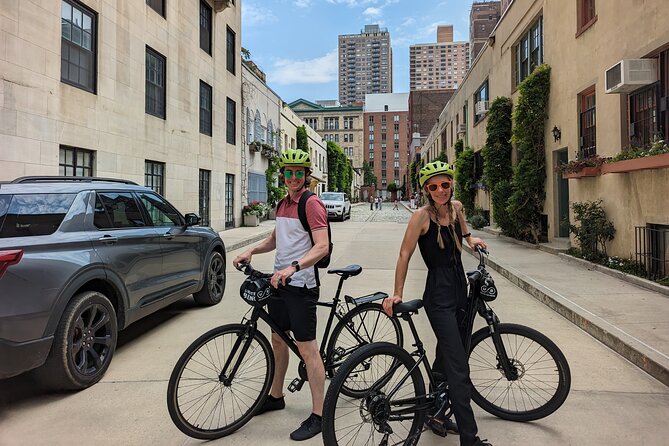
The group size cap is 8 travelers. That matters more than you’d think. With a small group, the guide can keep an eye on you, adjust pacing, and make quick decisions about which stop option fits the energy of the group that day. It also makes it less stressful if you’re not a hardcore NYC cyclist.
The tour requires good weather. That’s normal for biking, but it’s still something to plan around. If it’s a rain-or-shine itinerary day, you’ll want to dress like you’re in the street, not like you’re going to an art museum: layers, water-resistant outer layer if needed, and gear that can handle wind.
Finally, it’s designed for travelers with moderate physical fitness. If you’re comfortable cycling for a few hours and handling stops and starts, you’ll be in the sweet spot.
How the guide handles Manhattan so you don’t have to
The best compliment you can give a city bike tour is: I didn’t have to think about where to go. This one is built that way. You see a lot of Manhattan in one ride, and you’re not spending mental energy on routing.
A huge part of that ease comes from the guide’s knowledge and guidance. In the reviews, the guide name that comes up is Robbie, and the consistent theme is his friendly, responsive style. He doesn’t just recite facts. He shares commentary across historical, cultural, and political angles, and he adjusts to what the group is interested in. That flexibility is what keeps a “weird history” tour from turning into chaos.
So what should you expect as a rider? Quick rides between short stops, then time to hear the story and look around. Many stops list free admission or no ticket requirement, which helps keep you from losing the ride’s momentum to paperwork and lines.
If you’re the type who likes getting your bearings fast, this format is ideal. You’ll spend your effort on watching the streets and absorbing context, not on trying to read a map while traffic hums around you.
Stop-by-stop: the stories behind each ride break
Below is the rhythm of the tour: a sequence of short visits where you get enough context to understand what you’re seeing, plus quick options where snacks or food culture can fit.
Ghostbusters HQ, 1984 vibes—and a real fire station
You start with a playful anchor: the Ghostbusters HQ from the original 1984 film, which is also an active fire station. It’s a great opener because it immediately tells you the tour’s tone—pop culture is welcome here, but it’s not the whole story.
What makes this stop work is the contrast. You’re standing in a recognizable film location, but it’s also tied to a functioning civic role. The guide can riff on why certain pop-culture images stick in people’s minds, while the street-level reality keeps it grounded.
Possible drawback: if you’re not a Ghostbusters fan, you may find the pop-culture portion less personal. Still, even then, it’s an easy way to start talking about how media and city life overlap.
You can also read our reviews of more city tours in New York City




National 9/11 Memorial & Museum area: fountains and rebuilding context
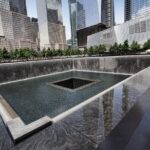
Next up: the National 9/11 Memorial & Museum area. You’ll see the memorial fountains and learn about how the new World Trade Center buildings came to be.
This is one of the stops with built-in emotional weight. The value here isn’t just seeing the site—it’s understanding the sequence of decisions and rebuilding that followed. You’ll get a sense of how the memorial design and the later construction connect, so you leave with more than a photo.
This stop is listed as free admission and about 5 minutes. That means it’s not a long museum day, but it can give you the key facts to appreciate what you’re looking at.
Lower East Side: immigrant tenements and quick food options
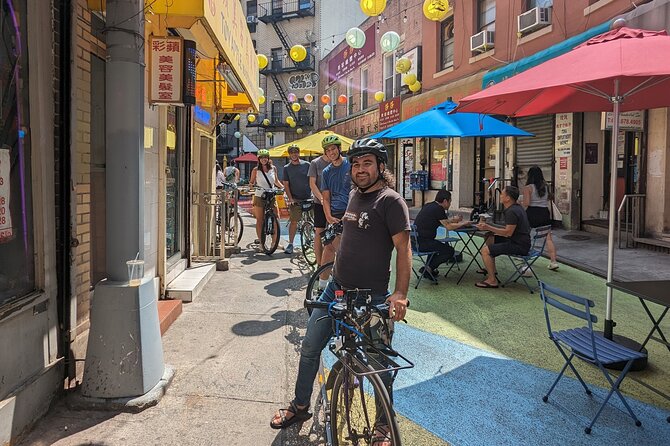
Then you head to the Lower East Side, where the focus is on the immigrant groups who lived in the tightly packed tenement buildings nearby. The tour gives you a detailed narrative for a place that many people drive through without really noticing how dense and layered it is.
One reason I like this stop: it comes with food culture options. You can choose to stop for something like a historic bagel bakery or Chinese dumplings, depending on your group’s tastes. That makes the history feel less like homework and more like a living neighborhood.
Time is about 10 minutes, and the admission is free, so you’re not stuck waiting around. You’re getting just enough to connect the street scene to the people who shaped it.
Streecha: a volunteer-run Ukrainian cantina in a basement
This is where the tour earns the weird label in the best way. You’ll visit Streecha, described as a hidden East Village stop and a volunteer-run Ukrainian cantina in the basement of an apartment building.
The setting matters. A basement cantina inside an apartment building doesn’t feel like a tourist attraction. It feels like community life—small, specific, and sustained by volunteers rather than by large-scale commercial operations.
Stop time is about 15 minutes, and admission is listed as free. That extra minute or two compared to other stops helps you actually take it in, not just glance and move on.
NYC AIDS Memorial: queer liberation and the medical stigma that slowed cures
In Greenwich Village, the tour turns serious again at the New York City Aids Memorial. You’ll learn how the neighborhood was once an enclave for the gay community, and then you’ll discuss queer liberation and how stigma in the medical community hindered research toward a cure for AIDS.
This stop can hit hard, but it also gives you something many city tours skip: the linkage between social change and medical progress. You’re not just remembering a tragedy. You’re understanding why progress was delayed and how stigma reshaped what science got funded, studied, and prioritized.
Listed time is about 7 minutes, with free admission. It’s brief, so ask yourself what you want out of it. If you like guided context and don’t need a long memorial visit, this works well. If you want a longer pause, you might want to circle back on your own afterward.
A one-block strip of karaoke, street food, and boba
Between the AIDS Memorial area and the next big neighborhood focus, the tour includes a quick stop in a one-block neighborhood known for karaoke bars, street food, and boba tea shops.
This is the “reset” moment. After a heavy topic, a lively street scene helps your brain recalibrate. It also keeps the tour from becoming all solemn stops in a row.
Because it’s only briefly described, don’t expect it to be a long food crawl. Think of it as a street-style portrait—then you roll on.
Garment District: clothing manufacturing and the darker side of fashion
Next comes the Garment District, where you’ll talk about Manhattan’s clothing manufacturers and the darker side of one of the world’s fashion capitals.
This stop is valuable because it pairs glam-adjacent imagery (fashion) with the reality of how clothing gets produced, marketed, and moved through a high-pressure system. Even if you’re not a fashion person, the tour helps you see the city as an engine with human costs.
It’s about 5 minutes, free admission, so again, it’s context in motion rather than a long documentary stop.
The most colourfully named neighborhood and NYC’s most popular bike lane
After that, the itinerary includes two more short elements:
- a neighborhood described as NYC’s most colourfully named neighborhood
- the city’s most popular bike lane
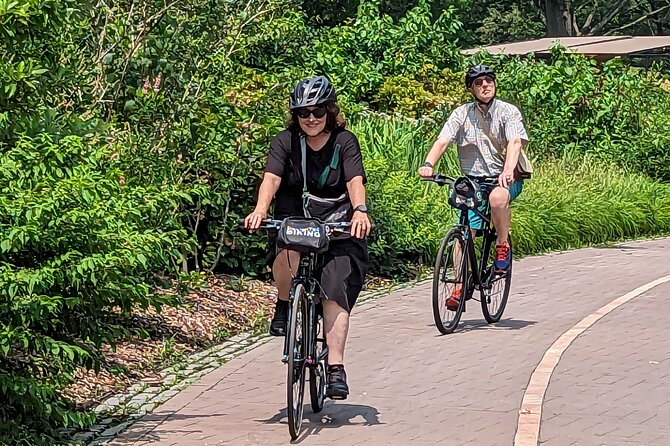
These sound like quick visual and narrative beats rather than long stops. The value is that you’ll get a sense of New York’s reputation and its cycling infrastructure, without turning the tour into a traffic-safety seminar.
If you like the feel of biking in dedicated lanes, this part can be especially satisfying.
Strawberry Fields, John Lennon Memorial: across from the Dakota
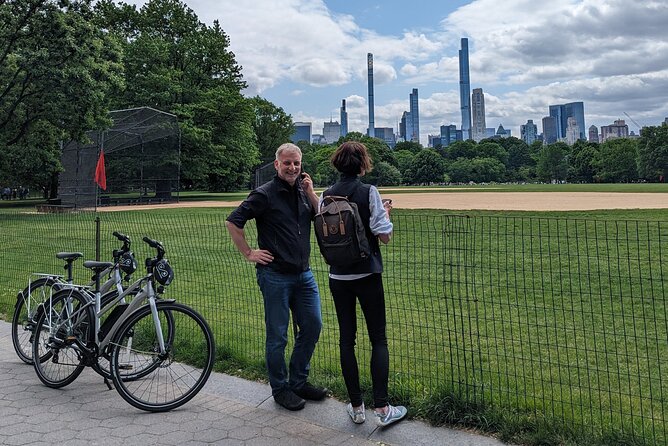
Then you land in Central Park at Strawberry Fields, the John Lennon Memorial, across the street from the Dakota apartments.
This is a classic pairing: music history plus a sense of place. The guide frames why Strawberry Fields became a lasting cultural marker and how the surrounding area echoes that fame.
Listed time is about 5 minutes, free.
Even in a short visit, this stop works because Central Park slows everything down. You’ll feel the contrast between the park and the dense city just beyond it.
Bethesda Terrace: a monument about clean water access for all
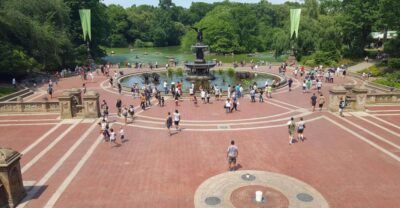
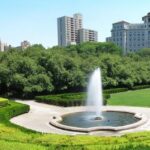
Finally, you reach Bethesda Terrace, listed as the centerpiece of Central Park. The tour highlights a monument celebrating access to clean water for all New Yorkers.
This is an interesting last lesson, because it pulls the theme back toward civic needs. In a tour that includes pop-culture and trauma, ending with water access is a grounded reminder that cities are built on shared systems—health, utilities, and public infrastructure.
Time is about 5 minutes, free.
Value and timing: what you’re really paying for
No admissions costs are listed for the stops that have details here, which makes the ride feel easier on your wallet than many guided tours. But the real value isn’t just “free entry.”
You’re paying for:
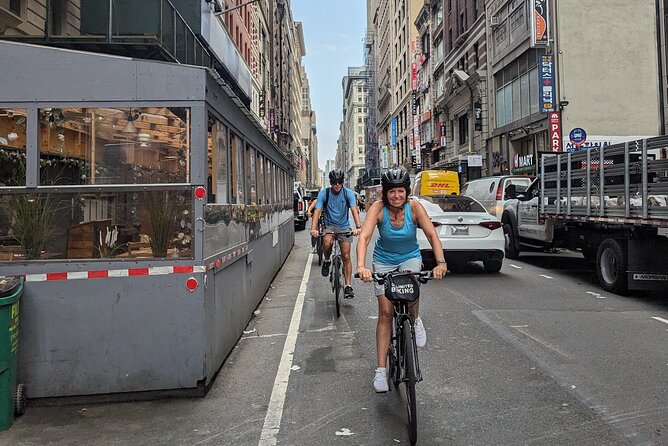
- a guide who connects distant topics in one route
- a small-group experience that doesn’t feel packed
- navigation-free biking, which saves energy and lets you focus on the streets
- custom stop options, like choosing between bagels or dumplings
The duration is 4 to 5 hours. That’s long enough to cover a meaningful chunk of Manhattan, but not so long that you feel stuck. And because it ends back at the meeting point, you don’t have to solve a final transit problem.
One smart approach if you’re short on time: treat this tour as your setup day. Get the story arcs and the “why” behind key sites now, then use your remaining hours to linger where something genuinely grabs you.
Who should book this bike tour (and who might not)
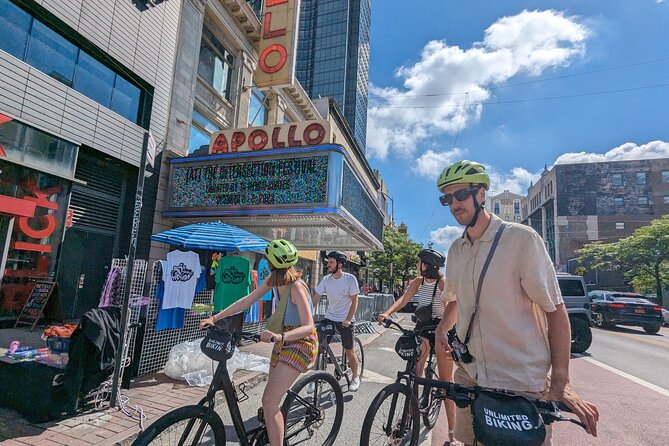
This tour is a good match if you:
- want a lot of Manhattan in one ride without route-finding stress
- like your history with a sense of humor and real-world context
- care about culture and politics, not just monuments
- enjoy small groups and a responsive guide (Robbie’s style is repeatedly described as friendly and professional)
It may be less ideal if you:
- prefer quiet, contemplative visits with minimal movement
- struggle with moderate physical activity for a multi-hour bike ride
- get uneasy with tours that switch between light topics and heavy topics quickly
If you’re traveling as a couple or a small group and you want a guided “story route,” this fits nicely.
Should you book Radical & Weird History Bike Tour of New York City?
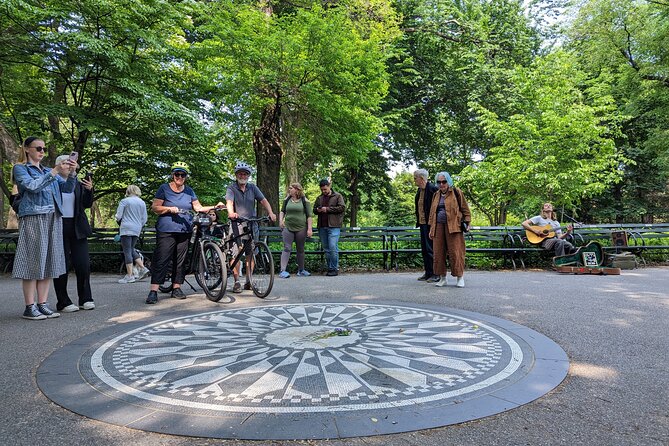
Yes, if you want New York City as a living story, not a checklist. I’d book it for the mix of Ghostbusters pop culture, 9/11 memorial context, immigrant Lower East Side narratives, and a thoughtful stop at the New York City AIDS Memorial. The Central Park finale at Strawberry Fields and Bethesda Terrace gives you a strong emotional and thematic reset.
I’d also consider booking if you like the idea of a guide adapting to your interests, instead of forcing everyone down the same track. With a group size capped at 8 and free entry at the listed stops, you’re spending your money on guidance and time, not on add-on fees.
Make sure you can handle moderate fitness and that the day’s weather is bike-friendly. If that fits, this is the kind of Manhattan experience that tends to stay with you longer than the standard highlights.
FAQ
How long is the Radical & Weird History Bike Tour of New York City?
The tour runs about 4 to 5 hours.
Where does the tour start and end?
It starts at 79 Chambers St, New York, NY 10007 and ends back at the same meeting point.
What’s the group size limit?
The tour has a maximum of 8 travelers.
What kind of fitness level do I need?
It’s listed as suitable for travelers with moderate physical fitness.
Are admissions included for the stops listed?
The itinerary notes free admission for several key stops, including the 9/11 Memorial & Museum area, Lower East Side stop options, the AIDS Memorial, and the Central Park stops.
What topics does the tour cover?
You can expect a mix of lighthearted and more serious topics, including Ghostbusters film history, 9/11 memorial context, immigrant history in the Lower East Side, Ukrainian community history at Streecha, and queer liberation and AIDS research context.
Is the tour language English?
Yes, it’s offered in English.
What happens if weather is bad?
The experience requires good weather. If it’s canceled due to poor weather, you’ll be offered a different date or a full refund.