REVIEW · NEW YORK CITY
Secrets of Grand Central Terminal and/or Penn Station – Private
Book on Viator →Operated by Region NYC · Bookable on Viator
There’s a lot more going on. In a single private outing, you’ll compare Penn Station and Grand Central Terminal in a way most visits don’t, with a guide pointing out details you’d miss on your own. I especially like the plan that starts with Penn Station’s past, then connects you to Grand Central by subway for a more “real NYC” feel. A small caution: this isn’t the best match if you struggle with stairs and lots of up-and-down walking.
I like that this is truly private, priced per group (up to 15), so your guide can steer the conversation toward what you care about, whether you’re a train nerd or just curious. The tour also leans into that fun, human side of NYC transit—lights, crowds, routes, and the way the systems work together. The one drawback to keep in mind is that it’s around major stations, so plan for crowds and some walking rather than a mostly seated experience.
In This Review
- Key Points That Make This Tour Worth Your Time
- Why Penn Station and Grand Central Make a Great Pair
- Penn Station Stop: Artifacts, Then Moynihan Train Hall
- The Subway Ride to Grand Central: Transit as Part of the Tour
- Grand Central Terminal Stop: Seeing the Terminal Like a Pro
- The Private-Group Advantage: More Attention, Better Answers
- Price and Value: What $200 Per Group Really Means
- Timing, Where It Starts, and What to Wear
- Who Should Book This Tour
- Should You Book This Private Secrets Tour?
- FAQ
- How much does the private tour cost?
- How long is the tour?
- What language is the tour offered in?
- Is this a private tour?
- Do I need to buy tickets separately?
- Will I get a mobile ticket?
- Is the meeting area near public transportation?
- What if I need to cancel?
Key Points That Make This Tour Worth Your Time

- Private group up to 15 means more attention and fewer generic facts
- Penn Station first gives you the surprise-factor: old pieces in plain sight at a modern hub
- Moynihan Train Hall focus helps you connect what you see today with how the station works now
- Subway transfer to Grand Central turns the route into part of the story, not just transportation
- Mobile ticket keeps things simple on arrival
- Guides like Rayn bring strong subway know-how, good humor, and Q&A that keeps moving
Why Penn Station and Grand Central Make a Great Pair
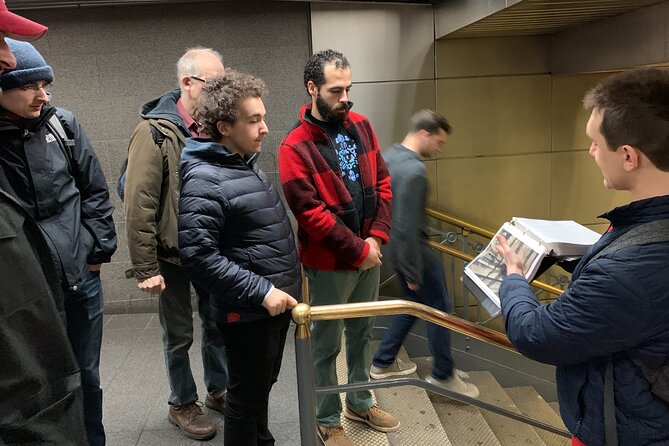
If you’ve only visited one of these stations, you’ve probably left with two separate impressions. This tour stitches them together into one narrative: what each place is, how it functions, and why the details matter. I like that the experience is built around contrasts. Penn Station feels like a system—fast, layered, and modern-day. Grand Central feels like theater—busy, iconic, and full of sightlines that reward slow looking.
The other reason this works so well is the pacing. You’re not doing a rushed “tick-the-box” tour. You get around two hours total on average (with room for up to three), and each major stop gets about an hour so you can actually absorb what your guide is pointing out.
Finally, because this is a private tour for your group, the guide can tailor the explanations on the fly. If you’re asking a lot of questions, you don’t feel like you’re holding up a giant crowd with a pre-scripted route.
You can also read our reviews of more private tours in New York City



Penn Station Stop: Artifacts, Then Moynihan Train Hall
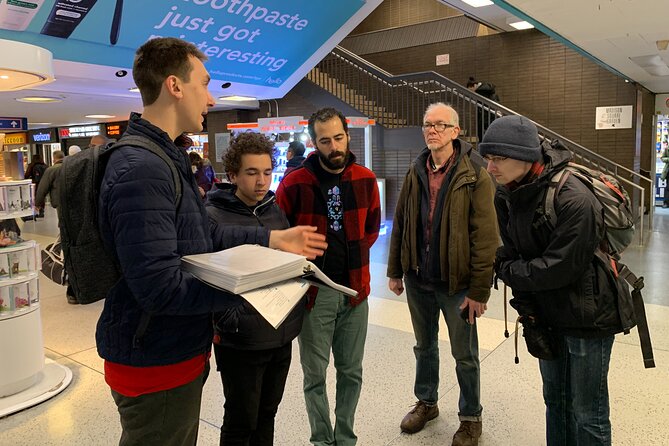
Penn Station is one of those places that looks straightforward until someone helps you read it. Here, the tour starts by showing you artifacts from the original Penn Station that are visible if you know where to look. The goal is to make the past feel tangible instead of like trivia from a museum caption.
Then comes the big “today” element: Moynihan Train Hall. Your guide helps you understand what makes it different and why the design matters for passenger flow and the overall rail experience. Even if you’re not a rail expert, the hall is one of those spots where the scale and layout click quickly once you have context.
What I find practical about this first stop is the way it sets your expectations. After Penn Station, Grand Central won’t just be another pretty terminal. You’ll be comparing how New York built for movement—where people naturally pause, where the lines form, and which design choices funnel you efficiently.
Potential downside: Penn Station is a major hub, and that means a lot of foot traffic. If you’re easily overwhelmed in busy indoor spaces, consider wearing comfortable shoes and moving at a calm pace even while the station is humming around you.
The Subway Ride to Grand Central: Transit as Part of the Tour
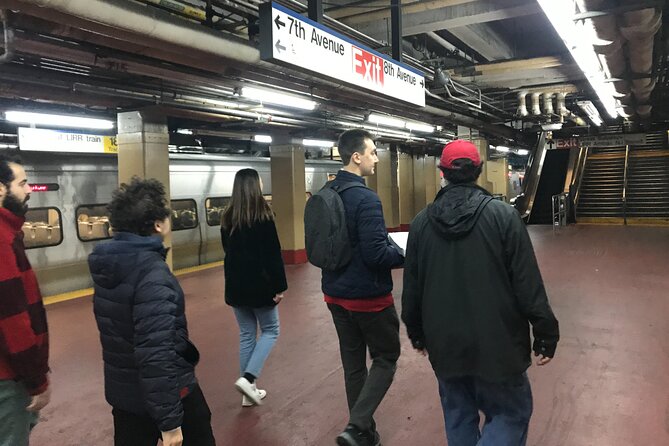
A smart choice in this itinerary is the transfer from Penn Station to Grand Central via the NYC Subway. This isn’t just a logistical detail. It’s part of the learning. By riding the subway, you get a quick lived sense of how New York connects rail networks in the real world—how people move between major transit nodes without thinking too hard about it.
This also makes the tour feel more grounded. Instead of treating the stations like isolated landmarks, you experience them as part of the same city rhythm. You’ll also likely get more useful explanations because your guide can tie what you’re seeing in transit to what you’ll see at Grand Central.
If you’ve never used the subway in New York, don’t panic. The tour format is set up so you’re with a guide, and the timing is short enough that you shouldn’t feel stranded. Just expect the usual subway realities: moving crowds, announcements, and the sense that everyone is on a mission.
Grand Central Terminal Stop: Seeing the Terminal Like a Pro
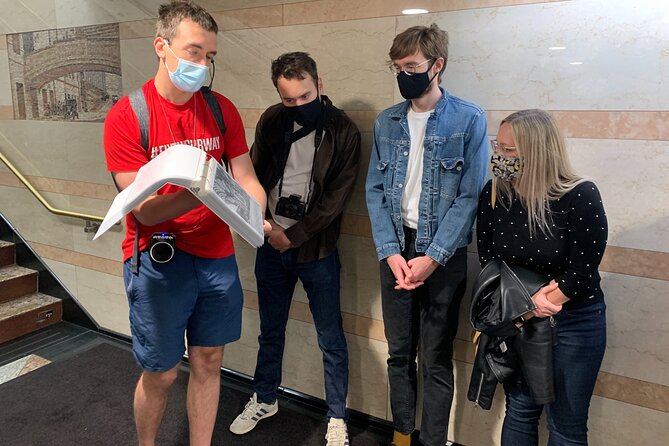
Grand Central is the kind of place where first-time visitors often stare upward, then wander, then forget they missed half the details. With this tour, you’re guided to notice features you’d likely skip. The tone is practical: you learn what you’re looking at and why it matters to how the station operates.
This stop also includes an admission ticket, so you’re not just walking by from the outside. You’ll get time to take in the station with a little structure, plus your guide’s explanations to anchor the visuals to real function.
One thing I love here is the Q&A energy. In past tours with this operator, people highlighted that the guide was flexible and happily answered questions. That kind of interaction is a real value add at Grand Central, where there’s plenty to wonder about: how areas are organized, what visitors notice first, and how the terminal’s layout contributes to the overall flow.
The other consideration: like most indoor landmarks in Midtown, Grand Central involves walking and stepping between areas. If stairs are hard for you, this may be a tough day. It’s best to match your expectations to your mobility needs.
The Private-Group Advantage: More Attention, Better Answers
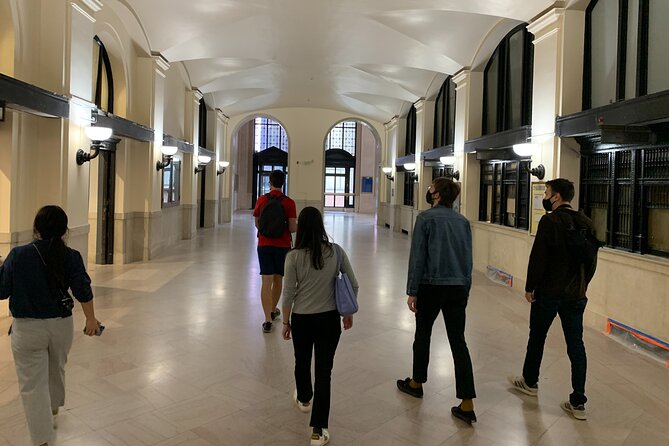
A lot of NYC tours brag about being “personal,” but this one is genuinely structured as a private tour/activity, with only your group participating. That matters because train-station questions can get surprisingly specific. You might want to know why certain areas feel designed for speed while others encourage lingering. You might ask how subway routing ties in with big terminals. Or you might just want a quick correction when something doesn’t make sense.
From the guide feedback, the standout trait is how comfortable they are answering questions. People also mention a guide named Rayn (and the name may appear as Rain in some records) who brought strong subway understanding and a fun approach, including being good with kids. That sort of guide attitude changes the vibe from lecture-y to interactive.
In plain terms: you’ll get more of what you came for. If you’re a railway enthusiast, you’ll probably leave with a mental map, not just photos. If you’re not, you’ll still get a better appreciation for how the stations work and why New York’s transit design is so distinctive.






Price and Value: What $200 Per Group Really Means
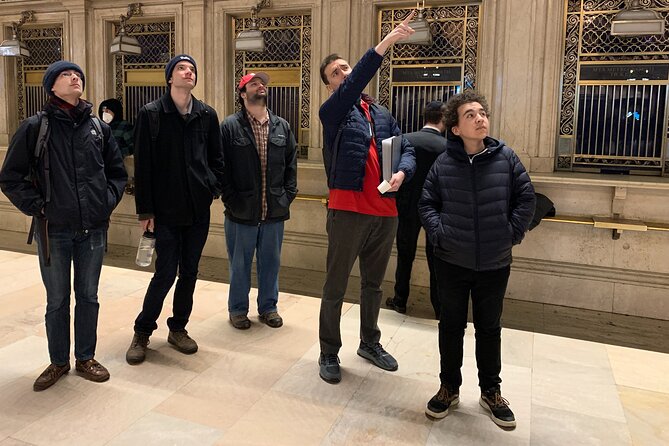
This tour runs $200 per group, up to 15 people, which is a big deal for families, small friend groups, or anyone who wants guided access without paying per person for multiple attraction tickets. The duration is 2 to 3 hours, which is long enough for real explanation at two major sites, not just a quick walk-through.
Here’s how I’d judge value in real-life terms:
- If you’re traveling in a group of even a few people, the per-group pricing can feel like you’re basically buying one guided experience instead of paying separately for each ticketed entry and guide time.
- You get time at both Penn Station and Grand Central, plus the subway connection that adds context you’d miss on a DIY route.
- The tour includes admission ticket coverage at Grand Central Terminal, and the Penn Station portion is described as having a free admission ticket component.
One more small point: this is the kind of tour that works best when you ask questions. If you’re the type who loves details—how systems connect, how spaces guide crowds—this price can feel very fair because the guide’s knowledge becomes part of the “return on investment.”
Timing, Where It Starts, and What to Wear
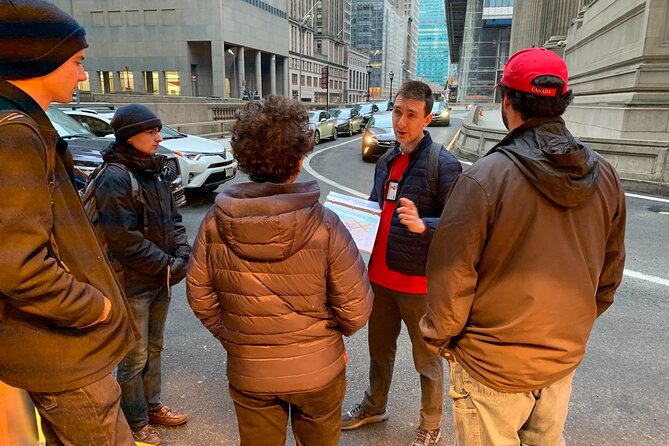
You’ll book a private slot with a mobile ticket, and you’ll be near public transportation for the start points. That means you’re not stuck coordinating complicated logistics before you even begin.
The only practical thing to plan for is walking comfort. The tour warns it’s not recommended for travelers with difficulty walking up and down steps. Stations are station-y: doors, platforms, stairs, ramps, and changing elevation. Even if you’re fine with city walking, this specific itinerary can add more step activity than a flat museum visit.
So, my advice is simple:
- Wear comfortable shoes you can walk in without thinking.
- If stairs are your issue, think carefully before booking and consider messaging the provider to discuss your situation.
- Build in time buffers around arrival so you’re not rushing right when the tour starts.
Who Should Book This Tour
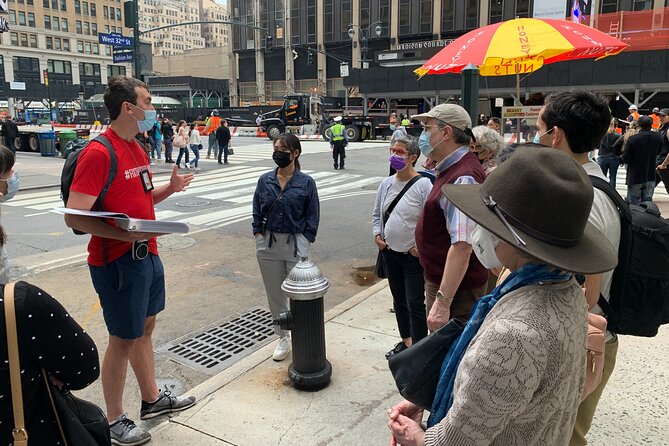
This is a strong choice if you fit one of these buckets:
- Railway enthusiasts who want a guided explanation of what you’re seeing, not just a station photo stop.
- First-time NYC visitors who want a meaningful introduction to the city’s transit pulse.
- People who like Q&A and a guide who can adjust explanations to your interests.
- Families with kids who can handle a couple hours of transit-adjacent walking, since guides with good rapport are part of the positive feedback.
It may not be the best fit if you need a low-mobility itinerary. With stairs involved and major hubs full of movement, it’s not designed to be a mostly seated, slow pace experience.
Should You Book This Private Secrets Tour?
If you like your sightseeing with a brain attached, I’d say yes. This tour is efficient: two landmark stations, real explanations, and enough structure to help you see details you’d otherwise miss. The private-group setup makes it easier to get direct answers, and the route design (including the subway ride) gives you a more authentic sense of how these places connect.
But if stairs and heavy walking are a problem for you, you’ll likely feel constrained. In that case, look for an option that’s more accessibility-friendly or has a flatter route plan.
FAQ
How much does the private tour cost?
It costs $200 per group (up to 15 people).
How long is the tour?
The tour lasts about 2 to 3 hours.
What language is the tour offered in?
The tour is offered in English.
Is this a private tour?
Yes. It’s a private tour/activity, and only your group participates.
Do I need to buy tickets separately?
Penn Station includes a free admission ticket component for the first stop, and Grand Central Terminal’s stop includes the admission ticket.
Will I get a mobile ticket?
Yes. The tour provides a mobile ticket.
Is the meeting area near public transportation?
Yes, it’s described as being near public transportation.
What if I need to cancel?
You can cancel for a full refund if you cancel up to 24 hours in advance of the experience start time.