REVIEW · NEW YORK CITY
Central Park Bike Tour
Book on Viator →Operated by NYC Park Tours™ | Central Park Tours · Bookable on Viator
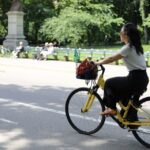
Central Park by bike feels like the shortcut New York gives you. This tour is built around iconic sights, photo-friendly stops, and a guide-led route that keeps the pace easy to manage. You’ll also get a small group experience, so you’re not stuck plowing through crowds at someone else’s speed.
I like that the route mixes famous landmarks with the park’s everyday traditions, like the chess and checkers tables, without turning your morning into a museum marathon. One possible drawback: the ride is designed for a compact 2-hour loop, so if you expected lots of ticketed time inside attractions (skating, full zoo visits, etc.), you’ll want to plan that separately.
In This Review
- Key points at a glance
- A 2-Hour Central Park Bike Loop That Actually Fits a Morning
- Price and What You Get for $55
- Finding the Ride at 1391 6th Ave (and Why Location Matters)
- Small Group Pacing: How You Stay in Control of the Speed
- Stop-by-Stop: What You’ll See and Why Each Place Matters
- Chess and Checkers: Central Park’s Daily Traditions
- Carousel Horses at the Park’s Scale
- The Dairy at the Children’s District
- Wollman Rink: A Famous Winter Stop (Even If You Don’t Skate)
- Central Park Zoo: Wildlife Near Fifth Avenue
- Balto Statue: The Alaskan Husky Story You Actually Remember
- Bethesda Fountain and Terrace: Central Park’s Most Photo-Ready Core
- Bow Bridge, Cherry Hill Fountain, and the Movie-Set Effect
- The Boathouse and Lake Vibes: Food, Boats, and Classic Park Scenes
- Jacqueline Kennedy Onassis Reservoir and the Obelisk Funding Story
- Belvedere Castle and Strawberry Fields: The North End Payoff
- Photographing on a Bike Tour: How It Helps (and What to Watch For)
- Who Should Book This Central Park Bike Tour?
- Book It or Skip It: My Practical Recommendation
- FAQ
- How long is the Central Park Bike Tour?
- What is the price per person?
- Where do we meet, and when does the tour start?
- Is a bike and helmet included?
- What attractions have admission details noted?
- How many people are in the group?
Key points at a glance
- Small group of up to 10 keeps stops flexible and the ride comfortable.
- Helmets and bikes included means you travel light.
- Icon stops built for photos like Bethesda Fountain, Bow Bridge, and Strawberry Fields.
- Morning start leaves your afternoon open for Broadway, museums, or wandering.
- Easy, first-timer friendly route so you do not need to be an avid cyclist.
- Guides share Central Park stories that connect the famous spots with the park’s traditions.
A 2-Hour Central Park Bike Loop That Actually Fits a Morning
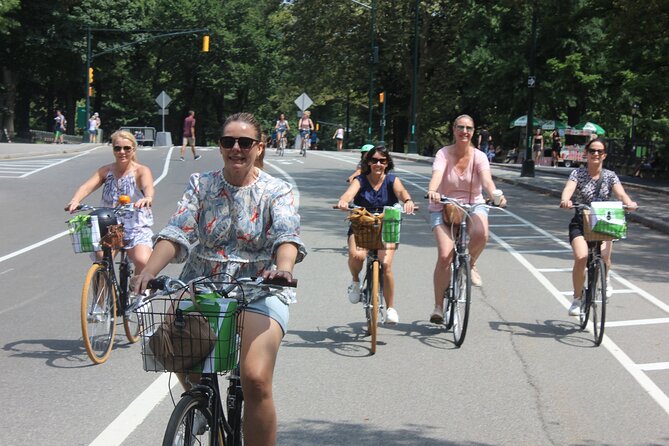
For $55 and about two hours, this is the kind of Central Park plan that respects your time. You are not spending half the day walking back and forth trying to guess the best route. Instead, you’re cruising a sensible circuit and stopping often enough to look, read the surroundings, and take pictures without feeling rushed.
The payoff is that you see Central Park’s big names in one go: Bethesda Fountain, Strawberry Fields, Belvedere Castle, and more. And because it’s a ride-and-stop format, you get the scenery with the added advantage of movement—fresh air, wind in your face, and a faster way to cover ground than foot travel alone.
You can also read our reviews of more cycling tours in New York City


Price and What You Get for $55
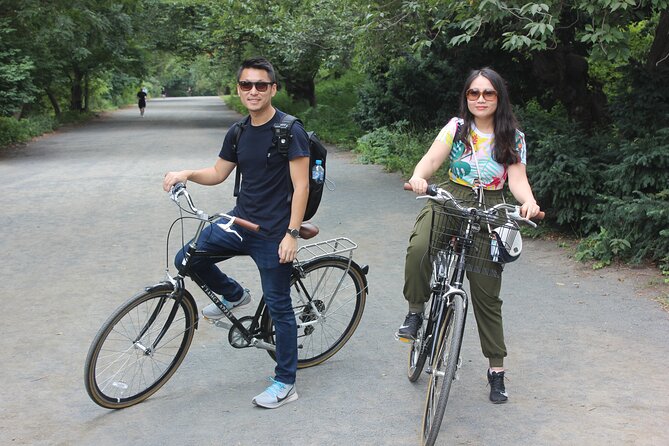
At $55 per person, the value comes from what’s bundled. You get the bike and helmet, a professional guide, and the included help with photographing. You also get “all fees and taxes,” which matters in New York, where add-on costs can sneak up on you.
Here’s how I’d judge it: you’re paying for a guided, structured way to cover multiple Central Park landmarks in a single morning block. If you were trying to assemble this by yourself, you’d likely spend more time figuring out logistics and routes—and still end up stopping less often for photos because everyone’s walking and turning around at different speeds.
The one caution is admissions. The only explicit note about an attraction admission is that Wollman Rink has admission not included. Most of the other stops in your itinerary are listed as free, so your costs stay predictable.
Finding the Ride at 1391 6th Ave (and Why Location Matters)
The meeting point is 1391 6th Ave, New York, NY 10019, and the tour ends back at the same spot. Starting at 10:00 am also helps: you’re already in the park before the mid-day crowd density kicks in, and you still have plenty of daylight left after the ride.
Since hotel pickup and drop-off are not included, your job is simple: get to the meeting point by public transportation or taxi, and you’re set. The good news is that the tour is described as near public transportation, so you can usually weave it into a normal NYC itinerary without a long detour.
You’ll also receive a confirmation at booking time, and your ticket is mobile. That makes last-minute planning easier when your day is already packed with other plans.
Small Group Pacing: How You Stay in Control of the Speed
One of the highlights is the small group size, capped at 10 travelers. That doesn’t just sound nice. It changes how the ride feels. In a big group, every stop becomes a mini bottleneck. Here, the guide can slow down when the scene is worth it and keep things moving when you’re ready.
This is a tour for comfort and views, not for racing. You’ll make several stops, and the route includes a mix of iconic spots and park traditions. Even better, the tour description is built for an easy course, so you do not need to be a hardcore cyclist. If you’re nervous about biking in a busy city environment, this format is the kind of starter-friendly plan that reduces the stress.
Stop-by-Stop: What You’ll See and Why Each Place Matters
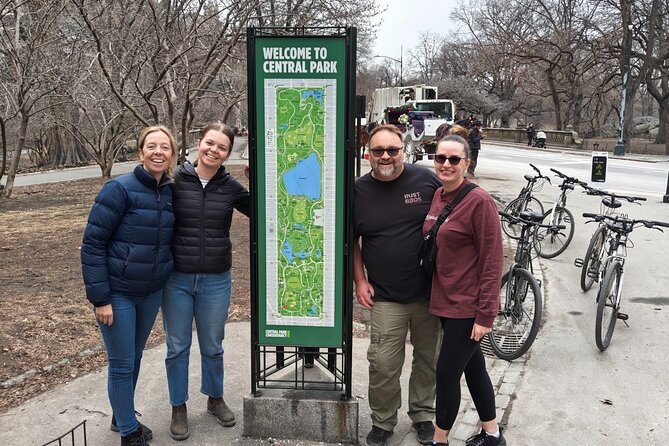
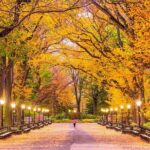
Central Park is huge—843 acres with over 60 attractions—so it helps that the guide’s route hits the recognizable highlights while also threading in some of the park’s daily-life details. Think less checklist, more “here’s what you’re looking at and why it’s here.”



Chess and Checkers: Central Park’s Daily Traditions
You start with one of Central Park’s most recognizable habits: the chess and checkers tables. It’s not just a fun photo spot. It gives you a quick feel for how locals use the park—people playing games, chatting, and turning the park into a social hub.
Practical tip: if the tables are active when you arrive, you’ll see real energy, not just a monument to a tradition. Bring patience for a short pause while you look and snap a few photos.
Carousel Horses at the Park’s Scale
Next up is the Carousel, originally crafted in 1908 and credited to Solomon Stein and Harry Goldstein. The current carousel is one of the nation’s largest, with 57 hand-carved horses and two decorative chariots.
Even if you don’t ride, the carousel stop is a great break in the route. The colors and details are easy to photograph, and the story makes it feel less like a random playground feature and more like an actual piece of American amusement history.
The Dairy at the Children’s District
The Dairy is a Victorian cottage designed by Calvert Vaux and built between 1869 and 1871. It sits at the heart of the Children’s District, and it originally served as a home for fresh milk and snacks for kids and caregivers.
This is a stop I appreciate because it shows a different Central Park angle. Instead of only focusing on famous monuments, you get a glimpse of the park’s planning for family life—where kids were expected to have fun and adults had practical spaces nearby.
Wollman Rink: A Famous Winter Stop (Even If You Don’t Skate)
You’ll reach Wollman Rink, in the southern part of Central Park. The rink is named after the Wollman family and was funded by their donation.
Important note: admission ticket is not included. So if your plan includes skating, you’ll need to handle that separately. Even if you’re not skating, the rink area is a familiar Central Park scene, and seeing it as part of the ride helps you understand how the park changes by season.
Central Park Zoo: Wildlife Near Fifth Avenue
The Central Park Zoo is a 6.5-acre zoo in the southeast corner of the park. It’s managed by the Wildlife Conservation Society and is part of a broader conservation network. The stop description notes over 130 species, from snow leopards to tropical birds.
What to plan for: your time here is likely more of a guided stop than a full-day zoo visit, since the overall tour is only about two hours. Still, it’s one of the easiest ways to get oriented to where the zoo sits and what it includes without having to start your day with a long ticket line.
Balto Statue: The Alaskan Husky Story You Actually Remember
You’ll also see the Balto statue by Frederick Roth. Balto was an Alaskan husky and sled dog belonging to musher and breeder Leonhard Seppala.
This one is short on purpose and effective for your memory. Balto is a name you might recognize, and the guide’s story gives you a clear reason why the statue belongs in Central Park, of all places.
Bethesda Fountain and Terrace: Central Park’s Most Photo-Ready Core
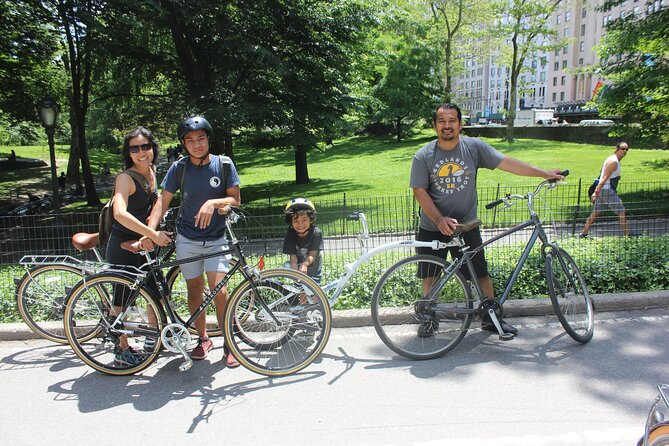
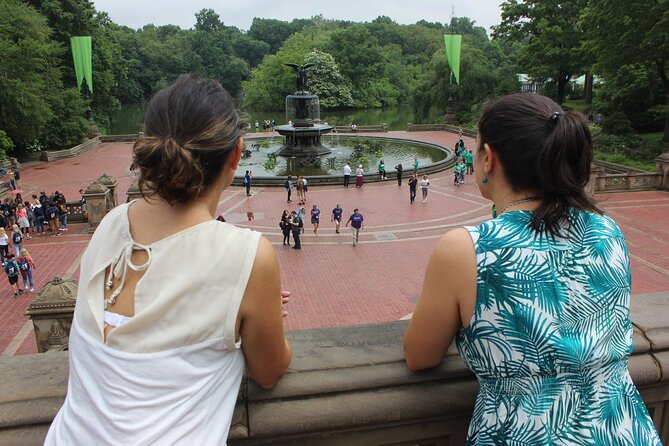
If you want one stretch that makes the tour feel worth it fast, it’s this area. You’ll hit Bethesda Fountain, including the sculpture Angel of the Waters at the top. The angel is bronze, robed, and stepping on stone so water flows into basins and a circular pool.
A few practical thoughts:
- Bethesda Fountain is listed as free, which is great for planning.
- It’s also the kind of stop where the guide can point out details that you might otherwise miss when you’re just trying to get a nice picture.
Right after that, you’ll be at Bethesda Terrace, a gathering space known for relaxing and people-watching. It’s centered around the fountain and gives you architecture and viewpoints in one stop. This is a good place to slow down mentally for a minute. The ride is quick. Here, you get to actually look.
Bow Bridge, Cherry Hill Fountain, and the Movie-Set Effect
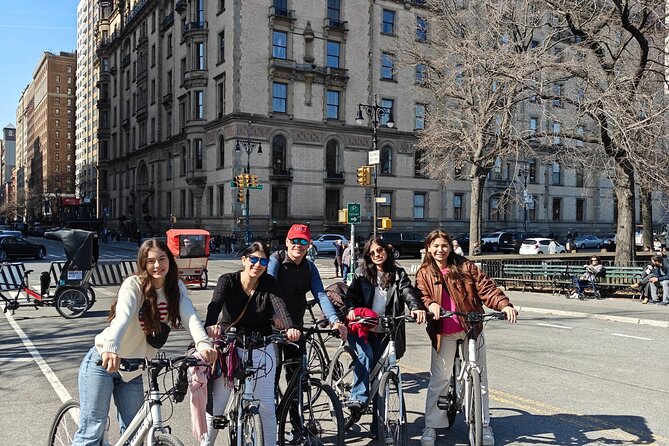
Next: Bow Bridge. It’s famous enough to have appeared in many movies and TV shows, and the park uses it the way it uses so many iconic elements—turning a simple structure into a “this is Central Park” moment.
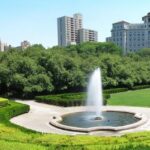
Then you’ll visit Cherry Hill Fountain, a horse-watering concept turned ornamental centerpiece. It includes a granite dome and a sculpted bluestone basin, with details like Minton tiles and frosted glass lamps on top, plus a golden spire.
After that comes the Alice in Wonderland statue commissioned in 1959 by George Delacorte and created by José de Creeft. The purpose was clear: kids could experience the story in person.
Why this trio works on a bike tour: you get variety. One stop is romance and film fame. One is Victorian-era design and craft. One is childhood imagination. Together, they keep the ride from turning into one long “big view” moment.
The Boathouse and Lake Vibes: Food, Boats, and Classic Park Scenes
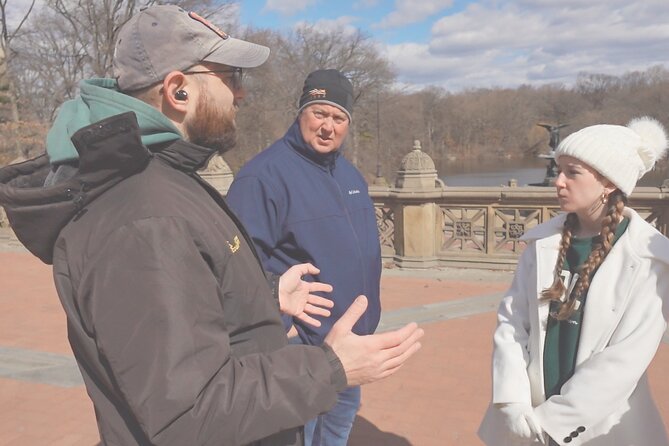
You’ll stop near the Boathouse, which traces back to the original design concept by Frederick Law Olmsted and Calvert Vaux. The early boathouse structure burned down, and the current one took shape in 1956. Today, the boathouse offers seasonal dining with overhead heating to extend deck time.
Even if you’re not eating, this stop gives you something different than the fountains and statues. It brings you toward the water and shows you how Central Park is designed as more than just monuments. You get a lakeside moment that feels slower.
Jacqueline Kennedy Onassis Reservoir and the Obelisk Funding Story
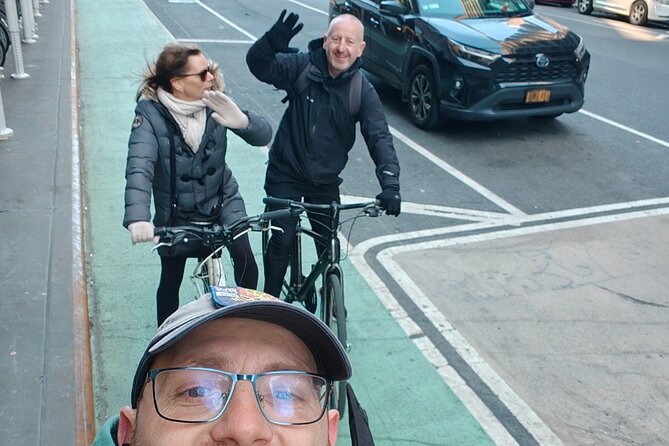
As you keep moving, you’ll reach Jacqueline Kennedy Onassis Reservoir, also known as the Central Park Reservoir. It spans from 86th to 96th Streets, covers 106 acres, and holds over 1 billion US gallons.
This is one of those “wait, this is here?” stops. The reservoir isn’t just scenery. It’s part of how the park functions, and seeing its scale helps you understand why Central Park feels like a whole world instead of a garden with a few statues.
You’ll also learn about an obelisk funding story tied to the effort to transport it to New York. The info in the route notes Henry G. Stebbins securing funding and William H. Vanderbilt offering to finance the project with a donation of more than $100,000.
This kind of stop is underrated. You come expecting scenery, and you leave with one solid fact that makes Central Park feel designed, planned, and politically motivated—not just pretty.
Belvedere Castle and Strawberry Fields: The North End Payoff
Northbound, you’ll reach Belvedere Castle, a folly designed by Calvert Vaux and Jacob Wrey Mould in 1867. It includes exhibit rooms and an observation deck, and since 1919 it has housed Central Park’s official weather station.
Belvedere is great on a bike tour because it feels like a checkpoint. The guide’s storytelling and the elevation make it a natural “stop and reset” moment. You’ll understand why people come here, not just that it exists.
Then comes Strawberry Fields, a 2.5-acre landscaped section dedicated to John Lennon. It’s named after the Beatles song Strawberry Fields Forever. This is a free stop and one of the most emotionally recognizable corners of the park.
If you like pop culture landmarks but also want them grounded in real geography, this is the ideal place to end your big highlight sequence.
Photographing on a Bike Tour: How It Helps (and What to Watch For)
The tour includes photographing, and that matters because the ride itself can make photo-taking clumsy. When you’re in motion, everyone’s trying to stop at the same time, get the angle, and keep the bike balanced. A guide-driven stop plan cuts through the chaos.
Here’s what you should do to get the best photos:
- Take a quick look first, then frame. Moving is easier than redoing.
- If you’re bringing a phone, keep it in a secure pocket or small crossbody. Central Park’s paths can be busy.
- Expect crowds at the famous spots. You’ll be at the classics, so you might share the scene with other photographers.
This is also why the route timing helps. With a 10:00 am start, you’re likely dealing with fewer bottlenecks than a later afternoon.
Who Should Book This Central Park Bike Tour?
This is a smart fit if:
- you want a short, efficient way to see major Central Park landmarks
- you prefer an easy ride rather than pushing hard fitness goals
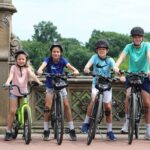
- you’re traveling with kids old enough to bike independently (the tour notes 6 years old and above have their own bikes)
It’s also a strong choice for people who want their morning to end with a sense of direction. By the time you’re finished, you’ll know where major areas are and which spots you might revisit later on foot.
If you’re expecting ticket-heavy attractions or long indoor time, you may be disappointed. The tour is built for outdoor stops and quick learning moments, not for spending hours at one venue.
Book It or Skip It: My Practical Recommendation
Book it if you want a guided, photo-friendly Central Park overview that stays under two hours and still hits the biggest names. The mix of Bethesda Fountain, Strawberry Fields, and classic traditions like chess and checkers gives you a Central Park snapshot that feels both iconic and real.
Skip it if your priority is deep entry into attractions with long admission lines. Also skip or reconsider if the weather is likely to be rough, since the tour requires good weather and can be canceled for poor conditions.
If you’re a first-time Central Park visitor, or you’ve been once and want a different route that covers more ground without exhaustion, this is a solid use of your time.
FAQ
How long is the Central Park Bike Tour?
It’s approximately 2 hours.
What is the price per person?
The price is $55.00 per person.
Where do we meet, and when does the tour start?
The tour meets at 1391 6th Ave, New York, NY 10019, USA. The start time is 10:00 am, and it ends back at the meeting point.
Is a bike and helmet included?
Yes. Bike & Helmet are included.
What attractions have admission details noted?
Wollman Rink lists admission ticket not included. Bethesda Fountain, Bethesda Terrace, Bow Bridge, Cherry Hill, and Alice in Wonderland are listed as admission free.
How many people are in the group?
The tour has a maximum of 10 travelers. Confirmation is received at booking time, and the tour is offered in English.