REVIEW · NEW YORK CITY
High Line and Chelsea Small Group Tour
Book on Viator →Operated by ExperienceFirst · Bookable on Viator
Rails turned into a top NYC stroll. This High Line and Chelsea small group tour strings together three big-hitter areas in about two hours, starting at Chelsea Market and finishing near the Meatpacking District. I like the small-group size (max 20) because it’s easy to ask questions, and I also like that you get both food-hall time and real street-level neighborhood walking—not just one park viewpoint.
You’ll walk a moderate 2–3 miles, and it’s a good fit for a morning slot. One thing to know: you only cover a portion of the High Line, so if you’re hoping to explore every corner of the park, you’ll want a longer follow-up stroll on your own.
In This Review
- Quick Hits: What Makes This Tour Worth Your Morning
- Why the 9:30 am Format Works (And Who It Suits)
- Starting Inside Chelsea Market: Your First Taste of Neighborhood Life
- Chelsea on Foot: Art Galleries, Cafes, and the Real Rhythm of the Block
- The High Line Walk: Rails, Reuse, and the Best Views You Don’t Need to Search For
- Meatpacking District After the Rails: From Industry to Nightlife, Shopping, and People-Watching
- Your Guide: Where the Tour Really Wins (Mali, Steve, Maki, Rob…)
- Timing the Rest of Your Day: What to Do After the Tour Ends
- Price and Value: Is $39 a Smart Deal?
- What to Bring (So the Walk Feels Easy, Not Miserable)
- Should You Book This High Line and Chelsea Small Group Tour?
Quick Hits: What Makes This Tour Worth Your Morning
- Chelsea Market first: you start inside, not outside, so you get a fast hit of local flavors and atmosphere
- Two neighborhoods in one: Chelsea and the Meatpacking District give you contrasting vibes and architecture
- A guided walk on the High Line rails: the story behind the 2009 park transformation is part of the walk, not an afterthought
- Short, efficient timing: with a 9:30 am start, it’s designed to leave you time for the rest of Manhattan
- Guides like Mali and Maki set the tone: frequent praise goes to guides who make history funny and easy to follow
Why the 9:30 am Format Works (And Who It Suits)
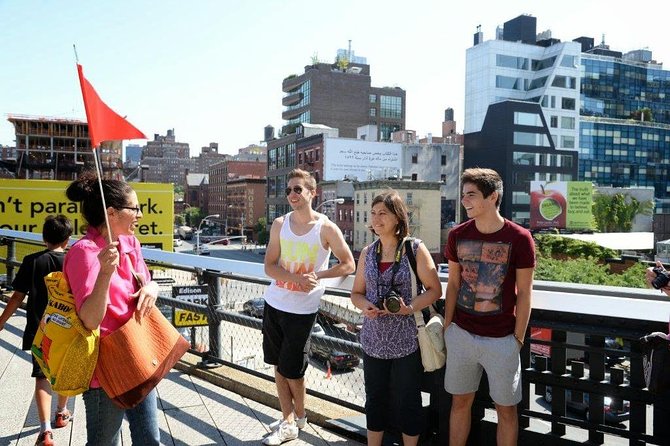
This tour is built for people who want momentum. You start at 9:30 am, which matters in New York. You beat the mid-day crush, you get your big walking moment done early, and you still have the afternoon to branch out—museums, more neighborhood wandering, or just plain sitting in a café and recovering.
The group size is capped at 20, which is a sweet spot. You’re not stuck listening at the back of a line. You can actually hear the guide, ask a question, and move at a normal pace. The tour runs about two hours, and the walking is moderate at roughly 2–3 miles. That’s doable for most people with decent shoes and a little grit.
Who this suits best:
- First-timers who want a smart intro to Chelsea, Meatpacking, and the High Line
- People who like history told through real streets and buildings (not just a brochure)
- Families who want a morning that feels active but not exhausting—many groups highlight guides who pitch the stories well for kids, too
You can also read our reviews of more walking tours in New York City



Starting Inside Chelsea Market: Your First Taste of Neighborhood Life
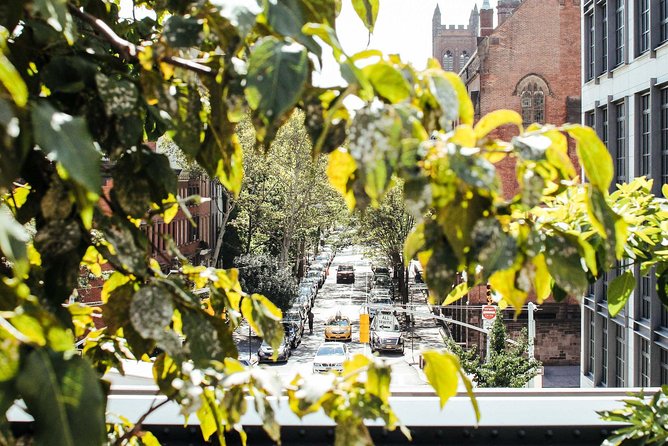
You meet at 401 W 15th St, right at Chelsea Market. Starting here is clever because you get oriented fast. Before you go high above the city, you start at ground level where the neighborhood energy is immediate: food stalls, snack-hunting, and the kind of busy indoor buzz that makes New York feel like New York.
The tour includes a short visit inside Chelsea Market (about 15 minutes). That’s not a full food crawl, and it’s not meant to be. It’s a quick sampler of what makes the market famous, plus a chance to see how this area’s identity is shaped by what people come here to eat and browse.
What I’d do if I were planning your day:
- Treat this first stop as orientation. You’re learning the layout so later, when you return on your own, you’ll move with confidence instead of wandering in circles.
- If you care about photos, this is where you’ll get the most variety without spending your whole morning looking up at buildings.
One practical note: because this tour starts in the morning, you might find that some shops inside Chelsea Market are not fully up and running yet. If you’re the type who hates missing things, give yourself a little cushion by planning an optional return later.
Chelsea on Foot: Art Galleries, Cafes, and the Real Rhythm of the Block
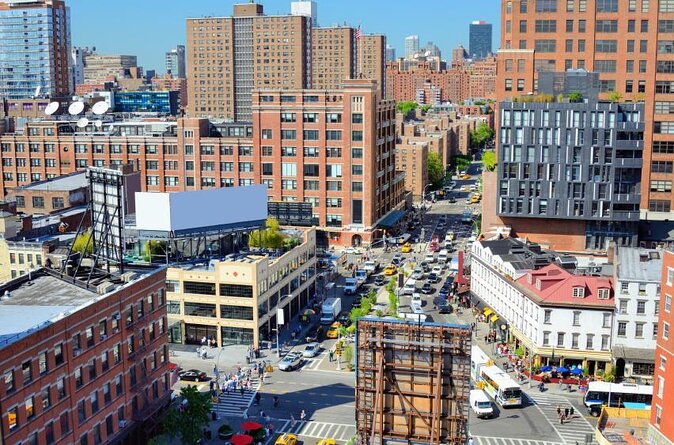
After Chelsea Market, you spend about 30 minutes strolling through Chelsea. This is where the tour does something valuable: it shifts from “must-see landmark” mode to “how the neighborhood actually feels” mode.
Chelsea is the kind of place where you can see a lot just by walking: storefronts, galleries, side streets, and that distinct mix of polished and casual that’s hard to describe until you’re there. The guide points out details you’d miss if you were just hustling from attraction to attraction.
If you like your travel stories grounded, this portion usually delivers. Guides often connect what you’re looking at to why the area developed the way it did—what kinds of businesses took root, and how the streets became a magnet for culture and fashion.
Small tip that makes this stop better: if you spot a gallery you like, ask the guide what to look for. Even a quick answer can turn a random street into a map you understand.
The High Line Walk: Rails, Reuse, and the Best Views You Don’t Need to Search For
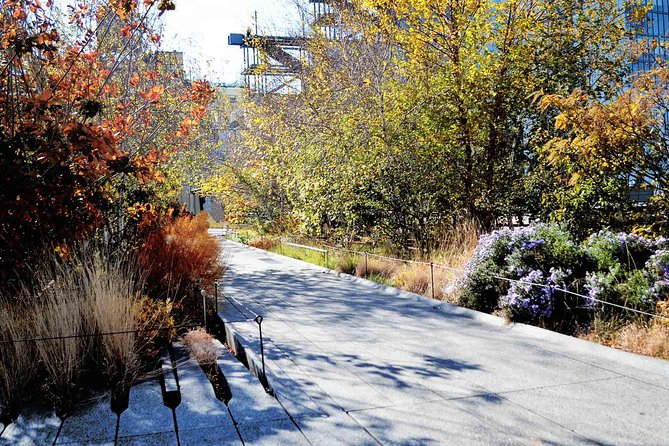
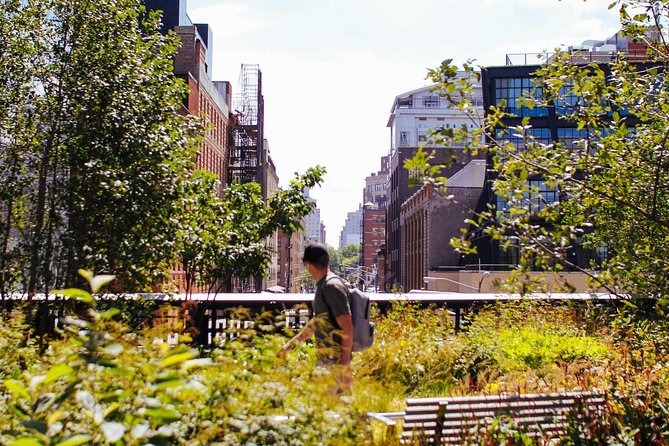
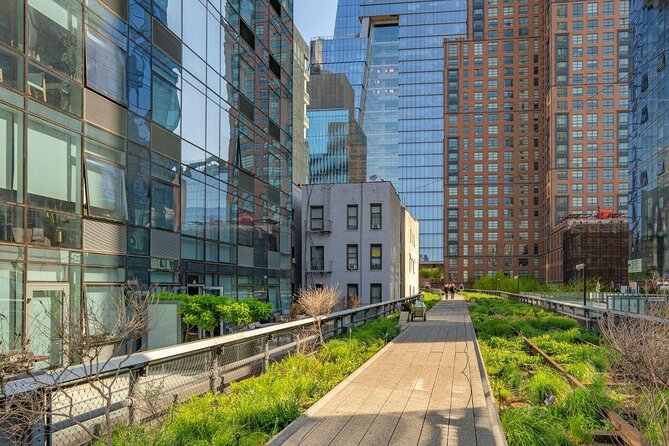
Next comes the star: the High Line. You’ll walk about one hour along a segment of the park, which is part of a mile-long elevated route. The key detail here is the backstory: the railway was abandoned in the 1970s, then the structure sat unused until it was transformed into a park that opened in 2009.
That history changes how you experience the walk. Instead of thinking, Oh, it’s just a park in the sky, you start noticing design choices: how the old industrial shape became a new kind of pedestrian promenade, how the park layers views with public space, and how art shows up in unexpected spots along the way.
What you’ll actually do during this part:
- Walk the park at a guided pace while the guide calls out architecture and art projects
- Pause at viewpoints when it makes sense, so you can see the city in both directions
- Pick up “mental bookmarks” for what you might want to revisit after the tour
A few notes to help you enjoy the walk:
- Expect stair steps at points. The walking portion is active, even if it’s not an all-day hike.
- If you use a stroller or a wheelchair, there is elevator access in some parts of the High Line, but the tour info also says you can’t guarantee elevator operation.
Timing matters too. A longer stroll across multiple sections of the High Line can feel more rewarding when the plantings are at their best. One guide-season detail that came up: the park can look especially great in spring when flowers are blooming, while cold weather just means you dress for wind and brisk mornings.
Meatpacking District After the Rails: From Industry to Nightlife, Shopping, and People-Watching
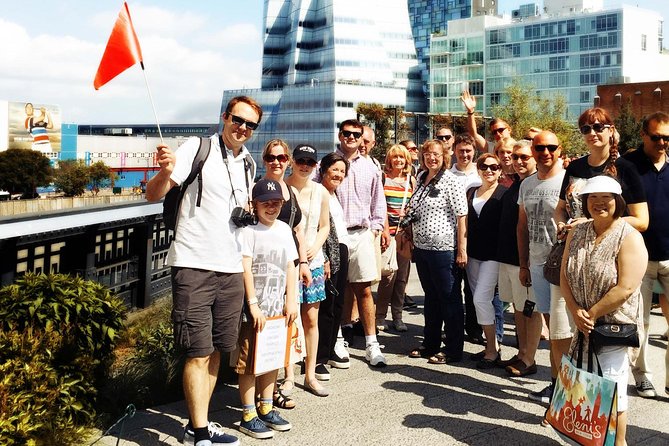
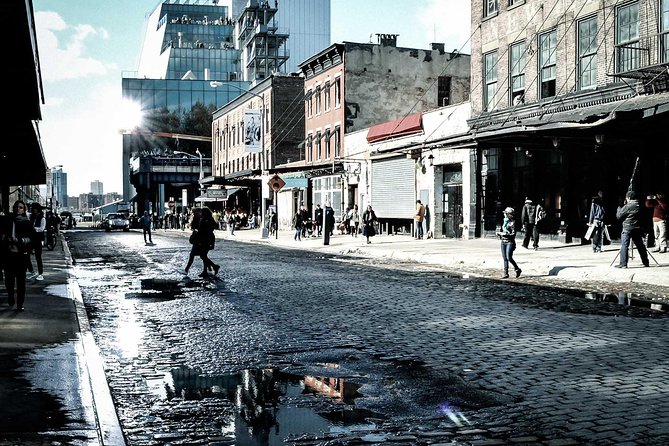
After returning to street level, you head to the Meatpacking District for about 30 minutes. This is where the tour gives you a second kind of New York story: how an industrial zone can flip into a destination.
The area’s origin is tied to industrial meat production. Today, the vibe is different—more eating out, designer boutiques, and the kind of scene where people come to be seen. On the walk, the guide helps you connect past and present so the neighborhood doesn’t feel like a collection of trendy storefronts. You start seeing why the streets and buildings look the way they do.
One interesting Titanic-era detail that some guides bring up: the story can connect local port activity with how Titanic survivors returned after the disaster. You may not catch every detail, but it’s the kind of fact that gives Meatpacking more depth than what you’d assume from the current look.
Even if you’re not into nightlife or shopping, this stop is still useful. It helps you understand the city’s habit of recycling spaces—turning old functions into new ones while keeping enough traces of the original layout to make it feel layered.





Your Guide: Where the Tour Really Wins (Mali, Steve, Maki, Rob…)
In New York, guides can make or break a walking tour. The good news here: the strongest feedback centers on guides who tell stories with energy, humor, and clear explanations.
You’ll see guide names show up often, including:
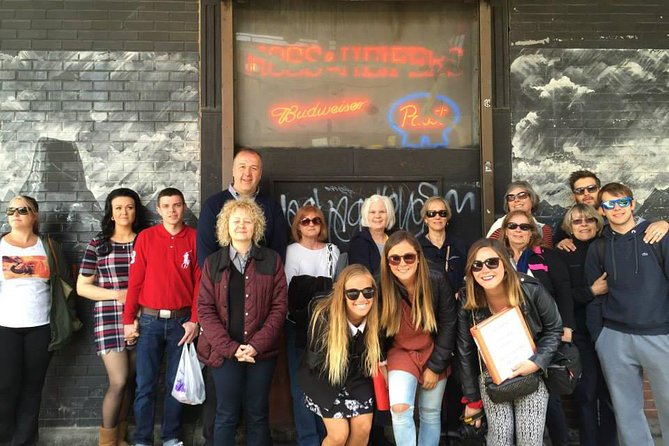
- Mali (praised for enthusiasm and storytelling that works for both adults and kids)
- Steve (praised for delivering history and neighborhood context in a way that feels personal)
- Maki (praised for humor and making the High Line story fun)
- Rob (praised for a smooth small-group pace and helpful factoids)
- Peter and Ben (praised for history details even people who live nearby might miss)
- Tim and Kevin (praised for engaging explanations and viewpoints from the park)
That matters because the tour isn’t just a walk between points. It’s a set-up for understanding how Chelsea and the Meatpacking District developed, and why the High Line became a park instead of debris.
One practical caution: walking tours depend on hearing and timing. In one reported case, the guide was late and another mentioned difficulty hearing without personal audio help. You can’t control everything, but you can reduce problems:
- Arrive a few minutes early so you’re not hunting for the group at start time
- Pick a spot closer to the front if you’re sensitive to noise or have hearing challenges
Timing the Rest of Your Day: What to Do After the Tour Ends
The tour finishes near the corner of 14th Street and 9th Avenue. That landing zone is useful. You’re close enough to keep wandering without feeling like you must immediately take a subway.
Here’s a smart way to use your leftover time:
- If you want more High Line: do a longer self-guided return walk along sections you didn’t cover
- If you want food: use what you learned at Chelsea Market to target places you’ll actually enjoy
- If you want views: circle back to the High Line viewpoint spots the guide highlighted
Also, because this is a morning tour, you can plan your afternoon like a normal person instead of squeezing everything into a tired evening schedule. That’s a real value in a city where timelines can get messy fast.
Price and Value: Is $39 a Smart Deal?
At $39 per person, this is priced like a practical guided intro, not a premium private tour. The value comes from what’s included: a professional guide, time inside Chelsea Market, and guided time on the High Line and through Chelsea and the Meatpacking District.
You’re paying for:
- A guide who can connect buildings, parks, and neighborhoods into a story
- Time saved from figuring out what matters on your own
- A structured walking route that hits three key areas in one morning
Not included: food and drinks, so you’ll still want a plan for snacks. But the tour gives you a head start—especially since Chelsea Market is a natural place to eat after the guided segment, or before you continue elsewhere.
If you compare this to the cost of doing a bunch of “one-stop” activities separately, the bundled route makes sense. You’re basically buying a fast orientation to Chelsea’s culture and Meatpacking’s transformation, plus the High Line’s design and reuse story.
What to Bring (So the Walk Feels Easy, Not Miserable)
This is a moderate walking tour, and you’ll want to be comfortable more than fancy.
Bring:
- Comfortable walking shoes
- Weather gear based on the forecast. The tour runs in most weather, and only extreme conditions trigger cancellation or rescheduling.
- A light layer. Even when it’s warm, mornings on the High Line can feel breezy.
If you’re traveling with mobility needs:
- There’s elevator access for the High Line in some areas, but it’s not guaranteed to be working. If that’s critical for you, consider planning extra flexibility.
Should You Book This High Line and Chelsea Small Group Tour?
Book it if you want a focused morning plan that ties together Chelsea Market, a High Line walk, and the Meatpacking District in a way that’s easier than DIY. The tour is especially worth it when you care about context—the “why” behind what you’re seeing—because the guides are frequently praised for turning facts into a story you’ll remember.
Skip it or plan differently if:
- You want to spend hours wandering every section of the High Line. This tour covers only a portion, so you’ll likely still want your own longer High Line time.
- You’re expecting a long food-focused tour. You get a market stop, but you’re not getting a full meal crawl since food and drinks aren’t included.
If you’re doing your first or second day in Manhattan and you want to get your bearings fast, this is a solid, good-value way to do it.