REVIEW · NEW YORK CITY
Guided Private Underground New York Subway Tour
Book on Viator →Operated by New York Tours by Gary · Bookable on Viator
Underground New York has stories to spare. On this private tour, I especially love how station art turns the subway from background noise into something worth staring at, and how Gary makes the details land with humor.
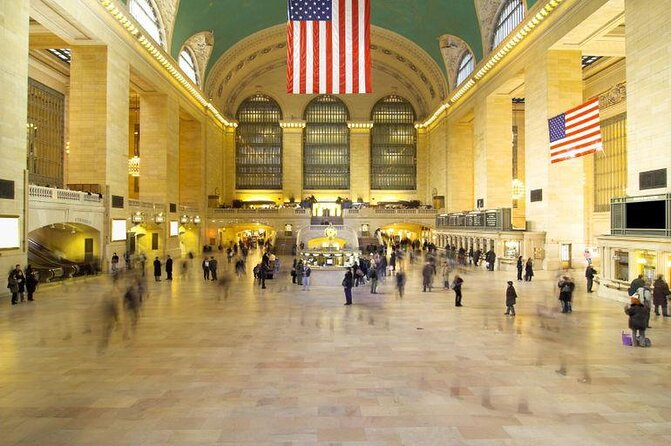
You’ll also finish with a standout payoff: the Grand Central Terminal finale, where the guide ties the subway story to why this landmark survived and was restored.
One key consideration: this is a public-stations tour—you won’t enter tunnels, and you’ll view certain spots from the safety of the train instead.
In This Review
- Key Highlights You’ll Feel Fast
- What This Private Underground Subway Tour Actually Does (and does not do)
- Meeting Downtown at 1 Centre St: Brooklyn Bridge Station Without the Bridge
- Entering the System: Paying the Fare Once and Riding With Purpose
- Riding the Original Route: Astor Place, an Abandoned Station Moment, and the Times Square Shuttle
- Times Square Station: Why It Became a Power Stop—and the Art Budget Behind It
- Astor Place Details: Terra Cotta Work and the Ceramic Beavers
- Grand Central Terminal Finale: How the Terminal Almost Didn’t Survive
- Price and Value: Why $220 per Group Can Make Sense
- Who This Tour Fits Best (and who may want to skip)
- Practical Tips for a Smoother Subway Day
- Should You Book This Tour? My Take
- FAQ
- How long is the guided private underground subway tour?
- Where does the tour start and end?
- Is this tour private?
- What language is the tour offered in?
- Is the subway fare included in the price?
- Do you enter subway tunnels?
- How much walking is involved?
- Is the tour suitable for service animals?
Key Highlights You’ll Feel Fast
- Private, small-group pacing that keeps you from getting lost in the crowd
- Gary’s style: funny, attentive, and willing to answer questions on the move
- Station art first, history second so you’re not just listening the whole time
- Times Square and Astor Place stops where you’ll spot big-ticket artwork and classic tilework
- Grand Central as the finish line, with a clear story for why it mattered
What This Private Underground Subway Tour Actually Does (and does not do)
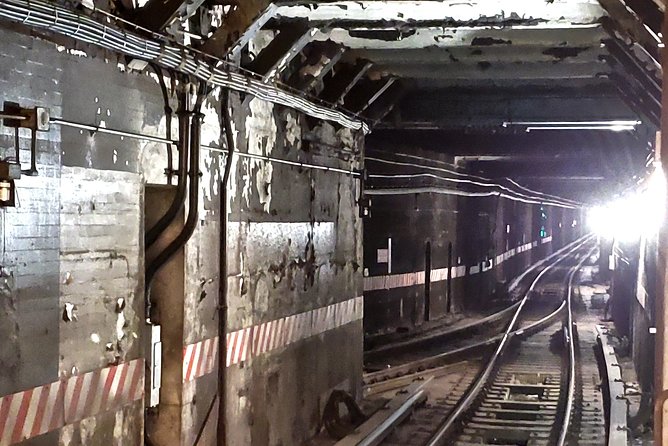
This tour is built around the idea that the NYC subway is more than transportation. It’s public architecture, civic ambition, and political drama—layered into stations and tracks you already pass every day. You’ll ride the system and stop at select stations, while the guide explains what you’re seeing and why it happened.
Here’s the part to get straight before you book: you won’t go into tunnels or cross onto the tracks. The tour focuses on areas that are open to the public, plus viewpoints you can safely access from trains. In other words, you’ll get the inside story without any sketchy or illegal detours.
That approach affects your expectations in a good way. You still get the wow moments—especially the artwork and the station craftsmanship—but the experience stays smooth and safer for mixed ages and interests.
You can also read our reviews of more guided tours in New York City



Meeting Downtown at 1 Centre St: Brooklyn Bridge Station Without the Bridge
Your day starts downtown at 1 Centre St. The first chunk of time is spent around the Brooklyn Bridge subway station area—not on the bridge itself, but at the station zone where the tour kicks into history mode.
This stop is less about a quick photo and more about orientation. You’ll learn how the system’s early thinking shaped what you see now—especially around downtown, where lots of the original logic of the network shows up in how stations relate to the city above. If you like connecting the subway to the street grid and the politics of the time, this is a great place to start.
A practical note: the tour includes some walking and there are stairs. It’s not a marathon, but you’ll feel it if you’re used to totally flat itineraries.
Entering the System: Paying the Fare Once and Riding With Purpose
Admission is not included, but it’s designed to be simple. You pay a subway fare when you enter the system at the beginning of the tour, and that fare covers your in-system riding for the tour’s segments. The rest of the experience is guided access to stations and viewpoints, plus the ride itself.
This matters for value. A lot of subway tours quietly nickel-and-dime you with extra entry fees. Here, your extra cost is basically just the one subway ride you’d need anyway. If you’re already planning to ride multiple stops on your trip, you’re turning that normal commute time into something structured.
Also, plan to bring whatever you use for transit fare on your trip. One review specifically called out using a metro card, and you can get one at subway stations.
Riding the Original Route: Astor Place, an Abandoned Station Moment, and the Times Square Shuttle
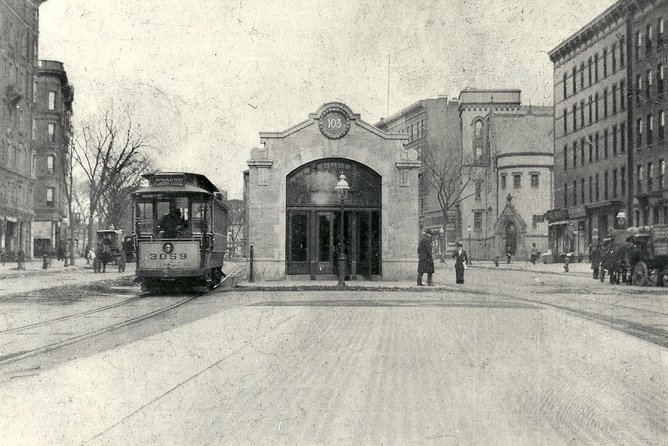
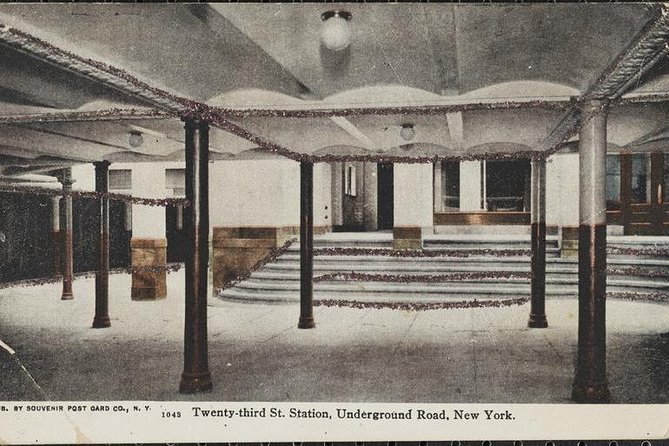
The biggest “you’re actually doing the subway” stretch comes next. You ride a route tied to the original line and get to see an abandoned station that’s often described as one of the most beautiful you’ll find underground.
You’ll also hit Astor Place during this riding portion. Then you continue onward toward Grand Central Station, where the tour switches to a shuttle toward Times Square. That shuttle choice isn’t just logistics—it helps you experience how the network moves you between major hubs without turning the tour into an exhausting maze.
During this section, the guide’s job is to slow you down enough to notice what you normally rush past. Look up, look around, and pay attention to station details as you move—because the best stuff is in the design work: tile patterns, platform details, signage style, and the way different eras handled the passenger experience.
And yes, the subway is loud. The guide’s approach is to keep the narration workable around train noise, so you’re not left waiting for silence to understand the story.
Times Square Station: Why It Became a Power Stop—and the Art Budget Behind It
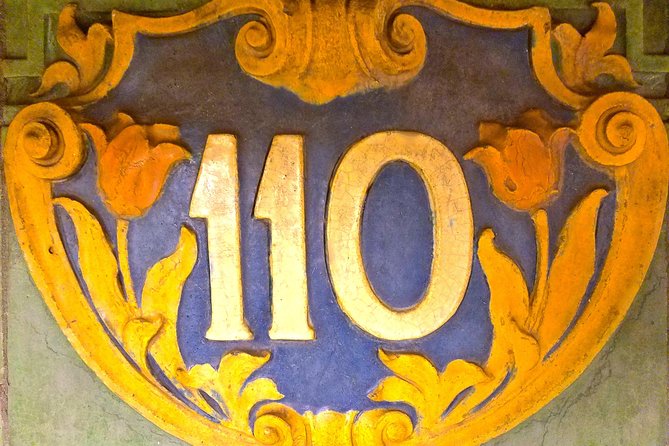
Next comes Times Square station, where the tour focuses on how this stop rose into one of the system’s most important hubs. This is where you get a sense of how the subway evolved from a transportation project into something more public-facing, tied to the city’s spotlight.
You’ll also see that art is not just decoration down here. The tour highlights artwork installed at Times Square—described as running into several million dollars worth of art. It’s a good moment to compare eras: older craftsmanship has its own tone, but the modern subway treats walls and stations like an identity statement.
For me, the value of the Times Square stop is that it balances scale. You’re looking at something famous, sure—but with an explanation that keeps it from feeling like generic sightseeing.
You can also read our reviews of more private tours in New York City






Astor Place Details: Terra Cotta Work and the Ceramic Beavers
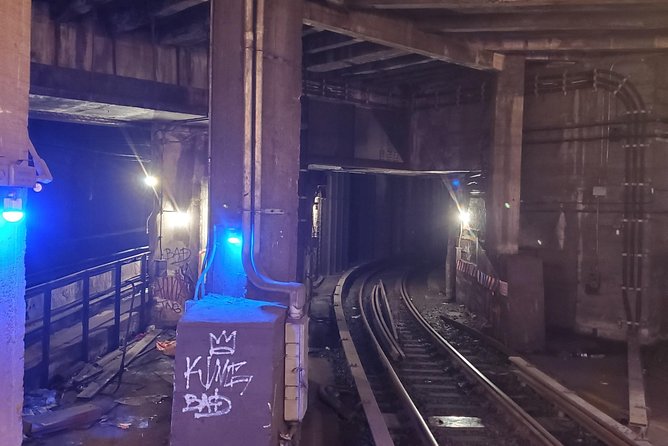
Astor Place shows up twice in the tour flow, and that’s on purpose. During the ride, you pass through as part of the network story. Later, you step out briefly for a more focused look at the station’s design work.
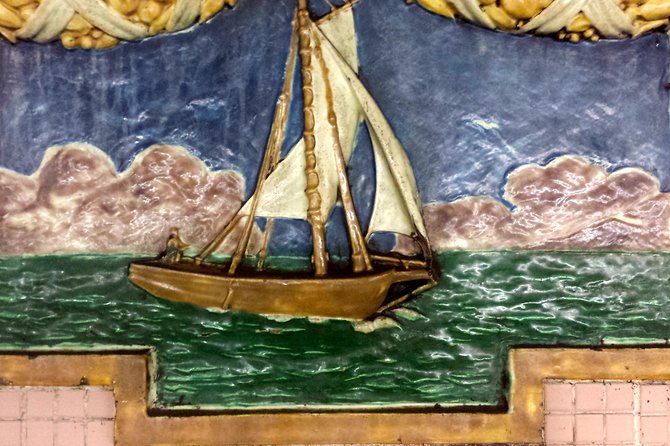
At this point, you’ll notice the gorgeous terra cotta work that makes Astor Place feel like a mini museum. The guide also points out the ceramics that stand out to fans of the subway’s art program—one of the most loved details is the station’s ceramic beavers.
This stop is short, but it’s where the tour’s art-first approach really pays off. If you’ve ever walked through a station while checking your phone, this is the kind of moment that makes you look up again—without needing to be an art expert.
Grand Central Terminal Finale: How the Terminal Almost Didn’t Survive
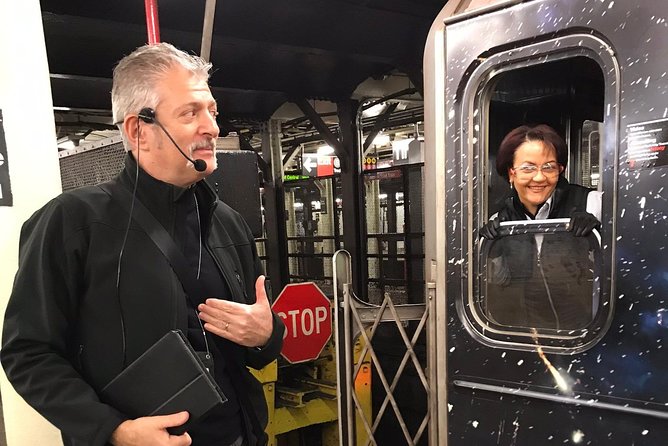
The tour ends at Grand Central Terminal, at 89 E 42nd St. This is your final “big story” stop, and it’s not just about the terminal’s beauty. The guide explains how Grand Central came to be, what the prior subway stations contributed to the broader narrative, and why the terminal nearly faced a different fate.
You’ll also hear about the steps taken to save it and renovate it, with specific attention to what was restored versus what wasn’t. If you care about preservation and how cities decide what to keep, this is one of the most satisfying end points you can choose in New York.
Another plus: Grand Central Terminal is a free admission stop on this itinerary, so you’re not ending your tour feeling like you still have extra costs waiting.
Price and Value: Why $220 per Group Can Make Sense
The price is $220 per group (listed as up to 8). At the same time, the tour description says the guide is for a group of up to five maximum. That mismatch is worth checking when you book—because it affects whether your group stays intimate the way you want.
Assuming you’re within the guide’s supported group size, the value comes from a few clear things:
- You get a private local guide for about 2 hours 30 minutes
- You cover multiple major stations and ride segments without you having to plan each transit hop
- You get explanations that focus on what you’re seeing in the moment—especially art and station design
Compared with paying for generic “sightseeing + photos,” this feels more like converting time into understanding. Also, if you’re traveling with kids, rail fans, or anyone who likes how cities work, the tour tends to land well because it turns transit into a story you can tell on the next outing.
Who This Tour Fits Best (and who may want to skip)
This is a strong fit if you’re the kind of traveler who:
- Loves station design, murals, tiles, and public art
- Wants context for how the subway became what it is today
- Enjoys a guided experience where questions are part of the flow
- Is comfortable with some stairs and moderate walking
It may not feel right if you wanted true “secret tunnels” access or lots of off-limits walking. The tour intentionally does not go into tunnels, and that limitation is part of the safety promise. If your dream was crawling around gritty track areas, this isn’t that tour.
Also, keep in mind that early portions involve standing and listening—especially at the start when the guide sets the story. If you know you get restless when you’re not moving, bring that reality into your planning.
Practical Tips for a Smoother Subway Day
A few things will make your experience easier from start to finish:
- Wear shoes you’d happily walk in for 2+ hours. Stairs are part of the deal.
- Expect noise. The subway environment is loud, so try to stay near where you can hear the guide best.
- Look up. The subway’s “wow” moments are in ceilings, tiles, and platform design—things you’ll miss if you just face forward.
- Bring questions. This tour works best when you treat the guide like a live Q&A, not a background audiobook.
- Plan around one main fare. Admission is essentially tied to entering the system once, so don’t expect extra ticket stations.
If you’re traveling with a group, it’s also worth confirming the group size that works with the guide. The tour is marketed as private, so you’ll feel the difference immediately if the party size swells beyond what the guide can manage comfortably.
Should You Book This Tour? My Take
I’d book this tour if you want NYC subway magic without the hassle of figuring out what to look for. The combination of station art, a strong narrative thread, and a finish at Grand Central Terminal makes it feel like more than just riding trains. It’s an experience that helps you see the system as part of the city’s identity.
I wouldn’t book it if your main goal is going beyond public areas into tunnels. Since the tour keeps you in safe, public access zones, you won’t get that type of access here.
If you’re curious, even slightly, about how New York built its underground world—and you like seeing the details most people rush past—this is a smart use of a couple of hours in the city.
FAQ
How long is the guided private underground subway tour?
It runs about 2 hours 30 minutes (timing is approximate).
Where does the tour start and end?
It starts at 1 Centre St, New York, NY 10007 and ends at Grand Central Terminal, 89 E 42nd St, New York, NY 10017.
Is this tour private?
Yes. It’s a private tour/activity, and only your group participates.
What language is the tour offered in?
The tour is offered in English.
Is the subway fare included in the price?
No. Entrance fees are not included. You’ll pay for the subway ride (described as one admission payment when you enter the system).
Do you enter subway tunnels?
No. You do not enter tunnels. You view certain stations from the safety of the train, and the tour stays in areas open to the public.
How much walking is involved?
There is some walking and some stairs, so a moderate physical fitness level is recommended.
Is the tour suitable for service animals?
Yes. Service animals are allowed.