REVIEW · NEW YORK CITY
Original NYC Guided Food Tour of Chinatown and Little Italy
Book on Viator →Operated by Ahoy New York Food Tours · Bookable on Viator
Squeezed between the cannoli line and the dumpling steamer, NYC turns into a food story. This Chinatown and Little Italy tour is a focused walk where the guide handles the hard part: picking places and moving you seat-to-snack. You’ll start in Chinatown with tea and pastry, then head into Little Italy for cheeses, olives, pasta, and a full stop for wine or beer.
Two things I really like: you eat a lot without paying at every counter, and you get a mix of seated tastings plus on-the-go bites so you’re not stuck in one place for three hours. The other big plus is that the guide work shows up in the details, including history that makes sense of why certain foods feel local here.
One consideration: you’ll be walking through crowded streets, and the pace can be tight. If you’re traveling with very small kids (this isn’t recommended for ages 5 and under) or anyone who needs a very slow stroll, it may feel like too much.
In This Review
- Key things to know before you go
- A 3-hour taste loop through two NYC neighborhoods
- Meeting at Silk Road Cafe and getting oriented fast
- Chinatown start: jasmine tea, Chinese pastry, and the first sit-down
- The middle of Chinatown: dumplings, roasted duck, and why guides help
- Switching to Little Italy: cheeses, olives, and pasta with marinara
- The seated Italian stop with wine or beer
- Finishing near Ferrara: cannoli and what to do after
- Price and value: what $130 buys you in real terms
- Guides and group energy: why the names keep coming up
- Diet needs, allergies, and how to prepare
- Who should book this Chinatown and Little Italy food tour
- Should you book it?
- FAQ
- How long is the Chinatown and Little Italy food tour?
- Where do you meet and where does the tour end?
- What is included in the $130 price?
- Do I need to pay for food at each stop?
- Are vegetarian or gluten-free tastings available?
- Is alcohol included?
- Is it okay for kids?
- How many people are in the group?
- What is the cancellation policy?
Key things to know before you go
- Tea and pastry start in Chinatown with a seated first stop to set the tone.
- All tastings are built in so you can keep your wallet closed and focus on eating.
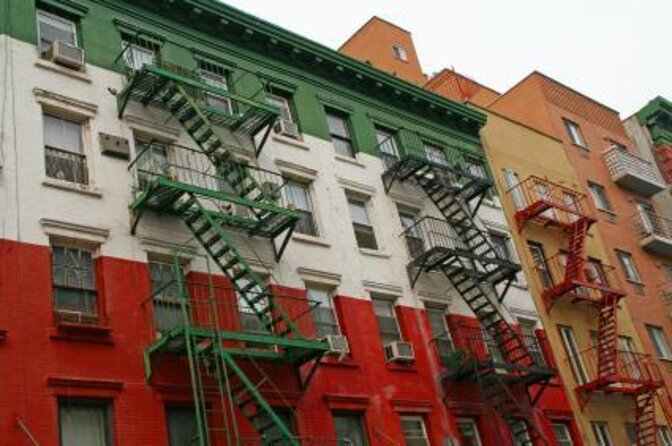
- A Chinatown-to-Little-Italy combo saves time versus trying to plan two neighborhoods separately.
- Drinks are included with an actual sit-down moment that comes with wine or beer.
- You’ll finish with cannoli near Ferrara plus a map and recommendations to keep going.
A 3-hour taste loop through two NYC neighborhoods
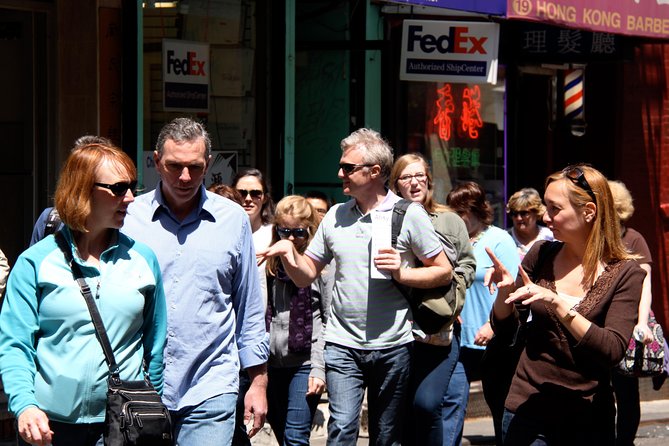
This is the kind of tour I like when I only have a day or two in town. Chinatown and Little Italy can feel like two different worlds, but they sit side-by-side and share a street-life rhythm: dense blocks, loud storefronts, and food that locals treat as daily fuel. Doing them together means you get the contrast without the time cost of separate planning days.
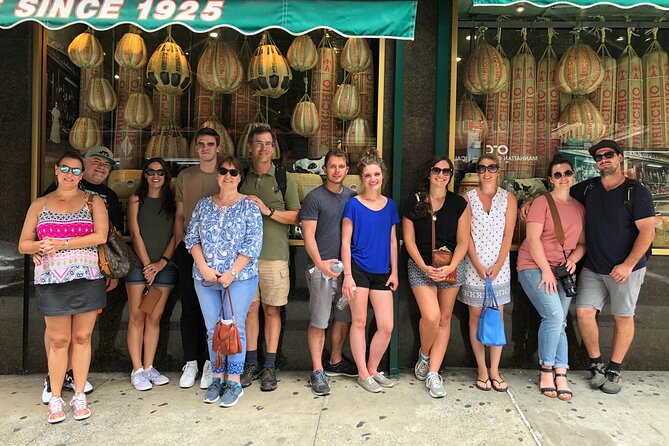
The format is about quality and momentum. You’ll hit multiple small tastings, with some seated stops and some on-the-go bites, so you get variety without waiting in one long line. It’s also a group size that stays manageable, with a maximum of 13 travelers, which matters when you’re moving through narrow blocks and trying to hear the guide.
Most people book it about a month in advance on average. If you’re aiming for a specific day or weekend, I’d treat it like a popular show ticket and grab your spot sooner rather than later.
You can also read our reviews of more food & drink experiences in New York City


Meeting at Silk Road Cafe and getting oriented fast
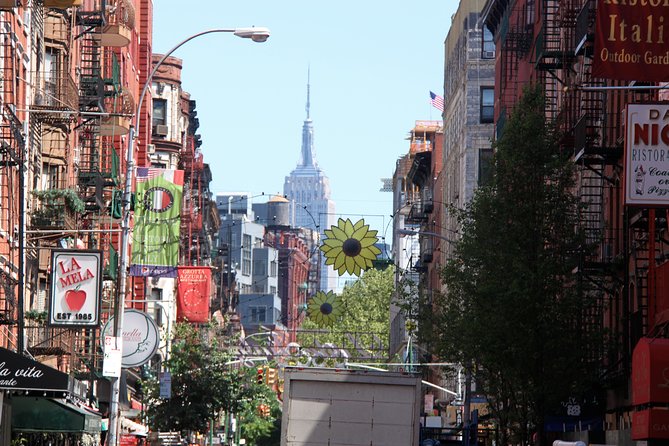
You start at Silk Road Cafe, 30 Mott St. The meeting point is close to Canal Street, which is helpful because it’s a known landmark for getting in and out of the area.
There’s a practical reason this start works: it places you right at the edge of where Chinatown’s food scene starts to feel real. Instead of wandering, you’re guided from the first bite, so you don’t lose time figuring out which streets lead to what. You also get a detailed itinerary, which keeps the tour from feeling random.
One small tip: arrive about 15 minutes early. The tour is designed to flow, and that buffer helps the guide keep everyone together as they move into the first tasting.
Chinatown start: jasmine tea, Chinese pastry, and the first sit-down
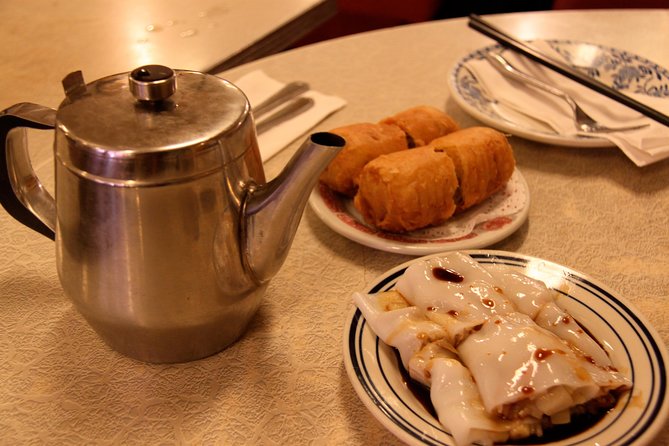
The tour begins in Chinatown with a seated starter. You’ll have a cup of jasmine green tea paired with a popular Chinese pastry. It’s a good opener because it’s both warm and easy to share, and it gives you a baseline for the flavors you’ll keep seeing throughout the neighborhood.
From there, the tour keeps moving through more classic Chinatown choices. The sample menu points to a Chinese sponge cake with a twist, then transitions to dumpling-style tastings—starting with an authentic Chinese dumpling and moving toward Hong Kong-style dumplings later in the Chinatown portion.
If you’re the type who needs a moment to settle in, this first seated stop does the job. If you’d rather just get to eating, it still moves quickly enough that you don’t feel stuck waiting.
The middle of Chinatown: dumplings, roasted duck, and why guides help
In Chinatown, food choices can overwhelm you fast. The guide takes that chaos and turns it into a route you can follow. Instead of staring at menus you can’t interpret under time pressure, you’re told what you’re eating and why it fits the neighborhood.
A few of the tastings in the Chinatown stretch stand out in the menu: authentic dumplings and scrumptious roasted duck. Those aren’t “snack-only” foods. They bring weight, flavor, and texture, and they help the tour feel like a meal rather than a collection of tiny bites.
Also, look out for the way the guide connects the food to street life. In guides’ storytelling, Chinatown and Little Italy come into focus as places with food traditions tied to communities, not just trendy restaurants. Multiple groups praised guides for mixing history with food descriptions, and that kind of context changes how you taste. You start noticing details like seasoning style, sauce balance, and how certain dishes are served and eaten locally.
Switching to Little Italy: cheeses, olives, and pasta with marinara
After the Chinatown stops, you move into Little Italy with a new set of flavors and a new kind of comfort. The transition is also useful for digestion and pacing—you’re not repeating the same sauces and carbs back-to-back.
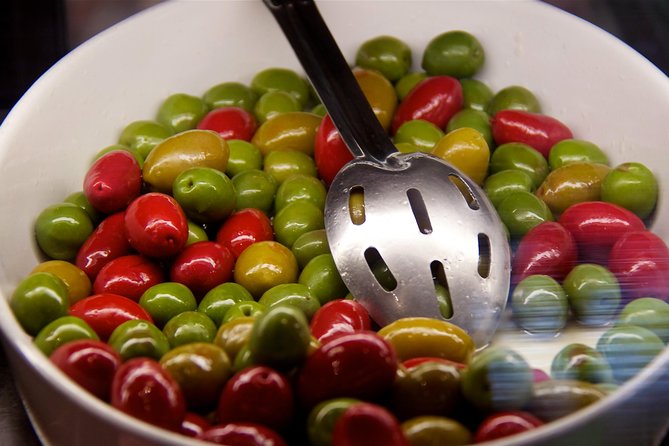
One of the first Little Italy-style tastings is imported Italian cheeses and olives. This matters because it shifts the tour from dumpling-and-roast patterns into something calmer and saltier, with lots of variety even in small portions.
Then you’ll get to fresh pasta with outstanding marinara sauce. The marinara is the kind of sauce that can be simple or spectacular depending on technique, and pasta tastings tend to show you how a place does the basics. This stop also sets you up for the later seated Italian meal vibe, so the tour starts to feel like full-course eating.
You can also read our reviews of more tours and experiences in New York City

The seated Italian stop with wine or beer
This is the part I’d circle if you want a classic tour-food experience. The menu includes a seated and hearty tasting of Italian cuisine, with a choice of wine or beer.
That seated element is more than a break. It’s where the tour slows slightly so you can actually taste without holding everything in your hand. You also get a built-in moment to regroup with your group, ask questions, and catch up if you’ve been juggling directions in your head.
More practical bonus: a few past groups highlighted that there are places for sitting and even a heads-up about restroom access. That kind of comfort can make a long food walk feel easier, especially in a dense neighborhood.
Finishing near Ferrara: cannoli and what to do after
The tour ends at Ferrara Bakery & Cafe, 195 Grand St. Finishing here makes sense because it’s close to more Little Italy action, and you’re ending right where you can keep the food theme going.
You’ll close with a sweet stop: a well-known Sicilian pastry, cannoli. It’s a classic finish for a reason. The sweet, creamy filling resets your palate after savory tastings, and cannoli gives you something you can recognize and compare with other versions later in the city.
You don’t just get dropped and forgotten. The tour includes a map, a recommendations list, and coupons to help you explore after you’ve wrapped up. That’s a big deal if you want to continue on your own without spending mental energy figuring out where to go next.
Price and value: what $130 buys you in real terms
At $130 per person for about 3 hours, this tour is priced like a true guided experience, not a casual street stroll with snacks. The value comes from what’s included: food tastings, alcoholic beverages, and bottled water—all rolled into the ticket.
The tastings also add up. The tour is described as several tastings that can equate to a meal, and groups have noted they end up with about eight courses. That’s the key metric for me: you’re not paying for a few “marketing-sized” samples. You’re eating enough to leave full.
If you’re the kind of traveler who spends time comparing menus and calculating what you’ll pay at each stop, this tour can actually save money and stress. You still get variety, but you’re paying one upfront cost instead of multiple small bills that creep up while you’re hungry and distracted.
Where the price can feel less perfect is if you don’t drink alcohol and you’re extremely sensitive to any walk time. The tour does include drinks, but it’s still a group food format, not a private seated meal. If you want total control over pacing, you might prefer another style of outing.
Guides and group energy: why the names keep coming up
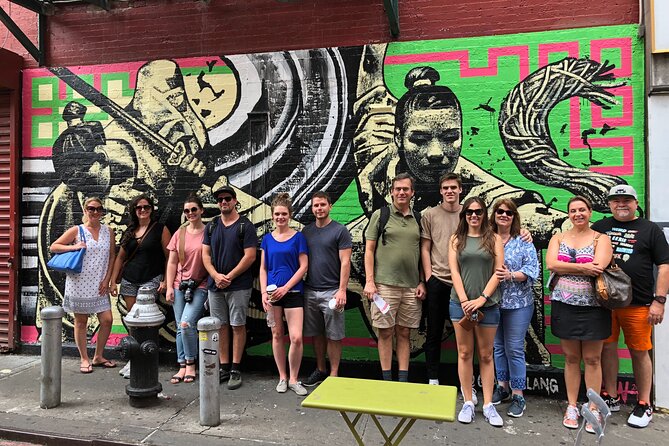
Guides are the human engine here. Across many tours, the standout theme is how guides turn streets into stories and food into meaning. Multiple guide names came through in positive feedback, including Patrick, Lily, Liz, Alana, and Solange.
Even when the guide’s professional background isn’t strictly culinary, what shows up in the experience is communication. People mentioned strong food descriptions, clear history, and a friendly group vibe that feels like more than just eating next to strangers.
If you have the option to request a specific guide, I’d use it. Reviews repeatedly emphasized Patrick for both his historical storytelling and his ability to keep things fun. If you’re not requesting, don’t worry: the tour is built around guided narration and structured tastings, and that structure is what keeps it consistent.
Diet needs, allergies, and how to prepare
Diet requests are handled, but you need to be organized. Vegetarian and gluten-free tastings are available upon request, but they must be submitted at least 48 hours in advance. If you have allergies, the same deadline applies—send them early so the team can plan substitutions.
Bring a realistic mindset: you won’t be picking your own menu item at each stop. You’re relying on the guide and hosts to match your needs within the tour’s framework. If you’re picky about specific ingredients, note it clearly when you book.
Also, eat a light meal before you go. You’ll start with tea and pastry, then keep adding tastings until cannoli. Even if you’re not a big eater, the pacing is designed to fill you up.
Who should book this Chinatown and Little Italy food tour
This tour fits best if you want three things at once:
- A guided route through two neighborhoods that can be hard to plan on your own
- A meal-like set of tastings without constant decision-making
- A history-and-food connection that makes the streets feel more meaningful
It’s a strong choice for couples, groups of friends, and visitors who like learning while they eat. It’s also well-suited for people staying near Chinatown or Little Italy because it ends in the middle of where you’ll probably want to wander next.
If you travel with very young kids, this may not be the right match, since it’s not recommended for children aged 5 and under. And if walking for three hours through dense city blocks is tough for you, consider whether you want a more seated, less stop-and-go style of food experience.
Should you book it?
I’d book this if you want a reliable, no-headache way to sample the foods that define Chinatown and Little Italy. The biggest reasons are the built-in structure—tastings, drinks, and a guided route—and the fact that the food adds up to a real meal instead of a few bites.
Skip it if you want a purely independent food crawl where you choose every restaurant, or if you know you won’t handle a walking-focused tour. But for most first-timers, it’s one of the easiest ways to eat your way through two of NYC’s most food-obsessed neighborhoods in a single afternoon.
FAQ
How long is the Chinatown and Little Italy food tour?
The tour lasts about 3 hours.
Where do you meet and where does the tour end?
You meet at Silk Road Cafe, 30 Mott St, New York, NY 10013, and the tour ends at Ferrara Bakery & Cafe, 195 Grand St, New York, NY 10013.
What is included in the $130 price?
The tour includes food tastings, a local guide, a detailed itinerary, alcoholic beverages, and bottled water.
Do I need to pay for food at each stop?
No. The tour includes the tastings, so you don’t have to worry about paying at each individual stop.
Are vegetarian or gluten-free tastings available?
Yes. Vegetarian and gluten-free tastings are available upon request, but you need to submit those requests at least 48 hours before the tour.
Is alcohol included?
Yes. Alcoholic beverages are included in the tour price, and the sample menu includes a seated Italian tasting where you can choose wine or beer.
Is it okay for kids?
It’s not recommended for children aged 5 and under.
How many people are in the group?
The tour has a maximum of 13 travelers.
What is the cancellation policy?
You can cancel for a full refund up to 24 hours before the experience start time. If you cancel within 24 hours, the amount you paid is not refunded.