REVIEW · NEW YORK CITY
Hard Hat Tour of the Abandoned Ellis Island Hospital Complex
Book on Viator →Operated by Save Ellis Island · Bookable on Viator
The Ellis Island hospital ruins hit harder than you expect. This Hard Hat Tour takes you into restricted, unrestored spaces most visitors never see, with a guide who connects the architecture to real immigrant arrivals and the care they received. I particularly love the chance to walk through places tied to infectious disease care and the way the tour pairs the site with JR’s Unframed art installation.
You’ll also get solid guidance on what you’re looking at, and the experience stays focused: contagious disease wards, autopsy rooms, laundry facilities, and staff areas within 29 buildings on the south side of the island. One key consideration: your tour price covers the tour, but the ferry ticket is not included, so you must plan for that extra cost and purchase it separately.
In This Review
- Key Points You’ll Want to Know Before You Go
- Why This Hard Hat Tour Feels Different From a Standard Ellis Island Visit
- Your Hour-and-a-Half: What Happens on the Hospital Complex Tour
- Entering Ellis Island’s Hospital Side: More Than Hallways
- Infectious Disease Wards: Where Fear and Medicine Lived Side by Side
- Autopsy Rooms: Medical Knowledge and Hard Realities
- Laundry Facilities and Staff Quarters: The Work Behind the Work
- Operating Rooms and Treatment Spaces: Built for Urgency
- JR’s Unframed in the Ruins: Why the Art Matters Here
- What You’ll Learn From the Guide (and How the Best Tours Feel)
- Price and Value: The Tour Is $66.50, but Plan the Ferry Too
- Meeting Point and Timing: Don’t Be Late to the Hard Hat Part
- What to Wear: Comfortable Shoes and Warm Layers
- Who This Tour Is Perfect For (and Who Might Want Another Option)
- Should You Book the Hard Hat Tour of the Abandoned Ellis Island Hospital Complex?
- FAQ
- How long is the Hard Hat Tour of the abandoned Ellis Island hospital complex?
- How much does the tour cost?
- Is the ferry ticket included?
- Where do I meet for the tour?
- What is included in the ticket price?
- What language is the tour offered in?
- How many people are in a group?
- What should I expect to see inside the hospital complex?
- Can I cancel for free?
Key Points You’ll Want to Know Before You Go
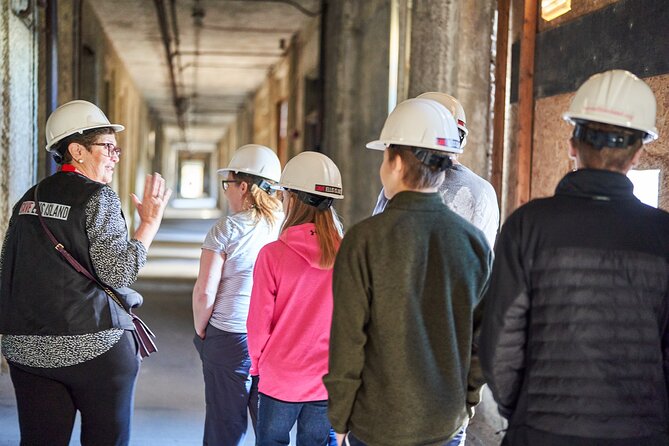
- Restricted hospital access: You enter areas that are not open to the general public.
- 29 buildings on the south side: You’re covering a lot of space in 90 minutes, not just one room.
- Contagious disease wards and operating rooms: Expect a serious, medical-story experience, not a quick walk-by.
- JR’s Unframed inside the ruins: Photo-based contemporary art appears right in the decaying corridors.
- Small group size (max 15): Easier pacing and more chances to ask questions.
- Guides with strong history context: Names like Ben, Denise, and Dave come up as standout guides for explanation quality.
Why This Hard Hat Tour Feels Different From a Standard Ellis Island Visit
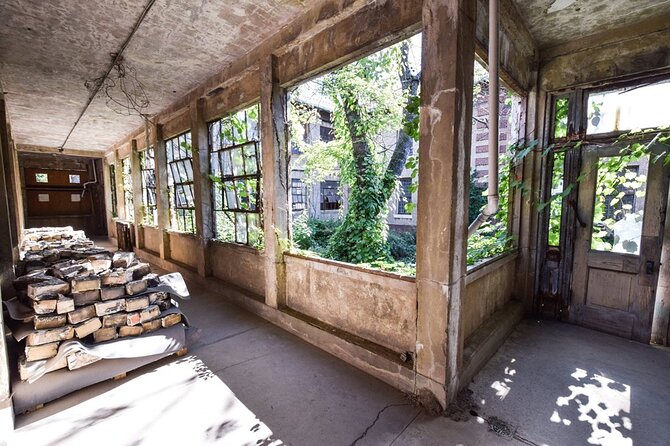
Ellis Island is famous for immigration processing, but this tour shifts your attention to what happened after arrival: the medical systems built to deal with illness and injury in a place where people were often sick, exhausted, or both.
What I like most about the Hard Hat Tour setup is the focus. You are not just looking at artifacts behind glass. You are walking through the hospital complex itself, including spaces tied to treatment and diagnosis, in abandoned buildings that still hold their original purpose in the layout and design. That physical proximity changes how you understand the stories.
You’ll also see a clear contemporary connection. In the decaying spaces, the tour highlights Unframed by French artist JR, featuring life-sized historic photos placed into the environment. It’s not decorative. It’s meant to make the past feel present while you’re standing inside the exact kind of rooms people once used.
You can also read our reviews of more tours and experiences in New York City.



Your Hour-and-a-Half: What Happens on the Hospital Complex Tour
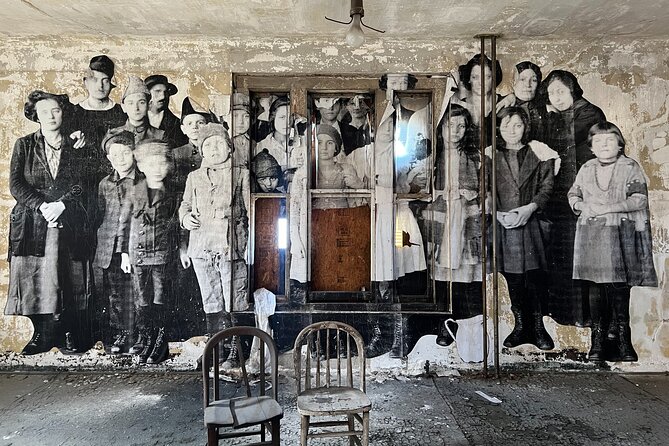
This is an approximately 1 hour 30 minutes guided tour that ends back at the meeting point. The experience runs through the abandoned hospital complex on the island’s south side, covering 29 unrestored buildings. You’ll move at a human pace, with your guide explaining what the spaces were built for and what kind of work took place there.
The tour is led by Save Ellis Island, and the admission fee helps support the preservation of these historic buildings. For me, that matters because the experience itself is unusual and fragile. The value is not just in photos; it’s in keeping the physical site standing long enough for future visitors to learn from it.
Entering Ellis Island’s Hospital Side: More Than Hallways
You’ll start at the Ellis Island National Museum of Immigration and then step into the hospital complex. The key shift here is that you’re seeing the medical operation as an entire system, not a single landmark room.
From the beginning, your guide helps you orient the space: where the facilities were, how staff would move, and why certain areas were separated. Even if you’ve read about Ellis Island before, seeing how the buildings are arranged makes the story feel less abstract.
Infectious Disease Wards: Where Fear and Medicine Lived Side by Side
A major highlight is the contagious disease ward area. You’ll see how the hospital prepared to manage highly contagious or hard-to-treat illnesses. The design choices make more sense once you understand the problem they were built to solve: preventing illness from spreading while also treating it as quickly and safely as possible.
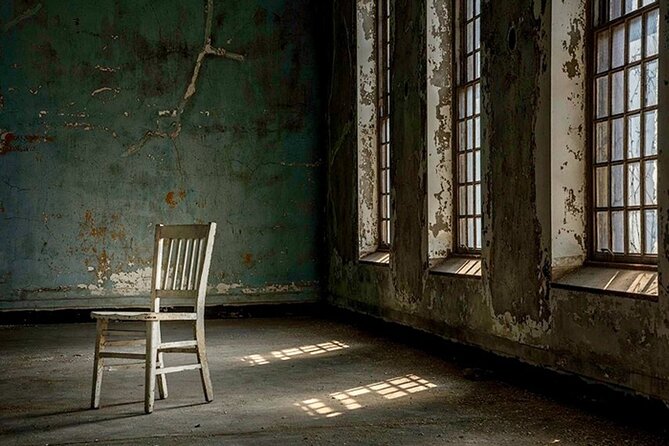
This stop is where the tour’s emotional weight concentrates. The spaces are abandoned now, but the former purpose is still legible in the layout. If you’re the type who learns best by seeing how a place functions, this is the portion that will stick with you.
Autopsy Rooms: Medical Knowledge and Hard Realities
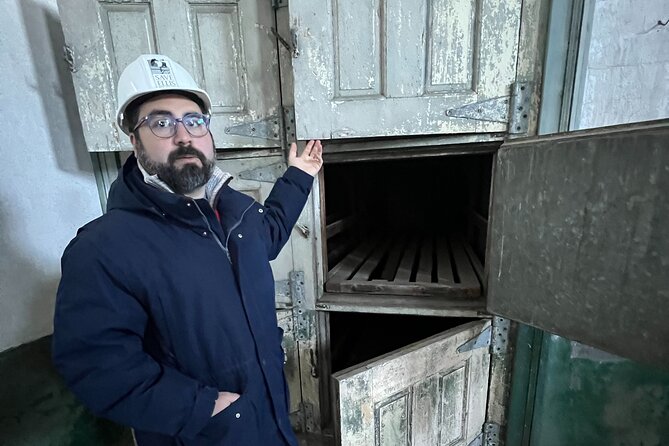
The tour includes access to autopsy rooms. This is not a casual add-on. It fits the hospital’s role in immigration-era medicine, where documentation, diagnosis, and understanding cause of illness were a major part of the work.
If you’re sensitive to medical subject matter, it’s a good idea to approach this section with a calm mindset. Think of it as part of the broader medical system that supported arrival processing and care. You’ll come away with a sharper understanding of what people faced beyond the waiting room phase.





Laundry Facilities and Staff Quarters: The Work Behind the Work
You’ll also pass through laundry facilities and staff quarters. These stops matter because hospitals depend on logistics as much as treatment. The people working there needed ways to handle clothing, sanitation, and day-to-day operations in a high-pressure environment.
It’s easy to picture doctors and nurses and forget the behind-the-scenes infrastructure. These rooms help you see that the hospital was a whole workplace, not just a set of impressive rooms.
Operating Rooms and Treatment Spaces: Built for Urgency
The tour takes you into operating rooms once used to care for those arriving to America. Even though the buildings are no longer functioning the way they did, the setting helps you understand why medical care had to be organized quickly.
This is one of the sections that changes how you read the Ellis Island story. The immigration story is often told as paperwork and arrival processing. Here, you get the physical side: the urgent work that happened when people were sick or injured.
JR’s Unframed in the Ruins: Why the Art Matters Here
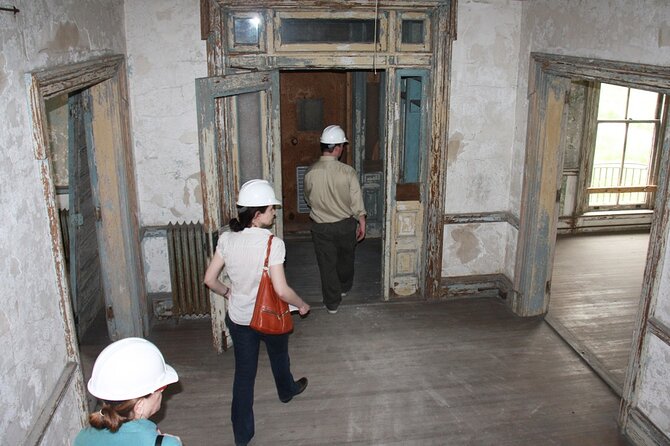
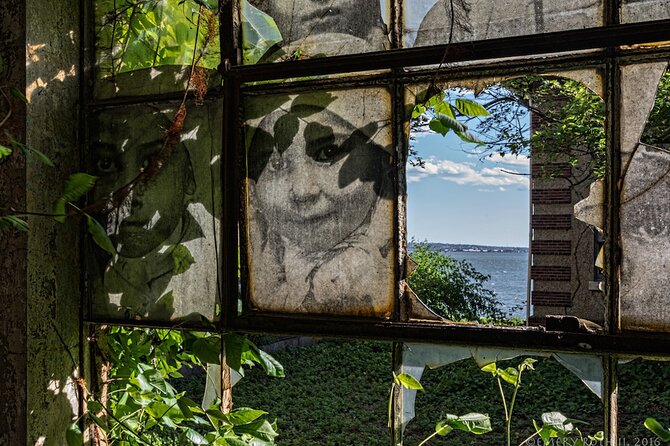
One of the tour’s standout elements is the appearance of Unframed by French artist JR inside the decaying hospital spaces. Life-sized historic photos are set within the unrestored rooms, which makes the experience feel less like a museum visit and more like a conversation between past and present.
Here’s how I’d frame it for you: the hospital buildings already carry weight on their own. The art pushes you to look again at scale and presence. You’re not just reading about people. You’re standing near the kinds of spaces where they were processed and treated, while the photos assert that those individuals were real human beings with faces, expressions, and stories.
If you like photography, this is also a strong stop. The contrast between the imagery and the decay creates scenes that feel both solemn and strangely cinematic. Just remember to look first, shoot second. The guide will often give context that makes the photos land harder.
What You’ll Learn From the Guide (and How the Best Tours Feel)
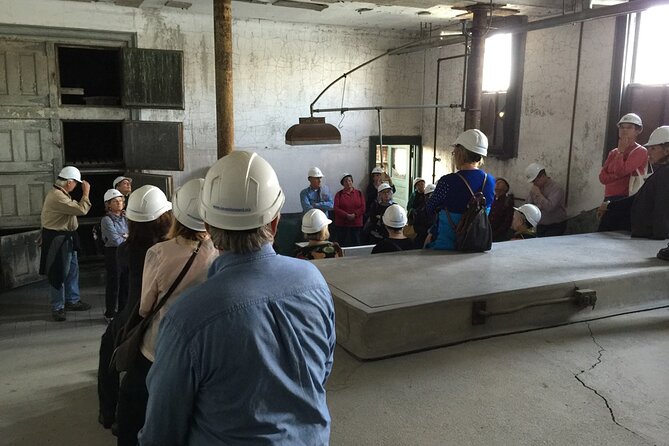
The tour is guided, and the guide is your main tool for making sense of what you’re seeing. The best moments tend to be when the guide explains how design and function worked together in the medical system.
In the field, I pay attention to whether a guide can answer your questions without turning the tour into a lecture. This one has a good reputation for explanation quality, with guides such as Ben and Denise (and Dave) frequently singled out for doing just that: tying the architecture to what immigrants experienced and how medical staff worked in those spaces.
You’ll also learn context about immigrant stories that are often left untold. That phrasing can sound generic, but in practice it means you’re not only hearing famous headline facts. You’re getting the human scale of arrival care—why certain wards existed and what the hospital system tried to do for people who were trying to survive the trip and make a new start.
Price and Value: The Tour Is $66.50, but Plan the Ferry Too
The tour price is $66.50 per person, and it includes the admission fee and the guide. The time commitment is about 90 minutes, and the group size is limited to a maximum of 15, which usually helps keep the experience focused rather than rushed.
But here’s the part that can surprise people: your ferry ticket is not included. You must buy it through Statue City Cruises for $25.50 per person. That means your all-in cost is roughly $92.00 before any add-ons like taxes or optional purchases.
Is it still good value? For me, yes, because you’re paying for restricted hospital access, small-group guidance, and preservation support for unrestored historic buildings. A standard museum ticket won’t give you the same access or perspective. You’re also helping keep a fragile site available for future learning.
One practical tip: this tour is typically booked about 34 days in advance on average. If you want a specific date and your calendar is tight, booking earlier is smart.
Meeting Point and Timing: Don’t Be Late to the Hard Hat Part
The meeting point is at Ellis Island National Museum of Immigration, Ellis Is, Jersey City, NJ 07305, USA. The tour starts there and returns you to the meeting point.
Since you’ll be entering a restricted, operationally sensitive area, you should treat this like an appointment, not a flexible stroll. Plan to arrive early and give yourself a buffer for ferry timing and security checks on the way in. If you run late, you can end up stressed in exactly the wrong way, and this tour is better when you can take it in calmly.
Also, make sure you have your mobile ticket ready. Confirmation happens at booking, and the tour is offered in English.
What to Wear: Comfortable Shoes and Warm Layers
This is an abandoned, unrestored building experience. That means you should prepare for cold, damp, and uneven indoor surfaces, especially in winter.
Based on real on-the-ground experience from past visits (including snowy winter conditions), I strongly recommend:
- Comfortable shoes you can walk in for a long-ish stretch
- Warm clothing even if the weather looks mild at first
- A jacket you don’t mind if you get close to old surfaces and dust
If you hate cold hands or you’re the type who gets chilly fast, bring layers. This tour is short, but the body will still notice the temperature once you’re inside older structures.
Who This Tour Is Perfect For (and Who Might Want Another Option)
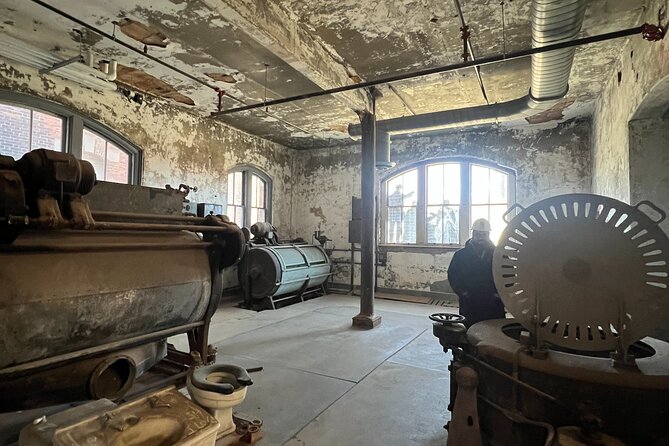
This tour is ideal if you like:
- America’s immigrant story, told with more medical and social context
- Photo-friendly settings with strong atmosphere
- History that feels physical, not behind barriers
- Smaller groups and a guide who can explain what you’re seeing
You might also love it if you’re trying to understand how Ellis Island worked as a system, including the reality of illness during arrival.
You might want to consider a different experience if you strongly prefer light, easygoing sightseeing. This is a serious setting with serious subject matter, including areas tied to diagnosis and treatment, like contagious disease wards and autopsy rooms.
Should You Book the Hard Hat Tour of the Abandoned Ellis Island Hospital Complex?
If you want something more than the usual Ellis Island highlights, you should book this. The reason is simple: it gives access to parts of the hospital complex that general visitors don’t typically see, and it explains what you’re looking at in a focused, human way. Seeing JR’s Unframed inside these spaces adds an extra layer that connects past and present without turning the site into a theme park.
Just plan for the key practical points. Build in time for the ferry since it’s not included, wear warm layers and sturdy shoes, and treat the meeting point like a timed event. With that sorted, this tour can be one of the most powerful ways to experience the immigrant story through the lens of the medical world that met people at arrival.
FAQ
How long is the Hard Hat Tour of the abandoned Ellis Island hospital complex?
The tour lasts about 1 hour 30 minutes.
How much does the tour cost?
The tour price is $66.50 per person.
Is the ferry ticket included?
No. The ferry ticket is not included and must be purchased through Statue City Cruises for $25.50 per person.
Where do I meet for the tour?
You meet at the Ellis Island National Museum of Immigration, Ellis Is, Jersey City, NJ 07305, USA.
What is included in the ticket price?
The ticket includes the admission fee and a guide.
What language is the tour offered in?
The tour is offered in English.
How many people are in a group?
This activity has a maximum of 15 travelers.
What should I expect to see inside the hospital complex?
You’ll visit 29 unrestored buildings on the south side, including contagious disease wards, autopsy rooms, laundry facilities, and staff quarters, plus operating rooms and the Unframed art installation by JR.
Can I cancel for free?
Yes. You can cancel up to 24 hours in advance for a full refund. If you cancel less than 24 hours before the start time, the amount you paid is not refunded.