REVIEW · NEW YORK CITY
Meatpacking District: Chelsea Market and The Highline Tour
Book on GetYourGuide →Operated by TopDogTours · Bookable on GetYourGuide
Two hours can feel like a whole neighborhood lesson. This small-group tour mixes food-market energy with up-on-a-railroad-park views, plus clear stories about the Meatpacking District you can’t really get from just strolling.
I especially like the way you start at Chelsea Market and get time to browse, snack on baked goods, and shop without rushing. I also love the High Line portion because it turns the area into a moving story—railroad history, waterfront views, and architecture all in one route.
The main catch is simple: food and drinks aren’t included, and even though you’ll get chances to sample snacks inside Chelsea Market, you should still plan to pay for what you want (and vendors may not always be operating).
In This Review
- Key things to look forward to
- Chelsea Market: your first stop at 15th and 9th
- Death Avenue and Meatpacking District stories that actually connect
- High Line on the old New York Central rail spur: views with a point
- Architecture spotting in the Meatpacking District after the park
- Price and time: is $47 for 2 hours good value?
- What walking feels like (and how to prepare)
- Who should book this tour (and who might skip it)
- Should you book the Chelsea Market and High Line Meatpacking District tour?
- FAQ
- Where is the meeting point for the tour?
- How long is the tour?
- What is the price per person?
- Is food and drinks included?
- Is the High Line always accessible?
- Is the tour wheelchair accessible?
Key things to look forward to
- Chelsea Market time right at the start, with room to snack and browse
- Death Avenue explained before you head up to the park
- High Line on a disused New York Central Railroad spur, with standout city views
- Titanic docking clues from 1912, plus views toward Chelsea Piers
- Meatpacking District walk-through after the park, including the Gansevoort Hotel and fashion storefronts
Chelsea Market: your first stop at 15th and 9th
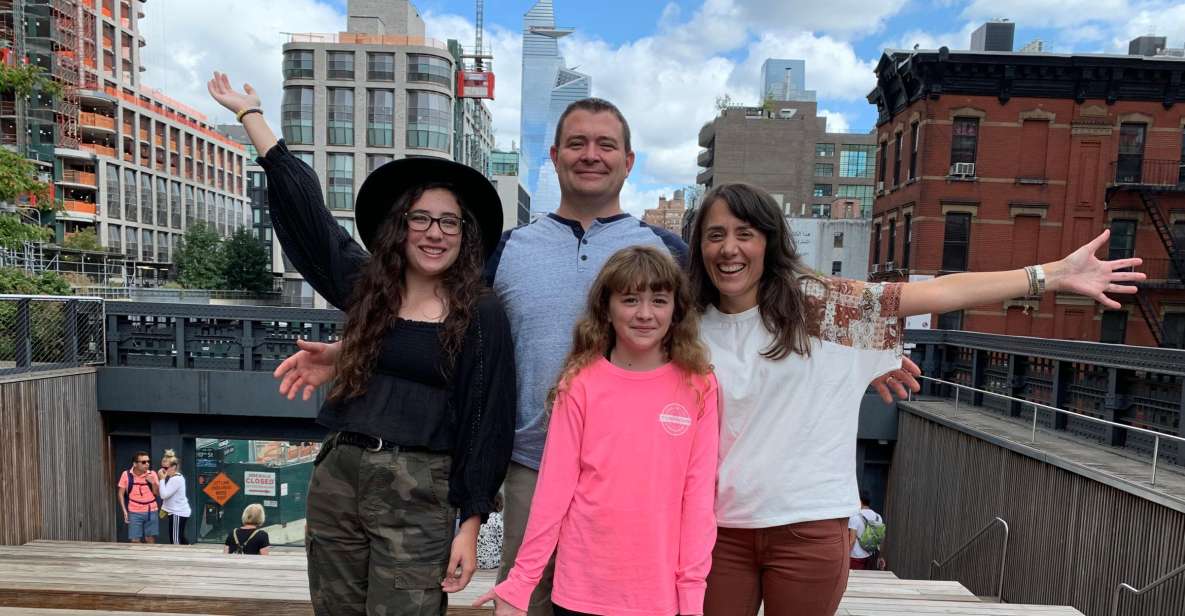
You meet at the corner of 15th Street and 9th Avenue, right by Chelsea Market, which makes this tour easy to plug into a day of walking. The start matters. Chelsea Market isn’t just a backdrop—you’re given free time inside so you can get your bearings fast and decide what you want to do next.
In practical terms, this is where the tour gives you an unofficial permission slip to slow down for a bit. You can sample baked goods and snacks, and you can do a little shopping before the pace picks up. Since food and drinks aren’t included, think of this segment as flexible: snack if you want, window-shop if you don’t, and only buy what genuinely looks good to you.
Also, Chelsea Market is a great place to people-watch. You’ll be surrounded by the kinds of choices that make New York shopping feel different than, say, a mall. If you’re the type of traveler who likes to pick up small edible souvenirs or bring something back for later, this timing is useful.
One thing to keep in mind: there’s no guarantee that food vendors will be operating. That doesn’t make the market a bad stop—it just means you shouldn’t book this with the expectation that you’ll definitely get a specific snack from a specific stall. Come ready to be adaptable.
You can also read our reviews of more walking tours in New York City



Death Avenue and Meatpacking District stories that actually connect
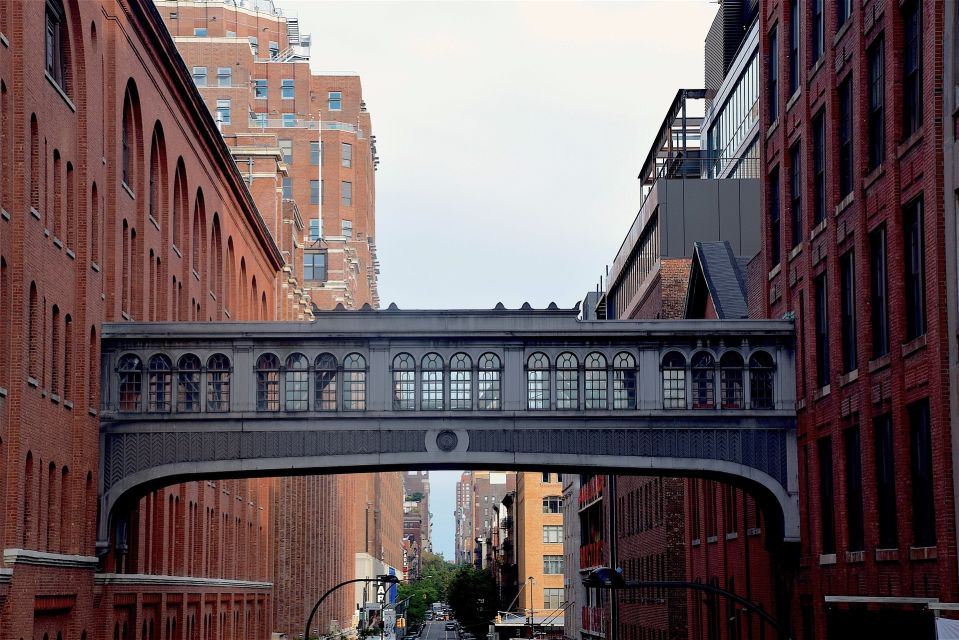
After your time at Chelsea Market, your guide brings you into the Meatpacking District story with something you’ll hear described as the infamous Death Avenue. The tour doesn’t treat it like a random spooky label. It’s positioned as a historical thread that helps explain what you’re looking at as you move through the area.
Why that storytelling matters: when you only glance at architecture and storefronts, neighborhoods can blur together. When you have a few anchor stories—like Death Avenue—you start noticing details. You begin to see the district not just as a place to take photos, but as a place with meaning.
This is also where the guide’s style shows up in the reviews. Multiple people highlight that the guide’s information and the way the architecture and history are explained makes the tour worth it, even if you’ve been to New York before. Names that appear in feedback include Conner and Liz, both praised for being friendly and for having strong command of the area. Another review mentions Gabi leading a private-style experience, also with excellent results.
Even if you don’t remember every detail, the impact is still there: you walk away with a mental map of what the district used to be and why the present-day look makes sense.
High Line on the old New York Central rail spur: views with a point
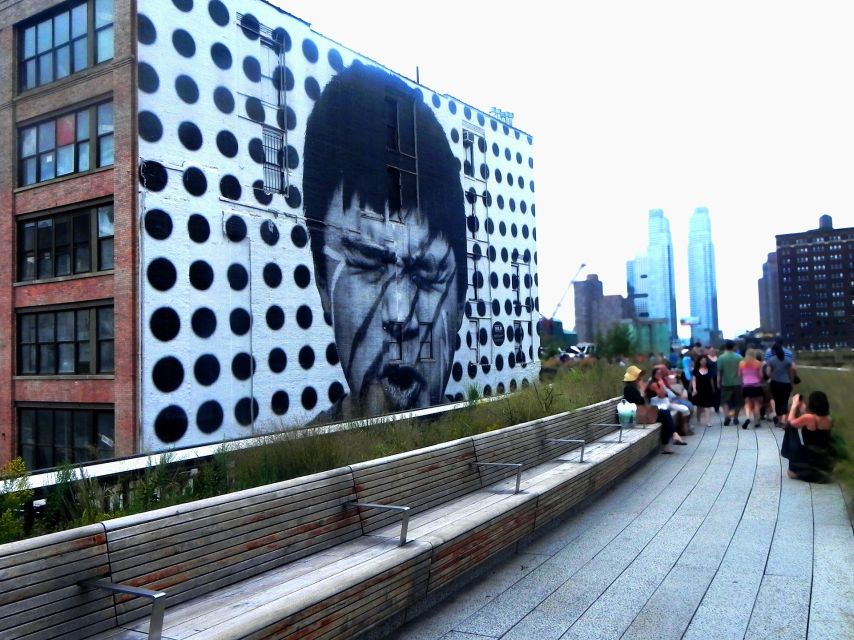
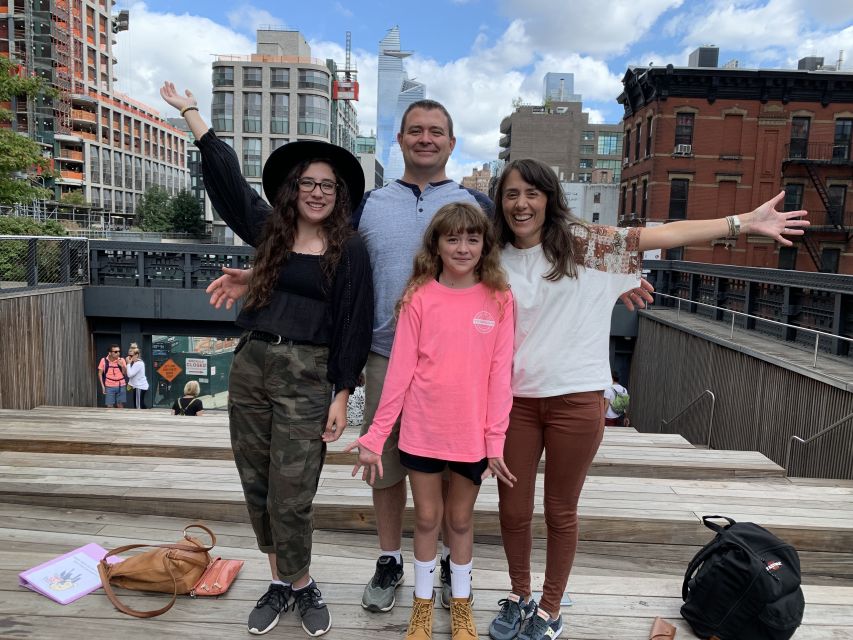
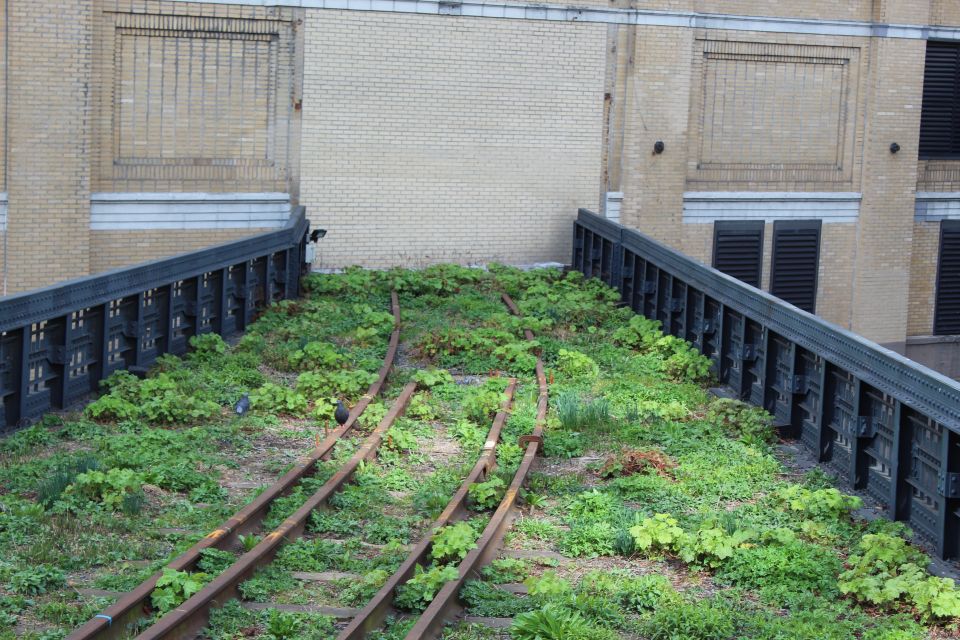
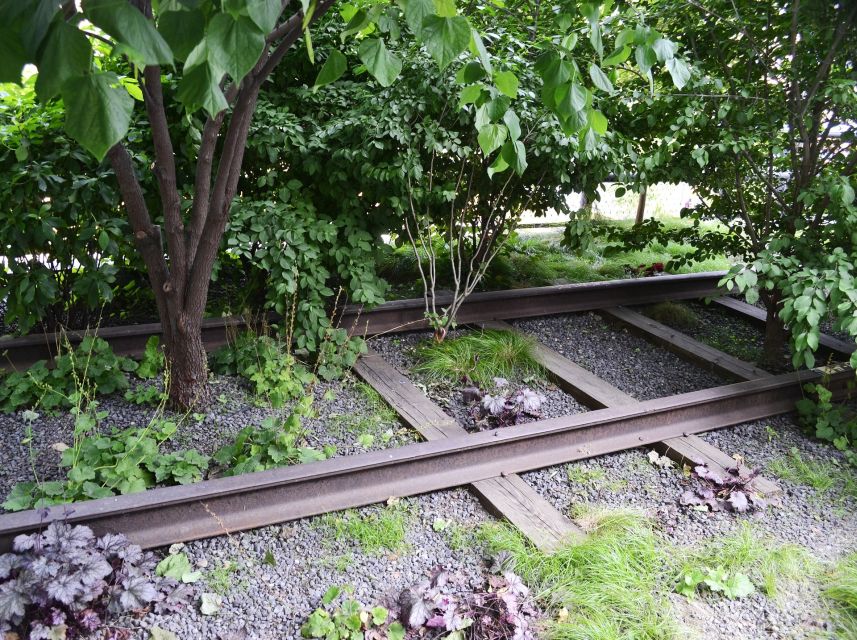
Then you head up to the High Line. The tour describes it as a linear park built on an elevated section of a disused New York Central Railroad spur—meaning you’re not just walking a pretty path. You’re walking through an old transportation system that got repurposed into public space.
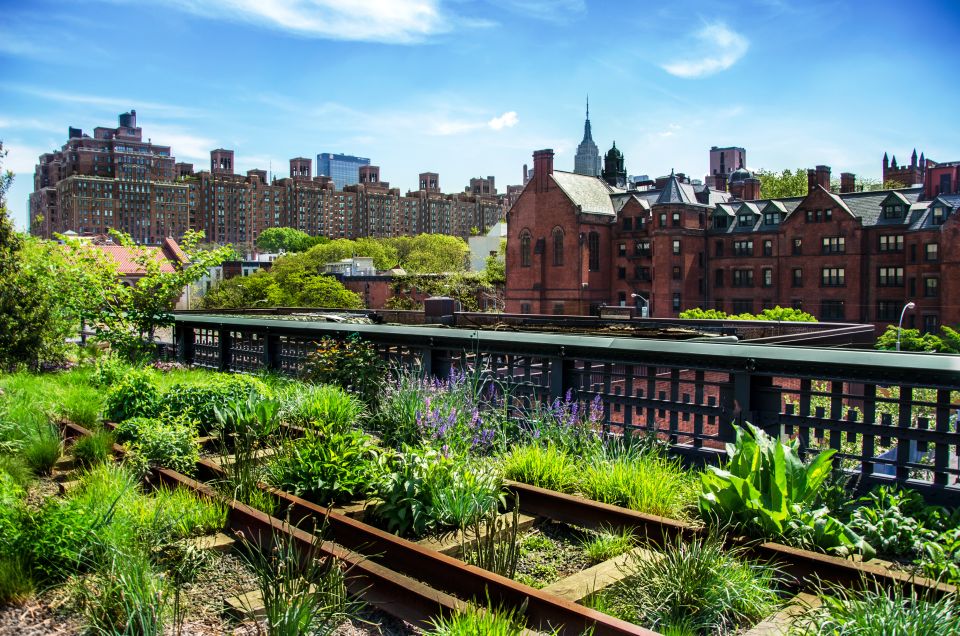
Here’s what I think you’ll appreciate about this part of the route: it’s built for perspective. As you move, the city opens up in layers. You’re able to see Chelsea Piers, you get a feel for how the waterfront fits into the neighborhood, and you’re reminded that this area isn’t isolated—it connects to bigger stories.
The tour also adds two architecture-focused moments that make the High Line feel more specific. First, you see where the ill-fated Titanic was meant to dock in 1912. Even if you’ve heard Titanic facts before, this kind of on-location reference makes it stick.
Second, you’ll admire the Standard Hotel, described as an 18-story luxury boutique property. That’s a lot of building to absorb in one glance, and the High Line gives you an angle that makes it easier to see massing and design rather than just seeing a tower from street level.
A quick reality check: High Line access depends on weather. The park closes during potentially dangerous conditions. The tour itself runs in most weather conditions, but if it’s unsafe, you may need an alternative date or a different approach. If you’re traveling in a season with heavy rain, plan your day with some flexibility.
Architecture spotting in the Meatpacking District after the park
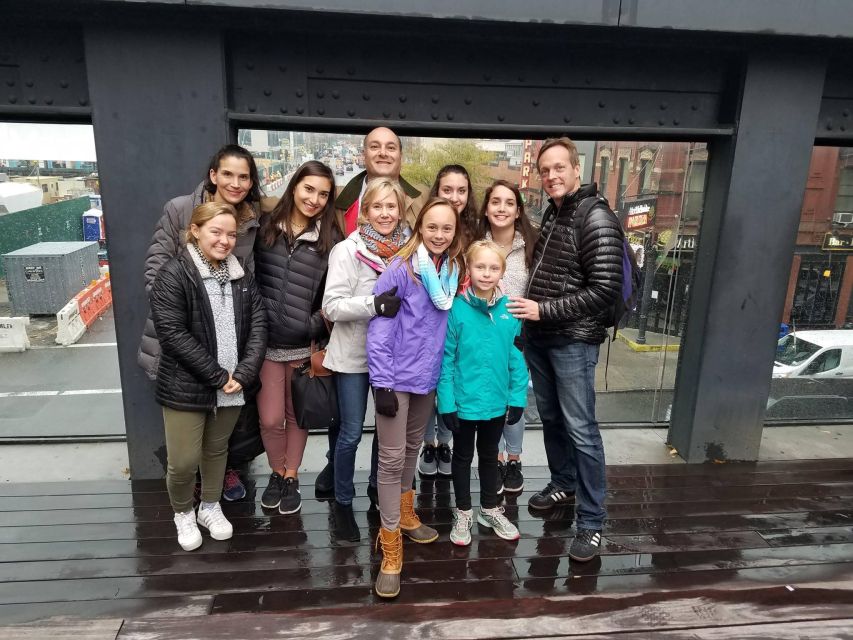
Once you come back down, the tour moves into the heart of the Meatpacking District. This is where the experience shifts from historical explanations and views to street-level energy.
You’ll see the Gansevoort Hotel and then walk past high-fashion flagship stores and some trendy bars. That sounds like a generic description, but it’s actually useful in a tour context. Because you’ve just walked the High Line with stories attached, these storefronts don’t feel like random branding. They feel like the current chapter of the same neighborhood.
If you’re a first-timer, this is a good way to get a fast sense of what the district looks like today. If you’re a repeat New York visitor, it still works because you’re getting a guided bridge between present-day architecture and the specific references you learned during the walk.
I also like how the tour doesn’t try to do everything in one go. The Meatpacking District segment is short enough that you can keep an eye out for what you personally care about—stores, hotel architecture, or just the feeling of the streets—without your guide trying to shove an agenda into your day.
Price and time: is $47 for 2 hours good value?
At $47 per person for about 2 hours, you’re buying three things: a local guide, a structured route, and time-saving organization. You’re not paying for a long, multi-stop day-trip. You’re paying for a concentrated hit of neighborhood context plus two of the district’s strongest set pieces: Chelsea Market and the High Line.
For value, here’s the math I’d use as a traveler:
- You get a small group (limited to 10 participants), which usually makes it easier to hear your guide and keep the flow moving.
- You’re covering a route that’s easy to do on your own, but hard to understand as deeply without context—especially with stories like Death Avenue.
- You’re walking a defined loop that connects market, park, and the district streets, so you don’t waste time figuring out what’s worth seeing first.
The only reason the price might feel steep is if you’re expecting the tour to include food. It doesn’t. Food and drinks are not included, and there’s also no guarantee that specific vendors are operating. So you’ll likely spend a bit extra if you want snacks during the Chelsea Market time.
If you come prepared to treat the snacks as optional and focus on learning and walking, this pricing feels fair for the time you get.
You can also read our reviews of more shopping tours in New York City





What walking feels like (and how to prepare)
This is a walking tour with a reasonable amount of walking. That’s not just a warning label—it affects your comfort and pace. If you like to wander slowly on vacation, this tour gives you some freedom at Chelsea Market, but the overall rhythm is still “move, stop, listen, look, move.”
My practical recommendation is simple: wear comfortable shoes and plan for at least a couple of segments where you’re on your feet longer than you’d expect from a 2-hour label.
Weather matters, too. Tours operate in most weather conditions, but the High Line can close in dangerous conditions. If you’re traveling in warmer seasons, bring water or cold beverages to stay cool, since you’ll be outside during key stretches.
Also, consider that this is a small group capped at 10 participants. That’s usually a sweet spot for group tours. You won’t feel packed into a large crowd, and you can usually hear your guide without shouting.
Who should book this tour (and who might skip it)
I think this tour is a great match if you want:
- a fast, guided way to understand the Meatpacking District without doing independent research all day
- a market start that includes time to snack and shop at your own pace
- the High Line experience with added context, not just views
You might consider skipping if you:
- want food and drinks included (they aren’t)
- are trying to minimize walking
- have a very rigid schedule and can’t adjust if High Line access changes due to weather
It’s also worth booking if you enjoy architecture and city stories. Several top reviews give the same impression: the guides make the area come alive by focusing on history and design in a way that feels clear and organized.
Should you book the Chelsea Market and High Line Meatpacking District tour?
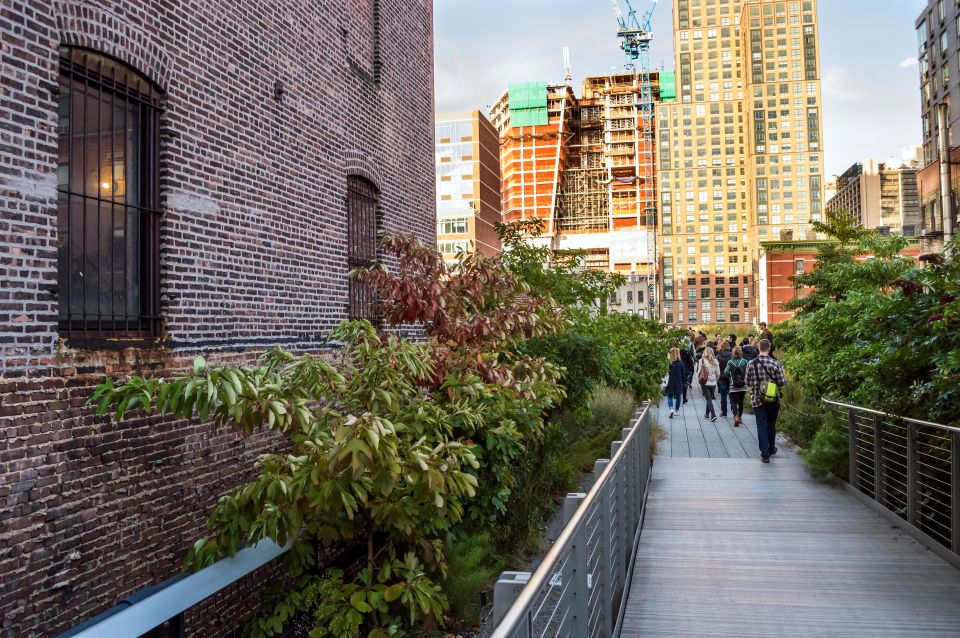
Yes—if you want a smart, 2-hour route that connects Chelsea Market, High Line, and the Meatpacking District into one coherent story. For $47, you’re not just buying entry into a park and a market; you’re buying a guide-led version of the neighborhood that helps the details click: Death Avenue, the Titanic docking reference from 1912, waterfront angles toward Chelsea Piers, and standout architecture like the Standard Hotel.
Book it if you like small-group tours, walking with purpose, and a guide who can explain what you’re seeing. Skip it if you only want scenic photos and no talking, or if you need food costs to be included.
FAQ
Where is the meeting point for the tour?
You meet at the corner of 15th Street and 9th Avenue, by Chelsea Market.
How long is the tour?
The tour lasts about 2 hours.
What is the price per person?
The price is $47 per person.
Is food and drinks included?
No. Food and drinks are not included.
Is the High Line always accessible?
High Line access depends on weather conditions, since the park can close during potentially dangerous conditions.
Is the tour wheelchair accessible?
Yes, the tour is listed as wheelchair accessible.