REVIEW · NEW YORK CITY
New York City: 9/11 Ground Zero All Access Tour
Book on GetYourGuide →Operated by 911 Ground Zero Tour · Bookable on GetYourGuide
A church stop you will not forget. This 9/11 Ground Zero all access tour pairs a local guide’s personal connection to the day with time at the 9/11 Memorial and the museum, plus optional Freedom Tower and One World Observatory. Two things I really like: the firsthand, grounded storytelling, and the way you’re given more meaningful time inside the sites (including skip-the-line museum entry if you choose that option).
One possible drawback: this is a heavy topic, and a good chunk of the tour is outdoors with security checks at the museum and observatory, so plan for both emotion and lines.
In This Review
- Key Highlights You’ll Actually Feel
- Starting at St. Paul’s Chapel, Then Letting the Day Catch Up
- Ground Zero Walk: 9/11 Memorial Pools and Meaning Behind the Names
- A Quick Architectural Break at the Oculus Center
- The 9/11 Museum With Skip-the-Line Entry (When Chosen)
- Freedom Tower Lobby: Watching Voices Before Going Up
- SkyPod and the One World Observatory Views You’ll Keep Thinking About
- The Weather and Security Reality Check (Yes, It Matters)
- How the 5 Hours Break Down in Real Life
- Price: What $35 Buys (And When It’s a Great Deal)
- Who Should Book This Tour
- Should You Book the 9/11 Ground Zero All Access Tour?
Key Highlights You’ll Actually Feel
- Firsthand guide stories: You’ll hear a personal account tied to the events of 9/11, not just dates and facts.
- St. Paul’s Chapel as a starting point: A block’s distance from the towers, yet miraculously spared, and it sets the tone fast.
- Ground Zero at walking speed: You’ll move through the memorial area with guided context that makes the layout easier to process.
- Skip-the-line museum time (optional): You get a smoother path into the 9/11 Museum exhibits when that option is selected.
- Freedom Tower + One World Observatory (optional): The Voices film and SkyPod ride add a strong “then and now” contrast.
- Panoramic views from high up: NYC looks big again from the tri-level observatory, and it helps you reorient after the memorial.
Starting at St. Paul’s Chapel, Then Letting the Day Catch Up
The tour begins outside St. Paul’s Chapel on Broadway, right between Fulton and Vessey. Your guide meets you in front of the church wearing an orange hat, and you’ll start with a short visit that frames everything that follows.
What I like about this start is how it avoids a cold “checkpoint tour” feeling. St. Paul’s Chapel wasn’t just nearby—it served as a rescue center and a place for mementos afterward, so it lands the story in real human needs first. And because the church was miraculously unharmed when the Twin Towers fell only a block away, it’s also a place where survivors’ memories feel connected to the physical space, not only to history books.
You’ll also get your first sense of how the area is laid out—wide sidewalks, memorial sightlines, and the flow toward the memorial pools. That matters, because later you’ll want to know where to look and how to move without feeling rushed.
You can also read our reviews of more city tours in New York City



Ground Zero Walk: 9/11 Memorial Pools and Meaning Behind the Names
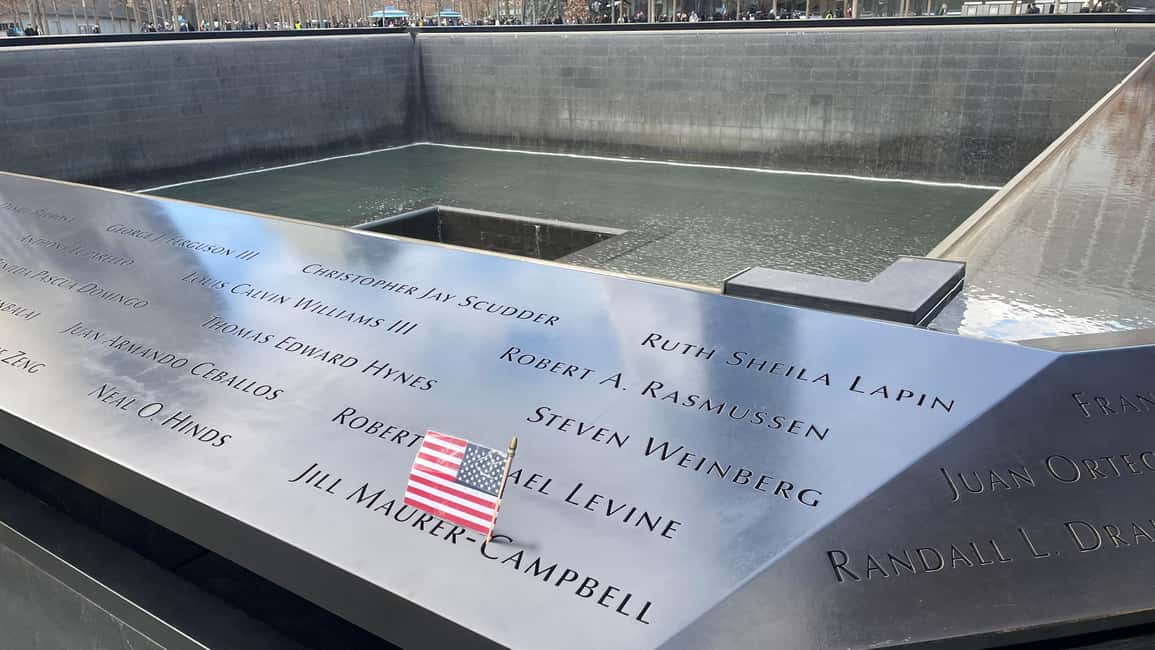
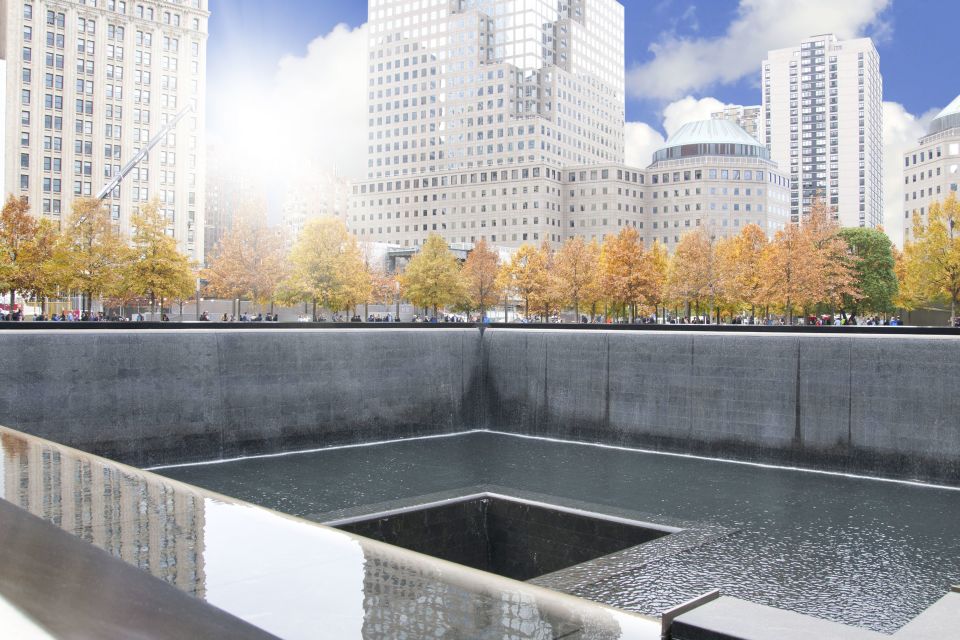
After St. Paul’s Chapel, you’ll head toward the 9/11 Memorial. This is where the tour turns quiet on purpose. Your guide leads you through key points in the memorial area and explains what you’re looking at, including how New Yorkers came together in the aftermath.
One feature you’ll spend time with is Reflecting Absence, described as the largest man-made waterfalls on the continent. On paper it sounds like a design element. On-site, it reads differently: water, names, and space all working together so you can take in loss without needing a script.
You’ll also get guided time at the Survivor Tree. It’s a small stop compared to the rest of the day, but that’s exactly why I appreciate it. The memorial can be overwhelming in scale, and then suddenly you’re looking at a living symbol that suggests endurance. Your guide will connect the tree to the story in a way that makes it more than a photo op.
There’s a practical plus here too. When you’re with a guide, you don’t waste time trying to interpret every detail on your own. And the emotional minus is real: this section can hit hard, even if you’ve read a lot beforehand. If you’re the type who needs a minute, give yourself one. That’s not disrespect—it’s how you stay present.
A Quick Architectural Break at the Oculus Center

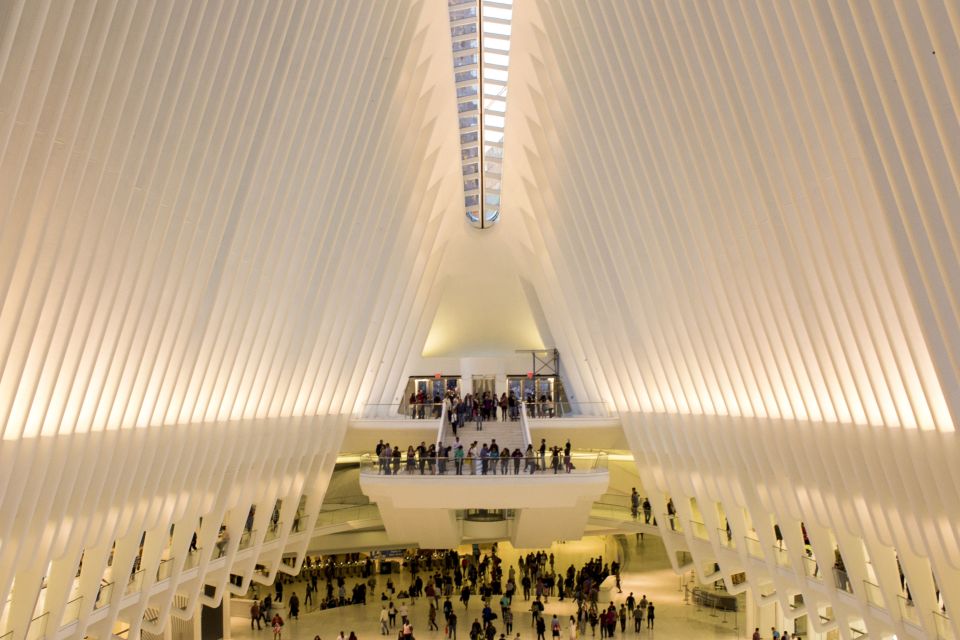
Between the heavy stops, you’ll make a brief photo stop at the Oculus Center. It’s short, but it’s a useful reset point. The structure is striking, and it gives your brain a moment to switch gears from memorial meaning to city space.
I see this stop as more than a photo moment. It helps you re-learn your surroundings. After moving through Ground Zero’s emotional geography, the Oculus brings you back to New York’s everyday motion—architecture, foot traffic, and the sense that this is still a functioning part of the city.
Don’t expect a long guided lecture here. Think of it as a breather that keeps the tour from feeling nonstop heavy.
The 9/11 Museum With Skip-the-Line Entry (When Chosen)
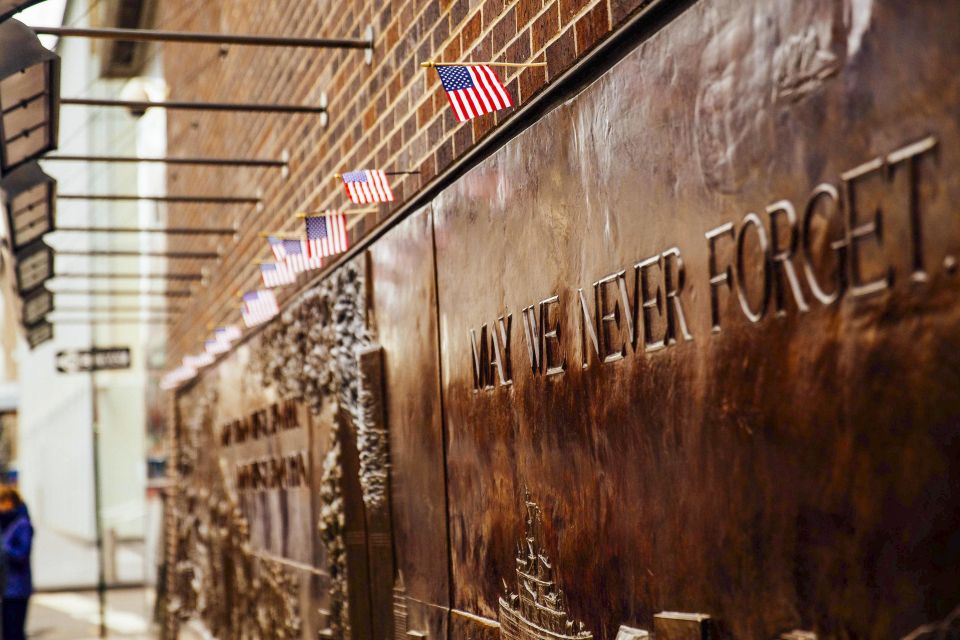
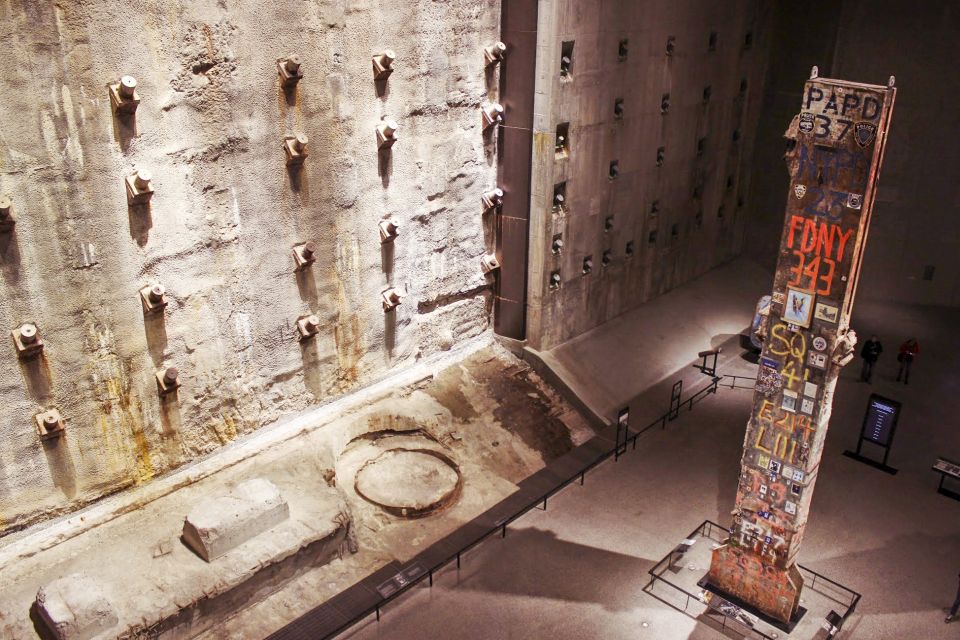
Next up is the 9/11 Museum, and this is where the tour balances emotion with detail. If you select the option that includes skip-the-line entry, you’ll save time so you can spend more of your visit absorbing exhibits.
Inside, the tour shifts to self-guided time. That’s intentional. A guided explanation is helpful outdoors, but in a museum you need freedom to pause, read slowly, and go back to what caught your attention. You’ll have about two hours for the exhibits, which is enough to see the core displays if you focus.
Here’s a practical note I appreciate: the museum part is ticketed for a specific time and requires security checks. If you end up hitting peak-hour crowds, expect waits at entry. The skip-the-line benefit helps, but security is its own reality.
From the way guides are praised, I’d also expect you’ll be better prepared once you’re inside. Many guides are singled out for making the day feel personal and for sharing small but memorable details—stuff that can be easy to miss if you just scroll through exhibit text. For example, one guide was highlighted for pointing out a meaningful practice involving memorial flowers tied to birthdays. You may not remember every exhibit label, but you’ll remember the human angle your guide sets up before you enter.
One more thing: don’t try to sprint. The museum isn’t a “finish it” place. If you move too fast, you’ll miss the quiet connections that make it hit.
Freedom Tower Lobby: Watching Voices Before Going Up
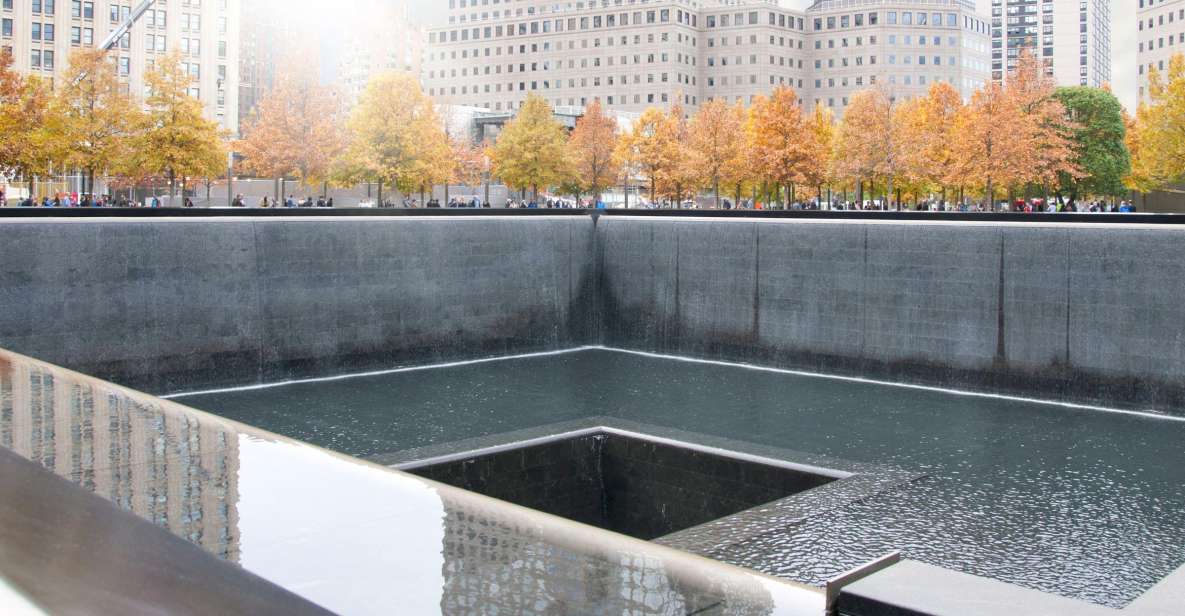
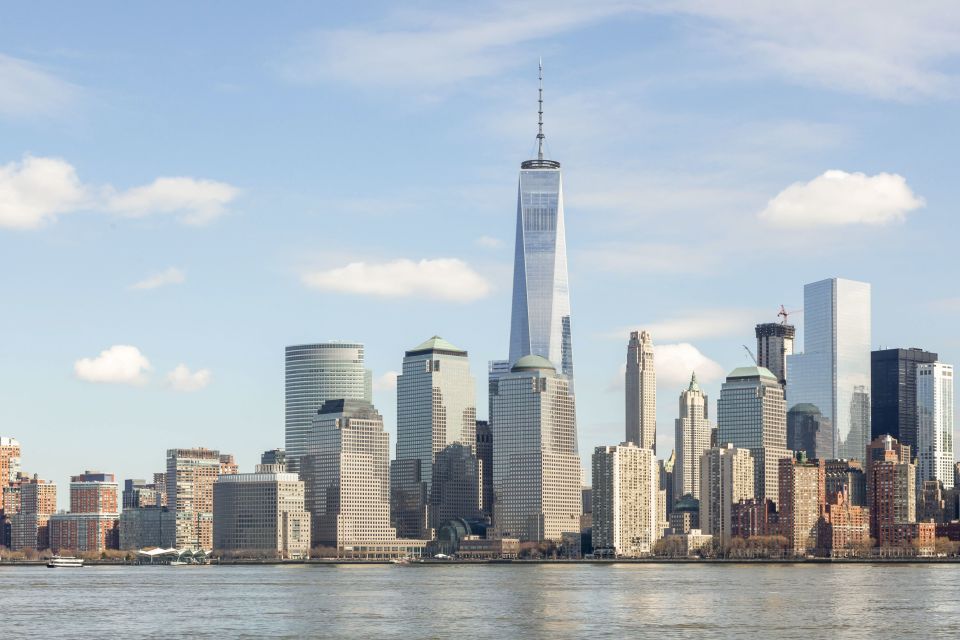
After the museum time, you’ll walk over to Freedom Tower. In the lobby, you can watch the film Voices if that option is selected.
I like this stop because it functions like a bridge. The museum digs into events and artifacts. The memorial confronts loss through names and space. Then the Voices film pulls you into the ongoing presence of those buildings and the people connected to them.
Even if you’re not a cinema person, this is worth your attention because it gives you a common emotional thread before you go higher. It also helps you understand what you’re about to see from the top—not just as skyline trivia, but as a view with context.




SkyPod and the One World Observatory Views You’ll Keep Thinking About
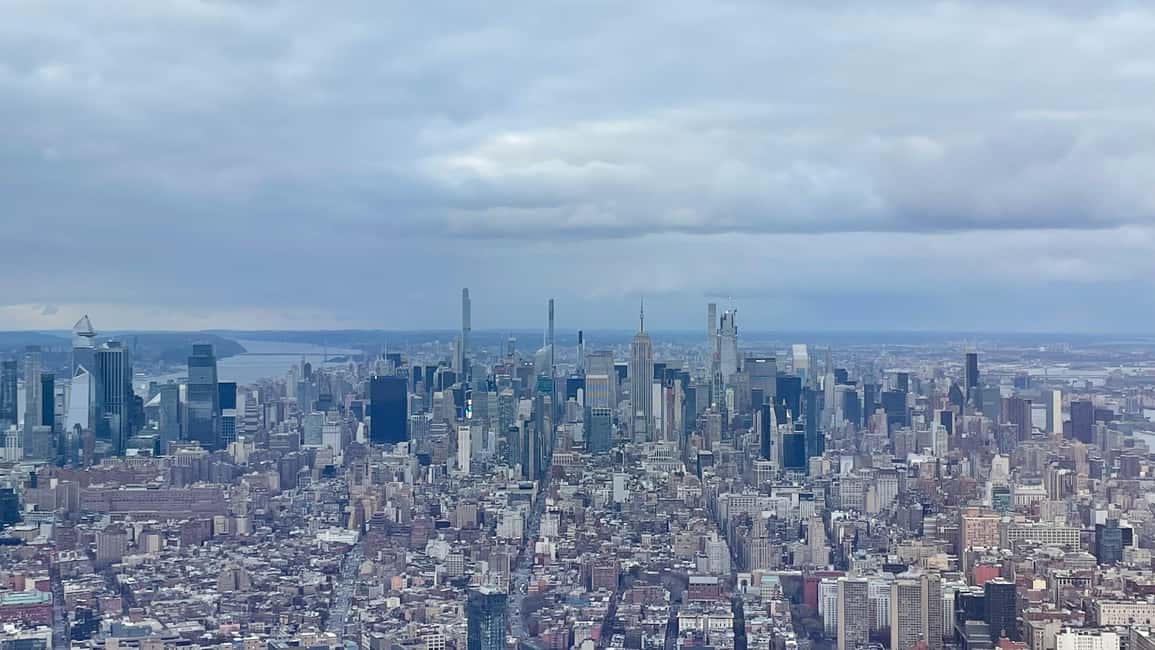
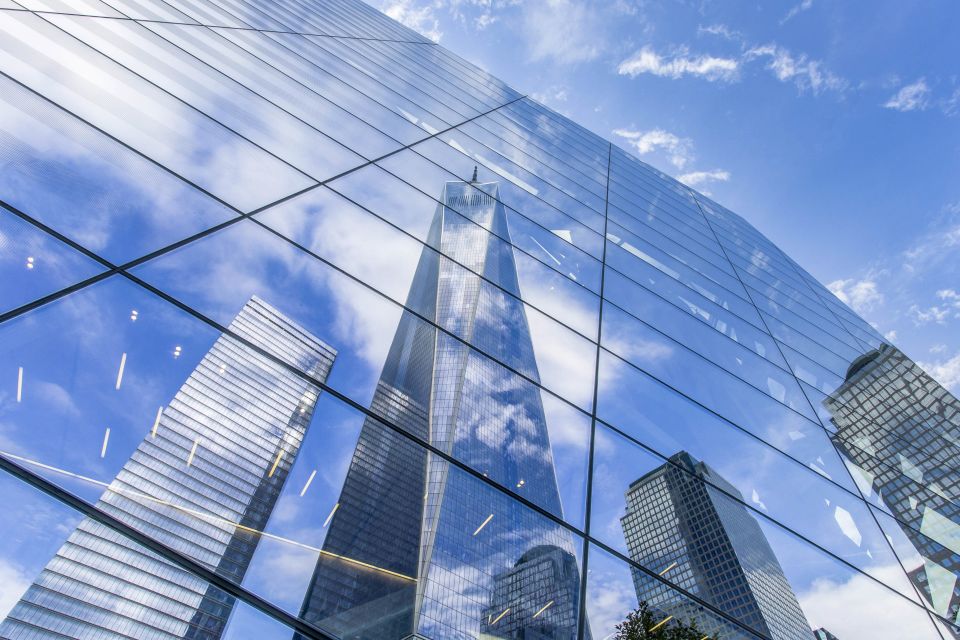
Then comes the big lift: the SkyPod elevator takes you up about 1,250 feet to the One World Observatory. You’ll have around an hour up there for the tri-level experience, including major view decks and LED displays, plus the See Forever Theater.
I’m going to be honest: it can feel strange at first to go from memorial pools to high-altitude views. But that contrast is part of the design of the day. The observatory offers a wide NYC scale picture—rivers, bridges, neighborhoods—so your mind can take in the city as a living place again.
You’ll move at a self-guided pace. That’s good. After an emotional museum and memorial day, you don’t want forced pacing. You want to stand where the views click, then step aside, then look again.
One practical detail from the kinds of feedback people give: the ride doesn’t feel endless. If you’re worried about confined-feeling spaces, the elevator time is quick, and there are screens that provide something to focus on during the ride. That won’t erase anxiety for everyone, but it’s useful context if you’re deciding whether to include the observatory option.
The Weather and Security Reality Check (Yes, It Matters)
This tour runs in most conditions—rain or shine—and a large portion is outdoors. That means the biggest comfort variable is what you wear and how you can move. Wear comfortable shoes you’d actually choose for a long day. Dress for the forecast, then dress for the city weather you might feel once you’re standing around.
Also: there are security checks at both the 9/11 Museum and One World Observatory. During peak season, the wait at security can be up to 20 minutes. Skip-the-line helps with museum entry, but it doesn’t remove the need to go through security.
Know what you’re bringing too. The tour doesn’t allow food or drinks, and you’ll want to avoid luggage or large bags. If you travel with backpacks, keep them manageable so you don’t create problems for yourself at checkpoints.
How the 5 Hours Break Down in Real Life
The experience is about 5 hours long, and it’s structured so you get both guided and self-paced time. The guided portion is where the guide’s personal connection matters most: it’s the memorial context, the meaning behind the stops, and the stories that help the site make sense.
Then the self-guided museum and observatory time are where you control the pace. You can linger over an artifact you can’t stop thinking about, or find a quieter corner for a breather. You’ll get:
- A short guided start at St. Paul’s Chapel
- Guided memorial time at major points like the pools and Survivor Tree
- Self-guided museum time (about two hours)
- Self-guided observatory time (about an hour), if you add that option
That mix is what makes the day feel structured but not stiff. If you only did the museum and observatory on your own, you’d likely miss the “why it matters” layer that your guide provides at street level.
Price: What $35 Buys (And When It’s a Great Deal)
At $35 per person, the value is strongest for one reason: you’re paying for guided interpretation on the ground, not just entry tickets. The emotional weight here makes explanation worth something—especially when it’s delivered as a firsthand, local perspective.
That price point also matters because you’re saving time in at least one big way: the skip-the-line ticket for the 9/11 Museum is offered as an option. If you choose it, you’re effectively buying back time and keeping your schedule from shrinking under crowd lines.
If you don’t choose the additional film and observatory components, you still get a guided memorial experience built around context. If you do choose the add-ons, you’re getting a full “Ground Zero to skyline” arc that many people find satisfying because it ends with both remembrance and a NYC wide-angle view.
Who Should Book This Tour
This is a strong fit if you:
- Want more than facts and photos and prefer a guided story on-site
- Appreciate a personal connection to 9/11, delivered respectfully
- Plan to visit the memorial and museum anyway, and you want help managing the flow
- Are open to adding the Freedom Tower and observatory views for a final perspective shift
It might be less ideal if you:
- Need a very short, low-walking emotional experience
- Get overwhelmed easily by security lines and outdoor waiting
- Want a fully guided experience inside the museum and observatory (the on-site guidance inside those areas is not included; you explore those spaces on your own)
Should You Book the 9/11 Ground Zero All Access Tour?
Yes—if you want the visit to feel guided, human, and structured, this is a solid choice. The standout value is how the day starts at St. Paul’s Chapel and then uses guided time at the memorial to help you understand what you’re seeing before you step into the museum’s depth.
Book it if you’re trying to get the most meaning in your limited NYC time, and especially if you select the museum skip-the-line option and the Freedom Tower observatory add-on. Just go in prepared for the emotional weight and the real-world stuff that comes with major NYC security lines and outdoor walking.