REVIEW · NEW YORK CITY
Chinatown Walking Food Tour of New York
Book on GetYourGuide →Operated by Best Tours US · Bookable on GetYourGuide
Start your Chinatown walk with your appetite already switched on, because you’re tasting your way through New York. I like how the tour mixes Chinese food tastings with quick history stops, and I also like that it doesn’t drag—everything is paced for a smooth 2-hour loop. One thing to consider: if you have food allergies or a dietary restriction, this experience isn’t set up for safe substitutions, so you’ll want to pick something else.
You’ll meet at 91 Bayard St and then walk a tight route through Chinatown’s everyday places: parks, tea houses, bakeries, noodle shops, and markets. If you love learning while you eat, you’ll probably appreciate how the guide turns street corners into clear, practical context (some guides like Vincent are even described as super informative and upbeat). If you hate walking, you might feel it here—good shoes matter.
In This Review
- Key highlights at a glance
- 91 Bayard St to your first bite: the tour’s pacing trick
- Columbus Park and the Church of the Transfiguration: street corners with meaning
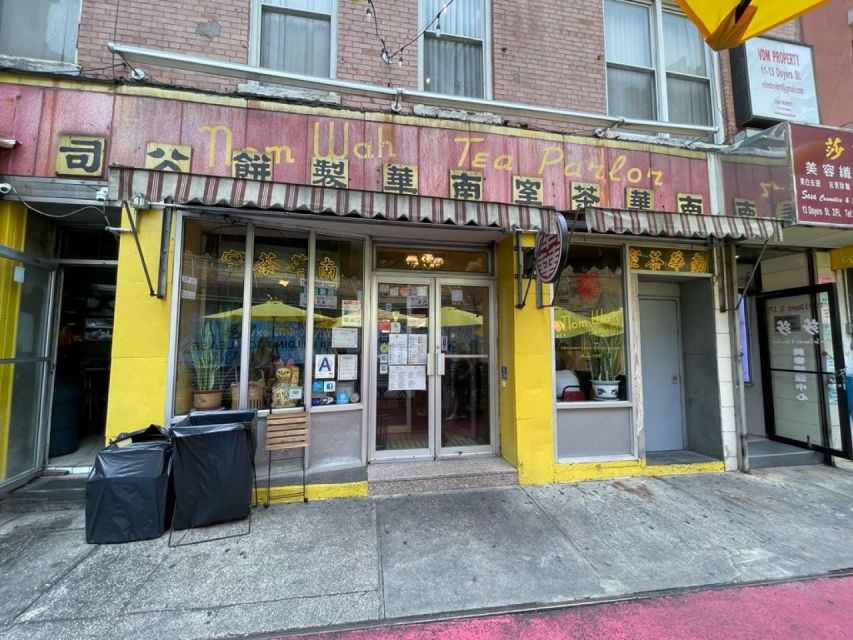
- Fried dumplings and Nom Wah Tea Parlor: two classic flavors, no fuss
- Golden Manna Bakery and Tonii’s rice noodles: comfort food with a timeline
- The Original Chinatown Ice Cream Factory and Mulberry Street fruit: sweet breaks that work
- Temples, antique shops, and Edward Mooney House: the quiet stops that add depth
- Timing and logistics: what to expect in a 2-hour walk
- Price and value: is $90 reasonable for this route?
- Who should book this Chinatown food tour?
- Should you book? My practical take
- FAQ
- Where do I meet the guide?
- How long is the Chinatown walking food tour?
- How much does it cost?
- What’s included in the tour?
- Is the tour available in multiple languages?
- Does the tour run in bad weather?
- Is this tour suitable for people with food allergies or dietary restrictions?
- Are pets allowed?
- What should I wear or bring?
- What if the tour doesn’t have enough participants?
Key highlights at a glance
- Start fast at 91 Bayard St: you’re on the street and eating within minutes
- Skip-the-line access at key stops so you lose less time waiting
- Big taste variety: dumplings, dim sum, noodles, bakery bites, ice cream, and fruit
- Landmarks included: you’ll pass major cultural sights like the Church of the Transfiguration
- Rain or shine, timed for 2 hours with pacing adjusted to keep the tour on schedule
91 Bayard St to your first bite: the tour’s pacing trick
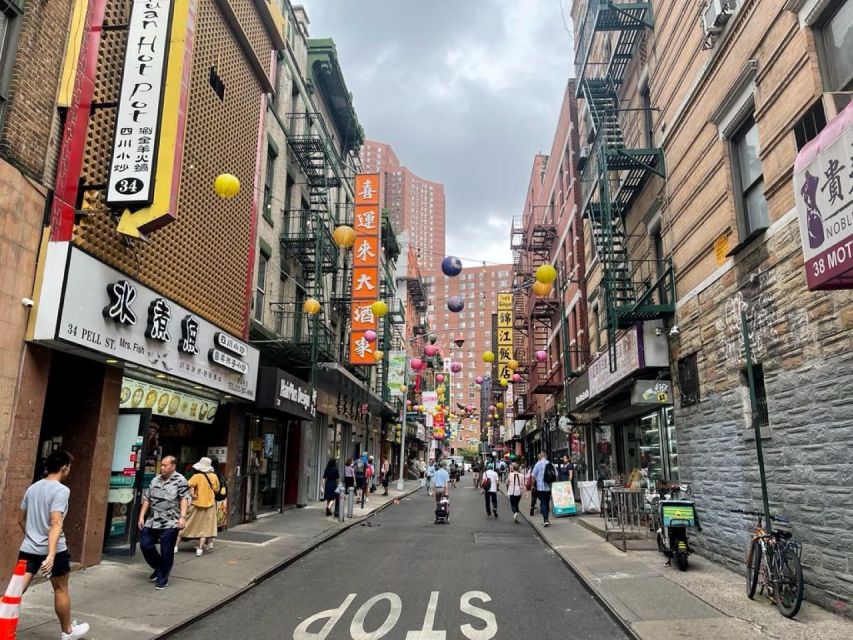
Meeting at 91 Bayard St (on the corner of Mulberry and Bayard Street) is a smart move. It’s an easy spot to find, and it puts you right in the flow of Chinatown’s main pedestrian streets. You don’t start with a lecture. You start with food.
Your first tasting is short—about 15 minutes—so you can get momentum quickly. That’s the first “why this works” point for me: in two hours, every minute has to earn its keep. The tour’s structure is built around quick, high-impact stops rather than long sits.
You’ll also get a licensed guide and skip-the-line access at tasting locations. Translation: you spend more time tasting than watching someone else order. If you’ve ever lost an hour to lines in busy neighborhoods, you’ll feel the value of that immediately.
You can also read our reviews of more food & drink experiences in New York City


Columbus Park and the Church of the Transfiguration: street corners with meaning
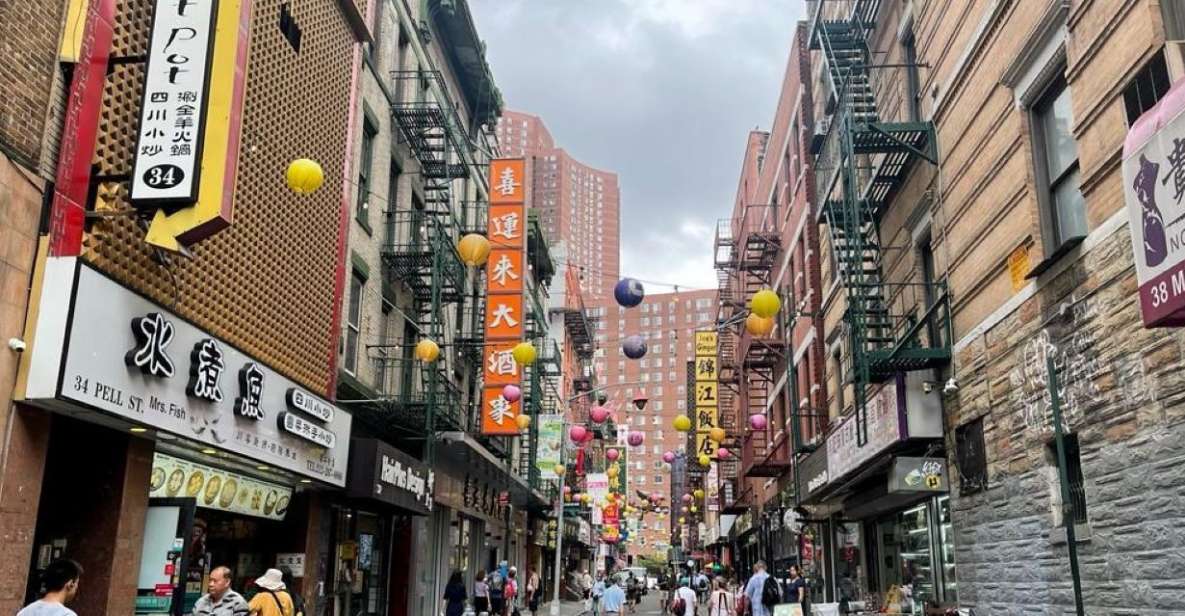
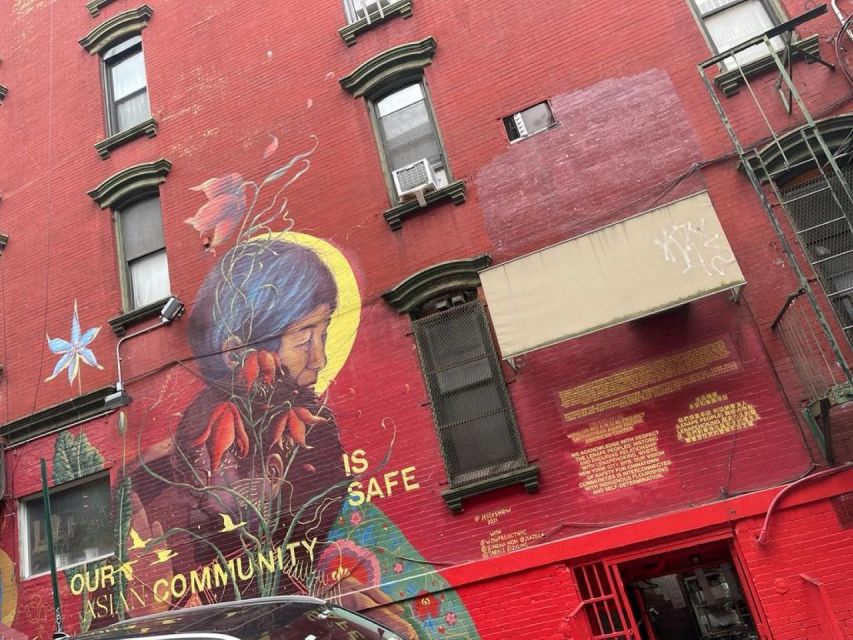
Chinatown in New York isn’t just a cluster of shops. It’s a story told in geography—parks, churches, temples, and blocks where the community gathered and rebuilt its life.
As you head toward Columbus Park, you’ll hear how the area shifted over time, from rougher conditions to a community hub. Even if you already know Chinatown’s basics, I like that the tour frames it in a practical way: the streets you’re standing on weren’t random. People came, stayed, and formed routines here.
Then there’s the Church of the Transfiguration, called out as one of the highlights. Seeing it during a food-focused walk is a good reminder that Chinatown isn’t isolated. It sits in a bigger city of neighborhoods, faiths, and overlapping histories. The church stop also helps you break up the meal rhythm—one part sight, one part food, so your brain stays awake.
If you’re the kind of person who likes context but doesn’t want a textbook tour, this is the right balance.
Fried dumplings and Nom Wah Tea Parlor: two classic flavors, no fuss
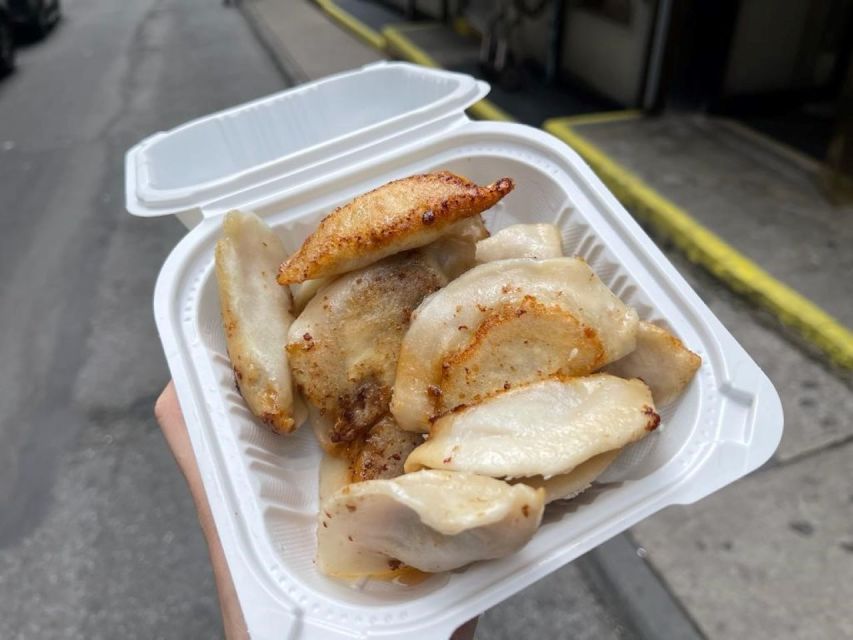
The tour makes dumplings one of its early anchors, with a stop for Fried Dumpling tasting. This is a great first meal choice because it’s fast to enjoy and easy to compare. You’ll get that crisp exterior, hot filling, and the satisfying sauce moment that tells you you’re in the right food lane.
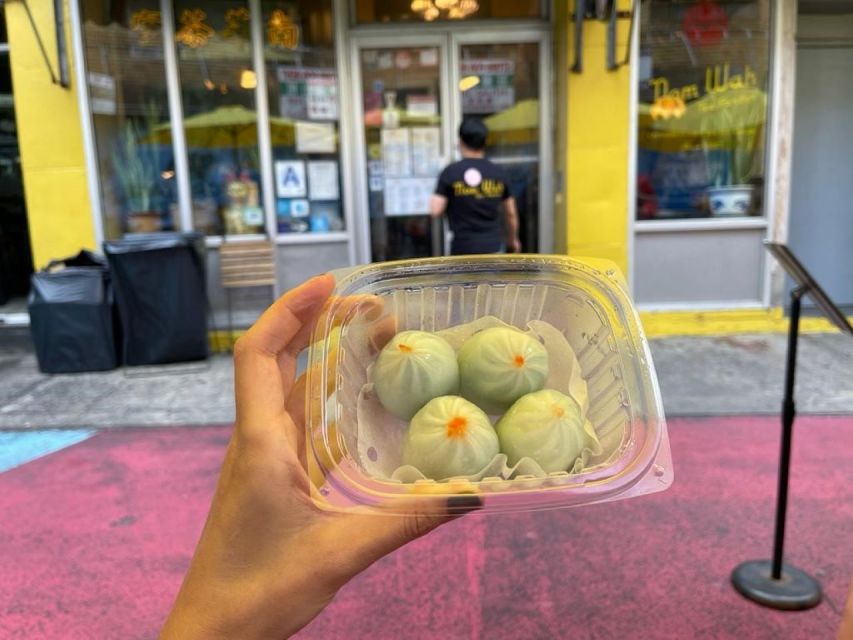
Next comes Nom Wah Tea Parlor, where dim sum tasting is part of the experience. Nom Wah is known for doing dim sum in a traditional, packed-house way. Here’s why this stop matters for you: dim sum is not just food—it’s a culture of sharing, ordering, and sampling. The tasting format helps you try multiple items without needing to understand the full ordering process on your own.
And because the tour includes skip-the-line access, you’re less likely to spend your dim sum window waiting for a table or waiting for your turn to order. That matters in a neighborhood where lines can eat your schedule.
Food note: this experience isn’t described as suitable for travelers with food allergies or dietary restrictions. If you’re unsure about ingredients, treat that as a serious flag, not a minor detail.
Golden Manna Bakery and Tonii’s rice noodles: comfort food with a timeline
After the tea parlor stop, the walk keeps moving and the flavors broaden. You’ll visit Golden Manna Bakery for another tasting, with just enough time to sample and keep pace.
Then comes Tonii’s Fresh Rice Noodle. This is another strong choice for a food tour because noodles are filling but not overly heavy when served in the right portions. Rice noodles also tend to change the whole feel of the meal compared to dumplings—more chew, different texture, and often a new kind of sauce experience.
What I like about this section is the variety in texture. You’re not eating one type of item for two hours. Crisp fried dumplings give way to steamed tea-parlor foods, then to bakery bites, then to noodles. That mix is what keeps the tour from turning into food fatigue.
There’s also a quick visit to Lin Sister on the way. Even though the time is brief, the point is that you get a taste of how the neighborhood operates between “big name” stops. That makes the food feel less like an event and more like a real routine people live with.
The Original Chinatown Ice Cream Factory and Mulberry Street fruit: sweet breaks that work
You’ll get a sweet intermission that doesn’t feel random: The Original Chinatown Ice Cream Factory. This stop is specifically known for unusual flavors like lychee and durian. If you like trying things you can’t easily recreate at home, this is one of the most fun parts of the walk.
Then you shift to the fruit market area on Mulberry Street. Here the tour’s focus is on seeing and tasting exotic fruit, with examples like dragon fruit and rambutan. Even if you don’t end up buying everything you see, the market stop gives you context: Chinatown shopping isn’t just food courts and restaurants. It’s also fresh ingredients, color, and a kind of everyday abundance.
This section also does something smart for your appetite. After savory dumplings and noodles, sweet ice cream helps reset your taste buds. Then fruit gives you something fresh and lighter before the tour concludes.
You can also read our reviews of more tours and experiences in New York City
Temples, antique shops, and Edward Mooney House: the quiet stops that add depth
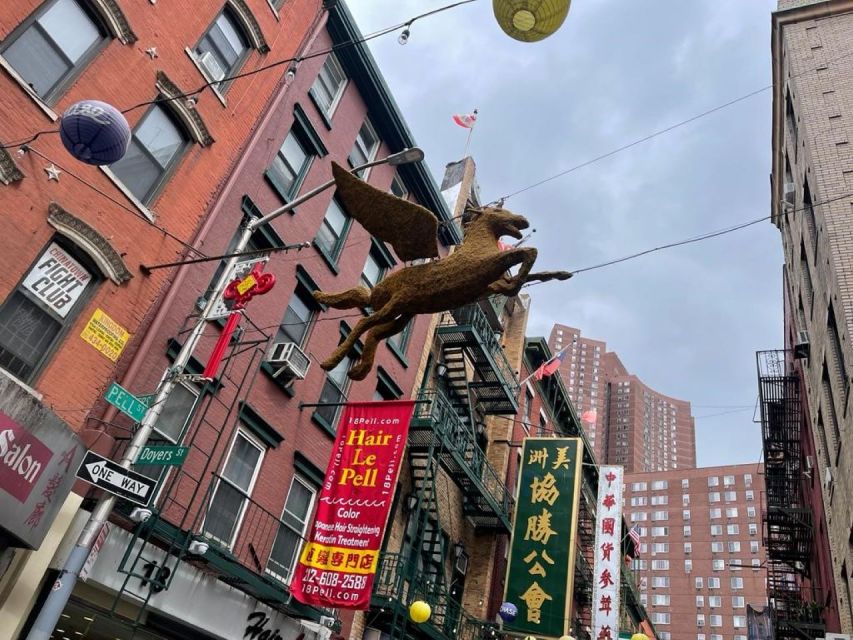
Not every stop is about eating. Some are quick visits that help you understand what kind of place Chinatown is.
You may pass through spots like the Huang Da Xian Taoist Temple, described as a place that bridges spirituality and culture. Even with a short visit time, this kind of stop changes the feel of the walk. It reminds you that people don’t just visit Chinatown—they belong to it.
You may also encounter antique shops. Again, the point isn’t browsing for hours. It’s noticing the texture of the neighborhood: the kind of businesses that survive because local customers keep coming back.
One of the historical stops is the Edward Mooney House, with a brief visit included. When the guide points out what you’re looking at, these quick architectural moments add up. It’s like getting a set of “visual bookmarks” for your memory after the food part is done.
Even Silk Road Gaming is part of the mix on the route, with a short visit time. Including a modern business alongside older landmarks keeps the tour honest. Chinatown today includes old institutions and newer ideas sharing the same streets.
Timing and logistics: what to expect in a 2-hour walk
This tour is built for a tight 2-hour window. You should plan for walking time plus short tastings—some stops are around 15 minutes for food, while others are shorter visits. The guide also works to keep the tour concluding on time, adjusting the itinerary if a group is lingering.
That pacing matters if you’re trying to fit Chinatown into a full day. You won’t feel like you need to clear your calendar for half the afternoon. Just bring the right basics so you can enjoy it instead of rushing.
Wear comfortable shoes. Seriously—this isn’t a “pretty stroll” on soft sidewalks. You’ll be on street-level terrain, and you’ll want grip, comfort, and quick step comfort.
The tour operates rain or shine. So if you’re planning around weather, don’t wait for perfect conditions to make your schedule work.
Pets aren’t allowed, so plan accordingly if you’re traveling with one.
Price and value: is $90 reasonable for this route?
$90 for about two hours breaks down into three value drivers: a licensed guide, skip-the-line access, and multiple tastings across several food stops.
If you tried to copy this on your own, you’d likely spend money on individual tastings and still lose time to lines. The skip-the-line factor alone is a real cost saver in Chinatown, where peak hours can turn waiting into a full activity.
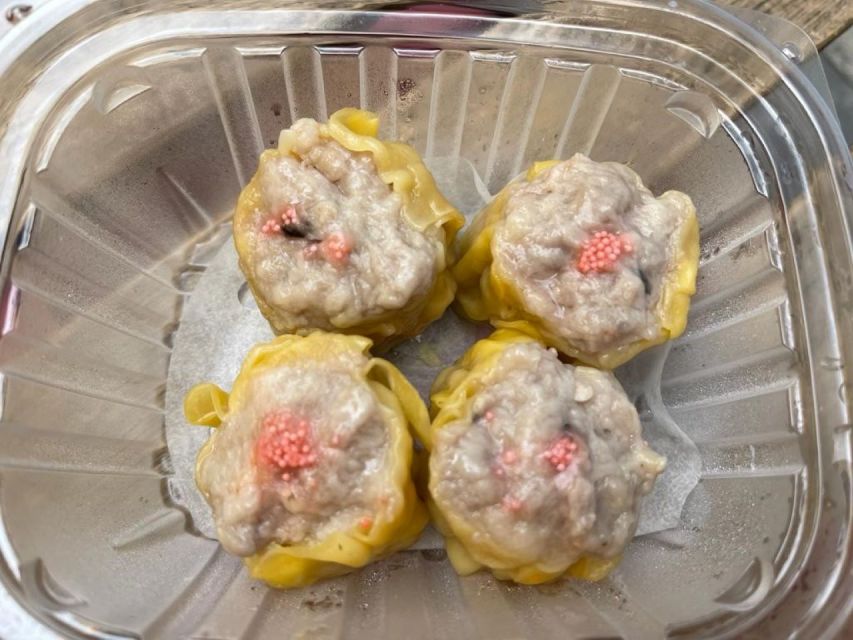
Then there’s the food variety. You’re not just grabbing one snack and calling it lunch. The tour is structured to give you a mix of dumplings, dim sum, bakery items, rice noodles, ice cream, and market fruit. That breadth is hard to recreate cheaply unless you already know which places to hit in a smart order.
I also think the small-group option (private or small groups are available) adds value if you want more attention from your guide or a less crowded feel.
The only major value mismatch is if you can’t eat the foods offered due to allergies or dietary restrictions. Since the experience is described as not suitable for those needs, your “value” calculation changes fast.
Who should book this Chinatown food tour?
I think this tour is best for you if you want a structured Chinatown intro that doesn’t waste time. It’s also a good fit if you like learning from a guide while you eat, and you want specific stops rather than wandering and guessing.
You’ll probably enjoy it if:
- you’re visiting Chinatown for the first time and want a guided route
- you like sampling multiple foods in one outing
- you want landmarks included, not just restaurants
It might not be the best choice if:
- you have food allergies or dietary restrictions (the tour is not suitable as described)
- you hate walking for an extended period
- you’re traveling with a pet
Should you book? My practical take
Book it if you want a two-hour, food-forward introduction to Chinatown with real meal variety and enough cultural stops to make the walk feel like more than just eating.
I’d also book it if you’re the type who values timing. The tour is designed to finish on schedule, even when people slow down at a stop. That’s rare in neighborhood tours, and it helps you keep your day plan intact.
Skip it (or pick a different option) if allergies or dietary restrictions are part of your reality. And if you’re worried about finding the meeting point, remember it’s at 91 Bayard St on the corner of Mulberry and Bayard Street—set your phone map early and you’ll be fine.
One last practical note: if you’re booking, make sure you have the active contact phone number provided in your confirmation, so your guide can reach you if needed. It’s a small step that prevents last-minute stress.
If you go in with comfortable shoes and a curious appetite, this is a very efficient way to experience Chinatown in New York.
FAQ
Where do I meet the guide?
Meet your guide at 91 Bayard St, New York, NY 10013, on the corner of Mulberry and Bayard Street.
How long is the Chinatown walking food tour?
The tour lasts 2 hours.
How much does it cost?
The price is $90 per person.
What’s included in the tour?
You get a professional licensed guide, skip-the-line access, and delicious Chinese food tastings.
Is the tour available in multiple languages?
Yes. The live tour guide speaks English, Chinese, French, and Spanish.
Does the tour run in bad weather?
Yes, the tour operates rain or shine.
Is this tour suitable for people with food allergies or dietary restrictions?
No. It’s not suitable for travelers with food allergies or dietary restrictions.
Are pets allowed?
No, pets are not allowed.
What should I wear or bring?
Wear comfortable shoes and comfortable clothes.
What if the tour doesn’t have enough participants?
If the tour does not have 5 participants, your activity may be canceled. If that happens, you’ll receive a refund or the option to book another date.