REVIEW · NEW YORK CITY
New York City: High Line Walking Tour
Book on GetYourGuide →Operated by Manhattan Walking Tour · Bookable on GetYourGuide
A stroll above Manhattan is a fun way to learn New York. This High Line walking tour turns the park into a real story, from the rail-line past to today’s skyline views.
I really like how the tour gives you Chelsea and Meatpacking District perspectives from 40 feet up, so you see neighborhood change instead of just taking photos. You also get plenty of time for conversation with the guide, including history, art, architecture, and the everyday details that make the west side tick.
One consideration: you’re walking for 75 minutes on an outdoor route, and it starts with a staircase entry—so comfortable shoes matter, and this is not the best choice if you’re trying to keep things super low-key.
In This Review
- Key highlights you can plan around
- West 30th meetup: how the tour starts and where you’ll end up
- The High Line’s rail-to-park story: why the past still shows up
- Hudson River industrial past: the stories behind a working waterfront
- Chelsea and Meatpacking District from 40 feet up
- The botanical side: 225+ plant species on a former rail line
- Architecture, art, and the small details your guide points out
- Price and value: is $50 for 75 minutes worth it?
- Who this tour suits best (and who might want a different plan)
- Should you book the High Line walking tour?
- FAQ
- How much does the High Line walking tour cost?
- How long is the tour?
- Where do I meet the guide?
- How many people are in the group?
- What language is the tour offered in?
- How high above Manhattan is the walk?
- What will I see and learn during the tour?
- What should I bring?
- Are pets allowed?
- What if I need to change my plans?
Key highlights you can plan around
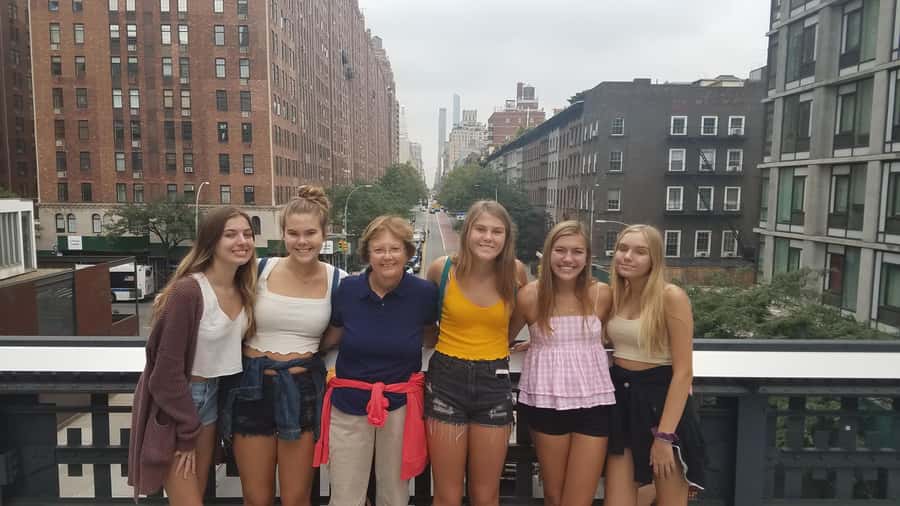
- 40 feet above Manhattan views that make Chelsea and the Meatpacking District click in a new way
- Hudson River shores industrial stories that explain why the west side looked the way it did
- A small group of up to 8 for questions and a more personal pace
- 225+ plant species that turn a former rail path into a sky-high garden
- Guide-led storytelling that can feel like history told by a neighbor, not a lecturer
West 30th meetup: how the tour starts and where you’ll end up
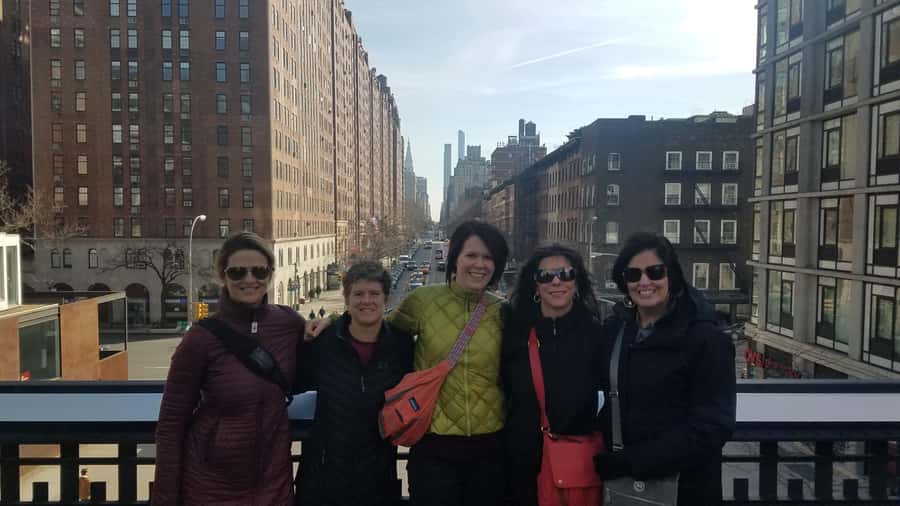
You’ll meet at the staircase entry to High Line Park on West 30th Street between 10th and 11th avenues, with 500 West 30th Street as the easiest address to punch into your maps app. Arrive a few minutes early so you don’t feel rushed finding the right entrance.
This is a 75-minute experience, so think of it as a guided orientation. You’ll get the big ideas fast—rail line to park, Hudson River industrial past, and what changed in Chelsea and Meatpacking—then you’ll still have time to wander afterward.
There’s also a practical reason this timing works: the High Line is busy. A guided walk keeps you moving at a steady pace while you learn what to notice. If you like to linger and take your time, you’ll probably want to come back later for your own slow stroll.
You can also read our reviews of more walking tours in New York City



The High Line’s rail-to-park story: why the past still shows up
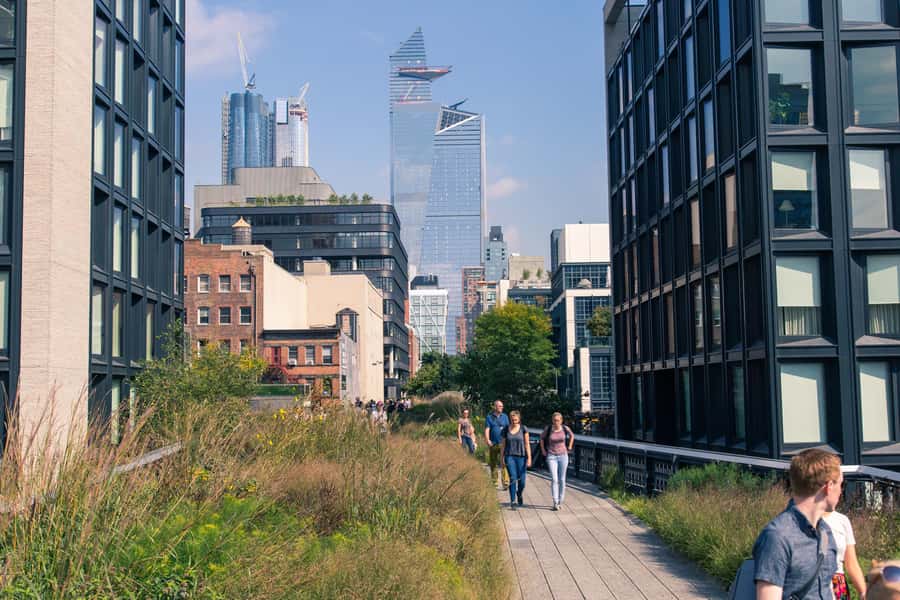
The heart of this tour is the transformation. You’ll hear how High Line Park began as a rail line built on a raised track above the city streets, then how the idea of saving it grew into a public park.
What I like about this kind of storytelling is that it doesn’t treat the High Line like a random attraction. It frames it as a New York problem-solving project—keeping something old, but giving it a new job. You learn the logic behind the change, not just the dates.
You’ll also hear inside stories about the park’s development. That matters because the High Line didn’t just appear fully formed; it took work, debate, and community energy. Even if you’re not a history buff, the guide’s explanations make the design choices feel purposeful.
And yes, the park is beautiful on its own. But the tour’s best trick is teaching you how to read it: you start seeing traces of the industrial past mixed with modern design and public space.
Hudson River industrial past: the stories behind a working waterfront
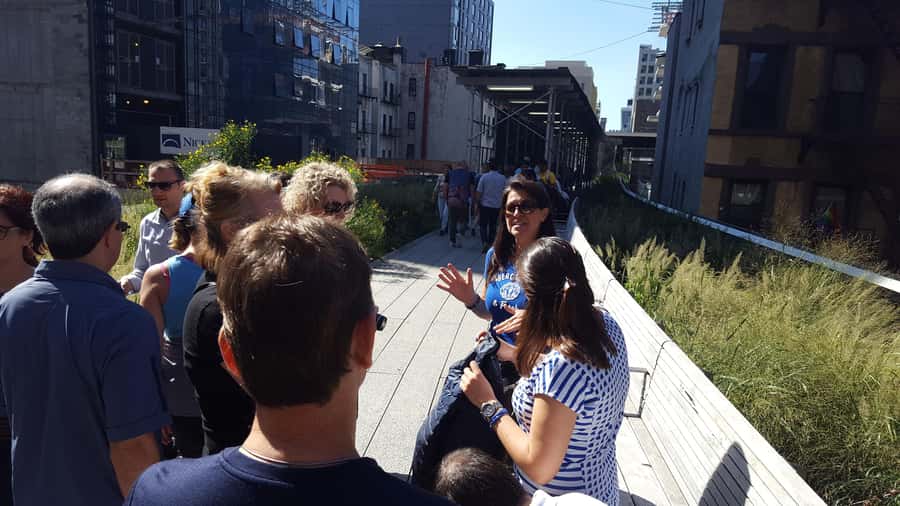
A big part of the walk connects the High Line to the Hudson River shores and their industrial character. You’ll learn how the west side was shaped by working life—blue-collar jobs, shipping and industry, and the kind of infrastructure that cities build and then later reinvent.
This is where the tour feels especially useful. It helps you understand why the High Line sits where it does and why this part of Manhattan has always been a place of change. When you understand the function of the old rail line and the waterfront, the park feels less like an aesthetic detour and more like a living record.
Guides also tend to bring the era to life through stories and anecdotes. People like David, Jonathan, and Annabel have been praised for turning history into real conversation, not a dry lecture. That style makes it easier to remember details—and easier to ask your own questions mid-walk.
If you like New York at street level, this is a smart way to connect the dots from the waterfront to what you see above it now.
Chelsea and Meatpacking District from 40 feet up
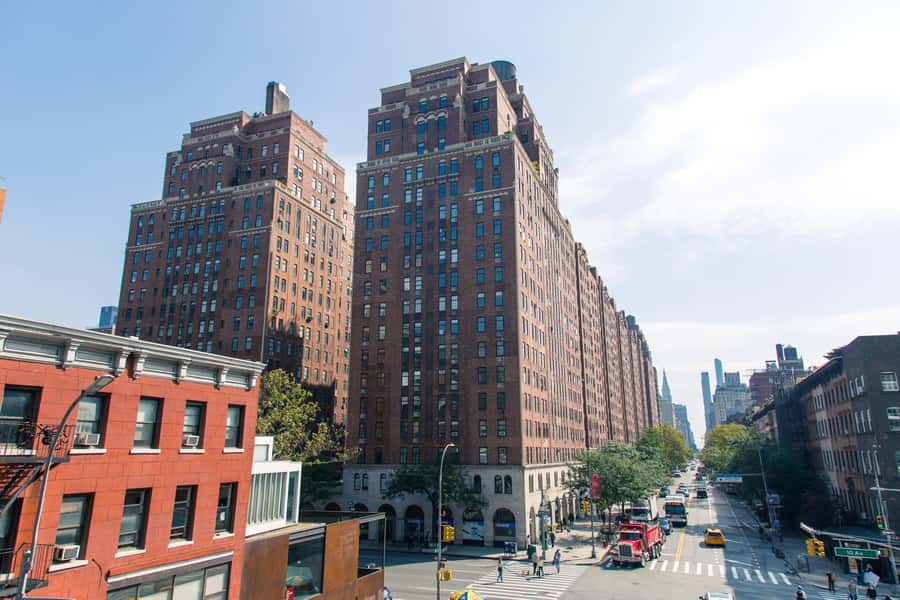
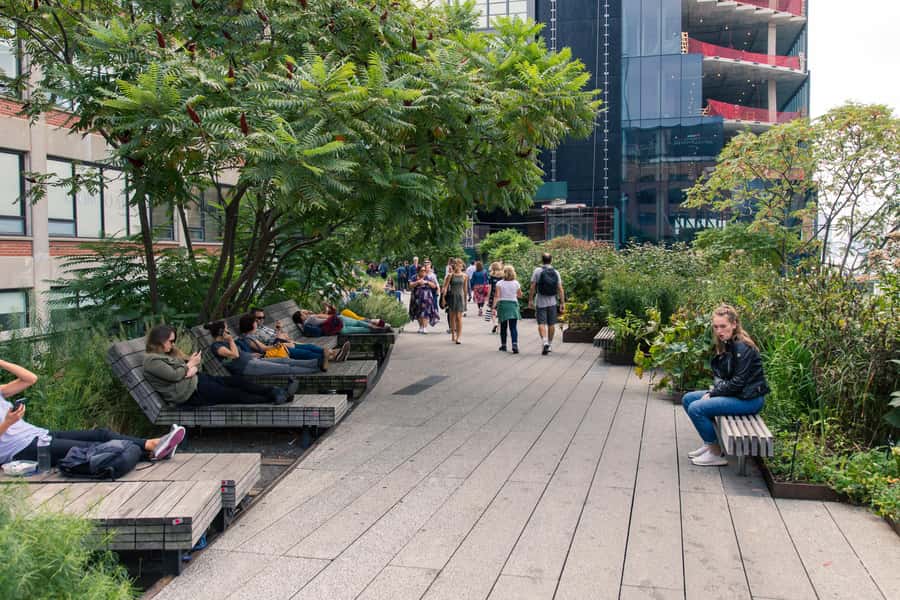
One of the easiest reasons to book this tour is the viewpoint. You’ll walk through High Line Park about 40 feet above Manhattan, and the height changes how you see everything below.
From up there, Chelsea and the Meatpacking District stop being just names on a map. You start noticing patterns: where the streets feel designed for foot traffic, where old industrial energy has been replaced with new uses, and how the area shifted into a place people now pay big money to live or visit.
This is also where the tour delivers on everyday realism. The guide won’t just point at buildings. They’ll help you connect architecture and city planning to the broader story of how neighborhoods evolve.
And if you’re the type who loves skyline photos, you’ll get that too. The views aren’t random backdrops; they’re tied to the neighborhood story being told as you walk.
The botanical side: 225+ plant species on a former rail line
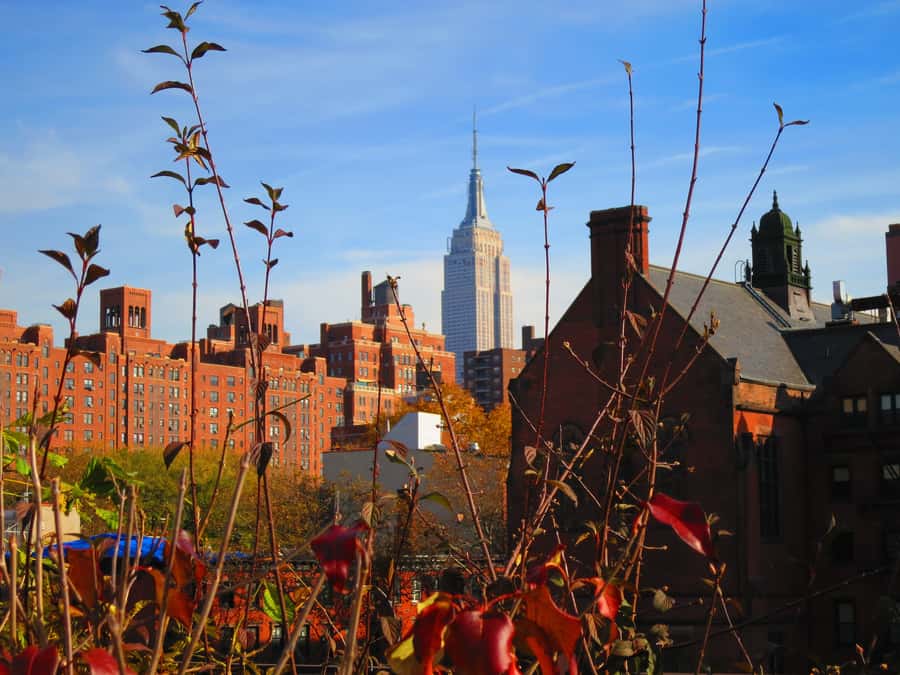
High Line Park isn’t only a view machine. It’s also a working plant collection—over 225 species of plants call the park home. During the tour, you’ll learn how the abandoned rail line became a small botanical garden in the sky.
What you’ll get out of this part depends on how you like to travel. If you enjoy plants and design, it’s fascinating to see how nature can reclaim infrastructure while the city still keeps the space usable. If you don’t care about botany, you’ll still appreciate the garden effect: the greenery makes the walk feel cooler, calmer, and more human.
This is also a quiet reminder that the park keeps traces of its industrial past. The guide helps you notice the mix—rails and stone elements versus plant growth and modern landscaping choices—so you don’t experience it as a generic city park.
You can also read our reviews of more city tours in New York City






Architecture, art, and the small details your guide points out
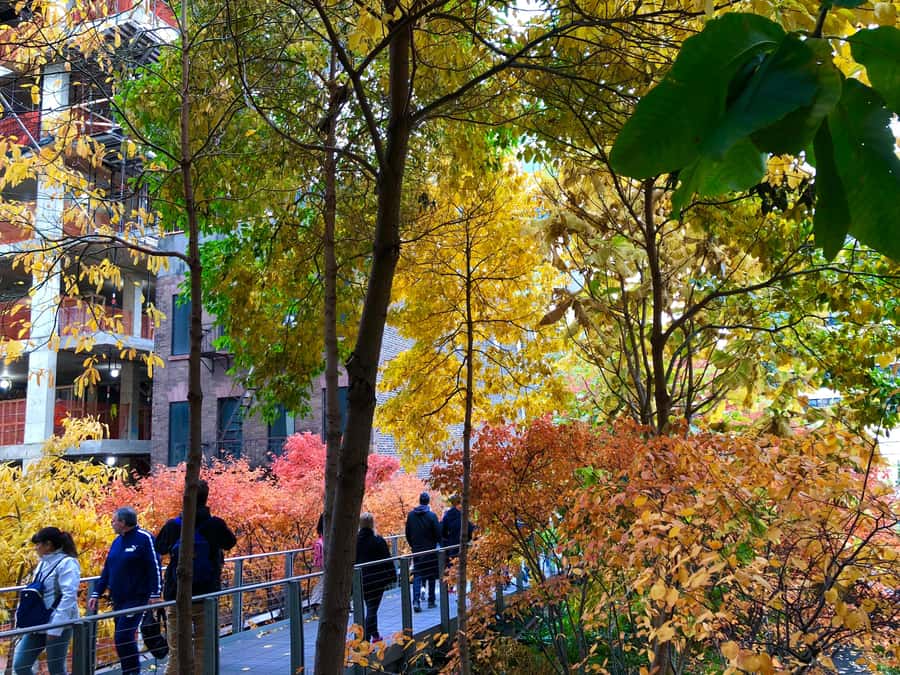
High Line Park is known for design, but a guided walk is what helps you spot what matters. You’ll hear about cutting-edge architecture near the park and how the space uses both art and everyday function.
In the feedback I saw, one theme keeps showing up: people liked the guide’s ability to connect stories to what you can actually see. That includes anecdotes, art references, and architecture notes that make the walk feel like a guided gallery you can walk through.
It also helps that the group size is limited to 8 participants. With a smaller group, you’re more likely to get a back-and-forth conversation instead of a one-way speech. It’s a tour where you can ask a question and get an answer that matches what you’re standing in front of.
Price and value: is $50 for 75 minutes worth it?
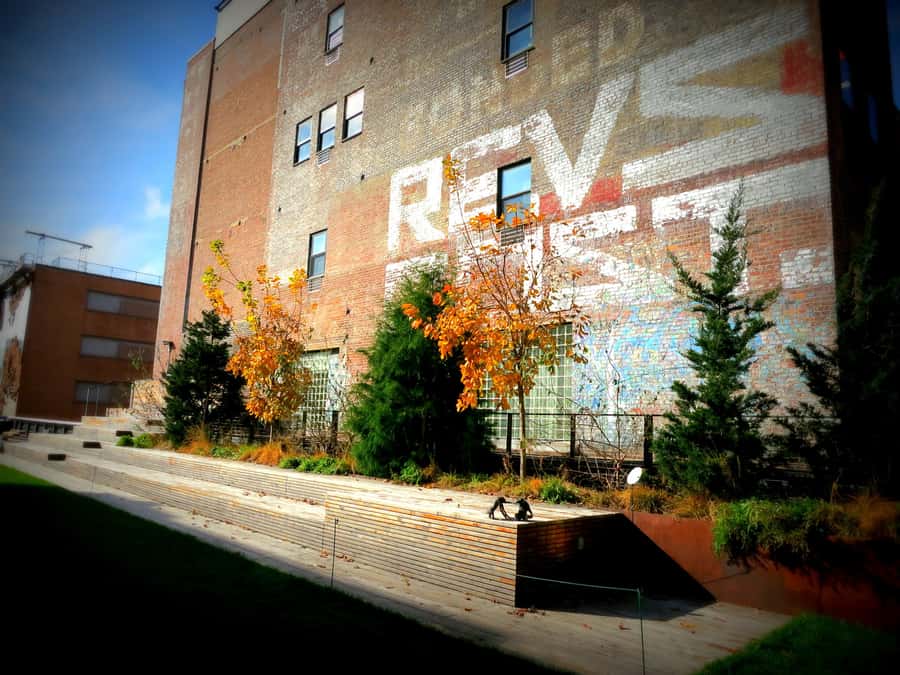
At $50 per person for a 75-minute guided walk, you’re paying for three things: time, interpretation, and access to a story-driven guide.
Let’s put that value in plain terms:
- You don’t have to “figure it out” yourself. The High Line is impressive even without help, but the tour gives you context on the industrial past and why the park’s design makes sense.
- Small-group pacing saves you stress. Up to 8 people means less waiting, more clarity, and a smoother route.
- You’re getting a guided wrap of the neighborhood change. Seeing Chelsea and Meatpacking from above hits harder when you know what used to be there and what replaced it.
If you’re the kind of traveler who loves walking tours for storytelling—especially in New York—this price feels reasonable. If you only want views and don’t care about history, you could do it on your own. But for most people, the guide-led details are what turn the High Line into a “how did we get here?” experience.
Who this tour suits best (and who might want a different plan)
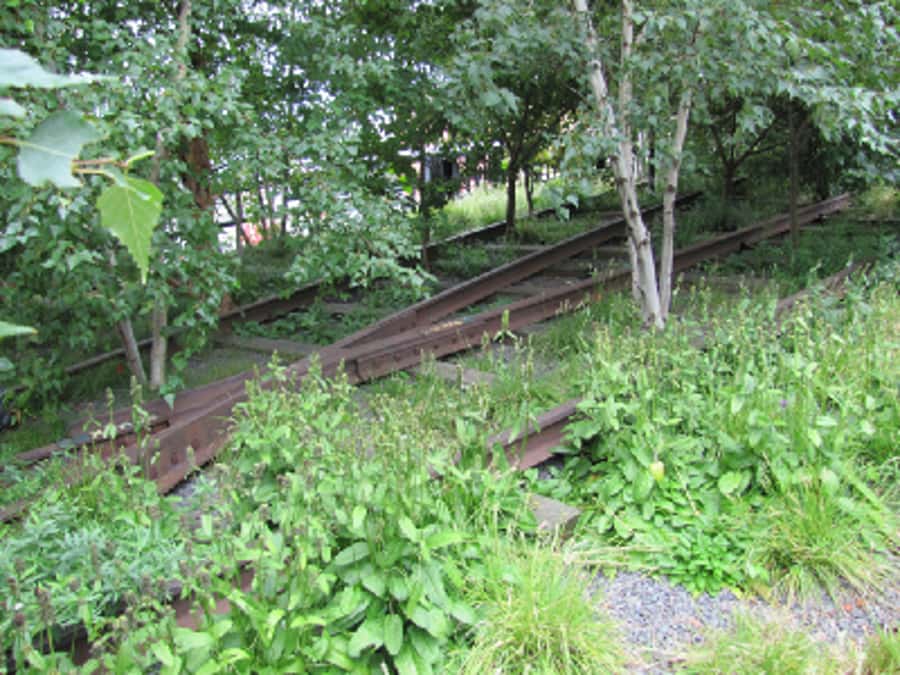
This tour fits well if you like city history that’s tied to real places and real change. I’d especially recommend it for you if you’re visiting New York for the first time or if you want a smarter way to see the west side without spending hours researching.
It also works nicely if you enjoy neighborhood viewpoints. The tour’s angle—Chelsea and Meatpacking District from 40 feet up—makes it feel like more than a garden walk.
One less-perfect match: if you want a long, no-rhythm wander with zero structure. This is a guided, time-boxed walk. For that kind of trip, you might prefer planning extra time before or after the tour to roam at your own pace.
And because it begins at a staircase entry, you’ll want to plan around stairs and walking. Bring comfortable shoes and treat it as a real walk, not a sit-and-stare experience.
Should you book the High Line walking tour?
Yes, if you want the High Line to feel like a story you understand, not just a photo stop. This tour gives you the park’s “why” through the rail-line origin, the Hudson River industrial context, and the view of Chelsea and the Meatpacking District from above.
I’d book it if you appreciate good guides who connect history to what you’re seeing in front of you—people like David, Jonathan, and Annabel have been specifically praised for their conversation style and for making the park’s details easy to follow.
Skip it only if you’re looking for a purely self-guided stroll with no narrative. In that case, you could spend your time exploring more broadly on your own. But if you’re after a tight, 75-minute introduction with strong interpretation, this is a solid use of your New York time.
FAQ
How much does the High Line walking tour cost?
It costs $50 per person.
How long is the tour?
The tour lasts 75 minutes.
Where do I meet the guide?
Meet at the staircase entry to High Line Park on West 30th Street between 10th and 11th avenues. The closest physical address is 500 West 30th Street.
How many people are in the group?
It’s a small group limited to 8 participants.
What language is the tour offered in?
The tour is in English.
How high above Manhattan is the walk?
You’ll walk about 40 feet above Manhattan.
What will I see and learn during the tour?
You’ll learn the High Line’s beginnings as a rail line built on a raised structure, hear about the industrial past of the Hudson River shores, and discover Chelsea and the Meatpacking District from above. You’ll also see the park’s plants, including more than 225 species.
What should I bring?
Wear comfortable shoes.
Are pets allowed?
No, pets are not allowed.
What if I need to change my plans?
You can cancel up to 24 hours in advance for a full refund. You can also reserve now and pay later to keep flexibility.