REVIEW · NEW YORK CITY
New York City: History of Lower Manhattan Walking Tour
Book on GetYourGuide →Operated by Metro Tours USA · Bookable on GetYourGuide
Lower Manhattan can feel like a blur, but this guided walk turns it into a clear story. I like how the route links major landmarks—from the Brooklyn Bridge area to the 9/11 Memorial—with explanations you can actually use as you wander NYC on your own.
I also like the practical flow: you get enough time at key spots to look around, not just pose for photos. The ending is a very NYC bonus too: a free New York-style pizza slice and a quick lesson on why it became famous.
One possible drawback: because it’s a 3-hour walking tour, you’ll want comfortable shoes and patience for busy sidewalks and crowded areas around the major sights.
In This Review
- Key Things You’ll Notice on This Lower Manhattan Walk
- Why a 3-Hour Lower Manhattan Tour Works
- City Hall Park Meeting Point: Tweed Courthouse Steps and Subway Options
- From the Brooklyn Bridge Area to South Street Seaport
- Wall Street Stops: Federal Hall, the Stock Exchange Area, and Trinity Church
- Charging Bull, Capitalism Icons, and a Statue of Liberty View
- One World Trade Center and the 9/11 Memorial: Built for Reflection
- The Free Pizza Finish: Why New York Style Became Famous
- Price and Value: What $50 Buys You in Lower Manhattan Time
- What the Guide Time Feels Like (Based on the Experience’s Style)
- Who This Tour Fits Best
- Should You Book This Lower Manhattan History Walking Tour?
- FAQ
- How long is the Lower Manhattan History walking tour?
- How much does the tour cost?
- Where does the tour start?
- Where does the tour end?
- What’s included in the price?
- What landmarks will we see?
- Is the tour in English?
- Is the tour wheelchair accessible?
- What subway stations are closest to the meeting point?
- Can I cancel and get a refund?
Key Things You’ll Notice on This Lower Manhattan Walk
- City Hall Park start point right near major transit, with a clear meet-up marker (Tweed Courthouse steps)
- A landmark chain that ties Wall Street, the Financial District churches, and memorial sites into one route
- Story beats at South Street Seaport, including the area’s Dutch-colony origins
- Time to reflect near One World Trade Center and the 9/11 Memorial
- An actual food payoff at the end: one free slice of New York style pizza
Why a 3-Hour Lower Manhattan Tour Works
This is one of those city walks that doesn’t just list attractions. It connects them. Lower Manhattan is packed with famous names, but they can feel disconnected until someone gives you the threads: trade, finance, immigration, tragedy, and rebuilding.
A 3-hour format is also just right for first-timers and repeat visitors. You get a solid overview of the area’s most iconic American-history landmarks without spending your whole day walking and checking maps.
You’ll likely appreciate the pace, too. The experience is designed around stops that let you explore, not just hurry past. And if you’re the type who likes hearing the “why” behind the famous buildings, you’ll get plenty of that.
You can also read our reviews of more walking tours in New York City



City Hall Park Meeting Point: Tweed Courthouse Steps and Subway Options
The tour starts in City Hall Park, on the steps of the Tweed Courthouse. When you arrive, look for the guide wearing the local partner’s shirt and carrying a black umbrella. Arrive about 10 minutes early so you can get oriented before walking begins.
Getting there is straightforward because the meeting spot is served by several subway lines. You can take 4/5/6/J/Z to Brooklyn Bridge–City Hall, 2/3 to Park Row, or R/W to City Hall. That matters because Lower Manhattan is easier when you’re already plugged into transit instead of fighting surface traffic.
If you’re planning photos, this helps: City Hall Park is a good “launchpad” with wide sightlines before the walk narrows into the denser Financial District streets.
From the Brooklyn Bridge Area to South Street Seaport
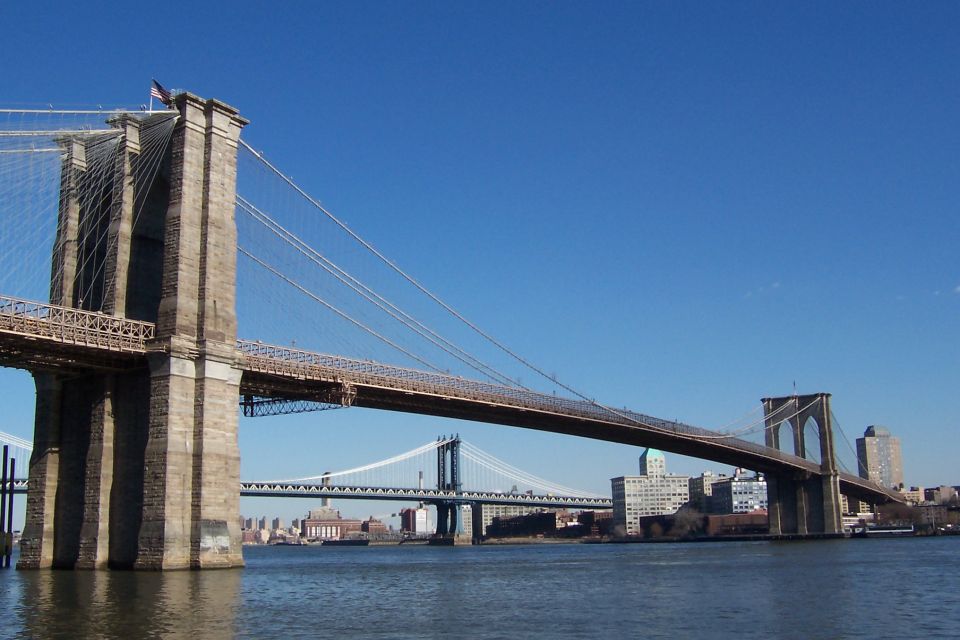
The first big visual anchor is the Brooklyn Bridge area. The tour begins where the bridge meets Manhattan and then heads toward South Street Seaport, a classic starting point for understanding how New York began.
What I like about this opening stretch is that it gives you context fast. You’re not only seeing famous structures; you’re learning how the city’s location and waterways shaped its early growth. South Street Seaport is tied to the idea of New York City “being born” out of a Dutch colony, and the walk helps you connect that origin story to the streets you’re standing on.
You’ll also notice how the architecture changes as you move through the area. The tour’s emphasis on older buildings here is useful because it slows you down just enough to look at details you’d otherwise miss while scanning for big landmarks.
Wall Street Stops: Federal Hall, the Stock Exchange Area, and Trinity Church
Next comes Wall Street, where the scenery shifts from bridge views and waterfront energy to the tightly packed symbols of American finance. This is where the tour really leans into history in a way that’s easy to follow.
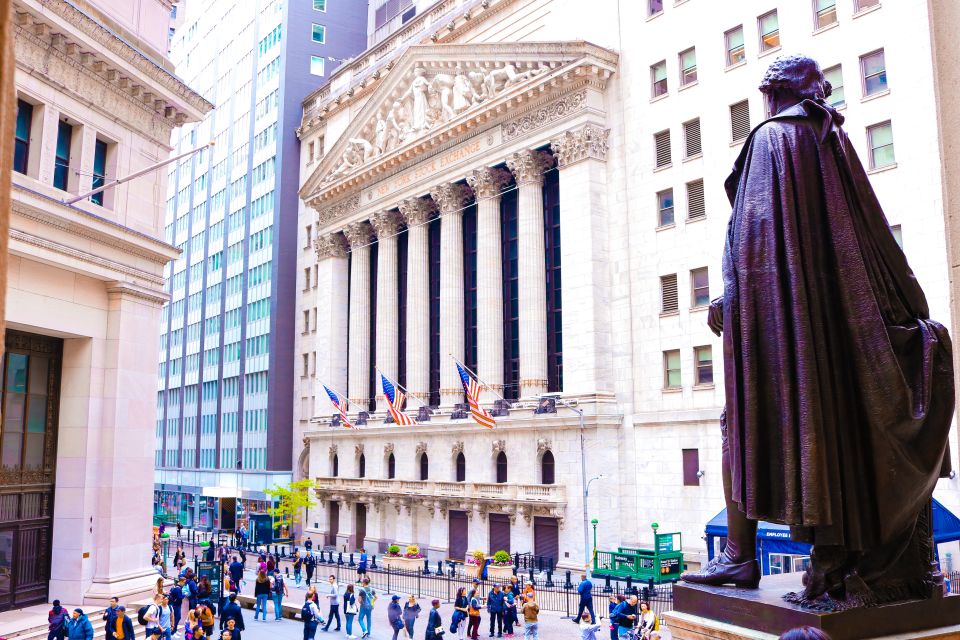
You’ll explore the surroundings of Federal Hall, the New York Stock Exchange area, and Trinity Church. Even if you know these names, it’s helpful to see them as parts of one story rather than isolated postcard spots. The tour frames these sites around what happened there and why it mattered—so you can understand the “center of gravity” of the country’s financial world.
A practical tip: plan to stand, look, and re-orient frequently. Wall Street streets can feel like a straight line on a map, but on foot they’re full of small angles and interruptions. A guide helps you keep the big picture while you’re getting pulled into the details.
If you care about historic institutions, this section is the reason you’d choose a guided walk over solo wandering. Without guidance, you can see the buildings and still miss the connections that make the area click.
Charging Bull, Capitalism Icons, and a Statue of Liberty View
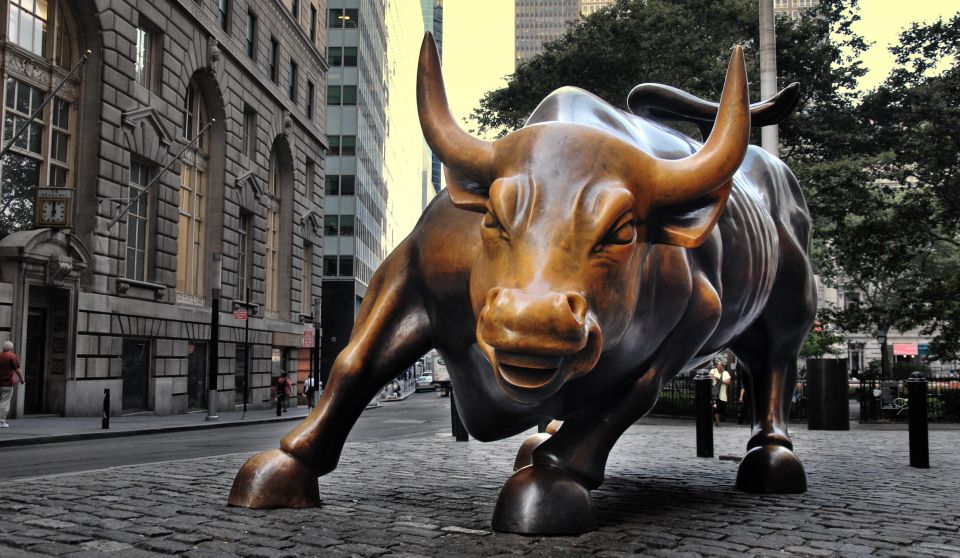
As you move south, you’ll reach the famous Charging Bull. It’s an iconic photo spot, but the tour’s value is that you’re not just stopping for the picture—you’re seeing how the symbolism fits the broader Wall Street narrative you just heard.
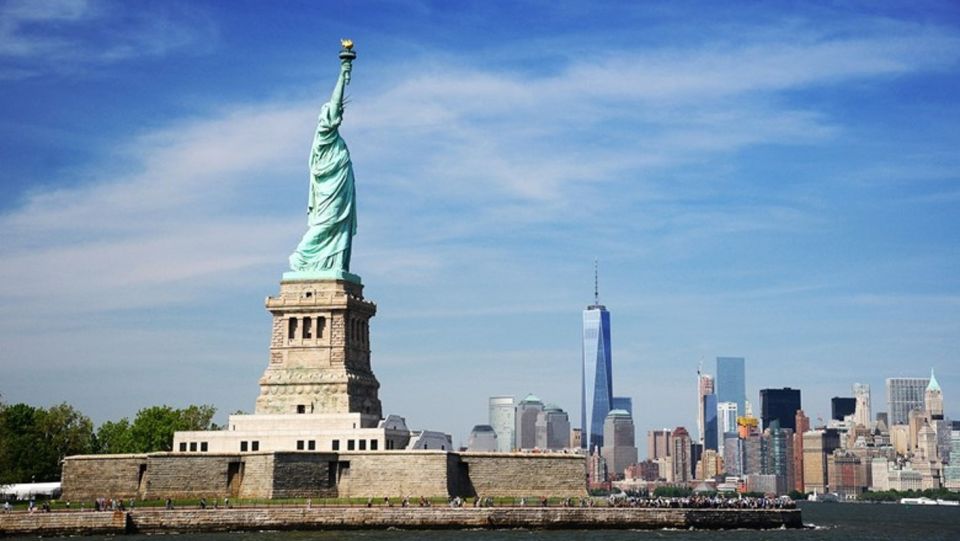
From there, you’ll also get a view of the Statue of Liberty. That detail is more than a nice skyline moment. It reinforces the idea that Lower Manhattan isn’t only about business and power; it’s also tied to arrival, identity, and the pull of the United States for people coming through the harbor.
This part of the walk is a good reset. You go from dense finance landmarks into open sightlines and perspective—so you don’t end the tour feeling like you only saw stone and office towers.
You can also read our reviews of more city tours in New York City






One World Trade Center and the 9/11 Memorial: Built for Reflection
The final major stop is One World Trade Center, followed by time near the 9/11 Memorial. This is the section where the tour’s tone matters. The plan includes time for private reflection, which is exactly what you want at a site like this.
I appreciate that the experience doesn’t treat the memorial as just another photo backdrop. You’re given a chance to pause, look, and take in what’s in front of you without rushing someone else’s schedule.
Also, starting this part of the route after you’ve already learned the Financial District context can make the memorial feel less abstract. The city’s story isn’t only told through triumph—it includes loss, policy, security changes, and the reality of living in a place that has had to rebuild.
If you’re visiting during a busy time of day, expect that the surrounding area may feel active. Still, the tour’s structure aims to slow you down when it counts.
The Free Pizza Finish: Why New York Style Became Famous
After the memorial, the tour ends back at the meeting point in City Hall Park, with a big bonus along the way: a true NYC pizzeria where you can get a free slice of New York style pizza.
I love ending a history tour with something you can taste. It’s practical too: you’re not forced to “find dinner” after you’ve already spent your energy walking and absorbing the city. You just get fed.
The best part is that the pizza stop isn’t treated like an afterthought. You also learn how New York style pizza became world-famous. Even if you’ve had slices before, this little explanation helps you understand what makes the style recognizable and why it spread so far beyond New York.
It’s a small moment, but it ties the whole experience together. Lower Manhattan history is heavy. Pizza is a reminder that people still live, work, eat, and move forward—right here in the same city.
Price and Value: What $50 Buys You in Lower Manhattan Time
The price is $50 per person for a 3-hour guided walking tour, plus a free pizza slice. On paper, it’s not a cheap activity, but it’s also not just a “see the sights” deal.
Here’s why I think it’s good value for the right traveler:
- You’re paying for a guide to connect major landmarks into a coherent story, especially around places like Federal Hall, Trinity Church, and the 9/11 Memorial.
- You’re getting a route that covers multiple high-demand points in one session, including the Brooklyn Bridge area and the memorial zone near One World Trade Center.
- You’re getting food included at the end, which matters when you’re busy and don’t want to spend mental energy hunting for a good slice.
If you’re the type who loves learning while walking, this price makes sense. If you mostly want unstructured time and don’t care about history explanations, you might feel like you could do the same stops on your own—but you’d still spend time figuring out connections.
What the Guide Time Feels Like (Based on the Experience’s Style)
The guiding approach seems designed to keep you engaged without turning the walk into a lecture. The guide is described as wonderful, with deep knowledge and a great sense of humor. That combination is important in a place like Lower Manhattan, where you can otherwise feel overwhelmed by the sheer number of famous sites.
You should also expect that the tour includes real time at stops to explore. The experience isn’t only about rushing between points. It’s built for looking around—so you can actually absorb details at each landmark before moving on.
That matters if you like to take breaks for quick photos, stare at architecture for a minute, or just collect your thoughts.
Who This Tour Fits Best
This tour is a strong match if you:
- Want a focused Lower Manhattan history walkthrough without spending hours planning
- Like guided context at major landmarks like Federal Hall, the Stock Exchange area, and the 9/11 Memorial
- Prefer a walking route that keeps you moving while still allowing time to look around
- Want a built-in NYC food payoff at the end (pizza)
It may be less ideal if you:
- Have very limited walking tolerance, since it’s explicitly a walking tour and you’ll be on your feet for about 3 hours
- Don’t want a guided story and would rather roam independently with your own pace
A quick practical note: even with a guide, it’s still New York—bring layers and plan for crowds where the sights are popular.
Should You Book This Lower Manhattan History Walking Tour?
I’d book it if you want an organized way to understand Lower Manhattan’s biggest American-history landmarks, especially Wall Street and the memorial area, and you like ending with something tangible like a free slice.
It’s also a good choice when you want to pack a lot into one day but still feel like you earned your time. The guide’s humor and knowledge help the route stay enjoyable, not just informative.
If you’re unsure, use this simple test: if you’d be excited to stand at places like Federal Hall, Trinity Church, and the 9/11 Memorial with someone explaining what you’re seeing, this tour will feel worth the $50. If you only want the skyline and photos, you might do better with a self-guided route.
FAQ
How long is the Lower Manhattan History walking tour?
It lasts about 3 hours, and you can check availability for starting times.
How much does the tour cost?
The price is $50 per person.
Where does the tour start?
It starts in City Hall Park on the steps of the Tweed Courthouse.
Where does the tour end?
The tour ends back at the meeting point.
What’s included in the price?
You get a guided walking tour of Lower Manhattan plus a New York style pizza slice.
What landmarks will we see?
You’ll explore major Lower Manhattan highlights including the Brooklyn Bridge, Federal Hall, the World Trade Center Memorial area (9/11 Memorial), Wall Street, Charging Bull, and a view of the Statue of Liberty, plus stops around South Street Seaport.
Is the tour in English?
Yes, the live tour guide provides English.
Is the tour wheelchair accessible?
Yes, the activity is listed as wheelchair accessible.
What subway stations are closest to the meeting point?
You can take 4/5/6/J/Z to Brooklyn Bridge–City Hall, 2/3 to Park Row, or R/W to City Hall.
Can I cancel and get a refund?
Yes. It offers free cancellation up to 24 hours in advance for a full refund.