REVIEW · NEW YORK CITY
New York City: Roosevelt Island Walking Tour with Tram Ride
Book on GetYourGuide →Operated by Manhattan With Hiram, LLC · Bookable on GetYourGuide
A skyline view with real street-level stories. This Roosevelt Island tour turns a calm neighborhood into a timeline of NYC—prisons and hospitals to modern apartments and parks—then adds the Roosevelt Island Tram for a fresh perspective from above the East River.
Two things I especially like: the way the guide Hiram (a lifelong NYC resident) connects sights to how people lived here, and the mix of places that cover both everyday neighborhood life and big historic themes. One heads-up: tram and photo views can be limited when crowds pack in during weekday commuter rush and busy weekends.
You’ll also get a satisfying finish at the island’s waterfront landmarks, ending at the Blackwell Island Lighthouse, a 50-foot navigation beacon from 1872. It’s an enjoyable 2.5-hour outing for history lovers and city walkers—but it’s not a short stroll for everyone.
In This Review
- Key highlights you’ll actually care about
- Roosevelt Island: from prisons and hospitals to a livable neighborhood
- Meeting Hiram at the Roosevelt Island Tramway Plaza (and getting set up fast)
- The Roosevelt Island Tram ride: a short journey with big city payoff
- Walking the island with Roosevelt Island’s past in plain sight
- Four Freedoms State Park and the Roosevelt memorial sculpture
- Cornell Technion and the idea of tech built for real conditions
- The New Town community: mixed income living, planned in the late 60s
- The Octagon Condominium and Nellie Bly’s women’s rights impact
- Blackwell family farmhouse and the Blackwell Island Lighthouse finish
- Price and value: is $25 a good deal?
- Who should book this, and who should skip it
- Should you book the Roosevelt Island Tram and Walking Tour?
- FAQ
- How long is the Roosevelt Island Walking Tour with Tram Ride?
- How much does the tour cost?
- Is the tram ride included in the price?
- Where do I meet the guide?
- Is this tour suitable for children?
- Is the tour wheelchair or mobility friendly?
- What should I bring?
- Can I cancel and get a refund?
Key highlights you’ll actually care about

- A resident guide named Hiram who shares on-the-ground observations, not just textbook facts
- Tram ride perspective over the East River with views toward Manhattan’s East Side and the Ed Koch Queensboro Bridge
- Four Freedoms State Park and President Franklin Roosevelt’s Four Freedoms speech memorial sculpture
- Cornell Technion tech campus history and its computer engineering focus, plus the architecture angle
- Nellie Bly story at the Lunatic Asylum site and the Girl Puzzle Monument honoring her activism
- Historic end point: the Blackwell Island Lighthouse and its role guiding ships in the 1800s
Roosevelt Island: from prisons and hospitals to a livable neighborhood
Roosevelt Island is one of those NYC places that feels quieter than you expect, like the city steps down the volume. That’s exactly why it works so well with a guided walking tour: you start seeing the island as a set of layers.
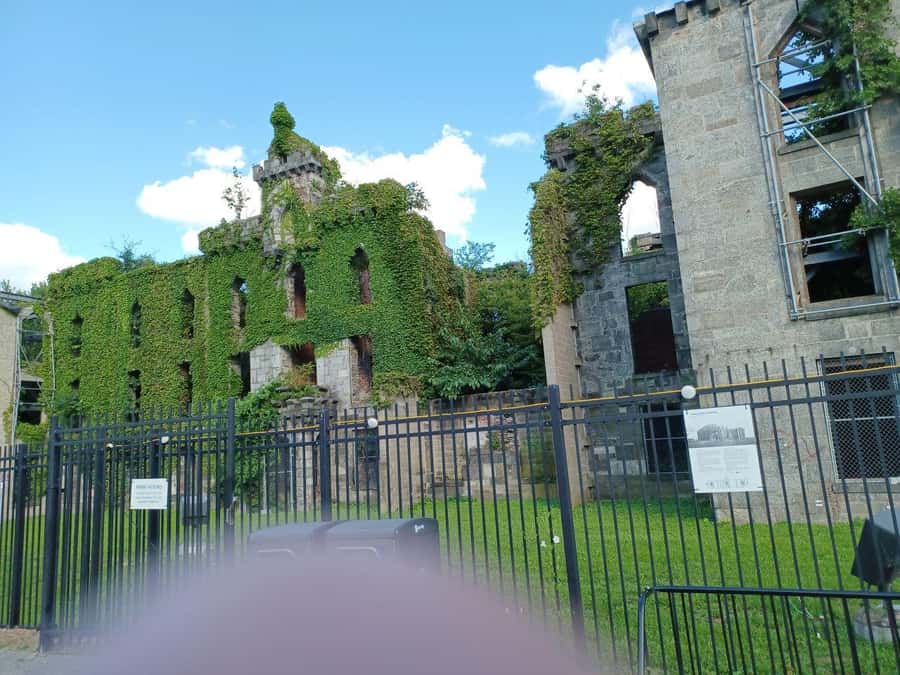
The story begins with the island’s original purpose. Long ago, Roosevelt Island held Blackwell’s Penitentiary, where the city confined criminals, and it was also used to isolate smallpox patients at the Smallpox Hospital. The tour doesn’t just mention these sites—it walks you through how neglect and poor health practices had tragic consequences for people who were already vulnerable.
Then the focus shifts to what came next. You’ll see how the island became a planned mixed-income community with parks, historic landmarks, and modern residences. The effect is practical, not preachy: you understand how a city repurposes land and why people end up living side-by-side.
If you like NYC that has both human scale and big themes, this is a strong fit. And if you’re the type who usually rushes past the East River bridges, the island gives you a calmer way to look at the same skyline.
You can also read our reviews of more walking tours in New York City



Meeting Hiram at the Roosevelt Island Tramway Plaza (and getting set up fast)
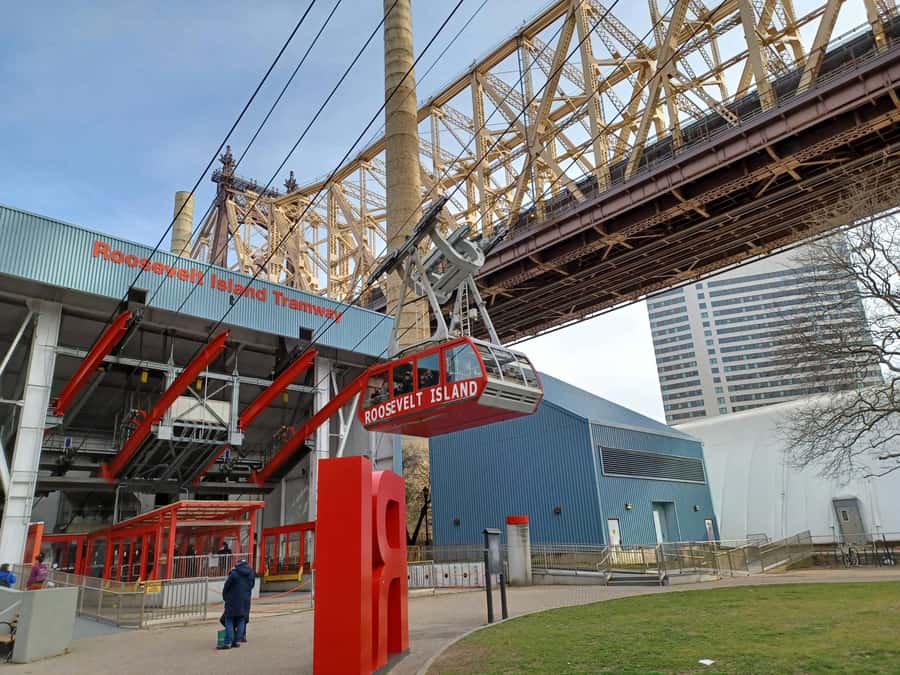
This tour is structured to get you moving right away. You start at the E 59 St/2 Av area, then meet your guide on the upper level of the Roosevelt Island Tramway Plaza at the MetroCard Vendor Machine area.
I like this setup because it keeps the “where do we go?” stress low. It also makes it easy to add to the rest of your day, since the tram is a major transit hub and your tour revolves around it.
Bring comfortable shoes. Even if the distance doesn’t sound huge, you’ll be on foot for much of the experience, and you’ll want solid footing to enjoy the stops. An umbrella can also save you if rain shows up without warning—New York does that.
One more thing that matters: this tour isn’t for everyone. It’s not suitable for children under 13, and it’s also not suitable for people with mobility impairments. If those apply, plan for a different format that matches your comfort level.
The Roosevelt Island Tram ride: a short journey with big city payoff
The tram portion is brief—about 10 minutes—but it’s the kind of time that changes how you understand the city. The Roosevelt Island Tram is described as the first commuter tram in the United States, and you’ll feel why that detail matters: it’s transit as city viewpoint.
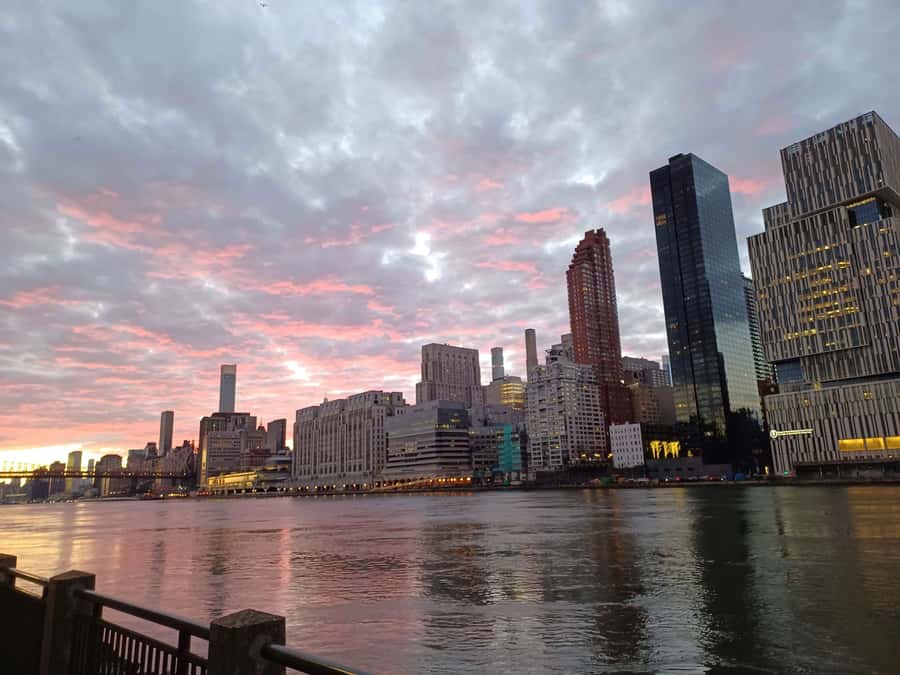
From the tram, expect sweeping sights of the East River, the Ed Koch Queensboro Bridge, and Roosevelt Island itself. The angle is different from what you get standing on the street. You see how the island sits between Manhattan and Queens, and how the river corridors shape movement in the city.
The only real drawback is crowding. The tour notes that views from the tram may be limited during weekday commuter rush and on weekends. If you’re picky about photos, try to choose a start time when the tram won’t feel packed. And if the ride is busy, focus on the skyline geography rather than trying to get perfect angles.
Also, budget for the transit. The tram ride cost to Roosevelt Island is not included in the $25 price.
Walking the island with Roosevelt Island’s past in plain sight
After the tram, you spend the bulk of the tour walking Roosevelt Island with a licensed guide. The value here isn’t just the list of stops. It’s the way the guide ties each location to a bigger story: punishment and isolation, then planned housing, then cultural and educational institutions.
You’ll start picking up how the island’s past shows through in the built environment. Some of the places you’ll visit were tied to incarceration and illness. Others connect to civic memory. Still others are about living now—housing that mixes income levels, and institutions that shape work and daily life.
The guide experience matters a lot. The reviews highlight Hiram as enthusiastic and genuinely detailed, someone who makes the information feel tied to real streets instead of a slideshow. That’s the difference between hearing about Roosevelt Island and actually understanding it.
And yes, there are scenic moments too. Even on a walking tour, you’ll get those “wait, look at that” views that make you slow down without feeling stuck.
Four Freedoms State Park and the Roosevelt memorial sculpture

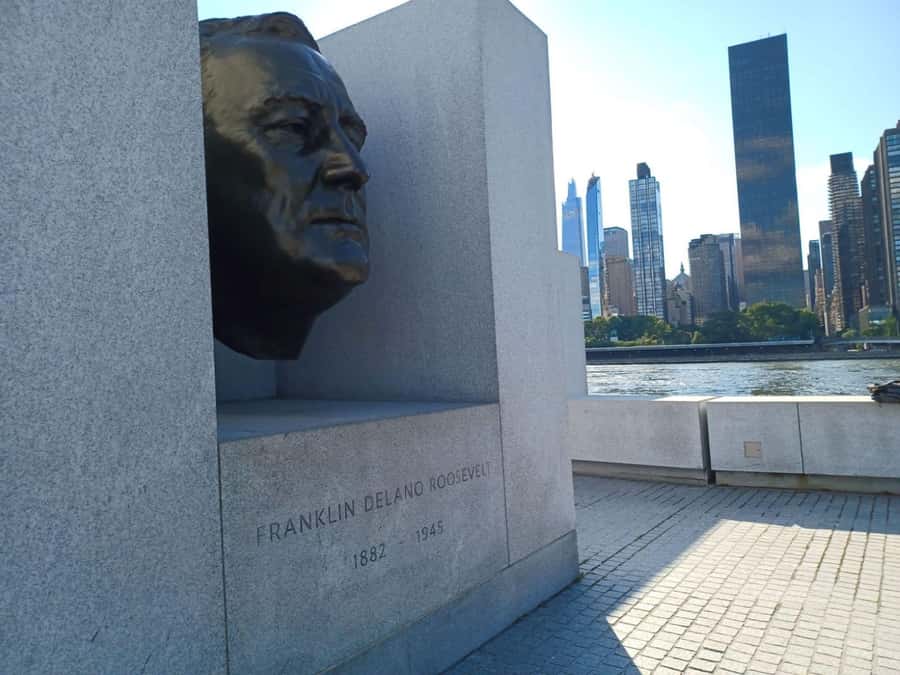
One of the tour’s most recognizable stops is Franklin D. Roosevelt Four Freedoms State Park, near the southern tip of Roosevelt Island. This is where the island shifts from neighborhood reality into national memory.
You’ll hear about President Franklin Roosevelt’s 1941 Four Freedoms speech, then see his impressive facial sculpture. If you’ve only encountered Roosevelt memorials as distant monuments, this feels more grounded because it’s placed on a river island with real movement around it.
I like this stop because it’s not just “look at the statue.” It frames why the Four Freedoms idea became such a powerful symbol and how that symbolism is anchored in a specific place.
If you enjoy combining politics, memory, and city form, this part lands well. If you’re more into architecture or local history, it still works because it gives you a clear landmark in a tour full of smaller details.
You can also read our reviews of more city tours in New York City






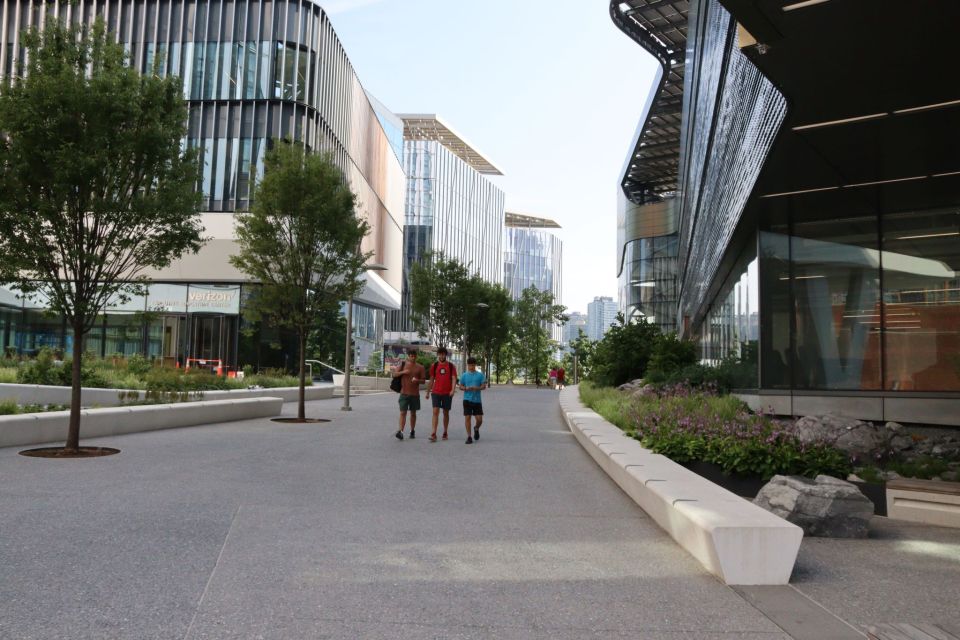
Cornell Technion and the idea of tech built for real conditions
Next, the tour turns toward education and engineering. You’ll head to Cornell Technion, described as a center of creative thinking and research, with a focus on computer engineering degree programs.
What I found useful about this stop is the practical angle on building design. The tour includes information about innovative flood-resistant and energy conservation architecture. Even if you don’t care about engineering for its own sake, it helps you see how NYC challenges—water, weather, and energy—show up in the built world.
The mission component also adds context. You’ll hear how Cornell Technion’s goal connects to high-tech start-up companies. It’s a reminder that in NYC, institutions aren’t just academic campuses; they’re economic drivers and community influences.
If you like tech campuses in a “how does it work in the real city” way, you’ll appreciate this stop more than you might expect.
The New Town community: mixed income living, planned in the late 60s
Roosevelt Island’s “New Town” era gets its own place in the tour. You’ll learn about planning and development from 1969–1973, including how the community includes low-to-moderate income housing alongside luxury rental and condominium apartments.
This isn’t a marketing story. It’s a look at how city planning decisions shape everyday life, and how residents experience living next to people with very different budgets. Even if you don’t spend time thinking about housing policy, seeing the physical layout makes it easier to understand what “mixed income” means in practice.
This stop also helps you connect the tour’s earlier parts. Roosevelt Island has a history of isolation and confinement. So it’s interesting—sometimes a little sobering—to watch how later generations built something designed for normal life, with public access, parks, and a mixed resident community.
The Octagon Condominium and Nellie Bly’s women’s rights impact
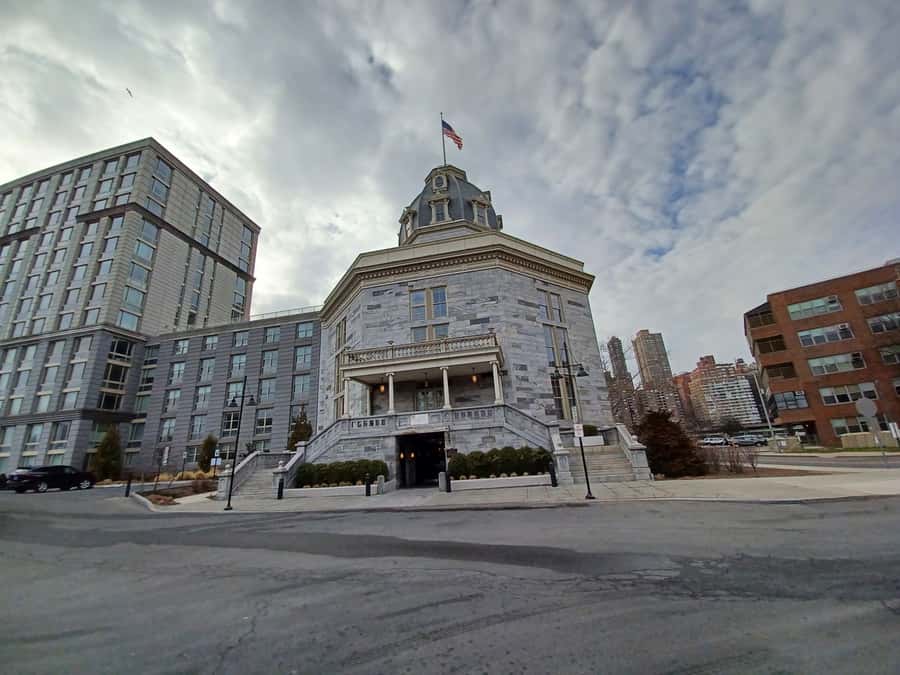
One of the most powerful segments focuses on healthcare history and activism. You’ll see the Octagon Condominium Apartments, noted as the original location of the New York City Lunatic Asylum.
From there, the tour brings in Nellie Bly, the investigative journalist and activist who exposed systemic mistreatment of female patients by asylum staff in the late 19th century. The tour’s framing is clear: this was not an accident; it was a pattern, and reporting helped force attention to what was happening behind institutional walls.
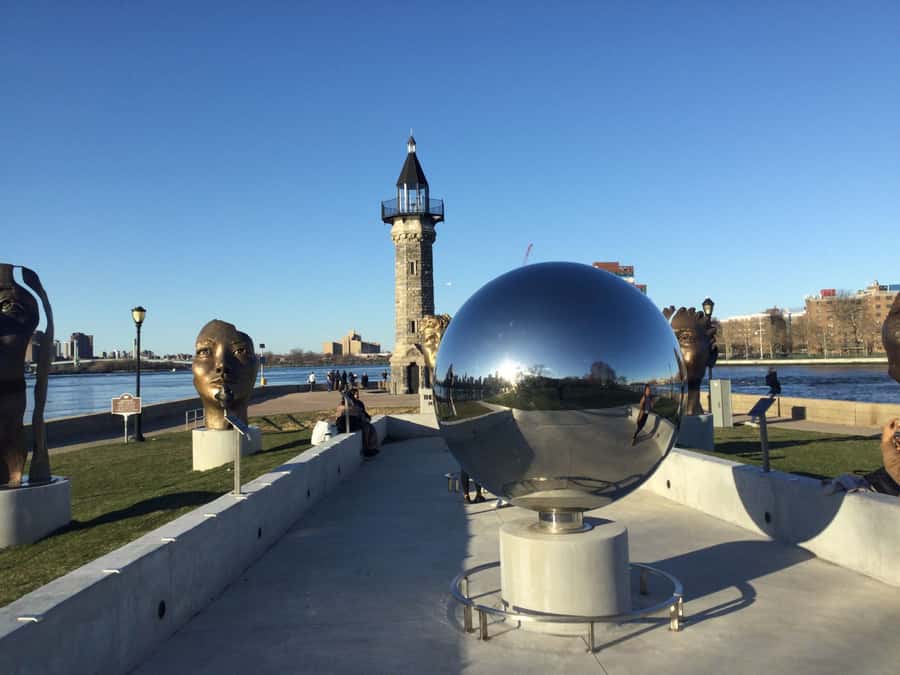
Then comes the memorial side: you’ll view the Girl Puzzle Monument Honoring Nellie Bly, featuring five sculptures of women’s faces shaped like puzzle pieces. It’s a visual way to connect activism with women’s rights and patient advocacy.
This part is likely to hit harder if you care about human rights, journalism, or women’s history. But even if you’re mostly there for views and transit trivia, it adds real emotional context to the places you’re walking past.
Blackwell family farmhouse and the Blackwell Island Lighthouse finish
The tour doesn’t end with another statue and a quick photo. It finishes with the waterfront and navigation history, which feels right for an island built around movement across water.
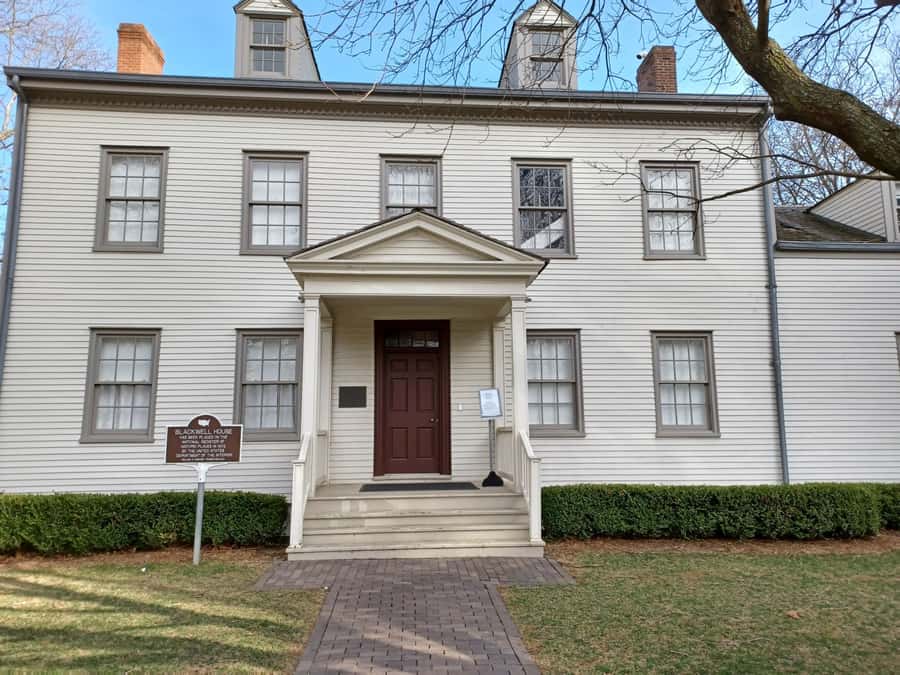
You’ll see the Blackwell family’s colonial-era farmhouse, a reminder that Roosevelt Island wasn’t only institutions and experiments—it also had earlier roots and families tied to the land.
Then you reach the 50-foot high Blackwell Island Lighthouse, described as a New York City and National Landmark built in 1872 for ship navigation in the East River. If you’ve ever wondered how the city managed water traffic before modern tech, this is the clearest “answer in one stop” you’ll get.
I like lighthouse endings because they give you a clean sense of closure. You’re literally finishing at the point where the river story meets guidance and safety.
And because the tour is built around the tram, getting back is straightforward—you end at the Roosevelt Island Tramway area.
Price and value: is $25 a good deal?
At $25 per person, the headline price is easy to stomach, especially because the tour includes a walking tour plus a licensed guide.
What’s not included is the tram ride cost to Roosevelt Island. So your total day cost depends on transit pricing, but the main point is simple: you’re paying for expert interpretation and a structured route, not just for transport.
The duration is listed as 2.5 hours, and you cover enough ground to feel like you didn’t waste time staring at the same view. The small group option is also a plus if you want a more conversational feel than a big bus tour.
Overall, this feels like a solid value for people who want story-rich NYC without doing a DIY map marathon.
Who should book this, and who should skip it
This tour is a good match if you want:
- Real context for Roosevelt Island’s strange-but-important past, including prisons, hospitals, and asylum history
- A tram viewpoint that’s quicker than bus and subway hopping
- A guide like Hiram who shares more than just dates
- Stops that mix memorials, housing planning, tech education, and river life
You might want to skip or choose a different option if:
- You need accessibility accommodations, since it’s not suitable for people with mobility impairments
- You’re traveling with kids under 13
- You’re expecting a long tram sightseeing cruise (the tram segment is short, and crowd levels can affect views)
Should you book the Roosevelt Island Tram and Walking Tour?
I’d book it if your ideal NYC day includes a guided story route plus skyline time, and you like when history connects to places you can still see today. The $25 price feels fair for a guided walk with a tram-based viewpoint, and the emphasis on Roosevelt Island’s transformation—from incarceration and isolation toward mixed-income community life—gives the tour meaning.
If you’re only chasing views and prefer self-guided sightseeing, you might decide it’s optional. But if you want the why behind what you’re looking at, this is the kind of guided experience that turns a quick stop into a much richer visit.
FAQ
How long is the Roosevelt Island Walking Tour with Tram Ride?
The duration is listed as 2.5 hours, and starting times depend on availability.
How much does the tour cost?
The price is $25 per person.
Is the tram ride included in the price?
No. The tram ride cost to Roosevelt Island is not included.
Where do I meet the guide?
Meet your guide on the upper level of the Roosevelt Island Tramway Plaza at the MetroCard Vendor Machine area.
Is this tour suitable for children?
It is not suitable for children under 13.
Is the tour wheelchair or mobility friendly?
It is not suitable for people with mobility impairments.
What should I bring?
Bring comfortable shoes and an umbrella.
Can I cancel and get a refund?
Yes. Free cancellation is available up to 24 hours in advance for a full refund.