REVIEW · NEW YORK CITY
New York City Shore Excursion: Pre-Cruise Half-Day Private Tour
Book on Viator →Operated by New York Fun Tours · Bookable on Viator
One shore day can feel like a blur. This private NYC tour is built to make it readable fast, with a guide driving you point to point and stopping for photos where they actually work. You also get that calm, non-stress rhythm that helps when you have luggage, crowds, and a cruise departure window to respect.
I really like the personal attention part. The guide is there as your on-the-ground navigator, with time for questions, plus planned photo breaks so you are not constantly stopping and starting. I also like the comfort of an air-conditioned vehicle and worry-free pickup from hotels, airports, or residences, which matters more in New York than you might expect.
The main downside is cost efficiency. At $1,275 per group (up to 12), this is best if you can spread the price across several people. If you are just two, you may feel like you are renting a luxury problem: great sights, but less value per person.
In This Review
- Key things to know before you go
- Why a private pre-cruise tour beats solo wandering
- Pickup to port: how the timing really works on a shore day
- Midtown icons: St. Patrick’s Cathedral, Empire State, and the big skyline hits
- Grand Central Terminal: using a station like a landmark
- Greenwich Village to SoHo: parks, cobblestones, and cast-iron architecture
- TriBeCa, 9/11 Memorial, and The Battery: the emotional and the scenic
- Financial District to Chinatown to Little Italy: reading New York by neighborhoods
- Brooklyn Bridge and Brooklyn Heights Promenade: the best skyline payout
- Price and value: is $1,275 per group actually fair?
- How to make the most of 3 to 5 hours (without turning it into a checklist)
- Should you book this private NYC shore excursion?
- FAQ
- How long is the pre-cruise half-day private tour?
- What is the group size for this private tour?
- Where can pickup happen?
- What language options are available for the guide?
- Are meals included during the tour?
- Will the tour run in bad weather?
Key things to know before you go

- Private group, up to 12: you are not packed into a big bus crowd.
- Pickup and port drop-off included: your biggest logistics headache gets handled for you.
- 3 to 5 hours: it is a half-day sprint, not a slow wander.
- English or Spanish guide: you pick your language at booking.
- Most listed stops are free admission: fewer ticket tasks and less time wasted.
- Bad weather can pause the plan: if conditions are severely inclement, you may be rescheduled.
Why a private pre-cruise tour beats solo wandering
New York is amazing, and it can also be relentlessly time-hungry. A private shore excursion helps because it turns your limited time into a guided route with built-in stops. You get a plan that makes sense for first-timers: big landmarks first, then neighborhood texture in a logical sweep, then the skyline payoff at the end.
You also gain something practical: clarity. A good guide does not just point at famous buildings. They explain what you are seeing, how the city is laid out, and what to watch for as you move. In this case, the tour is structured around recognizable anchors in Midtown, Lower Manhattan, and Brooklyn—so you leave with a mental map you can actually use.
And there is a timing advantage. Cruise days do not forgive delays. With pickup offered from your hotel, airport, or even a residence, you avoid the common scramble of figuring out transit, then walking in the wrong direction, then doing it all again.
You can also read our reviews of more boat tours in New York City



Pickup to port: how the timing really works on a shore day
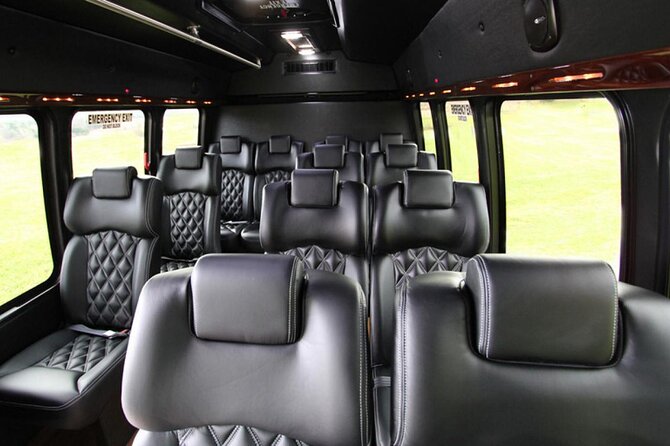
This experience runs about 3 to 5 hours, and that time is meant to be efficient. You start with a hotel, airport, or residence pickup in New York City, then ride between areas with a guide calling the shots. The vehicle is air-conditioned, and the type depends on your group size, which is helpful when you are trying to fit comfortably with a small group.
One of the underrated benefits here is luggage handling. The tour includes that your luggage will be stored and transported, which is a big deal when you have bags and you are not trying to juggle them while also seeing landmarks. The tour also includes port drop-off, so you do not end the day stressed about how to get back to your ship.
If your ship has a strict departure schedule, this kind of door-to-door flow is where you get value. You are not spending your precious hours on logistics.
Midtown icons: St. Patrick’s Cathedral, Empire State, and the big skyline hits
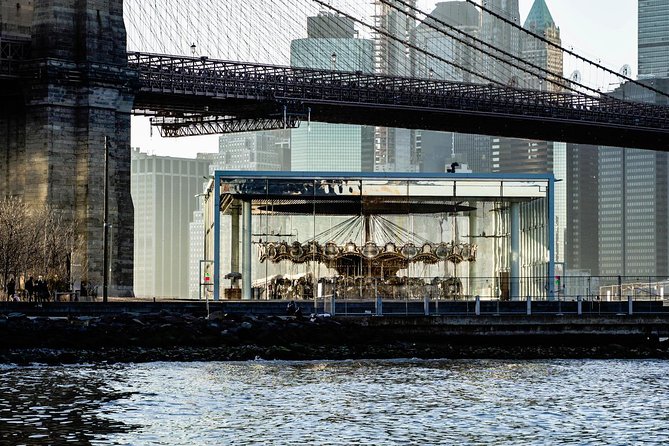
Midtown is the classic first-time New York stage set: towering density, major transit, and the kind of streets where you can feel history and commerce layered on top of each other.
You start with iconic Midtown anchors, including several marquee stops. The route calls out long-running landmarks that people recognize instantly, like Rockefeller Center, Times Square, and Broadway as part of the Midtown flavor. But the key is that you are not just staring at them—you are learning how this part of Manhattan functions as a business hub and why it is so packed.
A highlight is St. Patrick’s Cathedral, the large Gothic Revival Catholic cathedral on a full city block between 5th Avenue, Madison Avenue, 50th Street, and 51st Street, across from Rockefeller Center. It is visually dramatic inside and out, but the guide context matters here: it was designed by James Renwick Jr., construction began in 1858, work paused during the Civil War, and it was completed in 1878 and dedicated in 1879. That kind of detail gives you something to look for beyond the first photo.
Then comes the skyline icon stop: the Empire State Building. You get the “world-famous tall building” experience, but you also get the meaning behind it: it is a 102-story Art Deco skyscraper built between 1930 and 1931, designed by Shreve, Lamb & Harmon. It held the title of the tallest building in the world until 1970, was regained after September 11, 2001, and later passed by One World Trade Center in 2012. When you know that timeline, the building feels less like a postcard and more like a timeline of New York itself.
What to watch for: Midtown is where pedestrian crossings and traffic can turn your “quick stop” into a slow one. Your private setup helps, but still plan to walk only what you need for photos and viewing points.
Grand Central Terminal: using a station like a landmark
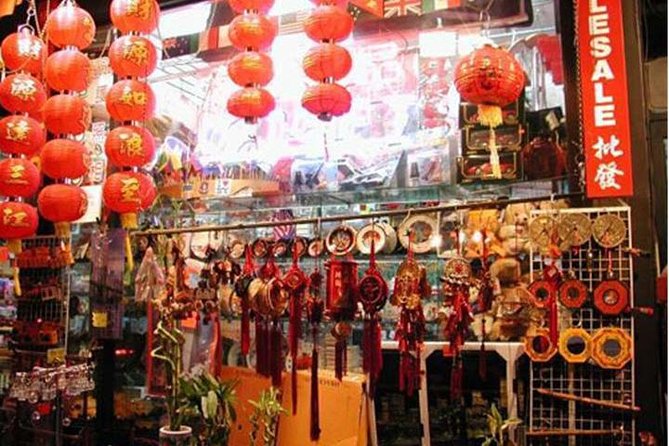
Next up is Grand Central Terminal, one of those places where New York’s identity shows up in architecture. It is a major commuter hub, and it is also a landmark destination. The tour spends time there with it listed as free admission, so you can enjoy the public spaces without ticket-pressure.
What makes Grand Central special is the “how did they fit all of this into one building” feeling. The tour context points out its Beaux-Arts architecture, landmark status, and the fact that it attracts over 21 million visitors annually (excluding transit passengers). You also get the scale of it: it is third-busiest in North America after Penn Station (NYC) and Union Station (Toronto).
I like that a guide helps you read Grand Central like a city inside a city. You are not just passing through; you are understanding why films and TV keep coming back here, and what amenities make it feel like an upscale hub rather than only a transit stop.
Potential drawback: Grand Central is huge and busy. Even with a guide, it can be easy to drift if you are not paying attention. If you want the most from this stop, keep your group together and use your guide to point out where the best viewing areas are.
Greenwich Village to SoHo: parks, cobblestones, and cast-iron architecture

After the Midtown power hits, you shift into neighborhoods that feel more lived-in, even when you are surrounded by visitors. The tour moves from Washington Square Park into Greenwich Village, then through Meatpacking District and SoHo.
Washington Square Park is a quick but meaningful stop. It is known as a gathering place and features the Washington Square Arch at the northern entrance, a symbol tied to nonconformity. The listing also notes the fountain area and artist-focused buildings nearby. Even in a short visit, the park gives you a different New York rhythm than Midtown.
Then Greenwich Village brings in the feel of cobblestone streets, Federal-style townhouses, and public squares. The tour area references music and nightlife landmarks such as Village Vanguard and the Stonewall Inn, which makes sense because this neighborhood’s identity is tied to culture, not just skyline views.
You also pass through Meatpacking District, with the listing calling out the Whitney Museum of American Art and access points to the High Line and Little Island. Even if you are not walking the entire High Line here, this is a useful orientation stop.
SoHo is where the architectural detail starts to matter. You learn the origin of the name South of Houston, and you get the idea of the SoHo–Cast Iron Historic District, with its cast-iron architecture and about 26 blocks worth of historic buildings. Belgian block paving on side streets gets mentioned too. This is one of those areas where you can feel why people love walking just one more block.
What to watch for: these neighborhoods reward walking, but your shore time is limited. Take the photo stops seriously, then trust your guide on where to stand for the best angles.
You can also read our reviews of more city tours in New York City






TriBeCa, 9/11 Memorial, and The Battery: the emotional and the scenic
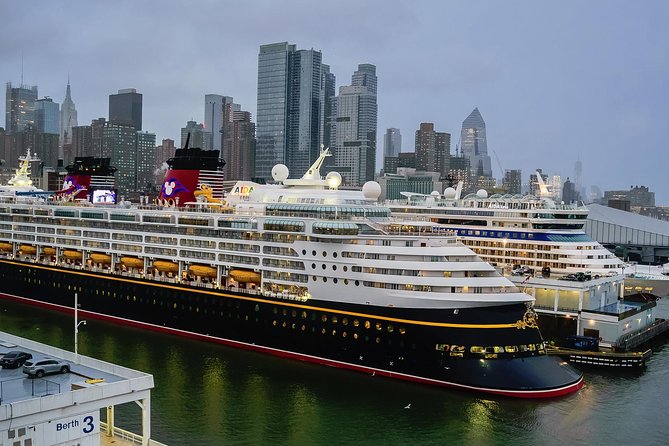
Downtown New York adds variety fast, and the tour leans into both memory and view.
The route references TriBeCa, describing the shift from farmland into residential life, then into a mercantile produce and textiles hub, and later into an artist community and celebrity-adjacent energy. It also points out the TriBeCa Festival origin after September 11 to help revitalize downtown. Even as a quick stop, that explanation gives you the “why this area feels different now” context.
Then you reach the National 9/11 Memorial & Museum complex. The tour data emphasizes honoring victims of the 9/11 attacks and the 1993 bombing. It is listed as free admission in the stop timing, so this is a powerful stop that does not add ticket hassle to your day.
Finally, you get the harbor view angle at Statue of Liberty View Point from The Battery (formerly Battery Park). This is one of those moments where you do not need a ticket or a long wait. The listing frames it well: you get a view of Statue of Liberty and Ellis Island, plus wide harbor scenery stretching toward Brooklyn, New Jersey’s shore, and the Verrazano Bridge. It is a “wow, okay, this is New York” finish to the downtown section.
What to watch for: this part of the route can feel crowded, and crowds can slow photo time. Your private setup helps, but still, keep an eye on where you are standing. Harbor photo light changes quickly, so your guide’s timing matters.
Financial District to Chinatown to Little Italy: reading New York by neighborhoods
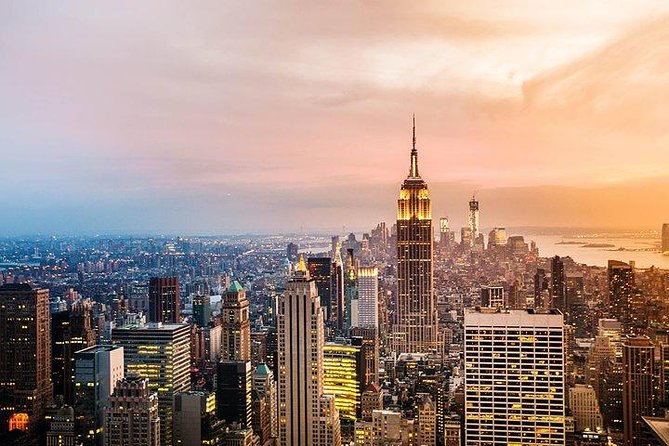
The tour then moves into the Financial District (FiDi), with its boundaries tied to key streets and waterfront edges. It also notes the historical overlap with New Amsterdam, dating back to 1624, and highlights major institutions like the New York Stock Exchange and the Federal Reserve Bank of New York.
But this is not just about finance as a concept. It is about how a city block becomes a different kind of world. If you’ve never seen downtown this way, it can surprise you how quickly the skyline and street energy change from Midtown.
Next comes Chinatown in Lower Manhattan. The tour data notes a large Chinese population concentration in the Western Hemisphere and describes Chinatown’s role as one of the oldest Chinese enclaves, including the idea that the metro area holds a huge Chinese population outside Asia. That kind of background gives the neighborhood more meaning than simply “restaurants and shops.”
Then the tour adds Little Italy, now reduced to about five blocks along Mulberry Street north of Canal Street. The listing explains its historical spread during late 19th-century immigration waves and how it ties back into the Five Points area that includes Mulberry Bend. That’s the kind of historical link that turns neighborhood sightseeing into real understanding.
Potential drawback: your time is limited in each neighborhood. If you want to shop or linger for food, you will need to decide in advance what matters most to you. The tour is built for orientation and landmark hits more than for long meals.
Brooklyn Bridge and Brooklyn Heights Promenade: the best skyline payout

Ending with Brooklyn is smart. It gives you distance from the Midtown-and-downtown density and sets you up for one of the most memorable parts of New York viewing.
You cross Brooklyn Bridge, described as a world-renowned suspension bridge dating to its 1883 opening. Even with short time, crossing it on foot is the kind of experience that sticks. You get history in the structure and huge views in the same moment.
Then comes Brooklyn Heights Promenade, known as the Esplanade, a pedestrian walkway cantilevered over the Brooklyn-Queens Expressway in Brooklyn Heights. The listing notes it is 1,826 feet long and provides sweeping views of Lower Manhattan’s skyline and New York Harbor. It also explains the post-World War II compromise route that kept the area usable as a viewpoint, plus that it’s owned by NYC DOT while NYC Parks maintains it.
This is where I’d expect the tour to deliver its strongest “last photo” moment. After a day of streets and landmarks, the promenade gives you a calmer, bigger framing of the city. It is also a great wrap for shore travelers because it feels complete without requiring a long bus ride afterward.
Tip: wear comfortable shoes. The bridge walk and promenade are the two parts where your feet decide whether the day feels easy or annoying.
Price and value: is $1,275 per group actually fair?
At $1,275 per group for up to 12, pricing is really about how many of you are sharing the vehicle and guide time. Here is the math in plain terms:
- If you fill the group (12 people), the cost is about $106 per person.
- If you travel as 4 people, it is about $319 per person.
- If it is just 2 people, it becomes about $638 per person.
So is it good value? It can be, because you are buying more than sightseeing. You are buying pickup from your exact location, a private guide, and port drop-off, plus comfort in an air-conditioned vehicle and luggage transport. When you factor in cruise logistics, those pieces can save real time and reduce stress.
This is also a strong choice for first-time NYC days when you want a guided route that hits the recognizable icons and neighborhood texture in one shot. The guide quality is part of the deal too. On the team side, the names Laurie, Isaac, and James are specifically called out for being very effective at making the city make sense, and for recommending places to visit afterward. That is what you want from a shore excursion: you want the city to feel understandable by the time you get back to your ship.
How to make the most of 3 to 5 hours (without turning it into a checklist)
This tour format works best if you approach it like a guided orientation, not a race to see everything.
Here are a few practical moves that keep the day smooth:
- Decide which are your must-photo stops. The tour is built for iconic photos, but too many “quick detours” can eat up time.
- Use the guide for street-level questions. Ask how neighborhoods differ or what to watch for when you walk on your own later.
- Plan for short, focused walking. Midtown and downtown can involve sidewalks that move fast and intersections that take time. Comfortable shoes matter.
- If you care about photo angles, ask the guide where to stand. In New York, the best view is often one corner over.
Also, remember what the time budget is doing. You are getting Midtown giants, transit landmarks, neighborhoods that change character block by block, and a Brooklyn viewpoint finish. That is a lot for half a day. The right mindset is: leave with a strong map of where you are and what you’re looking at.
Should you book this private NYC shore excursion?
I’d book it if:
- You want a private guide and not a big-group scramble.
- You need pickup and port drop-off that reduces stress.
- You are short on time and want Midtown, Lower Manhattan, and Brooklyn in one coordinated half-day.
- Your group can spread the $1,275 per group cost across several people.
I’d think twice if:
- You are traveling solo or as a couple and the per-person cost feels too high.
- You want long, slow meals and extended neighborhood time. This day is structured for landmark orientation and efficient movement.
If your priority is getting your bearings fast and seeing the city’s headline moments without logistics headaches, this is a strong fit for a pre-cruise day.
FAQ
How long is the pre-cruise half-day private tour?
The duration is approximately 3 to 5 hours.
What is the group size for this private tour?
It is a private tour for your group, with pricing listed per group for up to 12 people.
Where can pickup happen?
Pickup is offered from any airport, hotel, residence, or Air B and B within New York City.
What language options are available for the guide?
You can choose an English-speaking or Spanish-speaking guide when booking.
Are meals included during the tour?
No. Food and drinks are not included.
Will the tour run in bad weather?
If conditions are severely inclement weather, the tour will not be conducted. If cancellation is needed, you may be rescheduled to another convenient time.