REVIEW · NEW YORK CITY
NYC: Grand Central Terminal History and Mysteries
Book on GetYourGuide →Operated by CityShuffles LLC · Bookable on GetYourGuide
If you love secrets in plain sight, start here. Grand Central Terminal is the kind of place where the main concourse already looks like a movie set, but the tour adds the hidden details most people never see and the ceiling artwork story—plus the train-station rabbit holes get real in Grand Central Madison. My favorite part is how the guide ties design, past passengers, and dramatic behind-the-scenes stories together. One consideration: it moves at a steady walking pace, and most of the experience is inside the terminal areas.
You’ll also get a strong feel for what makes Grand Central different from other NYC landmarks: it’s not just architecture you glance at—it’s a working transportation hub with layers of history stacked above and below you. Outside, you’ll look at the mix of styles around the terminal, including art deco and gothic, and then you’ll head back into the underground station level. The only possible drawback is that photography-free rules (including no audio recording) can limit how you document things if that matters to you.
In This Review
- Key highlights at Grand Central in 2 hours
- Grand Central’s main concourse: what you notice changes fast
- The ceiling artwork story you’ll never unsee
- Tracks, past guests, and the present-day crowd
- Jackie Kennedy: stories and photographs that connect to the station
- Grand Central Madison: the deepest-station experience
- Tennis courts, the Whisper Room, and other station secrets
- Outside the station: art deco, gothic, classical, and modern all in one view
- The guide experience: why John’s style makes it worth it
- Price and timing: is $29 fair for a 2-hour tour?
- Who this tour suits (and who might want something else)
- Should you book the Grand Central Terminal history and mysteries tour?
- FAQ
- FAQ
- Where is the meeting point?
- How long is the tour?
- What is the price?
- Does the tour include Grand Central Madison?
- Will we see Jackie Kennedy-related content?
- What parts of Grand Central Terminal are covered?
- Is the tour guided?
- Are weapons or sharp objects allowed?
- Is audio recording allowed?
- Is free cancellation available?
Key highlights at Grand Central in 2 hours
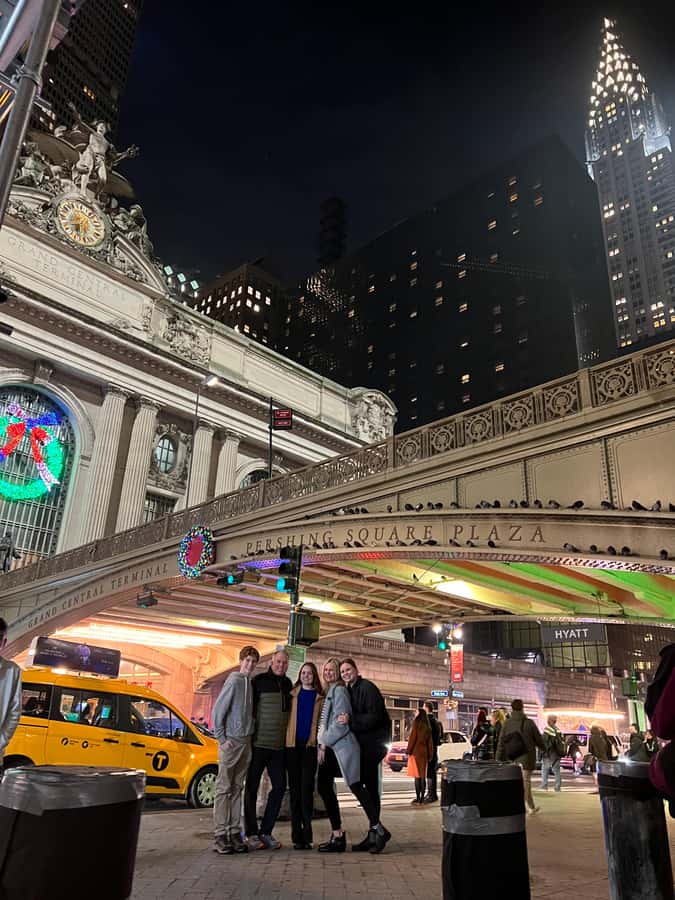
- Hidden main concourse access to details not generally entered by the public
- The ceiling artwork and its damage/renovation history, not just a pretty look
- Grand Central Madison, described as the deepest train station in the world
- Jackie Kennedy stories with photographs that help you visualize the era
- Real character-driven station stories, including Jackie as Grand Central’s heroine
- Surrounding architecture clues, from art deco and gothic to classical and modern elements
Grand Central’s main concourse: what you notice changes fast
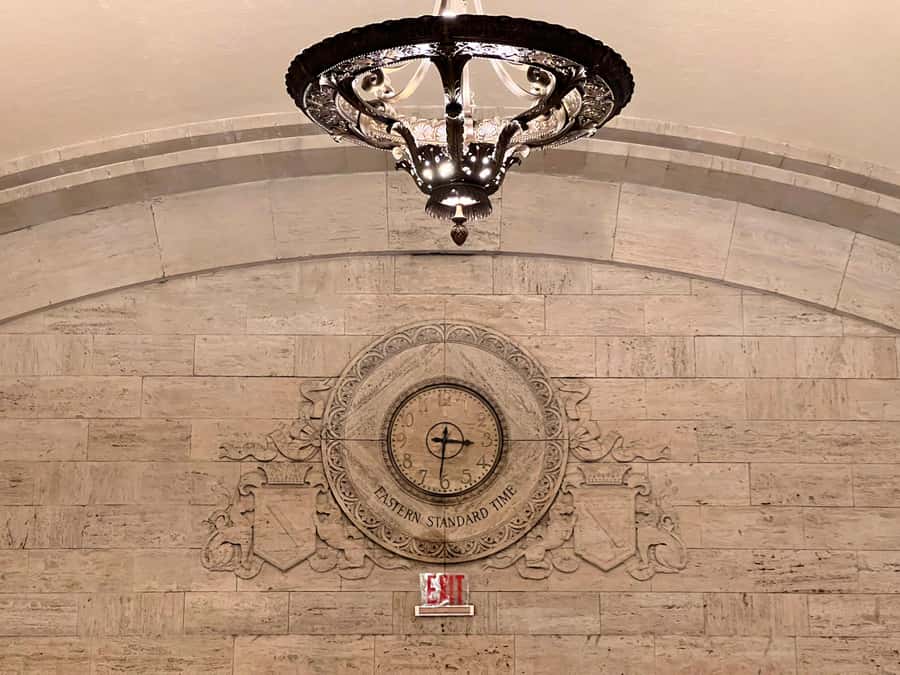
Grand Central looks famous the second you enter. But on this tour, you learn what to look for first, second, and third. The guide walks you through the main concourse with an eye for the small stuff—those tucked-away design details and behind-the-scenes features that ordinary foot traffic usually skips.
I love that you’re not just staring upward at the ceiling. You’re learning what the ceiling artwork has endured over time, including damage and renovations it went through. That context turns the artwork from a static landmark into something that has survived real events and real repairs, which makes it feel more human. It also helps you see why Grand Central has had to keep working while trying to preserve its star features.
Another big plus: you’ll spend time on the tracks and the ideas behind them. The tour connects the present-day hustle—trains for people from every walk of life—to the era when those same tracks hosted the most extravagant guests NYC could offer. That contrast lands hard. It makes the station feel less like a museum and more like a living stage that has kept reinventing itself.
A practical note: you should plan to be on your feet and walking between points. The tour is built around seeing multiple areas in a short window, so comfortable shoes matter.
You can also read our reviews of more historical tours in New York City



The ceiling artwork story you’ll never unsee
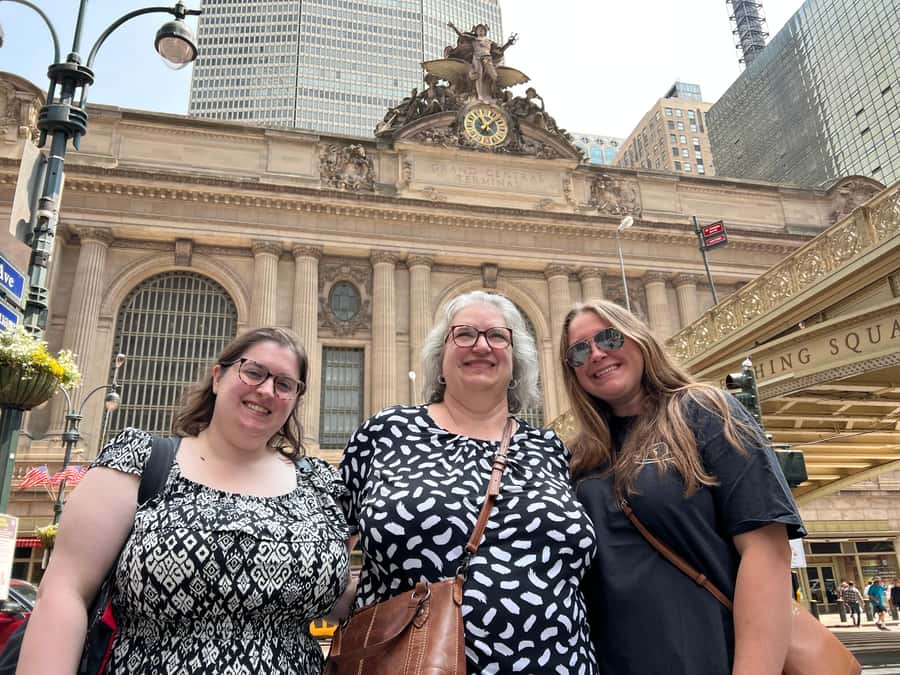
Grand Central’s ceiling is the headline. The tour’s edge is that it gives you the backstory that usually gets missed. You learn about the stunning artwork overhead and how it has been damaged and then renovated over the years. Suddenly, the sky painted above you feels like a long-term restoration project, not a one-and-done art moment.
I also like how the guide makes you focus in layers. First you notice the artwork itself. Then you pick up on what changed and why, which trains your eye to spot details you’d otherwise glide past. It’s a simple shift, but it works because it’s tied to a sequence of station history.
If you’re the type who can spend 20 minutes staring at the same section of a ceiling just to figure out what’s going on, you’ll have a great time. And if you’re not usually a “ceiling person,” the renovation story helps you care anyway.
Tracks, past guests, and the present-day crowd
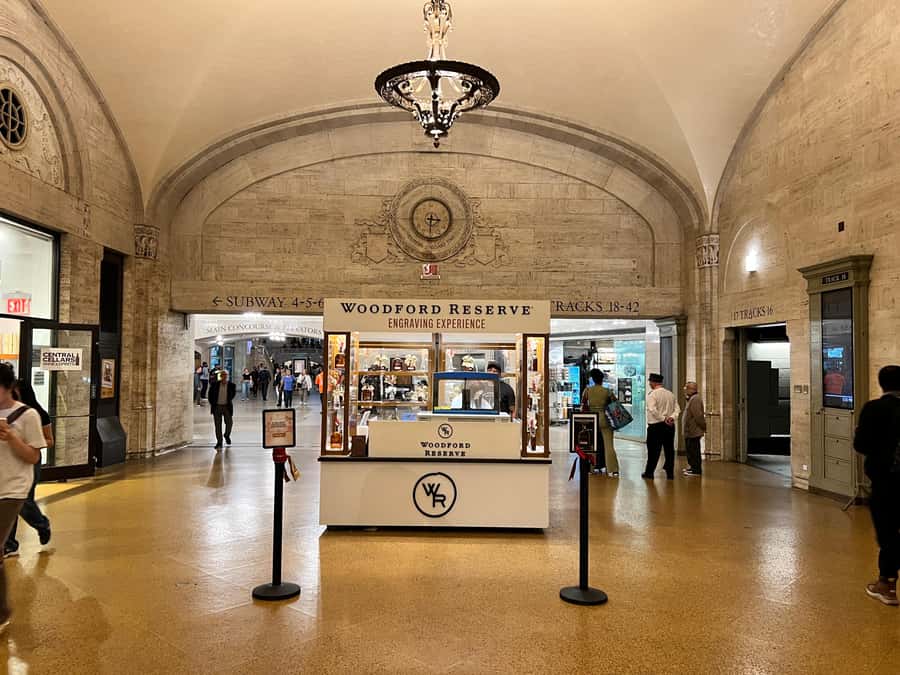
One of the smartest parts of this tour is that it doesn’t treat Grand Central as frozen in time. You see tracks that once served the most extravagant guests of NYC. Then you look at those same movement lines today and understand what they mean now: trains for regular people, visitors, commuters, and everyone in between.
This is where the tour becomes more than sightseeing. It gives you a way to read the station. Instead of asking what it used to be, you start asking how it functions. That makes your walk through Grand Central feel purposeful, like you’re following the logic of a city center.
It also helps you feel grounded. When you’re standing in a massive terminal, it’s easy to get overwhelmed. The tour gives you a story-based route so you’re not just drifting through a crowd.
Jackie Kennedy: stories and photographs that connect to the station
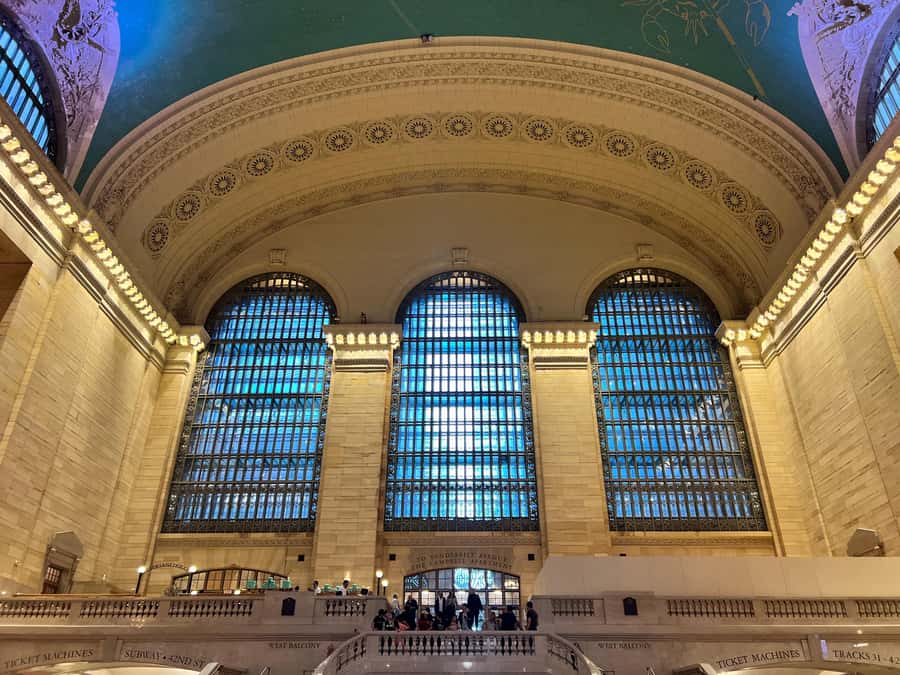
Grand Central has its share of celebrity history, but this tour keeps the focus tight. You hear the story of Jackie Kennedy as Grand Central’s heroine, with stories and photographs that give the background weight that talking alone can’t provide.
I like this segment because it’s not vague. Photos anchor the narrative and help you picture what’s being referenced. Even if you know Jackie Kennedy mainly from headlines, you’ll get a clearer sense of why her story fits this particular space.
The guide’s approach matters here. The tour doesn’t just drop names. It connects Jackie to the emotional tone of Grand Central—its power, its spectacle, and its ability to hold big moments in a place that still feels practical. That combination is part of what makes the station endure in pop culture, and the photos help you understand it quickly.
Grand Central Madison: the deepest-station experience
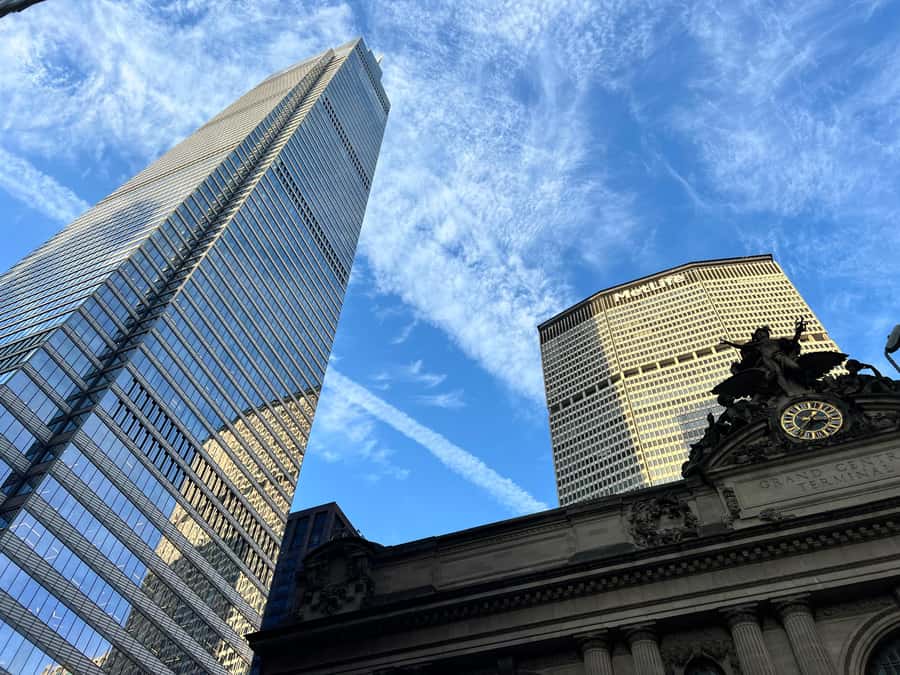
Then the tour heads to Grand Central Madison. This is where the “big station” feeling takes on a new meaning because you go deeper—literally. Grand Central Madison is described as the deepest train station in the world, and exploring it changes your perspective on the entire complex.
The value here is practical understanding. Grand Central isn’t one terminal. It’s layered. Up top, you feel the grand public concourse. Below, you encounter a different kind of space—more enclosed, more functional, built for train movement. Seeing both levels in one tour is a quick way to grasp why Grand Central has to work as infrastructure and as landmark at the same time.
If you’re a transit nerd, this part will feel like a reward. If you’re not, you’ll still enjoy the switch in atmosphere. It’s a real change of tempo and environment, and it makes the tour feel varied rather than repetitive.






Tennis courts, the Whisper Room, and other station secrets
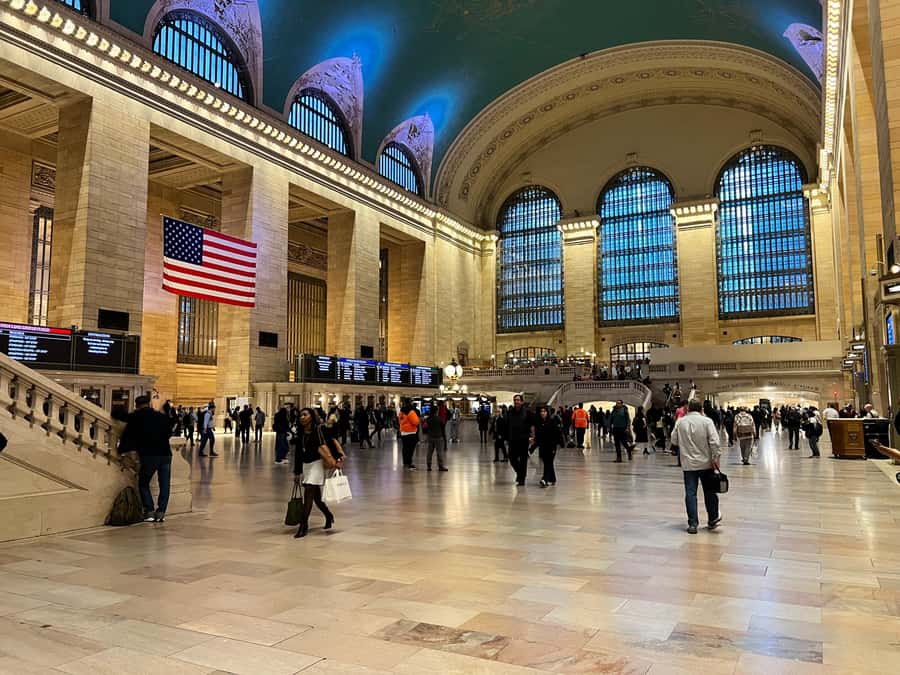
Back in the broader Grand Central world, the tour highlights a set of iconic and slightly mysterious features that make the station feel like a whole universe. You’ll hear about the tennis courts, the Whisper Room, the Campbell Apartment, and the Graybar. You’ll also learn about a top-secret engine room story that the tour frames as being protected by US Marines from Adolf Hitler himself.
Whether you love history or love weird anecdotes, this section is fun because it shows a range of uses and personalities. Grand Central wasn’t only about trains. It held private spaces, unusual rooms, and security stories that sound like they belong in a thriller.
And here’s why I think it works: it keeps your attention moving. One moment you’re thinking about architecture and design. The next you’re thinking about a strange room concept. Then you’re hearing a security story. It’s the station’s personality—formal on the surface, full of side quests underneath.
Outside the station: art deco, gothic, classical, and modern all in one view
After the interior storytelling, you go outside to look at the surrounding architecture. The tour points out a mix of styles, including art deco and gothic, plus classical and modern elements around the terminal area.
This part helps you connect the station to the rest of Midtown. You stop seeing the terminal as a standalone landmark and start seeing it as part of an architectural conversation happening around it. That’s useful because once you can name a few style cues, you spot patterns in other NYC neighborhoods too.
It also helps you understand how Grand Central can feel both timeless and of-the-moment. The station is historic, but the surrounding area has layers of design eras living next to each other. That blend is one reason Grand Central still feels current even when you’re surrounded by old stone and grand ornament.
The guide experience: why John’s style makes it worth it
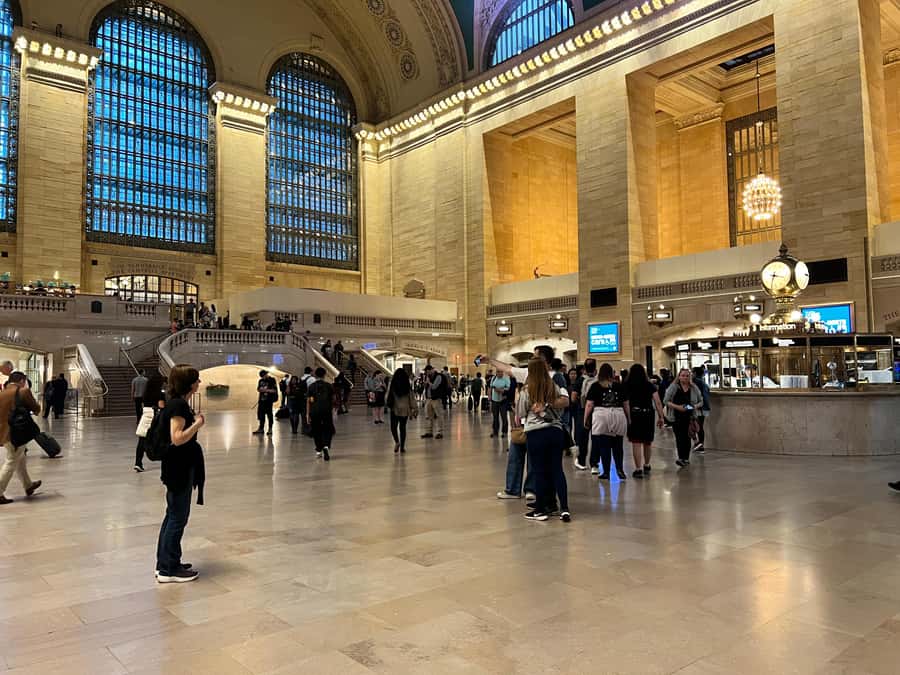
The guide is a big reason the tour lands well. In one firsthand experience, John stood out for being engaging and for sharing lots of lesser-known tidbits. He didn’t just lecture. He interacted with everyone—asking about where people live and what they do—so the tour felt like a conversation instead of a script.
There’s also a small extra that adds a real human touch: John bought a pint of banana pudding from Magnolia Bakery, and each participant got a taste. It’s not the kind of detail that changes the architecture, but it changes the mood. It makes the tour feel friendly and memorable, which matters when you only have two hours.
This is the kind of guiding style that helps you retain information. You’re more likely to remember the ceiling artwork story, the Jackie Kennedy photos, and the Madison contrast because the tour stays lively.
Price and timing: is $29 fair for a 2-hour tour?
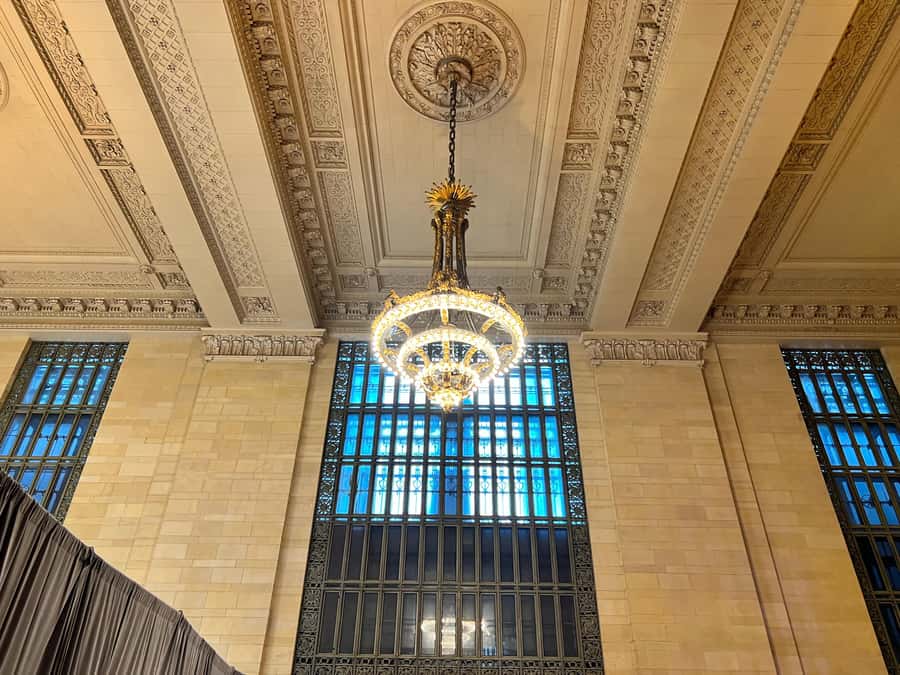
$29 for a 2-hour guided experience in one of NYC’s biggest landmarks is a reasonable trade. What makes it feel like value isn’t just that you’re paying for a guide—it’s that the tour combines multiple layers: the main concourse with hidden details, Grand Central Madison, Jackie Kennedy stories with photographs, and then architecture context outside.
Two hours is also a smart length. Grand Central can swallow time. A fixed-duration tour keeps you from wandering without a plan. You cover enough to feel like you learned something, but not so long that you burn out halfway through.
If you’re trying to pack your day efficiently, this also works because it’s centered on one of the most transit-connected places in the city. You can plan your next stop after without feeling like you’ll lose the whole day to lines and roaming.
Who this tour suits (and who might want something else)
This tour fits best if you like any of these:
- station history and behind-the-scenes storytelling
- architecture styles and how they interact
- celebrity history tied to real places
- transit curiosity, especially underground layers like Grand Central Madison
You might want to choose a different option if you mainly want casual wandering with no structure, or if you strongly prefer audio recording and self-paced documentation. The tour rules don’t allow audio recording, so if that’s how you like to travel, plan another way to capture your notes and thoughts.
Also, if you dislike walking through crowded hubs, keep in mind Grand Central is busy by nature. The tour helps you move with purpose, but you’ll still be inside a real working terminal.
Should you book the Grand Central Terminal history and mysteries tour?
I’d book it if you want more than a quick photo stop and you like your sightseeing with context. The main concourse ceiling artwork story, the Jackie Kennedy photographs, and the jump down to Grand Central Madison all give you variety in just two hours. That mix is what makes this feel like a smart use of time.
I’d also book it if you appreciate a guide who actually engages people. John’s approach—asking about guests and sharing lots of lesser-known tidbits—adds energy and helps the information stick. And yes, the banana pudding moment is a sweet reminder that even a giant landmark can still feel personal.
FAQ
FAQ
Where is the meeting point?
The meeting point is Track 25 gate.
How long is the tour?
The tour duration is 2 hours.
What is the price?
The price is $29 per person.
Does the tour include Grand Central Madison?
Yes. The tour includes exploration of Grand Central Madison.
Will we see Jackie Kennedy-related content?
Yes. You’ll hear stories and see photographs connected to Jackie Kennedy.
What parts of Grand Central Terminal are covered?
You’ll tour the main concourse (with hidden details not generally entered by the public) and also explore deeper areas at Grand Central Madison. You’ll also go outside to learn about surrounding architecture.
Is the tour guided?
Yes. It’s a live English guide.
Are weapons or sharp objects allowed?
No. Weapons or sharp objects are not allowed.
Is audio recording allowed?
No. Audio recording is not allowed.
Is free cancellation available?
Yes. You can cancel up to 24 hours in advance for a full refund.