REVIEW · NEW YORK CITY
NYC: MoMA Before-Hours Tour with Art Expert
Book on GetYourGuide →Operated by The Museum of Modern Art · Bookable on GetYourGuide
MoMA is famous for crowds, so this early-hour tour flips the script and lets the paintings breathe. You get before-hours access through a private entrance, plus a real art expert guiding you through key works with stories you won’t notice on your own.
I especially like the mix of superstar modern art and sharper, less-obvious connections across the collection. And you’re not just watching from a distance—this tour is built to help you read what you’re seeing, from brushwork choices to why artists were responding to their era.
One drawback to keep in mind: at 1 hour, the guided portion moves fast, and you may want more time with your favorites once the museum opens.
In This Review
- Key takeaways before you go
- Why MoMA feels different before the doors open
- Getting in fast: the Lauder Building entrance trick
- What the art historian covers in the 60-minute route
- The kind of commentary you should expect
- A note on group size and interaction
- The masterpieces you’ll likely see, and why they matter
- Impressionism’s glow: Monet’s Water Lilies
- Post-Impressionism’s intensity: Van Gogh’s The Starry Night
- A shock-and-awe moment: Picasso’s Les Demoiselles d’Avignon
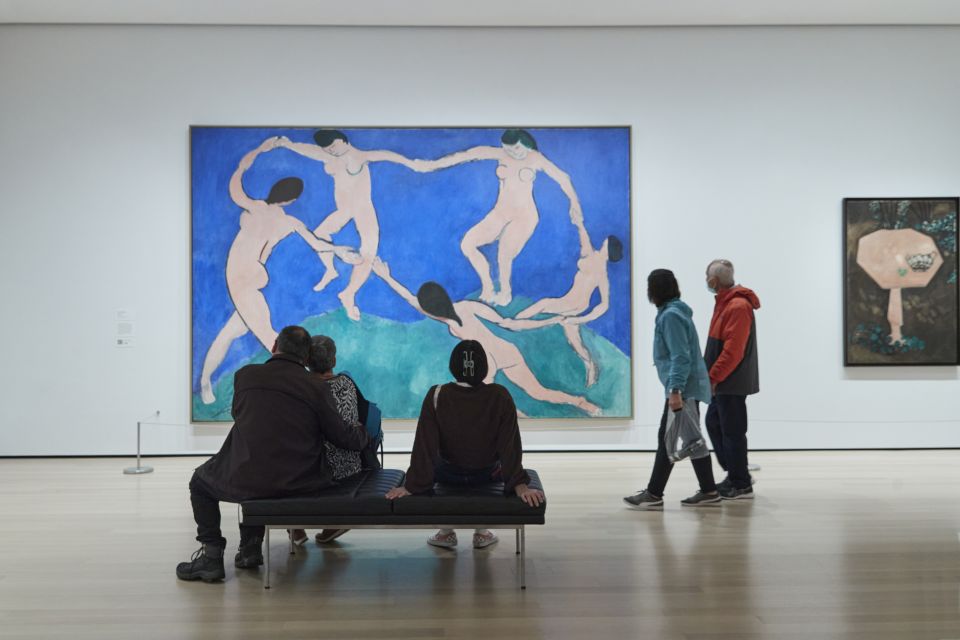
- A bold pivot toward modern form: Matisse’s Dance (I)
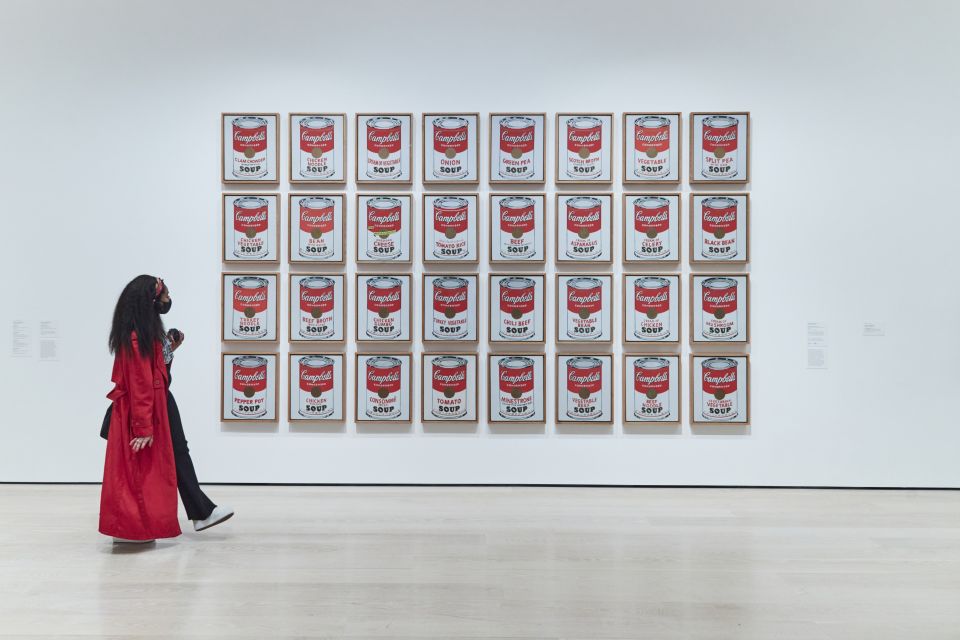
- Pop art with an edge: Warhol’s Campbell’s Soup Cans
- After the tour: using the rest of the day across 6 floors
- Where contemporary art fits in
- MoMA PS1 add-on: what that extra ticket buys you
- Price and value: when $112 makes sense
- Practical tips to get the most from the quiet hours
- Should you book this before-hours MoMA tour?
- FAQ
- What’s included in the MoMA before-hours tour?
- How long is the guided portion?
- Where do I meet for the tour?
- Is the tour in English?
- Are food, drinks, or large bags allowed?
- Can I record video during the tour?
- Can I cancel and get a refund?
Key takeaways before you go
- Private entrance + early hours for a noticeably calmer MoMA experience
- Art historian-led walk focused on how to look, not just what to name
- Big-hits plus contemporary threads connecting Monet to Sherman and beyond
- You still get free time after the tour to roam MoMA’s galleries at your own pace
- Bonus MoMA PS1 ticket for contemporary art in Long Island City
Why MoMA feels different before the doors open
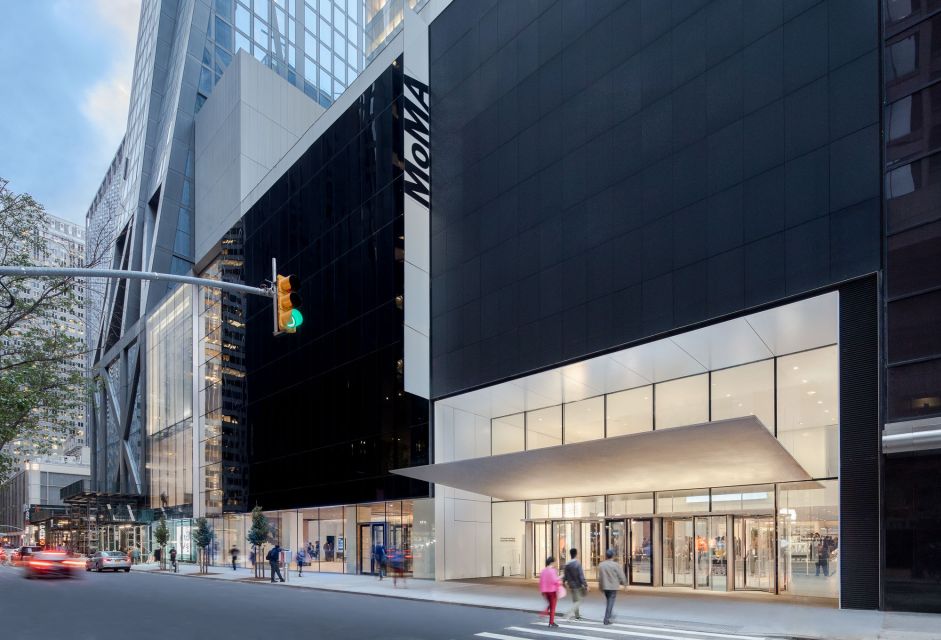
MoMA is one of those museums where your enjoyment depends on crowd level. When the general public arrives, the galleries can turn into a slow-moving line of shoulders and elbows. This tour starts earlier, when the museum still feels like a studio—quiet, bright, and oddly intimate.
That quiet matters. With fewer people around, you can actually stand back and let a large work do its job. You can also step in closer without feeling rushed. In several accounts, the empty-room factor is the whole point: seeing major works in the kind of near-silent setting you rarely get during peak hours.
The other difference is the pacing. Instead of asking you to scan the museum like a checklist, this experience gives you a guided path for that first, hardest stretch—when your brain is still figuring out what to prioritize.
You can also read our reviews of more tours and experiences in New York City.



Getting in fast: the Lauder Building entrance trick
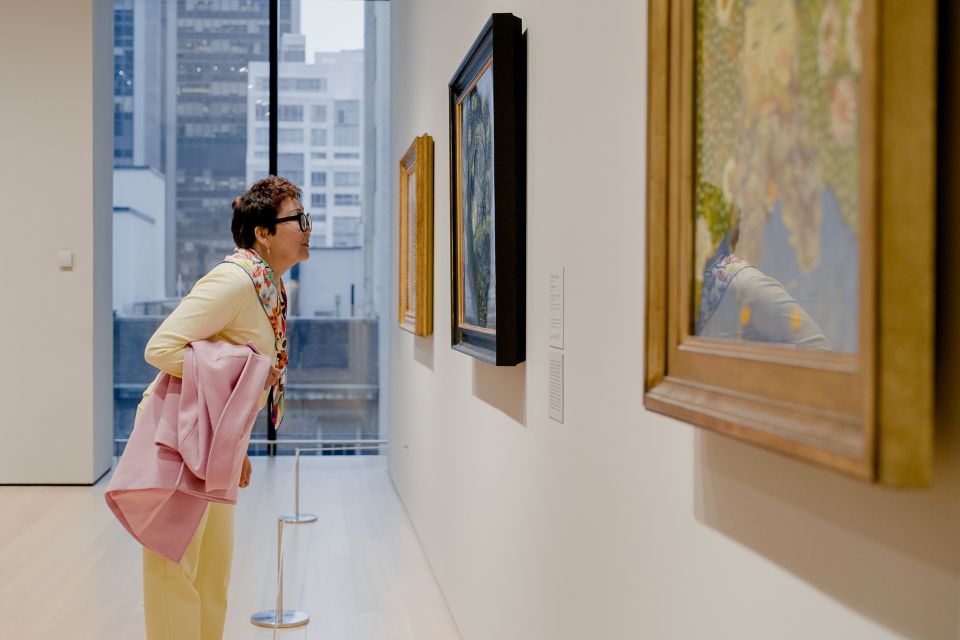
Meet at the Ronald S. & Jo Carole Lauder Building entrance. It’s east of the main entrance, and directly to the left of The Modern restaurant. Look for the curved silver awning.
Why this matters: early access plus a separate entrance means you’re not fighting the standard MoMA entry bottleneck. You’ll spend your energy on the art, not on figuring out where the line ends. It’s also straightforward for navigation—once you find the Lauder Building entrance, it’s a simple start.
Practical note from the rules: the tour doesn’t allow luggage or large bags, and you can’t bring food and drinks. That means you’ll want to travel light. If you’re planning bags/backpacks, assume you’ll be using MoMA’s policies for storage and keeping only what you truly need.
What the art historian covers in the 60-minute route
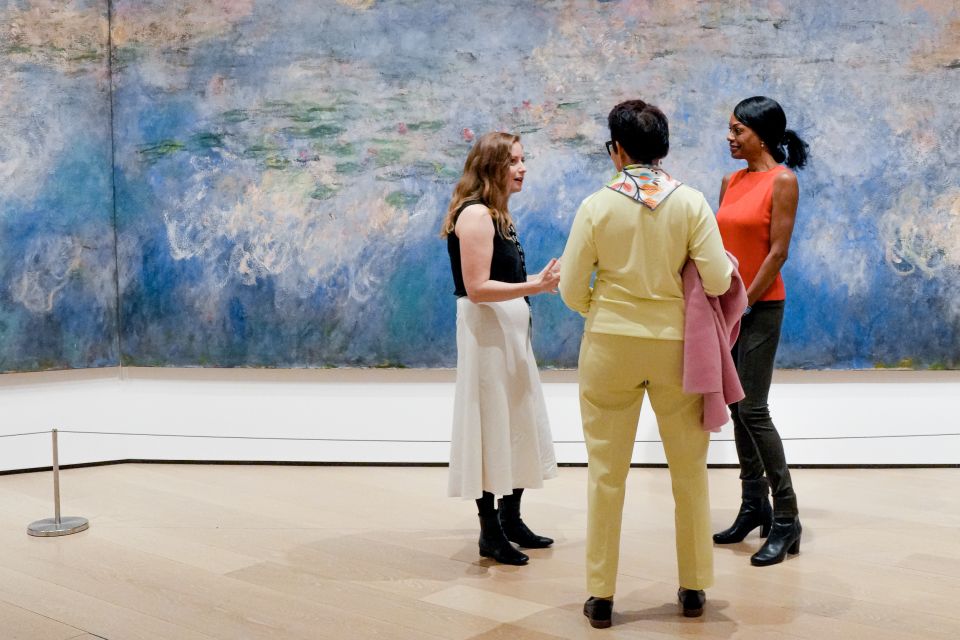
The guided part is 1 hour with an English-speaking art historian. The goal is not to cover every floor; it’s to help you focus. Expect stops at major works and a few purposeful detours that connect movements and techniques.
Several guides are mentioned by name in experiences like this: Matthew (including stories about art from difficult moments in American history), Cathy, Karla, and Marie-Anne (described as a professor with deep MoMA context). Even when the specific artworks shift by route, the structure stays the same: your guide turns looking into an activity.
The kind of commentary you should expect
You’ll likely get:
- context that explains why an image looks the way it does
- technique and craft notes (how form, color, or composition got built)
- comparisons that show how artists influenced each other across time
That’s where the value lives. Without a guide, you can still enjoy MoMA—but with this kind of expert narration, you’re not only seeing modern art. You’re learning how it got made to mean what it means.
A note on group size and interaction
The tour is designed for a smaller group. One account described a group of around 10 visitors, which helps the guide keep things interactive. If you like asking questions—or you just want to actually hear answers—this format is a big win over the usual large-gallery crowd experience.



The masterpieces you’ll likely see, and why they matter
Your one-hour walk is built around high-impact works across modern and contemporary art. The exact selection can vary, but this is the kind of lineup MoMA is known for in this period, and it matches what’s described as highlights.
Impressionism’s glow: Monet’s Water Lilies
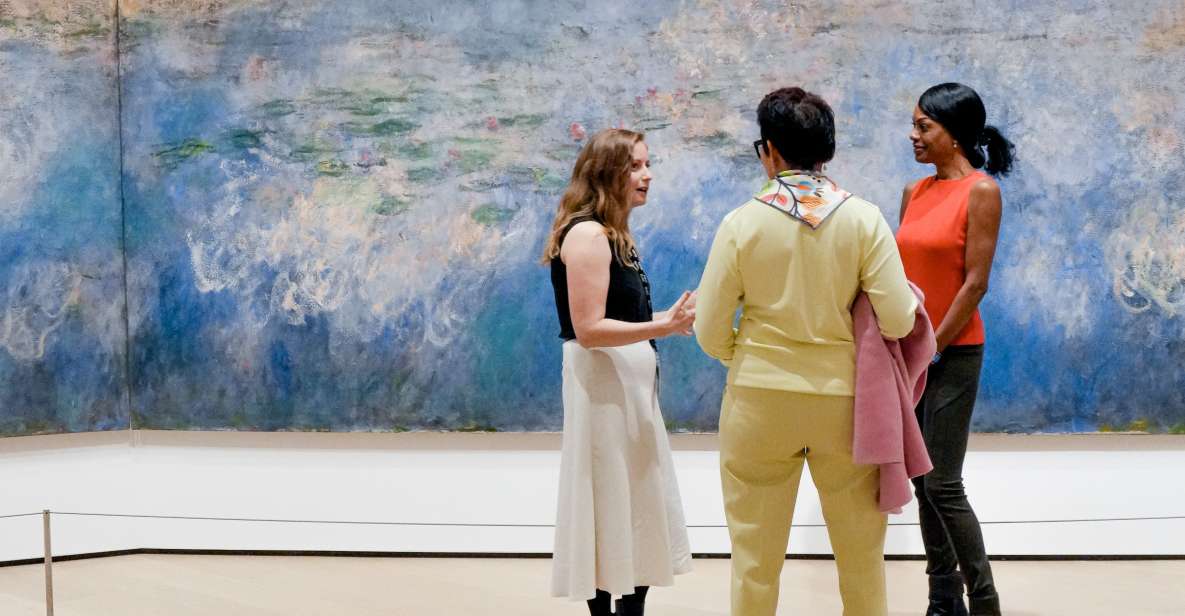
Seeing Water Lilies before opening is one of the smartest ways to experience it, because you can really study light and surface without constant foot traffic. When the room is empty, it’s easier to notice how the painting builds mood through repeated color and shifting edges.
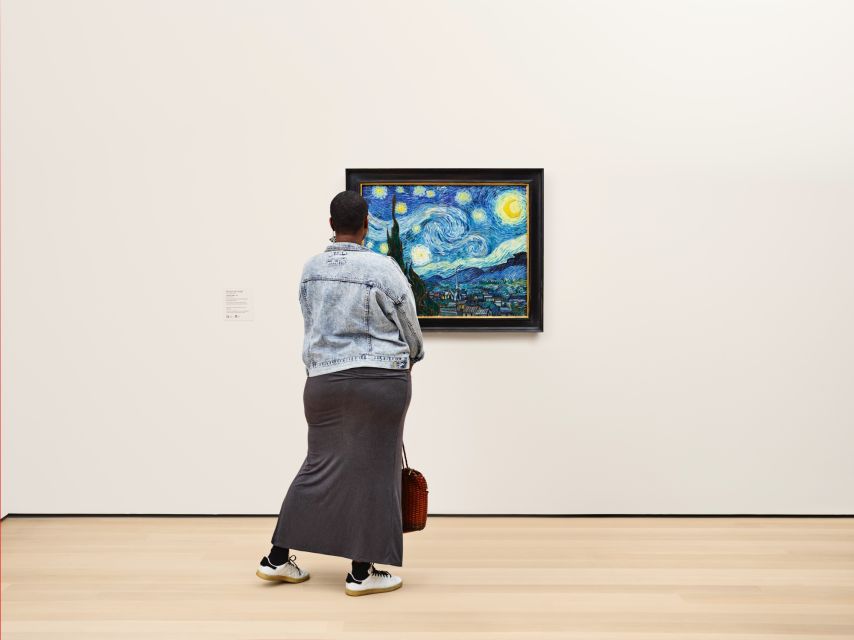
Post-Impressionism’s intensity: Van Gogh’s The Starry Night
The Starry Night is often viewed as a single icon, but in a guided setting you can catch what’s going on underneath: rhythm, movement, and the emotional logic of its swirling forms. Early hours help because you’re not squeezed into the same viewing lane as everyone else.
A shock-and-awe moment: Picasso’s Les Demoiselles d’Avignon
This piece tends to stop people fast—mostly because it doesn’t behave like a typical portrait. A guide can help you understand why its angles and fractured space feel deliberate rather than chaotic, and how that decision helped push modern art toward new kinds of visual language.
A bold pivot toward modern form: Matisse’s Dance (I)
In an empty setting, Dance (I) can feel less like a museum stop and more like a room-scale statement. You can compare figure placement, rhythm, and negative space without distractions.
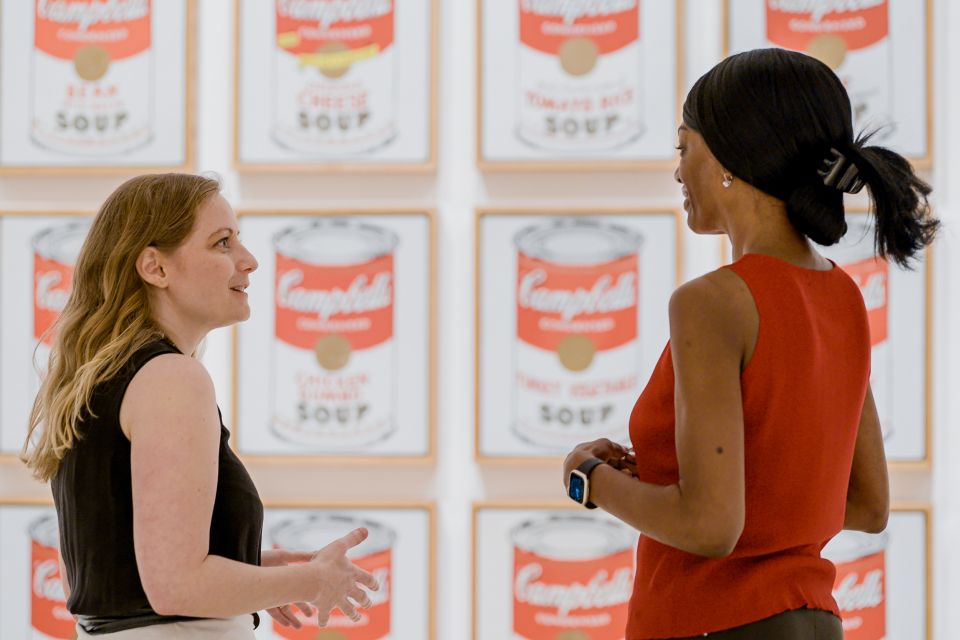
Pop art with an edge: Warhol’s Campbell’s Soup Cans
Warhol works best when you take in scale, repetition, and the cold clarity of the image. During early access, it’s easier to notice how the work plays with mass culture while still being strangely personal.
After the tour: using the rest of the day across 6 floors
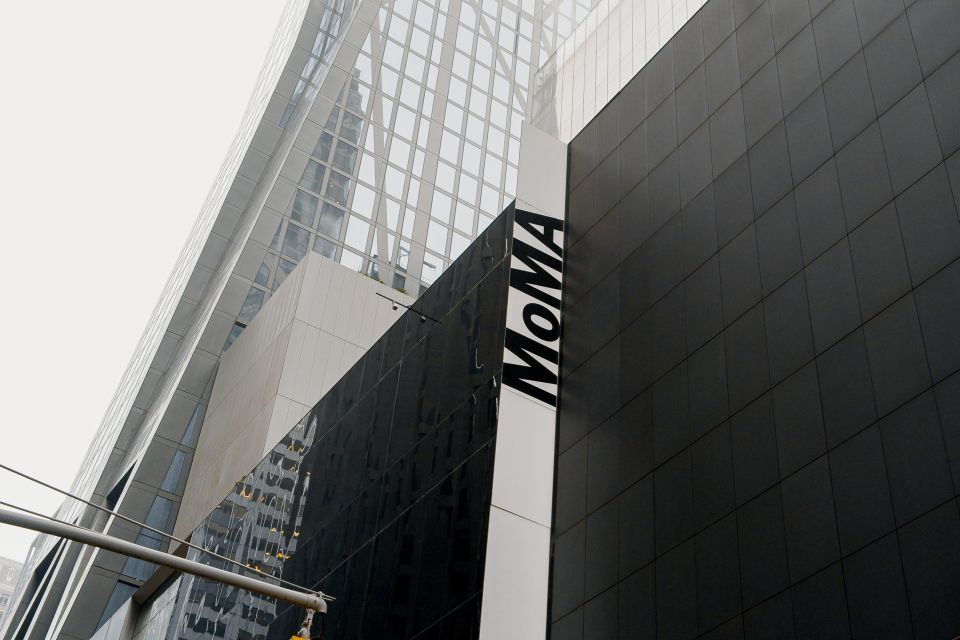
Here’s a key detail: the guided hour is just the start. After you finish with the historian, you’re free to explore MoMA’s 6 floors at your leisure.
That freedom is useful because it lets you do two things:
1) re-visit any work your guide made you see differently
2) chase related themes you started to notice during the tour
MoMA’s collection is broad, stretching from later-19th-century European painting and sculpture through major modern movements and into contemporary media. It’s also the kind of museum where, once you get your bearings, your second pass is usually your best.
Where contemporary art fits in
The tour is set up to bridge eras. You’ll get exposure to contemporary names like Elizabeth Murray, Cindy Sherman, and Ai Weiwei, and also major modern anchors like Andy Warhol. The point isn’t to rush to the newest thing—it’s to see the continuity in ideas, not just the timeline.
If you’re the kind of person who likes to wander with purpose, use your hour-on-tour as a map. Then roam based on what your guide highlighted.
MoMA PS1 add-on: what that extra ticket buys you
This experience also includes admission to MoMA PS1, the contemporary art center in Long Island City (Queens). That matters because PS1 often feels like MoMA’s louder, more experimental sibling.
With the included PS1 ticket, you can turn your visit into a fuller contemporary day: MoMA for the broad modern story, then PS1 for the sharper edge of contemporary installations and exhibitions.
The key is logistics: since PS1 is across the river area, you’ll want to plan your timing so you don’t feel rushed. But the good news is you’re already in the New York museum ecosystem, and the ticket is bundled with your tour.
Price and value: when $112 makes sense
At $112 per person for a 1-hour guided experience, this isn’t a budget play. The value comes from two things you can’t easily replicate on your own:
- the empty-galleries time, where your viewing experience changes
- the focused art-historian guidance, which gives your museum visit structure
If you’re the type who can enjoy MoMA with a basic audio guide, you might not feel the full payoff. But if you care about context—why artists made certain choices, how movements connect, how to look at works beyond first impressions—this tour is the kind of shortcut that pays dividends.
Also, the guided hour doesn’t replace free time. You still get the full MoMA after. So you’re not paying for a single sprint; you’re paying to start the museum in the best possible conditions, with expert framing.
Practical tips to get the most from the quiet hours
- Arrive ready to move. The experience is tight: 1 hour guided, then you roam.
- Travel light. No large bags and no food/drinks, and that keeps the flow smooth but can be annoying if you overpack.
- Pick your top 5 before you go. After your guided route, you’ll be able to re-aim toward your favorites faster.
- Bring curiosity, not just a checklist. The most rewarding part is often the guide’s comparisons across eras—Monet to modernism, and modernism into contemporary.
Should you book this before-hours MoMA tour?
Book it if:
- you want MoMA with real breathing room, not a crowd commute
- you value an art historian who explains both technique and meaning
- you’re planning only one MoMA visit and want to make it count
- you’re also curious about contemporary work and will use the included MoMA PS1 ticket
Skip it if:
- you mainly want to “see everything” and you tend to enjoy museums at your own pace without expert framing
- you’re allergic to paying premium prices for time advantages (even when those advantages are genuinely good)
My take: if your schedule allows the early start, this is one of the smartest ways to experience MoMA—quiet rooms for the heavy hitters, plus an expert who helps you look past the obvious.
FAQ
What’s included in the MoMA before-hours tour?
You get exclusive early access to MoMA before opening hours, a MoMA entry ticket, an art historian guide, and a MoMA PS1 entry ticket.
How long is the guided portion?
The tour duration is 1 hour. After the guided part, you can explore the museum on your own.
Where do I meet for the tour?
Enter MoMA through the Ronald S. & Jo Carole Lauder Building entrance, which is east of the main entrance and directly to the left of The Modern restaurant. Look for the curved silver awning.
Is the tour in English?
Yes. The live tour guide is English.
Are food, drinks, or large bags allowed?
No. Food and drinks are not allowed, and luggage or large bags are not allowed.
Can I record video during the tour?
No. Video recording is not allowed.
Can I cancel and get a refund?
Yes. There is free cancellation up to 24 hours in advance for a full refund.