REVIEW · NEW YORK CITY
NYC: Museum of Arts and Design
Book on GetYourGuide →Operated by Museum of Arts and Design · Bookable on GetYourGuide
Great art can feel right in front of you. The Museum of Arts and Design (MAD) turns craft and design into the main event, with hands-on creative process energy and exhibitions that question how we see culture and society. You’re based at Columbus Circle, just a short walk from Central Park, and the whole visit is built around modern making rather than stuffy old-school viewing.
Two things I really like: MAD makes up-and-coming NYC artists feel close and immediate, and the MAD Mobile Guide helps you understand what you’re looking at without slowing the day down. One thing to consider: the museum is strict about what you bring, so if you’re carrying a big bag or you’re hungry, you’ll need to plan around those rules.
In This Review
- Key Highlights You Shouldn’t Skip
- First Stop: Arriving at Columbus Circle and Getting Your Bearings
- Ticket Value: Why $20 Feels Fair Here
- Saya Woolfalk: Empathic Universe and the Art of Not-So-Straightforward Storytelling
- Permanent Collection and Installations: Where Craft Meets Big Questions
- Craft Front & Center: Conversation Pieces and OUT of the Jewelry Box
- Meet the Artists Through the Artist Studios Program
- Using the MAD Mobile Guide in Bloomberg Connects (So You Read Like a Pro)
- The Store at MAD: Buying Craft Without Turning It Into a Detour
- Rules That Affect Your Day (And How to Work Around Them)
- Best Times and How to Pace Your Visit
- Who This Fits Best (And Who Might Want to Choose Different Plans)
- Should You Book MAD? My Take
- FAQ
- What is the Museum of Arts and Design (MAD) experience like?
- Where is MAD located in New York City?
- How much does it cost?
- How long is the visit valid?
- Is this experience in a group?
- What’s included with my ticket?
- Are food and drinks allowed inside?
- Can I bring luggage or large bags?
- Are pets allowed?
- Is the museum wheelchair accessible?
- Is the ticket refundable?
Key Highlights You Shouldn’t Skip
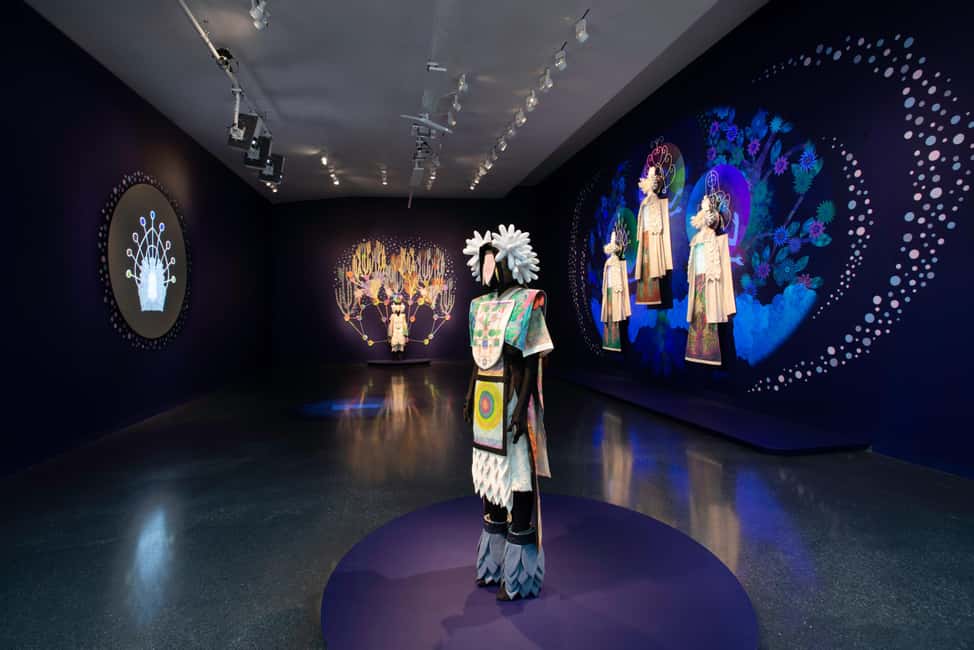
- Saya Woolfalk: Empathic Universe: a sci-fi parable told through kaleidoscopic, installation-style “ethnographic display” worlds.
- Made-from-scratch studios: the Artist Studios program lets you see working artists and ask questions.
- Craft Front & Center: Conversation Pieces: craft-focused exhibits that connect technique to big ideas about society.
- OUT of the Jewelry Box: a jewelry-and-art presentation that reframes what “craft” can mean.
- Bloomberg Connects MAD Mobile Guide: preview exhibits and learn about works on view with artist context.
- Small-group format: limited to 9 participants, so you’re not lost in a crowd.
First Stop: Arriving at Columbus Circle and Getting Your Bearings

MAD is in a prime location near Columbus Circle, so your visit fits easily into a Central Park day. I like that this museum doesn’t force you into a long transit puzzle. You can walk over, drop your attention into art, then keep moving to the rest of Midtown or the park.
Because MAD focuses on design and material thinking, it helps to arrive with an open mind. Some exhibitions are easier to enjoy if you’re ready to think about process, not just finished objects. If you like contemporary art that challenges standard museum habits, this is a strong match.
It’s also a good idea to plan for your “carry” situation. You won’t want to show up with luggage or a large bag. The museum doesn’t allow food and drinks either, so you’ll likely want to eat before you go (or after you’re done) and keep the museum time focused on looking.
You can also read our reviews of more museum experiences in New York City



Ticket Value: Why $20 Feels Fair Here
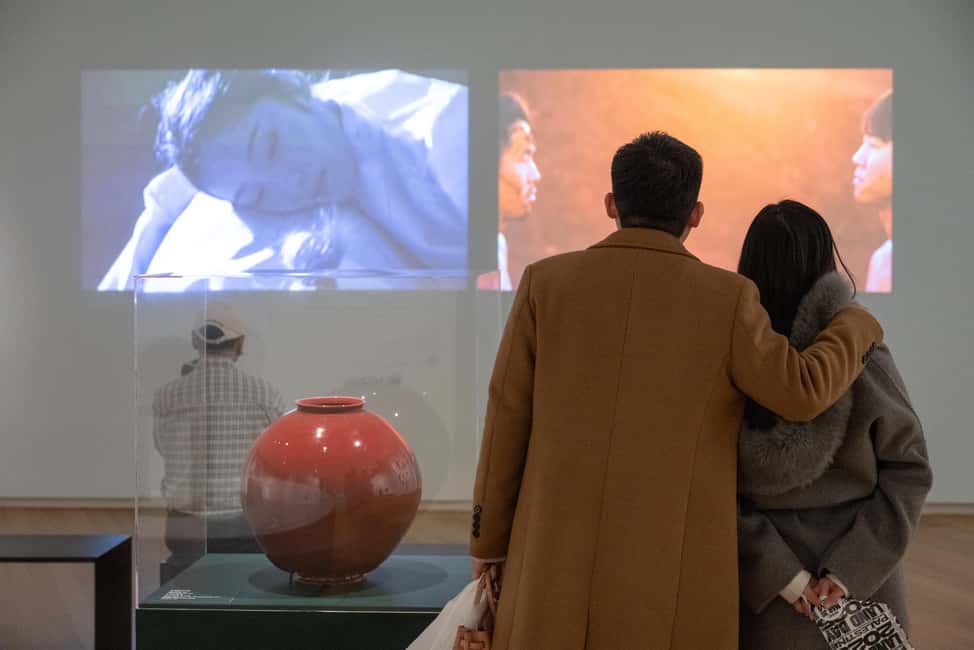
At $20 per person for entry, this museum can be a solid value if you treat it like a full art session instead of a quick peek. MAD’s best moments aren’t just a single show; they’re spread across multiple areas: installations, a permanent collection, craft and material exhibits, and opportunities to meet artists through the Artist Studios program.
A small-group setup limited to 9 participants also adds value. Even if you’re mostly there to wander and look on your own, having a more intimate group environment tends to reduce the “herd herded” feeling that some art experiences create.
Duration is listed as valid for 1 day, with starting times that depend on availability. That matters because you can often choose a time that works with your day plan. If you want softer lines and more time to read labels and explore the Mobile Guide, aim for a start time that gives you breathing room.
Saya Woolfalk: Empathic Universe and the Art of Not-So-Straightforward Storytelling
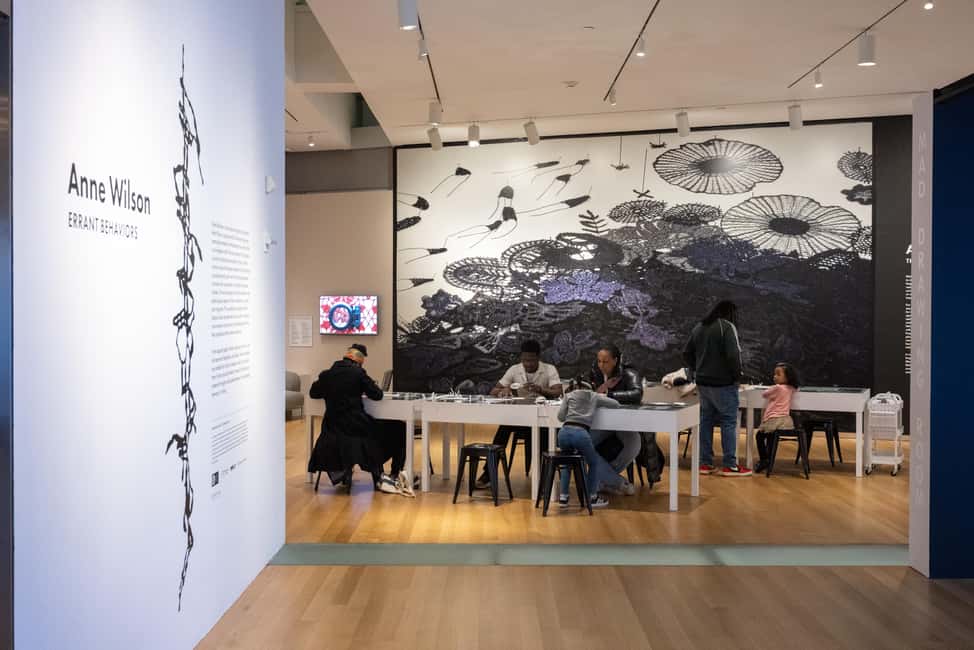
One of the biggest draws right now is Saya Woolfalk: Empathic Universe. This exhibition is described as a multidisciplinary sci-fi parable, and the structure matters because it changes how you experience it. Instead of a traditional storyline with characters you follow from point A to point B, you’re walking into a world built from art materials, theatrical display, and imagined research.
Woolfalk’s installation style is described as kaleidoscopic, with imaginary ethnographic displays. That means you might feel like you’re studying invented artifacts, but those “artifacts” are also designed to make you ask questions about real-world culture-making. The exhibition also includes garment-based sculptures, video, paintings, works on paper, and performances. That range is useful because it gives you multiple ways in. If one format isn’t clicking, another one might hit fast.
A key concept is plant-human hybridism, and the exhibition frames how cultures can mix, clash, and shift through shared understanding. I like that the show doesn’t treat these ideas as a lecture. It uses visual structure and material choices to make your brain do the work. You come away thinking about the stories behind artifacts and how meaning is built.
Practical tip: use the Mobile Guide while you’re in front of works, not after. The app is designed to help you preview exhibitions and explore what’s on view with the artist’s context. That timing makes the difference between reading and understanding.
Permanent Collection and Installations: Where Craft Meets Big Questions
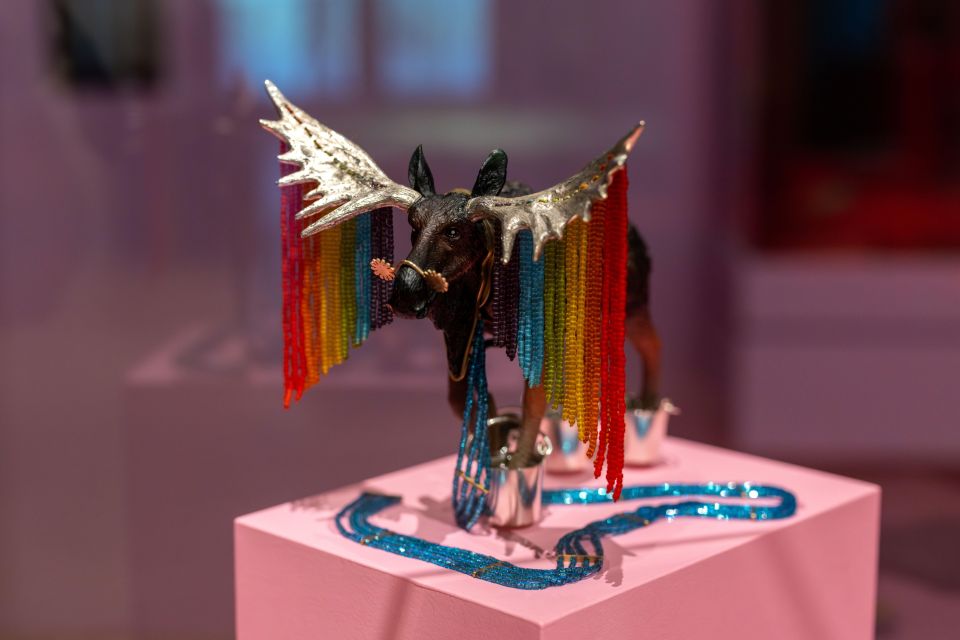
MAD’s permanent collection and installations are part of the reason this museum works even if you don’t know any artists going in. The museum’s overall mission is about new artistic expression that challenges traditional practices, and the way that shows up here is through the attention given to how objects are made.
I find MAD especially good for people who want more than “pretty pictures.” The displays emphasize craft, materials, and technique, but they’re not stuck in “look what’s handmade.” Instead, craft becomes a way to talk about society and culture. That’s a big reason MAD can feel modern rather than decorative.
If you’re the kind of visitor who likes to slow down and inspect, you’ll probably enjoy these installations. If you’re more of a “quick glance and move on” person, you might need to choose. In that case, lean on the Mobile Guide to decide where to spend your time first.
Craft Front & Center: Conversation Pieces and OUT of the Jewelry Box
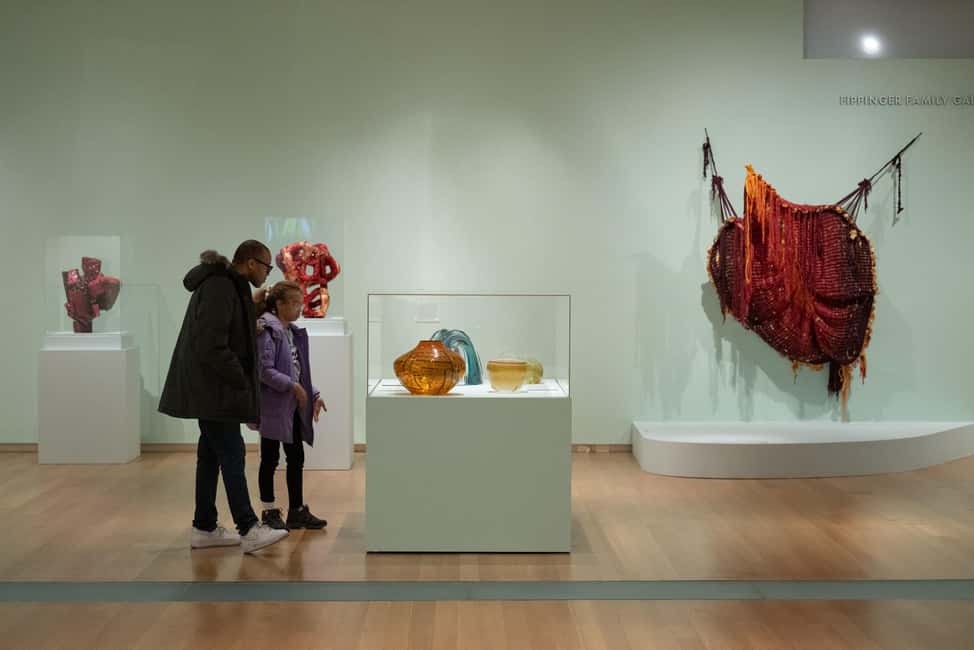
MAD highlights craft in a way that feels like conversation, not class notes. The exhibit Craft Front & Center: Conversation Pieces is described as showcasing pioneering multidisciplinary artists and helping you learn about innovative craft techniques and materials. That’s a powerful combination because technique alone can be interesting, but pairing it with artistic thinking gives you a fuller picture of what the work is trying to say.
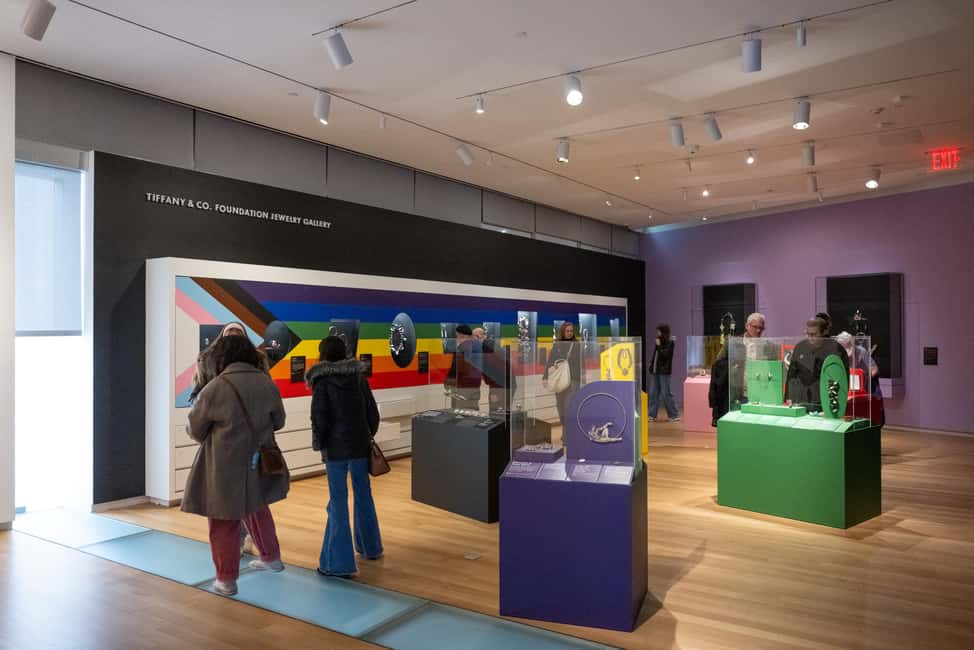
Then there’s OUT of the Jewelry Box. Jewelry might sound like a niche subject, but the framing here is about redefining what jewelry-like craft can do when placed in an art setting. Jewelry is personal. It’s worn. It’s often tied to status, memory, and identity. Seeing it in an art context can make you notice how much meaning gets attached to objects that people think of as small.
Both exhibitions are a good reminder that “craft” doesn’t have to mean traditional patterns only. Here, craft shows up as design logic, material experimentation, and concept-driven making.





Meet the Artists Through the Artist Studios Program
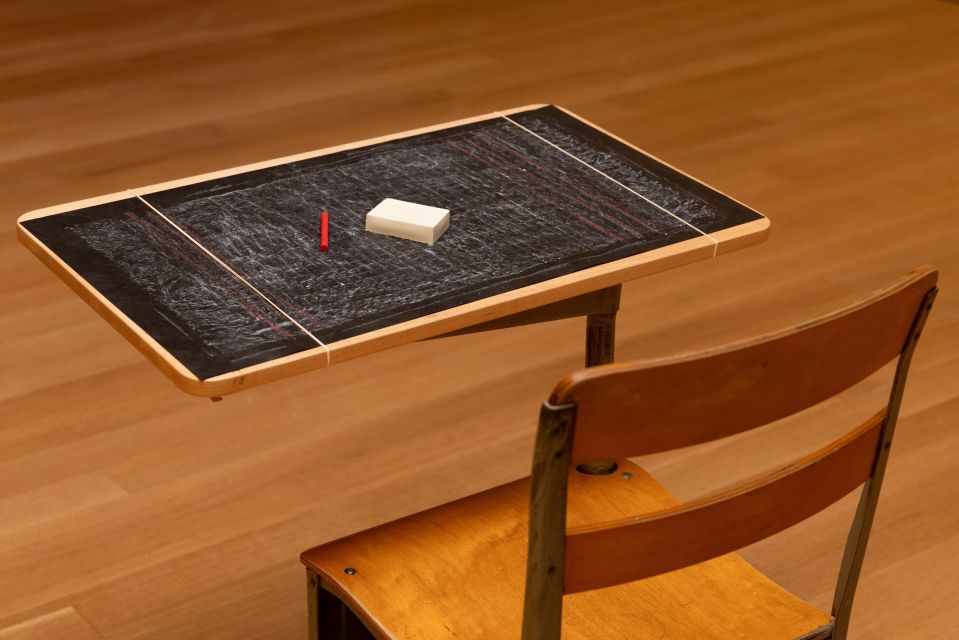
This is one of MAD’s most practical-feeling features: the Artist Studios program. The idea is straightforward. You can meet working artists, ask questions, and observe works of art coming to life.
That matters because so many museum visits keep you at arm’s length from the actual process. Here, you get a closer look at what it means to be in the middle of making rather than presenting the final result only. If you’re interested in process—tools, materials, revisions, experiments—this program tends to make the whole visit click.
Also, asking questions changes what you notice. You’ll often start to spot how an artist thinks through problems, not just how an artwork looks when it’s finished. If you like art that explains its own logic, this is the section worth timing your day around.
Using the MAD Mobile Guide in Bloomberg Connects (So You Read Like a Pro)
MAD’s Mobile Guide on the Bloomberg Connects app is one of the easiest ways to get more from the museum without adding stress. The museum describes it as a tool that previews exhibitions and helps you explore works on view with the artists who made them.
Here’s how I’d use it for best results:
- Check the guide before you commit your time to the biggest show.
- When you stop in front of a work, use the guide to connect the label to the artist’s intent.
- If the museum feels crowded in certain areas, rely on the guide to pick the next “must see,” instead of trying to scan every wall.
The Mobile Guide is also helpful for people who want to understand contemporary art quickly. You don’t need to be an expert. The app gives you a bridge between what you see and what it means.
The Store at MAD: Buying Craft Without Turning It Into a Detour
If you want to bring something home, MAD has The Store at MAD, described as a world-class artisan fine jewelry and products shop. I like museum stores when they feel connected to the art world instead of random souvenirs.
The key here is to treat shopping as the final chapter. You’ll get more out of the store if you’ve already seen the exhibitions and the craft themes of the day. Then you can shop with taste instead of impulse.
Also remember: the museum rules limit what you can bring, so if you plan to buy something fragile or boxed, it helps to plan your carrying strategy. The museum doesn’t allow luggage or large bags, so keep it simple.
Rules That Affect Your Day (And How to Work Around Them)

A few restrictions can shape how smoothly your visit goes:
- Food and drinks are not allowed.
- Luggage or large bags are not allowed.
- Pets are not allowed (assistance dogs are allowed).
These aren’t small details if you’re coming straight from a long day outside. I’d plan for snacks elsewhere and keep your arrival bag light. If you’re bringing a backpack, make sure it isn’t large. That way you’re not stuck at the door with an awkward decision.
Best Times and How to Pace Your Visit
Since tickets are valid for 1 day and starting times depend on availability, you’ll want to pick a slot that fits your natural energy. If you like slow looking and reading, choose a time that gives you a calm start and enough room to see the main exhibition plus craft exhibits.
Pacing matters at MAD because the experience includes:
- a major sci-fi multidisciplinary exhibition,
- craft-focused shows,
- permanent collection and installations,
- and the Artist Studios program.
If you only do the big exhibition, you’ll still enjoy the museum, but you’ll miss the craft-technique and process angle that makes MAD different. On the other hand, if you’re pressed for time, prioritize the exhibition first, then use the Mobile Guide to select one or two additional highlights.
Who This Fits Best (And Who Might Want to Choose Different Plans)
MAD is a strong fit if you:
- like contemporary art that challenges tradition,
- enjoy craft and materials as part of the meaning,
- want to understand the work through context (Mobile Guide and artist focus),
- and like meeting artists or seeing the process.
It’s also great if you’re on a NYC art day that includes Central Park nearby. The location makes it easy to combine with other nearby stops.
You might hesitate if you:
- need to snack while you walk (food and drinks aren’t allowed),
- are arriving with luggage or a large bag,
- or prefer classic, straightforward museum formats with minimal “concept” content.
Should You Book MAD? My Take
I’d book MAD if you want an art museum that treats making as part of the story. The mix of Saya Woolfalk: Empathic Universe, craft-centered exhibits like Craft Front & Center: Conversation Pieces and OUT of the Jewelry Box, and the chance to meet working artists through the Artist Studios program gives you more than one kind of payoff.
The $20 ticket price feels fair because the visit isn’t just one gallery. It’s a full-day approach to materials, technique, and meaning, plus you get help from the Mobile Guide to make sense of what you’re seeing.
If you like thoughtful contemporary art and you can travel light, this is one of those museums that rewards your time quickly.
FAQ
What is the Museum of Arts and Design (MAD) experience like?
MAD focuses on artistic expression that challenges traditional practices. Expect exhibitions that connect craft, materials, and creative process, plus options to learn more through the MAD Mobile Guide and the Artist Studios program.
Where is MAD located in New York City?
The museum is at Columbus Circle, just steps from Central Park.
How much does it cost?
The entry ticket price is listed as $20 per person.
How long is the visit valid?
Tickets are valid for 1 day. Starting times depend on availability.
Is this experience in a group?
Yes. It’s described as a small group limited to 9 participants.
What’s included with my ticket?
Your ticket includes entry to the Museum of Arts and Design.
Are food and drinks allowed inside?
No. Food and drinks are not allowed.
Can I bring luggage or large bags?
No. Luggage or large bags are not allowed.
Are pets allowed?
Pets are not allowed, but assistance dogs are allowed.
Is the museum wheelchair accessible?
Yes, it is wheelchair accessible.
Is the ticket refundable?
The activity is listed as non-refundable.