REVIEW · NEW YORK CITY
9/11 Memorial Museum Admission Ticket
Book on Viator →Operated by National September 11 Memorial & Museum · Bookable on Viator
Some places hit your heart first.
This timed-entry ticket gets you direct entry to the National September 11 Memorial & Museum, where you can explore exhibits about 9/11 and the 1993 bombing at your own pace. I especially liked the two anchor exhibits—In Memoriam and September 11, 2001—because they give you both a human scale and a clear timeline of what changed after the attacks. One drawback to plan for: the museum is emotionally heavy, so rushing can make it harder to absorb what you’re seeing.
You also start with a self-guided flow of multimedia displays and artifacts, and the museum sits right below the reflecting pools—those Twin Tower footprints you’ll recognize instantly. The mobile ticket approach is practical in a city where time matters, and the visit is designed to work for most travelers, including stroller and wheelchair access. The only real “gotcha” is that there’s no re-entry once you exit, so you want to get your timing right the first time.
In This Review
- Key things to know before you go
- Timed-Entry Tickets That Get You Inside Fast (and Keep You From Wasting Time)
- Entering the Museum: What the First Moments Feel Like
- The Two Anchor Exhibits: In Memoriam and September 11, 2001
- In Memoriam: Remembering the People
- September 11, 2001: The Story and Its Aftereffects
- Stop 1 at the National 9/11 Memorial & Museum: How the Visit Flows
- The “at least two hours” reality
- Practical Rules: Security, Bags, Phones, Photos, and No Re-Entry
- Airport-style screening and bag storage
- Phone behavior inside exhibition spaces
- Photography limits
- No re-entry after exiting
- Accessibility and Who This Works For
- Value for $36: Is It Worth Paying for Timed Entry?
- A Quick Booking Reality Check (So You Don’t Get Stuck)
- Should You Book This 9/11 Memorial Museum Admission Ticket?
- FAQ
- How much is admission to the 9/11 Memorial Museum?
- How long should I plan for the visit?
- Do I need to book a timed entry ticket?
- Is the ticket delivered to my phone?
- What exhibits will I see?
- Is the museum accessible for wheelchairs and strollers?
- Are service animals allowed?
- What items are allowed, and will I need to store a bag?
- Can I re-enter if I leave after going inside?
- Is photography allowed?
Key things to know before you go
- Mobile timed entry helps you skip the waiting game and get into the museum faster
- Two major exhibits balance remembrance (In Memoriam) with a structured account of the day (September 11, 2001)
- Plan for at least two hours so you can actually read, watch, and take breaks
- Security and bag rules are strict, so travel light and expect airport-style screening
- Photography is limited to private, non-commercial use
- Cell phone conversation is prohibited in exhibition spaces and theaters
Timed-Entry Tickets That Get You Inside Fast (and Keep You From Wasting Time)

If you’re visiting Lower Manhattan, the biggest win here is simple: the museum is popular, and your timed ticket helps you avoid a slow, uncertain start. Your admission comes as a mobile ticket, so you’re not scrambling for paper or hoping someone scans the right bar code. You show up around your time slot, get screened, and then you can focus on the reason you’re there.
Another practical advantage is the “stay as long as you want” feel once you’re in. The museum experience is best when you’re not sprinting from one display to the next. With this timed entry, you can take the pauses you’ll naturally want—whether that means lingering near the memorial elements inside or stepping away when a video or artifact becomes too much.
There’s also a built-in realism to the setting. The museum is located below the National 9/11 Memorial, anchored directly under the reflecting pools that mark the Twin Towers’ footprints. That physical connection matters. It makes the museum feel like a continuation of the outdoor space, not a separate, unrelated attraction.
You can also read our reviews of more tours and experiences in New York City



Entering the Museum: What the First Moments Feel Like
Your visit begins as a self-guided walkthrough of exhibitions and multimedia displays. That word “self-guided” is important. You don’t need to keep up with a group pace, and you can choose what to slow down for. For many people, that’s the difference between a quick “see it and go” stop and a full, meaningful visit.
Security is airport-style, and that sets the tone right away: this is handled with care and seriousness. You’ll be screened before entry, and larger bags—especially big backpacks, large umbrellas, and other items judged oversized—have to go to a mandatory coat room storage area. If you want a smoother start, I’d travel with as little as possible beyond the essentials.
Once you’re inside, you’ll transition into the exhibits through spaces that combine objects, text, and audio/visual content. The museum doesn’t treat the information like trivia. It’s presented as first-person accounts, artifacts, and contextual history of both the World Trade Center and the events surrounding the attacks.
And yes, expect emotion. The museum experience is designed to bring people to that point where facts become personal—stories of loss and sadness, and also compassion and recovery in the aftermath.
The Two Anchor Exhibits: In Memoriam and September 11, 2001
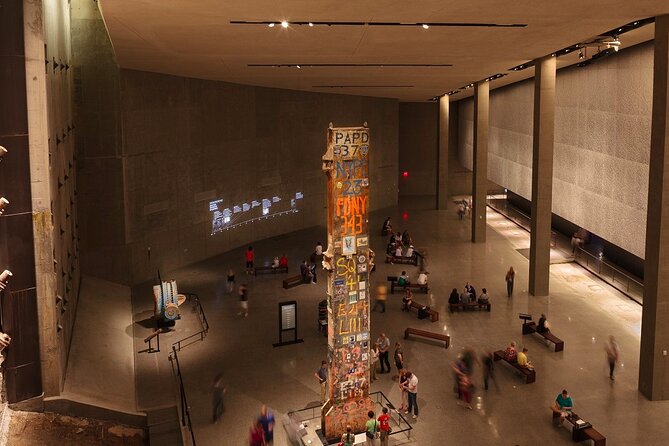
The museum’s structure is built around two “anchors,” and they work together in a way that helps you understand the day without getting lost.
In Memoriam: Remembering the People
In Memoriam is the memorial exhibition honoring the people who lost their lives, including those who were killed during the World Trade Center’s 1993 bombing as part of the broader story. This section is the one many visitors describe as especially moving because it keeps the focus on individuals and remembrance rather than only on chronology.
What I like about this setup for your visit is that it helps you emotionally calibrate before you start processing the events in more detail. You’re not rushed into the story of what happened—you’re first reminded who was affected.
Also, the museum design uses space thoughtfully. Even if you don’t read every label, the layout makes it hard to treat the site like just another NYC attraction. It has a pacing that nudges you into respect.
September 11, 2001: The Story and Its Aftereffects
The second major exhibit, September 11, 2001, is a three-part presentation that tells the tale of the day while also analyzing motives behind the attacks. It also covers aftereffects—how the event changed the world locally and globally.
This is where your visit becomes more “understand what happened,” not just “remember that it happened.” You’ll find multimedia presentations, first-person accounts, and context about the World Trade Center’s history that helps connect the dots.
A practical tip from the way people talk about the experience: don’t be afraid to let videos take the time they take. If you normally skim, consider slowing down. One review specifically calls out watching the boat lift video shown during the experience. If that’s part of what’s currently presented when you visit, it’s exactly the sort of thing that can turn an information-heavy experience into something more human.
You can also read our reviews of more museum experiences in New York City




Stop 1 at the National 9/11 Memorial & Museum: How the Visit Flows
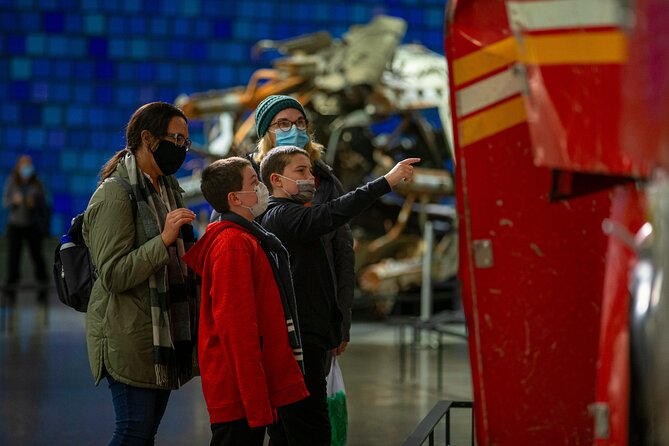
This is a “single-stop” experience in the sense that your admission is for the National 9/11 Memorial & Museum complex, and the main value is the museum itself beneath the memorial pools. Still, your visit has a natural rhythm.
First, you enter and settle into exhibitions and multimedia displays. Then you move through the two major exhibits—In Memoriam and September 11, 2001—at your own pace. The museum asks you to process in layers: names and remembrance, then narrative and analysis, then aftereffects.
If you have the time before or after the museum portion, you can also take in the outdoor memorial elements above. Some people find that pairing outdoor and indoor spaces helps the story land more fully. Just remember the rule: no re-entry after you exit the building. So if you plan to step out for a moment, do it with intention and timing.
The “at least two hours” reality
You’ll see guidance that it takes about two hours (and the museum suggests at least that amount). I agree with the spirit of that advice. The museum is not built for a 45-minute “power walk.” If you go too fast, you’ll miss both the details and the emotional weight that makes the exhibits effective.
For a smooth visit, think of your two hours as two separate missions:
- one for remembrance (In Memoriam)
- one for understanding (September 11, 2001)
If you try to do both at full speed at once, you’ll feel mentally overloaded.
Practical Rules: Security, Bags, Phones, Photos, and No Re-Entry
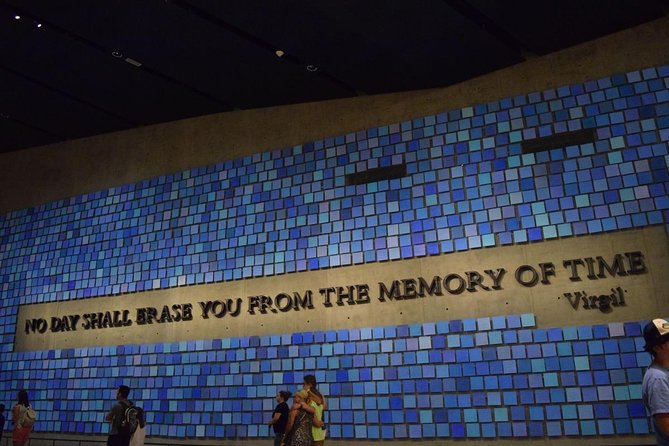
A lot of museums have rules. This one has rules that affect your comfort and pacing.
Airport-style screening and bag storage
You’ll be screened before entry. Then large items get stored in a coat room. The practical takeaway is to avoid stuffing the day pack to the brim. Pack smart: keep valuables on you, and don’t bring anything that’s likely to be judged oversized.
Phone behavior inside exhibition spaces
Cell phone conversation is prohibited in exhibition spaces and theaters. That doesn’t mean you can’t have a phone. It means you shouldn’t use it like you’re on a street corner. If you’re planning to take notes, use your phone quietly and keep conversations off.
Photography limits
Photography is permitted for private, non-commercial use only. If you’re a photographer who likes posting, check how you plan to use your photos. When in doubt, keep it personal.
No re-entry after exiting
This one matters. Once you exit the building, you can’t go back in. So plan your time inside deliberately. If you’re the type who likes to “pop out” for one thing, do your museum portion first, then do any outdoor pause afterward while you still have flexibility.
Accessibility and Who This Works For

This museum is wheelchair and stroller accessible, which is a big deal for a place with multiple levels and lots of walking. Service animals are also allowed, so you don’t have to worry about bringing a trained companion.
Most travelers can participate. The real limitation isn’t physical—it’s emotional. If you’re sensitive to intense subject matter, keep that in mind. You can still visit, but give yourself room to slow down, sit if there are seating options in the flow, and step away when you need a reset.
This is also a strong choice if you like museums that combine personal accounts with structured context. The mix of artifacts, first-person stories, and a history-focused framing of the World Trade Center helps different types of visitors stay engaged—whether you came for the events themselves, the history, or the human side.
Value for $36: Is It Worth Paying for Timed Entry?

Let’s talk value honestly. At $36 per person, this ticket isn’t cheap—but it’s also not the kind of experience you do “half-heartedly.” The value is mainly in three places:
First, the timed-entry approach reduces friction. You’re paying for the certainty of admission and smoother entry via mobile ticket. In a busy city and a high-demand site, that can save you energy and time.
Second, you get full museum access for your chosen pacing. The exhibits aren’t a short stop; the museum experience is built to take around two hours and longer if you want to read carefully and watch videos.
Third, the content is presented with a deliberate structure—In Memoriam for remembrance, then September 11, 2001 for narrative and analysis. That balance is part of the “what you’re paying for,” because it helps you process more than one type of information.
If you’re comparing options, I’d see this as a ticket you buy for the experience’s weight and integrity, not for convenience alone.
A Quick Booking Reality Check (So You Don’t Get Stuck)

The ticket is most often booked about 23 days in advance on average, which is your clue that popular times can sell out or get tight. If your trip window is fixed, book earlier rather than later.
Also, confirmation is received within 48 hours of booking, subject to availability. So if you’re making last-minute plans, it’s still possible to get in—but earlier booking gives you more control over your time slot.
Should You Book This 9/11 Memorial Museum Admission Ticket?

If you’re visiting New York City and you want a must-see Lower Manhattan stop that’s both educational and deeply human, I think you should book it. This museum doesn’t just show you what happened. It helps you understand it and remember it in a way that feels careful, serious, and grounded.
You should especially consider booking if:
- you want direct timed entry via a mobile ticket
- you’re okay giving yourself at least two hours
- you prefer self-guided pacing over a rushed tour format
- you want both remembrance and contextual history
One more honest note: some people find the experience heavy and mentally demanding. If you’re planning a packed day, give this a little extra respect in your schedule. Put it on a day when you can take your time and not immediately rush to your next big activity.
If you’re looking for a straightforward, high-value ticket that gets you into one of the most important museums in the country, this is a smart choice.
FAQ
How much is admission to the 9/11 Memorial Museum?
The admission ticket is priced at $36.00 per person.
How long should I plan for the visit?
Plan on about 2 hours, since a self-guided visit typically takes around that amount of time.
Do I need to book a timed entry ticket?
Yes. This is a timed-entry ticket that guarantees your admission.
Is the ticket delivered to my phone?
Yes. The ticket is a mobile ticket.
What exhibits will I see?
You’ll have access to the In Memoriam memorial exhibition and the September 11, 2001 exhibition, which is described as a three-part presentation covering the day and its aftereffects.
Is the museum accessible for wheelchairs and strollers?
Yes. The museum is wheelchair and stroller accessible.
Are service animals allowed?
Yes. Service animals are allowed.
What items are allowed, and will I need to store a bag?
You’ll go through airport-style security. Large bags, including large backpacks and umbrellas, are subject to mandatory storage in the coat room.
Can I re-enter if I leave after going inside?
No. Re-entry is not allowed after exiting the building.
Is photography allowed?
Photography is permitted for private, non-commercial use only. Also, cell phone conversation is prohibited in exhibition spaces and theater.