REVIEW · NEW YORK CITY
NYC: New York City Contrasts Tour through Harlem, The Bronx, Queens and Brooklyn
Book on GetYourGuide →Operated by INTERTRAVEL NY · Bookable on GetYourGuide
New York hits different when you compare boroughs side by side. This tour strings together Harlem, the Bronx, Queens, and Brooklyn with real neighborhood context, street art, and big-picture history you can actually see. I especially liked the way the guide ties locations to everyday culture, not just names on a map.
Two things I really liked: the Bronx stop list (Joker stairs, Yankee Stadium time, and mural viewing with stories) and the Queens-to-Brooklyn contrast (Malba’s quieter mansion feel, then Williamsburg’s ultra-Orthodox Jewish quarter, ending at skyline-level DUMBO views). One consideration: it’s timed, so you’re moving between boroughs quickly, with most stops as photo breaks plus guided moments rather than long sightseeing sessions.
In This Review
- Key highlights to look for
- A four-borough ride built around real contrasts
- Where you start: Times Square, then head for the real city
- Harlem: Cotton Club-era stops, Apollo vibes, and 125th Street context
- The Bronx: Joker stairs, murals, and hip-hop geography
- Queens: Malba contrast, Whitestone Bridge views, and Flushing Meadows stars
- Brooklyn: Williamsburg culture, the Jewish quarter experience, and DUMBO payoff
- Photo-stop rhythm and restroom planning (how to not get caught short)
- Price and value: what $38 buys you across boroughs
- Pace, walking, and access considerations
- Who should book this tour
- Should you book this tour or pick something else?
- FAQ
- How long is the tour?
- Where does the tour start?
- What language is the guide offered in?
- Is food included?
- Where does the tour end?
- Is the tour wheelchair accessible?
Key highlights to look for
- Joker stairs in the Bronx: a movie-linked photo moment tied to local hip-hop geography
- Murals and neighborhood stories: you’ll stop for art you can read, not just snap
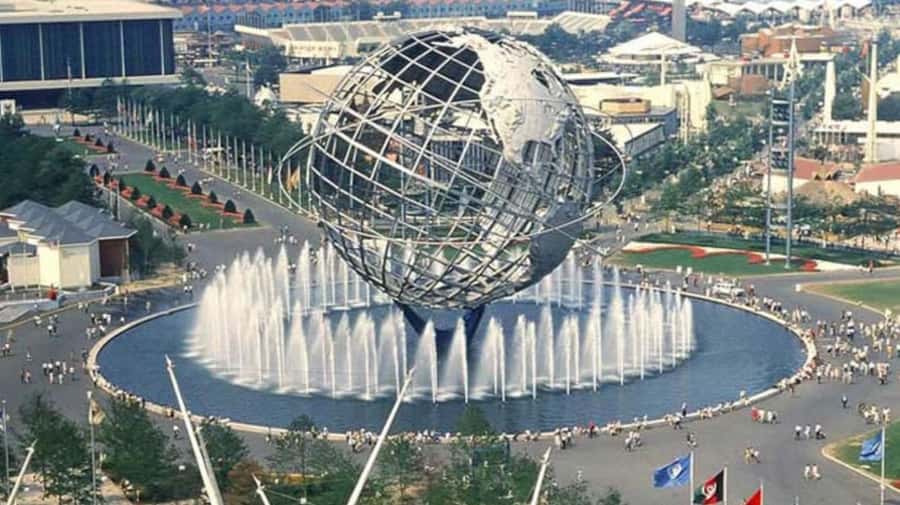
- Queens’ Flushing Meadows landmarks: Unisphere and the Queens Museum area, plus stadium context
- Malba contrast: a neighborhood feel shift you can notice right away
- Williamsburg + Jewish quarter access: you get to step into community-run bakeries and shops
- DUMBO to skyline photos: the Brooklyn Bridge and Manhattan view payoff
A four-borough ride built around real contrasts
If you only have a few days in NYC, this is one of those smart tours that doesn’t feel like a checklist. The whole point is contrast: how the city changes as you cross neighborhoods, languages, religions, and street styles. You get that in a single 4-hour window, with air-conditioned transportation doing the heavy lifting.
I like the structure because it’s practical. You’re not just parked at famous landmarks; you’re shown why specific places matter in the story of the boroughs you’re passing through.
And yes, you’ll take photos. But the guide’s job is to give you something to look for beyond the obvious. That’s what turns a stop into a memory.
You can also read our reviews of more city tours in New York City


Where you start: Times Square, then head for the real city
The meeting point is easy to find: the front door of The Manhattan at Times Square on 7th Avenue, between 51st and 52nd streets (the address listed is 790 7th Ave). Getting started in Midtown also helps if you’re coming from most hotels—finding the group is usually less stressful than meeting somewhere tucked deeper in a neighborhood.
Once you’re aboard, the tour is all about momentum. The itinerary moves by borough, with frequent short photo stops and a couple of longer guided stretches where the guide can give you context.
The guides speak English and Spanish, and it’s helpful when questions come up on the spot. In the experiences I reviewed, guides like Guillermo and Luis were noted as attentive and experienced, with punctual, hands-on guidance.
Harlem: Cotton Club-era stops, Apollo vibes, and 125th Street context
Harlem is where the tour starts turning “New York” into something more specific. You head from Times Square toward Harlem on 12th Avenue, picking up on themes of African American influence and its rebirth, then you get a street-level sense of what that legacy looks like today.
You pass by the Cotton Club, a quick stop that works as a jump-off point for the rest of the Harlem story. Next up is West 125th Street (also known as Martin Luther King Jr. Street), which is one of those corridors where you can feel the neighborhood’s importance even from the curb.
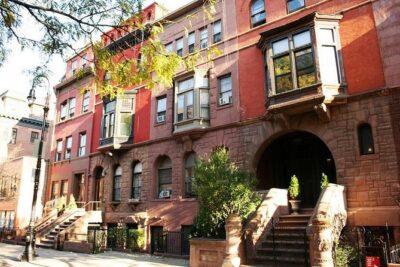
A couple of stops later, you’re in Apollo Theater territory. Even if you’ve only seen the Apollo in posters and documentaries, being near it makes the whole music-and-performance thread click. And around the area, the tour references 19th-century brownstone architecture, which is the kind of detail you’ll appreciate more once you know what to watch for.
Practical note: Harlem stops are mostly “pass by” moments plus short orientation, so if you’re hoping to go deep on foot, this tour may feel tight. Still, as an introduction, it’s a strong setup before you jump boroughs.
The Bronx: Joker stairs, murals, and hip-hop geography
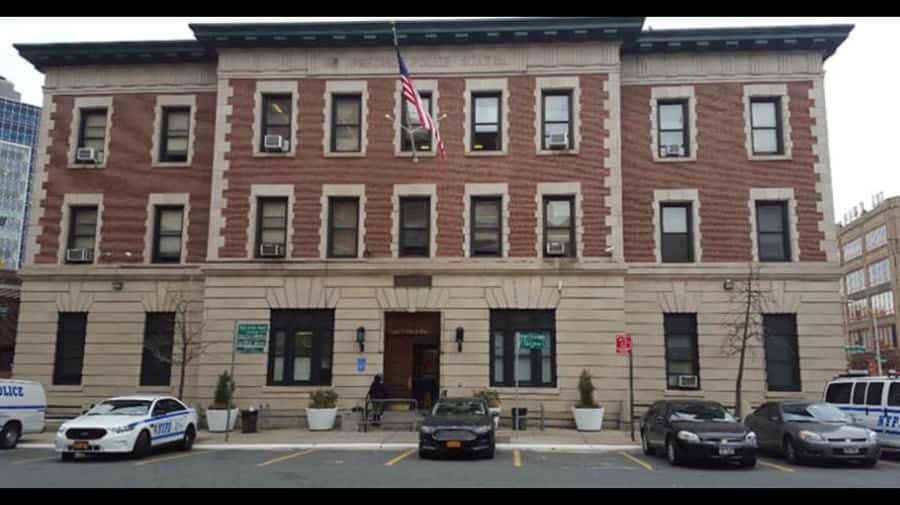
The Bronx portion is the heart of the tour for a lot of people, and it earns that. The vibe changes fast here—from Harlem’s music legacy to the Bronx’s street-level art and hip-hop birthplace story.
Your first named moment is Joker stairs, connected to the movie of the same name. You get a photo stop plus time to look around. It’s one of those New York moments where pop culture and neighborhood identity overlap, and the guide’s explanation helps you see it as more than a set-piece.
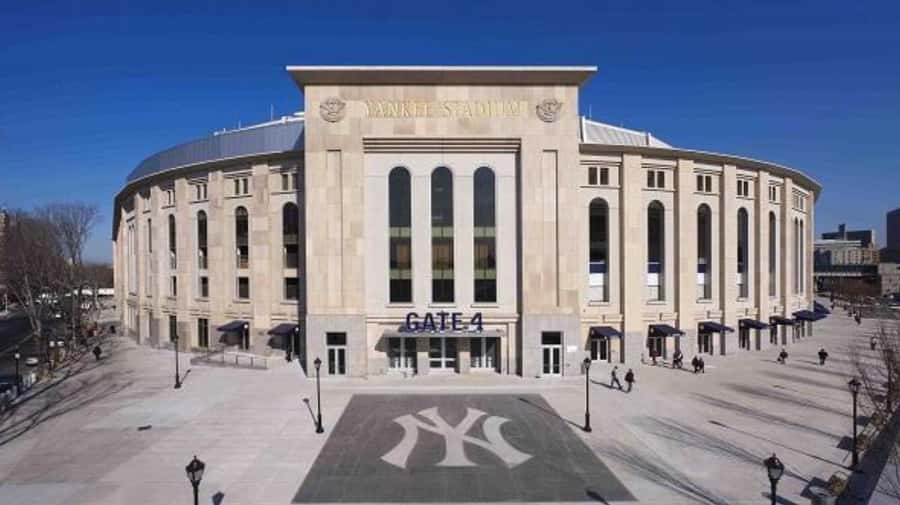
Next comes Yankee Stadium. You get photo time and also actual visit time, including the chance to use the restrooms. That matters more than you’d think on a timed tour, especially when you’re bouncing across neighborhoods.
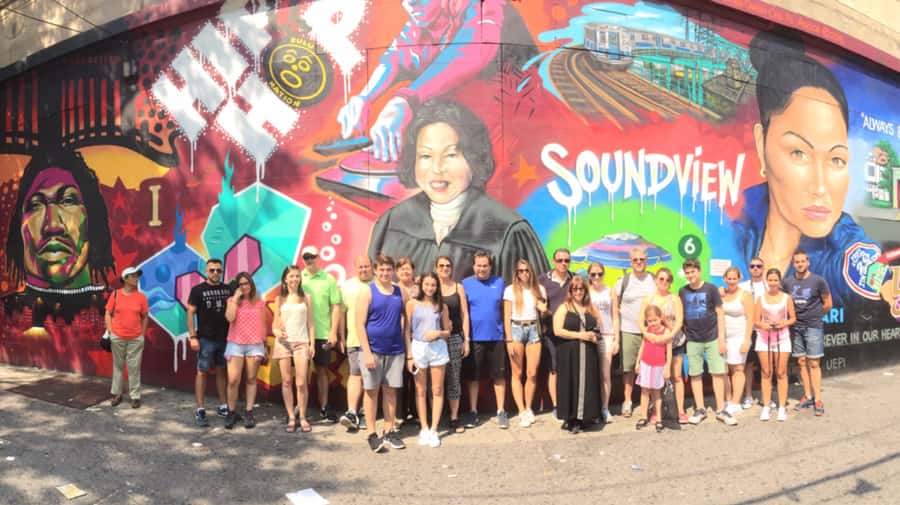
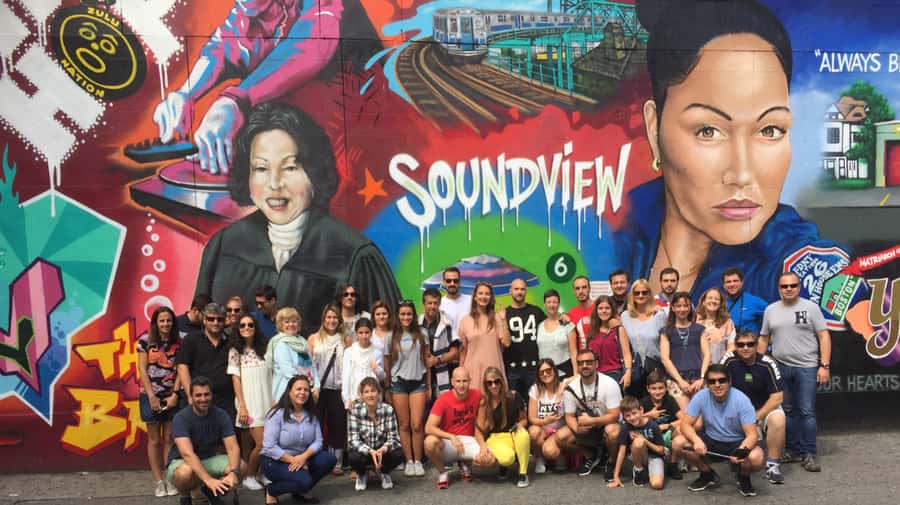
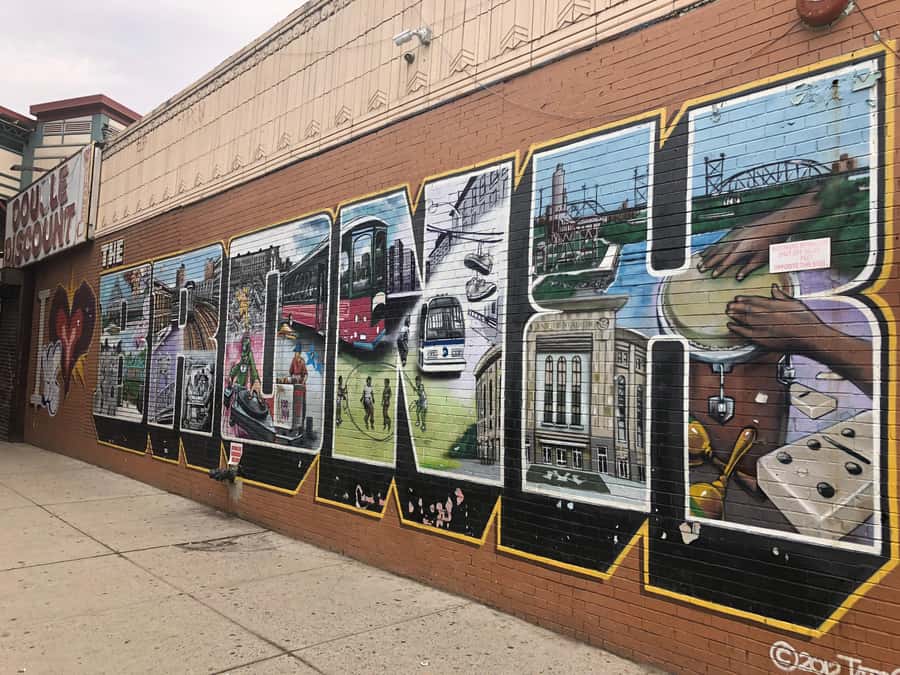
Then the tour shifts into street art. You’ll see the Big Pun mural area and the I Love the Bronx mural (with mention of Tats Cru). The difference here is that the guide doesn’t treat murals as decoration. You’re shown how they connect to community pride, music history, and daily life.
Another story-focused stop centers on the Amadou Diallo and Jonathan mural. That’s where a tour like this can be more than sightseeing, because you’re looking at public art tied to real events. The stop also helps you understand how the city’s history lives on walls.
One of my favorite parts of this Bronx sequence is the “compare stations” idea. You’ll pass subway references and see why the local transit feel in the Bronx can look and function differently than Manhattan.
Queens: Malba contrast, Whitestone Bridge views, and Flushing Meadows stars
Queens is built into the tour as a multi-cultural mosaic, but you can also feel it physically—how the neighborhoods look, how the streets run, and how the skyline view changes depending on where you are.
Early on, you pass the Whitestone Bridge. You’ll get panoramic views of Manhattan, which is a quick payoff that keeps you alert during the ride. Then you enter Malba, and this is one of the most interesting contrast moves on the entire itinerary.
Malba is described as a neighborhood of modest mansions, and that tonal shift is noticeable. You’re given time to enjoy a coffee break and use restrooms. If you’re the type who gets cranky when you haven’t had a caffeine reset, this stop is doing real work for your energy level.
From there, you head to Flushing Meadows Corona Park, with several major landmarks in view. The tour highlights:
- Unisphere, tied to the movie world (it’s referenced as the Unisphere from Men in Black)
- Queens Museum
- Arthur Ashe Open Tennis Stadium
- MetLife stadium context (the itinerary mentions Mets Stadium in the park area)
You also pass by LaGuardia Airport along the way, which adds a sense of Queens as a gateway zone—busy, connected, and full of routes.
A key heads-up: during the US Open, entry to Flushing Meadows Park is not permitted. The tour still moves through the area, but if you’re traveling during tennis season, plan for the itinerary to shift based on event access rules.


Brooklyn: Williamsburg culture, the Jewish quarter experience, and DUMBO payoff
Brooklyn is where the tour ramps up the visual and cultural variety again—this time with a bohemian atmosphere and skyline drama.
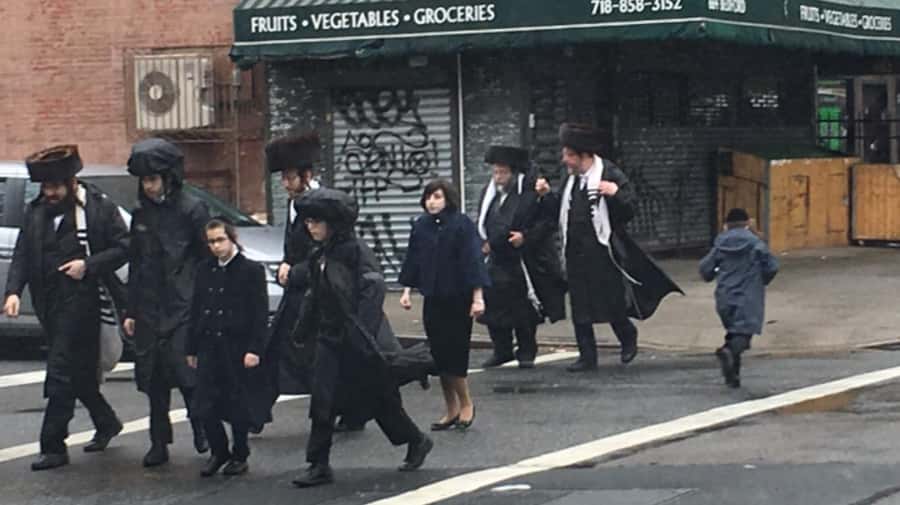
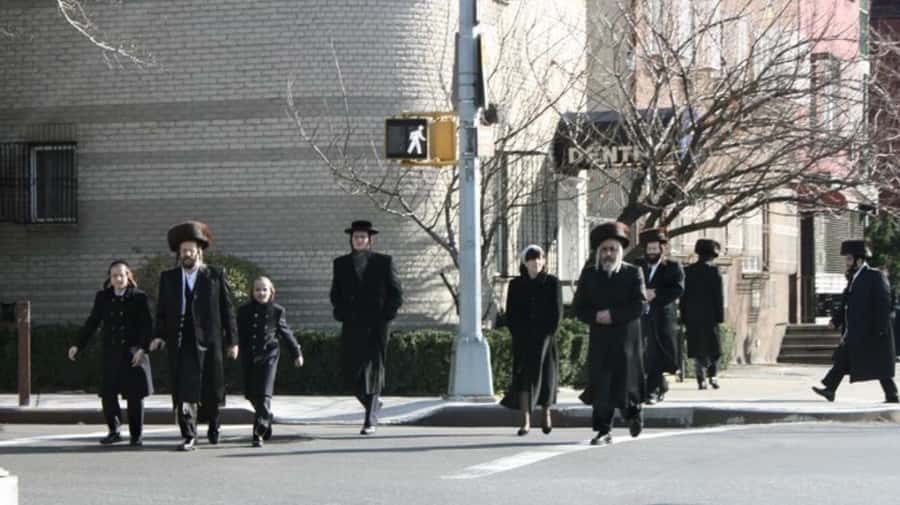
You enter Williamsburg, and the tour focuses on the largest concentration of ultra-Orthodox Jews in the area. The big value here is that you get an on-the-ground chance to visit community-run bakeries or stores and learn about everyday culture.
This isn’t just a photo-stop “look-but-don’t-touch” kind of moment. It’s time built for interaction, so you can see how the neighborhood’s rules, rhythms, and services shape daily life. And because the community is visible in what’s on shelves and how shops operate, you end up learning faster than you would from a lecture alone.
After Williamsburg, the tour heads to DUMBO for scenic views and a classic skyline photo run. This is where you can capture unforgettable views of the Brooklyn Bridge and the Manhattan skyline from the waterfront side. It’s a strong way to end the story you started in Harlem: different communities, different streetscapes, and then that NYC-wide shared skyline moment.
The itinerary includes options. Some guests finish at DUMBO, while those continuing go onward toward Chinatown and Mulberry Street, where the tour ends. So you get flexibility based on how much walking or how much night energy you want at the end.
Photo-stop rhythm and restroom planning (how to not get caught short)
This tour is timed to fit multiple boroughs into 270 minutes, so it’s important to understand the stop style. Expect:
- Short pass-bys for iconic landmarks and quick context
- A few photo-focused breaks
- Two guided “heavier” segments: the Bronx and Queens, plus guided time in Brooklyn
Restrooms aren’t available at every curb photo moment. The itinerary specifically calls out restroom time at Yankee Stadium and the Malba coffee/stop. If you know you’ll need a break during the ride, plan to use those windows rather than waiting for a random street corner.
Also, food and drinks aren’t included. The coffee stop in Malba is helpful, but you should still bring your own snacks if you know you get hungry fast. At minimum, come with a light appetite and water in mind.
One more practical tip: if you’re serious about photos, bring a phone battery backup or keep your settings ready. The best views can be brief, especially near bridges and skyline lookouts.
Price and value: what $38 buys you across boroughs
At $38 per person for about 4 hours, the value comes from what you get beyond the sightseeing. You’re paying for:
- Air-conditioned transportation for the whole route
- A professional local guide who stays with you
- Guided time plus photo stops in three boroughs (Bronx, Queens, Brooklyn) and orientation in Harlem
- Access points that can be hard to replicate on your own in a short visit, like the neighborhood cultural stops
If you try to do this by yourself, you’ll spend time figuring out transit between boroughs, and you won’t get the same neighborhood storytelling. The tour also helps you cover major geographic themes fast: music legacy in Harlem/Bronx, multi-cultural shifts in Queens, and community-specific culture in Williamsburg.
Could you do parts independently? Sure. But for the cost, you’re buying time and context.
Pace, walking, and access considerations
This is not a slow, sit-and-stare tour. The stops are short by design, and a few are photo stops where the goal is to get you in the right spot with the right explanation, then move on.
Walking is limited, but it’s still outdoors and city-ground. Wear shoes that handle curb transitions, and keep an eye on weather since NYC weather can change quickly.
It’s also explicitly not suitable for wheelchair users. If you need accessibility accommodations, you’ll want to look for an alternative format.
Finally, like all NYC street-based tours, the route can shift due to traffic, parades, marathons, or national holidays. It’s worth having a flexible mindset. You’re there to ride and learn, not to win a stopwatch challenge.
Who should book this tour
This is a great fit if:
- You want to see multiple boroughs without spending your entire day on transit
- You like street art, music-linked landmarks, and neighborhood stories
- You’re comfortable with a paced itinerary and short stops
- You want cultural context that connects places to people
It’s less ideal if you want long museum time, hours of wandering, or a deep dive into one neighborhood. The tour spreads attention across boroughs, so you’ll learn a lot fast, but you won’t live inside one place for the whole day.
Should you book this tour or pick something else?
I’d book it if you want a short NYC day that feels like a guided field lesson in contrast. The Bronx mural and hip-hop stops, the Queens Flushing Meadows landmarks, and the Williamsburg Jewish quarter shop visits are the kinds of moments that can be difficult to stitch together well on your own.
If you’re traveling during the US Open or you’re sensitive to access changes, double-check timing and be ready for possible adjustments around Flushing Meadows Park entry. And if accessibility is a factor for you, know this one isn’t designed for wheelchair users.
In the end, this tour is about making the city make sense. You’ll leave with a better mental map of how the boroughs connect—and how they don’t.
FAQ
How long is the tour?
The tour runs about 4 hours (listed as 270 minutes).
Where does the tour start?
You meet at the front door of The Manhattan at Times Square hotel on 7th Avenue, between 51st and 52nd Streets (790 7th Ave).
What language is the guide offered in?
The live guide provides English and Spanish.
Is food included?
No. Food and beverages are not included, though there is a coffee break time mentioned in Queens (Malba).
Where does the tour end?
The tour can end in DUMBO or continue to Chinatown / Mulberry Street (with Chinatown as the finish point).
Is the tour wheelchair accessible?
No, it is not suitable for wheelchair users.