REVIEW · NEW YORK CITY
NYC: Radical and Weird History Bike Tour of Manhattan
Book on GetYourGuide →Operated by Freewheelin' Bike Tours🛞 · Bookable on GetYourGuide
Manhattan has a weird side on wheels. This bike tour tracks street-level history you can’t see from a tour bus, from TriBeCa through the Lower East Side and into the Village with stories tied to counter-culture movements.
What I like most is the street-safe routing backed by a real bike messenger, which helps you feel in control even when you’re riding near traffic. The second big win is the focus on lesser-known stories—like the Beatnik-era vibe in Greenwich Village and the Lower East Side’s Yiddish anarchist movement—plus guide personalities that keep things funny and engaging (I’ve seen it firsthand with guides like Robert, Kevin, and Robby stepping in and keeping the tone right).
One thing to watch: the tour includes a mid-tour snack, but one recent rider expected food and drink to be fully included and ended up paying extra. If you’re the type who plans around included meals, confirm what the snack covers before you go.
In This Review
- Key highlights you’ll actually feel
- Why this radical-history bike tour works in Manhattan
- Price and value: what you pay for, and what to plan for
- Meet at TriBeCa: where your ride begins and ends
- The route in plain English: what happens during each stop
- 1) Tribeca start: a fast primer before you roll
- 2) Lower East Side: 45 minutes of counter-culture context
- 3) Hidden gem and 4) secret stop: short visits with story payoffs
- 5) East Village: the long story window (about 1 hour)
- 6) Hidden gem break + local snacks
- 7) Greenwich Village: Beatnik-era energy
- 8) West Village: extended storytelling time (about 25 minutes)
- 9) Meatpacking District: a shorter closer (about 10 minutes)
- Safety and comfort: how to make the ride easy
- How the guides shape the tour (Robert, Kevin, Robby, Holden)
- Who this tour is for (and who might want something else)
- Booking decision: should you ride this radical Manhattan route?
- FAQ
- How long is the NYC Radical and Weird History Bike Tour of Manhattan?
- What’s included in the price?
- Where does the tour start and end?
- Do I need to pay the guide separately?
- Is the tour safe for riders of different skill levels?
- Can I cancel or pay later?
Key highlights you’ll actually feel
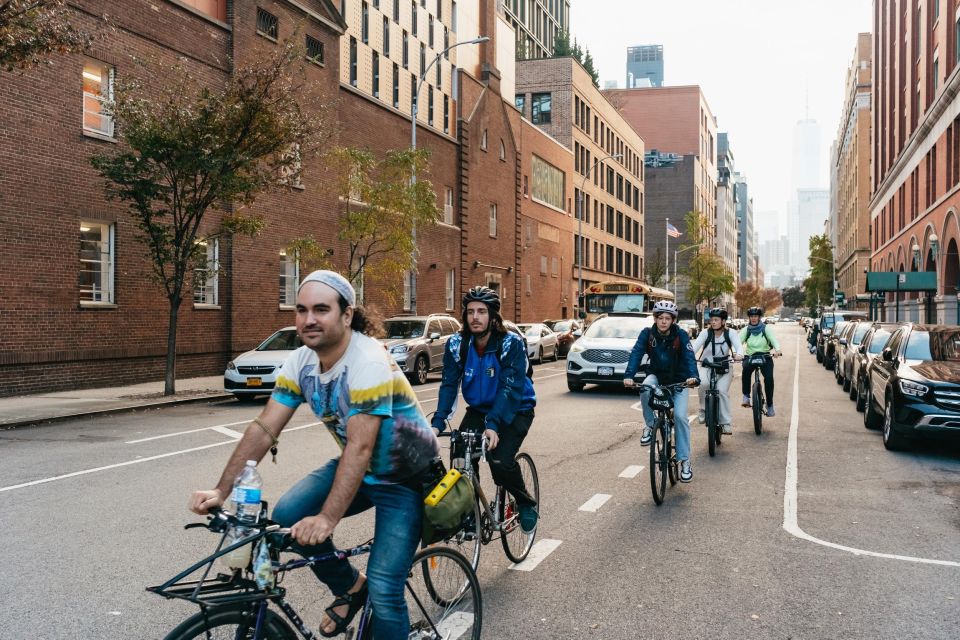
- Bike-messenger safety focus so the route is designed for real riding, not parade-ground biking
- Radical and weird Lower Manhattan stories, including Beatnik-era Greenwich Village and Lower East Side Yiddish anarchists
- Short stops with big personality, including at least two “hidden” or “secret” moments along the way
- Flexible, interest-based guiding—guides like Robby are known for adjusting to what you want to hear
- A mid-tour snack break that keeps energy steady for the second half of the ride
Why this radical-history bike tour works in Manhattan
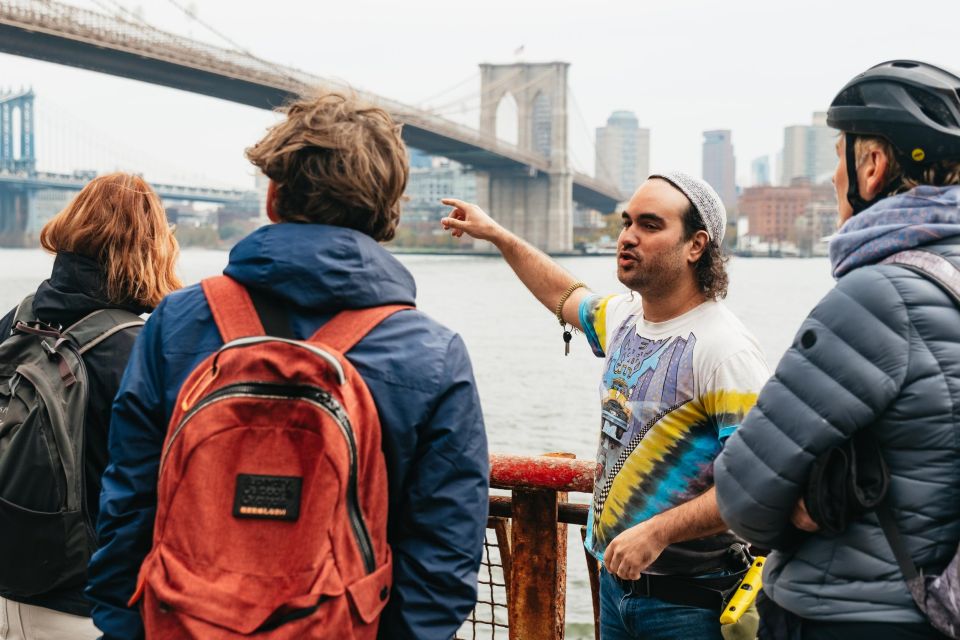
Manhattan is great for walking, but biking changes how history lands. You move fast enough to cover real ground, but slow enough to notice details: a doorway inscription, an old building shape, the kind of street layout people forget when they only visit big monuments.
This tour is built for that sweet spot. It starts and finishes in TriBeCa at 79 Chambers St, then threads through Lower Manhattan with a “normal landmarks, plus the odd stuff” approach. That’s the appeal. You get the recognizable neighborhoods without the usual script. And you’re not just looking—your ride itself becomes part of the storytelling.
The other big factor is safety. The route is designed by a real Bike Messenger, so the tour isn’t assuming you’ll magically be comfortable in traffic. The tour description also stresses accessible routes for riders of all skill levels, which matters on a city bike day. If you’ve ridden before, you’ll appreciate the confidence. If you’re newer, you’ll appreciate that the plan is made with you in mind.
You can also read our reviews of more cycling tours in New York City



Price and value: what you pay for, and what to plan for
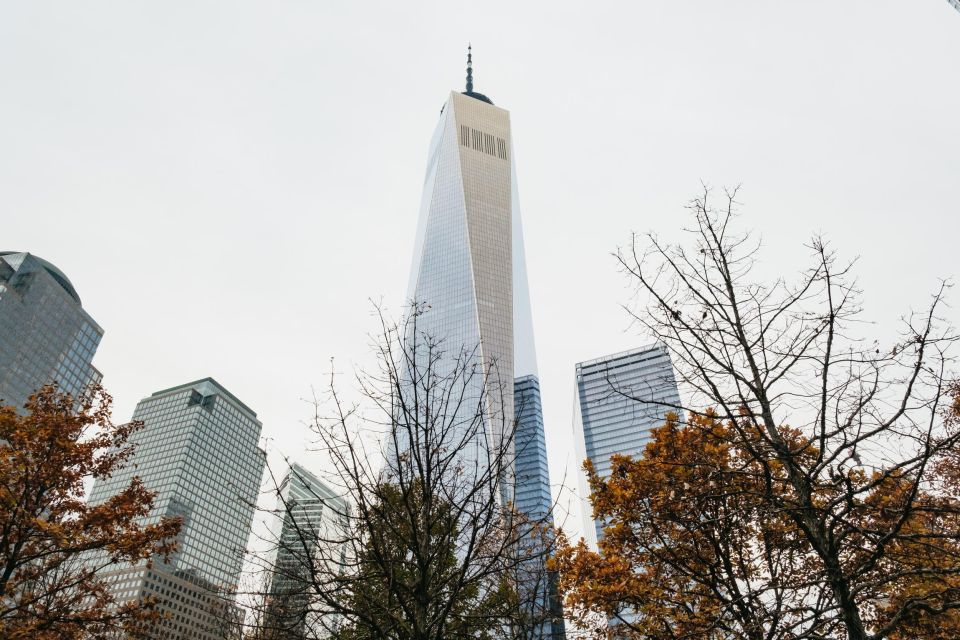
The listed price is $46 per person, and the tour is 4 hours. But here’s the key nuance: the initial fee is described as covering your bike rental. Then you’re asked to pay the guide directly at the end.
A guide payment of $40 per person is recommended, and it’s positioned as a way to avoid service fees and send the money straight to the local expert. For your budgeting, that means you should think of the trip as roughly bike rental + direct guide pay rather than one all-in package price.
Is it worth it? In my view, it can be, because you’re paying for more than motion. You’re paying for:
- a guide who knows how to ride the streets safely
- focused storytelling that goes beyond the postcard stuff
- a tight timeline that works for first-time and repeat NYC visitors alike
Also, you’re not just getting facts. You’re getting the human delivery. One rider said the guide Robert was sick and his replacement, Kevin, kept the tour aligned with what the group wanted—showing them the other New York requested. That’s exactly what you want when you book a guide-based experience: continuity and control, even when plans shift.
Meet at TriBeCa: where your ride begins and ends
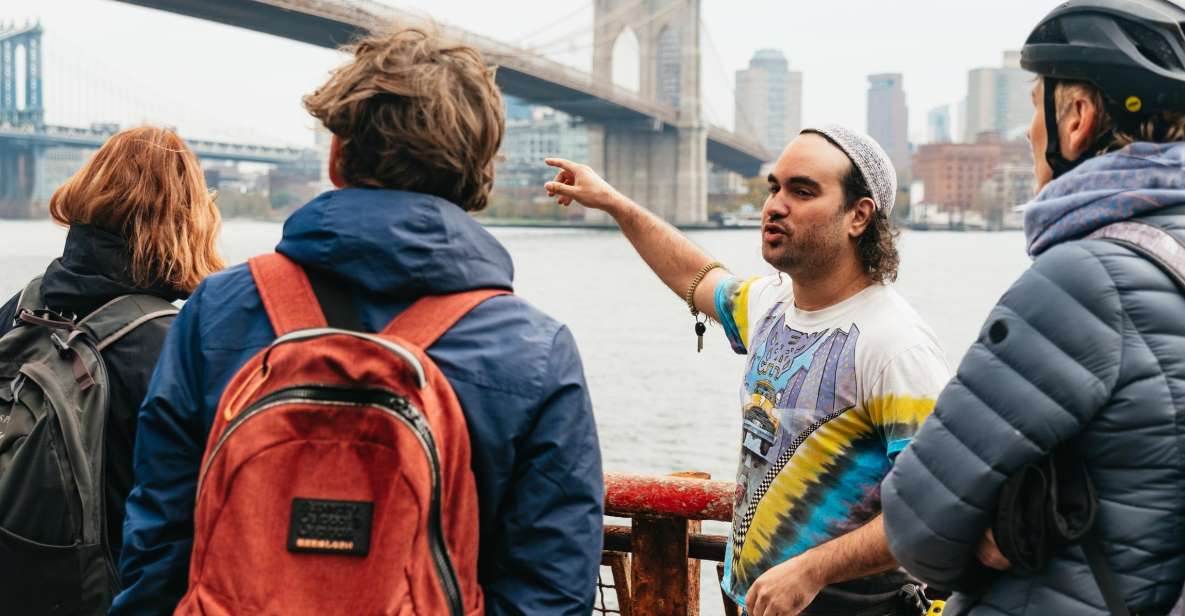
You’ll start at 79 Chambers St in TriBeCa, and the tour returns there too. The meeting point is also listed as Unlimited Biking Brooklyn Bridge, so double-check your exact pickup spot in your booking details the day of.
Why this matters: in NYC, one wrong corner can cost you time. If you’re on a bicycle day, show up early enough to gear up and take a breath before the group moves.
The route in plain English: what happens during each stop
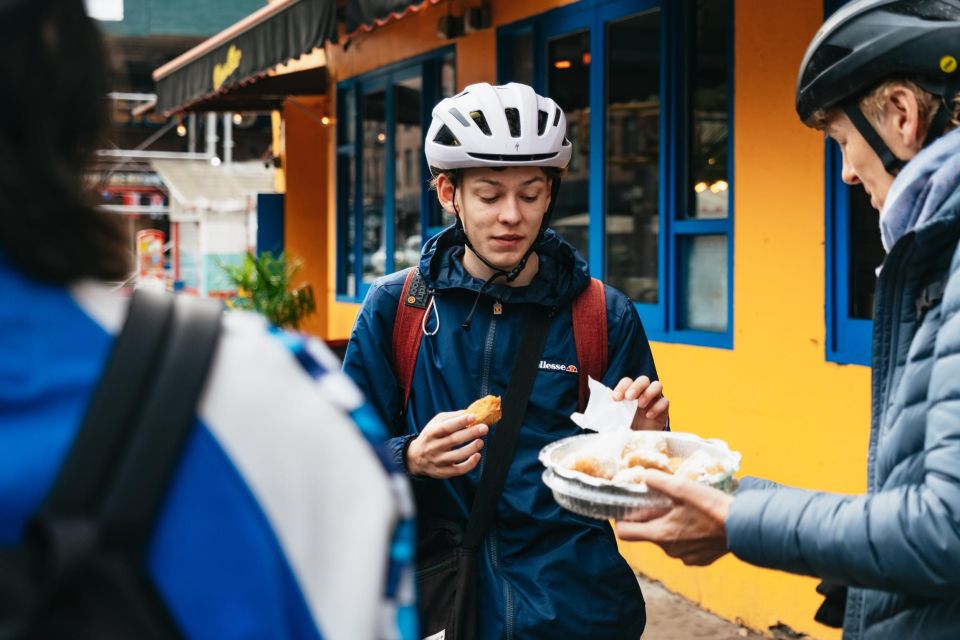
This tour is a straight-up Lower Manhattan circuit. You’ll spend time in each neighborhood segment with guided narration and short visits that break the ride into manageable chunks.
1) Tribeca start: a fast primer before you roll
You begin with a guided introduction in Tribeca (about 20 minutes). This isn’t just a meet-and-greet. It sets expectations for how the day will feel: street-level safety first, then the history angle.
Tribeca is a good “warming up” neighborhood for a bike tour because it helps you get comfortable with the pace before the route pushes deeper into the denser parts of Lower Manhattan.
You can also read our reviews of more historical tours in New York City






2) Lower East Side: 45 minutes of counter-culture context
Next comes the Lower East Side (about 45 minutes of guided time). This is one of the tour’s core history themes. Expect stories tied to immigrant-era politics and especially the Yiddish anarchist movement mentioned in the tour description.
What makes this section valuable is that it connects places you can still see—streets, building edges, neighborhood texture—to a bigger idea. You’re not just learning names; you’re learning why certain communities took certain stances, and how that attitude shaped culture.
3) Hidden gem and 4) secret stop: short visits with story payoffs
After that, you’ll have two brief stops:
- Hidden gem visit (around 15 minutes)
- Secret stop visit (around 15 minutes)
Those labels in the tour format usually mean you’re getting out of the bike lane a bit, looking at something specific, then rolling on. And because this tour’s whole thing is weird-and-radical history, these stops tend to be where you notice details you’d walk right past.
One rider highlighted the appeal of seeing unusual sights and their backstories, including something like a Lenin statue on a building and the history connected to it. Even if your exact “secret” object varies by day, the pattern is clear: the tour uses these short stops to teach you to see.
5) East Village: the long story window (about 1 hour)
Then you hit the East Village for about 1 hour of guided time. This is often where the tour’s tone clicks into something more playful. The East Village is a natural stage for counter-culture threads—arts, music, street politics, and the collision between bohemia and daily life.
If you like when history has personality, this is the section to lean into. Guides like Robby are known for moving safely through traffic while keeping the narration sharp and funny, and this longer stop gives you time for it to really land.
6) Hidden gem break + local snacks
After the East Village segment, there’s another hidden gem break with time for local snacks (about 20 minutes).
This is your practical reset: water, a quick bite, and a chance to ask questions while the group is stopped. Just keep in mind the earlier note: the tour includes a snack, but one rider felt the description led them to expect more food and drink coverage than what happened. If you have specific dietary needs or you’re a big eater, it’s smart to bring a little backup money or a small extra snack.
7) Greenwich Village: Beatnik-era energy
Next is Greenwich Village (about 20 minutes). The tour description calls out the Beatnik era as a major thread. This section usually works because it connects the vibe people romanticize with the actual social energy that created it.
You’ll likely be standing close to places that feel literary on the surface, but the guide’s job is to connect that look to what was going on behind it—who lived there, what they believed, and how they fought the mainstream with style.
8) West Village: extended storytelling time (about 25 minutes)
Then West Village (about 25 minutes). This extra time compared to some other segments suggests the guide will slow the story down a bit, or cover multiple angles in one neighborhood.
West Village can get glossed over on standard tours. Here, you’re likely to get the odd corners again: the “why is this here?” type of detail.
9) Meatpacking District: a shorter closer (about 10 minutes)
Finally, the ride ends with a Meatpacking District stop (about 10 minutes). It’s shorter, so don’t expect this to be a full-length lecture. Instead, it works as a compact finale—tying together themes about the city’s changing identity and the street-level layers that survive development cycles.
Then you roll back to 79 Chambers St to wrap up.
Safety and comfort: how to make the ride easy
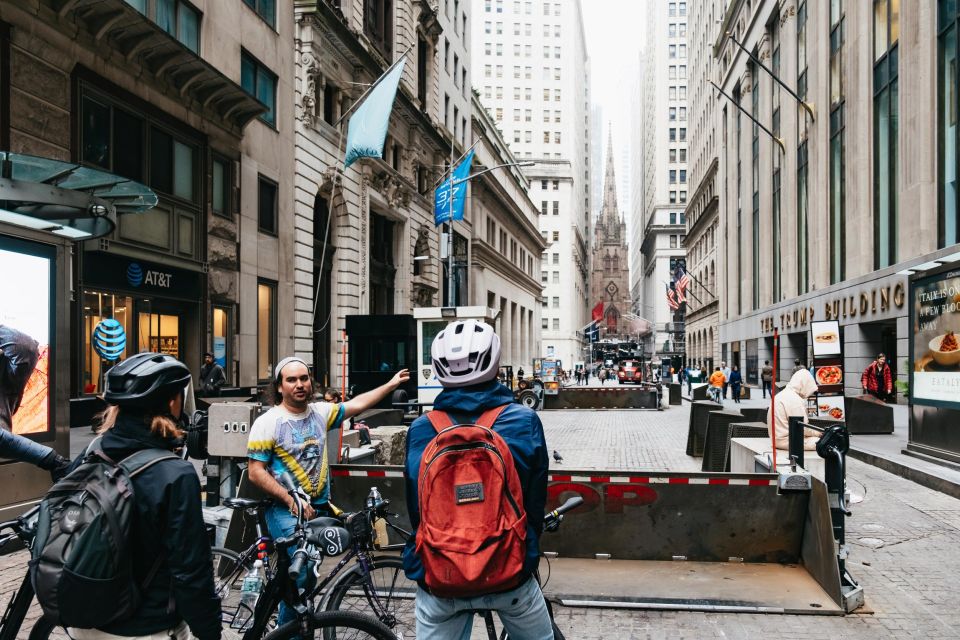
Even though the tour is described as safe and accessible, you still need to show up ready to ride. Here’s how I’d prep based on the way these tours operate in a place like Manhattan.
- Wear shoes you can pedal in comfortably (no slippery soles)
- Bring a layer: temps near water and between neighborhoods can swing
- If you’re not an experienced rider, tell the guide your comfort level early so they can keep you supported
Also, it helps that guides on this tour have been praised for moving very safely through traffic. Riders specifically called out the relaxed feel when the guide knows good routes and timing—exactly what you want when you’re spending four hours on city streets.
How the guides shape the tour (Robert, Kevin, Robby, Holden)
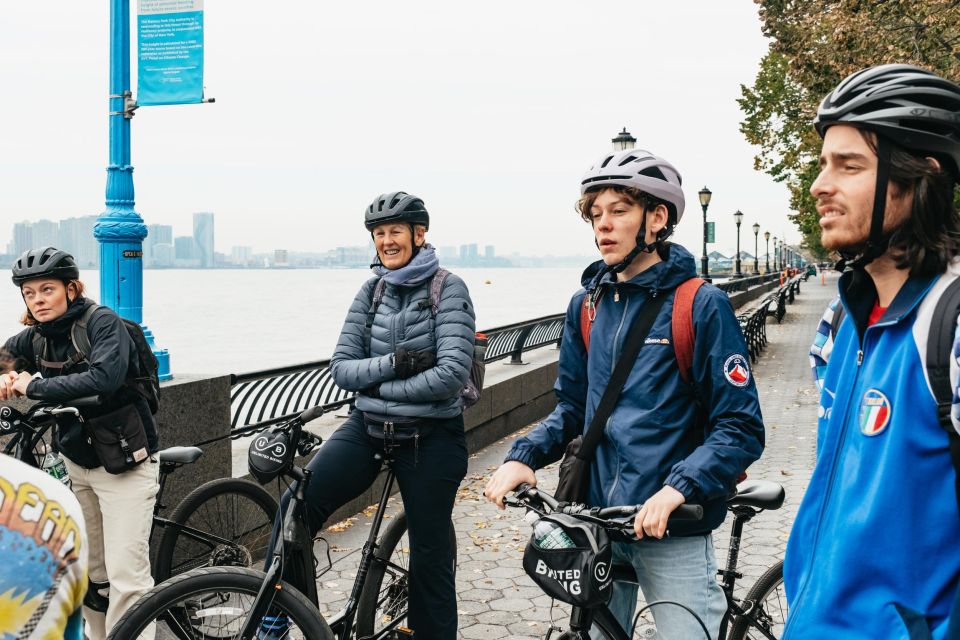
This tour lives or dies on guide quality, and the names in the feedback matter.
- Robert: one verified rider said Robert arranged for Kevin when he was sick, and the replacement still delivered a tour that matched expectations—showing a version of NYC that felt requested, not generic.
- Kevin: credited with listening to what people wanted and then steering the stories to fit.
- Robby: praised for safe, confident riding and for making stops feel relaxed while still information-packed. One rider also called out a surprising landmark detail like a Lenin statue and the story behind it.
- Holden: mentioned as a strong storyteller with humor and charm, plus solid city knowledge.
That pattern is what you’re looking for: guides who can be flexible and keep the ride feeling conversational, not robotic.
Who this tour is for (and who might want something else)
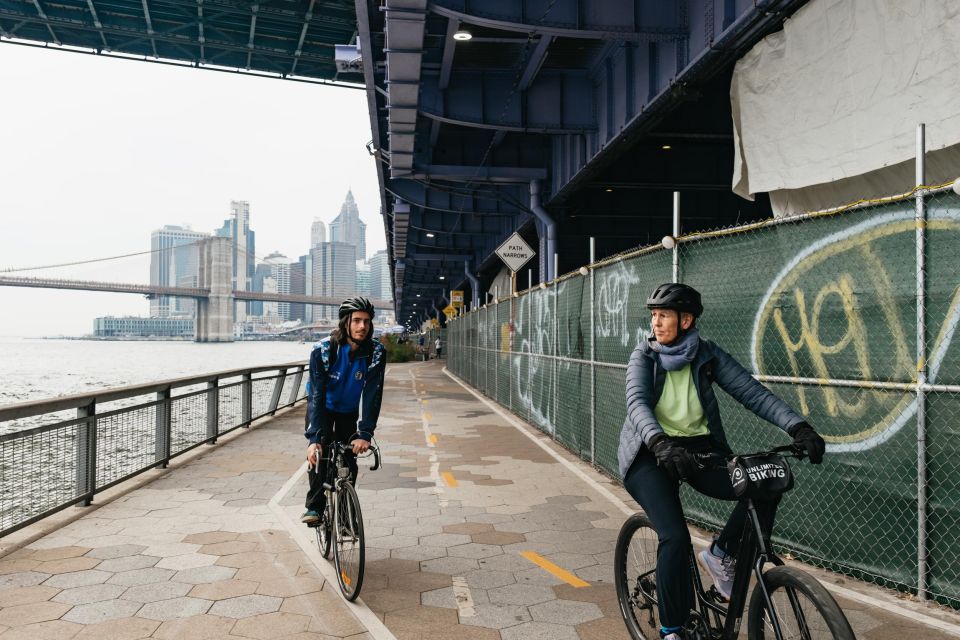
I’d recommend this tour if you:
- want more than the landmarks and you enjoy neighborhood culture
- like history that includes politics, art, and weird social movements
- feel comfortable biking in the city, or you’re willing to ride with a safety-first plan
- enjoy guides who can adapt their stories to your interests
You might choose a different option if you mainly want monumental sights (the kind you can photograph quickly with zero interpretation). This tour is about streets and context, not Big Ticket attractions.
Booking decision: should you ride this radical Manhattan route?
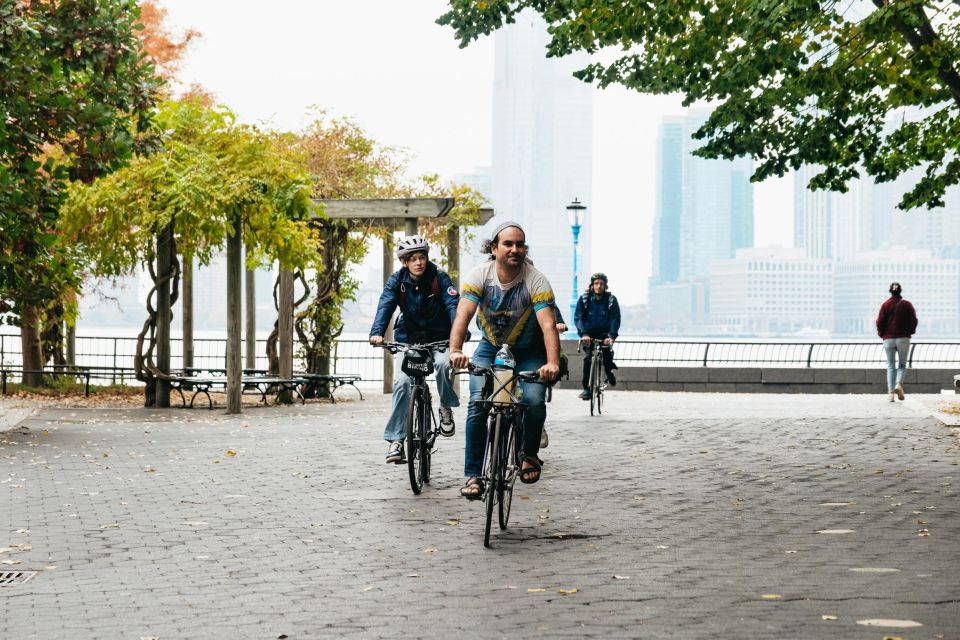
Book it if you want a 4-hour bike tour that teaches you how to see Lower Manhattan—with a safety-first approach and stories that reach beyond the standard tourist script. The combination of bike-messenger street skills and history that includes Beatnik culture and Lower East Side politics makes it a strong value for people who like their NYC slightly off-center.
Before you go, do two practical things:
1) Set your expectations that the included snack is the food item, not necessarily full meals and drinks.
2) Plan for the recommended $40 direct guide payment so the day stays financially smooth.
If that fits your style, you’ll likely end the ride with more than photos—you’ll have a sharper sense of how this city’s neighborhoods formed their identities, including the strange, rebellious parts.
FAQ
How long is the NYC Radical and Weird History Bike Tour of Manhattan?
The tour lasts 4 hours.
What’s included in the price?
The tour includes a local guide, a bike tour, and a mid-tour snack. The pricing note also says the initial fee covers your bike rental.
Where does the tour start and end?
It starts and ends at 79 Chambers St in TriBeCa.
Do I need to pay the guide separately?
Yes. The guidance provided is to pay your guide directly upon completion, with a $40 per person recommended guide payment.
Is the tour safe for riders of different skill levels?
The tour is described as using safe, accessible routes for riders of all skill levels, and it’s curated by a real bike messenger for street-level safety.
Can I cancel or pay later?
The activity offers free cancellation up to 24 hours in advance for a full refund, and it also offers reserve now & pay later.