REVIEW · NEW YORK CITY
NYC: The Metropolitan Opera Tickets
Book on GetYourGuide →Operated by Broadway Inbound · Bookable on GetYourGuide
Opera at Lincoln Center is pure spectacle. With a Metropolitan Opera ticket and audio support, you can follow everything from big classics to modern works, all in one iconic evening out.
Two things I love: the audio guide (English plus four more languages) and the way the season lineup mixes tradition with new ideas. One consideration before you buy: you must be fully vaccinated, and show length can vary, so pick your performance time carefully.
In This Review
- Key points worth knowing before you choose your show
- Entering the Met at Lincoln Center with a fixed-price ticket
- Price check: what $45 gets you at the Metropolitan Opera
- Your choice of operas: Ainadamar, Grounded, Tosca, and the rest
- Ainadamar
- Die Frau ohne Schatten (The Woman Without a Shadow)
- Grounded
- Il Trovatore
- Les Contes d’Hoffmann (The Tales of Hoffmann)
- The Magic Flute
- Rigoletto
- Tosca
- Following the story: audio guide languages and real-time translations
- House rules that affect your night: flash, video, and selfie sticks
- Timing and run length: why 110 minutes matters
- Who should buy: families, first-timers, and opera diehards
- Book or skip? my practical recommendation
- FAQ
- Do I get an audio guide with this Met Opera ticket?
- Is real-time translation available?
- How much does a ticket cost?
- What’s included in the ticket price?
- Are selfie sticks, flash photography, or video recording allowed?
- Do I need to be vaccinated to attend?
- What if I need to cancel?
Key points worth knowing before you choose your show
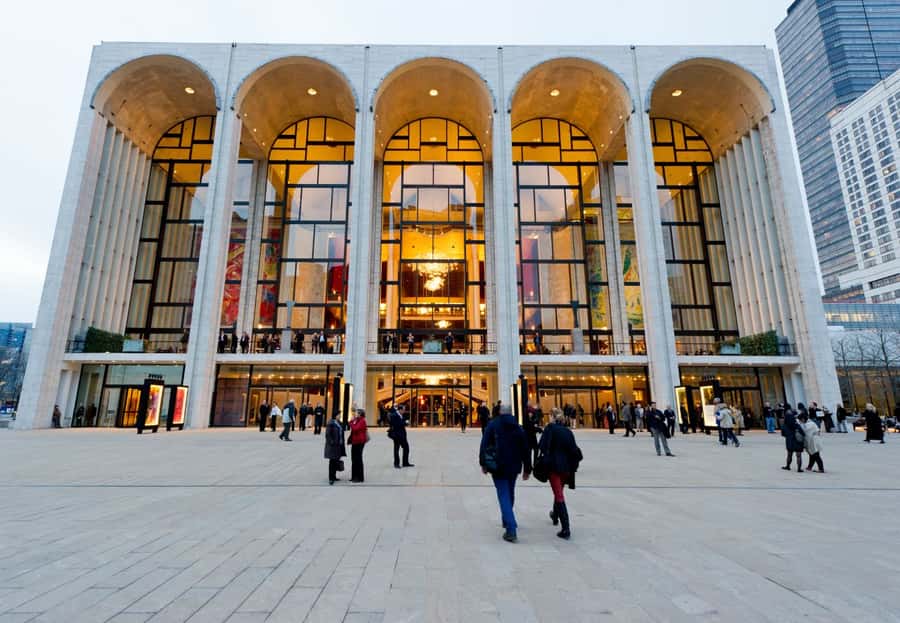
- $45 per person with Lincoln Center entry included means you’re paying for the performance plus access, not a complicated add-on package.
- Multiple languages are built in via an audio guide, and real-time translations depend on the specific show.
- You get choice, from Verdi drama to Mozart fairy tale to contemporary opera like Grounded.
- The lineup covers styles (mythological epics, flamenco-and-rumba energy, family-friendly puppets) so you’re not locked into one taste.
- Rules are strict inside: no selfie sticks, no flash, and no video recording—plan your phone use accordingly.
Entering the Met at Lincoln Center with a fixed-price ticket
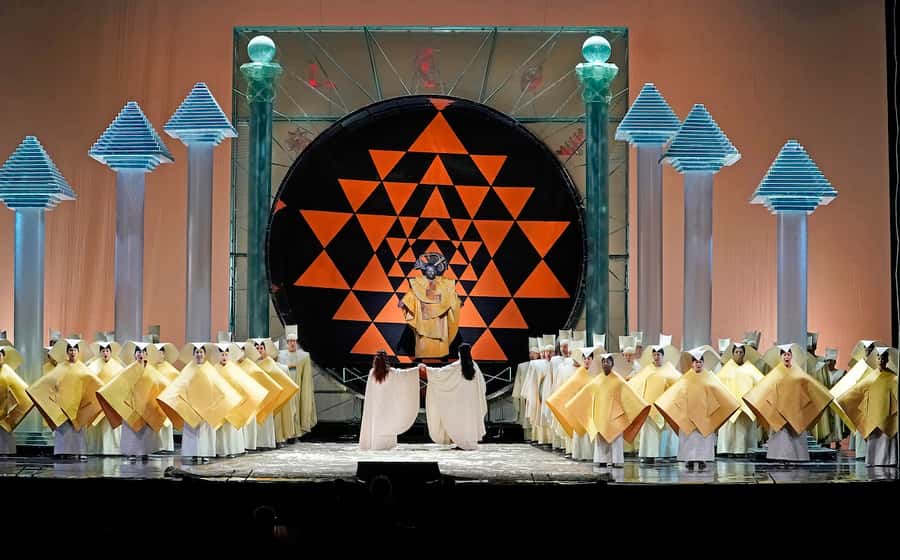
This is one of those NYC experiences that feels bigger than the price tag. For $45, you’re stepping into the Metropolitan Opera—not a small lecture hall, not a rehearsal, but the real stage with a real orchestra and top-tier performers. And because entry to Lincoln Center is included, you can focus on the evening instead of hunting for separate access.
A nice detail is how straightforward this feels in practice. A “fast tour to the Met” style comment shows up in feedback, and I get why: you’re not spending hours on transfers or a multi-stop route. Your main job is to show up, get settled, and let the opera do its work.
One more reason this ticket format is smart: it turns opera into a manageable plan. In New York, it’s easy to overcomplicate nights out. Here, you can pick your opera, pick your time, and build the rest of the evening around a known centerpiece.
If you’re wondering how it plays in winter: one verified booking specifically called out that the whole plan still felt great even on a snowy day. In other words, the value doesn’t depend on perfect weather—your payoff is inside the house.
You can also read our reviews of more tours and experiences in New York City



Price check: what $45 gets you at the Metropolitan Opera
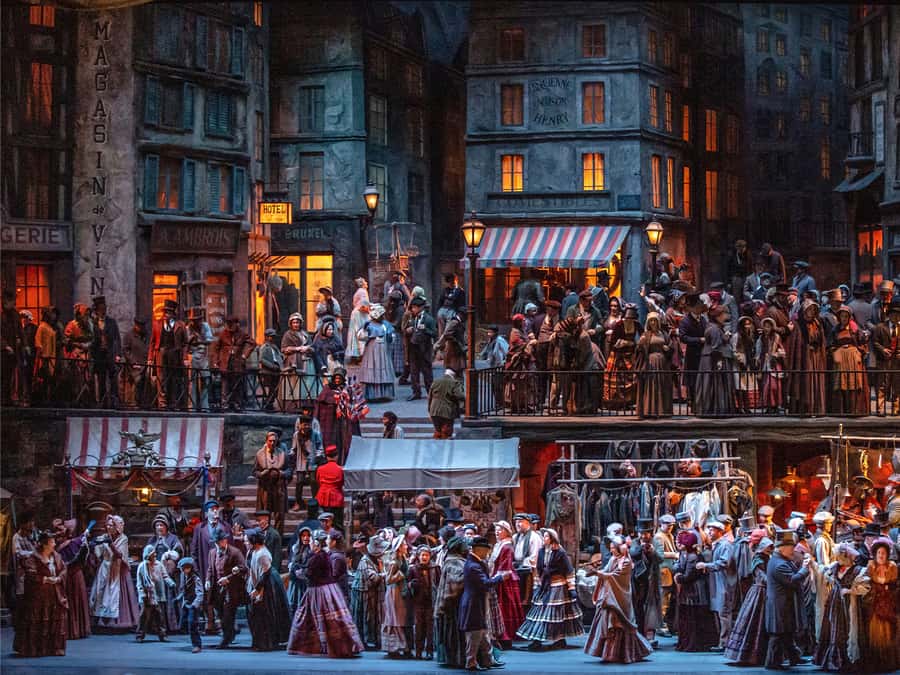
Let’s be honest. Opera can feel intimidating and pricey. This ticket approach helps you test the Met without acting like you’re committing to a whole season.
At $45 per person, you’re paying for:
- Your opera ticket
- Entry to Lincoln Center
- An audio guide with English plus German, Spanish, Italian, and French
That audio guide piece matters more than people expect. Opera is sung in different languages, and the story moves fast. When you can follow the plot in your preferred language, the show stops feeling like a wall of sound and starts feeling like a drama you can actually track.
You also get the Met’s current-season mix—works that lean classic and works that show what opera can do now. Highlights include world debuts, commemorative celebrations, and triumphant returns. Even if you’re not a deep-cut opera fan, that variety makes it easier to choose a show that fits your mood.
Small reality check: the listing notes cancellation is non-refundable and it’s a vaccinated-only experience. So it’s best used when your schedule is solid and you’re sure you’ll attend.
Your choice of operas: Ainadamar, Grounded, Tosca, and the rest
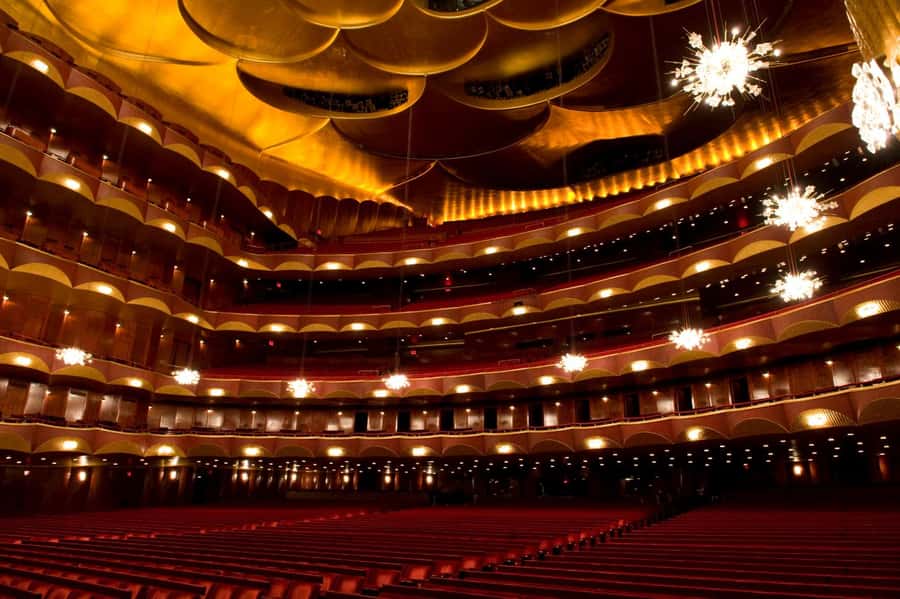
The Met’s power is that it can deliver both comfort and surprise. Your decision is basically this: do you want myth and romance, family-friendly spectacle, political intensity, or modern storytelling?
Below is a plain-language guide to what each option is like based on the season details.
Ainadamar
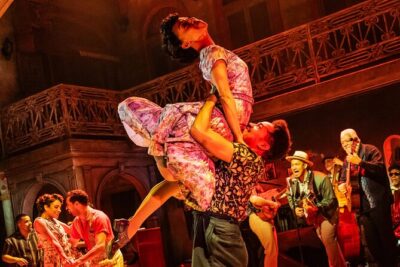
If you want heat and movement, this is the one. Ainadamar blends opera with the emotional punch of a passion—plus rhythms of flamenco and rumba. The story is set against the violent backdrop of civil war. It’s conducted by Miguel Harth-Bedoya in his Met debut, and it’s in a vivid company-debut production by Brazilian director/choreographer Deborah Colker (known for work with Cirque du Soleil).
Why you might love it: the style sounds dynamic even before you hear a note. It’s less about staying in one emotional lane and more about surge, tension, and release.
Die Frau ohne Schatten (The Woman Without a Shadow)
This is for big, mythic opera fans. The Met Music Director Yannick Nézet-Séguin leads Strauss’s grand mythological epic. You’ll get a tour de force cast anchored by a trio of sopranos: Elza van den Heever as the Empress, Lise Lindstrom as the Dyer’s Wife, and Nina Stemme as the Nurse.
Why it works: you’re watching an orchestra-and-soloist powerhouse where the music carries the drama as much as the plot does.






Grounded
If you like modern themes and you’re curious about how opera handles today’s world, Grounded is a strong pick. Mezzo-soprano Emily D’Angelo stars as Jess, a fighter pilot whose unplanned pregnancy pulls her out of the cockpit and places her in Las Vegas, piloting a Reaper drone halfway around the world. She’s forced to juggle being a perfect soldier, wife, and mother all at once.
Why you might choose it: it’s emotionally direct and it deals with pressure, responsibility, and distance—without needing you to already love opera.
Il Trovatore
This is pure Verdi drama: charged, emotional, and built on family conflict and forbidden love. Tenor Michael Fabiano sings Manrico, the bold troubadour who ends up at war with his own brother. The final two performances feature Gwyn Hughes Jones (as noted for the run).
Why it’s a good “first Verdi” attempt: the story has clear stakes and it tends to move fast once it gets rolling.
Les Contes d’Hoffmann (The Tales of Hoffmann)
This is fantastical and theatrical, centered on Offenbach’s final work. The production is headlined by tenor Benjamin Bernheim in the title role of the tormented poet, with an ensemble of leading lights.
Why you might like it: Offenbach leans playful even when the emotions get heavy, so it can feel more like a stage event than a solemn march.
The Magic Flute
This is your holiday-meets-fairytale choice. Mozart’s enchanted musical fairy tale returns as a Met seasonal favorite, in an abridged, English-language production by Julie Taymor (Tony Award–winning director of Broadway’s The Lion King). Expect dazzling puppets and a colorful setting—ideal for family audiences.
Why it’s a smart pick: if you want opera that’s approachable and visual, this one is built for that job.
Rigoletto
If you want heartbreak, go Verdi. Rigoletto returns with reigning Verdi baritone Quinn Kelsey, reprising his devastating portrayal of the hunchbacked court jester.
Why it’s effective: the emotional core is front and center, and Verdi’s writing loves drama.
Tosca
This one is tense and political, set in Rome. The people await news of the Battle of Marengo in northern Italy, and the fate of the city hangs on that outcome.
Why you might choose it: it’s structured like a thriller—news, fear, power, and consequences.
Following the story: audio guide languages and real-time translations
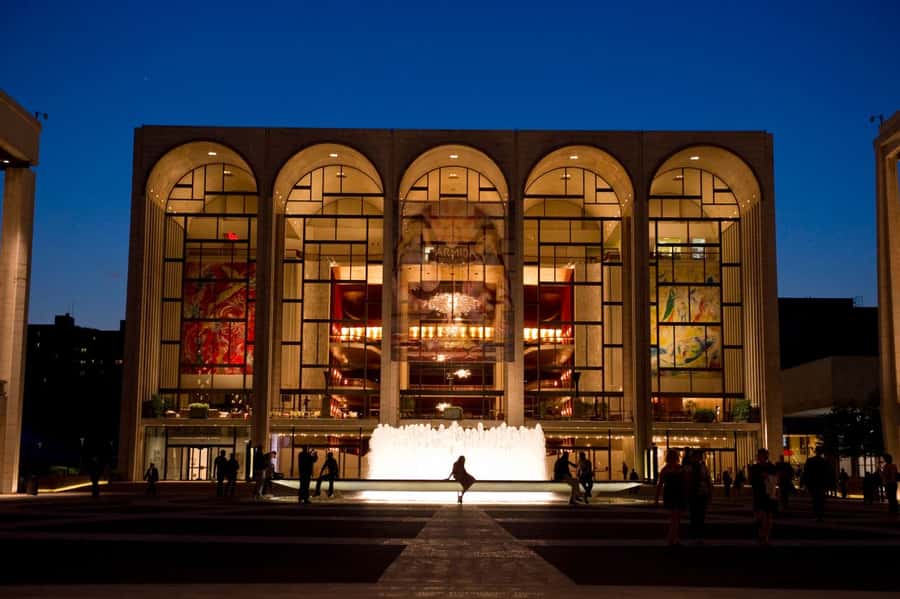
Even if you’re not a fluent opera-language person, you can absolutely keep up here.
You get an audio guide in English, German, Spanish, Italian, and French. That’s included, which means you don’t need to rent or download anything extra on the spot. It’s especially useful for classic works like Verdi and Strauss, where the plot moves with momentum and the sung text matters.
On top of that, the experience notes that real-time translations are available—but the exact languages depend on the show you pick. So before you lock in your seat, check the specific opera’s available translation languages. This is the kind of tiny step that can turn a frustrating evening into a clear, satisfying one.
Timing also matters in a subtle way. The listing says each opera varies in duration and tells you to check your show for run time. And the duration line shown includes a wide range (from 110 minutes to what’s listed as 160 hours), so treat that as a reason to verify the actual runtime for your chosen performance. In practice, you want the real show length, not the generic range.
House rules that affect your night: flash, video, and selfie sticks
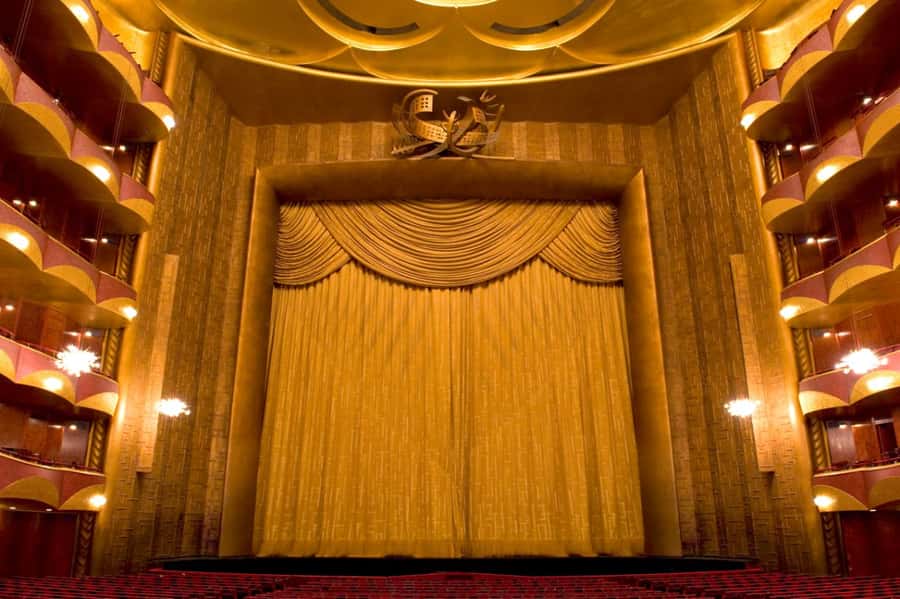
Opera houses are serious about protecting the performance and the performers. Here are the key no-go items for this ticket:
- No selfie sticks
- No flash photography
- No video recording
So yes, your phone can be your phone. Just don’t turn it into a flashlight or a handheld recording device. If you need to snap pictures, plan on using your memory instead of your camera.
One more practical note: since this is a vaccinated-only event, make sure your status is up to date before you head over. It’s not a “check at the door like a suggestion” kind of policy—this one is treated as required.
If you’re bringing anyone who gets anxious about rules, tell them now. Knowing what not to do helps you enjoy the show instead of thinking about it.
Timing and run length: why 110 minutes matters
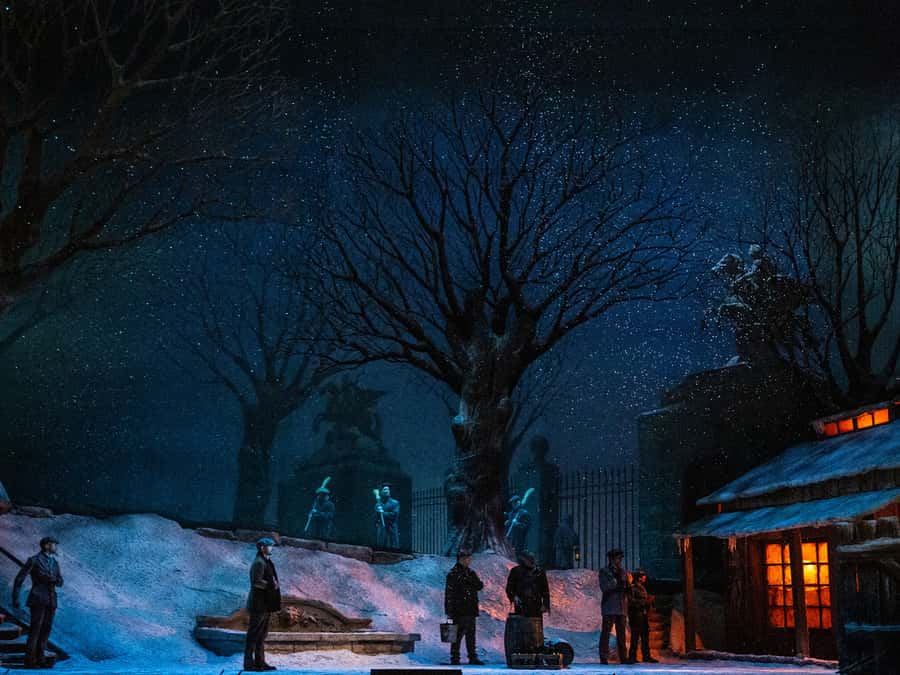
The show length varies by opera, and that’s not a small detail. Your dinner plans depend on it.
Use the starting times to build your evening:
- Pick a show that matches your energy level.
- Don’t schedule a hard appointment right after, because you’re watching a full staged production.
The run-time reminder is worth taking seriously. Some operas will feel like they fly by. Others demand patience because the story and musical themes develop steadily. If you hate waiting around, you’ll probably enjoy a plot-driven option that feels immediately dramatic—think Rigoletto or Tosca. If you want something more family-friendly and visual, The Magic Flute is designed for that.
Also, this is a winter-friendly plan. One confirmed booking highlighted a snowy day and still sounded positive about the evening. It makes sense: once you’re inside, the weather drama is over and the opera takes over.
Who should buy: families, first-timers, and opera diehards
This ticket fits a few different types of people, which is exactly why it’s good value.
Families and first-timers
- Choose The Magic Flute for the English-language abridged format and the puppets.
- It’s also a season tradition, which helps if you want a classic NYC holiday moment.
Modern-story fans
- Pick Grounded for contemporary themes and a story that feels connected to today’s world.
Classic opera lovers
- If you want Verdi, go Rigoletto or Il Trovatore.
- If you want a big romantic tragedy, Rigoletto has that reputation.
- If you want Strauss-scale myth, Die Frau ohne Schatten is the heavy hitter.
People who want energy on stage
- Ainadamar is a strong match because of the flamenco/rumba influence and the dance-forward production style tied to Deborah Colker.
One practical note: if you rely on translations, pick the show with the language options you want. Real-time translation is available, but it’s show-dependent. That’s where you’ll get the most confidence that you’ll follow the plot.
Book or skip? my practical recommendation
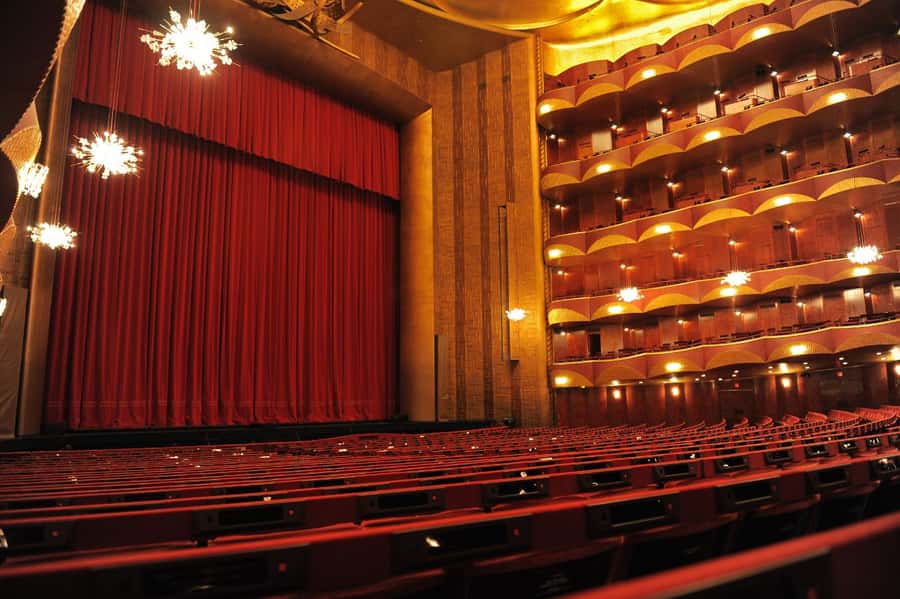
I’d book this if you want a clean, budget-friendly way into one of the world’s most famous opera stages. The combination of a $45 ticket, Lincoln Center entry, and an included audio guide is a real value play. And the lineup is smart: you can go traditional (Verdi, Strauss) or go modern (Grounded) or go family-friendly (The Magic Flute).
Skip it if your schedule is fragile or if you’re not fully comfortable with the vaccination requirement. Also skip it if you’ll be upset by the show length varying—this isn’t a short, casual event.
If you’re unsure which opera to pick, start with what you already like:
- want approachable and visual? The Magic Flute
- want heartbreak and drama? Rigoletto or Il Trovatore
- want modern tension and ethics? Grounded
- want myth and vocal firepower? Die Frau ohne Schatten
- want thriller-style suspense? Tosca
FAQ
Do I get an audio guide with this Met Opera ticket?
Yes. The audio guide is included and is available in English, German, Spanish, Italian, and French.
Is real-time translation available?
Real-time translations are available, but you should check your specific show to see which languages are offered.
How much does a ticket cost?
The price listed is $45 per person.
What’s included in the ticket price?
You get the opera ticket plus entry to Lincoln Center.
Are selfie sticks, flash photography, or video recording allowed?
No. Selfie sticks, flash photography, and video recording are not allowed.
Do I need to be vaccinated to attend?
Yes. Guests must be fully vaccinated, including booster shots if eligible.
What if I need to cancel?
This activity is non-refundable.