REVIEW · NEW YORK CITY
Slavery and African American History Private Tour in NYC
Book on Viator →Operated by New York City Tours · Bookable on Viator
Walking these streets changes how you see NYC. This private tour takes you into the lesser-known, darker side of New York’s past, using real blocks and landmarks to explain enslaved African life, resistance, and how built structures still tell the story. I especially liked the way the guide makes the information clear and digestible, and how the route connects everyday places to enslaved people’s labor, from roads and docks to churches and walls.
What I liked just as much: the tour spotlights the places that get skipped in the usual NYC highlights, including a serious visit to the African Burial Ground National Monument (in the 3-hour option). Guides like Ronald and Joseph (both mentioned in past tour experiences) are praised for strong delivery and lots of detail about buildings and streets, plus the impact Black lives had on the spaces. The main drawback to plan around is simple: this is a walking-focused tour, so it may not be ideal if you want minimal walking.
In This Review
- Key Highlights You’ll Actually Feel
- Starting on One Pace Plaza: Benjamin Franklin Statue to Get Your Bearings
- How the Guide Turns Buildings and Streets Into Enslavement Stories
- African Burial Ground National Monument: Where the Forgotten History Becomes Concrete
- The Colonial-Era Map: Roads, Docks, Churches, and Slave-Built Landmarks
- The Wall Street Connection: A Story Hidden in Plain Sight
- Finishing Near Fraunces Tavern: From Big Names to Real Costs
- Choosing Between the 2-hour and 3-hour Options
- The 2-hour option
- The 3-hour option
- Price and Value: What $192.90 Buys in a Private Tour
- Logistics That Matter: Walking, Language, and Security Checks
- Who Should Book This Tour (and Who Might Skip It)
- Should You Book It?
- FAQ
- How long is the private slavery and African American history tour?
- Where does the tour start?
- Where does the tour end?
- What’s the difference between the 2-hour and 3-hour options?
- Is admission to the African Burial Ground National Monument included?
- Do I need to go through security?
- Is this tour private or group-based?
- What language is the guide available in?
Key Highlights You’ll Actually Feel
- African Burial Ground National Monument visit (3-hour option) with exhibits and a film experience about the enslaved and their journey.
- Stories tied to what you see: roads, docks, churches, and other structures built by enslaved Africans.
- Built-environment clues that many people miss, like the slave-built wall tied to Wall Street’s name.
- Up-close city geography: routes that connect the Benjamin Franklin Statue area to Pearl Street and the Fraunces Tavern area.
- A guide who explains not just facts, but how to read the city’s layout and power structure.
Starting on One Pace Plaza: Benjamin Franklin Statue to Get Your Bearings
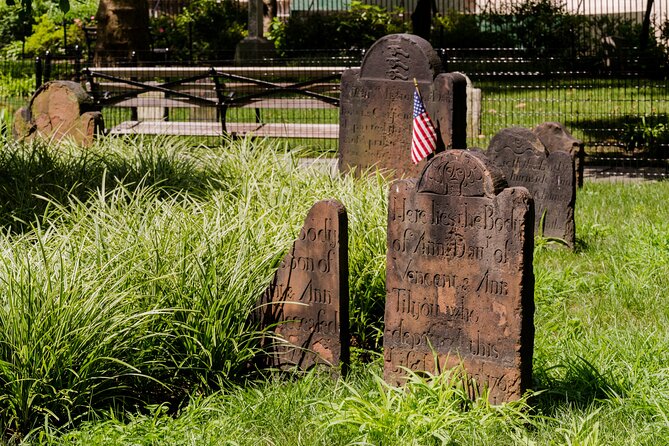
The tour begins outside the Benjamin Franklin Statue, opposite Pace University, at One Pace Plaza. It’s a smart meeting point: you’re in a major transit area, and you can find the start without turning it into an all-day scavenger hunt. Plus, Benjamin Franklin is a clue you’re walking toward the Founding-era part of the city—then the tour quietly flips the story to who paid the price.
Right away, your guide sets expectations for what the walk will do. This isn’t just about dates. You’re learning how to look at streets and buildings and ask: Who built this? Who was forced to build it? Who benefited?
And if you’re expecting a purely museum-style tour, adjust your mindset. This is street-level history: the kind that makes you notice details you normally walk right past.
You can also read our reviews of more private tours in New York City



How the Guide Turns Buildings and Streets Into Enslavement Stories
One of the best things about this experience is the theme. Your guide explains the darker parts of New York’s story using a tight connection between enslaved African life and specific places you pass.
You’ll hear stories about daily life for people enslaved in colonial New York, and about rebellion—because resistance wasn’t rare, and it wasn’t invisible. The tour also focuses on myths and misconceptions about slavery in New York City, which helps you separate what the city’s monuments often teach from what enslaved people actually lived.
The practical win here is that the guide doesn’t just list facts. They point out how the city grew around enslaved labor. When you later see churches, walls, docks, or market areas referenced in older maps, you’ll know how to interpret them.
African Burial Ground National Monument: Where the Forgotten History Becomes Concrete
If you do the 3-hour option, the African Burial Ground National Monument is the centerpiece. This archaeological site matters because it makes the story physical. You’re not only learning about enslaved people—you’re standing in a place tied to thousands of burials.
The tour description notes that up to 15,000 Africans were buried between the 1690s and 1794. That scale is heavy, and it changes the tone of the walk. This is where you go beyond a general overview and into a site designed to explain what happened and why it was erased.
You can expect a visitor experience that includes a film, images, artifacts, and related exhibits. That mix is useful. Some parts you’ll understand instantly; others may land more slowly because you’re seeing material evidence, not just hearing a narrative.
One important logistical note: there are mandatory security checks at the visitor center. Build in a little buffer so the day doesn’t feel rushed.
The Colonial-Era Map: Roads, Docks, Churches, and Slave-Built Landmarks

Even when you’re outside the visitor center, the tour keeps pulling you back to how enslaved labor powered the city. During the colonial period, as many as 20 percent of New Yorkers were enslaved Africans, performing almost all of the heavy labor needed to build the city’s infrastructure. That statistic isn’t presented as trivia. It’s used as a lens for everything you walk past.
The route includes several major landmarks tied to enslaved labor:
- St. Paul’s Chapel and Trinity Church, which were originally built by enslaved people
- A path past New York City Hall
- Discussion of a slave-built wall, connected to the origin of Wall Street’s name
- A reference to a building that housed the former slave market
What makes this section valuable is the way the guide connects the physical layout to power. You’ll see how the city’s religious spaces, finance-focused streets, and commercial areas grew from the same forced system. That’s the kind of connection that doesn’t show up in typical skyline sightseeing.
If you’re the type who loves turning history into a mental map, this part delivers. You’ll walk away with a clearer sense of Lower Manhattan’s layers: settlement, labor, commerce, and control.
The Wall Street Connection: A Story Hidden in Plain Sight
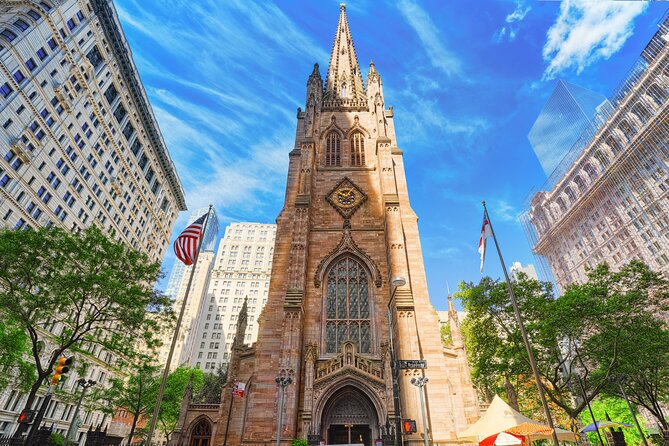
The slave-built wall detail is one of those “how did I not notice that?” moments. The tour explains that Wall Street got its name from a wall built by enslaved people.
This is powerful because it turns a modern business district nickname into something morally legible. Instead of thinking of Wall Street as only banks and trading, you’re reminded that coercion and construction were part of its earliest physical foundation.
It also helps you read the city’s language. Names, streets, and landmark references often hide older realities. Once the guide points it out, you’ll start seeing the pattern in other places across NYC.
You can also read our reviews of more historical tours in New York City






Finishing Near Fraunces Tavern: From Big Names to Real Costs
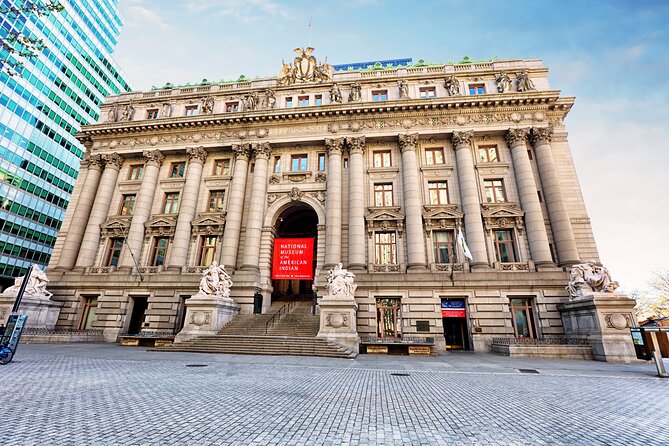
As the tour continues, it passes Pearl Street and ends near the historic Fraunces Tavern area. Fraunces Tavern is linked to one of the Founding Fathers, George Washington, and that matters because it sits right on the usual tourist path of American origins.
The effect is deliberate. The walk brings you from familiar founding-era symbolism into the labor system that made colonial and early federal America function. You end at a spot people associate with leadership and diplomacy—then you leave with the harder context of who did the work.
You might also notice that the tour’s ending is listed as returning to the meeting point. Either way, you’ll finish in the same Lower Manhattan zone, so you’re not stranded across town when you’re emotionally done with your day.
Choosing Between the 2-hour and 3-hour Options
This is one of the easiest decisions to get right, because the difference is practical.
The 2-hour option
You’ll still get the slavery and African American history focus, with the number of attractions depending on the option. But admission to the African Burial Ground National Monument is not included in the 2-hour version.
So if you care deeply about the museum/exhibit portion—especially the film and artifact displays—don’t treat the shorter tour as the same experience. It can be a good sampler, but it won’t give you the monument experience in full.
The 3-hour option
This is the option that enriches the experience with the African Burial Ground National Monument visit. Admission is included, and the visitor center experience is part of why this tour has such strong impact.
If you only have time for one version, choose the 3-hour when your goal is learning and remembrance, not just orientation.
Price and Value: What $192.90 Buys in a Private Tour
At $192.90 per person, this isn’t a bargain-bus tour. But it’s also not priced like an ultra-luxury private experience. You’re paying for a history expert guide and a private format focused tightly on slavery and African American history.
What makes the pricing feel more fair is the concentration of learning. You’re not spending your time bouncing between unrelated stops. The route is built around a theme: enslaved life, resistance, and how Lower Manhattan’s physical spaces reflect forced labor.
Also, this is described as frequently booked about 47 days in advance, which often means people plan it as a “must-do” history block during a NYC trip, not as a last-minute add-on. When a tour is planned that way, it’s usually because people want the content to land, not because they want a casual stroll.
If you’re traveling with a small group, private format can also feel like better value than it first appears. The guide can answer your questions and adjust pacing without competing with strangers’ interests.
Logistics That Matter: Walking, Language, and Security Checks
This tour is private, and only your group participates. That matters if you want a more thoughtful pace and space for questions.
It’s also near public transportation. That’s helpful in New York, where even good plans can fall apart if you’re far from transit.
Language support is offered: the guide is fluent in the language of your choice. If English isn’t your first language, this is the kind of tour where a strong guide matters more than you’d expect.
One more real-world factor: security checks at the African Burial Ground Visitor Center. If you’re the type who hates waiting, arrive with a little patience built in.
And yes—expect walking. One past experience highlighted that the tour has lots of walking, which is great for people who like moving through the city, but not ideal if you want a sit-and-see style.
Who Should Book This Tour (and Who Might Skip It)
Book this if you want NYC history that is specific, grounded, and tied to place. It’s ideal for:
- First-time visitors who know the basics and want the missing chapter
- People who care about African American history and how it shaped the city
- Anyone who likes learning through a walking route rather than a single museum room
- Travelers who want a guide who can explain with clarity and structure
Consider skipping or choosing the shorter option if:
- You have mobility limits or you don’t enjoy extended walking
- You mainly want quick orientation and less time inside the visitor center experience
Should You Book It?
Yes, with a clear reason. If you care about connecting New York’s well-known landmarks to the people who built them under coercion, this tour gives you that link in a way that feels respectful and grounded.
I’d choose the 3-hour option if you want the full impact of the African Burial Ground National Monument experience, including the exhibits and film. I’d choose the shorter 2-hour option if you’re time-crunched but still want a private guide to set you straight on the city’s harder story.
Either way, plan for walking, build in time for security at the visitor center (if you go), and go in with curiosity. This is the kind of tour that doesn’t just add facts—it changes how you read the city’s streets afterward.
FAQ
How long is the private slavery and African American history tour?
It runs about 2 to 3 hours, depending on which option you choose.
Where does the tour start?
The meeting point is in front of the Benjamin Franklin Statue, opposite Pace University, at One Pace Plaza, New York, NY 10038.
Where does the tour end?
The activity is listed as ending back at the meeting point. The route also passes Pearl Street and finishes outside the historic Fraunces Tavern area.
What’s the difference between the 2-hour and 3-hour options?
The key difference is African Burial Ground admission. Admission to the African Burial Ground National Monument is included only in the 3-hour option, not the 2-hour option.
Is admission to the African Burial Ground National Monument included?
Yes, it’s included for the 3-hour option only.
Do I need to go through security?
Yes. All visitors to the African Burial Ground Visitor Center must pass mandatory security checks.
Is this tour private or group-based?
It’s a private tour/activity. Only your group participates.
What language is the guide available in?
The guide is fluent in the language of your choice, and the tour is offered in English.