REVIEW · NEW YORK CITY
Soho, Little Italy, Chinatown
Book on Viator →Operated by CityShuffles · Bookable on Viator
Cast-iron streets tell stories fast. This 2-hour walk through SoHo, Little Italy, and Chinatown is built around architecture you can actually see up close, plus tight storytelling that connects neighborhoods to real New York. I like the way the route hits the big visual moments, including stops for the most beautiful cast iron buildings and some of NYC’s best hand carved stone work. One thing to think about: the tour can mean about 5,000 steps, so pace yourself if weather or your legs are an issue.
My favorite part is the guide-led flow. You’ll get a licensed NYC guide with 10+ years experience, and the style sounds like what you want on a short outing: clear context, good humor, and practical neighborhood insight you can use right away. Based on guide names that have led groups, you might end up with someone like SoHo Mike or a guide named Jon/John, and the common thread is strong storytelling rather than a rushed checklist. It’s also a small group setup (up to 25), so questions and side comments feel natural.
The last consideration is expectations around food. There’s a snack break at Ferrara Bakery & Cafe, but snacks aren’t included—you buy what you want. If you’re hungry at the start, plan to eat lightly before you go so the 15-minute stop feels like a fun bonus, not your entire meal.
In This Review
- Key highlights to know before you go
- Starting at Spring Street Park: the walk begins with real curb appeal
- SoHo’s hand carved stone and the police origins stop
- Ferrara Bakery & Cafe snack break: short and useful, not a meal plan
- Little Italy: restaurants, mob stories, and integration lessons
- Chinatown: history plus modern culture in a tight 20 minutes
- SoHo’s fashion and modeling district story: why it matters
- How the 2-hour pace really feels on your feet
- What this tour is best at (and who might enjoy it most)
- Price and value: $29 for three neighborhoods and a story-forward guide
- Ending at Columbus Park: the tour closes near Mulberry and Baxter
- Should you book Soho, Little Italy, and Chinatown?
- FAQ
- How long is the tour?
- What does the tour cost?
- Is the tour in English?
- What’s included in the price?
- Do I get snacks during the break?
- Where do I meet the group?
- Where does the tour end?
- What time does the tour start?
- What’s the maximum group size?
- What’s the cancellation policy?
Key highlights to know before you go
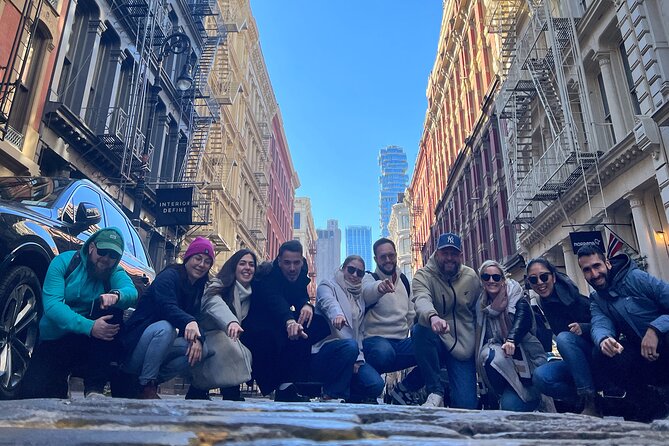
- SoHo architecture stops featuring the cast-iron building details people rave about
- Hand carved stone architecture stop, with stories tied to what you’re looking at
- New York police origins covered as you walk, not in a museum room
- Ferrara Bakery & Cafe snack break for a quick treat you can purchase on your own
- Three neighborhoods in two hours: Little Italy, Chinatown, then SoHo
- Small group size (max 25) with English-speaking guidance and a mobile ticket
Starting at Spring Street Park: the walk begins with real curb appeal
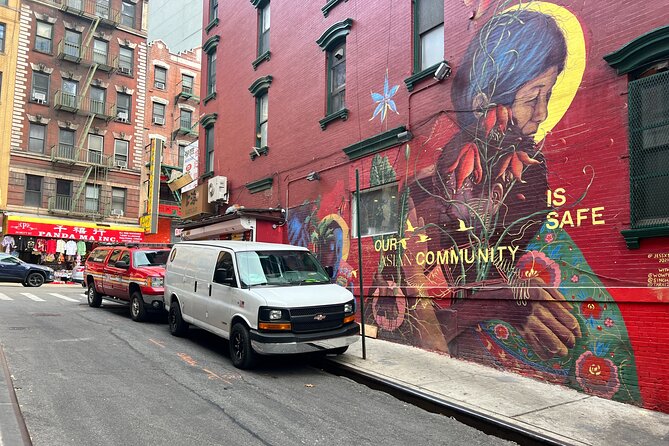
Most neighborhood tours start by saying where you are. This one starts by letting you see it. You meet at Spring Street Park (Spring St, New York, NY 10013) at 2:00 pm, and you begin immediately with the kind of architecture that makes you slow down without trying.
The first big visual moment is a stop for what many people consider the most beautiful cast iron buildings. Even if you’re not an architecture nerd, cast iron has a built-in effect: it’s crisp, patterned, and photogenic from street level. The value here isn’t just the sight—it’s that the guide helps you understand why the building looks the way it does and how that style became part of New York’s personality.
You’ll also get the basic rhythm of the tour quickly. It’s not a “stand for ten minutes and wait” situation. The plan is structured, but the pacing still leaves room for short questions and quick photo moments when you hit something special.
You can also read our reviews of more walking tours in New York City



SoHo’s hand carved stone and the police origins stop
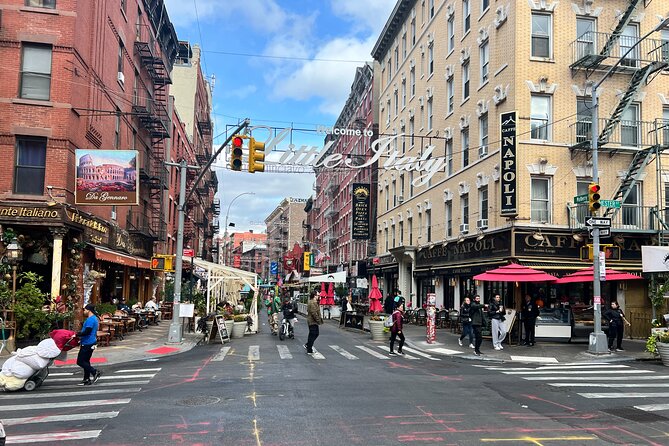
After the cast iron highlight, the tour pivots to another architectural style that people often rank as NYC’s best: a stop for hand carved stone buildings. Hand carving is the difference between something that looks decorative and something that looks deliberately crafted. Up close, the details can feel almost busy, like the building is wearing a suit.
Then the walk adds a plot twist that I think makes this itinerary more than just pretty streets: you’ll discover the origins of NYC’s police. That’s a smart move for a two-hour format. Architecture tells you how the city looked. Police origins tell you how the city functioned. Together, they give you context that doesn’t require a separate museum ticket or a whole afternoon commitment.
If you like when a walking tour connects past and present, this is one of the best parts. It turns what could be a casual photo stroll into a “wait, I didn’t know that” moment—without losing momentum.
Ferrara Bakery & Cafe snack break: short and useful, not a meal plan
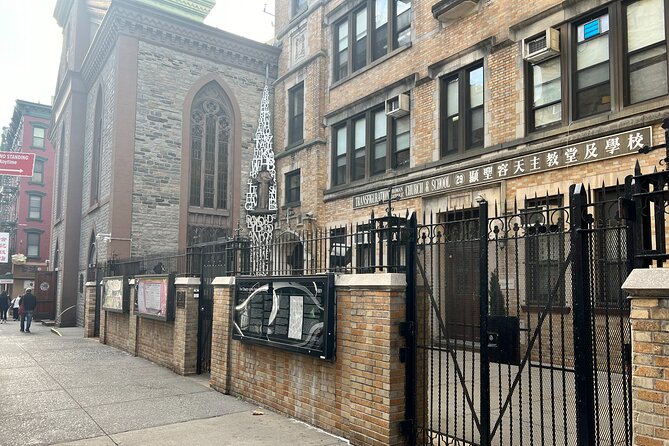
About 15 minutes gets set aside for a stop at Ferrara Bakery & Cafe. The important detail: admission is free for the stop, but snacks aren’t included. So you’ll have time to buy something if you want—then you’re back on the sidewalk fast.
I like snack breaks that are short because they keep the tour honest. You’re not paying extra for a long sit-down. You’re getting a chance to refuel, grab something small, and keep your energy for the next neighborhood blocks.
Practical tip: treat this as a topping, not your main event. If you start the tour too hungry, the 15-minute window can feel tight. If you arrive having eaten earlier, you’ll enjoy it more and won’t feel rushed at the counter.
Little Italy: restaurants, mob stories, and integration lessons
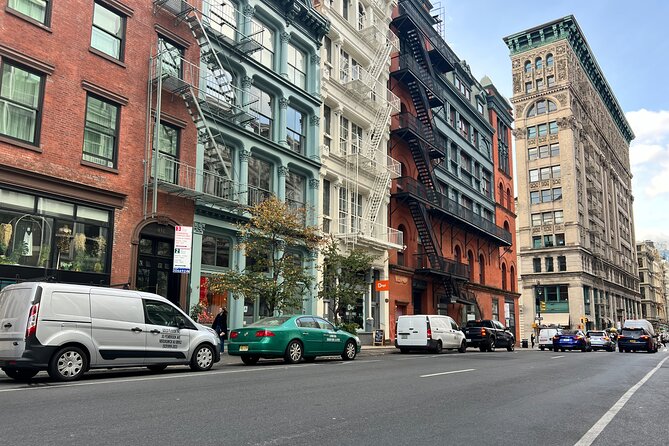
Next comes Little Italy, with a 30-minute stop. This part is built for people who want more than food photos. You’ll learn about great restaurants and hear mob stories, but the most interesting angle is how the tour connects those stories to how Italians learned to integrate into the city.
That integration element is what makes the neighborhood feel less like a themed set and more like a real community story. “Mob stories” alone can turn a tour into sensational trivia. But paired with integration, it becomes a window into how immigrant communities lived, adapted, and reshaped their neighborhood—sometimes with help, sometimes with conflict, often with both.
What you can do on this stop: listen for the way daily life gets woven into the bigger legends. If the guide mentions patterns of how communities formed and changed, lean into it. That’s the kind of context that helps you recognize what you’re seeing today.
Chinatown: history plus modern culture in a tight 20 minutes
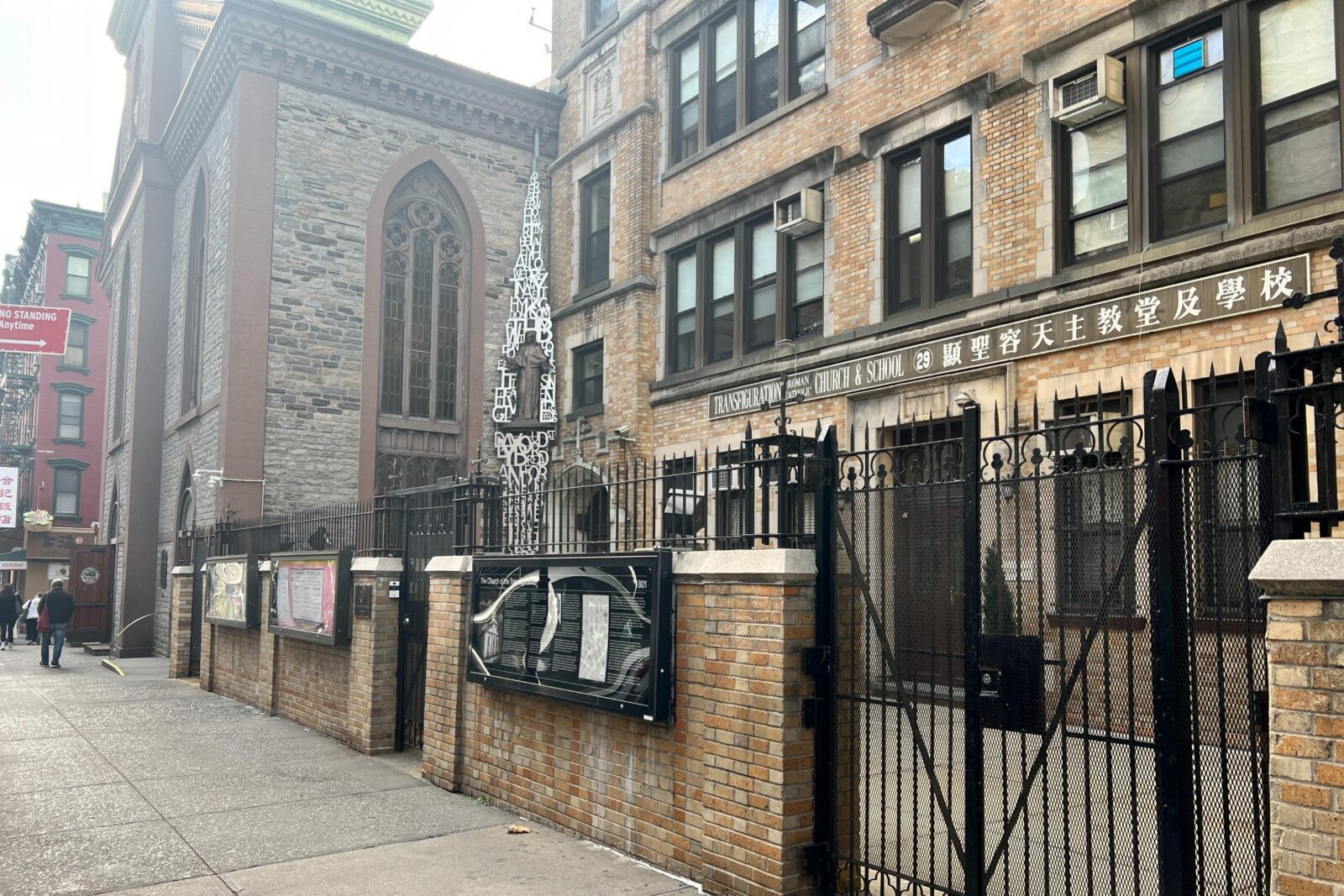
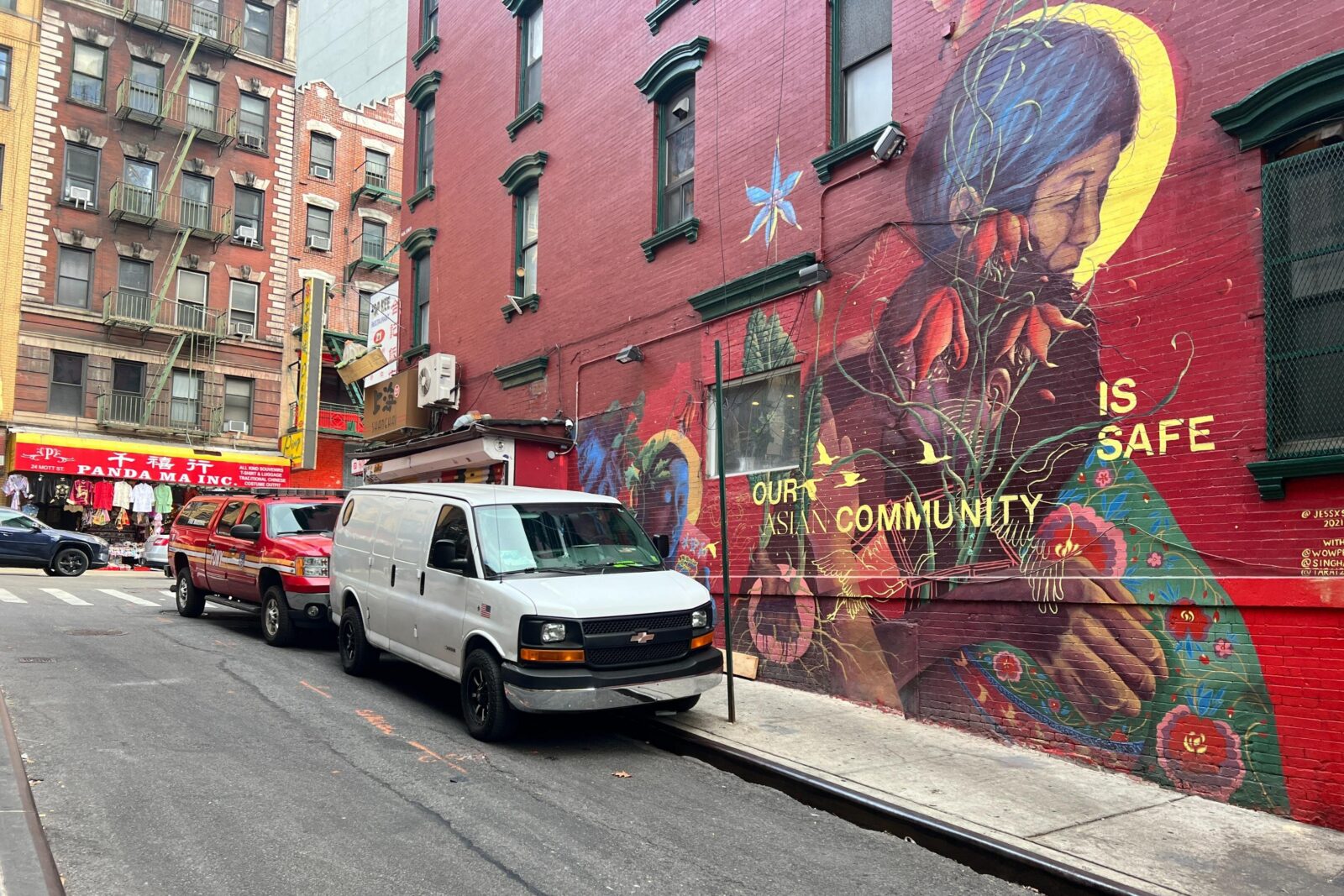
Chinatown takes about 20 minutes, and the focus is the history of Chinatown alongside its modern culture. That combination matters because Chinatown isn’t frozen in time. It’s layered—old roots, new storefronts, and the kind of everyday life you only really notice when someone points it out.
This is also where the short-tour format works in your favor. In a longer tour, you could lose the thread by wandering too far. Here, the time is controlled, so the guide can keep the narrative moving: what Chinatown became, and what it is now.
If you’re the type who likes to understand what you’re looking at—signs, community details, and street-level energy—this segment should click. You won’t leave with every fact memorized, but you’ll leave with a stronger “map” in your head for how the neighborhood works.





SoHo’s fashion and modeling district story: why it matters
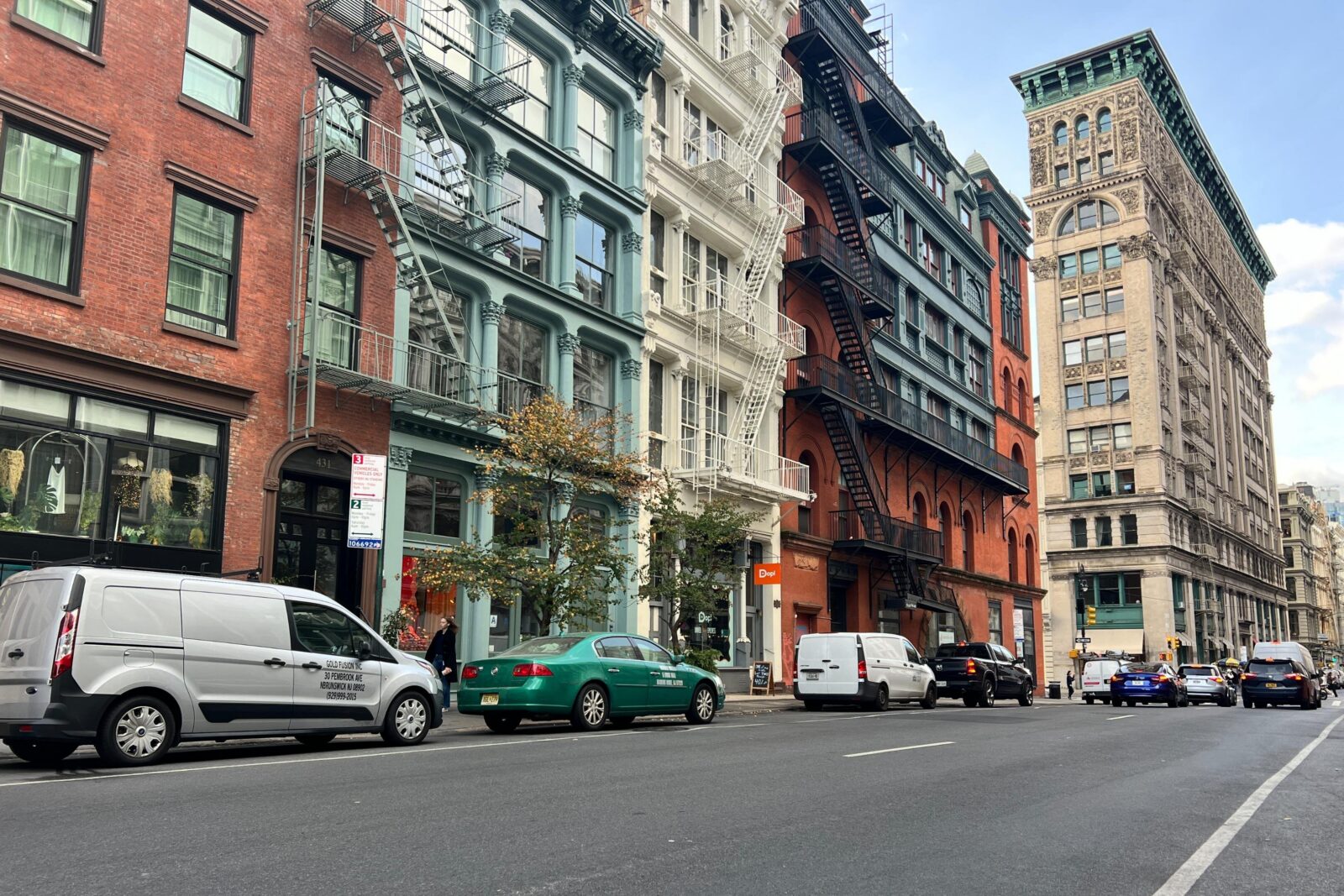
The final neighborhood stop is SoHo, with another 20 minutes. The emphasis here is the history of the fashion and modeling district.
I like how this isn’t just branding talk. It frames SoHo through the lens of the industries people associate with it, which helps you interpret the streets you’ve just walked. By the time you reach this portion, you’ve already seen how architectural styles shaped the neighborhood’s visual identity. Now you add the cultural function: what kind of work and creative energy SoHo became known for.
Soho can feel like a place you either love for shopping or overlook as just another downtown area. This stop gives you a reason to look beyond retail windows. It encourages you to notice how the city’s look and its work culture feed each other.
How the 2-hour pace really feels on your feet
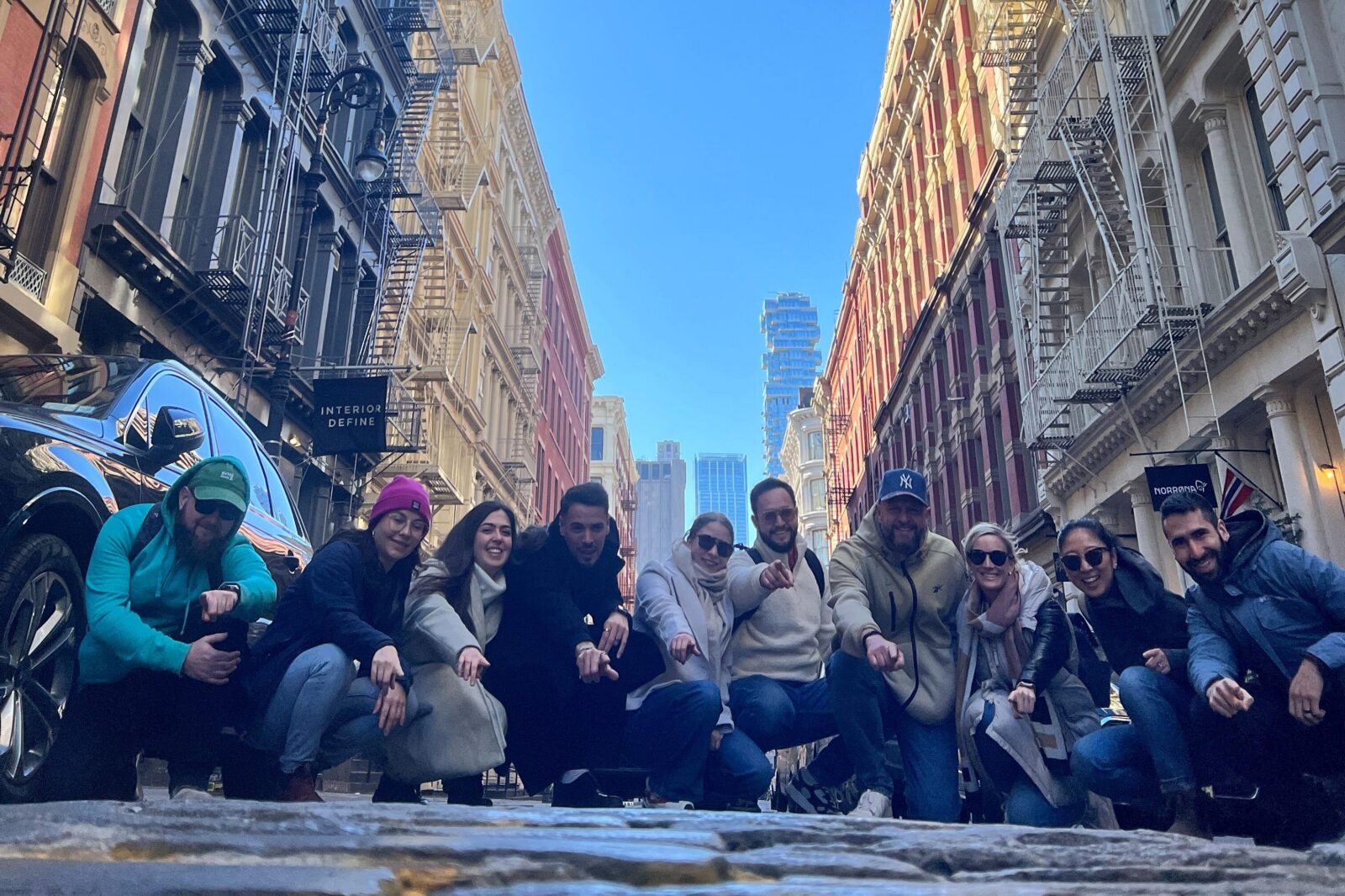
The itinerary is designed around a steady rhythm: multiple architecture stops, then a short snack break, then three neighborhood segments with times that keep things moving. Plan on a walk that’s active enough to be memorable, but not so long that you’ll be destroyed by the end.
Still, the big practical point is steps. The tour is described as accessible to anyone who can handle 5,000 steps in the weather condition of that day. That doesn’t mean you need to be a marathoner. It does mean you should wear comfortable shoes and be ready for city pavement, curb cuts, and stop-start walking.
Group size is capped at 25, which usually means you can hear the guide without shouting over a huge crowd. And since it’s English, you’re not going to miss key story beats through translation gaps.
What this tour is best at (and who might enjoy it most)
This is a great fit if you want:
- Architecture + city stories in a short window
- A guided walk that changes neighborhoods often, so the experience stays fresh
- Food context, including food recommendations during the way, not just a random place to eat
It also seems to work well across ages. One of the strongest signals from past groups is that a teen can stay engaged when the guide blends neighborhood facts with everyday life details. If you’re traveling as a family, it’s easier when the tour includes variety instead of repeating the same kind of stop.
Who should think twice? If you struggle with long walking days or you’re traveling in poor weather, the steps requirement is the one factor I wouldn’t ignore. You can still have a good time, but you’ll want to go in knowing it’s an active stroll.
Price and value: $29 for three neighborhoods and a story-forward guide
At $29 per person for about 2 hours, this tour is priced like a value play: you pay less for time than you would for most museum tickets, but you get a guide who ties together multiple parts of downtown.
The value comes from three places:
- A licensed NYC guide with 10+ years experience (so you’re paying for interpretation, not just movement)
- A route that covers three distinct areas (SoHo, Little Italy, Chinatown) without you having to plan transit hop-by-hop
- Story stops that you’d likely miss on your own, like the origins of NYC’s police plus the architecture highlights
Add in the snack break at Ferrara, and it becomes a “do something, learn something, and eat something small” type of afternoon. Just remember: the snack itself is for purchase, so budget a little extra if you plan to buy a treat.
One more practical angle: the tour is often booked about 52 days in advance on average. That’s a good sign for popular timing. If you’re traveling in a busy season or on a specific date, don’t wait.
Ending at Columbus Park: the tour closes near Mulberry and Baxter
You finish at Columbus Park near Mulberry Street & Baxter Street. Ending here is convenient because it puts you back in an active downtown area where it’s easier to continue your day on foot or connect to public transit.
It also helps the pacing. When a tour ends far from where you started, you spend part of your remaining energy getting oriented. Here, the route feels cohesive: start at Spring Street Park, move through these neighborhoods, and end in a place that keeps your options open.
Should you book Soho, Little Italy, and Chinatown?
Book it if you want a short, guided walk that mixes architecture, neighborhood storytelling, and food recommendations without turning into a long day. It’s especially appealing if you like when someone explains why places look the way they do, and how that connects to city life.
I’d skip or reconsider if 5,000 steps in the weather of the day sounds too hard. And if you’re expecting an all-you-can-eat food tour, adjust your mindset: the Ferrara stop is for a quick snack you can buy, not an included meal.
If you’re after an afternoon that gives you context you can carry into the rest of your NYC time, this is an easy yes.
FAQ
How long is the tour?
It runs for about 2 hours.
What does the tour cost?
The price is $29.00 per person.
Is the tour in English?
Yes, it’s offered in English.
What’s included in the price?
You get a licensed NYC tour guide with 10+ years experience. Admission to the snack stop is listed as free, but snacks themselves are not included.
Do I get snacks during the break?
No. Snacks can be purchased separately during the Ferrara Bakery & Cafe break.
Where do I meet the group?
You start at Spring Street Park, Spring St, New York, NY 10013.
Where does the tour end?
The tour ends at Columbus Park near Mulberry Street & Baxter St, New York, NY 10013.
What time does the tour start?
The start time is 2:00 pm.
What’s the maximum group size?
The tour has a maximum of 25 travelers.
What’s the cancellation policy?
You can cancel for a full refund up to 24 hours before the experience starts. If you cancel less than 24 hours before, the amount paid is not refunded.