REVIEW · NEW YORK CITY
Soul of Harlem: Striver’s Row, Apollo Theatre & Gospel Heritage
Book on Viator →Operated by New York City By Foot · Bookable on Viator
Harlem history feels close when you walk it. This small-group tour strings together the Schomburg Center, Strivers’ Row, and the Apollo Theatre, with Sunday added gospel access. You’ll cover centuries of change in a way that’s about people, not just buildings.
I love that the tour starts with the Schomburg Center, where you get context for the Harlem Renaissance through newer civil rights eras (including Black Lives Matter–era exhibits, when available). I also love the live-music stops—Bill Saxton at Bill’s Place and the Apollo’s star power—because the story stays tied to culture you can still hear today.
One consideration: the pacing can swing a bit based on weather and the guide’s teaching style. In cold conditions, I’d plan for more indoor learning or photo-based context, and you should wear layers and keep your expectations flexible if there’s a hard time limit.
In This Review
- Key things to look for
- Entering Harlem’s Story With the Schomburg Center First
- Abyssinian Baptist Church: A Landmark That’s Been Here a Long Time
- Strivers’ Row: The Row Houses, the Alleys, and the Big Names
- Bill’s Place and Swing Street Memories in 20 Minutes
- Apollo Theatre: Stars, Stagecraft, and Living Legend
- Sunday Gospel Access: When the Walk Turns Into a Church Experience
- How the 2 Hours Actually Feel on Your Feet
- Price and Value: Is $39 Reasonable for This Much?
- Who This Tour Suits Best (and Who Might Want Another Option)
- A Quick Word on Meeting Points and Being Ready
- Should You Book Soul of Harlem?
- FAQ
- How long is the tour?
- What does the tour cost?
- What language is the tour in?
- What stops are included in the walk?
- Is gospel included?
- Is admission included for the stops?
- How big is the group?
- Is it easy to reach by transit?
- Can I bring a service animal?
- Can I cancel for a refund?
Key things to look for
- Schomburg Center first: free admission and rotating exhibits that frame Harlem’s story in eras you can name.
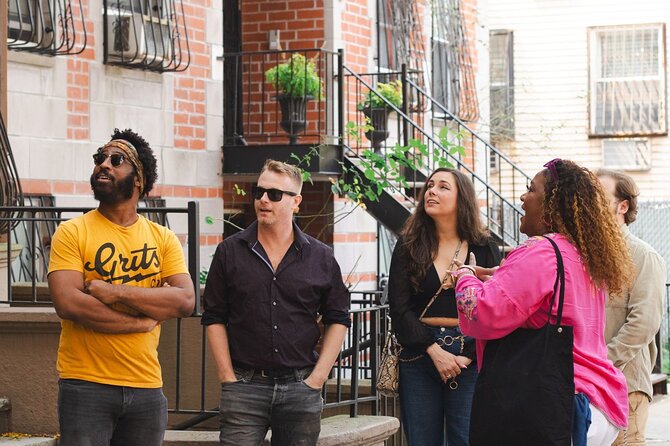
- Strivers’ Row on foot: 1890s-era row houses, alleyways, and rear shared courtyards you can actually see.
- Abyssinian Baptist Church: an old institution in Harlem since 1902, with deep roots in the city’s faith history.
- Bill’s Place swing connection: Harlem jazz icon Bill Saxton performs, and the stop connects the neighborhood to major American vocal legends.
- Apollo Theatre spotlight: a guided stop at a stage that’s launched stars for decades, timed for concerts when they’re on.
- Sunday gospel access: skip-the-line entry for a gospel experience on Sundays (so the day feels bigger than a normal walk).
Entering Harlem’s Story With the Schomburg Center First
If you’re the type who thinks you already know Harlem, this start usually proves you wrong—in a good way. The tour begins at the Schomburg Center for Research in Black Culture, a standout New York Public Library research hub that focuses on the African-American experience. The key is that it gives you a lens before you step outside.
You’ll have about 20 minutes there, and what makes it especially useful is the way the exhibits are organized around time periods. Depending on what’s running, you may see displays tied to the Harlem Renaissance and the civil rights era, and you might also catch exhibits connected to the Black Lives Matter movement. That matters because the street-level stops later make more sense when you’ve already anchored your brain to the main movements.
Practical tip: bring your curiosity, not just your camera. Look for themes—migration, politics, art, music—then you’ll notice those themes again at Strivers’ Row and around the Apollo.
You can also read our reviews of more historical tours in New York City



Abyssinian Baptist Church: A Landmark That’s Been Here a Long Time
Next comes Abyssinian Baptist Church, where the tour slows down for about 30 minutes. This isn’t a quick photo stop. The church has been in New York for over 220 years and has lived in Harlem since 1902, making it one of the oldest Baptist churches in the United States.
What you should take away from this stop isn’t only the age of the congregation. It’s the idea that Harlem’s cultural life has always been tied to community institutions—places where people gather, debate, organize, and sing. Even if you aren’t religious, you’ll likely feel the weight of a living neighborhood landmark that has endured.
What to do: listen to your guide’s framing before you start snapping pictures. Church spaces often have their own pace and rules, and the tour works best when you treat the building with care rather than rushing through it.
Strivers’ Row: The Row Houses, the Alleys, and the Big Names
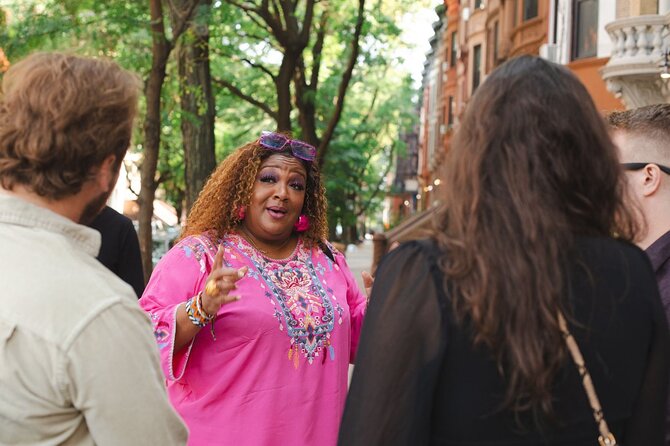
Strivers’ Row is the heart of the walk, with about 20 minutes here. This district is known for its beautiful row houses, but what makes it more interesting than a generic “historic homes” stop is the layout: alleyways, rear shared spaces, and courtyards built in the 1890s. Those details are exactly why a walking tour works.
You can stand in front of a row house and still picture everyday life behind the scenes—how neighbors connected, how space was shared, and how the neighborhood functioned at ground level. It’s not just architecture; it’s how people lived.
The tour also ties those streets to major Harlem figures. Expect to hear names like tap dancer and actor Bill Bojangles Robinson, heavyweight boxer Harry Black Panther Willis, Congressman Adam Clayton Powell Jr., and William Marion Cook, known as the first Black Broadway musical composer. When you learn those connections alongside what you can see—courtyards, shared rear spaces, and alley access—the stories don’t feel abstract.
The value for you: if you care about the Harlem Renaissance, jazz, or the political rise of Black leaders in the 20th century, Strivers’ Row gives you a “here’s where it happened” feeling. You leave with streets that match the names.
Bill’s Place and Swing Street Memories in 20 Minutes
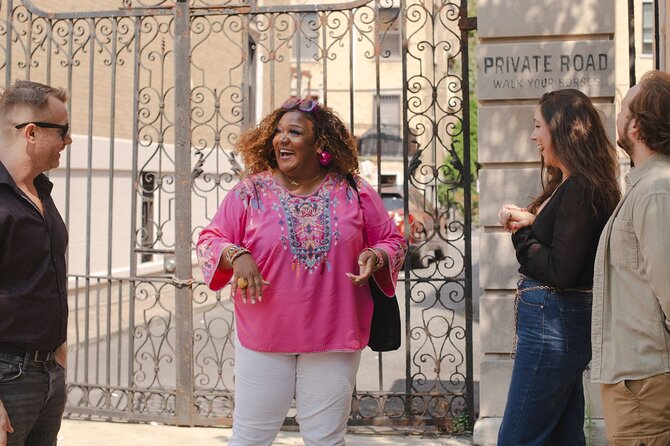
Bill’s Place is a short stop, around 20 minutes, but it’s one of the most “alive” parts of the tour. The setting is Harlem’s original Swing Street, and the owner, Harlem jazz icon Bill Saxton, performs. The tour also frames this as part of the broader American swing and jazz tradition, connecting the music to major vocal legends, including Billie Holiday.
Even with limited time, this works well because you’re not just hearing names. You’re hearing how the neighborhood’s music identity still shows up in performances. It’s the kind of stop that breaks up the heavier historical moments so the tour feels balanced.
My advice: keep your expectations realistic about time. This is not a full concert. But it’s a focused taste of Harlem’s sound, right in the place where the vibe has long mattered.
Apollo Theatre: Stars, Stagecraft, and Living Legend
Then you hit the Apollo Theatre, with about 30 minutes to take it in. The Apollo is presented in classic terms—where stars are born and legends are made. During the promotional period for this tour, the Apollo was also highlighted as celebrating 90 years, with mentions of major artists like Usher, Smokey Robinson, Mary J. Blige, and Babyface.
Even without leaning on celebrity names, the Apollo stop can do something important: it shows you how Harlem exported culture beyond its boundaries. The theatre is a physical reminder that the neighborhood’s talent wasn’t stuck in one place—it traveled, got broadcast, and helped shape American entertainment.
What you’ll get from this stop: a guided explanation of why the Apollo matters, plus time to look around and understand its role in the larger story of Harlem’s rise and reinvention.





Sunday Gospel Access: When the Walk Turns Into a Church Experience

On Sundays, the tour adds a gospel experience at a local church, with skip-the-line access. That’s the big difference between a weekday walk and a Sunday outing. The walk already covers the neighborhood’s spiritual anchor in a historical sense through Abyssinian Baptist Church, but the Sunday option pushes it further—into performance and worship.
Because the gospel piece is listed specifically as Sundays only, plan your schedule accordingly. If you choose a Sunday tour, you’re not just sightseeing; you’re stepping into a living event.
Who will love this most: people who want music with emotion attached to it, and anyone who likes culture that’s meant to be heard and felt in real time.
How the 2 Hours Actually Feel on Your Feet
The stop times add up to about two hours on paper: 20 minutes at the Schomburg Center, 30 at Abyssinian Baptist Church, 20 at Strivers’ Row, 20 at Bill’s Place, and 30 at the Apollo Theatre. In real life, you’ll also spend time walking between points, so you should plan for a fairly efficient route.
This matters if you’re used to long wandering tours. This one is designed to hit major anchors without dragging. For most people, that’s a plus. If you tend to ask a lot of questions or like to linger, go in knowing your guide will likely keep things moving.
Also, keep in mind weather. One review described a situation where cold conditions led to more picture-based teaching, which slowed the outdoor rhythm. That doesn’t mean the tour is bad—it just means you should dress for the weather and accept that sometimes learning time shifts indoors.
Price and Value: Is $39 Reasonable for This Much?
At $39 per person for an approximately 2-hour guided walk, the value comes from three things working together:
- A real guide, not just a route. The tour is led by local Harlem residents and award-winning tour guides. That’s what turns “I saw buildings” into “I understand how the neighborhood changed.”
- Free admission at the key stops. The Schomburg Center, Abyssinian Baptist Church, Strivers’ Row, Bill’s Place, and the Apollo Theatre are listed with free admission tickets for this activity. So your money isn’t going toward entry fees; it’s going toward interpretation and live/onsite experiences.
- Sunday gospel access (when offered). On Sundays, you get skip-the-line access to a gospel experience. That single add-on can easily justify the cost if gospel music is high on your list.
If your goal is a fast, high-impact overview—without spending your day juggling tickets—this price fits the way it’s structured.
Who This Tour Suits Best (and Who Might Want Another Option)
This is a strong match if you’re into Harlem’s intersections: music and theatre, the Harlem Renaissance and civil rights context, and the way row houses and community institutions connect to famous names.
It also makes sense if you like small-group experiences. The tour caps at a maximum of 18 travelers, which usually helps your guide keep the group engaged and makes the Q&A more practical.
Where it might not fit as well:
- If you’re picky about time pacing and hate any slowing due to weather or explanation style.
- If you only want highly modern, Instagram-style stops and aren’t interested in church life or historical framing.
- If you need a perfectly timed experience with zero flexibility. One review mentioned a hard stop that forced an early exit, which tells you there’s a schedule being enforced.
A Quick Word on Meeting Points and Being Ready
One practical note from experience with similar walking tours: double-check your exact meetup location the day you go. In one case, an Apollo-area meeting site turned out to be inaccurate, and the guide texted an updated plan so the group could start at the right place. That’s not something you should panic about, but it is worth doing the simple thing: confirm your guide’s suggested starting point before you leave your hotel.
Should You Book Soul of Harlem?
Yes, I think you should book it if you want a focused Harlem walk that connects Schomburg’s exhibits, Abyssinian Baptist Church, Strivers’ Row architecture, and Apollo Theatre culture in a tight timeline. The price is fair for the number of major stops and the quality of guided interpretation, and the small group size keeps it personal.
Book the Sunday version if gospel is a must. It’s the difference between learning about faith as history and experiencing it as sound.
If you’re sensitive to timing, cold weather pacing, or you prefer a slower walk with more time on each street, you may want to plan for that and dress for outdoors. Pick a day with decent weather if you can.
In short: this tour works when you want context plus culture—on foot, in the neighborhood, with stories tied to real places.
FAQ
How long is the tour?
It runs about 2 hours.
What does the tour cost?
The price is $39.00 per person.
What language is the tour in?
The tour is offered in English.
What stops are included in the walk?
You’ll visit the Schomburg Center for Research in Black Culture, Abyssinian Baptist Church, Strivers’ Row, Bill’s Place, and the Apollo Theater.
Is gospel included?
Gospel experience access is listed for Sundays only, with skip-the-line access to a local church gospel experience.
Is admission included for the stops?
The tour lists free admission tickets for the Schomburg Center, Abyssinian Baptist Church, Strivers’ Row, Bill’s Place, and the Apollo Theater for this activity.
How big is the group?
The tour has a maximum of 18 travelers.
Is it easy to reach by transit?
The tour is near public transportation.
Can I bring a service animal?
Yes, service animals are allowed.
Can I cancel for a refund?
Yes, there is free cancellation up to 24 hours before the experience’s start time for a full refund.