REVIEW · NEW YORK CITY
Soul of Harlem: Strivers Row, Apollo Theatre, Gospel History
Book on GetYourGuide →Operated by Tours by Foot · Bookable on GetYourGuide
Harlem stories move fast on foot. I love how this tour links the Apollo to the legends who changed American music, and I love the real Sunday gospel component when the service is happening. One thing to keep in mind: if the Apollo area is under renovation, you may get mostly exterior views and photo stops rather than full access inside.
For a very reasonable $49 you get a guided, up-close tour in a small pocket of Uptown Harlem, with stops like Abyssinian Baptist Church, the Schomburg Center, Bill’s Place, Strivers Row, and the Apollo itself. The whole thing runs about 2 hours, so it’s ideal if you want high impact without turning your day into a marathon.
In This Review
- Key Things I’d Circle First
- Price, Timing, and What 2 Hours Really Covers
- Starting at the Apollo: Malcolm X Blvd to Harlem’s Music Heart
- Church Stop on Sundays: Gospel History in Real Time
- Schomburg Center Photo Stop: Context Without the Museum Marathon
- Bill’s Place: The Kind of Stop That Makes Harlem Feel Human
- Striver’s Row Photo Stops: Where Ambition Shows Up in Brick and Stone
- Apollo Theater Moment: From Stories to the Block You Can Stand On
- The Storytelling Style That Makes This Tour Worth It
- Who This Tour Fits Best (and Who Might Skip It)
- Should You Book Soul of Harlem?
- FAQ
- FAQ
- How long is the tour?
- What does it cost?
- Where does the tour start?
- Are there any Sunday-only elements?
- What stops are included?
- Is the tour guided?
- Is the tour wheelchair accessible?
- Can I cancel for a full refund?
- Can I reserve without paying right away?
Key Things I’d Circle First
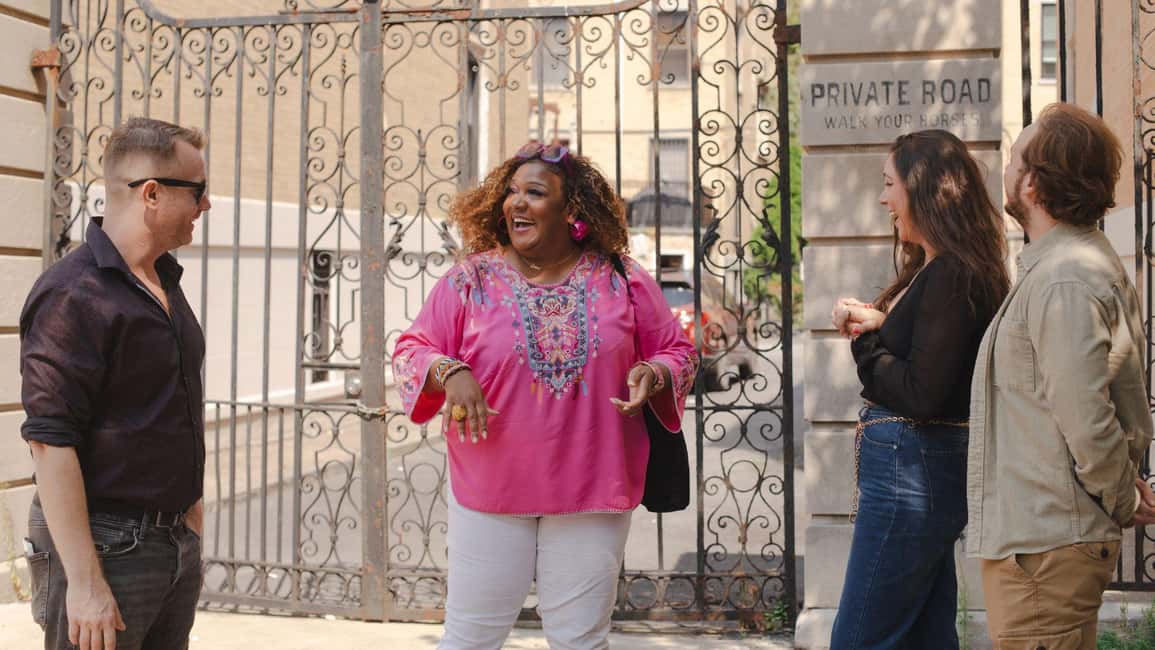
- Sunday gospel access (Sundays only), handled with skip-the-line entry to a local church experience
- Ella Fitzgerald and Duke Ellington street-level storytelling, tied to the same sidewalks you’ll walk
- Schomburg Center time for context, without needing to commit to a full museum day
- Strivers Row photo stops, where the blocks explain ambition, money, and change
- Local guide energy, including guides like Altovise and Ron who bring humor, documents, and community connections
Price, Timing, and What 2 Hours Really Covers
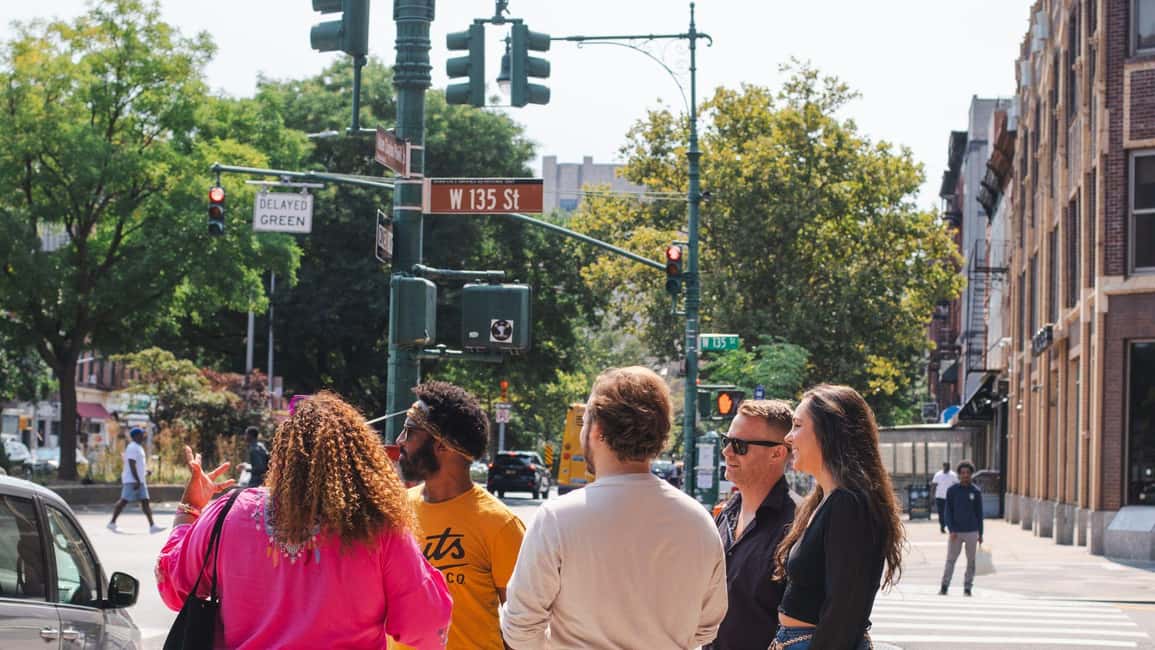
At $49 per person for a 2-hour guided walk, this is priced like a focused experience, not like a full-day Harlem immersion. That matters because you’re getting concentrated value: music history, faith history, and neighborhood change all packed into a route that stays walkable and grouped around major landmarks.
The “two hours” also tells you how to manage your expectations. You’re not doing deep study at every stop, and you’re not getting unlimited time inside buildings. Instead, you’re getting a guided route that helps you place what you see. You’ll know why a church matters, why a cultural archive matters, and why the Apollo’s block is still a magnet for artists.
One practical note: the tour is wheelchair accessible, which is a good sign if you’re planning around mobility needs. Still, it’s a walking tour, so if you’re sensitive to sidewalks or steady pacing, plan accordingly.
You can also read our reviews of more historical tours in New York City



Starting at the Apollo: Malcolm X Blvd to Harlem’s Music Heart

The tour begins near the Apollo Theatre at 515 Malcolm X Blvd, right in the Uptown swirl where Harlem’s sound has echoed for generations. This opening matters because it sets the theme: Harlem isn’t just a place you visit, it’s a system that produced music and culture—and then exported it.
You’ll walk with a live guide (English) who doesn’t just point. The best part of this start is how it frames the block as more than architecture. You get stories that connect real people and real moments to the streets you can actually stand on.
If you’re a music lover, you’ll appreciate how the tour focuses on the idea of global impact—how Harlem helped put American music on the world map. That includes names like Ella Fitzgerald and Duke Ellington, which the route keeps returning to as you move through the neighborhood.
Church Stop on Sundays: Gospel History in Real Time
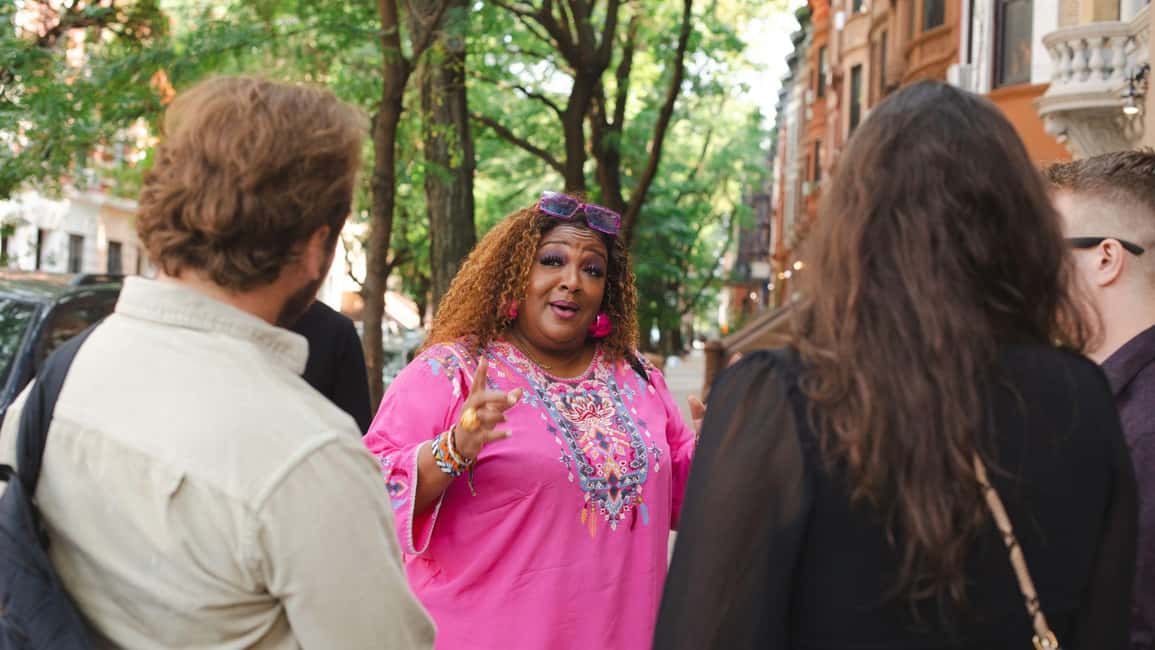
The biggest “only on this day” factor here is the gospel component. This is a Sunday-only experience, and it includes skip-the-line access to a local church gospel moment. That’s not a small perk. Gospel music in a church service is one of those experiences that lands differently than watching a performance later. The sound, the participation, and the mood come from being in the room while it’s happening.
Your church stop includes Abyssinian Baptist Church for a photo stop and visit. On Sundays, that’s where the gospel experience fits into the flow of the tour. The goal isn’t just to see a famous building. It’s to understand the living thread of faith and community that Harlem carries.
A practical consideration: church settings can be intense and time-sensitive. If you’re planning to take lots of photos, keep an eye out for any in-room rules the day of the service. Also, if you’re the type who needs a clear, quiet sightseeing environment, the gospel portion may feel more active than a typical landmark visit.
Schomburg Center Photo Stop: Context Without the Museum Marathon
Next up, you’ll hit the Schomburg Center for Research in Black Culture. This is where the tour helps you connect the dots between what Harlem created and what people preserved. It’s an anchor stop because it turns the neighborhood’s story into something you can study, not just admire.
You’ll have a photo stop and a visit, which is a smart pacing choice. You get enough time to appreciate what the place represents, without turning the day into a full museum plan. If you’re the sort who likes to go deeper on your own later, this stop also gives you names and themes to research after you’re back home.
Also, this is one of those moments where a good guide can change your level of understanding quickly. The tour is designed around stories, and the Schomburg Center stop becomes a “why this matters” checkpoint: culture gets documented, protected, and passed forward.
Bill’s Place: The Kind of Stop That Makes Harlem Feel Human
You’ll also stop for a photo at Bill’s Place. This is the kind of spot that might look like a simple landmark from the outside, but on a tour like this it functions as a reminder: neighborhoods run on more than institutions. They run on everyday gathering places.
The payoff here is attitude. When you see a neighborhood’s everyday scenes alongside the big names and big buildings, Harlem starts to feel less like a history lesson and more like a living place with routines. That’s a major reason this tour works well even if you don’t consider yourself a “history person.”
If you’re hoping for a long sit-down meal during the tour, don’t count on it. Think of Bill’s Place as a snapshot in the story. Then, after the tour, you can use what you learned to pick where to eat with better taste and less guesswork.





Striver’s Row Photo Stops: Where Ambition Shows Up in Brick and Stone
One of the most visually striking parts of Harlem in this route is Striver’s Row. This is a photo stop and visit, and it’s a chance to understand how wealth, aspiration, and design shaped the neighborhood.
When people talk about Harlem’s changes over time, they often focus on music, politics, and migration. Striver’s Row adds another layer: built environment. You can literally see how different eras tried to claim status, safety, and longevity through architecture.
This stop is also a reality check. Harlem’s history includes shifting ethnic, cultural, and socioeconomic communities over roughly 400 years, and the streets reflect that. Striver’s Row isn’t just pretty. It’s a clue to what people wanted, what they built, and what changed next.
Apollo Theater Moment: From Stories to the Block You Can Stand On
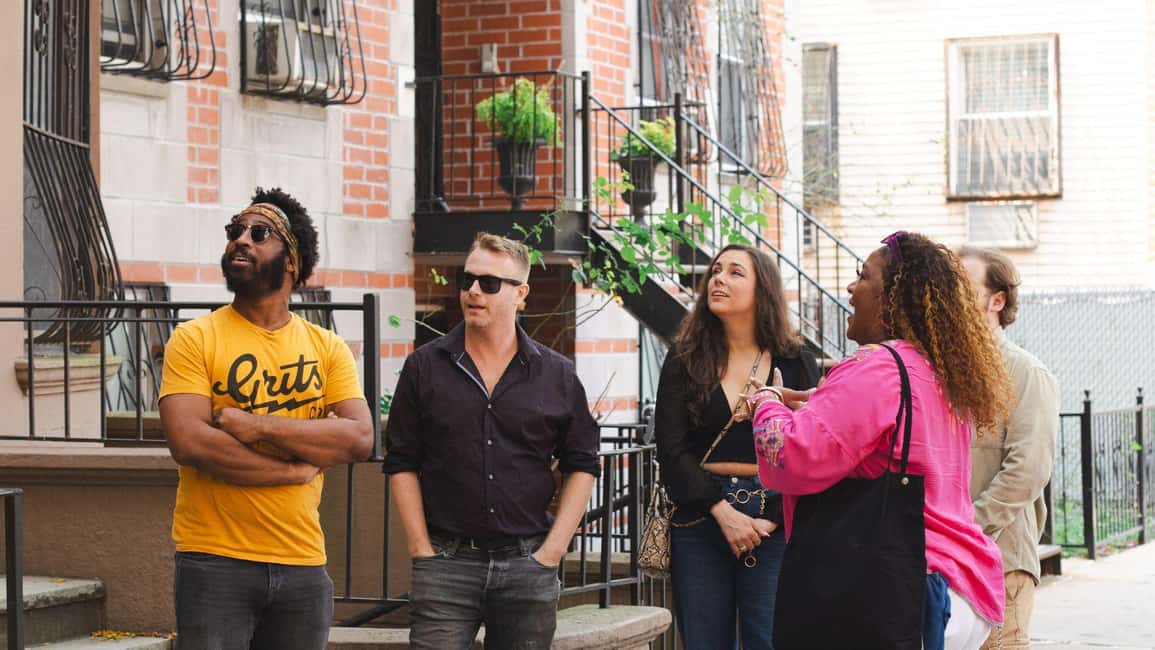
You’ll return to the Apollo Theater for a photo stop and visit. Even when you don’t get full interior access, the Apollo’s exterior is powerful because you’re standing in the same public space where major music moments have played out.
This is also where you get that famous Harlem hook: the stories about legends who helped put American music on the world map. If you’re watching for details, you’ll likely notice how the tour ties music history to the surrounding neighborhood blocks instead of keeping everything locked inside a venue.
One possible wrinkle: some days may offer less access than you’d hope. In particular, if the Apollo area is dealing with renovation, you might find yourself seeing less inside than you wanted. In that case, the best move is to enjoy the street-level perspective and use the photo stop to capture the setting from multiple angles.
The Storytelling Style That Makes This Tour Worth It
What really elevates this tour is the way the guide connects history to present-day streets. Several guides associated with this experience have a noticeable pattern: humor, strong pacing, and a local sense of people and places. You’ll hear from guides like Altovise and Ron, both described as energetic and able to answer questions without rushing you.
You’ll also benefit from the kind of storytelling that doesn’t feel distant. A tour like this is built around the idea that Harlem’s history is dramatic and layered, shaped by major shifts over centuries. Instead of treating history as trivia, the guide helps you see how it affects what stands on the block today.
Two standout examples of the tour’s style include:
- How Ella Fitzgerald and Duke Ellington’s impact is tied to specific streets
- A surprising anecdote about Fidel Castro, told as a story connected to the neighborhood: Castro slept in Harlem after being kicked out of a midtown hotel for having chickens in his room
Those details aren’t just fun. They create contrast. Harlem isn’t one note; it’s a place where politics, culture, and entertainment intersect.
Who This Tour Fits Best (and Who Might Skip It)
This is a great pick if you want:
- A music-and-culture focused walk that stays concentrated
- A way to connect Harlem landmarks like the Schomburg Center and Striver’s Row to the larger story
- A real Sunday gospel moment, especially if you’re visiting at the right time of week
It may be less ideal if:
- You need long indoor time at every stop. This tour is built for pacing, not deep museum hours.
- You’re expecting guaranteed interior access at the Apollo every day. Exterior and photo moments are part of the design, and renovations can affect what you can see inside.
If you’re traveling with family, the route makes sense because it’s structured and landmark-heavy. If you’re solo, it’s also a good way to avoid the common Harlem problem: you see a lot, but you don’t know what you’re looking at yet.
Should You Book Soul of Harlem?
Yes, I’d book it if your goal is to understand Harlem fast, in the real streets where the story happened. The blend of Apollo-area music history plus a Sunday gospel experience (with skip-the-line access) makes it stand out from the generic “walk and look” tours.
My best practical tip: if your visit is on a Sunday, plan your day around the church experience first, then treat the other stops as supporting context. And if you’re visiting on a day when interior access might be limited at the Apollo, don’t let that spoil your mood. The route still gives you the meaning behind the landmarks you can see.
FAQ
FAQ
How long is the tour?
The tour lasts about 2 hours.
What does it cost?
It costs $49 per person.
Where does the tour start?
One starting option is at 515 Malcolm X Blvd, Apollo Theater. The exact meeting point can vary depending on the option booked.
Are there any Sunday-only elements?
Yes. The gospel experience is Sundays only, and it includes skip-the-line access to a local church.
What stops are included?
You’ll visit and/or stop at places including Abyssinian Baptist Church, the Schomburg Center for Research in Black Culture, Bill’s Place, Striver’s Row, and the Apollo Theater. You’ll also have specified drop-off locations at the end.
Is the tour guided?
Yes. You’ll have a live tour guide speaking English.
Is the tour wheelchair accessible?
Yes, the tour is listed as wheelchair accessible.
Can I cancel for a full refund?
Free cancellation is available up to 24 hours in advance for a full refund.
Can I reserve without paying right away?
Yes. It offers a reserve now & pay later option.