REVIEW · NEW YORK CITY
The Village: Private Walking Tour
Book on Viator →Operated by Metropolis Tours · Bookable on Viator
Street corners tell stories in Greenwich Village. This guided route ties together LGBTQ+ history and famous literary names, using real block-by-block locations so the neighborhood clicks fast. I like the way it also turns your walk into practical NYC guidance, not just photos.
I especially enjoy the focus on specific stops you’d otherwise skim past. The Stonewall Inn segment gives context, and the MacDougal Street stretch helps you connect the Beat and bohemian era to places you can still see. Guides such as Jonathan and Nathan bring the details down to earth and keep the energy friendly.
One possible drawback: it moves along several streets in about 1.5 hours, so plan on comfortable shoes and don’t stack a heavy schedule right on top of it.
In This Review
- Key highlights worth your attention
- Why this Village walking tour works so well
- Meeting at 6th Avenue & West 8th Street (11:00 am) and ending at Christopher Street
- Stop 1: Greenwich Village’s early 1800s story
- Stop 2: Washington Square Park—protests, art, and NYU energy
- Stop 3: MacDougal Street and the Beatnik time capsule effect
- Stop 4: The West Village’s turning points—Stonewall Inn and Cafe Society
- Stop 5: Architecture + pop culture—FRIENDS and the walk toward Hess Triangle
- Stop 6: 111 Christopher St and the final stroll down Christopher Street
- Price and value: is $90 a good deal?
- Who this tour is best for (and who might skip)
- Practical tips to get the most from your walk
- Should you book this Greenwich Village tour?
- FAQ
- How long is the Private Walking Tour: The Village?
- How much does the tour cost?
- Where do you meet and where does the tour end?
- Is the tour offered in English?
- How many people are in the group?
- What is the cancellation policy?
Key highlights worth your attention
- Stonewall focus at the Stonewall Inn for context on the late 1960s gay rights movement
- Washington Square Park as a window into protest history and NYU campus life
- MacDougal Street tied to Beat-era figures, from Bob Dylan and Jack Kerouac onward
- West Village street stops that connect movements, nightlife, and integration at places like Cafe Society
- Architecture and pop-culture sightings, including the FRIENDS apartment building exterior
- End at the Hess Triangle, an easy landmark to navigate your next move
Why this Village walking tour works so well
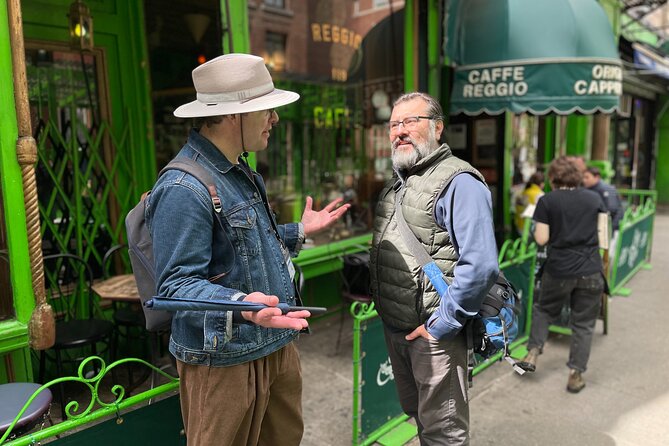
Greenwich Village and the West Village are the kind of neighborhoods where history is hiding in plain sight—under stoops, around corner storefronts, and yes, on sidewalks. This tour earns its keep by linking the story to exact street locations you can point at, instead of tossing dates at you from a distance.
The format is simple and effective: you meet up with an expert guide, you walk, and you get a narrative that connects literature, activism, nightlife, and community identity. The tour is priced at $90 per person for about 1 hour 30 minutes, and it’s capped at a maximum of 20 people. That small-group size tends to help you ask questions and get the details you actually care about.
Two more practical wins: it’s in English, and you’ll get tips and recommendations for the rest of your NYC stay. That last part matters. When you’re walking through the Village, you’re close to great meals, bars, bookstores, and viewpoints—but you still need a short list of what’s worth your time.
You can also read our reviews of more walking tours in New York City



Meeting at 6th Avenue & West 8th Street (11:00 am) and ending at Christopher Street
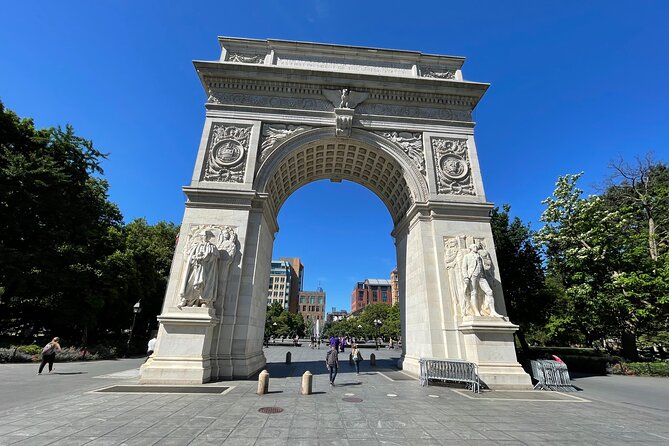
You start at 6th Avenue & West 8th Street (11:00 am). The tour ends at 7th Avenue South & Christopher Street, right where you can keep exploring without needing to retrace your steps.
Because it’s near public transportation, you can usually get there without drama. You’ll also use a mobile ticket, which is convenient if you don’t want to hunt for paper confirmations. Service animals are allowed, and most people can participate—so it’s a good fit for many walking styles, as long as you’re comfortable covering city blocks.
A heads-up for your planning: the route is designed to be tight and efficient. If you’re the type who likes to linger, grab one quick snack before you go, because the timeline won’t slow down for long photo stops.
Stop 1: Greenwich Village’s early 1800s story
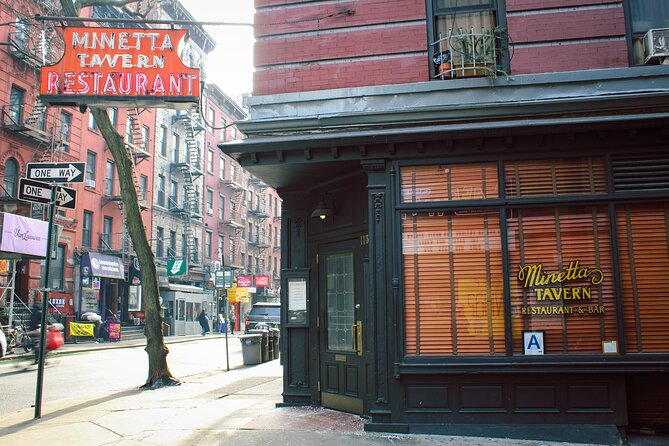
The tour begins in the Village itself, with a look at how this neighborhood formed outside of Lower Manhattan in the early 1800s. This is the right opener. Before you hit the better-known protests and counterculture landmarks, you need the basic “how did this place become itself?” thread.
Think of this first stop as your mental map. You’ll start understanding why the Village became a magnet for writers, artists, and communities looking for room to experiment—socially, politically, and creatively. Even if you’ve visited NYC before, this framing can refresh how you read the streets.
Tip for you: take a moment here to spot the street layout. Once the tour starts moving into Washington Square Park and the West Village streets, the geography helps the story stick.
Stop 2: Washington Square Park—protests, art, and NYU energy
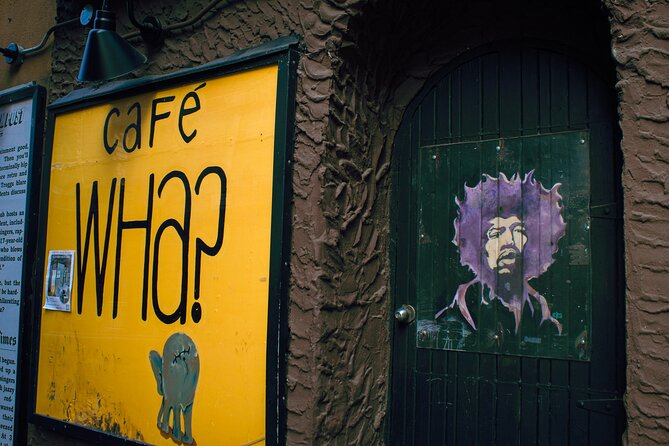
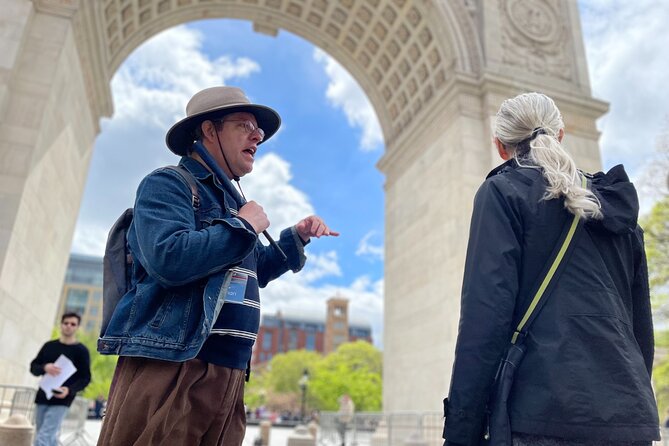
Next up is Washington Square Park, the area tied to protest movements and artistic displays over time. It’s also now a key hub for NYU, so you’re seeing history and student life in the same place.
What I like about this stop is the balance. The park isn’t presented as a museum piece behind glass. It’s active. That matters because activism often has to live somewhere—on sidewalks, in public squares, with real people watching.
This is also a smart moment to adjust your expectations. If you’re hoping for quiet and solitude, you won’t get that here. If you want to see how a community space functions, it’s a strong stop.
Practical note: because this is a major public area, you’ll want to keep an eye on meeting points and listen closely when the group starts moving again.
Stop 3: MacDougal Street and the Beatnik time capsule effect
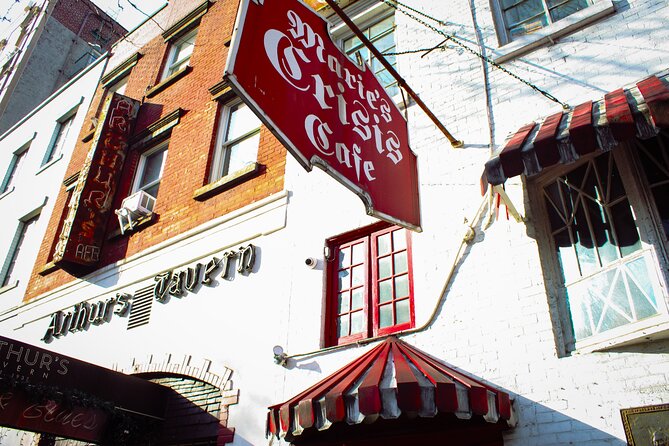
Then the tour shifts to MacDougal Street, described as a time capsule of early Bohemia and Beatnik countercultures. This part connects the street to the people who made it famous—places where careers got their start.
You’ll hear names associated with the creative revolution of the 20th century, including Bob Dylan, Jack Kerouac, Allen Ginsburg, Earnest Hemingway, Joan Rivers, and Richard Prior. The value here isn’t just name-dropping. It’s how the guide connects those creative identities to the neighborhood’s personality: the mix of nightlife, discussion, rehearsal spaces, and the kind of stubborn freedom that attracts artists.
Drawback to consider: if your interest is very narrow—say, only architecture or only LGBTQ+ history—you might want to mentally “filter” this section. The Beat and bohemian thread is a big part of the story, and it takes time.
If you’re a generalist traveler who likes context, though, this stop is one of the best ways to understand why the Village became a symbol far beyond its borders.
You can also read our reviews of more private tours in New York City





Stop 4: The West Village’s turning points—Stonewall Inn and Cafe Society
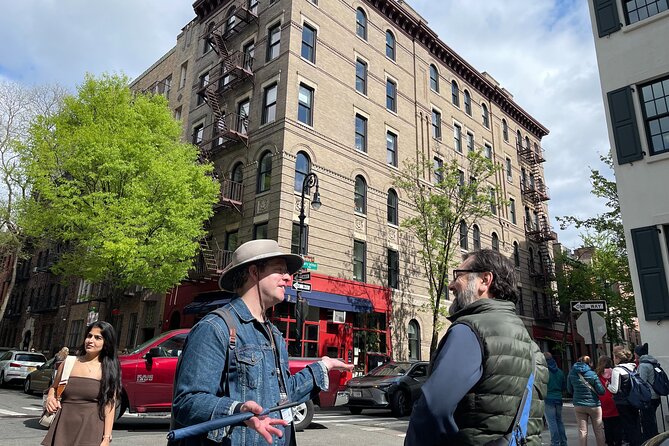
Now you move deeper into the West Village, where the tour gets political and emotional. You’ll visit sites tied to revolutions and social change, including the Stonewall Inn—specifically the exact spot where the gay rights movement galvanized in the late 1960s.
This is the moment many people remember because it turns the Village from “interesting” into “important.” It’s not just history as a concept; it’s history attached to a location you can stand near and picture as an unfolding event. A well-led stop like this helps you understand why activism caught fire there—and why the ripples lasted.
Right after that, the tour points you toward Cafe Society, with its role in integration and political performance. It’s a reminder that social change often travels through entertainment as well as formal politics.
One more reason this works for a first-time Village visit: the sequence builds momentum. You go from neighborhood origins to public space activism to counterculture streets, and then you land at Stonewall with the sense that you’re arriving at a turning point rather than a random landmark.
Stop 5: Architecture + pop culture—FRIENDS and the walk toward Hess Triangle
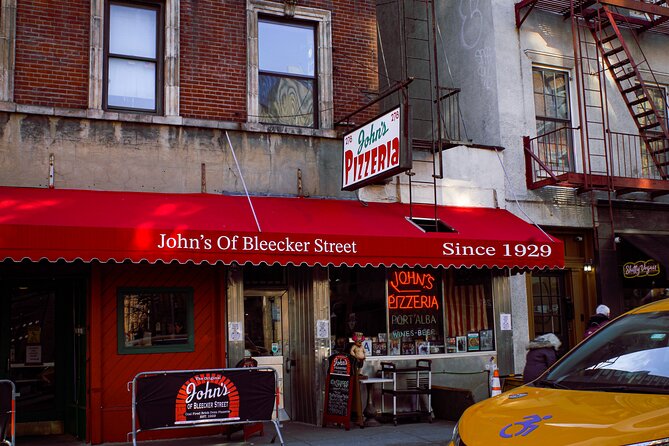
After the heavier themes, you shift into the more residential, visual side of the West Village. You’ll explore the area’s architecture and the look-and-feel of the streets as places where people live, not just where history happened.
This is where you’ll also see the famed FRIENDS apartment building from the TV series. Even if you’re not a die-hard fan, it’s a fun way to understand how pop culture latches onto real neighborhoods and keeps them in the public eye.
Then you’ll head toward a spot of rebellion with the Hess Triangle at the corner of 7th Avenue and Christopher Street. The tour uses this transition well: you get activism context, then you end near a place that reflects the neighborhood’s long-running habit of pushing back.
A small consideration: pop-culture sightings can bring a crowd-draw vibe. If you prefer quiet photography, be ready for brief pauses when people stop to look.
Stop 6: 111 Christopher St and the final stroll down Christopher Street
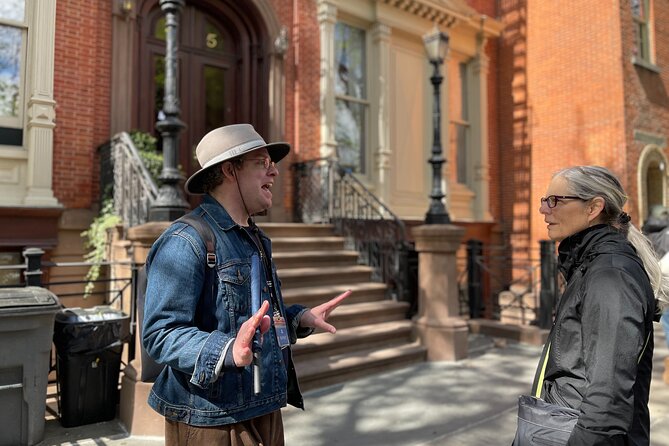
The walk concludes with a stroll down Christopher Street, ending near the Hess Triangle area again. You also stop by 111 Christopher St, which gives you one more concrete location to anchor the last portion of the story.
By the end, the route has given you two things at once: emotional context (the activism and LGBTQ+ civil rights thread) and everyday context (how the neighborhood looks, where people gather, and what kind of environment it created). That mix helps you keep seeing the Village differently after the tour ends.
And because the tour ends at 7th Avenue South & Christopher Street, you’re set up to continue exploring on your own. You’re near your next decision point—food, bars, bookstores, and more.
Price and value: is $90 a good deal?
At $90 per person for around 1 hour 30 minutes, this isn’t a budget add-on—but it also isn’t overpriced for NYC when you factor in a guide, multiple guided historic stops, and the fact that the group stays small (max 20).
For value, I’d judge it on this:
- You’re paying for interpretation, not just walking.
- You get context at major landmarks like Stonewall and Washington Square Park.
- You also get local help for what to do next in the area.
If you’re the kind of traveler who likes to understand why a place became famous—not just where it is—this price usually feels fair. If you already know a lot of Village history and you only want a quick photo circuit, you might get less out of the guide’s storytelling.
Who this tour is best for (and who might skip)
This tour is a strong fit if:
- You’re visiting NYC for the first time and want a fast sense of how the Village shaped modern culture.
- You care about LGBTQ+ history and want a guide-led, location-based explanation at Stonewall Inn.
- You like literature and counterculture connections tied directly to real streets.
- You want both meaning and visuals, including architecture and a recognizable pop-culture stop.
You might skip it if:
- You’re only interested in one narrow topic and don’t want a broader cultural blend.
- You get antsy on guided walks and struggle to stay on schedule.
Practical tips to get the most from your walk
Here’s how to make this tour feel smooth instead of rushed:
- Wear comfortable shoes. You’re covering several blocks in a short time window.
- Have your phone charged. A mobile ticket is part of the experience.
- Bring curiosity, not just a checklist. This tour is built for stories that connect places.
- If you want restaurant ideas, ask your guide early. The tour is timed so you can still act on suggestions before your day gets booked up.
Also, because the tour is offered in English and is capped at 20, it tends to attract a like-minded crowd. That’s good for focus, and it can make questions easier.
Should you book this Greenwich Village tour?
Book it if you want a guided Village walk that balances activism, creative history, and street-level sights—ending with an easy landmark at Hess Triangle. The best reason is simple: you’ll understand what you’re looking at, from Washington Square Park to Stonewall Inn, while still getting the fun visuals like the FRIENDS apartment building exterior and the residential architecture.
Skip it if you already have a strong grasp of the Village’s cultural timeline and you’d rather spend that time on your own at a slower pace. But if you’re trying to hit the right areas without missing the meaning, this one is a smart use of about 90 minutes.
FAQ
How long is the Private Walking Tour: The Village?
It lasts about 1 hour 30 minutes.
How much does the tour cost?
The price is $90.00 per person.
Where do you meet and where does the tour end?
You meet at 6th Avenue & West 8th Street and end at 7th Avenue South & Christopher Street.
Is the tour offered in English?
Yes, it is offered in English.
How many people are in the group?
The tour has a maximum of 20 travelers.
What is the cancellation policy?
You can cancel for a full refund if you do it up to 24 hours in advance of the experience’s start time.