REVIEW · NEW YORK CITY
Twilight Tour: Death in New York (Lower Manhattan)
Book on Viator →Operated by Purefinder New York · Bookable on Viator
Death has a Lower Manhattan map. This twilight walk turns famous landmarks into storyboards about burial, epidemics, and New York’s forgotten dead. You get small-group attention with a guide who keeps it factual, not paranormal.
I love the way it links specific sites to real-life customs—pirate executions, potters fields, Catholic burial rules, and the institutions that managed the dead. I also like the human tone: you’re given history with some laughs, and there’s room for questions.
The only drawback is the subject matter. You’ll be thinking about death for about 1 hour 45 minutes, and a few stops can feel emotionally weighty. If street noise bothers you, evening traffic in the Financial District may cut in at moments.
In This Review
- Key highlights I’d circle before you go
- Why twilight makes this “death tour” feel different
- Price and value: $36 for 1h45 of major Lower Manhattan context
- The route plan: Whitehall Terminal start to City Hall Park finish
- Stop 1: Statue of Liberty View Point—Lenape burial sites and later executions
- Stop 2: Seton Shrine—saints, canonization, and a Catholic view of death
- Stop 3: Battery Park City—one cenotaph, one Titanic thread
- Stop 4: National Museum of the American Indian—indigenous history and funerary collections
- Stop 5: Charging Bull—Wall Street burial history and New Amsterdam’s first cemetery
- Stop 6: Trinity Church NYC—epidemics, burial prohibitions, and potters fields
- Stop 7: St. Paul’s Chapel—Irish presence and a graveyard lens
- Stop 8: St. Peter’s Church—Catholicism’s ban and the first Catholic burial ground
- Stop 9: City Hall Park—almshouse, Bellevue, embalming, and Lincoln’s funeral
- How the guide makes it work: humor, questions, and no paranormal pitch
- Who should book this Twilight Tour—and who might skip it
- Should you book this Twilight Tour: Death in New York?
- FAQ
- How long is the Death in New York Lower Manhattan Twilight Tour?
- How much does the tour cost?
- Where do I meet, and where does the tour end?
- What time does the tour start?
- Is the tour offered in English?
- What’s the group size limit?
- Do I need a printed ticket?
- Are service animals allowed?
- Can I cancel and get a full refund?
Key highlights I’d circle before you go
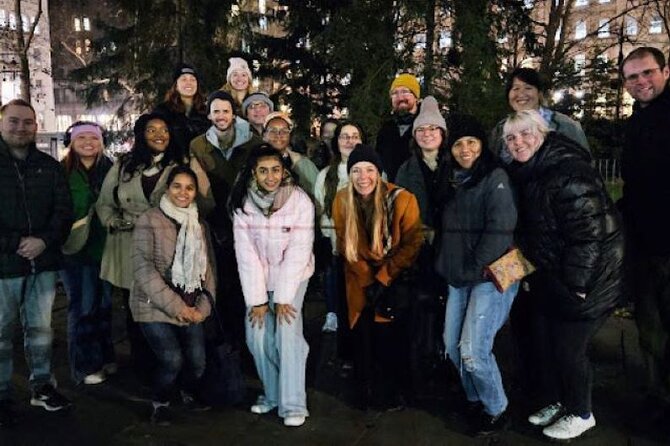
- A small group (max 15) for a tighter, more conversational walk
- Death history without ghosts—the tone is factual and story-driven
- Iconic views at the start from the Statue of Liberty viewpoint
- Multiple religious and cultural lenses on burial: Indigenous, Catholic, Irish, and more
- A route that ends in City Hall Park, tying institutions to what’s underneath
Why twilight makes this “death tour” feel different
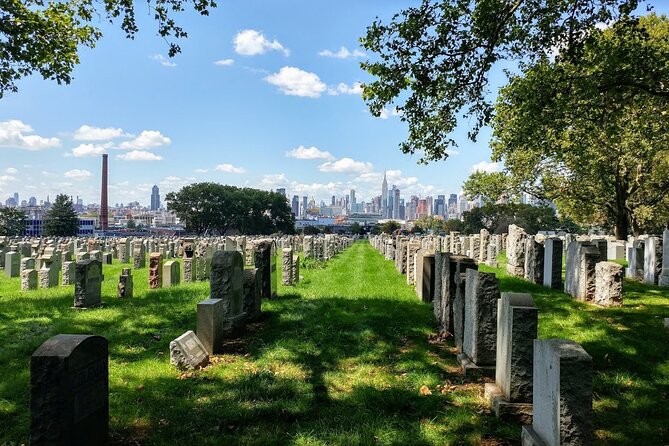
Lower Manhattan has a way of making history feel close. In the daytime, you rush past things because you’re trying to see everything. At night, the walk slows down, and the stories start to land.
This tour is scheduled for evening, starting at 7:00 pm, when the area often feels less crowded. That timing matters for a death-focused concept. You’re not surrounded by a thousand distractions. You’re standing in the same streets and landmarks, but the mood gives your brain time to connect the dots.
Also, the “death” part isn’t played as spooky entertainment. It’s treated like a real social system—who got buried where, who was excluded, and how communities responded to illness, war, religion, and city growth.
You can also read our reviews of more tours and experiences in New York City.



Price and value: $36 for 1h45 of major Lower Manhattan context
At $36 per person for roughly 1 hour 45 minutes, this is priced like an experience, not like a museum day. The value is the number of major sites packed into one coherent theme—death management in New York across centuries.
Another value point: the stops are built for walking. Many are marked as free admission for the visitor, so you’re not paying extra just to stand near the story. You’re also paying for interpretation—what those locations mean and why they were chosen.
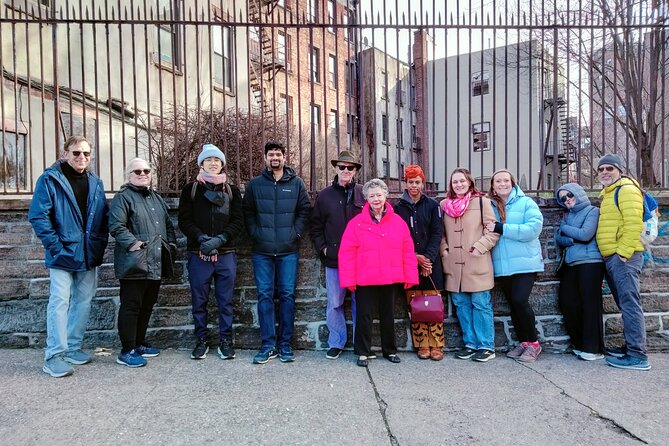
One more practical plus: the group limit is 15, so you’re not lost in a giant crowd. If you like asking questions and getting straight answers, that size helps a lot.
The route plan: Whitehall Terminal start to City Hall Park finish
You meet at Whitehall Terminal 4, Whitehall St. The tour runs from there down through Lower Manhattan and ends at City Hall Park at Broadway & Chambers St.
The exact walking time shifts depending on your group pace, but the design keeps you at each stop long enough to hear the story without getting stuck in one spot forever. Most stops are short—around 10 to 15 minutes—with short transitions between them.
You’ll want comfy shoes. The “moderate physical fitness” note makes sense: it’s still a walking tour, and you’re covering multiple city blocks. Evening also means you should dress for changing temperatures and watch for slick spots.
Stop 1: Statue of Liberty View Point—Lenape burial sites and later executions
This is a strong opener because it gives you big views and a deep timeline fast. You’ll look toward Staten Island, the Statue of Liberty, and Governor’s Island, then the tour shifts into human history before the city was even shaped like you know it.
You’ll hear about Lenape history and ancient burial sites—a reminder that this landscape held communities long before European settlement. Then the stories jump forward to later New York events, including the last NYC pirate execution and Civil War prisoners.
Why it works: starting with the horizon makes the later “under your feet” topics feel less random. When you understand that places you can see also connect to places you can’t, the whole tour clicks.
Stop 2: Seton Shrine—saints, canonization, and a Catholic view of death
Next up is a Catholic shrine tied to a New York saint. You’ll learn how saints and canonization get discussed in the Catholic tradition, and you’ll also get the tour’s angle on the Catholic way of death.
This stop matters because it adds one more layer to the “death system” story. Cities don’t handle death the same way when religion, legitimacy, and community membership shape burial rules.
The vibe here is more reflective than dramatic. It’s not about horror; it’s about meaning, ritual, and how spiritual beliefs show up in what people do when someone dies.




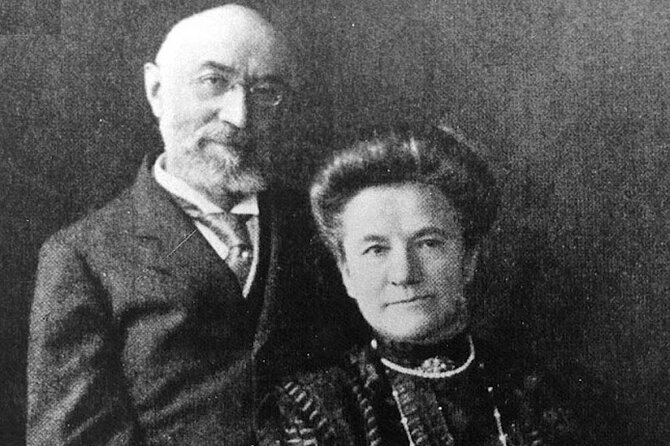
Stop 3: Battery Park City—one cenotaph, one Titanic thread
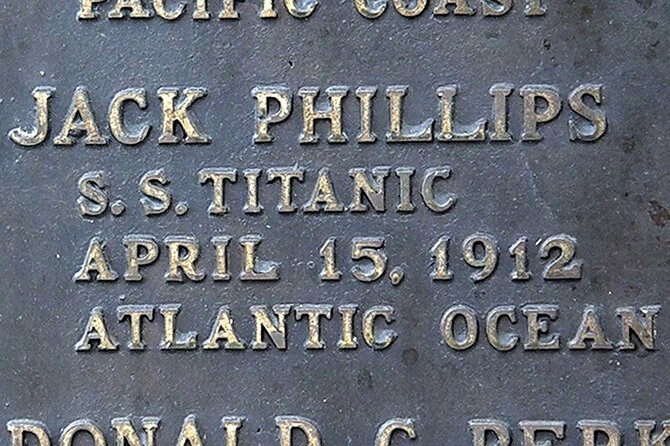
From there, you head to Battery Park City for a cenotaph and the specific Titanic history connected to it. A cenotaph is built to mark loss even when the body might not be in the same place.
That concept is a big deal for understanding how cities remember. You’ll hear how public memorials can be tied to real events, but also shaped by what a community needs: grief, unity, and a version of the story that fits in a shared space.
This stop is short, but it gives you a “modern” bridge. It helps you see that New York’s burial-and-memory history isn’t only ancient or medieval—it’s still actively written.
Stop 4: National Museum of the American Indian—indigenous history and funerary collections
At the National Museum of the American Indian, the tour turns to Indigenous history and the stories connected with funerary museum acquisitions. This is the stop where the tour’s theme gets sharper: death isn’t just a private moment—it can become part of collections, institutions, and power.
You’ll hear Indigenous narratives and how the movement of objects and remains can affect communities long after the original context is gone. You don’t have to share every belief to understand the core point: how museums got what they have is part of the story.
If you want this tour to explain the ethical side of death history, this stop is the anchor. It also helps the other stops make more sense, since every burial location is tied to rules about identity and belonging.
Stop 5: Charging Bull—Wall Street burial history and New Amsterdam’s first cemetery
Then you get a playful-looking stop that’s actually a history punch. The Charging Bull (Wall Street Bull) is where the tour brings you to burial history from the New Amsterdam era and points you toward the site of the first city cemetery.
The contrast is the point: this is one of the most photographed spots in the neighborhood, but the tour reframes it as ground tied to death, not commerce.
This stop also helps you understand why cities develop over cemeteries. The same blocks that later become financial icons were once used for burial—then overwritten by growth, redevelopment, and shifting rules about what the city can tolerate in the present.
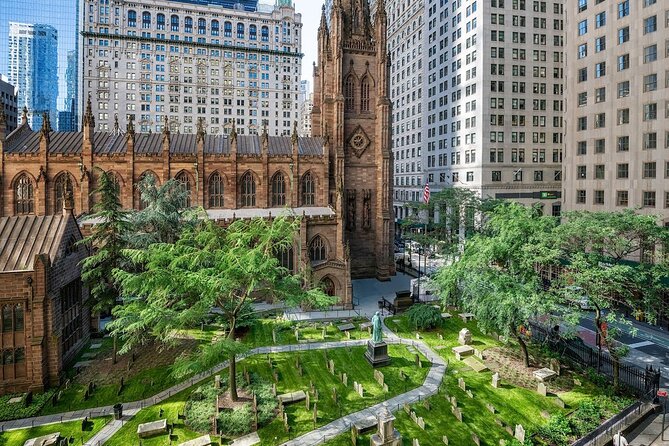
Stop 6: Trinity Church NYC—epidemics, burial prohibitions, and potters fields
At Trinity Church, you’ll hear how New York’s epidemics shaped burial practices. The tour also covers burial prohibitions and the idea of potters fields—places connected to people society considered disposable.
If you’re looking for the “how” and “why” behind death management, this is one of the key stops. Epidemics don’t only cause illness. They push governments and communities into decisions about sanitation, contagion fears, and who gets access to proper burial.
This stop makes the theme feel less like “morbid trivia” and more like social history. The city’s response to death reveals what it valued—and who it left out.
Stop 7: St. Paul’s Chapel—Irish presence and a graveyard lens
Next is St. Paul’s Chapel, where the focus is on Irish representation in the graveyard. This stop personalizes the big themes. Instead of only discussing systems and institutions, you’re reminded that specific immigrant communities and identities were part of the burial story.
In a tour like this, that matters because you don’t just learn that people were buried. You learn which groups ended up there and why that distribution happened.
It’s also a change of pace. The tour stays night-appropriate and conversational, so you’re not forced to hold every heavy idea at once.
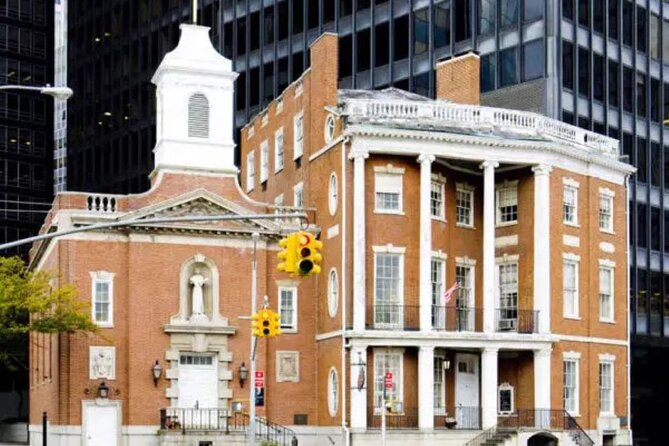
Stop 8: St. Peter’s Church—Catholicism’s ban and the first Catholic burial ground
At St. Peter’s Church, the tour shifts into Catholic history with two related threads: a New York ban on Catholicism and the first New York Catholic burial ground.
This is one of those “history that explains a lot” moments. When you understand legal and social restrictions, the burial map becomes clearer. Who was allowed, who was excluded, and what communities did anyway—those are the real mechanics behind the stories.
The tone stays informative rather than theatrical. You’ll walk away thinking about religion not as abstract belief, but as policy that affected bodies, families, and burial access.
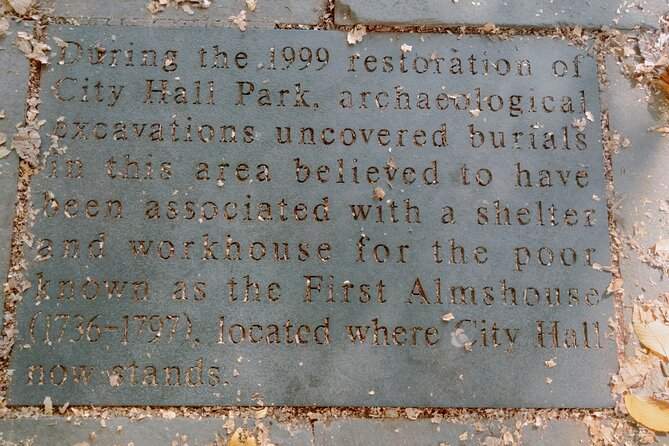
Stop 9: City Hall Park—almshouse, Bellevue, embalming, and Lincoln’s funeral
The final stop is at City Hall Park, and it ties the whole tour to institutions that handled the hard parts of life. You’ll hear about the first NYC almshouse, plus connections to Bellevue Hospital and ideas like embalming and how bodies were processed.
Then the tour reaches for a major national moment: President Lincoln’s funeral. You’ll also hear about the practice of excavating the dead, which brings the story into modern development and the consequences of building over earlier burial grounds.
Why end here: City Hall Park feels like governance and public space. That makes it the right location to connect burial systems to how a city runs—administration, public memory, and what gets uncovered when the city changes shape.
How the guide makes it work: humor, questions, and no paranormal pitch
The best part of this tour is the delivery. When guides like Krombie lead, the tone is personable, story-driven, and even funny in the right spots. It doesn’t lean into ghost stories or paranormal scares.
Instead, you get explanations of who, how, and why. You’re invited to ask questions, and the guide keeps the energy friendly. That matters because “death” can easily become heavy or awkward. Here, it’s handled like sociology and anthropology with a human voice.
Pace-wise, the route is manageable. You’re mostly at short stops, and the walking segments don’t drag. One practical note: night traffic can be loud at times, including trucks, so if you’re sensitive to noise, plan to use your attention on the guide rather than the street.
Who should book this Twilight Tour—and who might skip it
I think this tour fits best if you like city history that isn’t stuck behind glass. You’ll enjoy it if you’re the type who likes learning what’s under the sidewalk—cemeteries, memorials, and places shaped by epidemics and policy.
It’s also a good match if you want a small group experience and appreciate a guide who stays open to questions. The humor helps, but the topic isn’t a joke.
Skip it if you’re looking for a light, casual night out. This is death history, and it can get emotionally real—especially around burial prohibitions, epidemics, and funerary ethics.
Should you book this Twilight Tour: Death in New York?
If you want Lower Manhattan to make sense beyond famous photos, I’d book it. For $36 you get a tight walk, real interpretive storytelling, and a route that connects Indigenous history, Catholic burial restrictions, epidemic responses, and memorial culture into one evening.
The main “check yourself” question is whether you’re okay spending 1h45 thinking about how cities handle death. If yes, this is a thoughtful, well-paced way to see New York in the dark and understand why those iconic landmarks sit on top of complicated human stories.
FAQ
How long is the Death in New York Lower Manhattan Twilight Tour?
It runs about 1 hour 45 minutes (approx.).
How much does the tour cost?
The price is $36.00 per person.
Where do I meet, and where does the tour end?
You meet at Whitehall Terminal 4, Whitehall St and the tour ends at City Hall Park at Broadway & Chambers St.
What time does the tour start?
The listed start time is 7:00 pm.
Is the tour offered in English?
Yes, it’s offered in English.
What’s the group size limit?
The tour maximum is 15 travelers.
Do I need a printed ticket?
No. It uses a mobile ticket.
Are service animals allowed?
Yes, service animals are allowed.
Can I cancel and get a full refund?
Yes. You can cancel for a full refund if you cancel at least 24 hours before the start time.