REVIEW · NEW YORK CITY
Victorian Flatbush , Brooklyn Private Tour
Book on Viator →Operated by Custom NYC Tours · Bookable on Viator
Time-warp streets in Brooklyn. This private walking tour puts you on Flatbush Avenue and into Ditmas Park for a close look at 19th-century Victorian homes, plus a surprising mix of big architecture and smaller surprises, including a church that dates to 1654. You’re not just looking at pretty facades—you get the neighborhood connections that make the block-by-block feel click.
Two things I really like: you’ll see the Victorian side of Brooklyn up close, not from a distance, and the guide helps you read what you’re seeing with real context. The other big plus is the format—one group price for up to 10 people—so it’s easy to bring friends or family without planning a bunch of separate tickets.
One consideration: at $225 per group, it’s most cost-effective when you can fill a few seats. Also, it’s a true walking tour with a moderate fitness level, so skip your least-comfy shoes.
In This Review
- Key things to know before you go
- Victorian Flatbush: why this neighborhood walk feels different
- Price and value: $225 for a group, not per person
- Your route at a glance: meeting on Beverley, ending on Cortelyou
- Stop 1: Flatbush Avenue and the feel of a historic road
- Stop 2: Ditmas Park for Victorian architecture, historic mansions, and a tennis twist
- The 1654 church: why it changes the mood of the whole walk
- What makes the guide part feel worth it
- Timing, weather, and how to dress so you enjoy it
- Who this tour is best for (and who might want something else)
- Food and downtime: simple plan after you finish
- Should you book the Victorian Flatbush private tour?
- FAQ
- How long is the Victorian Flatbush, Brooklyn private tour?
- What is the group size limit?
- Where does the tour start and end?
- What’s included in the price?
- Are food and drinks included?
- What if it’s bad weather or I need to cancel?
Key things to know before you go
- Small private group (up to 10) means more flexibility on questions and pace
- Victorian homes focus gives you a specific, satisfying architectural theme
- Two main stops keep it manageable for a ~2-hour outing
- A 1654 church adds rare depth to the neighborhood story
- Hidden tennis club surprise breaks up the usual “just houses” sightseeing
- End near cafés and restaurants makes it easy to keep the day going
Victorian Flatbush: why this neighborhood walk feels different
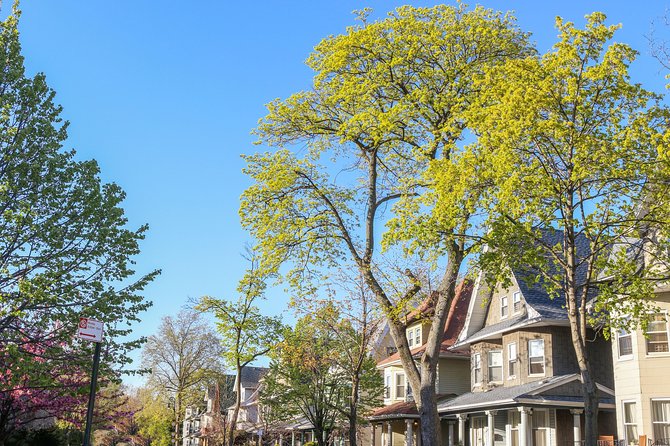
Flatbush has a reputation in Brooklyn that’s hard to summarize in one sentence. Yes, it’s a real neighborhood with real streets—but it’s also known for some of the strongest Victorian residential architecture in the city. On this tour, you get to experience that variety in a structured way: you start on a historic road, then move into Ditmas Park, where the housing stock and streetscape show off the Victorian era’s confidence.
The best part for me is the way the tour turns “pretty buildings” into a story you can track as you walk. You’re looking at details you’d normally zoom past. And when your guide points out what matters, the homes start to feel like clues to how Flatbush grew.
You also get a mix that you don’t always expect from a Victorian-focused outing. Along the way you’ll see historic mansions, a hidden tennis club, and the church dating back to 1654. That combination keeps the walk from feeling like a single-note photo safari.
You can also read our reviews of more private tours in New York City


Price and value: $225 for a group, not per person
This is priced at $225 per group, up to 10 people. That changes the math fast. If you’re traveling with four to ten people, the cost per person becomes far more reasonable than many “private tour” options in New York.
It also feels like good value because you’re buying time with a professional guide for a concentrated route, not paying for a car ride or a long day of logistics. The tour lasts about 2 hours, which is long enough to see multiple architectural moments, but short enough that you can still plan lunch right after without feeling rushed.
If you’re traveling solo (or just two people), I’d treat it as a “pay for access to a private guide” choice. You can still have a great time, but you’ll feel the price more.
Your route at a glance: meeting on Beverley, ending on Cortelyou
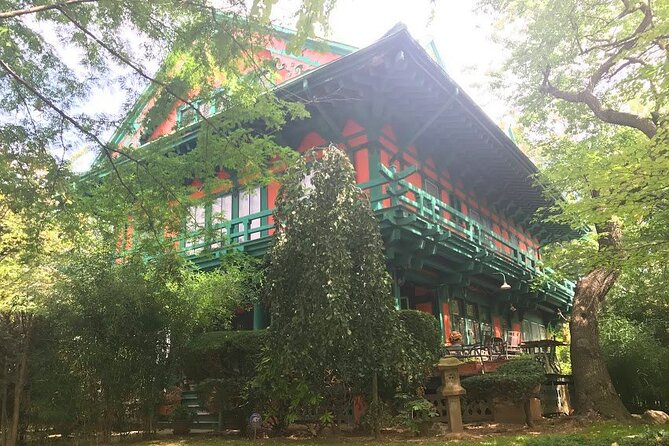
The tour starts at 10:00 am at 1512 Beverley Rd, Brooklyn, NY 11226. It ends at 1415 Cortelyou Rd, Brooklyn, NY 11226, near plenty of places to eat and grab a drink.
That end location matters more than it sounds. Walking tours can leave you stuck for plans—either you’re too far from food or you have to backtrack. Here, you finish close to cafés and restaurants, so you can keep your momentum going immediately.
The itinerary is designed as a steady walk with two main segments (about 15 minutes at the first stop area, then about 30 minutes in Ditmas Park). In total, the full experience is about 2 hours, depending on how your group moves and how many questions you ask.
Stop 1: Flatbush Avenue and the feel of a historic road
You kick things off on Flatbush Avenue, a historic road area where the guide helps set the scene for what makes this part of Brooklyn distinct. In practical terms, this first segment is where you get your bearings. You start to notice patterns: how neighborhoods develop, how housing styles line up along a major street, and how architectural choices communicate status and permanence.
At this stop, you’re there for about 15 minutes and there’s no admission ticket fee listed. So it works like a quick orientation that doesn’t steal your time from the bigger architecture moments to come.
A small strategy I recommend: take a wide view first, then switch to details. Early on, it helps to spot rooflines, porch shapes, window groupings, and the overall rhythm of the street before you start photographing the best-looking building.
Stop 2: Ditmas Park for Victorian architecture, historic mansions, and a tennis twist
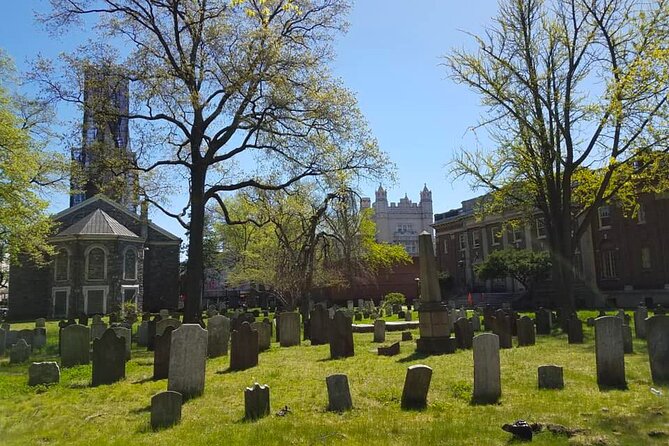
The main second segment is in Ditmas Park, which is where the Victorian look really sharpens. This is the 30-minute portion, again with free entry at the listed stop.
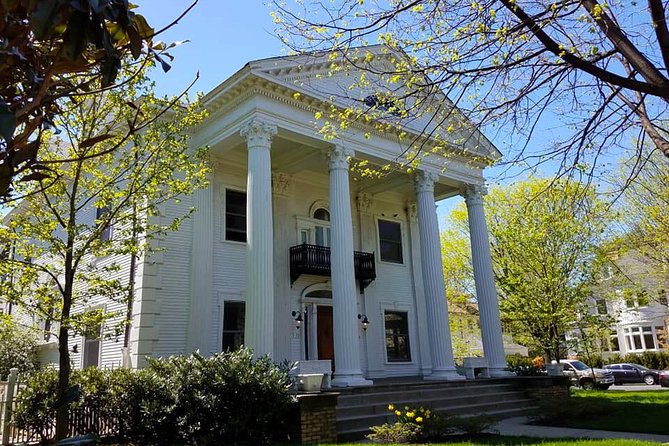
This is also where the tour’s mix starts to feel fun. You’ll see the Victorian homes that make Flatbush famous, but you’ll also run into the more unusual moments the neighborhood is known for—like historic mansions and a hidden tennis club.
The tennis club detail is worth paying attention to because it breaks the “houses only” vibe. Neighborhood architecture can feel static if you only think in terms of what the buildings look like. But a club like that adds a social layer. It hints that these spaces weren’t built just for appearances; they were tied to how people lived, gathered, and spent leisure time in the Victorian era.
Also, Ditmas Park is a great place to look for how grand homes sit in relation to the street. You can often feel the planning—where the entrances are, how the building faces the avenue, and how the streetscape frames the architecture.
One practical note: because this is a walking neighborhood experience, your pace matters. Keep an eye on your footing, especially if sidewalks are crowded or uneven.





The 1654 church: why it changes the mood of the whole walk
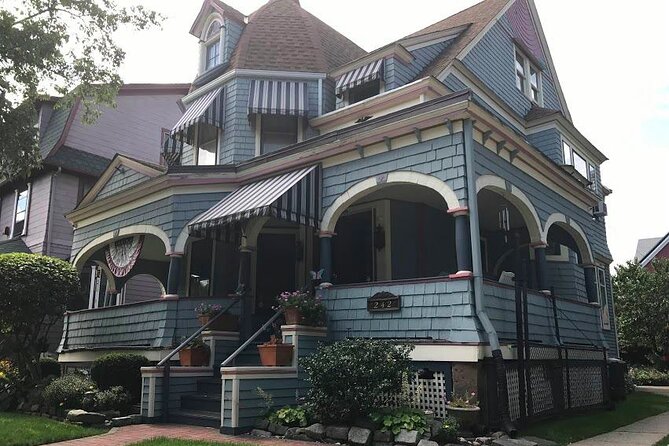
Among the architecture you’ll encounter, one highlight is the church dating back to 1654. Even if you’re not a church-architecture specialist, the date gives you context fast. You’re standing somewhere that predates much of what surrounds it, so the tour stops feeling like a look-back at one design style and starts feeling like a timeline.
That matters because Victorian Flatbush isn’t only about 19th-century facades. It’s about how layers of time coexist. A much older landmark among newer-looking streets helps you understand why the neighborhood grew the way it did and how communities kept continuity while the built environment evolved.
If you like architecture with a timeline, this church moment is the kind of stop that makes the whole tour feel more meaningful than just a photo session.
What makes the guide part feel worth it
This tour includes a professional guide, and the vibe you’ll likely get is friendly, energetic, and practical. The most praised part of experiences like this tends to be the ability to make the neighborhood feel alive—not by adding fictional drama, but by connecting the details you see to real place.
In a two-hour walking format, the guide’s role is crucial. They keep you from getting lost in random sights. They also help you notice what to look for: architectural cues, neighborhood layout, and the “why” behind features that might otherwise seem decorative.
If you’re the type who loves asking questions, you’ll probably appreciate the small-group format. A group limited to 10 travelers is far easier to manage for conversation than a larger crowd.
Timing, weather, and how to dress so you enjoy it
The tour operates in all weather conditions, so you should plan for actual outdoor walking. That said, the experience is also described as requiring good weather, meaning if conditions are too poor, you may be offered a different date or a full refund.
So dress for what you’ll face that day, not what you hope for:
- Wear comfortable shoes for sidewalks
- Bring a layer (even mild days can shift)
- If it’s rainy, plan for wet conditions since it’s still a walking tour
Also check your schedule: with a 10:00 am start and about 2 hours, you’ll want to keep your afternoon open enough to enjoy the neighborhood after you finish on Cortelyou Rd.
Who this tour is best for (and who might want something else)
I think this tour is especially good if you want a focused experience. Not every NYC tour offers a strong architectural theme, and not every one keeps it to a length that’s realistic for a Sunday morning or a midweek outing.
You’ll likely love it if:
- You care about Victorian architecture and want to see it with context
- You enjoy small surprises like the hidden tennis club
- You want something more personal than large group bus tours
- You’re traveling with friends or family and can fill up to 10 spots
You might want to choose something else if you want a very long route, lots of indoor stops, or a food-centered plan. This isn’t a meal tour.
Food and downtime: simple plan after you finish
Food and drinks are not included. That’s fine, because the tour ends on Cortelyou Rd, a location near restaurants and cafés. Build a simple plan: walk the tour, then grab something nearby while the architecture is still fresh in your mind.
If you’re hungry right after the tour, don’t wait too long to decide. You’ll be tired from walking, and this area is exactly the type of place where it’s easy to find a good option quickly.
Should you book the Victorian Flatbush private tour?
Yes, I’d book it if you want a well-paced, architectural neighborhood walk that feels personal and specific. The combination of Victorian homes, a church dating to 1654, and the hidden tennis club gives you more than one kind of “wow” in a short time window.
I’d also book it if you’re not traveling solo. The group-price setup makes it a smart choice when you can bring a small crew, and the cap of 10 travelers helps keep the experience relaxed.
Skip it only if the main appeal of your NYC trip is big-bus highlights, museums, or food stops, because this is a walking-and-looking experience, with the guide doing the heavy lifting.
If you want a Brooklyn day that feels like stepping into a specific time period—without the hassle of figuring out what to look at—this private tour is a strong pick.
FAQ
How long is the Victorian Flatbush, Brooklyn private tour?
It runs for about 2 hours.
What is the group size limit?
The tour has a maximum of 10 travelers.
Where does the tour start and end?
It starts at 1512 Beverley Rd, Brooklyn, NY 11226 and ends at 1415 Cortelyou Rd, Brooklyn, NY 11226.
What’s included in the price?
A professional guide is included. You’ll also receive a mobile ticket.
Are food and drinks included?
No. Food and drinks are not included.
What if it’s bad weather or I need to cancel?
The tour operates in all weather conditions, but if it’s canceled due to poor weather, you’ll be offered a different date or a full refund. You can cancel for a full refund up to 24 hours before the experience starts.