REVIEW · NEW YORK CITY
Wall Street: The birth place of NYC in French/English tour
Book on GetYourGuide →Operated by Langlois Voyages · Bookable on GetYourGuide
One walk, and New York’s origin story. This French/English Wall Street tour traces how the Financial District grew from early Manhattan life to today’s money crossroads, with a guide who strings facts to real street-level stories and plenty of anecdotes. I especially like how the route crosses Manhattan’s southern tip east to west, so the city’s timeline makes sense as you go, not just as dates on a screen.
I also love the pairing of major landmarks with smaller, practical surprises. You’ll hit Federal Hall and Trinity Church, then slow down for places like a hidden park, the city’s oldest print shop, and even a bagel stop that breaks up the “tour-only” feeling.
One possible drawback: this is a 3-hour walking experience through busy streets, so you’ll want comfortable shoes and a pace you can sustain.
In This Review
- Key points worth planning around
- Following New York’s timeline where it actually happened
- Where you start: meeting point and quick orientation
- City origins: from the oldest print shop to the first paved street
- Dutch New Amsterdam clues: foundations, Stone Street, and tavern history
- Federal Hall: where Washington took the oath
- Trinity Church cemetery and Hamilton’s tomb
- Wall Street icons: NYSE, the wall, Charging Bull, and Fearless Girl
- Hidden park moments and a Brooklyn view above it all
- From National Museum of the American Indian to the World Trade Center site
- Price and value: why $70 can feel fair for a 3-hour route
- Comfort, pace, and the real walking reality
- Who should book this Wall Street history walk
- Should you book it?
- FAQ
- How long is the Wall Street: The birth place of New York City tour?
- How much does the tour cost?
- What languages are offered?
- Where do I meet the tour guide?
- What are some of the main sights included?
- Does the tour include Federal Hall and Washington’s oath?
- Are the Charging Bull and Fearless Girl statues included?
- Does the tour stop at the National Museum of the American Indian?
- Is this tour wheelchair accessible?
- Is there free cancellation?
- Is there a way to reserve and pay later?
- FAQ
- How long is the Wall Street: The birth place of New York City tour?
- How much does the tour cost?
- What languages are offered?
- Where do I meet the tour guide?
- What are some of the main sights included?
- Does the tour include Federal Hall and Washington’s oath?
- Are the Charging Bull and Fearless Girl statues included?
- Does the tour stop at the National Museum of the American Indian?
- Is this tour wheelchair accessible?
- Is there free cancellation?
Key points worth planning around
- A licensed guide (French or English) who mixes history with lots of anecdotes
- Federal Hall + George Washington’s oath as a core moment of the route
- Trinity Church cemetery and Hamilton’s tomb in the same walk you can’t usually slow down for
- Icon stops and street art energy at Wall Street, Charging Bull, and Fearless Girl
- Hidden green space + elevated views of Brooklyn that make the Financial District feel less like concrete
- A finish at the World Trade Center site, so the story doesn’t pretend history is frozen in the past
Following New York’s timeline where it actually happened
Wall Street is one of those places that looks self-explanatory until you walk it with someone who can connect the dots. This tour does that well. Instead of treating the Financial District like a cluster of famous photos, it builds a timeline from the Lenape presence to Dutch New Amsterdam, then jumps to the American Revolution era and the modern city you see today.
What makes it work for your day is the direction and pacing. You move across Manhattan’s southern end, so the city grows in front of you: first you’re oriented to what the shoreline and streets were doing, then you’re watching institutions take shape, and finally you’re standing at monuments that still argue about power and values.
And since the guide is French native and speaks French or English, you get that outsider clarity too. The explanations tend to stay grounded: why a place matters, what people argued about there, and how you’re supposed to notice it now.
You can also read our reviews of more tours and experiences in New York City.



Where you start: meeting point and quick orientation
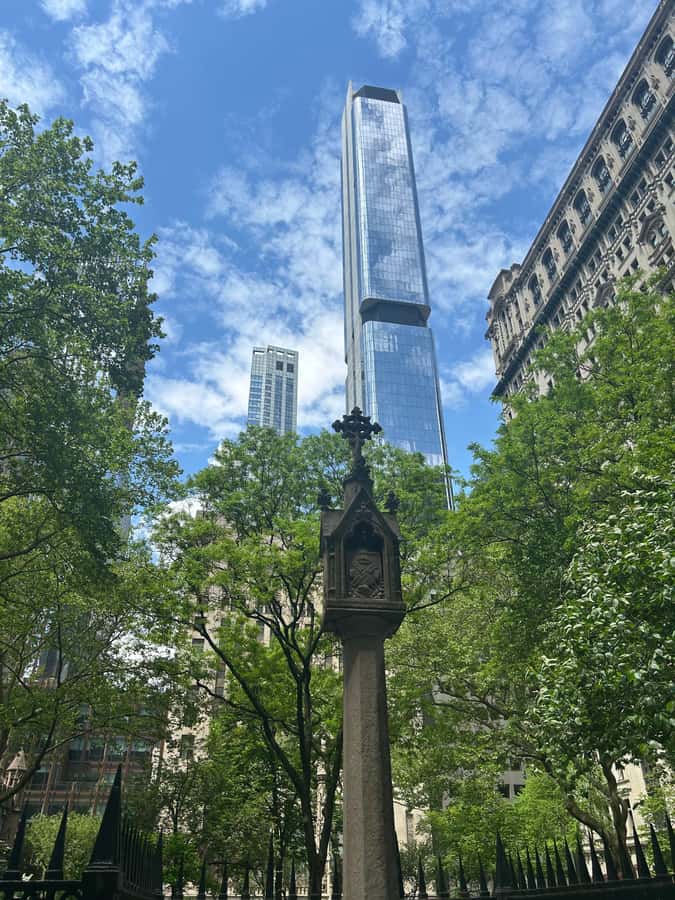
You meet the tour at the man with the hat in front of the Ipic theater. That matters because the Financial District can feel like a maze—one turn wrong and you’re wandering between offices with no obvious “start here” vibe.
Once you’re gathered, the guide quickly sets expectations: what you’ll see, how long you’ll be walking, and what to look for as the route shifts from early history to modern Wall Street imagery. This quick orientation helps you get your bearings fast, and that’s the difference between a “see a few sites” walk and a real history route you can remember.
Also, this is a fixed-duration tour (3 hours). You won’t burn time chasing distant explanations across the city. Instead, you’ll see a lot of meaningful stops without it turning into a sprint.
City origins: from the oldest print shop to the first paved street
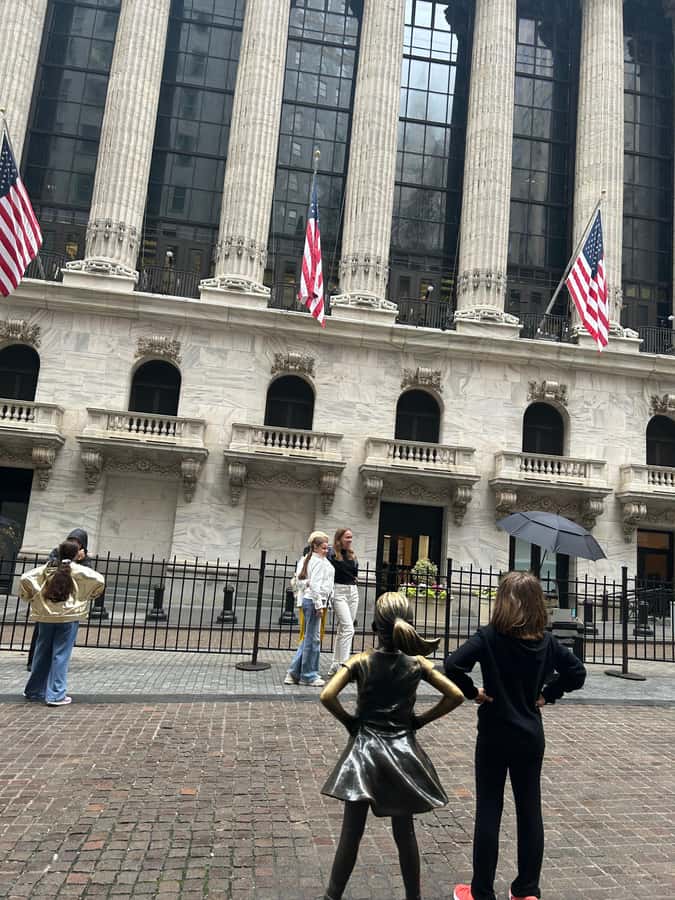
The tour begins with some of the oldest physical clues in the area. You start at the city’s oldest print shop—an anchor point that’s useful because it reminds you that information, not just money, helped New York grow. Print meant ideas traveled, and ideas shaped what people built next.
From there, you move toward early street history, including New York’s very first paved street. That kind of detail sounds small until you realize it tells you how a city stops being temporary and starts becoming permanent. You’re no longer watching “history in textbooks.” You’re looking at the decisions people made about roads, access, and growth.
Then comes a tucked-away moment: a hidden park tucked away from the busy streets. In a neighborhood known for speed, that pause gives your brain room to reset. It’s also where the tour’s rhythm improves—less “photo, move on” and more “walk, notice, understand.”
Dutch New Amsterdam clues: foundations, Stone Street, and tavern history

A major strength of this tour is how it handles the Dutch era without making it feel like a lecture. You’ll see the foundations of a Dutch tavern, which is exactly the right kind of stop for this part of the story. Foundations are honest. They don’t pretend the past survives unchanged; they show you what’s left and let you imagine the rest.
Next up is Stone Street, described as the first street of New York City. Walking it with context is like reading the city’s blueprint in tiny scale. Why here? Why these streets? How did people gather? Once you start thinking in terms of daily life—trades, food, lodging—Stone Street stops being just a “historic street” and becomes a clue to how communities formed.
You’ll also run into the oldest tavern still in operation, and the tour connects it to how early New Yorkers did business and conversation. The name you’ll hear is Fraunces Tavern, often tied to the longer-running thread of Manhattan’s hospitality life. The value here isn’t only that it’s old; it’s that it shows how public life and civic events braided together long before Wall Street existed as a concept.
Federal Hall: where Washington took the oath
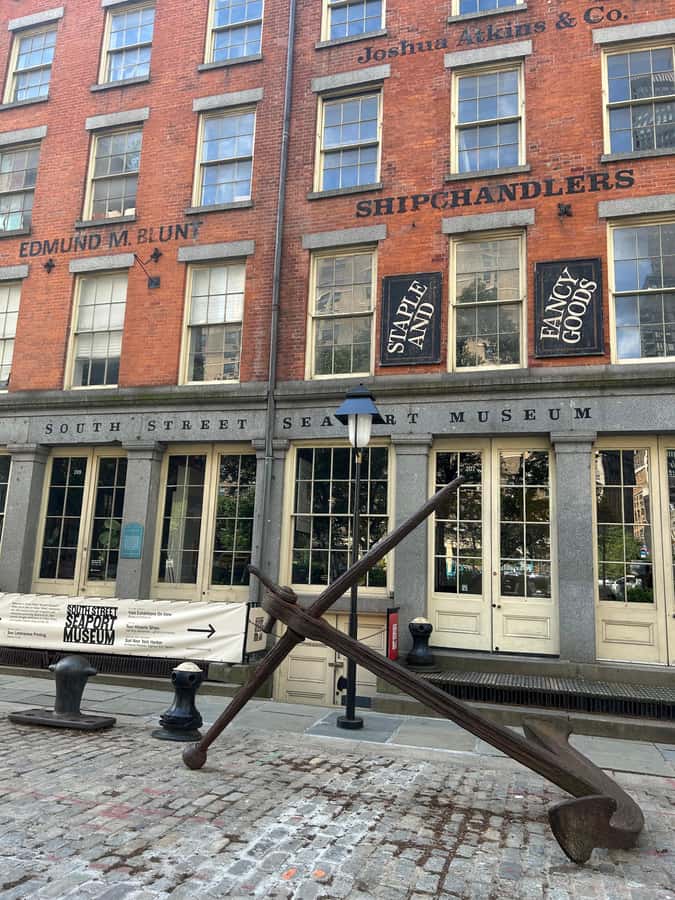
One of the most important stops is Federal Hall. This is where George Washington took the oath of office, a turning point that anchors the American story in the middle of what later became the Financial District’s power center.
Standing near a place tied to the founding of a government changes how you view the neighborhood. Wall Street can look like it’s all about finance, deals, and status. Federal Hall brings you back to the earlier idea: institutions, law, and public legitimacy came first. The guide’s job here is to keep that clear—so the walk from civic origins to economic dominance doesn’t feel random.
If you like history that connects to street-level reality, this stop is a big reason to pick this particular tour instead of a generic “photos of Wall Street” walk.




Trinity Church cemetery and Hamilton’s tomb
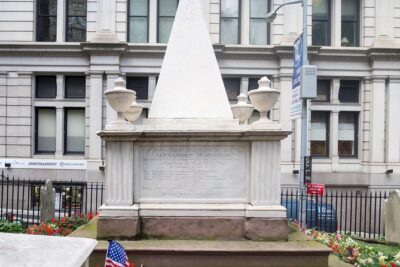
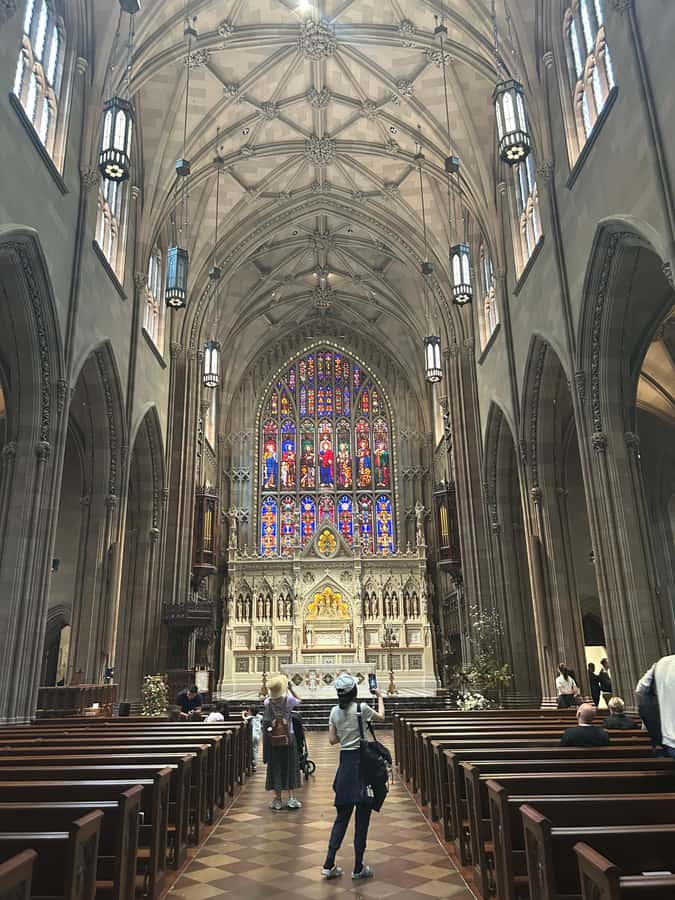
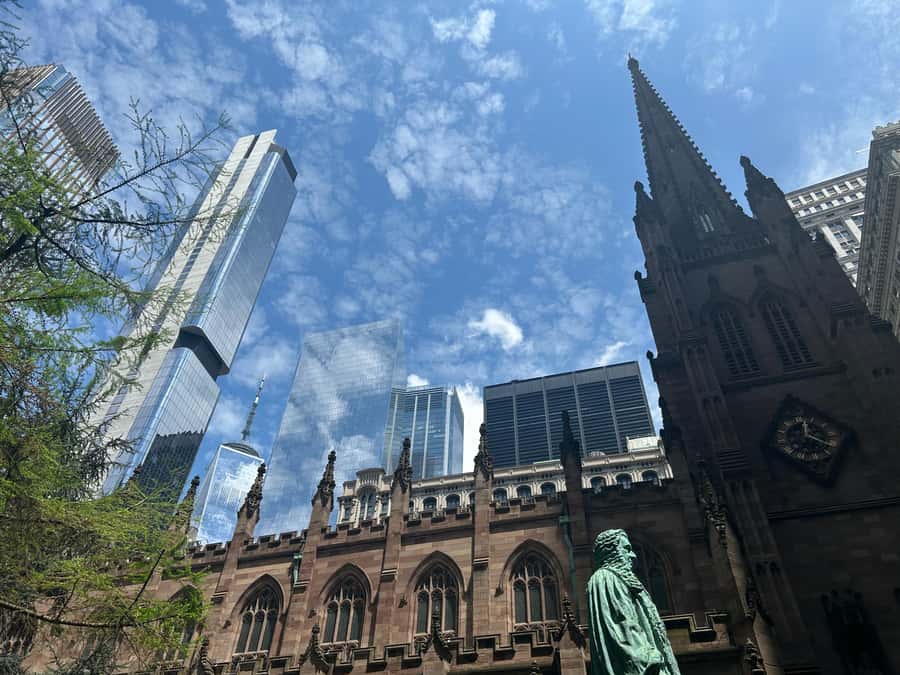
After Federal Hall, the tour heads into Trinity Church territory, including Trinity Church, its cemetery, and Hamilton’s tomb. This is the part many visitors skip because it can feel like “just another church” from the outside. With the guide, it becomes something different: a place where the city keeps its memory in stone.
Hamilton’s tomb is a magnet, and the guide’s explanations help you connect Hamilton to the broader story of early America: finance, power, politics, and the friction between ideals and reality. Even if you’re not a history superfan, you’ll likely find this moment sticks, because it’s tangible and human.
There’s also a practical benefit. Trinity Church and the surrounding area gives you a pause in the crowd flow, so you can stop, look around, and understand the geography of the city’s early core.
Wall Street icons: NYSE, the wall, Charging Bull, and Fearless Girl
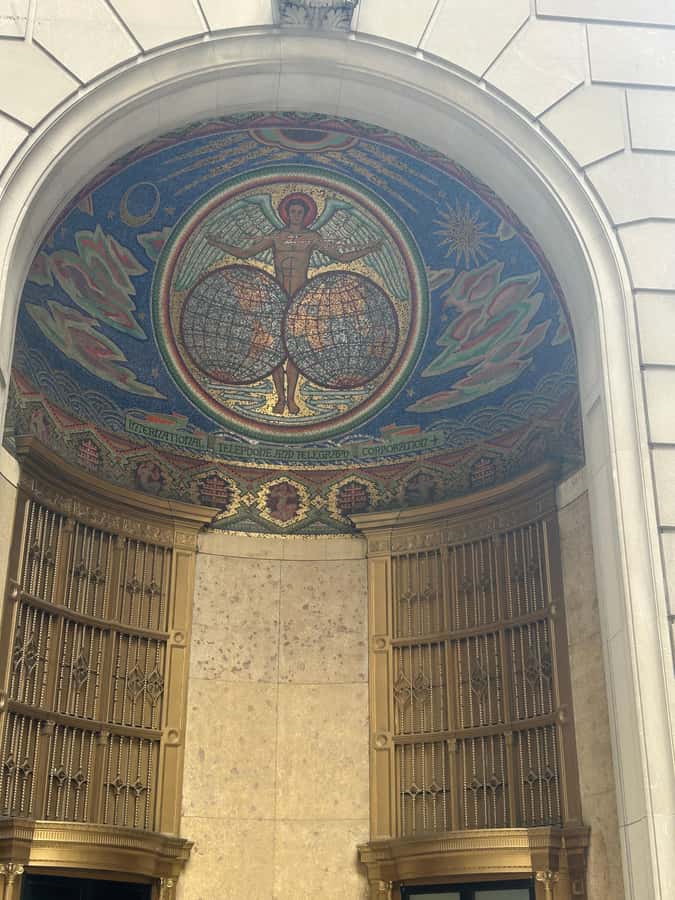
Then the tour shifts to the Wall Street experience most people came for. You’ll learn about the New York Stock Exchange, the wall of Wall Street and its story, and you’ll see major public art moments including Charging Bull and Fearless Girl—not just as pictures, but as symbols that spark debate.
The Charging Bull / Fearless Girl pairing is controversial in the way modern city symbolism often is: one side reads as aggressive optimism, the other as an argument about representation and power. The guide frames that tension without turning it into an argument you didn’t ask for. You walk away understanding why these statues became global instantly, and why they matter specifically in a place tied to money and influence.
If you’re tempted to treat Wall Street as a single stop, you’ll be glad this tour breaks it into pieces: institutions (NYSE), physical history (Wall Street’s wall story), and cultural symbols (the statues). That structure helps you remember the neighborhood as more than a skyline.
Hidden park moments and a Brooklyn view above it all

Not every history tour includes breathing room. This one does. You get both a hidden park tucked away from the main streets and an elevated park with views of Brooklyn.
That elevated viewpoint is a high-payoff stop because the Financial District can feel flat and enclosed. Looking out from above helps you understand the geography: where water and bridges shape the city, and why Manhattan’s southern end mattered so much. It’s also a nice mental break. After hours of institutions and monuments, the view lets the story land in your body, not just your head.
It’s also part of why the tour doesn’t feel like a checklist. The guide keeps returning you to how the city feels in motion—noise, angles, crowd flow—so you’re learning New York as a place, not just reading plaques.
From National Museum of the American Indian to the World Trade Center site
The tour doesn’t stop at the glamour of Wall Street. It continues to the National Museum of the American Indian and then onward toward smaller but meaningful civic spaces, including New York State’s very first park and the first park established in New York City.
Those park stops are more important than they sound. In a neighborhood ruled by buildings and deadlines, parks show how public space was imagined early on—who was meant to gather there, and what the city decided should be shared.
Finally, you end at the World Trade Center site. Ending here changes the emotional math of the walk. The Financial District is often sold as a story about power. This ending makes it a story about resilience and memory too, giving the tour a sense of closure that feels real rather than purely sightseeing-based.
Price and value: why $70 can feel fair for a 3-hour route
At $70 per person for a 3-hour guided walk, you’re paying for more than access to landmarks. You’re paying for:
- A licensed guide who can connect long timelines to street corners you’d otherwise miss
- A route that intentionally mixes headline sites with quieter historical traces
- Bilingual delivery (French or English) so you can follow the story fully
- A set of built-in stops that usually require extra planning if you do it on your own
In other words, the value isn’t the price alone. It’s the fact that you get a guided pathway from Lenape beginnings to Wall Street symbols and modern civic memory—without the “I’ll figure it out later” stress.
Also, the tour includes a few fun, local-feeling breaks, including an original bagel shop stop. It’s not just food-for-food’s-sake. It gives your day a New York texture and helps keep the walk from feeling too formal.
Comfort, pace, and the real walking reality
This is a pedestrian-friendly plan in the sense that it stays in a recognizable part of Manhattan. But you should still plan like it’s a city-walking afternoon: expect standing for short periods, navigating crowds, and moving between stops along busy streets.
The good news: the tour is designed as a coherent route with built-in rhythm—major landmarks, then a smaller story stop, then another big anchor. That structure reduces the chance you’ll feel lost or bored.
It’s also wheelchair accessible, which matters because the Financial District is not always easy to navigate. If you’re traveling with mobility needs, this accessibility note is a key point to factor in.
Who should book this Wall Street history walk
This tour is a strong fit if you want:
- History that stays grounded in the places you’re standing in
- A guide who tells tons of anecdotes instead of only listing dates
- A tour that connects the founding era to Wall Street’s modern image
- A mix of iconic sights (NYSE, Charging Bull, Fearless Girl) and less obvious moments (print shop, Dutch tavern foundations, hidden parks)
It’s especially good for first-timers who feel overwhelmed by New York scale. If you’ve got limited time and you want one walk to give you a framework for the Financial District, this delivers.
If you’re only interested in quick photo stops and you don’t want guided explanations, a self-guided plan might be more your speed. But for most people, the guide-led connections are the whole point.
Should you book it?
Yes, I’d book it if you want Wall Street with context and personality. The route has heavyweight civic history (Federal Hall, Washington’s oath), major memory stops (Trinity Church and Hamilton’s tomb), and modern symbolism that still sparks conversation (Charging Bull and Fearless Girl). Add in the hidden park breaks and the elevated Brooklyn view, and you get a tour that’s more human than corporate.
Just go in with the expectation that it’s a walk-focused 3-hour experience. If you’re comfortable standing, looking up, and taking it step by step, this is a practical way to make the Financial District feel like a story you can actually follow.
FAQ
How long is the Wall Street: The birth place of New York City tour?
It lasts 3 hours.
How much does the tour cost?
The price is $70 per person.
What languages are offered?
The tour is available in French and English.
Where do I meet the tour guide?
Meet at the man with the hat in front of the Ipic theater.
What are some of the main sights included?
The tour includes Trinity Church (cemetery and Hamilton’s tomb), Federal Hall (including Washington’s statue), the Stock Exchange (old and new), Fraunces Tavern, Stone Street, Wall Street landmarks, and the World Trade Center site.
Does the tour include Federal Hall and Washington’s oath?
Yes. Federal Hall is part of the route, along with Washington-related highlights.
Are the Charging Bull and Fearless Girl statues included?
Yes, both are included, along with discussion of their controversy.
Does the tour stop at the National Museum of the American Indian?
Yes, it includes a stop at the National Museum of the American Indian.
Is this tour wheelchair accessible?
The tour is listed as wheelchair accessible.
Is there free cancellation?
Yes. You can cancel up to 24 hours in advance for a full refund.
Is there a way to reserve and pay later?
Yes. You can reserve now and pay later.
FAQ
How long is the Wall Street: The birth place of New York City tour?
It lasts 3 hours.
How much does the tour cost?
The price is $70 per person.
What languages are offered?
The tour is available in French and English.
Where do I meet the tour guide?
Meet at the man with the hat in front of the Ipic theater.
What are some of the main sights included?
The tour includes Trinity Church (cemetery and Hamilton’s tomb), Federal Hall (including Washington’s statue), the Stock Exchange (old and new), Fraunces Tavern, Stone Street, Wall Street landmarks, and the World Trade Center site.
Does the tour include Federal Hall and Washington’s oath?
Yes. Federal Hall is part of the route, along with Washington-related highlights.
Are the Charging Bull and Fearless Girl statues included?
Yes, both are included, along with discussion of their controversy.
Does the tour stop at the National Museum of the American Indian?
Yes, it includes a stop at the National Museum of the American Indian.
Is this tour wheelchair accessible?
The tour is listed as wheelchair accessible.
Is there free cancellation?
Yes. You can cancel up to 24 hours in advance for a full refund.