REVIEW · NEW YORK CITY
3 Neighborhoods Tour: Soho, Chinatown & Little Italy
Book on GetYourGuide →Operated by TopDogTours · Bookable on GetYourGuide
Three neighborhoods. One sharp Manhattan story. I love the SoHo architecture along Greene Street, from the Haughwout Building to the Old Police Station, and I love the way the tour threads the streets to queer-nightlife activism—queer artists and radicals, mob money, and the pushback. The only real drawback is the steady walking, so plan for your feet.
For $39, you get a tight 2-hour, English-language loop starting at Duarte Square and finishing at Columbus Park, with guided stops and short food breaks you can use to taste your way through the area. In the hands of guides named Briana, Francesca, Fran, Claire, and Piper (among others), the pacing and stories tend to land well for first-timers and repeat NYC fans alike.
In This Review
- Key things that make this tour worth your time
- Entering Three Neighborhoods Without Getting Lost
- Price and Value: $39 for Two Hours of Direction
- Duarte Square to Your First Big Real Estate Story
- SoHo on Foot: Greene Street, Haughwout Building, and Old Police Station
- A Short Bakery Break That Sets Up Your Eating Rhythm
- Nolita Peek: Cheesecake and the Quick Turn Toward Little Italy
- Little Italy: Mulberry Street, Cannolis, Gelato, and Real Heritage
- Chinatown’s Spiritual Start: Mahayana Buddhist Temple and the Golden Buddha
- Chinatown Food Stops and the Doyer Street Changeover
- The Big Story Thread: Queer Nightlife, Mob Money, and Activists
- Pacing, Breaks, and How the Route Fits 2 Hours
- What to Pack and Bring on Tour Day
- Who This Tour Suits Best
- Should You Book This Tour?
- FAQ
- Where does the tour start and end?
- How long is the tour?
- How much does it cost?
- Is there a live guide?
- Are food and drinks included?
- Should I bring cash?
- Does the tour run in bad weather?
- What should I wear or bring for walking?
- Is there anything I’m not allowed to bring?
- Do I need to confirm my reservation with the office?
Key things that make this tour worth your time
- Duarte Square start, Columbus Park finish: you end in a calmer spot instead of back where you began
- SoHo’s landmarks on foot: Greene Street architecture, plus stops like the Haughwout Building and Old Police Station
- Food breaks along the way: cheesecake in Nolita, then classic Little Italy bites, plus dumplings at the end (bring cash)
- Chinatown’s big spiritual moment: the Mahayana Buddhist Temple and its 16-foot Golden Buddha
- A story that goes beyond postcards: queer artists, poets, and radicals, with mob profiteering and activism
- Easy-to-follow route: short sightseeing blocks, then breaks to reset your legs
Entering Three Neighborhoods Without Getting Lost
This is the kind of Manhattan walk that helps you get your bearings fast. SoHo, Chinatown, and Little Italy look like three separate worlds, but on a short schedule they connect through streets, migration, changing economies, and the way nightlife and food shape communities.
What makes this experience click is the mix of “see it” and “understand it.” You don’t just spot pretty buildings or signboards. You also hear how the neighborhood reputation formed—especially the story of how SoHo became one of Manhattan’s most expensive places to live. Then you carry those ideas into Chinatown and Little Italy, where tradition shows up in food, daily routines, and the shopping bargains people actually hunt for.
Also, the tour length matters. At 2 hours, you’re not spending your day in transit. You can still do a museum later or grab dinner in your own neighborhood after. And because it runs in all weather, you’re not stuck waiting for perfect skies.
You can also read our reviews of more walking tours in New York City


Price and Value: $39 for Two Hours of Direction
At $39 per person, you’re paying for three things: a live guide, a guided route, and interpretation you won’t get if you wander on your own.
The guide is the big value. Manhattan streets can look “random” unless someone points out the why behind the what. Here you get clear stops tied to themes: SoHo’s architecture and real estate story, Little Italy’s heritage and food culture, and Chinatown’s spiritual landmarks and shifts over time.
One practical point: food and drinks aren’t included. That means the tastings you’ll do along the way are more like short sampling moments where you can purchase small bites, not an all-you-can-eat plan. The tour does tell you to bring cash, which is a helpful clue. If you prefer paying with card only, you’ll want to double-check what each place takes before you rely on it.
Duarte Square to Your First Big Real Estate Story
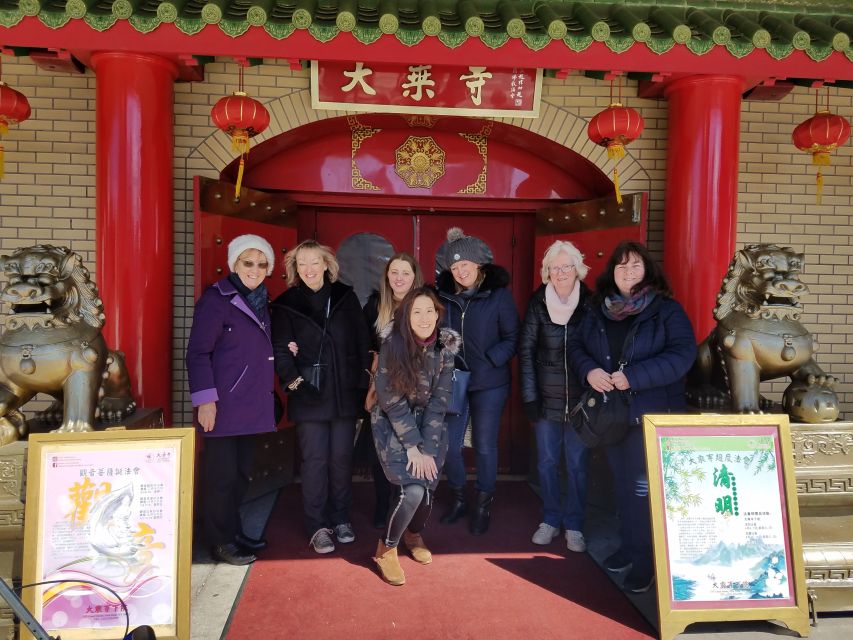
You start at Duarte Square. That matters more than it sounds, because it’s where your route begins to “make sense.” From there you move into SoHo, and the first takeaway is how the neighborhood became so desirable—and so expensive.
SoHo today is known for art, shopping, and that stylish, photogenic architecture. But the tour frames it with the economics underneath. You learn about real estate pressures and how SoHo transformed into one of the priciest areas on the island. It’s the difference between looking at a storefront and understanding why the block feels the way it does.
You also get a sense of how neighborhoods change without needing a lecture. The guide keeps it street-level: what you’re seeing, what it used to mean, and where the money and culture shifted.
SoHo on Foot: Greene Street, Haughwout Building, and Old Police Station
SoHo is where you’ll feel the architecture first, and the tour helps you notice details you’d otherwise walk right past.
Expect a focused stretch around Greene Street, where the architecture is part of the point. You’ll hear why the street’s look is so distinct and why it became a place people want to live—and show off.
Two landmark stops are especially memorable on this route:
- Haughwout Building: a signature historic structure that anchors the neighborhood’s architectural identity
- Old Police Station: a reminder that this area didn’t always function as a luxury shopping magnet
You’ll also get time to see some of the fashionable bakeries, shops, and restaurants that SoHo is known for. This isn’t a “run-and-gun photo stop” tour. It’s built for walking slowly enough to process what you’re looking at, then taking a break.
And yes, there’s a short local bakery stop early in the loop. It’s quick, so think of it as a palate reset and a chance to buy a small snack rather than a full meal.
A Short Bakery Break That Sets Up Your Eating Rhythm
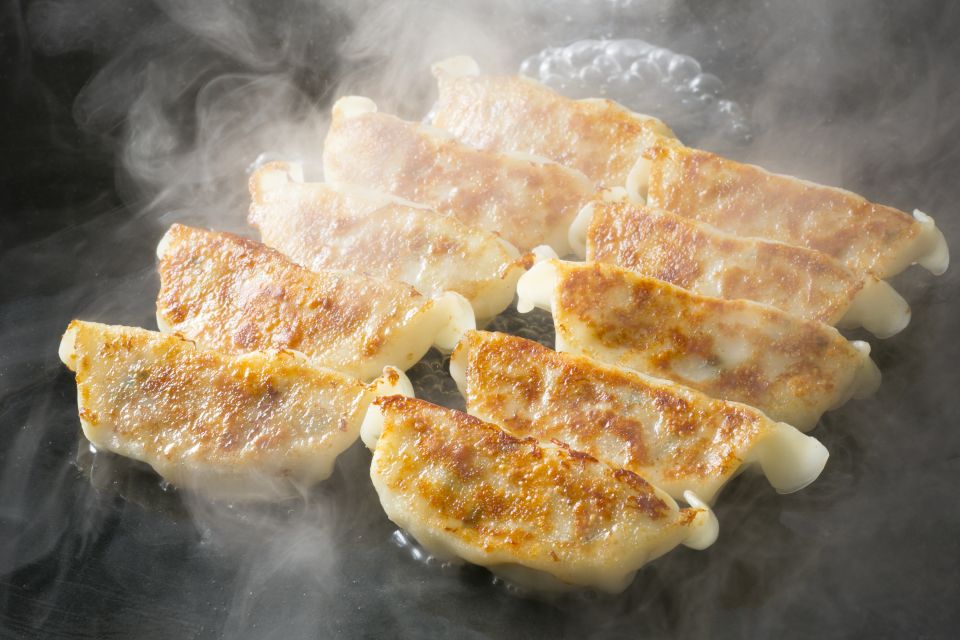
After you’ve done some sightseeing, you hit a bakery break. The big tip here is to use it strategically.
Food isn’t included, so this pause is where you can decide your pace:
- If you want something sweet, grab it here so later tastings feel like extras.
- If you’re more savory-minded, this is your moment to eat enough to enjoy the next neighborhood stops without getting cranky.
Bring cash as requested. Some smaller spots run efficiently but may not take every payment method. Also, the tour notes that there’s no guarantee food vendors will be operating, so having a simple snack earlier helps if a place is closed when you arrive.





Nolita Peek: Cheesecake and the Quick Turn Toward Little Italy
Right after the SoHo leg, you’ll make a quick stop in Nolita and sample cheesecake. This works well because it’s a gentle bridge between two vibes: SoHo’s style and Little Italy’s food-and-foot-traffic energy.
Nolita is also a useful mental marker. It reminds you that Manhattan doesn’t change neatly by “district lines.” You’re moving through overlapping areas where tastes and storefronts shift block by block.
Then you roll into Historic Little Italy, and the tour leans into what people come here for: classic foods, a festive neighborhood atmosphere, and heritage you can feel just by walking Mulberry Street.
Little Italy: Mulberry Street, Cannolis, Gelato, and Real Heritage
In Little Italy, your guide points out why the neighborhood became famous in the first place. It’s not only about the food—it’s about the community that built those tastes and turned them into tradition.
On this tour, you’ll have time to mingle with locals and get inside scoop about famous spots on Mulberry Street. That kind of local context matters because it turns the street from a postcard hallway into something you can understand.
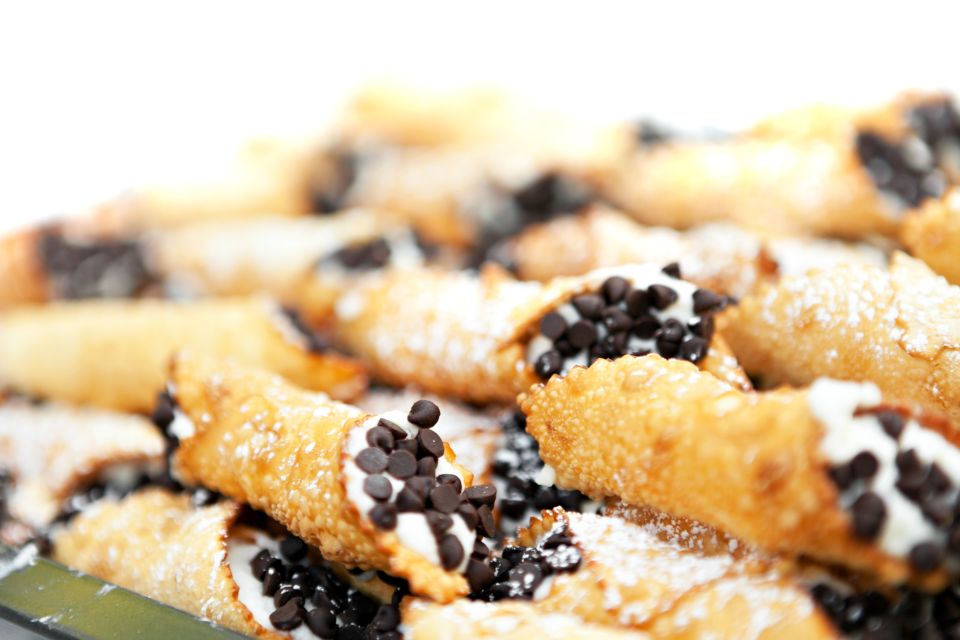
You’ll also sample classic bites such as:
- cannolis
- gelato
- pizza
and more depending on what’s available in the moment
Important practical note: the tour says there’s no guarantee food vendors will be operating. That means your best plan is to keep expectations flexible. If you want a full meal, don’t rely on the tastings being enough. If you’re happy with small bites and a walking tour vibe, you’ll be fine.
The other value in Little Italy is the way the guide ties food to identity. You’re not just tasting. You’re hearing about heritage—why these foods are recognizable and how they became part of the neighborhood’s image.
Chinatown’s Spiritual Start: Mahayana Buddhist Temple and the Golden Buddha
Chinatown is where the tour shifts gears, and you’ll feel it quickly.
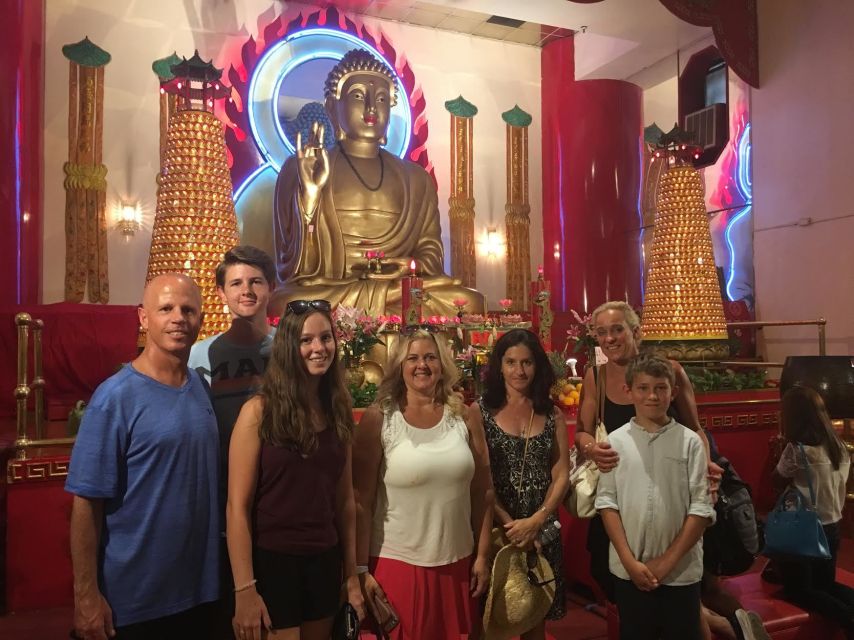
First, you visit the Mahayana Buddhist Temple. The main highlight is the 16-foot Golden Buddha. That’s the kind of sight that anchors the neighborhood beyond shops and street food. It gives you a reason to slow down and look up.
You also get a peek at Chinatown’s traditional cuisine and the sense that this is one of Manhattan’s bargain zones. Even if you don’t buy much, seeing the busy trade and the food focus helps you understand why people come back again and again.
Then you pass by the Manhattan Bridge and walk into the heart of Chinatown. That moment—bridge to streets—helps you visualize how the city’s physical geography funnels movement and makes neighborhoods feel like living corridors.
Chinatown Food Stops and the Doyer Street Changeover
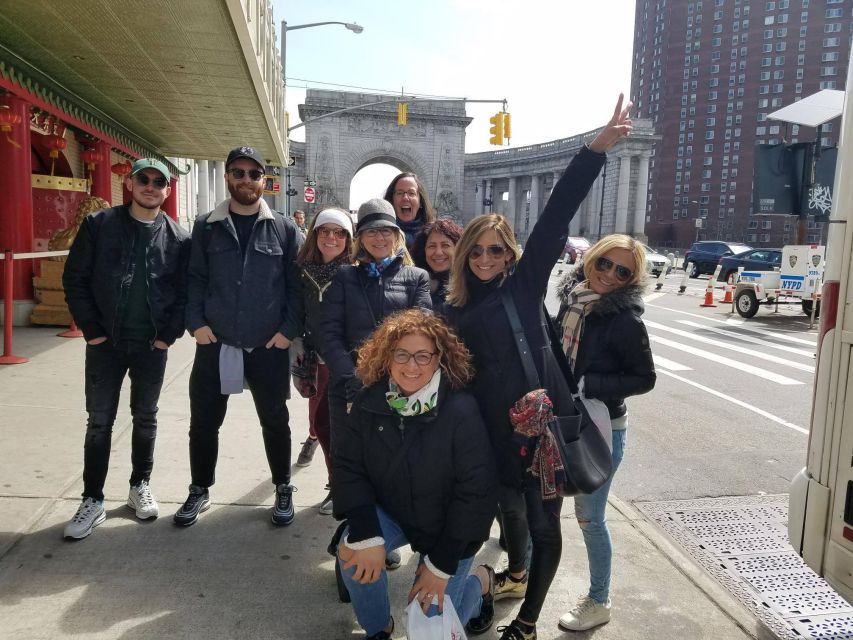
In Chinatown, you’ll see where Chinatown got its start, including a visit connected to the Original Chinatown Ice Cream Factory. It’s a classic stop for food lovers, and the tour uses it to talk about origins and how the neighborhood developed.
Later, you’ll walk down Doyer Street and learn how the neighborhood has changed over the years. This is a key theme of the whole tour: neighborhoods aren’t frozen. Markets change, cultures mix, and power shifts. You’re seeing the current look, but the guide is helping you picture the earlier chapters.
Then the tour ends with a traditional dumpling. This is a satisfying finish because it’s easy to eat while still being part of the street atmosphere. And you’ll also hear about the infamous Five Points as part of the wrap-up story—how parts of the city became known for specific social eras, and how those stories echo into later neighborhood identities.
The Big Story Thread: Queer Nightlife, Mob Money, and Activists
What lifts this tour above a standard food-and-photos walk is the narrative about queer life.
You’ll hear about the lives of queer artists, poets, and radicals in the city. Then the guide connects that to how the mob profited off queer nightlife, and how activists fought back. That contrast is the point: creativity and community, then exploitation, then resistance.
I like tours that treat this as more than trivia. Here, the story is woven into how you interpret the streets. You’re not only walking through places; you’re learning what was at stake—who had power, who was targeted, and who pushed for change.
Guides also seem to land this theme with care. Many of the guides praised in past tours—like Luke, Rory, Ann, and Patrick—are described as fun to talk to and patient with the group, which helps when the subject matter has real weight.
Pacing, Breaks, and How the Route Fits 2 Hours
This is a short tour, so pacing is everything.
You’ll get sightseeing blocks in each neighborhood, plus planned breaks and food moments. There’s time for:
- a local bakery break (short tasting)
- a break at another stop with a food tasting
- a final break tied to the local restaurant/dumpling moment
If you’re sensitive to long walks, this tour still works because the route keeps moving between short legs and rests. One practical downside: it’s still Manhattan walking. The tour explicitly advises comfortable shoes, and the reviews reflect that pacing is tight enough to feel like a real city walk, not a slow museum drift.
It also helps that the tour operates in all weather conditions. So if it’s raining, you’ll still go. Dress for that reality. Bring layers you can adjust quickly.
What to Pack and Bring on Tour Day
Here’s what you should plan for based on the tour rules and practical clues:
- Comfortable shoes (you’ll walk a decent amount)
- Cash (food and drinks aren’t included, and the tasting stops suggest you’ll want spending flexibility)
- Weather-ready clothing (the tour runs in all weather)
And a few “please don’t bring it” items:
- no pets
- no weapons or sharp objects
- no oversize luggage or large bags
If you like keeping your day light, this fits well. You won’t be juggling a big tote or back-breaking bag through narrow streets.
Who This Tour Suits Best
This is a great pick if you:
- want a structured way to see SoHo, Chinatown, and Little Italy in just 2 hours
- enjoy history that’s tied to streets, architecture, and everyday life
- like food stops but don’t need a full meal included
- appreciate a guide who can connect culture, art, and social change
It’s also a strong choice for first-time NYC visitors who feel overwhelmed by Manhattan’s size. You get a route, landmarks, and stories, without needing to build an itinerary yourself.
Should You Book This Tour?
If you want a fast, friendly, story-driven walk through three of Manhattan’s most recognizable neighborhoods, I’d book it.
The biggest reason to say yes: you don’t just see sights. You learn why SoHo became expensive, why Little Italy’s food matters, and why Chinatown’s landmarks and traditions tell a bigger story. Add the queer-nightlife narrative—queer artists and radicals, mob profits, and activists fighting back—and it becomes more memorable than the average “eat and photo” tour.
I’d skip it only if you have trouble with walking or if you want a tour where all food is guaranteed. Since the tour notes there’s no guarantee vendors are operating, come ready to buy small bites when available and adjust if not.
If you fall into the middle ground, this is a good-value way to turn a layover or a single afternoon into something with meaning.
FAQ
Where does the tour start and end?
It starts at Duarte Square and finishes at Columbus Park.
How long is the tour?
The duration is 2 hours.
How much does it cost?
It’s priced at $39 per person.
Is there a live guide?
Yes, you’ll have a live tour guide in English.
Are food and drinks included?
No. Food and drinks are not included, so you should plan to pay for any tastings you choose.
Should I bring cash?
Yes. The tour specifically advises bringing cash.
Does the tour run in bad weather?
It operates in all weather conditions. If it’s canceled due to poor weather, you’ll be offered an alternative date or a full refund.
What should I wear or bring for walking?
Wear comfortable shoes since there is a decent amount of walking. Dress appropriately for the weather.
Is there anything I’m not allowed to bring?
Pets are not allowed, and you also can’t bring weapons or sharp objects, oversize luggage, or large bags.
Do I need to confirm my reservation with the office?
The tour notes there is no need to confirm your reservation with the supplier’s office.